
REVIEW · MUSEUMS
Montreal: Art Center and Museum Audio Guided Tour
Art in a former industrial building, yes please. This Montreal Art Center and Museum audio tour turns a 19th-century Griffintown landmark into a walk-through of modern work and major European art, all paced by an English and French audio guide. I love the mix: contemporary resident artists side-by-side with a serious permanent collection of 19th-century paintings and major names in works on paper. My other favorite detail is the setting itself, with old architectural features, antique furniture, and even historical wax statues. One thing to plan around: it’s three floors with no elevator, so it is not for wheelchair users or people with mobility impairments.
You’ll start in a building that once belonged to Caledonian Iron Works (1879), known for parts for ship engines and trains. Today it feels like a time machine, because the physical space and the art both tell a story. I recommend it if you want a calmer, self-paced museum visit where you can stop, rewind, and take your time.
In This Review
- Key Points You Should Know Before You Go
- Stepping Into Griffintown’s 1879 Art “Time Machine”
- What the Audio Guide Does (And How to Use It Well)
- Floor by Floor: How the Museum Visit Unfolds
- The Building Details You’ll Actually Notice
- Artists Studio Spaces: See Art Where It Happens
- Modern Resident Art Meets Historic Collections
- The Wax Statues: A Delightfully Odd Side Quest
- Antiques, Displays, and In-Between Moments
- Price and Value: Why $12 Makes Sense Here
- Who This Tour Suits Best (And Who Should Rethink It)
- Timing, Pacing, and How to Avoid Feeling Rushed
- Small Practical Tips That Make a Big Difference
- The One Real Drawback to Know Up Front
- Should You Book This Montreal Audio-Guided Art Tour?
- FAQ
- How much does the Montreal Art Center and Museum audio guided tour cost?
- How long is the tour?
- What languages are available for the audio guide?
- Is the tour included with access to all museum areas?
- What should I do if the door is closed when I arrive?
- Is the tour wheelchair accessible?
- Are there any restrictions during the visit?
Key Points You Should Know Before You Go
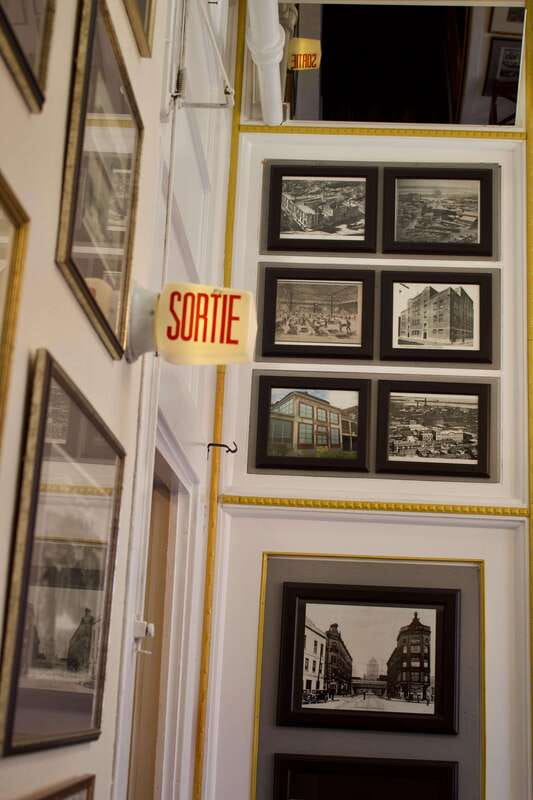
- A 1879 Griffintown factory building turned museum: Douglas fir structure, antique furniture, and period details guide the vibe.
- Resident artists meet mainstream masters: you see modern art created locally and also permanent collections from Europe and beyond.
- 19th-century focus, plus heavy-hitters on paper: you’ll encounter major artists in works on paper, including Picasso, Monet, and Rembrandt.
- Historical wax statues from the former Grévin Museum: a weird, wonderful detour inside the museum world.
- Artists studio spaces are part of the experience: you can walk where art actually gets made, not just displayed.
- No elevator, three floors: wear grippy shoes, and expect stairs.
More indoor hours worth the ticket
- Museum of Illusions Montreal – 70+ Illusions to Explore★ 4.0 · 103 reviews
- Montreal: Museum of Illusions Entry Ticket★ 4.6 · 25 reviews
- McCord Stewart Museum – Admission★ 4.5 · 17 reviews
- Guided Art Gallery Tour in Montreal★ 5.0 · 10 reviews
Stepping Into Griffintown’s 1879 Art “Time Machine”
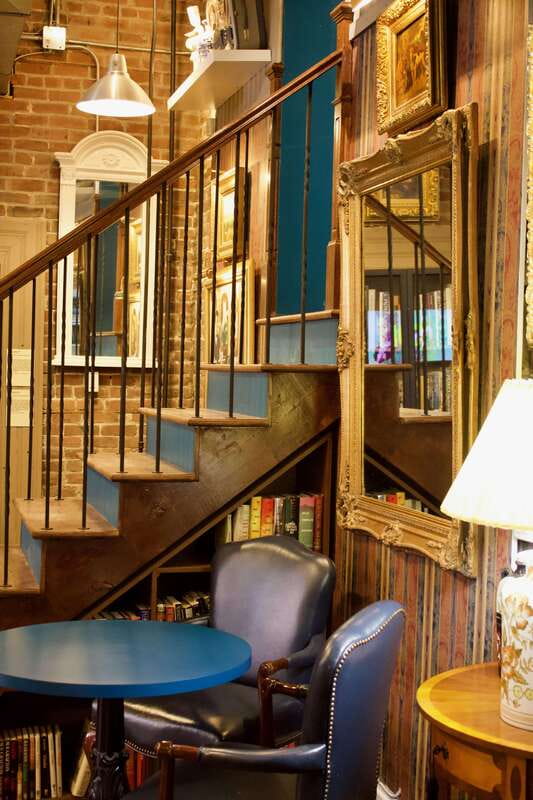
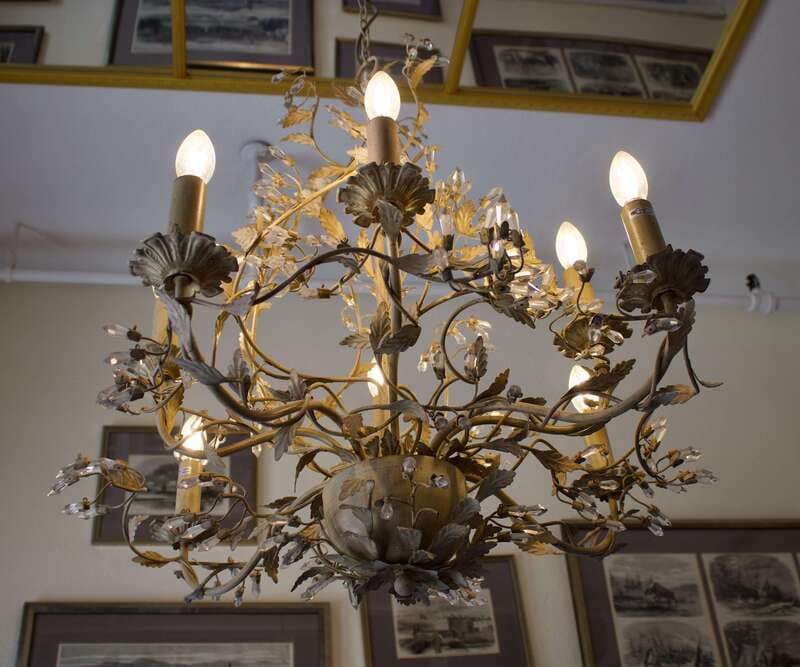
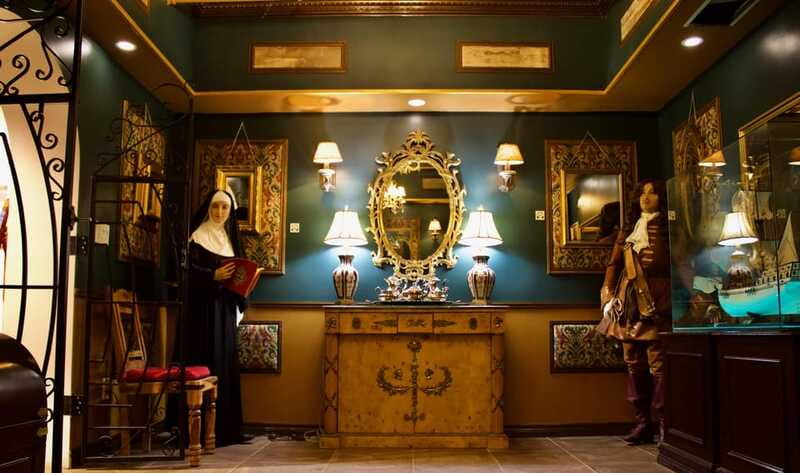
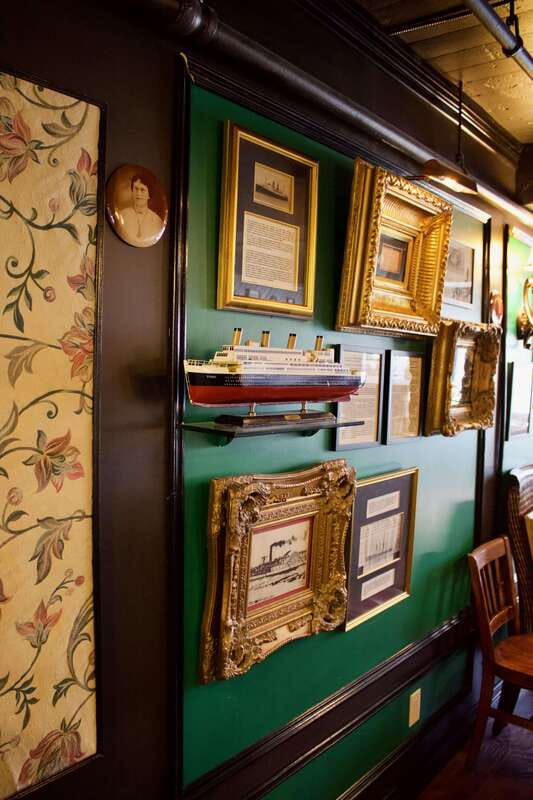
This tour starts with a building that does half the explaining for you. The Montreal Art Center and Museum is in a patrimonial structure built in 1879, originally tied to the Caledonian Iron Works. That matters because the museum is not trying to hide its industrial past. You’ll notice elements like Douglas fir wood in the structure, old safes that are about 140 years old, and antique furniture and displays that make the whole place feel staged like history.
You’ll also get the sense that the museum wants you to see art as something rooted in place. In other words, you’re not just moving from room to room. You’re walking through a real artifact of Montreal’s industrial era, then watching how that physical environment changes your perception of the artworks.
Practical note: it’s rain or shine. The museum experience is inside, so you do not need to stress about weather for much of the visit, other than getting there.
What the Audio Guide Does (And How to Use It Well)
The tour includes an audio guide in English and French, plus a museum map. That’s a strong combo because the audio gives you context while the map helps you move at your pace. Since the visit is self-directed, you are in control of how fast you go and how many rooms you revisit.
My advice: start with one main goal. For example, focus first on the 19th-century gallery areas, then switch gears to resident artists, or do it in reverse. Because the building has multiple floors and you are working through different art types, choosing a direction early helps you avoid that feeling of being ping-ponged between eras.
Also, the audio guide is part of what makes the price feel fair. You are not paying just for entry. You’re paying for interpretation built into your experience, so you can connect what you see with why it’s there.
Floor by Floor: How the Museum Visit Unfolds
This tour is designed around your movement through the building, including its multi-floor layout. You’re going to encounter several “zones” of art and artifacts, and each zone plays a different role in the story the museum tells.
More days someone else has already planned



The Building Details You’ll Actually Notice
Before you even get deep into the art, take time with the setting. You will see old safes, period-leaning furnishings, and the kind of display environment that makes you slow down. Those details are more than decoration. They help you understand why the museum calls the place a time machine, because the building’s industrial past gives a physical baseline for the art’s historical reach.
This is a good moment to pause and listen to the audio, if it gives background. The museum’s own layers of time are all around you.
Artists Studio Spaces: See Art Where It Happens
One of the included highlights is a tour of the artists studio spaces. This is the part I most like when I want the museum to feel human. Paintings and drawings are great, but seeing where artists work gives you a different kind of respect for the craft.
Expect a look at resident artists’ environments, the day-to-day reality behind the work, and the space where ideas take shape. You’ll also meet a broad community of resident creators, over 45 artists tied to the center. That scale matters because it changes the feel from a quiet gallery visit into a living art community.
And yes, there’s a practical angle too. The museum encourages support of local artists, including the option to purchase artwork that speaks to you. Even if you are not buying, meeting the artist community energy can make your viewing more personal.
Modern Resident Art Meets Historic Collections
After the studio vibe, you shift into galleries where you’ll find modern work by resident artists. The museum then widens the lens to European and international 19th-century paintings and related collections.
This is a smart curatorial move for a first-time visitor. If you only see one era, art can feel like a museum category. Here, you see how styles and themes can contrast inside one building. It also keeps your attention from draining, because the experience changes as you move through different artistic approaches.
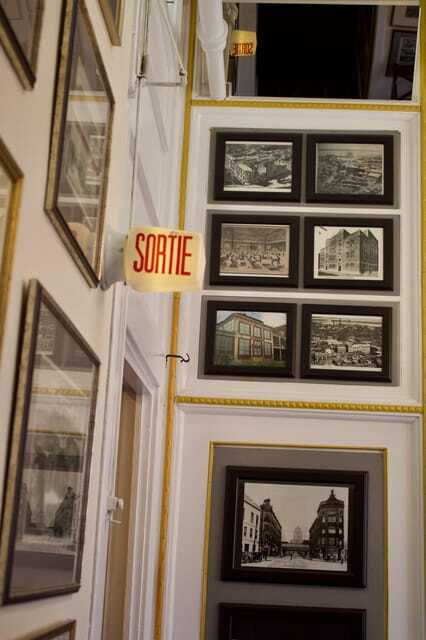
You’ll also encounter the museum’s collection of 19th- and 20th-century works on paper, with major names such as Picasso, Monet, and Rembrandt. Even if you are not a hardcore art history person, works on paper have a special intimacy. They often feel more immediate than large oils, and seeing famous artists in that medium can surprise you.
The Wax Statues: A Delightfully Odd Side Quest
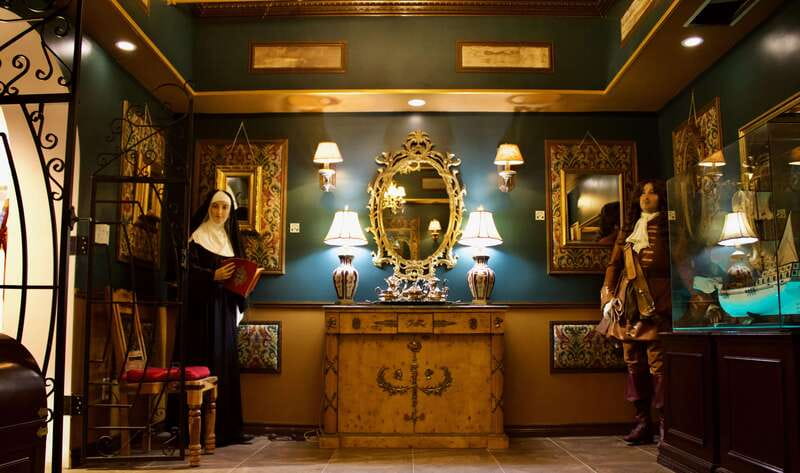
One of the most memorable included surprises is the historical wax statues from the former Grévin Museum. This kind of exhibit can go two ways: either it feels gimmicky or it becomes a fascinating glimpse into how museums used to create spectacle.
Here, it works because the statues are just one part of a bigger, layered program. In a building filled with old safes and period structures, the wax figures feel like another chapter in the history of display. Expect a stop that makes you grin, then lean in to look closer.
Antiques, Displays, and In-Between Moments
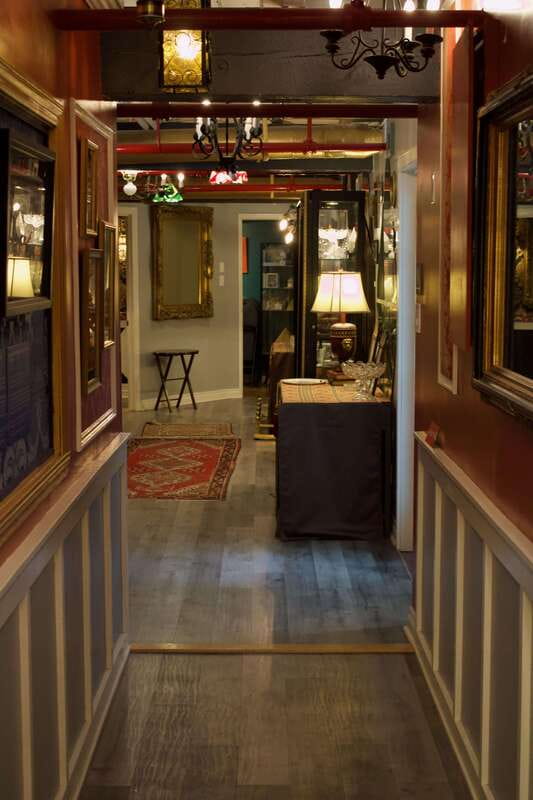
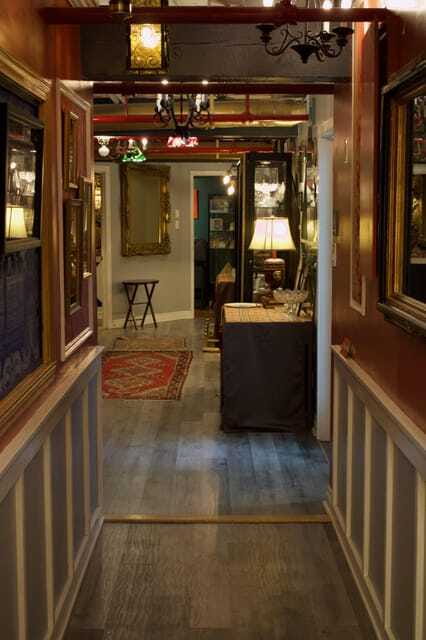
Between the big art rooms, keep an eye out for the smaller displays and antique furniture elements. They are not the main event, but they shape your walking rhythm. When you spend enough time in art galleries, those in-between details reduce the feeling of being trapped in silence and labels.
They also help you appreciate the museum’s goal: not just showing art, but showing how art is presented, framed, and preserved.
Price and Value: Why $12 Makes Sense Here
At $12 per person for a 1-day audio guided visit, the value comes from what’s actually included. You get access to museum rooms and galleries, the artists studio spaces tour, a museum map, and the audio guide in English and French.
Most museum tickets cover entry. This one also helps you connect the dots, because the audio guide adds context and keeps you from wandering aimlessly. And the studio spaces component is a real differentiator. It turns your visit into something closer to an art community experience rather than a purely observational one.
Also, if you are interested in supporting local creators, the setup encourages you to engage beyond looking. That can be a meaningful kind of value that goes beyond the price tag.
Who This Tour Suits Best (And Who Should Rethink It)
This works especially well if you:
- Like art, but you also want context you can absorb at your own speed
- Enjoy mixing eras, not just one style or one century
- Want to see resident artists’ working environments
- Are curious about odd museum history details like wax statues
It’s less ideal if you:
- Need step-free access. The building has three floors and no elevator, so mobility needs a different plan.
- Want a super-structured group tour experience. The overall feel is guided by audio, and some visitors may find that the pacing can feel a bit scattered if they prefer a tight script.
If you fall somewhere in the middle, bring realistic expectations: this is designed for self-paced discovery inside a historic space.
Timing, Pacing, and How to Avoid Feeling Rushed
Because the tour is valid for a day and you can check availability for starting times, your schedule flexibility is part of the appeal. I like that you can start when it fits your day, rather than being stuck to a rigid timetable.
To avoid feeling rushed, give yourself time for two things:
- One slow pass through the galleries with your audio guide on
- One “reset” pass focused only on what you liked most, with the audio guide either paused or used selectively
The building’s three-floor layout also means you will naturally move at a slower pace. That is not a bad thing. It actually helps you take in the old industrial setting and the art without turning it into a sprint.
Small Practical Tips That Make a Big Difference
A few details matter here, and they are easy to plan around:
- Alcohol and drugs are not allowed.
- Wear shoes you trust on stairs, because you will be going up and down.
- If you arrive and the door is closed, you should call 514-667-2270 and staff will meet you.
- If your plan includes special events, note that general admission excludes access to special events. You may need separate tickets if you want those add-ons.
These are not big issues, but they prevent annoying moments.
The One Real Drawback to Know Up Front
The strongest potential downside is the physical layout. No elevator, three floors. That can make the museum experience harder for some people, and it simply is not suitable for wheelchair users or visitors with mobility impairments based on the tour information.
The other consideration is pacing. Since the experience blends studio spaces, galleries of multiple eras, and a museum-history detour with wax statues, it can feel “loose” compared to a tight docent-led walkthrough. If you prefer a very linear experience, commit to a plan for where you want to start and what you want to prioritize.
Should You Book This Montreal Audio-Guided Art Tour?
If you want a museum visit that feels both historical and alive, this is a smart bet. The $12 price is hard to ignore, especially because you get not just entry, but studios access and an audio guide that helps you connect the art to the building and its eras. The pairing of local resident art with European 19th-century work, plus works on paper by Picasso, Monet, and Rembrandt, gives you variety without turning into random chaos.
Book it if you enjoy:
- self-paced museum wandering with guidance
- seeing how artists actually work
- mixing centuries in one visit
- a fun museum surprise like wax statues from the former Grévin Museum
Skip it or plan alternatives if you:
- need elevator access
- hate stairs
- want a tightly choreographed group experience
If your day in Montreal includes Griffintown, or you want a quieter art break that still feels meaningful, this audio-guided tour is a solid choice. You’ll leave with more than photos. You’ll leave with a clearer sense of how Montreal art culture fits into the city’s physical history.
FAQ
How much does the Montreal Art Center and Museum audio guided tour cost?
It costs $12 per person.
How long is the tour?
It is a 1-day experience.
What languages are available for the audio guide?
The audio guide is available in English and French.
Is the tour included with access to all museum areas?
General admission includes access to museum rooms and galleries, and it also includes the artists studio spaces tour. Special events are not included.
What should I do if the door is closed when I arrive?
If the door is closed, call 514-667-2270 and staff will meet you.
Is the tour wheelchair accessible?
No. The building has three floors and unfortunately no elevator, so it is not suitable for people with mobility impairments or wheelchair users.
Are there any restrictions during the visit?
Alcohol and drugs are not allowed.
Easier With a Guide





Indoor Hours Worth the Ticket





Just off the notebook: recent Montreal write-ups
- Secret Food Tours: Montreal – Jean-Talon & Little Italy
★ 4.0 · 4 reviews - Montreal to Quebec City Tour with Private Transportation
★ 5.0 · 4 reviews - Montreal: Iconic Landmarks All-Inclusive VIP Experience
★ 4.7 · 4 reviews - A Walking Tour of Old Montreal
★ 3.8 · 4 reviews - Day at Mont-Tremblant National Park
★ 4.0 · 5 reviews - Old Montreal: Self-Guided Tour from Place D‘Armes to Old Port
★ 5.0 · 5 reviews
Museums, compared.
 ★ 4.6Toronto: Royal Ontario Museum Admission TicketFrom $191,237 reviews
 ★ 4.5Royal Ontario Museum AdmissionFrom $19411 reviews
 ★ 4.6Toronto: Art Gallery of Ontario General Admission TicketFrom $21251 reviews
 ★ 5.0Britannia Mine Museum General AdmissionFrom $32233 reviews
 ★ 4.7Ottawa: Canadian War Museum AdmissionFrom $18232 reviews
 ★ 4.8Gatineau: Canadian Museum of History AdmissionFrom $20230 reviews
 ★ 4.6Ottawa: Canadian Museum of Nature AdmissionFrom $19226 reviews
 ★ 3.5Museum of Illusions Admission in TorontoFrom $26214 reviews
Browse the lists this tour appears in