
REVIEW · OTTAWA & THE CAPITAL REGION
Gatineau: Canadian Museum of History Admission
History hits hard in one big museum. The Canadian Museum of History pairs 15,000 years of Canada’s human story with standout Indigenous-focused galleries, and it delivers in a building designed by Indigenous architect Douglas Cardinal. I especially love the scale and calm clarity of the Canadian History Hall, where artifacts connect to real lives, and I also really like how the museum makes room for multiple voices, not just one official version.
One possible drawback: it’s a lot to take in. With four floors and several “must-see” areas, you’ll want a plan, or you may end up rushing the parts you care about most.
In This Review
- Key things to know before you go
- One Museum, Four Floors, and a Big View of Canadian Identity
- What Your Ticket Covers (and Why That Value Is Better Than It Looks)
- Entering the Museum: Your Orientation Moves (That Save Time)
- Canadian History Hall: How 15,000 Years Feels Understandable
- Indigenous Galleries: More Than “One Section”
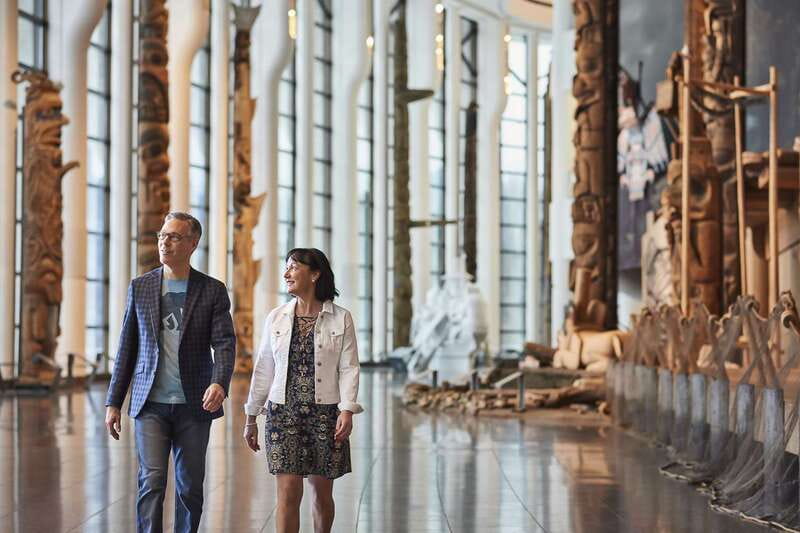
- The world’s largest indoor collection of totem poles
- Six traditional Northwest Coast house fronts
- Special Exhibitions: Multiple Perspectives, Real Tensions
- Ciné+ Documentary Film: A Smart Break That Still Teaches
- Canadian Children’s Museum: Family Fun Without Dumping the Adults
- Getting the Most Out of Your One-Day Plan
- Price, Discounts, and Who This Day Trip Fits Best
- Nearby Logistics: How to Fit It Into an Ottawa Day
- Should You Book a Day at the Canadian Museum of History?
Key things to know before you go
- World’s largest indoor monumental poles: A huge totem-pole display you can experience without weather chaos.
- Canadian History Hall pacing: Personal stories plus 1,500 authentic artifacts help time move clearly.
- Indigenous village fronts: Six traditional house fronts arranged like a Northwest Coast village, all in one museum experience.
- Family add-on is real: The ticket also covers the Canadian Children’s Museum, so you can keep kids engaged without a second stop.
- Ciné+ for a reset: Larger-than-life documentaries give you a break from reading and walking.
- App support: A multilingual Museum Guide app helps you steer through four floors.
One Museum, Four Floors, and a Big View of Canadian Identity
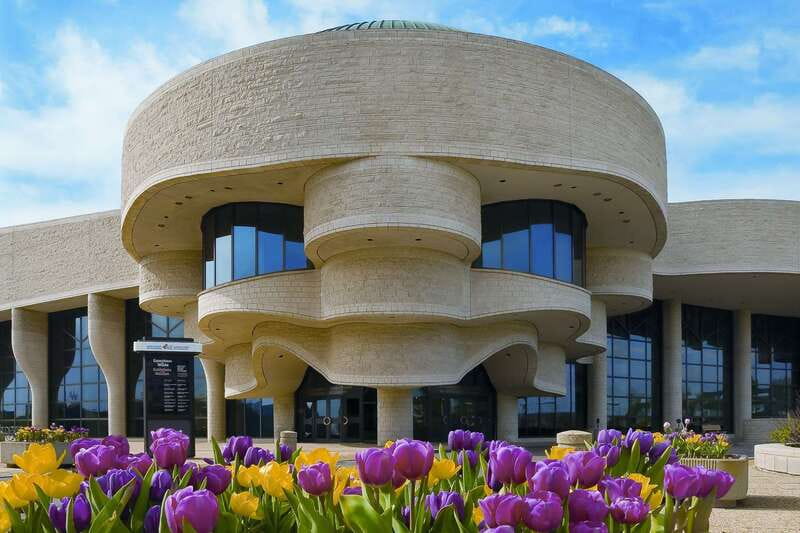
The Canadian Museum of History sits in Gatineau, Quebec, right along the riverfront across from Parliament Hill. The setting matters. Even before you enter, you get a sense that you’re watching the national story being built in real time, not just stored behind glass.
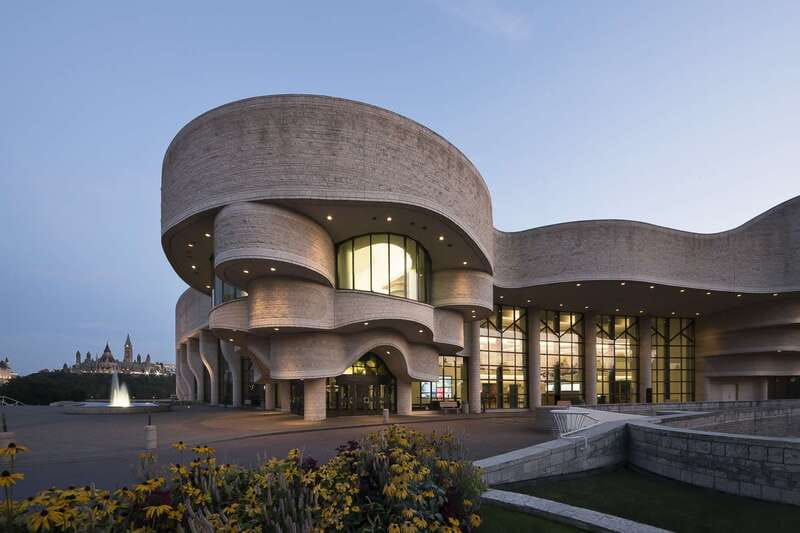
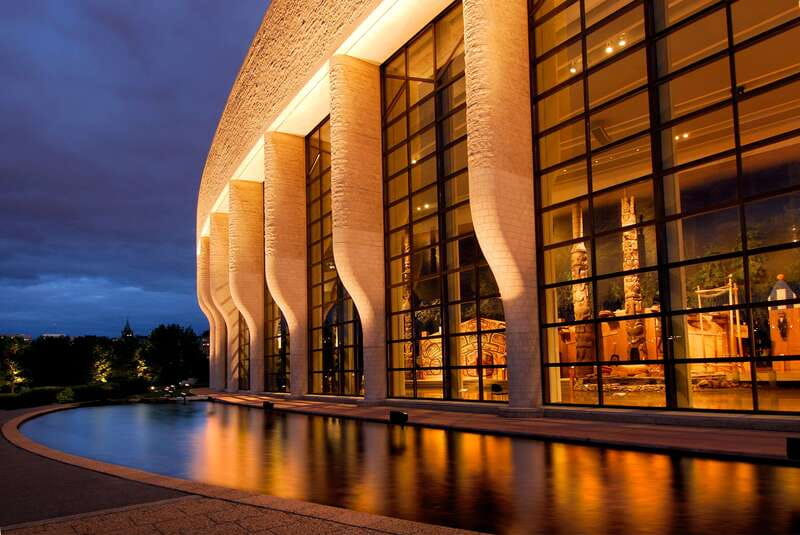
Inside, the building itself is a draw. It was designed by Indigenous architect Douglas Cardinal, and that design shows up in how spaces feel open, grounded, and connected to the ideas the museum is presenting. If you like architecture that actually supports the message, you’ll probably notice it as you move between galleries.
This is a 1-day admission experience, and your best move is to treat it like a day with choices. Four floors sounds intimidating, but it also means you can focus on what you care about: Indigenous histories and art, the “main timeline” galleries, or family-friendly hands-on areas.
And yes, you can pack a lot in. Some visitors find they can do meaningful highlights in about two hours if they pick their target galleries. If you have more time, you’ll feel less pressure and can slow down in the sections that deserve it.
What Your Ticket Covers (and Why That Value Is Better Than It Looks)
The price is listed at about $20 per person, and that’s the part people fixate on. But what you’re really paying for is access to multiple museum experiences in one place.
Your included admission covers:
- permanent and special exhibitions
- the Canadian Children’s Museum
- Ciné+ documentary films
- the Museum Guide app (multilingual)
- complimentary coat check
Food and drinks are not included, and parking costs extra, so plan for that. Still, the ticket value stacks up because you’re not buying separate entries for family time and film time. It’s also easier for you to keep everyone happy in one stop, rather than splitting your day into multiple tickets and locations.
If your group includes kids, this is a practical win. If you’re traveling solo or as a couple, it’s still a good deal because Ciné+ and the Children’s Museum give you built-in options for breaks.
Entering the Museum: Your Orientation Moves (That Save Time)
When you walk in, take a few minutes to get your bearings. The museum covers four floors, and the exhibits are spread out enough that “wander and hope” can turn into “wander and miss.”
Here’s what helps:
- Use the multilingual Museum Guide app early, even for just a rough plan.
- Pick one main gallery you won’t compromise on.
- Choose one secondary area where you’re okay going more slowly.
The museum is popular, so going with intention means you spend your limited time where you’ll actually remember what you saw.
Comfort matters too. Wear comfortable shoes. You’ll be on your feet through a lot of galleries, plus you may linger around big installations like the monumental poles.
Canadian History Hall: How 15,000 Years Feels Understandable
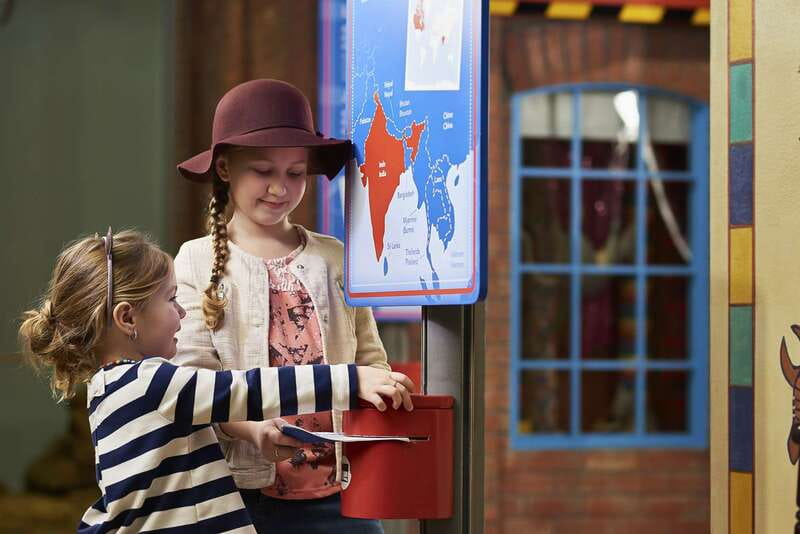
If I had to recommend one “anchor” stop, it’s the Canadian History Hall. This is the place that gives you access to about 15,000 years of social history, with personal stories and around 1,500 authentic artifacts. That mix is the key. You’re not just seeing objects, you’re seeing how people lived with changing conditions, pressures, and opportunities.
This hall is strong because it helps you make sense of time. Canada’s story can feel chopped into separate topics, but the hall connects threads through lived experience. You get a clearer sense of why certain events and decisions mattered, instead of just learning dates.
A practical tip: if you only have part of the day, don’t skip this. Even a focused visit here is likely to leave you feeling like you understood the museum’s “main question,” which is how the country’s identity formed through human experience.
Indigenous Galleries: More Than “One Section”
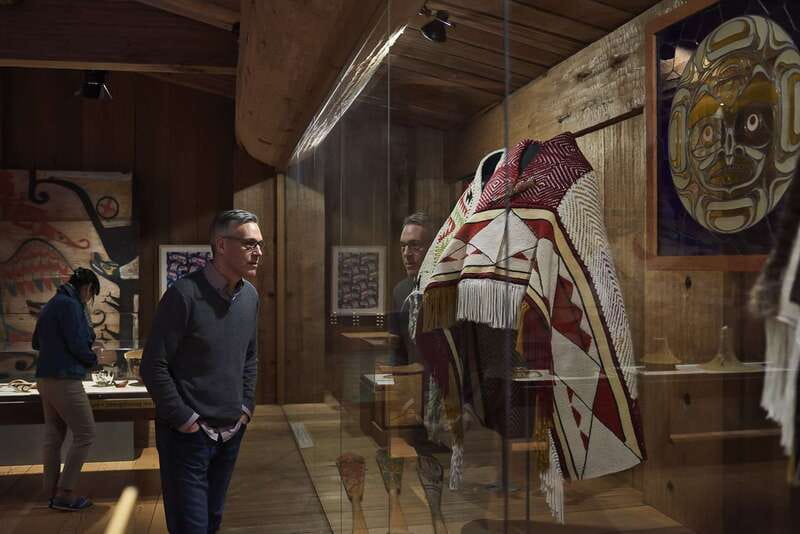
The museum takes a big approach to Indigenous histories and arts. In collaboration with Indigenous Peoples, it shares stories of resilience and diversity across Canada. And importantly, it doesn’t treat Indigenous perspectives as a side note.
What I like most is the way the museum makes space for humility and reflection. The galleries touch on achievements and traditions, but they also look at darker chapters in Canadian history. That matters because it changes the tone from “look at the past” to “understand how we got here.”
Two highlights are hard to miss.
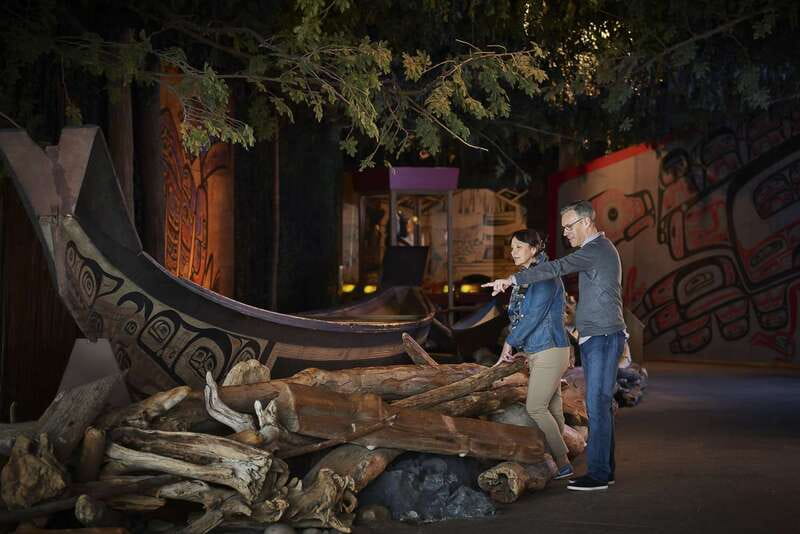
The world’s largest indoor collection of totem poles
You’ll see the museum’s famous monumental poles inside. This is a rare case where a big visual wow is also a solid interpretive experience. Being indoors means you can take your time without weather pressure, and you can study details comfortably.
Six traditional Northwest Coast house fronts
Another standout is a set of six traditional Native house fronts arranged in the shape of a 19th-century Northwest Coast village. That arrangement helps you think about community structure and everyday life, not just single objects.
If your goal is to understand how place, architecture, and storytelling connect, this part delivers. You’re not just passing through a display. You’re seeing a village concept presented in one museum space.
Special Exhibitions: Multiple Perspectives, Real Tensions
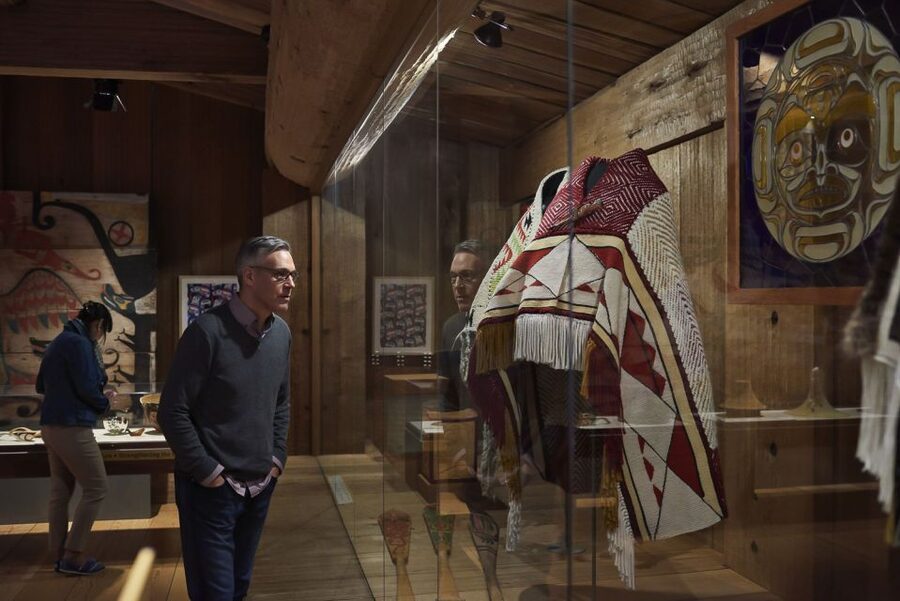
Beyond the core galleries, the museum also runs special exhibitions produced with major international partners. That means you might catch rotating shows that add new angles or spotlight themes you wouldn’t see in a single-country museum.
What makes this valuable is the museum’s approach to viewpoints. The exhibitions examine events, personalities, and cultures that shaped Canada, and they share stories through multiple perspectives and voices. You’re also likely to notice the museum handles the country’s achievements alongside challenging history.
This balance can be emotional, in a good way. It’s the difference between learning Canadian history like a timeline and understanding it like a set of human choices with consequences. If you want a museum day that feels honest, not just celebratory, you’ll probably appreciate this.
Ciné+ Documentary Film: A Smart Break That Still Teaches

A museum day can turn into information overload fast. That’s why I like that your admission includes Ciné+ larger-than-life documentary films.
You don’t have to treat the film as a filler activity. It can work like a reset button. After reading labels and walking through big installations, a documentary gives your brain a new way to process what you just saw.
Also, film time is helpful for pacing. If you’re traveling with mixed interests, someone who needs a break still gets a learning experience.
Canadian Children’s Museum: Family Fun Without Dumping the Adults
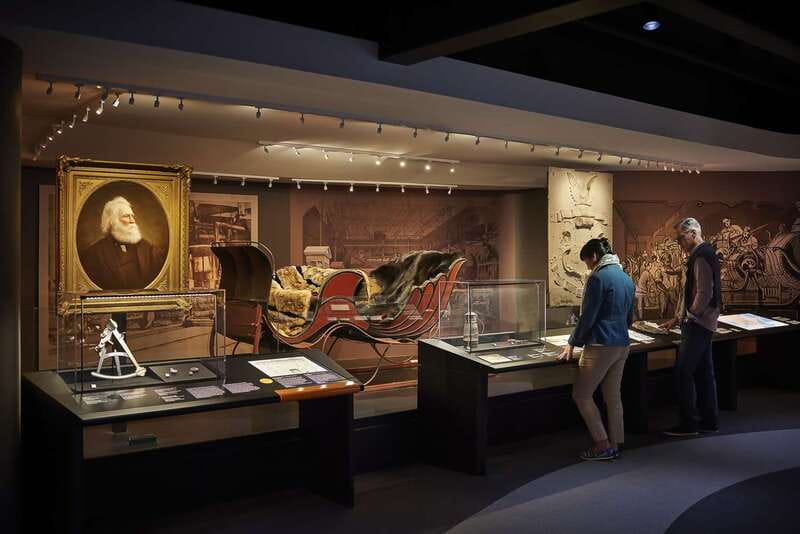
If you’re traveling with kids, the included access to the Canadian Children’s Museum is one of the most practical reasons to choose this stop.
You can keep the kids entertained with hands-on play while you still stay connected to the broader theme of human history and culture. You’re not stuck trying to “explain museum time” for hours.
Even if your kids are older, this area can still be a relief from long reading stretches. And if you’re visiting solo with a family plan, it’s useful to know the ticket already covers it.
If your group includes younger children, plan short rotations. Start in the main galleries, then switch to the Children’s Museum for a change of pace.
Getting the Most Out of Your One-Day Plan
With only one day, you’ll do best with a simple strategy: choose your “must-see,” then build around it.
A solid approach for most visitors:
- Start with Canadian History Hall to set the timeline.
- Then move to Indigenous-focused galleries, including the monumental poles and house fronts.
- Add one special exhibition if you have the energy.
- Plan a film at Ciné+ for a slower pace.
- Leave time for the Canadian Children’s Museum if kids are in your group.
If you’re short on time, focus on the sections that match your priorities. You can see major highlights efficiently because the museum’s most famous areas are central to its identity.
If you’re willing to spend the full day, you’ll appreciate how the exhibits relate to each other. The museum isn’t just a collection. It’s a guided way of thinking about how people survive, adapt, create, and explain their world.
Price, Discounts, and Who This Day Trip Fits Best
At around $20 per person, this museum is fairly priced for a national-level experience, especially because your ticket includes more than just the main galleries. The included Children’s Museum and Ciné+ make it a stronger value than many single-gallery tickets.
You should also check whether you qualify for the Canada Strong Pass summer program. For June 20 to September 2, 2025, young people can enjoy discounted general admission to national museums. The data also notes:
- free general admission for children and youth aged 17 and under
- 50% off general admission fees for young adults aged 18 to 24, with proof of age possibly required
- proof of age may be required, and it does not apply to group bookings, summer camps, or birthday parties
This matters if you’re budgeting. If you’re traveling as a family, the age-based discounts and included family areas can significantly lower your effective cost per person.
Who this suits best:
- families who want one ticket that covers multiple interests
- history and culture lovers who want Indigenous perspectives centered, not sidelined
- visitors who prefer a museum day that’s both educational and honest about difficult chapters
- anyone visiting Ottawa and wanting an easy cross-river cultural stop
Nearby Logistics: How to Fit It Into an Ottawa Day
The museum is easy to reach from downtown Ottawa by foot, bicycle, public transit, Aqua-Taxi (summer), or car. That gives you flexibility depending on your travel style and weather.
If you’re driving, parking is available on site, but it costs extra. So if you can take public transit or bike for part of the route, you might save time and stress.
Because the museum is open 7 days a week and closed only on Christmas Day, it’s also a dependable plan during a trip when schedules tighten up.
A practical note: pets are not allowed, but assistance dogs are allowed. Smoking is not allowed either. If you’re traveling with a service animal, plan your day with clear expectations.
Should You Book a Day at the Canadian Museum of History?
Yes, I think you should book this if you want one day that balances big stories with specific artifacts and strong Indigenous-focused exhibits. The standout for many people is the way the museum handles the national story with care, including a reflexive, humble look at Canadian history. If that approach matters to you, this visit will likely feel worth your time.
Skip it only if you know you want a lighter, mostly entertainment-driven day. This museum is designed for learning and reflection, and while there are family zones and films, it still expects you to pay attention.
If you do book, give yourself time to do more than one “anchor” area. Hit Canadian History Hall first, then prioritize either the monumental poles or the house-front village display. After that, you can fill the rest with special exhibitions, Ciné+, and Children’s Museum based on your group’s energy.
Ottawa & the Capital Region, compared.
 ★ 4.6Ottawa: Bilingual Guided City Tour by Amphibious BusFrom $432,089 reviews
 ★ 4.3Ottawa: Sightseeing River CruiseFrom $391,585 reviews
 ★ 4.4Ottawa: Rideau Canal CruiseFrom $411,303 reviews
 ★ 4.4Ottawa: Hop-On Hop-Off Guided City Tour PassFrom $331,194 reviews
 ★ 4.5Ottawa Boat Cruise – Rideau Canal CruiseFrom $421,127 reviews
 ★ 4.5Ottawa Boat Cruise – Paul’s Boat LineFrom $40918 reviews
 ★ 4.0Ottawa City Tour by Land and WaterFrom $44598 reviews
 ★ 4.0Ottawa Hop-On Hop-Off Sightseeing TourFrom $40447 reviews
Browse the lists this tour appears in