
REVIEW · OTTAWA & THE CAPITAL REGION
Ottawa: Canadian War Museum Admission
War museums can be heavy, but this one is built to make you think. The Canadian War Museum is Canada’s national stop for military history, housed in Raymond Moriyama’s striking regeneration design that keeps hope in the frame.
I love how the museum turns big events into human-scale stories, with thousands of personal accounts, objects, photos, and interactive moments. I also really like the way quiet space is part of the visit, especially Memorial Hall and the presence of the headstone of Canada’s Unknown Soldier.
One thing to keep in mind: this museum is large. If you only have a couple hours, you will have to skim, and some exhibits may feel a bit underlit if you are trying to read everything closely.
In This Review
- Key points before you go
- The Canadian War Museum’s architecture is the opening argument
- Regeneration Hall and the Morse code welcome
- Memorial Hall: the quiet center of the whole visit
- How the museum tells Canadian military history across time
- LeBreton Gallery for tanks, artillery, and serious hardware
- Special exhibitions: WW era stories plus new perspectives
- Royal Canadian Legion spaces and veteran-energy moments
- What a full day actually feels like: pacing and time planning
- Price, value, and when $18 makes sense
- Getting there and using the space efficiently
- Should you book Canadian War Museum admission?
- FAQ
- How much does admission cost?
- How long should I plan for this visit?
- What’s included with admission?
- What is not included?
- Where is the meeting point?
- What items are not allowed in the museum?
- Are there age-based discounts during the Canada Strong Pass period?
Key points before you go
- Moriyama’s regeneration design makes the building part of the story, with Morse-code windows and rough concrete textures
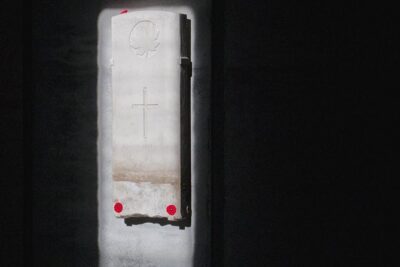
- Memorial Hall gives you a place to slow down, with the headstone of Canada’s Unknown Soldier at the center
- LeBreton Gallery is the ticket for tank and artillery fans, with large vehicles you can see up close
- Personal stories everywhere means you are not just looking at wars, you are meeting the people affected
- Special exhibitions add fresh angles, from world wars to art created by women in conflict zones
- Plan real time. You can do a shorter visit, but most people do better with a longer pace
More of the capital, on and off the canal
- Ottawa: Sightseeing River Cruise★ 4.3 · 1,585 reviews
- Ottawa: Rideau Canal Cruise★ 4.4 · 1,303 reviews
- Ottawa: Hop-On Hop-Off Guided City Tour Pass★ 4.4 · 1,194 reviews
- Ottawa Boat Cruise – Rideau Canal Cruise★ 4.5 · 1,127 reviews
The Canadian War Museum’s architecture is the opening argument

The Canadian War Museum does something rare. It starts telling you what war costs before you even reach the galleries. Designed by Japanese-Canadian architect Raymond Moriyama, the museum building and surrounding grounds reflect the concept of regeneration, not as a slogan, but as an atmosphere you can feel.
Even the details teach you to look differently. Windows spell out Lest We Forget / N’oublions jamais in Morse code, and the interior design leans into visible reminders of conflict, with uneven floors and rough concrete walls. The result is that the museum does not float above its subject. It presses it into your senses, then asks you to carry that weight forward without losing sight of hope.
That matters for how you experience the exhibits. If you are the type who usually rushes through museums, this building slows you down for free. If you are sensitive to heavy themes, the design gives you a gentle on-ramp, leading you toward spaces built for reflection.
Regeneration Hall and the Morse code welcome
As you move in, you are not just entering a building. You are stepping into the museum’s framing idea: regeneration. The Moriyama Regeneration Hall is where that concept gets more explicit, helping you understand the building as part of the exhibit, not just a container.
The Morse code window message is an easy moment to catch early. It is a small feature, but it signals the museum’s tone right away: remembrance is important, and the museum wants you to notice the ways history repeats across languages and generations.
If you want a practical tip, start with your pace. Do not sprint past the architecture thinking you will come back. The meaning is front-loaded, and it shapes how you interpret what you see later in Memorial Hall and the galleries.
Memorial Hall: the quiet center of the whole visit
If you do only one deep breathing stop, make it Memorial Hall. This is where the museum shifts from learning to paying homage. The standout moment is standing in the presence of the headstone of Canada’s Unknown Soldier, a powerful experience that centers the cost of war in a way that is hard to shake off.
The museum also builds quiet reflection into several additional spaces. That design choice is worth your attention because it changes the flow. You are not stuck in constant bustle or forced into a single path with no breaks. You can step aside when you need to.
This is also where you should slow down if you are traveling with kids or teens. The galleries are full of facts, but Memorial Hall is where the emotional lesson lands. Even if some kids feel restless, you can use the moment to ground the visit: wars are not just dates and names, they are loss that reverberates.
More indoor hours worth the ticket
How the museum tells Canadian military history across time
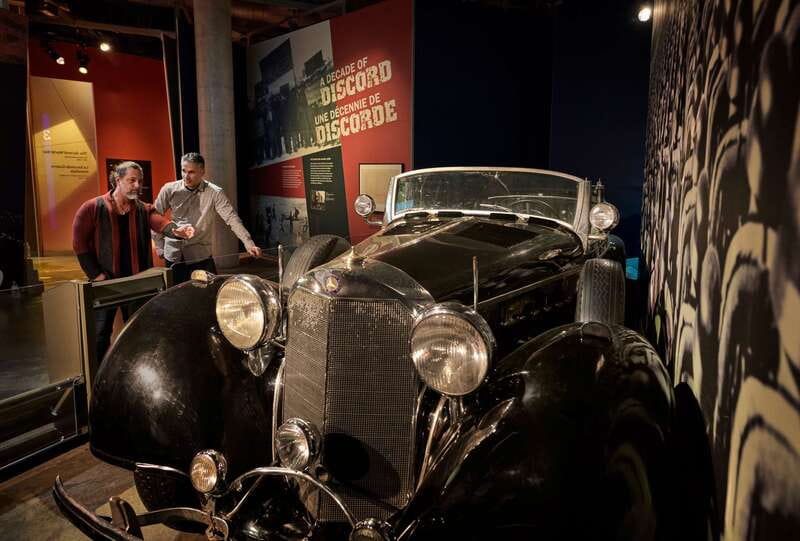
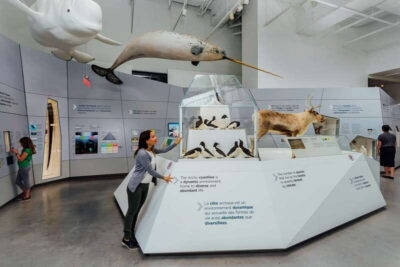
Once you are oriented, the museum’s galleries do a strong job of connecting early conflicts in Canada to contemporary ones. The layout is designed so you can follow a chronological storyline while still having freedom to choose what to linger on.
You will find thousands of personal stories and artifacts, including objects, photographs, works of art, and interactive presentations. That mix is practical. Reading alone can blur together, but seeing uniforms, medals, small arms, and rare books and archives helps facts click into place.
I like that the museum does not treat Canadian military history as a narrow slice. It includes global context in how exhibits are presented, and it also highlights how the nation’s wars connect to later conflicts. If you are coming from outside Canada, this is a major part of the value. You can get a clear overview fast, then dig deeper based on your interests.
A small consideration: some exhibits may be harder to read in certain lighting conditions. If you are the type who needs to zoom in on captions and interpret labels, wear good eye-friendly focus habits, and bring your attention to how close you stand to text panels.
LeBreton Gallery for tanks, artillery, and serious hardware
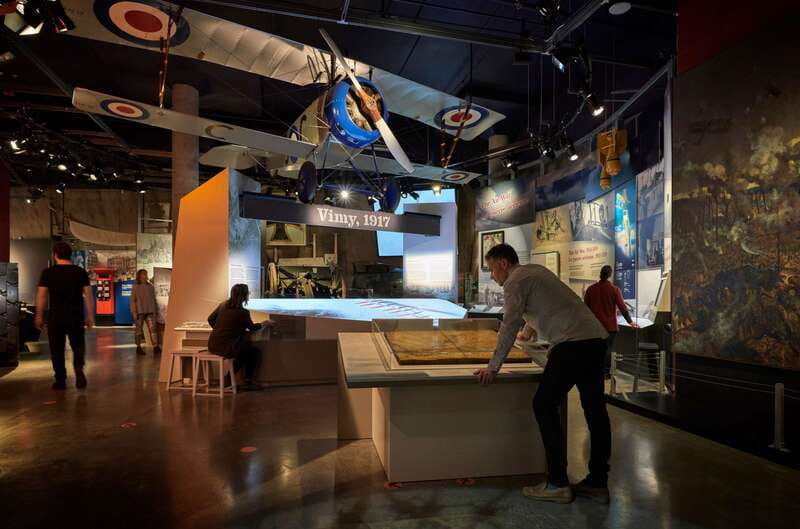
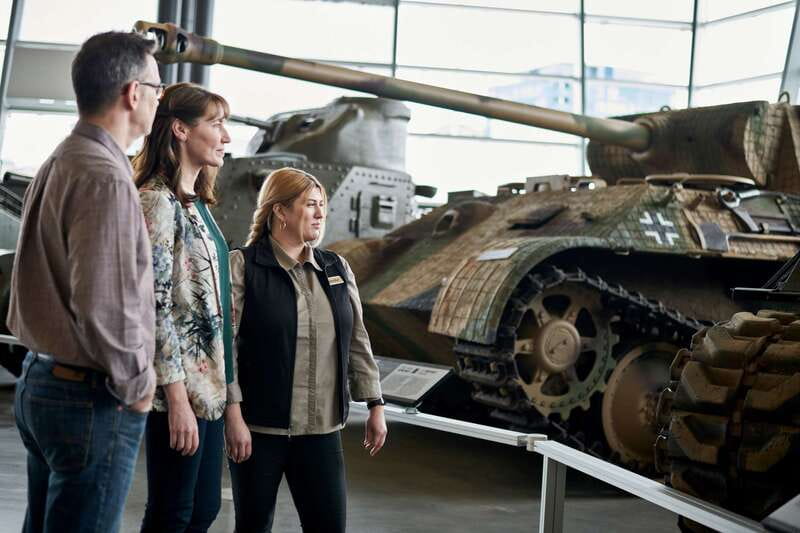
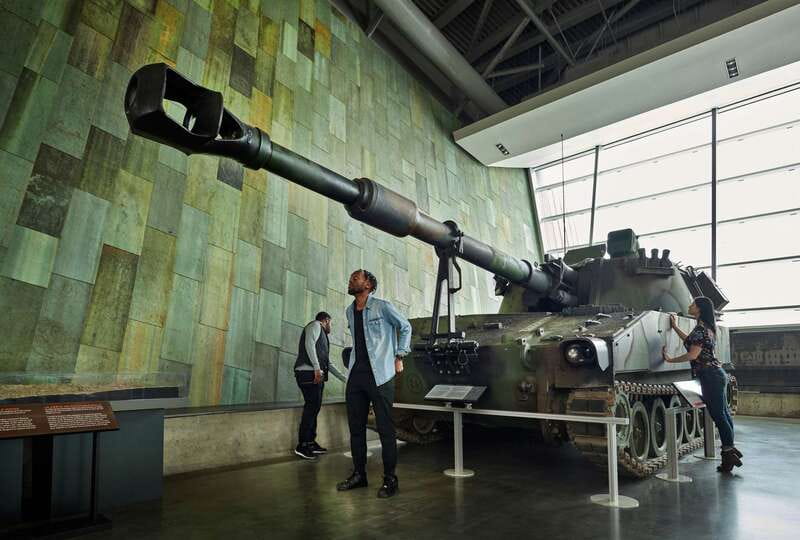
If you love military vehicles, LeBreton Gallery is your magnet. This area showcases large artillery and military vehicles, and it is exactly the kind of display that rewards slow looking. You can see scale, construction, and design choices you would never understand from photos.
Even if you are not a “tanks” person, this gallery helps you interpret the rest of the museum. Visualizing hardware gives weight to the stories you read later, especially when exhibits refer to specific equipment or battlefield realities.
A few people also mention the lower-level tanks as a must-see, which matches what I recommend. Do not only glance at the vehicles on the way through. Give yourself a moment to circle, compare details, and read the surrounding context panels so the hardware stops being just impressive and starts becoming meaningful.
Special exhibitions: WW era stories plus new perspectives
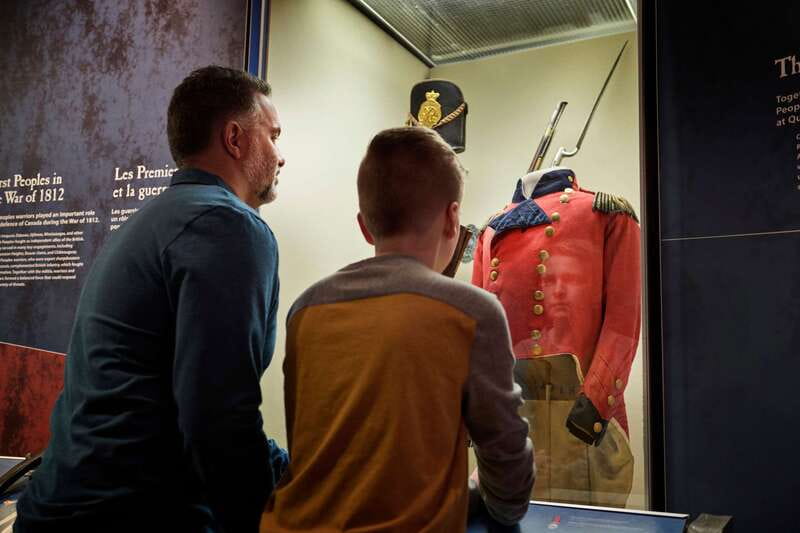
Beyond the permanent galleries, the Canadian War Museum offers thought-provoking temporary exhibitions. Depending on when you go, you may see themes that range from the First and Second World Wars to art made by women in conflict zones.
That variety is valuable because it prevents the museum from feeling one-note. Even if your main goal is World War II history, you can still find a fresh angle through temporary exhibits that address experiences that do not always get equal space in classic war museums.
One example from recent exhibition programming is In Their Own Voices. People describe it as moving and emotionally hard to shake, focusing on struggles after service and after the war ended. If you are someone who prefers personal narrative over big-picture timelines, this kind of exhibit is often the highlight.
There is also a family-friendly angle that can surprise you. One visitor shared that a daughter who read A Bear in War was excited to find Teddy at the museum. That tells me the museum does not just aim at history fans. It also offers points of connection for kids, so you are not stuck trying to explain everything from scratch.
Royal Canadian Legion spaces and veteran-energy moments
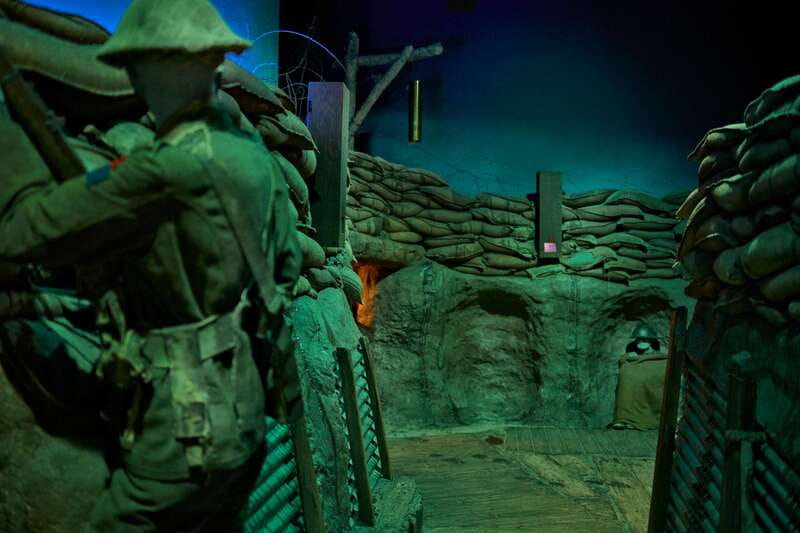
Some museum spaces encourage quiet reflection, but the museum also adds life through real people and programming. You might catch events such as vehicle demonstrations, scholarly lectures, family programming, and special events, depending on the day.
The museum also highlights spaces like the Royal Canadian Legion Hall of Honour. This is another moment where context and remembrance come together. It helps you see the museum not just as a building of artifacts, but as a place connected to ongoing communities and organizations.
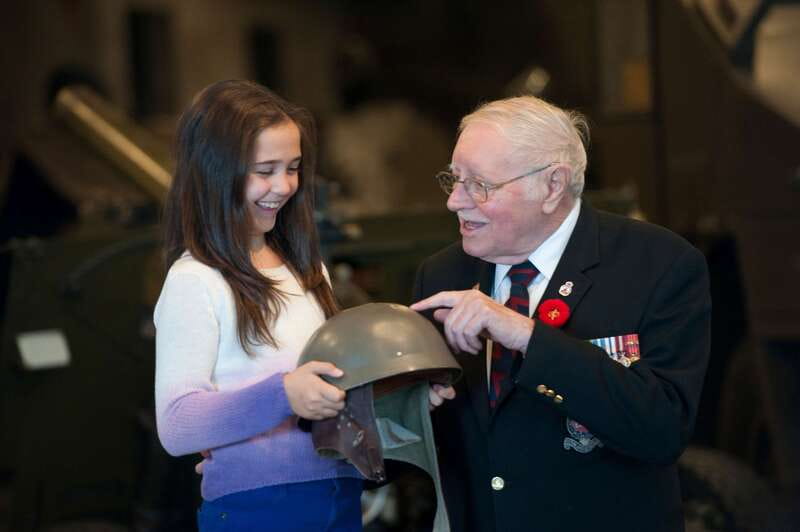
And then there is the human factor. People talk about being able to chat with a veteran, and that sort of encounter can make history feel immediate. If you can catch one of these moments, take it. Ask simple questions. Even short conversations can add clarity that captions cannot.
What a full day actually feels like: pacing and time planning
This museum rewards time. Many people recommend planning around 6 to 8 hours if you want to read and look properly. You can do a shorter visit if you have to, but you will likely skip some parts or skim captions.
Here is a practical way to pace it for one day:
1) Start with orientation in the architecture and Regeneration Hall.
2) Head toward Memorial Hall early, so the emotional center of the visit happens before you get tired.
3) Use LeBreton Gallery as your high-energy block for vehicles and artillery.
4) Then settle into the permanent galleries when you are ready to focus on labels, timelines, and personal stories.
5) Finish with a temporary exhibition if one is on during your dates, since special exhibits tend to give the strongest “today” feel.
If you are visiting with kids, this order helps. Memorial Hall can be brief and grounding, LeBreton Gallery gives movement and scale, and the galleries afterward can become more about stories and objects, which kids often grasp faster than long historical summaries.
Price, value, and when $18 makes sense
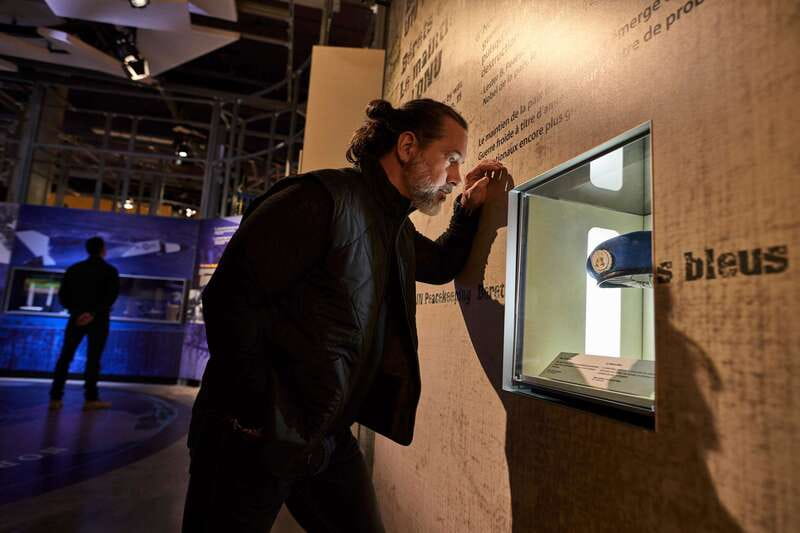
At about $18 per person, this admission is a good value for Ottawa if you want a serious museum day without stacking multiple tickets. You are getting access to permanent galleries and special exhibitions, plus a multilingual museum guide and a self-serve coat check.
The value really shows up in three ways:
- Size and content breadth: large vehicle displays, multiple galleries across time, and rotating temporary exhibits mean you are not “done” after one wing.
- Depth without extra ticket pressure: your entry ticket supports both ongoing collections and special themes.
- Emotional and educational balance: Memorial Hall and reflection spaces change the tone, so it is not just information, it is perspective.
This is also a smart buy if you are the type who likes museums where you can choose your own focus. Some days you want tanks. Other days you want personal stories. The museum supports both.
The main value risk is time. If you only have a small window, you might feel like you paid for space you did not fully use. In that case, I would only book if you can commit to at least a couple hours and accept that you will not see every major area.
Getting there and using the space efficiently
The museum sits at 1 Vimy Place, Ottawa. From downtown Ottawa, it is easy to reach on foot, by bicycle, by public transit, or by car.
For entry, you go to the Canadian War Museum address and head directly to the exhibition access point. You do not need to stop at the Museum Box Office. That saves time when you are arriving with a plan.
Two small but useful notes:
- Wear comfortable shoes. The museum is big, and you will cover a lot of ground.
- Plan your food day. Food and drinks are not included, and you cannot bring food into the museum. Parking is also not included, so if you drive, price that into your day.
If you are traveling light, the self-serve coat check is helpful. It can keep you moving without carrying bulky bags through galleries.
Should you book Canadian War Museum admission?
Book it if you want one Ottawa day that blends architecture, major artifacts, and remembrance into a single, structured experience. I especially recommend it if you care about Canadian military history, if tanks and artillery are part of your interests, or if you like museums where personal stories do not get buried under big timelines.
Skip it or shorten expectations if you are not comfortable with heavy themes. The museum is serious, and Memorial Hall is intentionally moving. Also, make sure you can give it time. This is not a “fast in, fast out” stop unless you go in with a tight plan.
If you can do a longer visit, you will get more from it, and you will leave with clearer context, not just facts.
FAQ
How much does admission cost?
The price is $18 per person.
How long should I plan for this visit?
The activity is valid for 1 day. Many visitors suggest planning several hours to see a lot, and it can help to set aside enough time to read and explore.
What’s included with admission?
Admission includes access to permanent galleries and special exhibitions, a multilingual museum guide, and a self-serve coat check.
What is not included?
Food and drinks are not included, and parking is not included.
Where is the meeting point?
Go to the Canadian War Museum at 1 Vimy Place, Ottawa, Ontario, Canada, and then go directly to the exhibition access point.
What items are not allowed in the museum?
Smoking and food and drinks are not allowed. Pets are not allowed, but assistance dogs are allowed.
Are there age-based discounts during the Canada Strong Pass period?
Yes. From December 12, 2025, to January 15, 2026, young people can enjoy discounted general admission. Children and youth aged 17 and under get free general admission, and young adults aged 18 to 24 get 50% off general admission (proof of age may be required).
Indoor Hours Worth the Ticket



More of the Capital




Just off the notebook: recent Ottawa write-ups
- Ottawa: Guided Nature Walk & Wildlife Tour with Hotel Pickup
★ 5.0 · 4 reviews - Old-Aylmer Food Tour – Food Tour From Ottawa
★ 4.5 · 5 reviews - Ottawa Scavenger Hunt and Highlights Self Guided Audio Tour
★ 4.0 · 5 reviews - Ottawa Valley Haunted Tour – Night Trip From Ottawa
★ 4.5 · 5 reviews - Ottawa: Small-Group Walking Tour with Boat Cruise
★ 3.8 · 5 reviews - Sunset Kayak Tour in Downtown Ottawa and Gatineau
★ 5.0 · 6 reviews
Ottawa & the Capital Region, compared.
 ★ 4.6Ottawa: Bilingual Guided City Tour by Amphibious BusFrom $432,089 reviews
 ★ 4.3Ottawa: Sightseeing River CruiseFrom $391,585 reviews
 ★ 4.4Ottawa: Rideau Canal CruiseFrom $411,303 reviews
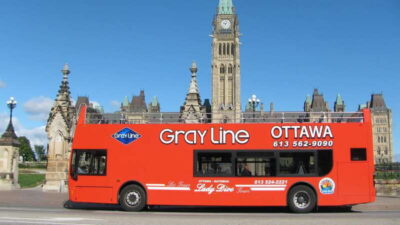 ★ 4.4Ottawa: Hop-On Hop-Off Guided City Tour PassFrom $331,194 reviews
 ★ 4.5Ottawa Boat Cruise – Rideau Canal CruiseFrom $421,127 reviews
 ★ 4.5Ottawa Boat Cruise – Paul’s Boat LineFrom $40918 reviews
 ★ 4.0Ottawa City Tour by Land and WaterFrom $44598 reviews
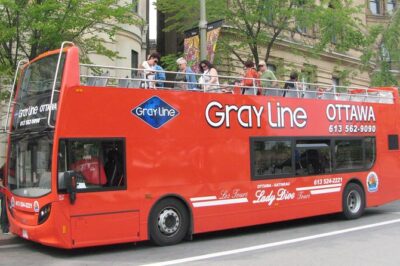 ★ 4.0Ottawa Hop-On Hop-Off Sightseeing TourFrom $40447 reviews
Browse the lists this tour appears in