
REVIEW · MUSEUMS
McCord Stewart Museum – Admission
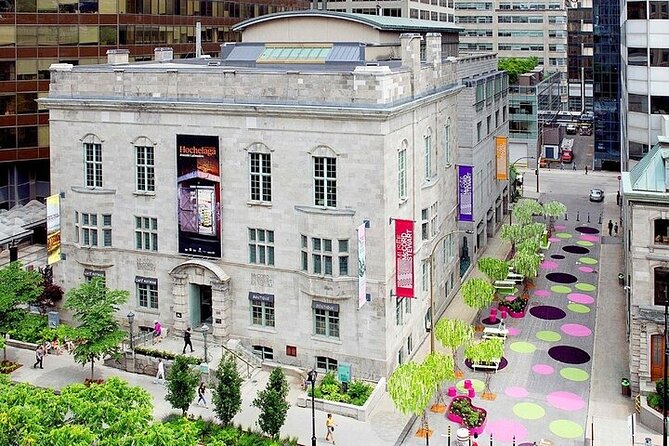
A museum that works like a time machine. The McCord Stewart Museum maps Montreal’s story for more than a century, using huge collections of images, objects, documents, and art to connect Quebec life to Canada and beyond.
I especially like the easy layout and helpful staff, plus the museum’s location near public transportation, which makes a quick visit feel doable. I also like the way the exhibitions jump between everyday culture and bigger social questions, including strong presentations tied to Indigenous cultures and fashion.
One possible drawback: this admission is not a guided tour, so if you want a narrative told step-by-step, you may need to read signs closely and pick your own path.
In This Review
- Key highlights to know before you go
- A museum ticket that feels worth the walk
- Price and what $16.46 actually buys you
- Getting there, using your mobile ticket, and keeping it simple
- Inside the McCord Stewart Museum: what you will see
- Dress, fashion, and textiles
- Indigenous Cultures
- Photography
- The Montreal restaurant history exhibit, and why menus are a big deal
- A self-guided visit works best when you pick a focus
- Time planning for 1 to 4 hours
- If you have about 1 hour
- If you have 2 to 3 hours
- If you have 4 hours
- Staff, navigation, and what people tend to enjoy
- Who this museum ticket suits best
- Should you book the McCord Stewart Museum admission?
- FAQ
- How much is admission to the McCord Stewart Museum?
- How long should I plan to visit?
- Is a guided tour included with admission?
- What language is available for the experience?
- Do I need a printed ticket?
- Is coffee or tea included?
- What is the cancellation policy?
Key highlights to know before you go
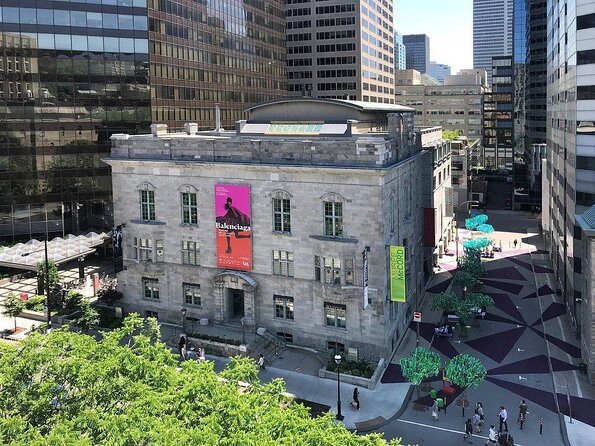
- Prime Montreal location that is convenient thanks to proximity to public transit
- Major collections made up of 2.5 million images, objects, documents, and artworks
- Fashion, textiles, and dress shows how style connects to identity and history
- Indigenous Cultures programming that centers perspectives through a critical, inclusive lens
- Photography and cultural themes that help you compare past and present
- Restaurant history menus that make Montreal feel specific, not generic
More indoor hours worth the ticket
- Museum of Illusions Montreal – 70+ Illusions to Explore★ 4.0 · 103 reviews
- Montreal: Museum of Illusions Entry Ticket★ 4.6 · 25 reviews
- Montreal: Art Center and Museum Audio Guided Tour★ 4.3 · 18 reviews
- Guided Art Gallery Tour in Montreal★ 5.0 · 10 reviews
A museum ticket that feels worth the walk
The McCord Stewart Museum is one of those Montreal stops that works whether you have a tight schedule or a slow afternoon. The big selling point is scale, not flash. You are stepping into a place built around collections, with exhibitions that link personal stories to citywide and national history.
I like that the museum frames heritage as something you can think about, not just look at. It explicitly takes on decolonization and sustainable development, and you can see that approach in how exhibitions aim to be critical and inclusive. That matters, because it changes how you read the objects on the wall. Instead of treating the past like a museum diorama, you start looking for relationships, power, and context.
It also helps that the visit is flexible. The experience runs about 1 to 4 hours, so you can keep it light or plan for a longer browse. This is the kind of museum where you can choose your own pace, which is great if you like to follow themes that grab you that day.
Price and what $16.46 actually buys you
At $16.46 per person, you are paying for museum admission only, with all fees and taxes included. That is a clear, no-surprises price. The value comes from two things.
First, you get access to one of North America’s leading museum collections. The museum highlights six expansive collections totaling 2.5 million items. Even if you cannot see everything, that scale usually translates into variety. You can spend your time on the areas that match your interests, rather than forcing yourself to stay with a single exhibit.
Second, the exhibitions are tied to major topics with staying power. The museum is known for Dress, Fashion and Textiles, Indigenous Cultures, and Photography. Those are not quick-hit themes. They typically offer enough material to keep you busy for hours, especially if you like reading labels and connecting visual details to social history.
A small consideration: coffee and tea are not included. The Cafe Notman is available on site, so you can take a break, but you will pay separately. If you tend to plan museums as a half-day with snacks, budget a bit extra.
Getting there, using your mobile ticket, and keeping it simple
This experience is set up for an easy entry. You get a mobile ticket, offered in English, and confirmation comes at booking. The museum is near public transportation, which is a huge deal in Montreal, where route changes and timing can make a longer walk feel longer than it is.
Because this is admission and not a guided tour, your best strategy is to treat it like a curated self-visit:
- Arrive with one or two themes in mind.
- Pick one bigger exhibit focus, then add supporting galleries around it.
- Build in a slow block for reading. This museum tends to reward that.
Most travelers can participate, and service animals are allowed. So the practical side is straightforward.
If you are coming from a busy day, aim to give yourself enough time to settle in. Even a 1-hour visit can be satisfying if you focus on just one theme, but the museum is built to support longer browsing.


Inside the McCord Stewart Museum: what you will see
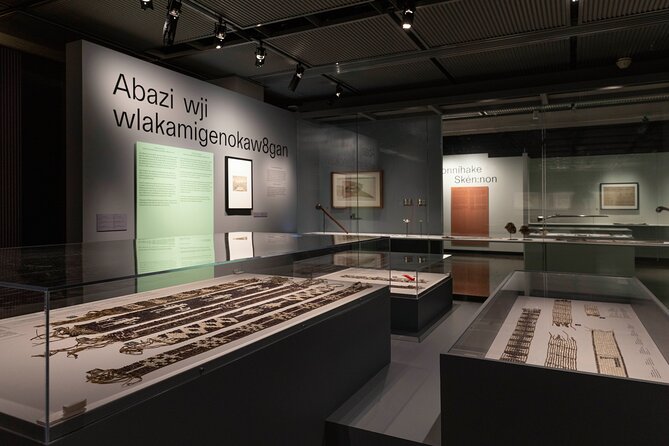
The McCord Stewart Museum is a landmark in the heart of Montreal, and it clearly leans into the idea that a city’s identity is made through people, objects, and images. The museum’s collections cover everything from photography to everyday material culture, which is why it can feel both big and personal once you start moving through galleries.
A core strength is how the museum amplifies voices and connects them to heritage. The museum talks about interpreting and disseminating heritage under its custody, and it also emphasizes social history and contemporary issues. Translation for your visit: expect exhibits where the objects are not only about aesthetics, but also about meaning.
Here are the areas that most often shape what your visit feels like.
Dress, fashion, and textiles
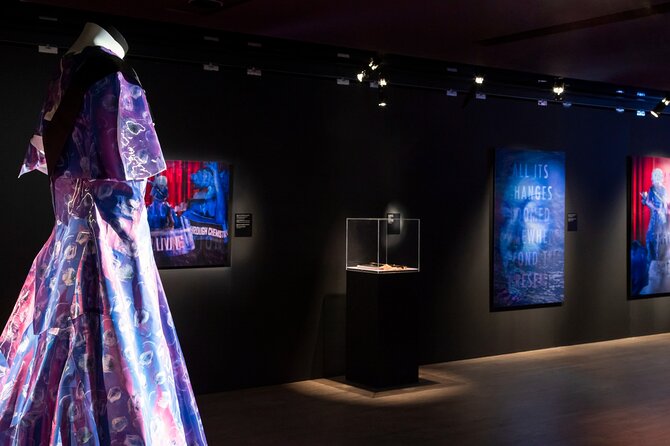
If you like details, this is the section that can keep you there. Dress and textile exhibits tend to show how materials, patterns, and design connect to real lives: work, class, culture, and changing tastes. I like that fashion here is not just about looking good. It is about how identity gets expressed, recorded, and sometimes challenged.
Textiles also reward slow looking. Look for the construction cues and material choices. Even basic captions can help you understand how an item fits into a larger story.
Indigenous Cultures
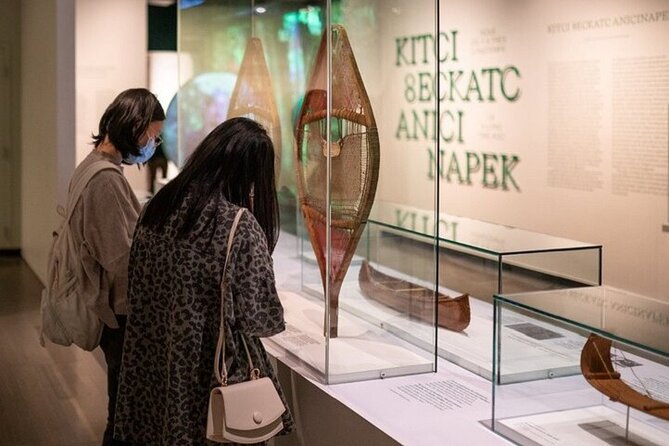
Indigenous cultures are a major draw, and the museum’s stated approach is critical and inclusive. That usually shows up in the way exhibits are framed, with attention to perspectives and the social impact of collecting and storytelling.
For me, the value is that this is not treated as a single topic in a separate room. It is positioned as central to understanding the region and its communities. Give yourself time here. If you rush it, you miss what makes the presentation matter.
Photography
Photography in museums can swing in two directions: either it is treated like a decorative wall of images, or it is treated like evidence. Here, photography is tied to larger cultural themes, and you can often use it to compare time periods and see how Montreal and Canada have been represented.
I’d plan at least one gallery block where you only look at photographs and read the context. That is where you usually get the most payback.
The Montreal restaurant history exhibit, and why menus are a big deal
One exhibit angle that stands out is Montreal restaurant history, especially through menus. Period menus do more than list prices and dishes. They show how people ate, what counted as normal, and how food culture reflected the city’s social mix.
Menus can also feel surprisingly direct. They bring you close to everyday life, like you are reading something from the table instead of looking at a museum object behind glass. And yes, the prices in those menus make the past feel real fast.
If you love food history, this is the kind of exhibit that turns a museum visit into a conversation with the city. Even if you are not a history person, you can connect through simple details like what was offered and how it was framed.
A self-guided visit works best when you pick a focus
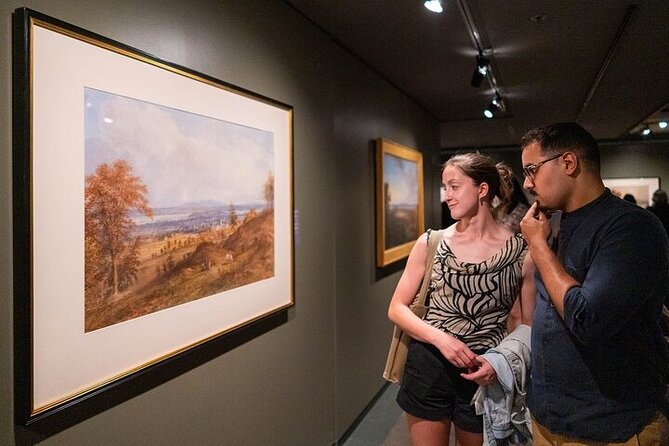
Since there is no guided tour included, your visit becomes a choose-your-own-adventure. That can be a plus. You can spend your energy on the pieces that grab you, and you can skip the parts that feel like homework.
To get the best experience, I recommend you choose one anchor theme from the museum’s strengths:
- Fashion, dress, and textiles
- Indigenous Cultures
- Photography
- Or a culture-focused theme like the Montreal restaurant history and its menus
Then add one smaller supporting area. For example, the museum also has a Vogue Magazine exhibit that can be a fun pivot if you like media and style history. That kind of show helps connect fashion trends to broader public conversations.
Potential drawback if you do not plan: with a big collection museum, you can drift from room to room and leave without feeling like you completed anything. You can avoid that by aiming for a “done” moment, like finishing one major exhibit plus two supporting galleries.
Time planning for 1 to 4 hours
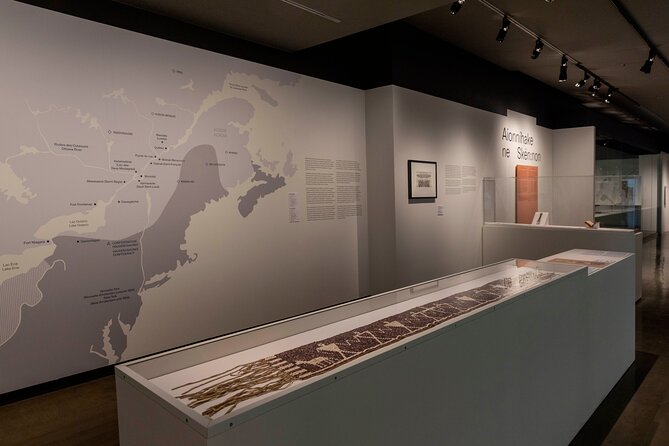
The visit length is listed as about 1 to 4 hours, which is a helpful range. Here is how I’d think about it.
If you have about 1 hour
Pick one lane. Go straight to your main interest, then spend your time reading labels and looking closely at the best objects. A short visit can be great, but only if you keep it focused.
If you have 2 to 3 hours
This is where the museum often shines. You can do one major theme, like Indigenous Cultures or fashion and textiles, and then add one extra thread such as photography or restaurant history menus.
If you have 4 hours
If you have a half-day, slow down. Museums like this tend to reward revisiting adjacent rooms and letting themes build. You can also take a proper break, since the Cafe Notman is available on site.
Staff, navigation, and what people tend to enjoy
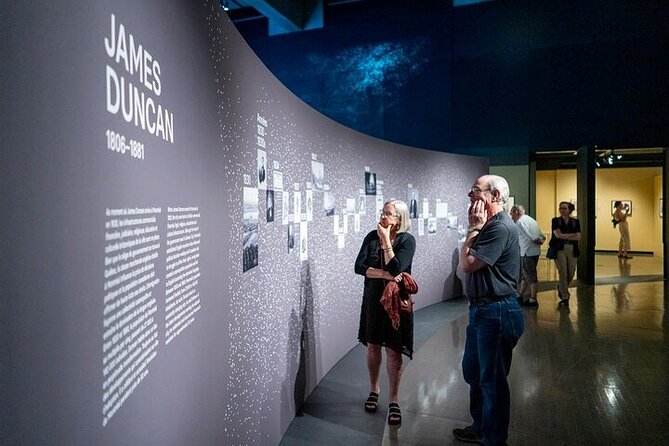
One of the most practical strengths is how easy the museum feels to navigate. It is the kind of layout where you can find your bearings without wasting time. Staff are described as friendly and helpful, which matters more than it sounds. When you have a question about where to go next, you want answers quickly.
This also supports the self-guided format. Helpful staff plus clear navigation lets you stay in motion, but without feeling lost.
Who this museum ticket suits best
You will likely enjoy the McCord Stewart Museum if you want a museum that is more about social context than just eye candy. It fits well for:
- People who like fashion history and material culture
- Anyone interested in Indigenous cultures and how heritage is presented
- Photography lovers who appreciate context, not just aesthetics
- Food history fans, especially if you enjoy menu details and pricing as clues to the past
- Solo visitors who want to build a calm, self-paced afternoon
It is also a strong stop for couples or friends who have different interests. One person can be drawn to dress and textiles while another gravitates toward photography, then you can reconnect at the same major exhibit spaces.
Should you book the McCord Stewart Museum admission?
Yes, I’d book it if your idea of a good museum afternoon includes strong themes and lots to choose from. At $16.46 with taxes and fees included, you are paying for access to big collections and exhibitions tied to fashion, Indigenous cultures, and photography, plus a standout angle in restaurant history menus.
Skip it or adjust expectations if you want a fully guided, narration-led experience. Since guided tours are not included, you will need to do your own reading and picking your route. If that sounds fine, this ticket is a solid value and an easy way to understand Montreal through the objects and stories the museum preserves.
FAQ
How much is admission to the McCord Stewart Museum?
Admission is $16.46 per person, with all fees and taxes included.
How long should I plan to visit?
Plan for about 1 to 4 hours.
Is a guided tour included with admission?
No. Guided tour options are not included.
What language is available for the experience?
The experience is offered in English.
Do I need a printed ticket?
No. A mobile ticket is provided.
Is coffee or tea included?
No. Coffee and/or tea are not included, but the Cafe Notman is available on site.
What is the cancellation policy?
You can cancel for a full refund if you cancel up to 24 hours in advance of the experience start time. If you cancel within 24 hours, you will not get a refund.
Indoor Hours Worth the Ticket




Just off the notebook: recent Montreal write-ups
- Secret Food Tours: Montreal – Jean-Talon & Little Italy
★ 4.0 · 4 reviews - Montreal to Quebec City Tour with Private Transportation
★ 5.0 · 4 reviews - Montreal: Iconic Landmarks All-Inclusive VIP Experience
★ 4.7 · 4 reviews - A Walking Tour of Old Montreal
★ 3.8 · 4 reviews - Day at Mont-Tremblant National Park
★ 4.0 · 5 reviews - Old Montreal: Self-Guided Tour from Place D‘Armes to Old Port
★ 5.0 · 5 reviews
Museums, compared.
 ★ 4.6Toronto: Royal Ontario Museum Admission TicketFrom $191,237 reviews
 ★ 4.5Royal Ontario Museum AdmissionFrom $19411 reviews
 ★ 4.6Toronto: Art Gallery of Ontario General Admission TicketFrom $21251 reviews
 ★ 5.0Britannia Mine Museum General AdmissionFrom $32233 reviews
 ★ 4.7Ottawa: Canadian War Museum AdmissionFrom $18232 reviews
 ★ 4.8Gatineau: Canadian Museum of History AdmissionFrom $20230 reviews
 ★ 4.6Ottawa: Canadian Museum of Nature AdmissionFrom $19226 reviews
 ★ 3.5Museum of Illusions Admission in TorontoFrom $26214 reviews
Browse the lists this tour appears in