
REVIEW · AUDIO TOURS
Smartphone Audio Driving Tour between Kamloops & Revelstoke
Turn the drive into a moving story. This self-guided smartphone audio tour along the Kamloops to Revelstoke route gives you audio points as you pass landmarks, including the Last Spike and Three Valley Gap. You can run it in either direction and take your time, so it feels more like exploring than racing down the highway.
I love the stop-anywhere flexibility. I also love that the tour is designed so you do not need signal or data to run the experience, which matters a lot in rural stretches.
One drawback to consider is app setup and route tracking. A few people struggled with directions on how to use it, and some reported connection quirks that made the audio jump or feel harder to follow.
In This Review
- Key highlights you will actually care about
- Price and time on the highway
- The listening experience, phone setup, and the no-signal advantage
- Flexibility that changes the feel of the trip
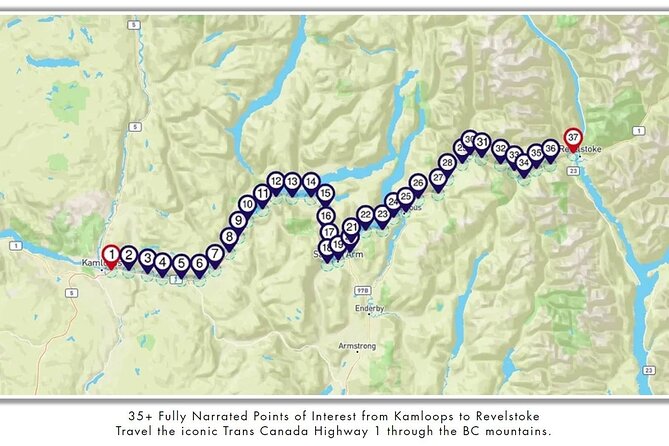
- Following the route: 32+ audio stops and how they fit together
- The Last Spike, and why you can linger
- Small places with big stories: islands, villages, and community names
- Chinook Jargon and Malakwa
- Wildlife and parks: things you might spot while you listen
- BC Wildlife Park and the zoo you hear about while driving
- Communities, schools, and the practical side of regional life
- The valley, ghost stories, and the 40,000-year timeline
- Driving through history and geology: Olympians, volcanic past, and mountain roads
- What to watch for if you want the audio to feel smooth
- Who should book this Kamloops to Revelstoke audio drive
- Should you book this audio driving tour?
- FAQ
- How much does the Kamloops to Revelstoke smartphone audio tour cost?
- How long is the tour?
- Do I need data or cell service to run the tour?
- What language is the audio in?
- Can I start and stop anywhere along the route?
- Does the tour include transportation or tickets to attractions?
- Do I need a smartphone or tablet?
- Is the tour private?
- When can I run the tour?
- Is there a chance I can cancel for free?
Key highlights you will actually care about

- Stop and go freely along the route, without a tight schedule.
- No signal or data used during the tour, so you can keep moving.
- 32+ audio points, including big-name stops like the Last Spike.
- Pass-by listening, including a 106-acre zoo where you mainly just listen as you drive past.
- Fun extras like quizzes and animal-focused facts, which help the drive fly by.
Still shortlisting? Here is how a few other Kamloops bookings stack up.
- Skip the Line: Kamloops BC Wildlife Park Admission Ticket★ 4.5 · 60 reviews
- Kamloops: BC Wildlife Park Entry Ticket★ 4.1 · 32 reviews
- Smartphone Audio Driving Tour between Kamloops and Vancouver★ 3.5 · 5 reviews
Price and time on the highway
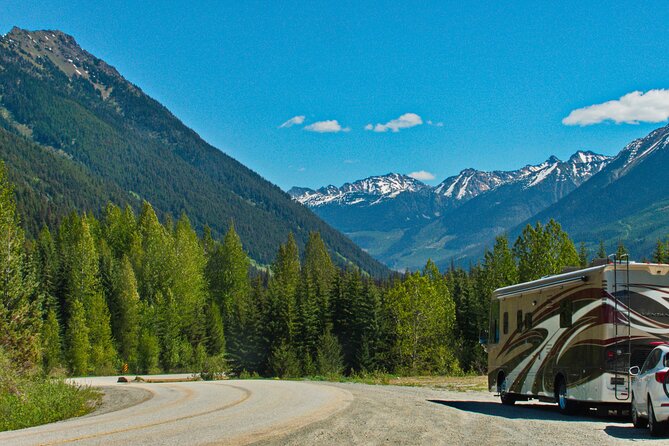
This is an audio driving tour you run in your own vehicle. The cost is $8.22 per group (up to 15), and the listed duration is about 2 hours 30 minutes. That timing is useful because it fits neatly into a longer road day, without swallowing your whole afternoon.
The best value part is that you are not paying per person in your car. If you are traveling with a few friends or family, this can come out cheaper than a single paid attraction, and you get constant “something to do” while you drive.
One more practical note: the tour is sold as a mobile ticket, and it is offered in English only. If your group is comfortable with English narration and you want road-trip entertainment plus history, it is a good match.
The listening experience, phone setup, and the no-signal advantage
This tour uses a smartphone or tablet, but the tour itself is built to avoid the usual rural-road problem. It says there is no signal required or data used during the tour. In plain terms, you should be able to keep the audio going even when your phone does not have great service.
That said, how smoothly it works still depends on your ability to get set up before you hit the road. Some people found the directions unclear, especially when they were using a rental car. My practical tip: before you leave your parking spot, give yourself a few minutes to confirm the tour is loaded and running. If there is a map or route view, let it sit until it looks stable.
Also, keep your expectations realistic. If you are juggling driving plus tech, any app can feel fiddly. The more you can set it up while you are stopped, the more the tour feels effortless once you roll.
Flexibility that changes the feel of the trip
I like road trips where I can control the pace. This one lets you start and stop anywhere along the route, which is exactly what you want between Kamloops and Revelstoke. If you see a pull-off, a view, or a spot for a quick photo, you are not stuck feeling behind.
You can also take it either direction, which is handy if your lodging, jet lag, or weather makes one start time easier than another. And because it is private to your group, you are not competing with other cars trying to line up with audio timing.
If you want an easy day: you can run the audio straight through. If you want a slower day: pause for longer looks at key landmarks, then jump back in without breaking the flow.
Following the route: 32+ audio stops and how they fit together

The audio points are spaced along the drive and grouped around a theme: how this stretch of BC became what it is, plus what you can spot as you go. You will hear stories tied to towns, parks, wildlife behavior, geology, and local language.
Here is how the experience feels as the road unfolds.
The Last Spike, and why you can linger
A highlight is the famous Last Spike, and the tour explicitly invites you to stop there as long as you like. This is one of those stops where the audio does not try to rush you through. If you stop, step out, and take a few minutes, you will get more out of the story behind the rails than if you do it as a quick drive-by.
The drawback: if you are determined to keep everything within the 2.5-hour window, lingering at this one spot will push your schedule.
Small places with big stories: islands, villages, and community names
You also get audio explanations for the oddball details that you would otherwise miss.
- You will hear why a small 10.4 hectare island does not allow camping or recreational facilities. This is the kind of information that turns a random-looking dot in a waterway into a clear conservation or safety reason.
- You will learn how the village of Chase got its name and what its main industries are. If you like place names because they reflect settlement history, you will enjoy this part.
- You will hear about Squilax and its general store, including a past that sounds like the sort of local detail you only learn if someone tells you directly.
Then you step into language and culture.
Chinook Jargon and Malakwa
One of the most distinctive audio segments is about Chinook Jargon and pidgin language, plus a bit on why Malakwa got its name. This type of story is valuable because it connects today’s place names to the linguistic mix that shaped everyday life in the region long before modern roads.
If you care about how language travels, this section will be a favorite. If you just want quick sightseeing facts, it may feel more “story-focused” than “view-focused,” but it still fits the road-trip tone.
Wildlife and parks: things you might spot while you listen
The tour does not only talk at you. It helps you pay attention.
You will hear about:
- American dippers and an unusual way of catching dinner. If you look at moving water, you will have a better shot at noticing birds without going full bird-watcher mode.
- A stretch where you will pass right by a park, with audio that explains what you should care about as you drive past.
- Eagle River Provincial Park, including why it was named Eagle River and who named it.
- Mount Griffin Ecological Reserve, about 10 km southeast, and why it was established.
A smart move here is to keep your eyes open but your expectations realistic. You might spot wildlife, but you are still on a highway. If you want guarantees, this is not that kind of tour. If you want better odds of noticing things you would otherwise miss, it helps.
BC Wildlife Park and the zoo you hear about while driving
You will pass by the BC Wildlife Park, which is described as family-friendly, and the audio adds context on why it exists and how it started.
You will learn:
- the park motto of Conservation through Education
- that the zoo land was donated, and why
- and that you will not actually stop unless you choose to, because the audio plays as you drive past
This is one of the best examples of how the tour turns roadside driving into a guided moment. You get meaning without forcing you to build a full attraction stop into your day.
The possible drawback: if you were hoping for a more hands-on stop, you will have to create that yourself, since the audio portion is mainly pass-by.
Communities, schools, and the practical side of regional life
The tour also includes smaller “what it is and why it matters” segments.
For example, you will hear why a park feature is special and why one local celebration exists, plus a note about a celebration coordinated by the person who organizes it for very spirited swimmers. It is light and human, and it helps you see the area as lived-in, not just scenic.
You will also pass an area tied to education and trades, with audio explaining why a trade school is described as the second-largest in the province and what it is known for. Even if you are not planning to visit, it adds texture to the road between two sightseeing-heavy endpoints.
The valley, ghost stories, and the 40,000-year timeline
Some parts of this route lean into legend and deep time, and that combination is oddly satisfying on a long drive.
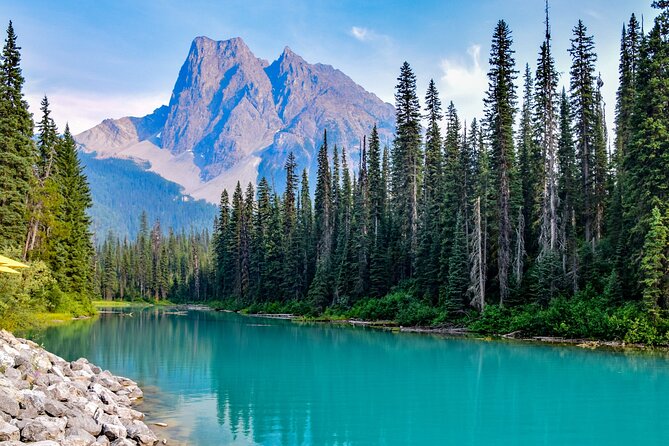
You will hear about Three Valley Gap, described as a place ghost hunters may want to visit. That is not the kind of detail that changes your route, but it makes it more fun to look at the valley edges as the story runs.
Then you get one of the biggest “wait, what” facts: along the eastern boundary of the valley, the audio estimates that about 40,000 years ago people lived there. That kind of timeline shift is exactly why an audio tour is better than scrolling photos. The road keeps moving, but your brain catches up to the scale of human presence.
Next, you will hear about a park that opened in 2001, about 20 km north, and what it is protecting. Even without a stop, you get a clearer sense of why certain lands are set aside.
Driving through history and geology: Olympians, volcanic past, and mountain roads

This tour does not treat BC as flat scenery. You will hear about:
- Larch Hills, including which Olympic event has been held there since 1960.
- A feature that, as of 2020, holds a North American record. The tour does not just mention the record idea. It explains the specific feature and why it is notable.
- Mount Begabie, with audio about these mountains’ volcanic past.
And if you are the type who wants a big end-of-day payoff, you will get an audio segment about a mountain road that goes to the tippy top of Mount Revelstoke in Mount Revelstoke National Park. Even if you do not plan to drive that road, learning what it connects you to can help you judge whether it belongs in your itinerary.
In the middle of all this, there are also stretches where there is no fixed “point,” just ongoing narration or room to pause. Those blank spaces matter. They give you control to stop for photos or water breaks without the audio feeling like it is yelling at you to keep moving.
What to watch for if you want the audio to feel smooth
Based on the issues some people ran into, here is what I would do to reduce frustration.
- Set up early. Do not wait until you are already rolling at highway speed to figure out the controls.
- Allow a moment for route tracking if the phone app seems jumpy. Even when the tour says no data is used, apps still often need location tracking to know where you are.
- Expect some content styles to be divisive. A few people said the commentary can lean toward kids, and some found certain bits only loosely connected to what they were seeing. If you want strictly adult history and zero “goofiness,” this may not hit every mark.
Also, one major factor: the tour is English only. If your group needs another language, that decision affects whether you should book at all.
Who should book this Kamloops to Revelstoke audio drive
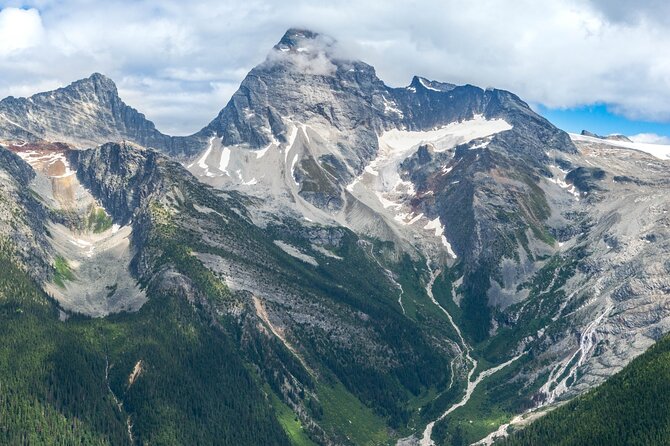
Book this if:
- you want a fun, low-cost way to make the highway feel like an activity
- you enjoy short facts, quizzes, and animal notes while you drive
- you like the freedom to pull over when you feel like it
- you are comfortable using a smartphone while traveling, at least at setup time
Skip it or consider another option if:
- your group needs non-English narration
- you dislike content that can feel child-oriented or too light
- you prefer a tour that guarantees you will stop at most sites, instead of mainly listening while driving past
- you have had bad experiences with apps that need route tracking in the past
Should you book this audio driving tour?
For most people doing the Kamloops to Revelstoke drive, I think this is a smart add-on. The price per group is low, the format keeps you occupied for the whole drive, and the no-signal design helps in rural areas where service can be spotty.
The deciding question is your tolerance for app-based navigation plus English-only audio. If you are good with that, the tour is a solid way to turn a straightforward drive into something more personal, with real payoffs like the Last Spike, wildlife-focused listening, Three Valley Gap lore, and stops that explain why the land is protected and how communities got their names.
If you want me to tailor this to your trip, tell me your travel month and whether you are starting in Kamloops or Revelstoke.
FAQ
How much does the Kamloops to Revelstoke smartphone audio tour cost?
It costs $8.22 per group, up to 15 people, for the self-guided experience.
How long is the tour?
The duration is about 2 hours 30 minutes.
Do I need data or cell service to run the tour?
No. The tour is designed so no signal is required and no data is used during the tour.
What language is the audio in?
The tour is offered in English only.
Can I start and stop anywhere along the route?
Yes. You can start and stop anywhere along the route and take your time.
Does the tour include transportation or tickets to attractions?
No. You provide your own vehicle, and the tour does not include attraction tickets.
Do I need a smartphone or tablet?
Yes. A smartphone or tablet is required, but it is not included with the tour.
Is the tour private?
Yes. It is listed as private, so only your group participates.
When can I run the tour?
It is available Monday to Sunday, 12:00 AM to 11:30 PM within the listed date range. Confirmation is received at booking time.
Is there a chance I can cancel for free?
The experience is listed with free cancellation, with a full refund if you cancel at least 24 hours in advance.
Just off the notebook: recent Kamloops write-ups
- Smartphone Audio Driving Tour between Kamloops and Vancouver
★ 3.5 · 5 reviews - Smartphone Audio Driving Tour between Kamloops & Revelstoke
★ 3.5 · 8 reviews - Kamloops: BC Wildlife Park Entry Ticket
★ 4.1 · 32 reviews
Audio Tours, compared.
 ★ 4.5Cabot Trail: a Smartphone Audio Driving TourFrom $9118 reviews
 ★ 4.0Icefields Parkway: a Smartphone Audio Driving TourFrom $9118 reviews
 ★ 3.5Niagara: Behind The Falls, Skylon Tower Ticket & Tesla Audio TourFrom $3869 reviews
 ★ 4.0Sea to Sky Highway: a Smartphone Audio Driving TourFrom $832 reviews
 ★ 4.5A 7th-Gen Local’s View of Downtown Charlottetown: An Audio TourFrom $1127 reviews
 ★ 4.5Halifax Churches, Gardens & Graveyards: a Smartphone Audio Walking TourFrom $825 reviews
 ★ 4.0Smartphone Audio Driving Tour between Banff and CalgaryFrom $825 reviews
 ★ 5.0Self-Guided Audio Driving Tour in Icefields ParkwayFrom $1924 reviews
Browse the lists this tour appears in