
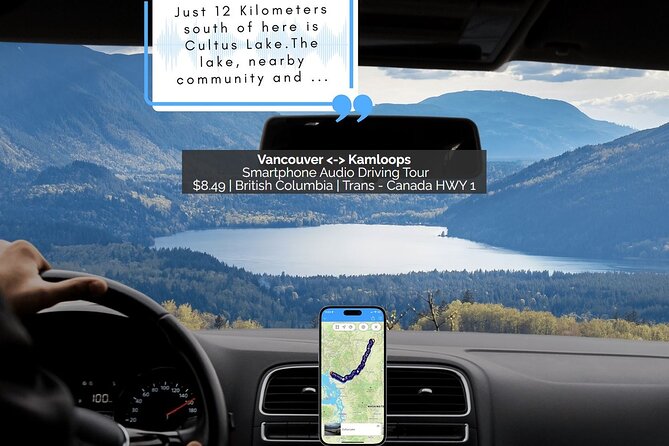
REVIEW · AUDIO TOURS
Smartphone Audio Driving Tour between Kamloops and Vancouver
Want story time on the highway?
This self-guided smartphone audio driving tour turns the Kamloops to Vancouver road trip into a running set of audio stops, with trivia, stories, and “special guest character” moments, all without feeling like a rigid bus tour.
I like the offline audio setup. You do not need signal or data, and the tour is tied to a mobile ticket with lifetime access, so you can use it when it fits your schedule.
I also like the flexible pace. There are no time constraints, you can stop anywhere along the route, and the same narration works whether you start in Kamloops or Vancouver.
One drawback to plan for is audio delivery: the track includes sound effects, and they can be loud or startling at the wrong moment if you are sensitive to sudden noises. If that would bug you, keep your volume modest and pause if traffic gets busy.
In This Review
- Quick takeaways
- How the smartphone audio tour works on a Kamloops to Vancouver road trip
- Starting the drive: Coquitlam, Port Mann Bridge, and the “names mean something” theme
- Heritage Village and the “what used to be here” moments
- From Chilliwack to Harrison Hot Springs: rivers, lakes, and a detour-friendly vibe
- Hope Slide and Hope town: when the trivia turns into a warning story
- Coquihalla River Provincial Park and Coquihalla Highway: the road gets dramatic, the audio follows
- Kettle Valley Railway Trail and Steam Railway: hiking with railway ghosts
- Coquihalla Canyon Provincial Park to Merritt: parks, mountain biking hints, and cougar trivia
- Nicola Lake, Monck Provincial Park, and the Thompson Plateau hints before Kamloops
- Pacing, audio style, and how to keep it enjoyable (not distracting)
- Price and value: what $8.22 per group actually buys you
- Who should book this tour
- Should you book this Kamloops to Vancouver smartphone audio tour?
- FAQ
- How much does the smartphone audio driving tour cost?
- How long is the tour?
- Do I need a tour ticket for each person?
- Does the audio require cell service?
- Can I use the tour more than once?
- What language is the tour available in?
- Does the tour include smartphone or transportation?
- Are attraction tickets included for the stops?
- Does the tour work if I start from Vancouver or Kamloops?
- Is this tour private?
- What is the cancellation policy?
Quick takeaways

- Offline, mobile-first experience: No data needed, just your phone and the mobile ticket.
- Value per vehicle: $8.22 per group (up to 15) can be a bargain if you split it.
- Trivia plus real place stories: Expect quizzes, local name origins, and practical bits of regional context.
- Lots of “pass-by” learning: Many points are narration-only, so you get history without hunting for parking.
- Good for flexible road trippers: You decide when to linger and when to keep rolling.
- Audio style note: Sound effects and the lack of music between points may not suit every mood.
Still shortlisting? Here is how a few other Kamloops bookings stack up.
- Skip the Line: Kamloops BC Wildlife Park Admission Ticket★ 4.5 · 60 reviews
- Kamloops: BC Wildlife Park Entry Ticket★ 4.1 · 32 reviews
- Smartphone Audio Driving Tour between Kamloops and Vancouver★ 3.5 · 5 reviews
How the smartphone audio tour works on a Kamloops to Vancouver road trip
This is a private, self-guided driving experience. You use your own smartphone or tablet (not included), then play the audio as you travel. The tour is designed so you can go at your own speed, with no fixed schedule pressure.
The big practical win is that it works offline. That means you can use it through mountain stretches where cell service can be flaky. You also get lifetime access, so you can replay it later or reuse it on another trip.
One more detail that matters: you only need one booking per vehicle. If you are traveling as a group of up to 15, you can keep it simple and avoid multiple tickets per car.
Starting the drive: Coquitlam, Port Mann Bridge, and the “names mean something” theme
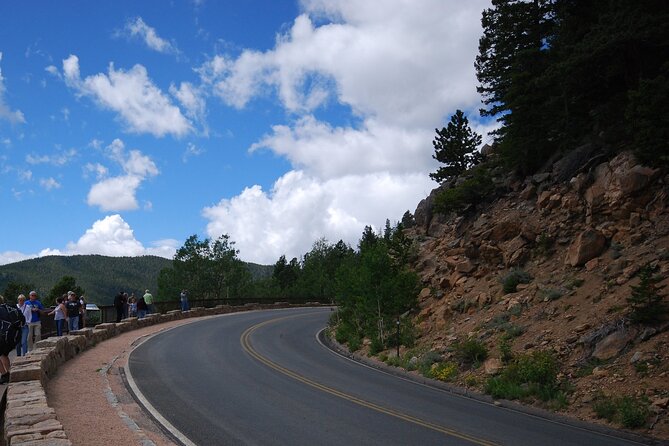
Your first stretch is all about learning how places got their names and what the area used to look like.
- Stop 1: Coquitlam gives you a starting point with the idea that the region was originally home to the Coast Salish people. It sets a respectful tone fast, before you cover modern road miles.
- Stop 2: Port Mann Bridge adds context as you pass over, including a bit about Surrey. This is the kind of quick “you’re here” geography that makes the drive feel less like just highway.
- Stop 3: Serpentine River keeps you focused on what you can see from the road, with fun facts while you travel alongside the river.
- Stop 4: Langley explains how the city’s origins shaped the area.
- Stop 5: Fort Langley clarifies the difference between Fort Langley and the Town of Fort Langley, which is useful because the names are easy to mix up when you are driving past signs.
- Stop 6: Fort Langley National Historic Site is a narration-adjacent moment. You may spot it and decide whether a real stop is worth it for you.
- Stop 7: Abbotsford connects the dots about why Abbotsford matters in British Columbia.
If you like road trips where you actually learn something while staying in motion, this first segment is where the audio starts paying off.
Heritage Village and the “what used to be here” moments
After you get oriented with names and communities, the audio leans into change over time, including museums and lost geography.
- Stop 8: Mount Baker – Snoqualmie National Forest reminds you that what you see from BC can include major sights in Washington, because this mountain dominates the skyline from the area. It is a quick visual cue with a real-world reference point.
- Stop 9: Burnaby Village Museum (Heritage Village) is a time jump. The audio points out how the museum has been a learning place for early years between 1890 and 1920, which is a neat way to connect the road to living history.
- Stop 10: Sumas Lake is one of the most memorable “wait, what?” type stops. You learn that it used to be a lake and where it went, which changes how you think about the ground you are driving on.
By this point, you get a pattern: the narration often explains what you are passing, plus why it matters.
From Chilliwack to Harrison Hot Springs: rivers, lakes, and a detour-friendly vibe
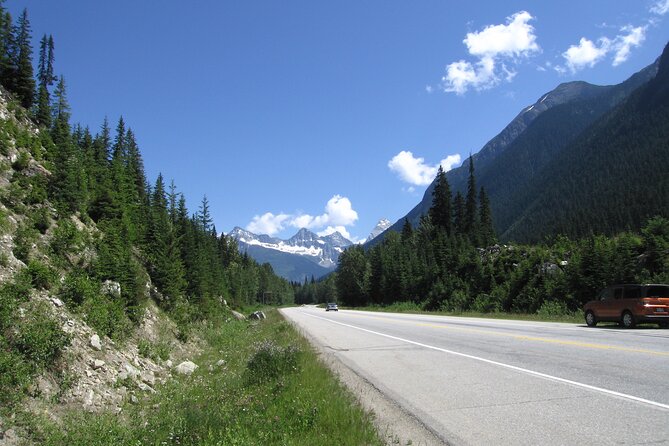
Now the audio shifts toward scenic drive energy, with multiple watery stops and several moments that practically beg for a quick pull-over.
- Stop 11: Chilliwack tackles the origin of the name, which is the kind of trivia you can actually remember later.
- Stop 12: Trans-Canada Highway & Gibson Road plays a “Popular Peeps” guessing game with hints about well-known people from British Columbia. Even if you do not get it right, it is built to keep you paying attention.
- Stop 13: Harrison Hot Springs points out the road to the hot springs and why they are so popular. This is helpful if you are deciding whether to schedule a longer break.
- Stop 14: Bridal Falls is the closest thing to a clear “detour suggestion” in the audio, because the stop sits near the community and the falls are worth checking out after you hear the story.
Then the narration really leans into the water-and-life theme:
- Stop 15: Fraser River gives you context while you drive alongside it, which helps you read the river as more than just scenery.
- Stop 16: Mountain View Summer Camp and Sockeye Salmon brings the salmon runs into the spotlight, connecting the Fraser to seasonal natural cycles.
- Stop 17: Sasquatch Provincial Park is pure fun. You get the playful reminder to keep your eyes peeled, even if the main goal is entertainment and imagination while you drive.
Hope Slide and Hope town: when the trivia turns into a warning story
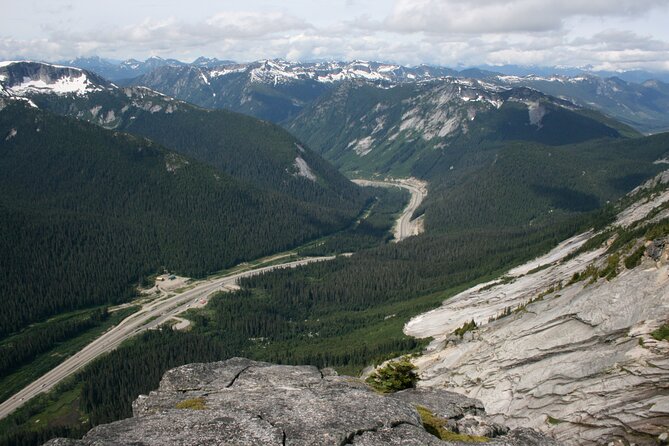
As you move closer to Hope, the audio keeps the pace but turns more serious.
- Stop 18: The Hope Slide explains why the Hope Slide was one of the worst natural disasters in the area. This is not just trivia, it is a reminder that geography shapes real risk.
- Stop 19: Hope then balances the mood with the town name, including why it is called what it is, so you move from warning into place identity.
- Stop 20: Cultus Lake is a practical value stop, describing why it is worth visiting, so you know what kind of destination it is before you commit time.
- Stop 21: CMPV+JV Hope continues the “Popular Peeps” style guessing. It also functions like a mental reset as the road shifts again.
If you want the drive to feel like a story arc instead of random facts, this Hope stretch helps it click.
Coquihalla River Provincial Park and Coquihalla Highway: the road gets dramatic, the audio follows
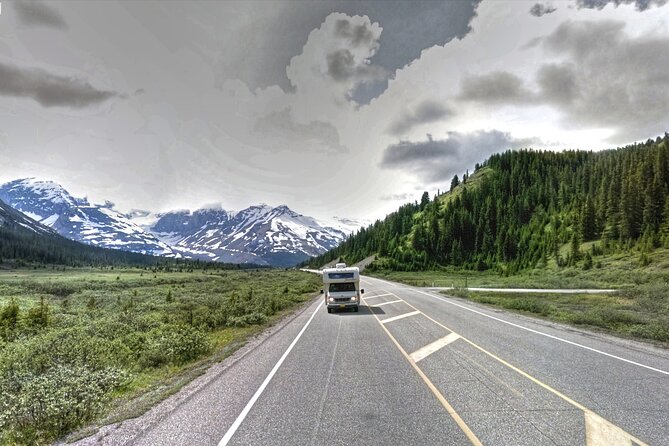
Once you hit the Coquihalla corridor, you get more geology, more park passing, and a stronger sense of how the highway became what it is.
- Stop 22: Coquihalla River Provincial Park is a “you are near something cool” pass-by moment.
- Stop 23: Ladner Creek Bridge includes a quick detour to check out an old trestle bridge. This is one of those narration points that can turn into a short side visit without a huge time commitment.
- Stop 24: Coquihalla Highway focuses on how the road was created, which is a smart match for long driving stretches where you need more than just scenery.
- Stop 25: Coquihalla Summit Recreation Area gives you the “why it matters” angle plus fun details, so the summit does not feel like just a high point.
- Stop 26: Britton Creek focuses on history linked to gold, which adds a different flavor to the mountain drive.
Then the audio keeps it outdoorsy:
- Stop 27: Coldwater River Provincial Park includes facts about steelhead fish, which ties wildlife to the places you are actually passing.
- Stop 28: Murray Lake is a straight “this is a popular fishing spot” type of heads up.
At this stage, the tour works best if you treat it like a companion. Let it narrate while you do the driving, and use any pull-off suggestions only if they are realistic and safe.
Kettle Valley Railway Trail and Steam Railway: hiking with railway ghosts

This is where the audio starts mixing modern recreation with the memory of what used to run there.
- Stop 29: Brookmere adds local history even though you just pass by.
- Stop 30: Kettle Valley Railway Trail tells you why the trail is a hot spot for hikers. This is useful because you might recognize the area later and know what to do with it.
- Stop 31: Kettle Valley Steam Railway connects the past to the present by explaining the railway that used to be where the trail is now.
These two stops together make an easy lesson: the trail is not random recreation, it sits on top of an older transportation story.
Coquihalla Canyon Provincial Park to Merritt: parks, mountain biking hints, and cougar trivia
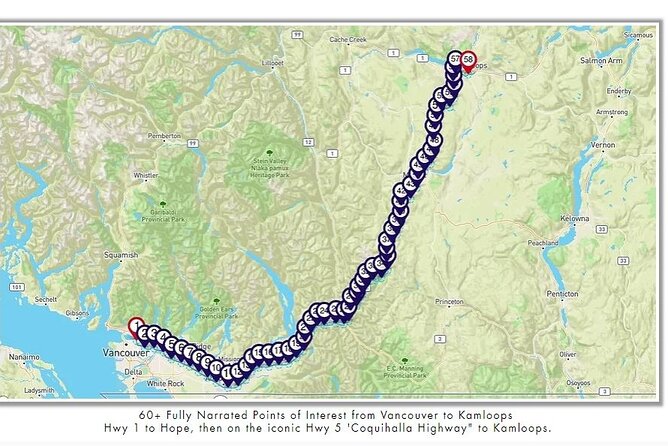
From here, the audio stretches across multiple recreation areas and a few very specific, memorable facts.
- Stop 32: Coquihalla Canyon Provincial Park points out things you can do there, which gives you options for quick breaks or planning if you are returning later.
- Stop 33: 25CH+5W Merritt is a cougar-themed point, including facts about the animal and even letting you hear its call.
- Stop 34: Godey Creek Trail points you toward mountain biking adventures, so you get a feel for what kind of outdoor crowd this area attracts.
- Stop 35: Merritt closes the local intro phase with its musical reputation, giving the town an identity beyond a driving checkpoint.
If you like destinations that have a “thing,” these are the stops that tell you what that thing is.
Nicola Lake, Monck Provincial Park, and the Thompson Plateau hints before Kamloops
You finish with a wide view of BC’s interior regions, parks, and named waterways.
- Stop 36: Nicola Lake is a pass-by tease. The audio tries to make you want to visit, which usually means it is scenic and easy to picture.
- Stop 37: Monck Provincial Park adds another park moment, again more about what you can find there than demanding a specific stop.
- Stop 38: Thompson Plateau gives you a geographical highlight, helping you understand the bigger “where” behind the road.
- Stop 39: Cascade Range points out the mountain range that highlights the Coquihalla, reinforcing what you are seeing from the highway.
- Stop 40: Timber Lake gives you another small picturesque moment, plus the “Popular Peeps” guessing game again.
- Stop 41: Inks Lake Road includes a fun animal detail with yellow-bellied marmots. It is simple, but it is the kind of fact that makes roadside wildlife feel more real.
- Stop 42: Thompson River lands near Kamloops by noting you drive a few kilometers south of it, west of Kamloops, and gives you a bit more context.
- Stop 43: Walloper Lake Provincial Park is the last named stop on the provided list, with an added note that you will learn about three more parks nearby.
Between these named points, the tour also includes long pass-by segments where you can stop for as long as you like. That flexibility is a feature, not a flaw, because it lets the drive fit your energy level.
Pacing, audio style, and how to keep it enjoyable (not distracting)
The tour is built for movement. Most points are designed so you do not need to get out at every single stop. That is a big advantage on a long drive where fatigue can sneak up quickly.
Still, your audio settings matter. One of the clearest caution flags is the use of sound effects. If the sudden horn-like moments would distract you, keep volume low, use your car’s volume controls, or pause the audio when you enter higher-stakes driving areas.
Also, do not expect a continuous music soundtrack. The narration is organized around distinct points, and there may be stretches where you mostly hear the road. If that annoys you, bring your own playlist and let the audio take the role of the “main character” only at each point.
Price and value: what $8.22 per group actually buys you
The listed price is $8.22 per group, with a group size of up to 15, and the experience lasts about 1 to 2 hours on average. On paper, that seems tiny, but the real value is how cheap it is per person when split.
Here is the practical way to think about it:
- If you share with 4 friends, you are paying roughly $2 per person.
- If you share with 10 people, it is about $0.82 per person.
- With a full group up to 15, the per-person cost drops even more.
You are basically buying a guided layer of storytelling and trivia for your own car. Compared to paying for a traditional guided tour with staff and fixed timing, this is lower cost and higher control.
The trade-off is that you supply the driver and the vehicle, and you handle any extra stops yourself. Attraction tickets are not included, so if you decide to actually visit something like a museum or falls, you may need your own ticket or plan.
Who should book this tour
This smartphone audio driving tour fits best if you want:
- Meaningful facts without extra planning. You get local context while you drive.
- Trivia-friendly road trip energy. The “Popular Peeps” hints keep the audio feeling playful.
- Flexibility. No rigid timing, and you can stop anywhere along the way.
- Offline reliability. You can keep the narration going even where your phone struggles for signal.
It might be less ideal if you dislike sudden sound effects or you want a steady background track while driving.
Should you book this Kamloops to Vancouver smartphone audio tour?
Yes, if you want a lower-stress way to make the drive more interesting, and you are happy to be the driver while your phone becomes the storyteller. The value is strongest when you share the group cost and when you like quick, memorable facts tied to real places like Port Mann Bridge, Fort Langley, Harrison Hot Springs, the Hope Slide, and the Coquihalla corridor.
Maybe skip or reconsider if you are sensitive to loud sound effects or you need a constant music track. In that case, adjust your volume habits before you start, and use your own playlist to fill any audio gaps between points.
FAQ
How much does the smartphone audio driving tour cost?
It costs $8.22 per group, up to 15 people per group.
How long is the tour?
The duration is approximately 1 to 2 hours on average.
Do I need a tour ticket for each person?
No. Only 1 tour booking is needed per vehicle, and it is private for your group.
Does the audio require cell service?
No. The tour has offline functionality, so it works without signal or data.
Can I use the tour more than once?
Yes. You get lifetime tour access, so you can use it anytime.
What language is the tour available in?
The tour is offered in English.
Does the tour include smartphone or transportation?
No. A smartphone or tablet is not included, and you use your own vehicle for transportation.
Are attraction tickets included for the stops?
Attraction tickets are not included. The tour notes that admission tickets for the narrated stops are free, but any optional visits you decide to make would be separate.
Does the tour work if I start from Vancouver or Kamloops?
Yes. Whether you leave from Kamloops or Vancouver, the audio works the same.
Is this tour private?
Yes. It is a private tour or activity, and only your group will participate.
What is the cancellation policy?
You can cancel for free up to 24 hours in advance of the experience start time for a full refund. If you cancel less than 24 hours before the start time, the amount paid is not refunded.
Just off the notebook: recent Kamloops write-ups
- Smartphone Audio Driving Tour between Kamloops and Vancouver
★ 3.5 · 5 reviews - Smartphone Audio Driving Tour between Kamloops & Revelstoke
★ 3.5 · 8 reviews - Kamloops: BC Wildlife Park Entry Ticket
★ 4.1 · 32 reviews
Audio Tours, compared.
 ★ 4.5Cabot Trail: a Smartphone Audio Driving TourFrom $9118 reviews
 ★ 4.0Icefields Parkway: a Smartphone Audio Driving TourFrom $9118 reviews
 ★ 3.5Niagara: Behind The Falls, Skylon Tower Ticket & Tesla Audio TourFrom $3869 reviews
 ★ 4.0Sea to Sky Highway: a Smartphone Audio Driving TourFrom $832 reviews
 ★ 4.5A 7th-Gen Local’s View of Downtown Charlottetown: An Audio TourFrom $1127 reviews
 ★ 4.5Halifax Churches, Gardens & Graveyards: a Smartphone Audio Walking TourFrom $825 reviews
 ★ 4.0Smartphone Audio Driving Tour between Banff and CalgaryFrom $825 reviews
 ★ 5.0Self-Guided Audio Driving Tour in Icefields ParkwayFrom $1924 reviews
Browse the lists this tour appears in