
REVIEW · WALKING TOURS
In the Shadow of the Mountain: Montreal Jewish History Walking Tour
Montreal’s Jewish past is right on your feet. This tour pairs museum staff guiding with mobile tech to help you visualize what the streets meant to Jewish Montrealers in earlier decades. You start at the Museum of Jewish Montreal, then walk through nearby neighborhoods where big cultural shifts played out block by block.
I really like the two-hour format, it is long enough to form a clear story, but short enough to stay energetic. I also love how the guidework stays human and practical, with strong Q&A and lots of concrete details, including the kind of photos and primary documents you can actually use to picture daily life. Guides such as Avery and Nama are repeatedly praised for pairing solid research with an easygoing style.
One thing to consider: this is still a walking tour, and it can reach as far north as Fletcher Park across from Mont Royal. If you have limited mobility or hate being outside, you will want to plan carefully, plus note the museum interior space is currently closed, so expect mostly outdoor time.
In This Review
- Key points before you lace up
- Why this tour starts at the Museum of Jewish Montreal
- Following the story of arrival, hope, and daily life
- Tur Malka: how Mount Royal became a cultural mirror
- What the mobile technology actually does for your understanding
- Walking the Jewish neighborhoods: what to watch for on the ground
- The guide experience: Avery and Nama set the tone
- Price and value: what $24.02 buys you in Montreal
- Timing and practical planning for a smooth morning walk
- Who should book this tour, and who should think twice
- Should you book In the Shadow of the Mountain?
- FAQ
- How long is the In the Shadow of the Mountain walking tour?
- Where does the tour start and where does it end?
- Who leads the tour?
- Is the tour offered in English?
- Is hotel pickup or drop-off included?
- What kind of walking should I expect?
- Can I go inside the museum during the tour?
Key points before you lace up
- Museum-led storytelling: guided by Museum of Jewish Montreal staff, not just a generic guide script.
- Mobile technology in the street: your phone becomes a tool to animate key moments and connect them to what you see.
- Tur Malka and Mount Royal: learn how Yiddish poets named Mount Royal and what that meant for identity.
- A small-group feel: capped at 8 travelers, which makes it easier to ask questions and slow down when something catches your interest.
- A neighborhood walk with context: you connect Jewish arrivals, settlement realities, and cultural challenges to specific corners and landmarks.
Montreal at walking pace, a few more routes
- The Original Old Montréal Walking Tour by Guidatour★ 4.5 · 2,217 reviews
- Old Montreal Small-Group Walking Tour | Max 10 | by MTL Detours★ 5.0 · 2,088 reviews
- Montréal: The Original Old Montréal Walking Tour★ 4.8 · 911 reviews
- Old Montreal: Traditional Ghost Walk of the Haunted City★ 4.7 · 746 reviews
Why this tour starts at the Museum of Jewish Montreal
Starting at the Museum of Jewish Montreal matters because it frames everything you will see afterward. Instead of treating the neighborhood streets as a set of historic backdrops, you get a clear cultural lens first: who came, why they came, and how they tried to build a life in Montreal. That quick setup pays off once you begin walking, because the stories have direction.
Also, the museum is part of the experience even if the inside space is closed right now. The tour is designed to run as an outdoor walking experience, so you should expect to learn mostly on the sidewalk and at outdoor stops. Bring your curiosity, but also bring a willingness to do this the outside way.
Following the story of arrival, hope, and daily life
This is not a tour that only lists dates and famous names. It tracks a bigger idea: how Jews in Montreal interpreted the cultural and geographic conditions they faced, and how those interpretations shaped what they thought Montreal could become. You can feel the contrast the guide draws between early visions and on-the-ground realities.
The best parts of this approach are the cause-and-effect links. You do not just hear that a community grew, you hear what that growth demanded: institutions, work, community networks, and public identity. You also see how Montreal’s broader environment influenced settlement decisions, including where people lived and how they navigated local life.
You will also cover early through mid 1900s themes, which helps you understand the transition from arrival and settlement to later patterns of adaptation. That time span is important because it prevents the story from freezing in one moment. Montreal Jewish history was not one single experience, it shifted as the city changed.
Tur Malka: how Mount Royal became a cultural mirror
One of the tour’s standout threads is the Yiddish name Tur Malka for Mount Royal. It is tied to early 20th-century Yiddish poets, and the tour explains how they used a familiar language to claim meaning from a major city landmark.
Why this matters for you as a traveler is simple: it teaches you how identity can be written into geography. You are not only looking at Mount Royal from a distance, you are learning how people mentally mapped the city. Tur Malka is the kind of detail that changes what you notice while you walk, because suddenly you recognize that the landscape held emotional and cultural weight for people, not just views.
This also gives you a natural way to connect neighborhoods to Montreal’s big symbol. When the guide brings Mount Royal into the story, it stops being a postcard background and becomes part of how the community understood itself.
More routes into older Montreal
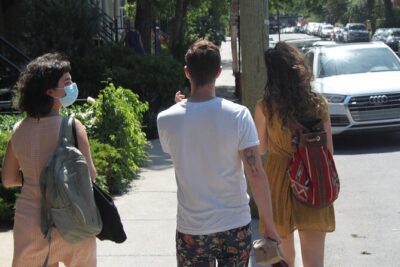
What the mobile technology actually does for your understanding
The tour uses mobile technology to animate and illustrate historical events. In practical terms, that means your phone helps turn an abstract explanation into something you can picture as you stand in place. The street becomes the timeline, not just a route.
Here are the ways this helps most travelers:
- You get a clearer mental picture of what changed over time, because you are shown context while you are literally nearby.
- The stories stick better when they are anchored to a visible location.
- You can follow along even if you are not the type who loves long lectures.
To make this work smoothly, treat your phone like part of your gear. Keep it charged, and be ready to look when the guide cues you. If you are used to saving battery by ignoring prompts, this is one tour where you should plan to pay attention.
Walking the Jewish neighborhoods: what to watch for on the ground
As you head through Montreal’s Jewish neighborhoods, focus on how the guide connects architecture and street layout to community life. Even when you are not seeing the exact building from the past, you will learn what these places represented: gathering spaces, commerce, social networks, and the everyday routines that made a city feel like home.
A useful mindset for this walk is to listen for explanations that start with conditions. The guide talks about the cultural conditions Jews in Montreal faced while trying to make Montreal their home. When that theme comes up, pay attention to why certain areas made sense, and how the community’s goals collided with practical limits.
One note from the way the route has been described: the walk can go north, potentially up to Fletcher Park across from Mont Royal. That is a long, real walk, not a short loop. If you have stamina limits, pace yourself early rather than trying to “tough it out” after the story has already built momentum.
The guide experience: Avery and Nama set the tone
This is museum-staff led, and that shows in how the tour flows. The strongest guide quality here is not just storytelling, it is how the guide handles questions and keeps the discussion grounded in specifics you can connect to the street.
Avery is described as excellent, well prepared, knowledgeable in a way that translates to everyday understanding, and personable. The impact of that combo is that you do not feel rushed. You can ask follow-ups and get answers that help you visualize what the guide is pointing to.
Nama is another guide name that comes up with a clear reason: her approach blends passion for the Jewish community and history with a teaching style that makes details land. When there are very small groups, the tour can feel extra tailored, and the guide has room to answer deeper questions and show more primary material.
Even if your group is not tiny, the cap of 8 travelers usually helps keep the tour from feeling like a lecture you are stuck behind. You are more likely to get direct answers and clear pacing.
Price and value: what $24.02 buys you in Montreal
At $24.02 per person for about two hours, this is a strong value for three reasons.
First, you are paying for museum-led interpretation, not just a generic city walk. That access to museum staff matters because the guide can connect physical locations to documented storylines.
Second, you are paying for a guided experience that uses mobile tech to animate historical events. That is more effort than most walking tours, and it gives you something to interact with instead of only listening.
Third, the small group size, maximum 8, is part of the value. Even a great tour can feel thin in a crowd. Here, the format supports better Q&A and a calmer pace, which makes the time feel well used.
So yes, you are paying a modest amount, but you are also getting a guided museum lens, interactive tools, and enough time to build understanding. If you like walking tours but hate when they become random photo stops, this one is built to keep a narrative thread.
Timing and practical planning for a smooth morning walk
The tour runs for about 2 hours and has multiple departure times, with one listed start time at 11:15 am. That timing is helpful if you want a morning activity that gets you oriented without eating your entire day.
Plan for outdoor time. The museum interior is currently closed, so treat the tour like a street-based program. Bring layers, since Montreal weather can change fast, and wear shoes you can walk in without thinking about it.
Because it is near public transportation, you can fit it into almost any day plan. Just remember, no hotel pickup or drop-off is included, so you will want to head to the start point on your own.
One more small thing that can trip people up: the meeting addresses provided include 4129 Boul. Saint-Laurent and 4040 Boulevard St-Laurent, with the tour starting and ending at the Museum of Jewish Montreal. When you book, follow the exact start instructions in your confirmation so you do not waste time trying to guess which door is best.
Who should book this tour, and who should think twice
Book it if you:
- want a walking tour with a clear cultural story, not just general sightseeing
- like historical interpretation tied to real neighborhoods
- enjoy interactive elements like mobile animated prompts
- want to ask questions and get answers in a small group
Think twice if you:
- struggle with sustained walking, since the route can extend north toward Fletcher Park
- prefer indoor museum time during your visit, since the museum interior space is currently closed for this program
- do not like using your phone during a tour, because the mobile tech is a core part of how the storytelling works
Should you book In the Shadow of the Mountain?
I think you should book this if your goal is to understand how Montreal Jewish life formed, adapted, and interpreted its surroundings. The tour is built around meaning, from arrival themes to the Tur Malka connection to Mount Royal, and the mobile tool makes the past feel tied to the street instead of floating in the abstract.
Also, the guide quality is a big factor here. Names like Avery and Nama come through with the same theme: clear answers, good pacing, and primary material you can actually see. For $24.02, that combination of museum-led guidance, small-group attention, and interactive street storytelling is a solid value.
If you want one Jewish-history experience that is active, specific, and grounded in place, this is a smart choice for Montreal.
FAQ
How long is the In the Shadow of the Mountain walking tour?
The tour lasts about 2 hours.
Where does the tour start and where does it end?
It starts at the Museum of Jewish Montreal on Boulevard Saint-Laurent and ends back at the same meeting point.
Who leads the tour?
The tour is led by Museum of Jewish Montreal staff, with a local guide included.
Is the tour offered in English?
Yes, the tour is offered in English.
Is hotel pickup or drop-off included?
No, hotel pickup and drop-off are not included.
What kind of walking should I expect?
You should have a moderate physical fitness level. It is a walking tour and may go as far north as Fletcher Park across from Mont Royal.
Can I go inside the museum during the tour?
The note provided says the museum’s interior space is currently closed, so you should expect the experience to be outdoor-focused.
The Older Montreal



Montreal on Foot

Just off the notebook: recent Montreal write-ups
- Secret Food Tours: Montreal – Jean-Talon & Little Italy
★ 4.0 · 4 reviews - Montreal to Quebec City Tour with Private Transportation
★ 5.0 · 4 reviews - Montreal: Iconic Landmarks All-Inclusive VIP Experience
★ 4.7 · 4 reviews - A Walking Tour of Old Montreal
★ 3.8 · 4 reviews - Day at Mont-Tremblant National Park
★ 4.0 · 5 reviews - Old Montreal: Self-Guided Tour from Place D‘Armes to Old Port
★ 5.0 · 5 reviews
Walking Tours, compared.
 ★ 5.0Quebec City Walking TourFrom $304,716 reviews
 ★ 4.8Old Quebec City: Grand Walking Tour with Private OptionFrom $292,609 reviews
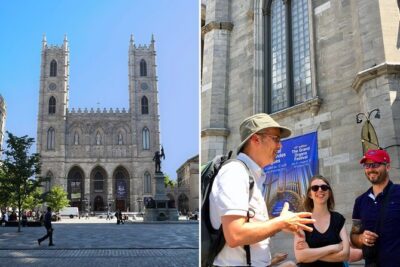 ★ 4.5The Original Old Montréal Walking Tour by GuidatourFrom $262,217 reviews
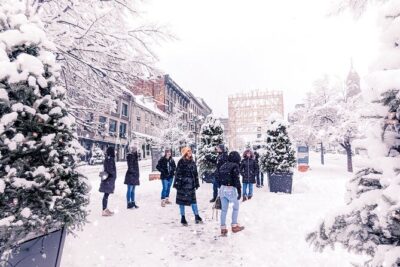 ★ 5.0Old Montreal Small-Group Walking Tour | Max 10 | by MTL DetoursFrom $442,088 reviews
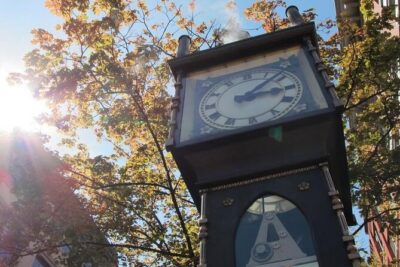 ★ 5.0Gastown Historic Walking Food TourFrom $1161,863 reviews
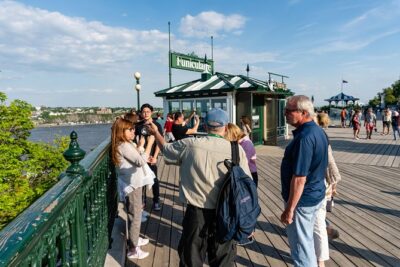 ★ 5.0Old Quebec Classique Walking Tour with FunicularFrom $421,317 reviews
 ★ 5.0Vancouver Lost Souls of Gastown Walking TourFrom $291,273 reviews
 ★ 4.6Quebec: Crimes of New France Animated Walking TourFrom $20926 reviews
Browse the lists this tour appears in