
REVIEW · MAPLE SYRUP & CANADIAN FOOD TRAILS
Montréal: Maple Syrup Tasting Conference!
Sticky sweet lessons in Quebec maple. In this 1h15 maple tasting conference in a boutique kitchen setting, you get the story of the sugar bush and then you taste it, spoon by spoon. I love the small group setup, capped at 6, because you actually can ask questions. I also love the 10-product tasting, which turns syrup history into a full, edible lesson instead of a lecture you forget.
You’re welcomed with a hot drink and guided through what makes maple syrup what it is, including the harvesting journey and how maple products get made and used in cooking. The tone is warm and lively, and the guide often brings both humor and serious know-how, with Nathalie being specifically praised for her passion and clear, enjoyable explanations.
One consideration: this is a very sweet experience. It is not suitable for people with diabetes, and children under 6 are not recommended, so plan accordingly if you need to manage sugar intake.
In This Review
- Key highlights you will remember
- A maple tasting that feels like food education, not a sales pitch
- What happens in the boutique kitchen when you arrive
- The sweetness lesson: why 4 maple syrup categories matter
- From maple tree to finished products: the harvesting story you get to taste
- Tasting 10 maple products: how to approach the sampler
- The classic maple square and other pastries
- Taffy on snow: the sweet moment that makes the class stick
- Price and value: why $22 feels fair for what you get
- The group size and guide energy that make it work
- Who should book, and who should skip this sweet session
- Practical tips so you enjoy it more
- Should you book this Montréal maple tasting conference?
- FAQ
- What is the duration of the maple syrup tasting conference?
- How many maple products will I taste?
- What drinks are included?
- Is taffy on snow included?
- What pastries are part of the tasting?
- What language is the tour in?
- Is it suitable for children?
- Is it suitable for people with diabetes?
- How much does it cost and what is included in that price?
Key highlights you will remember
- A guided tasting of 10 maple products designed to show how maple tastes across forms
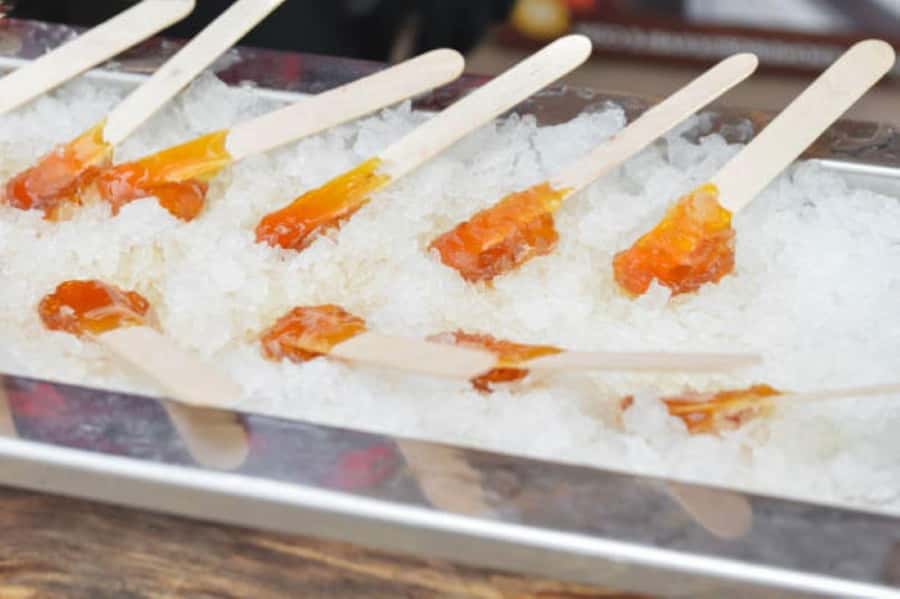
- Taffy on snow as the hands-on, seasonal finale
- Four maple syrup categories explained in a way that makes sense for cooking and flavor
- From sugar bush to the table, with the harvesting and making process taught step by step
- Classic maple square and traditional pastries alongside other maple goodies
- Warm, small-group kitchen vibe with a guide who keeps things clear in French
More sugar bush mornings and Canadian plates
- Montréal: Maple Syrup Tasting Conference!★ 5.0 · 59 reviews
- Montreal: Maple Syrup Tour with Sugar Shack & Local Cuisine★ 4.1 · 25 reviews
- Montreal: Sugar Shack Maple Syrup Day Trip with Lunch★ 4.6 · 5 reviews
A maple tasting that feels like food education, not a sales pitch
Maple syrup tours can go two ways: either you watch and taste a few things and leave with a bag of sticky souvenirs, or you get a lecture that feels too technical and not enough tasty. This one lands somewhere better. You get a 1h15 session built around explanation, samples, and real food moments.
The “conference” word is slightly funny in this context, because it still feels casual and friendly. Think of it as a guided food class, where you learn enough background to understand what you are tasting, and then you taste your way through the differences. That mix is why I think it works well for first-timers who do not want to spend half a day driving around a sugar bush.
It is also priced at $22 per person, which is a big part of the value story. You are not paying just for syrup. You are paying for a structured tasting with coffee or tea, and for the guide time that helps you connect syrup types to cooking and everyday use. And since it is limited to 6 people, the guide is not juggling a crowd.
What happens in the boutique kitchen when you arrive
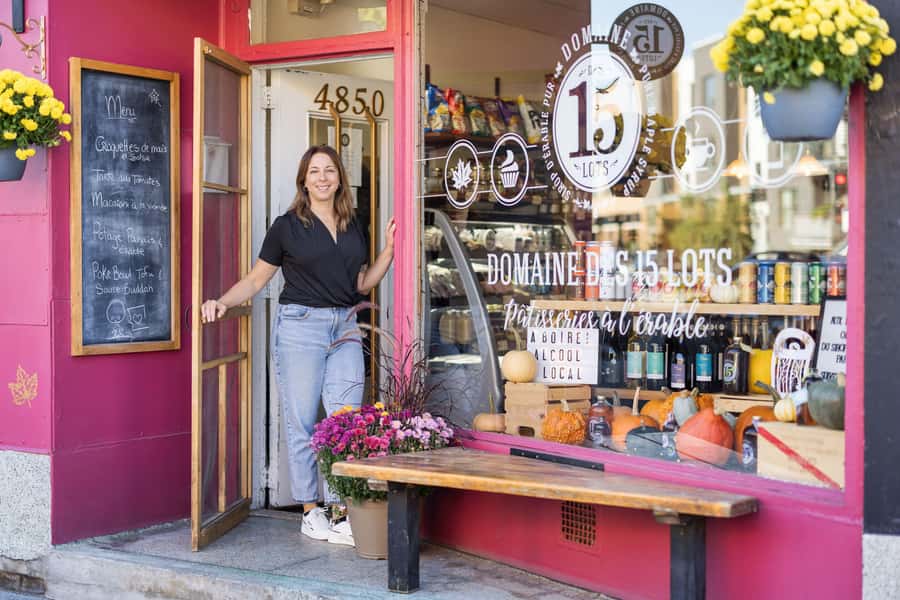
Your experience starts in the kitchen of a boutique setting, where you are welcomed and offered a hot drink. That small detail matters more than you might think, because it sets the tone. You are not standing around in a cold warehouse while syrup gets poured in unplanned amounts.
Next comes the tasting rhythm. The pace is designed for a short, focused experience: you learn a piece of the story, then you try maple in a specific form, then you connect it back to what you learned. This is the part that keeps the experience from turning into a sugar overload dump. There is structure.
You also get access to a guide who can translate the bigger idea into practical terms. In the guide setting, French is the main language, and reviews highlight interactions happening in French with additional support when people needed it. If you are comfortable in French, you will likely enjoy the flow more. If not, go in with the expectation that you might need a bit more clarification, and you will probably be fine.
The sweetness lesson: why 4 maple syrup categories matter
One of the most praised parts of this experience is that it teaches the four different categories of maple syrup. Even if you already know “maple syrup is maple syrup,” categories change how you think about flavor and cooking.
Here is the practical way to think about it: when you cook, you are not just using sugar. You are using aroma, color, and depth. Even without memorizing names, learning that maple syrup can come in distinct categories helps you shop and cook with more confidence later.
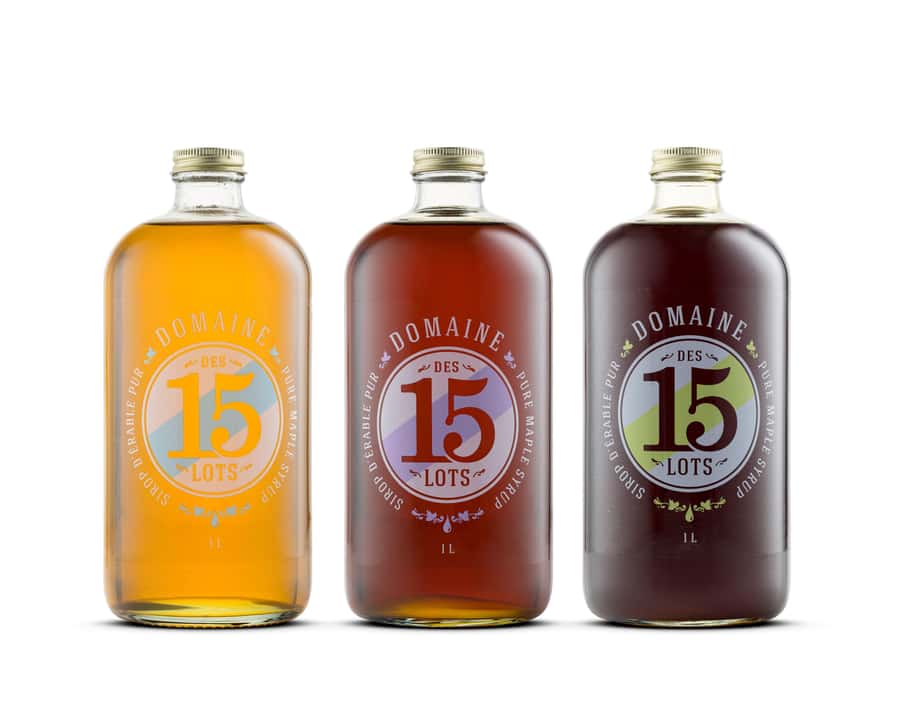
During the session, you should pay attention to the guidance on what makes each category different, because you will taste them side by side as part of the overall 10 maple products tasting. That comparison is where the lesson sticks. You will not just hear the explanation, you will taste it right after.
Also, this category breakdown helps you avoid a common mistake. People buy whatever is cheapest or darkest and assume it will behave the same in recipes. Learning how categories differ gives you a better sense for why some syrups taste more delicate and others more intense, and why cooks might choose one over another.
More worth crossing Montreal to eat


From maple tree to finished products: the harvesting story you get to taste
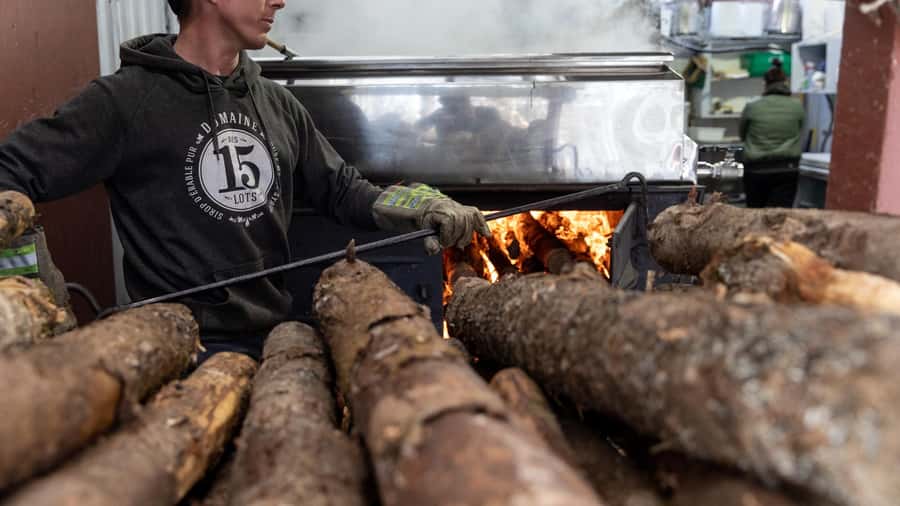
You are taught about the origins of maple syrup and the steps involved in harvesting it, with the full process explained as part of the experience. You also learn how the syrup becomes more than a pour-over topping.
In other words, you are not stuck in one frame. You get the sugar bush origin story, then you connect it to what you actually eat. Reviews use phrases that point to a journey from the sugar bush, through production, and out into a product range that feels surprisingly wide.
What I like here is that this part is educational without being preachy. The guide talks about harvesting and making maple syrup, and then it quickly transitions into “okay, now try it.” That structure helps you keep your attention, and it makes the final tasting feel earned.
It also matters because maple is not only a breakfast sweet. The experience includes what maple products are used for in cooking, which helps you see why chefs and home cooks treat maple as an ingredient, not just a garnish.
Tasting 10 maple products: how to approach the sampler
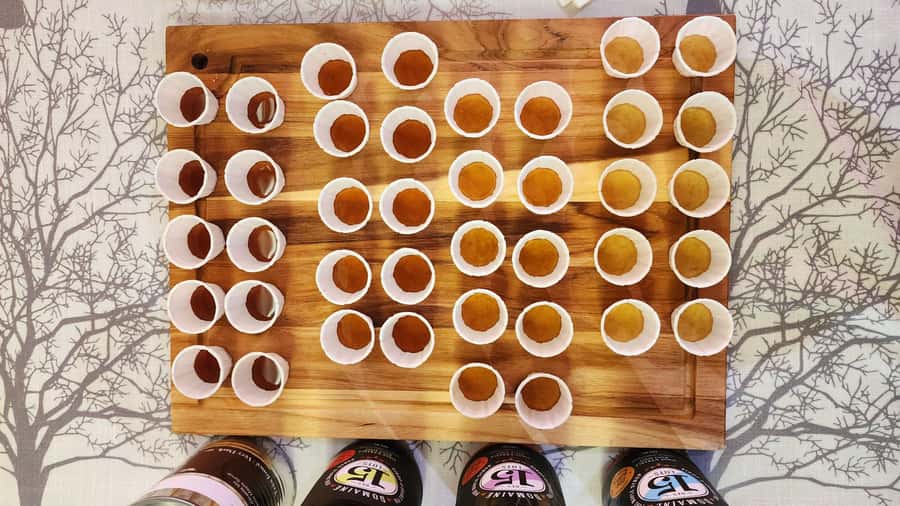
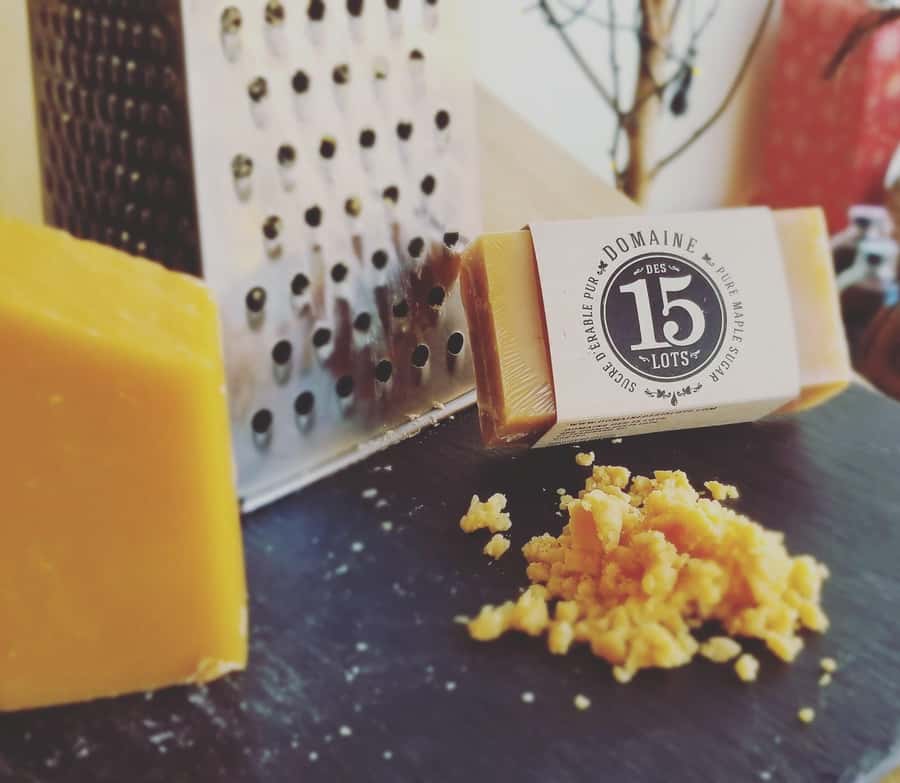
The tasting portion is a real highlight: you will taste 10 maple products, and they include a mix that goes beyond standard syrup. You can expect items such as maple butter, sugar loaf, jelly, and traditional pastries. You will also sample products sourced from the maple grove and from friends, so the lineup can feel more diverse than a single-producer-only menu.
Here is a good strategy for getting value from the tasting. Don’t rush through it. Take a quick moment with each sample and ask yourself two questions:
1) Does it taste lighter, darker, or more concentrated?
2) Would I use this in cooking, or is it mainly for spreading or snacking?
You will likely notice differences in texture too. For example, syrup is one thing. Sugar loaf and jelly behave differently, even when they share a maple base. This is where learning about categories connects to real-world use.
Also, included coffee or tea gives you a reset between sweeter bites. It helps with the practical problem of “my tongue is tired.” In a short 1h15 format, that reset matters.
The classic maple square and other pastries
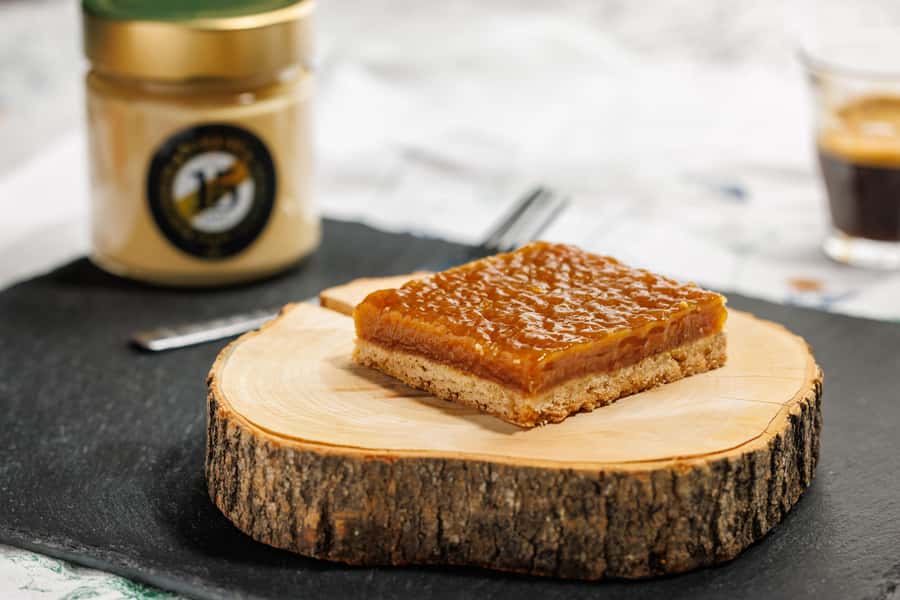
Food tours sometimes treat pastry like an afterthought. Here, pastries are part of the main tasting experience. You will taste the classic maple square, plus other traditional pastry items.
This is one of those details that sounds simple until you realize what it does for your understanding. A maple square is not just dessert. It is maple flavor carried through baking, sweetness balanced by dough, and a texture contrast you cannot get from syrup alone.
I think this is especially valuable if you are the kind of person who brings maple syrup home and then struggles to use it beyond pancakes. Pastries give you a feel for how maple tastes when heated and baked, which is closer to how many recipes actually use it.
You do not need to be a pastry expert to enjoy this. The guide’s clear information makes it easier to notice what you are tasting, and the samples help you connect the syrup lesson to real food.
Taffy on snow: the sweet moment that makes the class stick
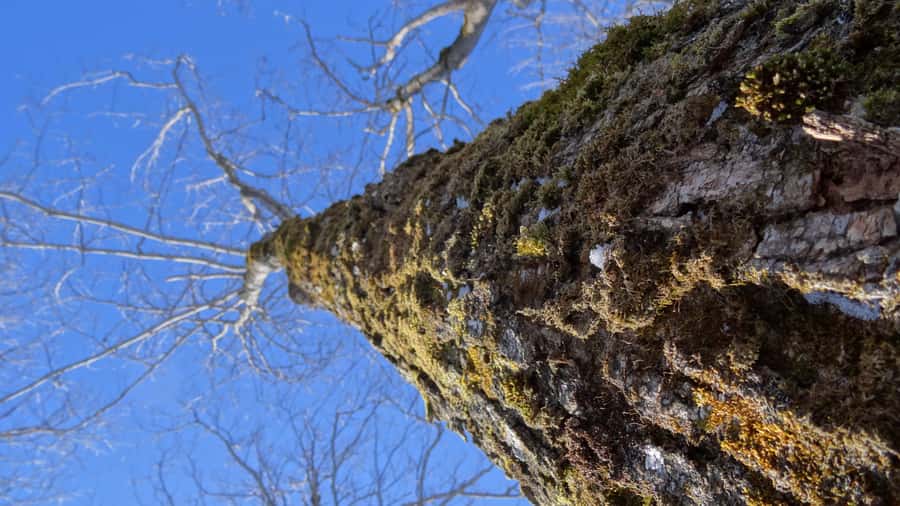
Then comes the best “okay, now I remember” moment: taffy on snow. The experience includes you taking part in the making of maple syrup and tasting taffy on snow, which means you get at least one hands-on, seasonal action item.
Taffy on snow is sticky, dramatic, and oddly satisfying. It is also exactly the kind of sensory anchor that helps you keep learning in a short tour. When you end with something you physically experience, the earlier parts of the class stop feeling abstract.
If you are sensitive to sugar, take small bites and pace yourself. If you are not, enjoy the show. Either way, do it with intention. This is the part that turns knowledge into a memory you can brag about later, without having to quote a single technical detail.
Price and value: why $22 feels fair for what you get
At $22 per person for about 1.5 hours, you are paying for a guided experience that includes:
- a lecture in the boutique kitchen
- tasting of 10 maple products
- coffee or tea
- taffy on snow and traditional pastries as part of the tasting lineup
To judge value, focus on what is included and what is not. What is not included is essentially unlimited shopping. You should expect that you will want to buy something. The experience is intentionally designed to make maple products feel approachable and tasty. But you will not be given a “take everything home” deal, so decide what you truly want before the tasting ends.
One review specifically praised boutique products as offering good prices compared to what you might find in typical commerce. I can’t promise a universal price advantage, but the feedback suggests the shop pricing can be competitive. That is part of why this kind of tasting works: if you decide to buy, you are buying from the source, with guidance on what each product is good for.
The group size and guide energy that make it work
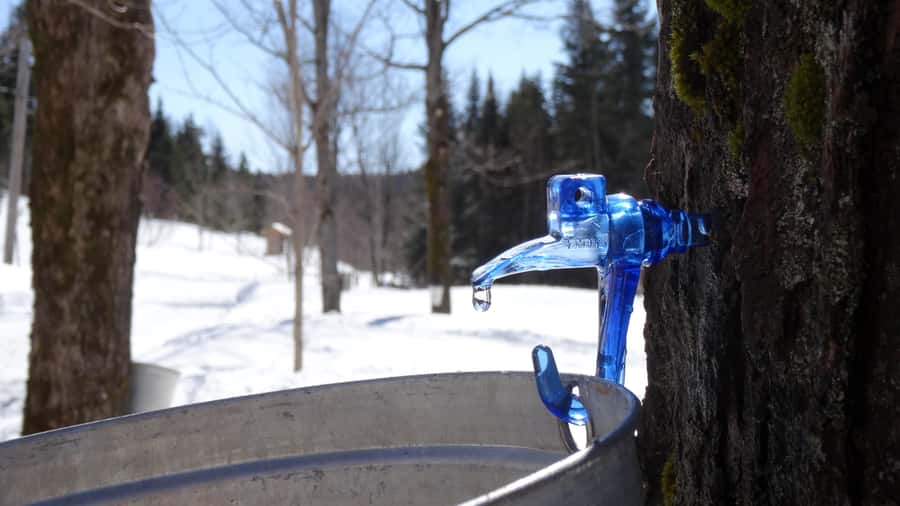
This is limited to 6 participants, which is small enough for real interaction. In a group that size, the guide can slow down when people ask questions, and you are not lost in the back row.
Language is French, and that is worth planning around. If you speak French comfortably, you will get more from the lecture. If you do not, you can still enjoy the tasting and the structure, but expect some points to land better with translation help.
Nathalie stands out in reviews for being funny, passionate, and an excellent cook. Even when a tour focuses on tasting, the guide’s personality is the difference between a decent sampler and a memorable lesson. Here, the warm welcome and clear explanations are part of what people remember most.
Who should book, and who should skip this sweet session
This experience is a strong fit if you:
- want a short, food-first activity near Montréal
- enjoy tasting and learning instead of just browsing a shop
- are curious about where maple syrup comes from and how it becomes different products
- like the idea of ending with taffy on snow and pastries
It is not a great fit if you:
- have diabetes or need to avoid sugary foods, since it is clearly a sweet-centered tasting
- travel with young kids, because children under 6 are not suitable
- strongly prefer self-guided tours, since this one is guided and structured
If you are traveling solo, the small group format can actually feel welcoming. You will not get stuck watching other people eat while you wait your turn. You are part of the tasting rhythm.
Practical tips so you enjoy it more
A few simple moves can help you get maximum enjoyment in the 1h15 window:
- Pace the samples. Maple is delicious, but it adds up fast.
- Take a moment before you start tasting to decide what you care about most, syrup categories or products like butter and jelly. Then you will notice details instead of just tasting.
- If you think you might buy something after the tasting, go in with a quick budget in mind. The best part of maple tours is also the hardest part, the “everything looks tasty” feeling.
- Wear something comfortable. This is a kitchen experience with sticky candy moments.
- Plan to keep the rest of your day flexible. After taffy and pastries, you might not want a heavy meal immediately.
Should you book this Montréal maple tasting conference?
Book it if you want a compact, guided food lesson with a real payoff. For many people, the value equation looks like this: you get 10 samples, pastries, coffee or tea, plus the “how it works” explanation behind maple. The small group size and the guide energy make it feel personal rather than rushed.
Skip it if you cannot do sweet foods or if you are traveling with children under 6. Also, if you only want to buy syrup with minimal interaction, this may feel too educational and too tasting-heavy.
For most visitors who are here to experience Quebec flavors in a way that is both fun and understandable, this is an easy yes. It turns a syrup obsession into a mini story you can carry home, even if you only remember one thing: it tastes better when you know what you are tasting.
FAQ
What is the duration of the maple syrup tasting conference?
The experience lasts about 1h15, which is listed as 1.5 hours.
How many maple products will I taste?
You will taste 10 maple products.
What drinks are included?
Coffee or tea is included.
Is taffy on snow included?
Yes, tasting taffy on snow is included.
What pastries are part of the tasting?
You’ll taste the classic maple square along with other traditional pastries.
What language is the tour in?
The live tour guide is in French.
Is it suitable for children?
No, it is not suitable for children under 6 years old.
Is it suitable for people with diabetes?
No, it is not suitable for people with diabetes.
How much does it cost and what is included in that price?
The price is $22 per person, and it includes a 1h15 lecture in the boutique kitchen, tasting of 10 maple products, and coffee or tea.
Eat Your Way Around Montreal


Sugar Bush and Canadian Plates
Just off the notebook: recent Montreal write-ups
- Secret Food Tours: Montreal – Jean-Talon & Little Italy
★ 4.0 · 4 reviews - Montreal to Quebec City Tour with Private Transportation
★ 5.0 · 4 reviews - Montreal: Iconic Landmarks All-Inclusive VIP Experience
★ 4.7 · 4 reviews - A Walking Tour of Old Montreal
★ 3.8 · 4 reviews - Day at Mont-Tremblant National Park
★ 4.0 · 5 reviews - Old Montreal: Self-Guided Tour from Place D‘Armes to Old Port
★ 5.0 · 5 reviews
Maple Syrup & Canadian Food Trails, compared.
 ★ 4.6Toronto: Niagara Falls Bus Tour with Maple Tasting and NOTLFrom $51524 reviews
 ★ 5.0Niagara Falls Canada Tour, Boat, Skylon Tower & Maple TastingFrom $89110 reviews
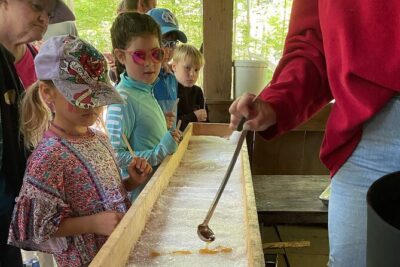 ★ 5.0Discover Maple Sugar Bush TourFrom $2187 reviews
 ★ 4.6Toronto: Toronto Maple Leafs Game Ticket at Scotiabank ArenaFrom $15743 reviews
 ★ 5.0Eat Like a Canadian Food & Sightseeing TourFrom $9738 reviews
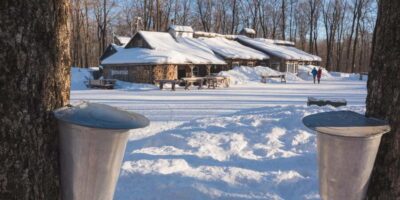 ★ 4.1Montreal: Maple Syrup Tour with Sugar Shack & Local CuisineFrom $13825 reviews
 ★ 5.0Private Canadian Food Discovery at the St Lawrence MarketFrom $10419 reviews
 ★ 4.04-Hour Niagara Falls Boat Tour, Lunch & Maple Syrup TastingFrom $9912 reviews
Browse the lists this tour appears in