
REVIEW · INDIGENOUS CULTURE & HERITAGE TOURS
Mi’kmaq Heritage Path Tour
Two hours, one strong cultural welcome. You’ll begin with a traditional greeting and a smudging ceremony, then follow an interpretive route through the forest Heritage Path where time-honored plant teachings connect past and present. I also like that you can step into authentically built structures, like a wigwam and longhouse, which makes the learning feel real. The one catch is simple: you’re outside for parts of the tour and the experience needs good weather.
This tour runs about 2 hours from 29 Big Cove Rd in Elsipogtog First Nation, and it returns you back to the same meeting point. It’s designed for a small group, with admission listed as free and all fees and taxes covered, plus a traditional snack served near the end. You’ll finish at the Cultural Center with time in a safe space to ask questions, which I found makes the whole experience more useful than a quick walk-through.
In This Review
- Key Highlights You Should Know Before You Go
- A Two-Hour Tour That Moves at a Human Pace
- Stop 1 at Elsipogtog: Teepee Welcome and Smudging Teachings
- Walking the Heritage Path: Medicines, Nature, and Community
- Step Inside What Makes This Season Special: Wigwam, Longhouse, and Sweatlodge
- Cultural Center Time: Questions in a Safe Space
- What the Tour Value Looks Like in Real Life (It’s Free)
- How to Get the Most Out of the Outdoor Portion
- Small Group Size Means Your Questions Matter
- The Warm Tone: What Sticks From the Experience
- Who Should Book This Tour
- Booking Basics and What to Expect Day Of
- Should You Book the Mi’kmaq Heritage Path Tour?
- FAQ
- How long is the Mi’kmaq Heritage Path Tour?
- Where does the tour start, and does it end nearby?
- Is the tour offered in English?
- Is the admission free?
- What happens at the first stop in the community?
- Is there time to ask questions?
- What if the weather is bad?
- Are service animals allowed, and can most people participate?
Key Highlights You Should Know Before You Go
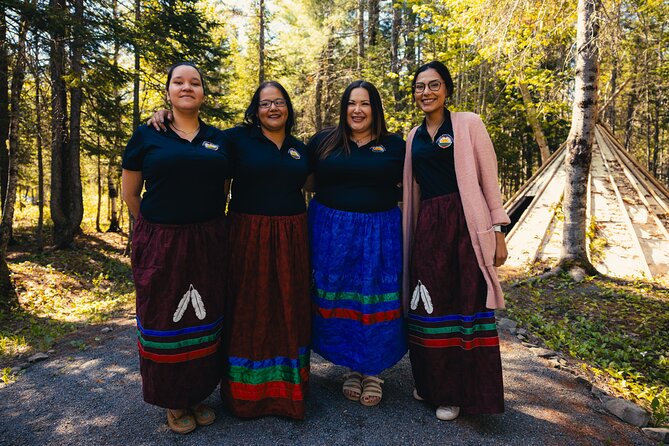
- Smudging ceremony welcome with teachings that connect cultural ways from past to present
- Forest Heritage Path led by interpretive knowledge keepers, focused on Mother Nature’s gifts and medicines
- You can step inside authentically constructed spaces built locally for the 2023 season
- Small group size (up to 25 people), so questions feel easier to ask
- Cultural Center Q and A time to clear up anything you’re wondering about
- Free admission with all fees and taxes included, making it a rare value in this region
Still shortlisting? Here is how a few other New Brunswick bookings stack up.
- Admission 1 person – Visit of the Acadian Historic Village★ 4.5 · 40 reviews
- Saint John: Guided Kayaking Tour of St. Martins Sea Caves★ 4.8 · 38 reviews
- Kings Landing Admission Ticket★ 4.5 · 28 reviews
- Mi’kmaq Heritage Path Tour★ 5.0 · 23 reviews
A Two-Hour Tour That Moves at a Human Pace
The Mi’kmaq Heritage Path Tour is short by tour standards, about 2 hours total, but it doesn’t feel rushed. The format is clearly built around meaning, not just walking distance. You start with an opening greeting and ceremony, then transition into the outdoor learning route, and finish indoors where questions are encouraged.
If you like tours that explain the “why” as much as the “what,” this one fits. The outdoors part is the workhorse of the tour, but the Cultural Center stop is what turns facts into understanding. Also, the group limit of 25 people matters, because it keeps the tone from turning into a classroom shuffle.
Stop 1 at Elsipogtog: Teepee Welcome and Smudging Teachings
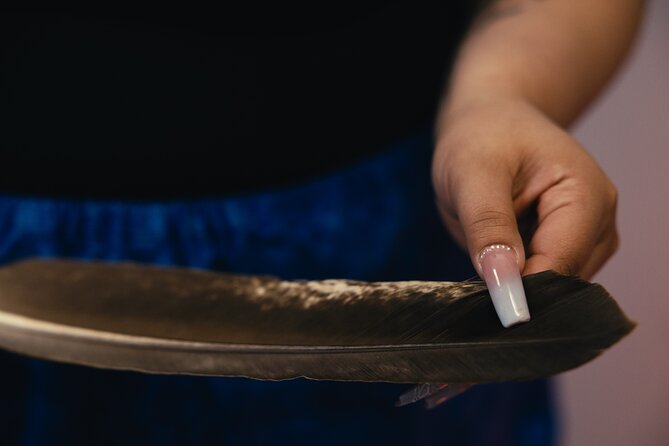
Your first stop is inside the community raised teepee area at Elsipogtog First Nation. Expect a traditional greeting and a smudging ceremony, followed by teachings meant to help you connect what you’re learning to daily life in a Mi’kmaq cultural context.
This opening matters because it sets the tone: you are not just sightseeing plants in the woods. You’re being invited into a way of relating to nature, community, and responsibility. The tour also emphasizes connecting past cultural ways to present customs, which is often missing in generic “heritage walks.”
Practical note: because this start is ceremonial, give yourself a few extra minutes so you’re not arriving late or flustered. And wear something comfortable, since you may be sitting and listening for parts of the early segment.
Walking the Heritage Path: Medicines, Nature, and Community
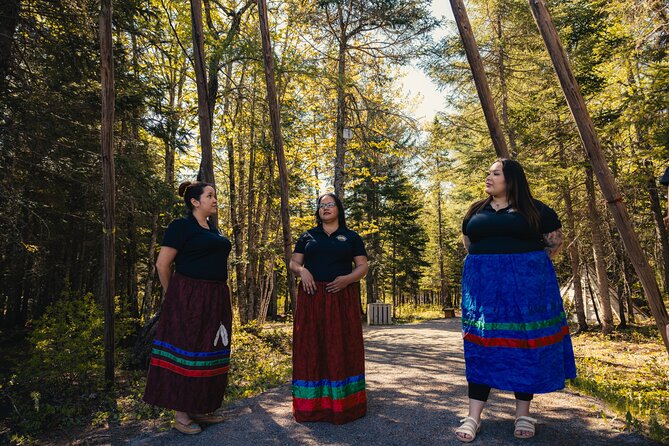
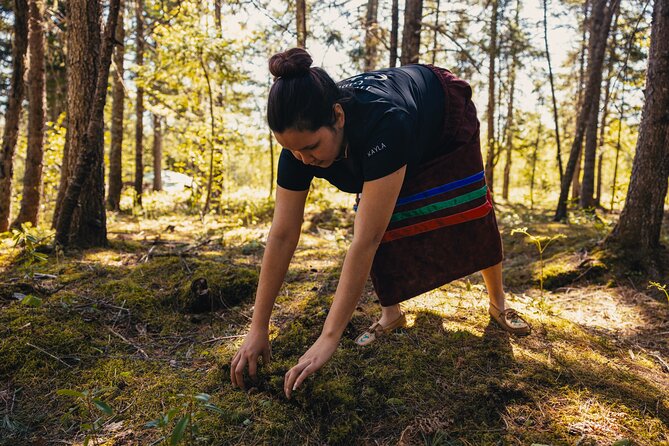
After the teepee welcome, interpretive knowledge keepers guide you into the natural, forested Heritage Path. This is where the tour focuses on traditional, time-honored ways of using Mother Nature’s gifts and medicines for a better self and community.
The key is that the tour doesn’t treat plant knowledge like trivia. It frames it as part of a wider cultural relationship, including how knowledge is carried and how it’s applied with care. You’ll learn in a way that links individual wellbeing to community good, which is a helpful lens if you’re used to learning history as isolated facts.
Good shoes help here. The route is in the forest, so bring footwear that won’t make you think about every root and patch of uneven ground. Also, because the experience requires good weather, check the forecast and dress for real outdoor conditions, not just indoor comfort.
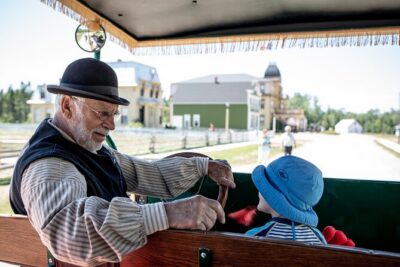
More routes into older New Brunswick
Step Inside What Makes This Season Special: Wigwam, Longhouse, and Sweatlodge
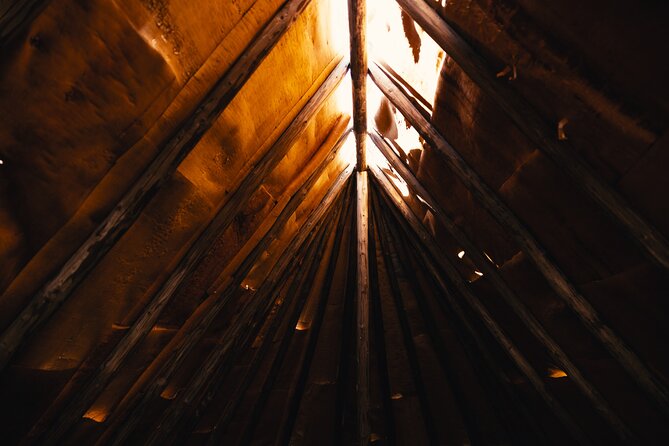
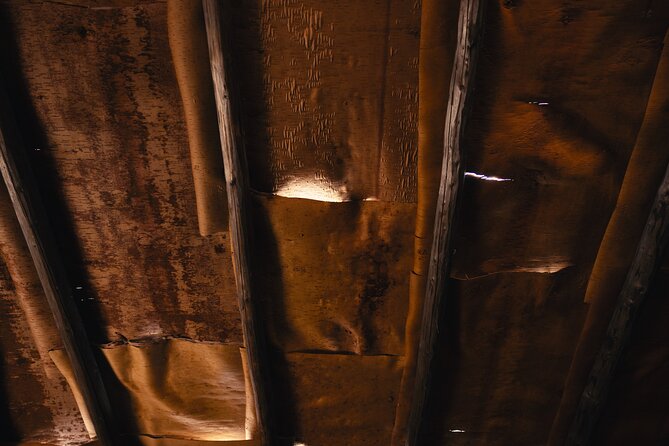
One of the most praised parts of this tour is what you can actually step inside. For the 2023 season, you experience an authentically constructed wigwam, longhouse, and sweatlodge made by a local elder and knowledge keeper.
This is not just a photo opportunity. The structures are built so you can feel what life might have been like in ancestral times. That kind of physical understanding is hard to get from any museum exhibit, because your body is in the space, and the scale becomes obvious.
If you’re someone who enjoys architecture, craftsmanship, and material culture, this stop will really land. If you’re not, it still helps because it turns the tour from “information about buildings” into “understanding how space supports living.”
Cultural Center Time: Questions in a Safe Space

The last part of the journey takes place at the Cultural Center. This is where you get the benefit of a calmer setting after walking and listening outdoors. You have a safe space to ask questions about Mi’kmaq culture, designed to help you deepen your understanding of the true way of life.
This Q and A portion is often what separates a good tour from a great one. You get to clarify what you didn’t understand, or follow up on something you connected with most. It’s also a chance to make the learning feel personal rather than one-directional.
If you tend to carry questions in your head, this is your moment. If you don’t, you’ll still likely leave with new questions. Either way, plan to stay present during this section, since it’s meant for interaction.
What the Tour Value Looks Like in Real Life (It’s Free)
The most exciting detail here is that admission is listed as free, and all fees and taxes are included. That doesn’t mean the experience is flimsy. It means your money is not being used to pad the tour with extra upsells.
In practice, it makes this a very easy recommendation for a day where your budget matters. You still get a structured itinerary, ceremony welcome, outdoor interpretation, interior access to constructed spaces, and a Cultural Center question period.
One small detail to keep in mind: snacks are listed in a way that can feel confusing at first glance. The info says snacks are not included, but it also says a traditional snack will be served near the end of the tour. My advice is to expect that you will receive something to eat near the end, but if you have strict dietary needs, confirm what will be offered when you book.
How to Get the Most Out of the Outdoor Portion

Because the tour is weather dependent and includes a forest path, your best prep is straightforward.
Bring:
- Comfortable, grippy footwear for a forest route
- A layer for changing temperatures
- Water if you tend to get thirsty during walks
Arrive ready to listen. The tour’s tone is learning-based, and it’s not the kind of experience where you get the best value by speed-walking ahead. If you keep up with the group and let the knowledge keeper guide the pace, you’ll likely pick up more than the highlights.
Also, keep your expectations aligned. This isn’t a theme park tour of “look and leave.” It’s a guided cultural walk where questions are part of the process. Showing respect with your attention is the easiest way to make it rewarding for you and for the people running it.
Small Group Size Means Your Questions Matter
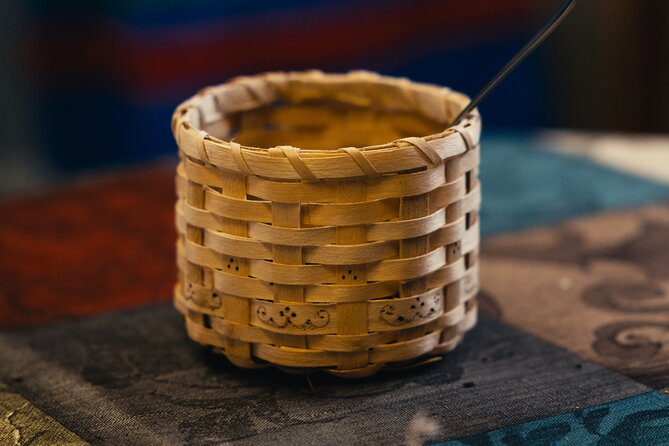
A maximum of 25 people keeps the tour from turning into a production line. That matters because the route includes both listening and movement. If the group were larger, you’d lose some of the quiet focus that makes ceremonial openings and interpretive stops land well.
The best part of small group tours is that your presence doesn’t feel anonymous. You can ask a question without feeling like you’re interrupting a schedule. And in this case, the Cultural Center stop is explicitly designed for that.
The Warm Tone: What Sticks From the Experience
The overall vibe shows up clearly in the feedback: people describe it as warm, full of information, and led by a sweet tour guide and assistant. One review specifically highlighted freshly baked bread, and the tour description points to a traditional snack near the end, so it’s reasonable to plan your timing around that.
That warmth is not just friendliness. It’s a practical part of how the tour communicates meaning. When people feel welcomed, they ask better questions, and they absorb more. In a cultural setting, that kind of trust is part of the value.
Who Should Book This Tour
This is a strong choice if you:
- Want a cultural experience that includes ceremony and interpretation, not just sights
- Prefer small-group learning with time to ask questions
- Enjoy nature-based education tied to traditional knowledge and community
It may be less ideal if you:
- Struggle with walking on outdoor forest paths
- Can’t handle weather-related changes, since the experience requires good weather
- Need a lot of downtime, since the tour runs about 2 hours with multiple segments and transitions
Booking Basics and What to Expect Day Of
You’ll meet at 29 Big Cove Rd, Elsipogtog First Nation, NB E4W 2S1, Canada. The tour ends back at the same meeting point, which makes it easier to plan the rest of your day without guessing about transit.
The tour offers mobile tickets, and it’s provided in English. Service animals are allowed, and most people can participate, so it’s a realistic fit for many visitors.
The biggest “day of” variable is weather. If conditions are poor, you’ll be offered a different date or a full refund.
Should You Book the Mi’kmaq Heritage Path Tour?
If you’re looking for a short, high-value cultural experience in New Brunswick, this one is worth your time. Free admission, a small group size, and a structure that includes both ceremony and question time make it a practical choice for learning without spending a fortune.
Book it if you want respectful, nature-based cultural interpretation and you’re comfortable spending part of the tour outdoors. Skip it only if forest walking or weather uncertainty will stress you out.
FAQ
How long is the Mi’kmaq Heritage Path Tour?
The tour runs about 2 hours.
Where does the tour start, and does it end nearby?
It starts at 29 Big Cove Rd, Elsipogtog First Nation, NB E4W 2S1, Canada, and ends back at the same meeting point.
Is the tour offered in English?
Yes, the tour is offered in English.
Is the admission free?
Admission is listed as free, and all fees and taxes are included.
What happens at the first stop in the community?
You receive a traditional greeting and participate in a smudging ceremony with teachings. Then you’re guided into the natural Heritage Path.
Is there time to ask questions?
Yes, the tour ends at the Cultural Center with time in a safe space to ask questions about Mi’kmaq culture.
What if the weather is bad?
The experience requires good weather. If it is canceled due to poor weather, you’ll be offered a different date or a full refund.
Are service animals allowed, and can most people participate?
Service animals are allowed, and most travelers can participate.
The Older New Brunswick


Just off the notebook: recent New Brunswick write-ups
- Astounding Scavenger Hunt: Moncton Canada’s Cultural Hub
★ 4.0 · 5 reviews - Family visit to the Acadian Historic Village
★ 4.5 · 7 reviews - Kayak the Bay of Fundy Sea Caves
★ 5.0 · 20 reviews - Mi’kmaq Heritage Path Tour
★ 5.0 · 23 reviews - Kings Landing Admission Ticket
★ 4.5 · 28 reviews - Saint John: Guided Kayaking Tour of St. Martins Sea Caves
★ 4.8 · 38 reviews
Indigenous Culture & Heritage Tours, compared.
 ★ 5.0Great Bears of Bute: Grizzly Bear Viewing & Indigenous Cultural TourFrom $457336 reviews
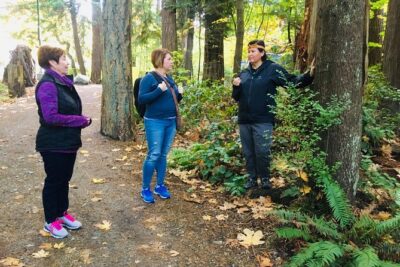 ★ 5.0Talking Trees: Stanley Park Indigenous Walking Tour Led by a First Nations GuideFrom $6086 reviews
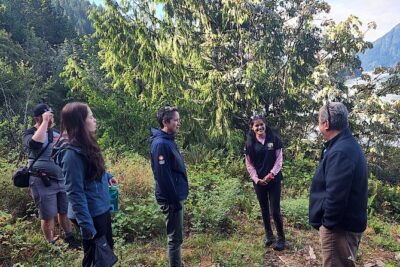 ★ 5.0People Water Land- Indigenous Cultural and Wildlife TourFrom $26951 reviews
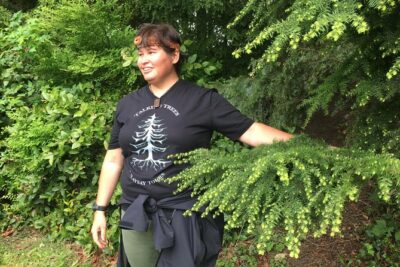 ★ 5.0Spoken Treasures: Stanley Park Indigenous Walking TourFrom $5627 reviews
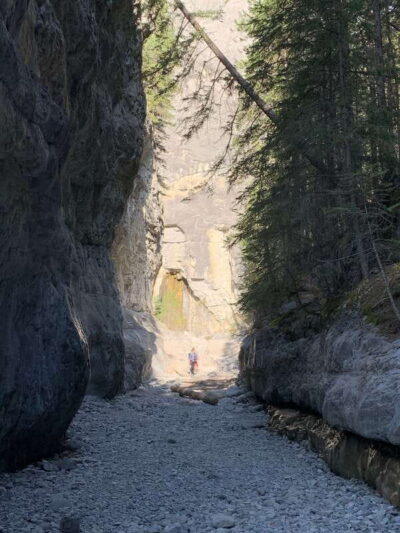 ★ 5.0Discover Ancient Pictographs – Guided Canyon Hiking Tour 3HFrom $6918 reviews
 ★ 4.6Vancouver Island: People Water Land – Indigenous & WhalesFrom $2728 reviews
 ★ 5.0Vancouver: Stanley Park Talking Trees TourFrom $587 reviews
 ★ 4.5Indigenous Storytelling Walk on Harbour PassageFrom $366 reviews
Browse the lists this tour appears in