
REVIEW · TOFINO, NANAIMO & ISLAND ESCAPES
Vancouver Island: People Water Land – Indigenous & Whales
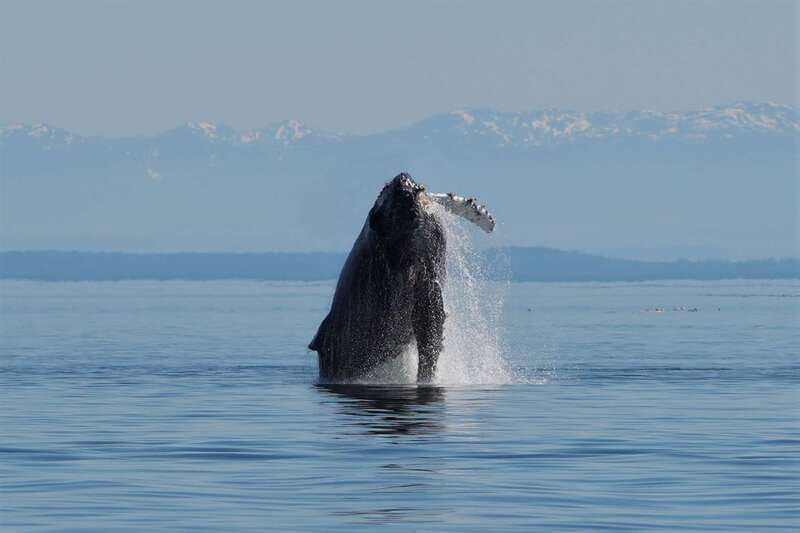
Whales and culture in one bright morning. This Homalco tour pairs Salish Sea wildlife viewing with an interpretative walk at the Aupe village site, led by a First Nations guide. I especially like the hands-on cedar bark activity and the way the boat is built for comfort with inside and outside seating.
What you get on the water is also a little unpredictable, which is the main thing to plan for. If whales are farther out, you may have to work with binoculars and patience instead of expecting a guaranteed close-up.
The group stays small, capped at 12, so you get room to ask questions and actually hear the stories over the engine noise. You also start early, which helps for calm water and good wildlife chances, and it ends in time for the rest of your Vancouver Island day.
In This Review
- Key Highlights You Will Feel Right Away
- From Campbell River to Aupe, Built for Comfort
- The Homalco Guides, and Why the Stories Matter
- On the Water: Whale Watching in the Salish Sea
- Aupe Village Site Walk: Cedar, Stories, and Walkable History
- The Hands-On Taχəmay Bracelet Moment
- Lunch, Snacks, and a 5-Hour Pace That Works
- Price and Value: What 272 Per Person Really Covers
- Practical Tips So You Get Good Views (and Enjoy the Hike)
- Who Should Book This Tour, and Who Should Skip
- Should You Book People Water Land: Indigenous & Whales?
- FAQ
- How long is the People Water Land: Indigenous & Whales tour?
- What does the tour include?
- Where do I meet for the tour?
- Is pickup or drop-off included?
- What age is the tour suitable for?
- How much walking will I do?
- Are there toilet facilities on the boat?
- What should I bring?
Key Highlights You Will Feel Right Away
- Two-guide setup (skipper plus Homalco guide): you get both safety and cultural interpretation in one smooth flow
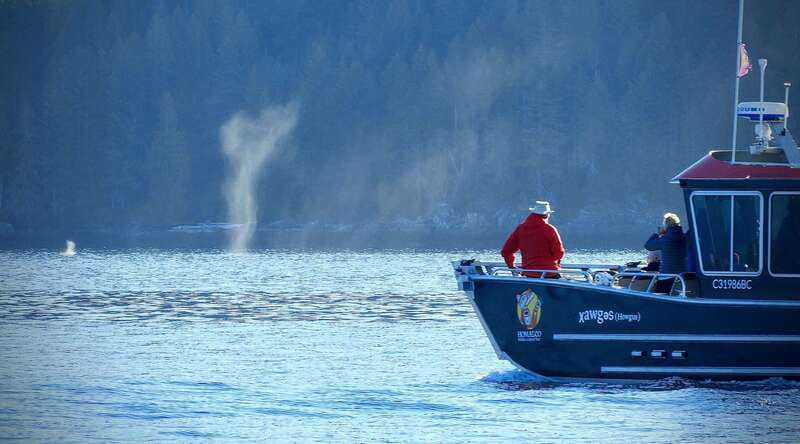
- Custom landing craft with heated, covered comfort: inside when it’s cold, outside when wildlife is spotted
- Whale watch in the Salish Sea with named species: orcas, humpbacks, dolphins, sea lions, plus eagles in the mix
- Aupe village site walk with place-based storytelling: history is tied to where you’re standing
- Hands-on Taχəmay (cedar bark): you’ll weave a cedar bracelet
- Money supports revitalization: whale research, salmon restoration, and Homalco youth cultural programming are part of the plan
Other boats, other sightings on this coast
- Campbell River: Whale & Wildlife Discovery Cruise★ 4.8 · 143 reviews
- Campbell River: 4 Hour Whale & Wildlife Zodiac Boat Tour★ 4.7 · 133 reviews
- Campbell River: Salish Sea Whale Watching Adventure★ 4.6 · 64 reviews
- Campbell River: 6-Hour Whale Watching Boat Tour★ 4.9 · 46 reviews
From Campbell River to Aupe, Built for Comfort
You meet up for a half-day outing that runs 5 hours, typically 7:00am to 12:00pm. You’ll want to arrive 20 minutes early at the Tyee Plaza Shopping Centre parking lot, and park there only in the correct areas, not in the zones marked for the Coast Discovery Inn.
Once onboard, the key practical win is the boat design. It’s brand new, heated, covered, and set up with inside and outside seating, plus a toilet on board, so you’re not stuck in one cold corner for the whole trip.
This matters more than it sounds. When wildlife pops up, you’ll be able to move your attention outside fast, without giving up warmth the next ten minutes. It’s also easier on people who get stiff sitting too long, since you’re not forced into one fixed viewing posture.
The Homalco Guides, and Why the Stories Matter
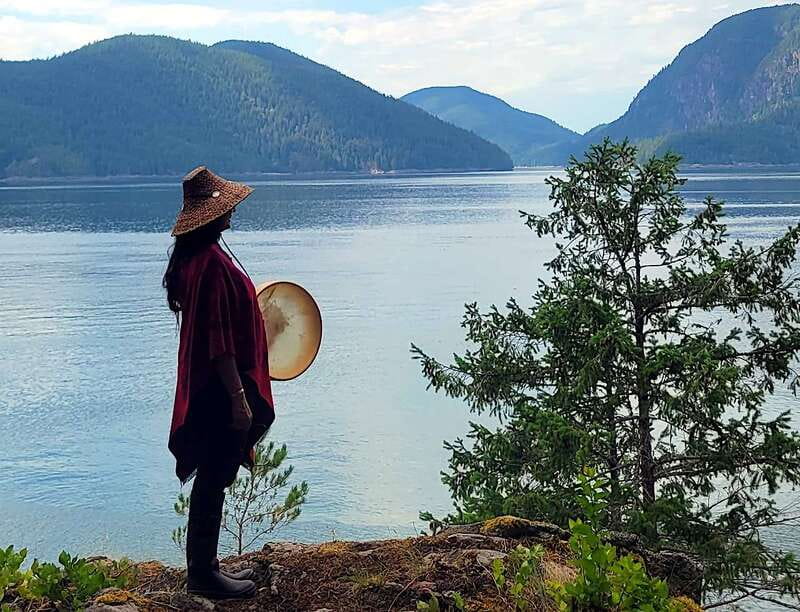
This is not just a whale tour with a stop on land. Homalco Wildlife and Cultural Tours is owned by the Xwémalhkwu (Homalco) First Nation, and the experience is designed around an interpretative cultural journey in their traditional territory.
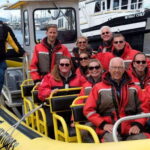
You’ll travel with both a skipper and an Indigenous guide. The skipper keeps the boat moving safely, and the guide provides the cultural context as you go, so you’re not only looking for animals, you’re also learning how the place and wildlife fit together.
The tour also uses Indigenous language and place knowledge in a way that stays practical for you. You hear whale names like Qʷ̓ənɛs and eagles like Q̓aykʷ, and you connect those terms to what you’re actually seeing on the water.
On the Water: Whale Watching in the Salish Sea
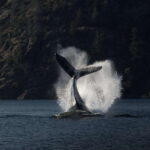
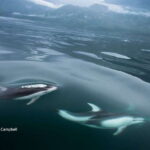
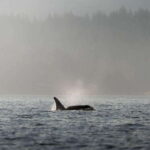
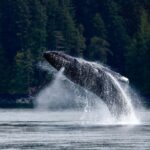
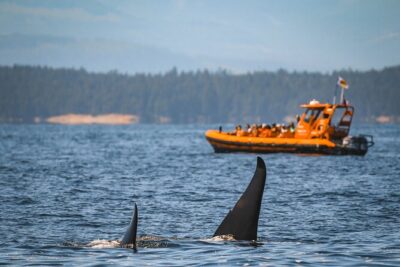
Your ocean portion is built around watching for wildlife in the Salish Sea. Expect regular scanning for whales and birds, with orcas and humpback whales in the conversation, and also dolphins and sea lions.
The boat’s landing craft style helps with sightlines. With inside and outside seats, you can stay comfortable while still getting unobstructed views when the group’s attention shifts.
Wildlife viewing is naturally variable. That’s the tradeoff with this kind of tour, and it’s worth keeping your expectations flexible. Even in strong seasons, whales might appear briefly, or you might see them from farther out, depending on how the sightings line up that day.
There’s also a chance for additional sightings that make the morning feel extra special. The tour includes the possibility of a resident black bear (Mɛxaɬ) during the outing, though nothing here is guaranteed because it depends on real animals doing what real animals do.
Further up the island: more places to point the car
Aupe Village Site Walk: Cedar, Stories, and Walkable History
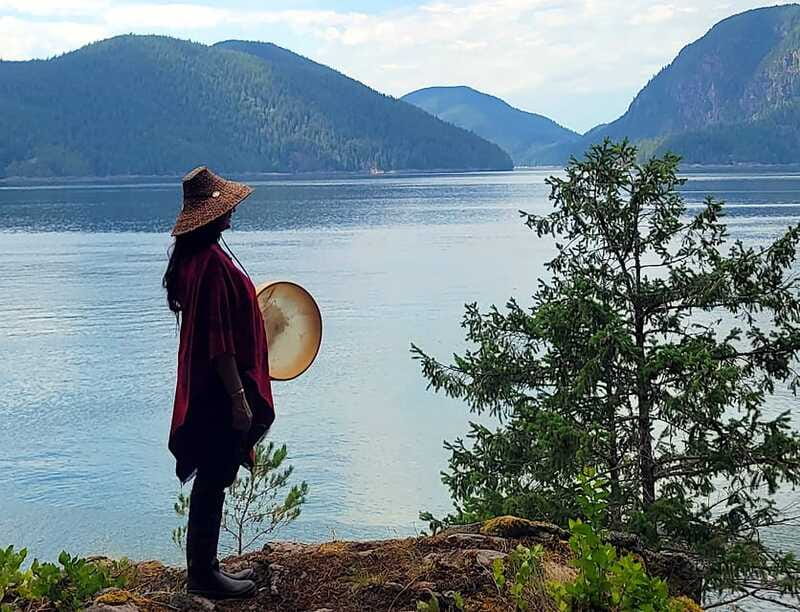
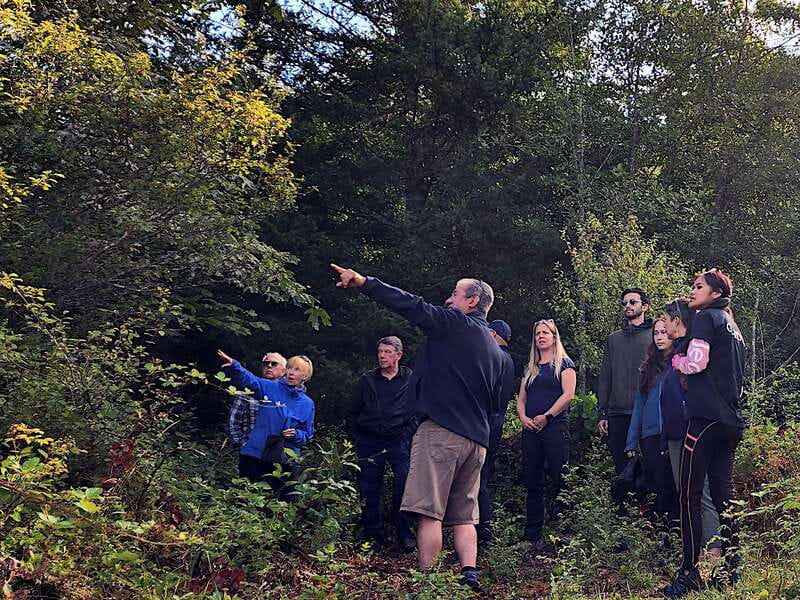
The land portion is where the tour becomes more than wildlife spotting. You arrive at Aupe and step off the boat into the area connected with the Xwémalhkwu (Homalco), with an interpretative walk around the former village site.
This part is designed for understanding through place. You’re walking trails in an environment shaped by the coast and time, and you’ll hear traditional stories, language, and legends tied directly to what used to be a home community.
You should expect a real walk. You need to be physically fit enough to walk about 2 km on trails that can include slippery rocks and uneven ground. Good footwear matters, and you should treat this as a hike segment, not a stroll.
The walk can also include viewing features of the old village area, including structures and natural takeover over time. One reason people love this section is that you’re not just reading about the past, you’re experiencing the scale and the setting where it happened.
The Hands-On Taχəmay Bracelet Moment
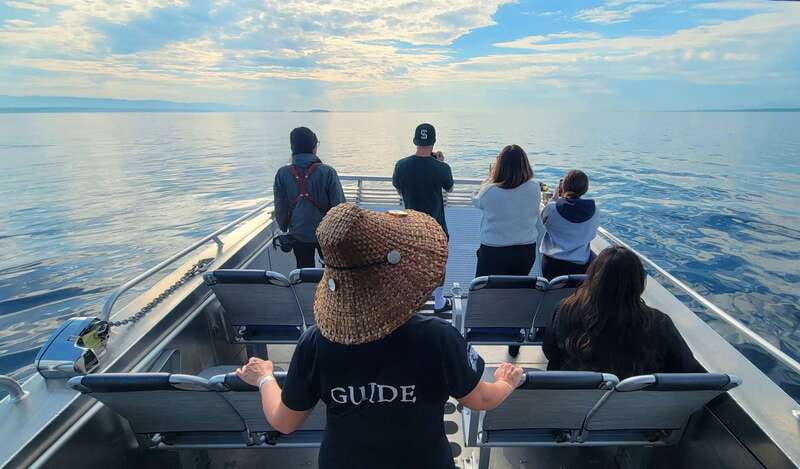
The most memorable activity is the cedar bark experience. On board or during the cultural portion, you get hands-on with Taχəmay (cedar bark) and you’ll learn to weave your own cedar bracelet.
This is a smart inclusion. It gives you something to focus on when you’re not watching for whales, and it turns the cultural learning into a skill you take home, not just information you hear once.
Bring patience for this part. Weaving takes time, and the idea is learning, not speed. If you’re the kind of traveler who likes small practical moments, this is likely to be a highlight for you.
Lunch, Snacks, and a 5-Hour Pace That Works
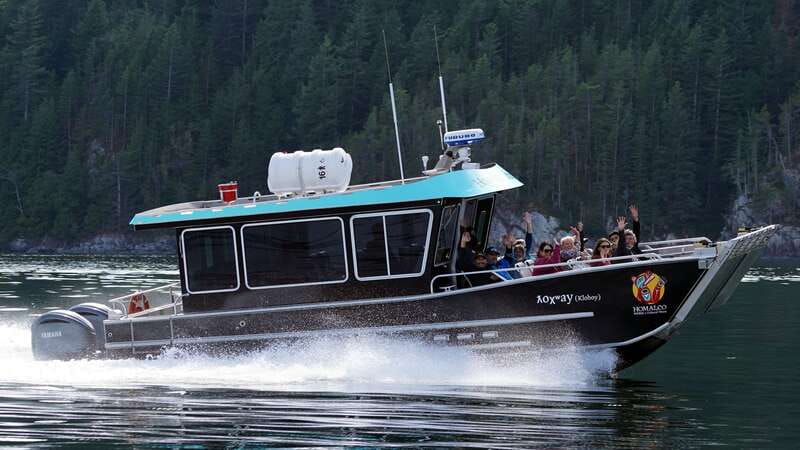
Food is included, which keeps the morning from turning into a snack scavenger hunt. You’ll get lunch, snacks, and beverages as part of the tour.
The timing is also reasonable for a half-day. You’re planning around a 7:00am start and you’re back by 12:00pm, which means you can still do lunch on your own later, or build in another activity the same day.
If you’re traveling with kids, the pace fits a younger crowd with stamina. This experience is family-friendly for ages 10 and up, and it’s designed to be understandable and fun while still serious about cultural context.
One small consideration: routes and timing may shift based on whale sightings and weather. So treat your day plan as flexible, and build in a little breathing room for how the morning goes.
Price and Value: What 272 Per Person Really Covers
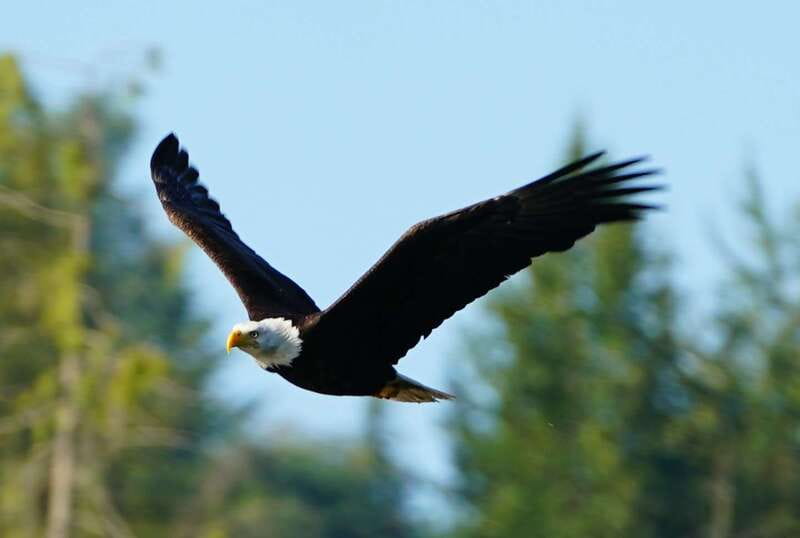
The price for this 5-hour experience is about $272 per person. On paper, that can feel like a lot for a half-day. In practice, you’re paying for several things at once.
First, you’re getting guided interpretation from an Indigenous guide, not a generic onboard audio system. You also have a skipper in addition to the cultural guide, plus a custom, heated, covered vessel designed for comfort.
Second, you’re not just watching whales, you’re also visiting the Aupe village site and doing a hands-on cedar bark activity. Those additions are part of the same price, along with lunch, snacks, and beverages.
Finally, there’s an explicit community and environmental connection. Part of your trip price supports whale research, salmon restoration, Homalco youth cultural programming, plus employment and career options for the Homalco people. If that kind of impact matters to you, this tour offers clearer alignment than many wildlife outings.
Practical Tips So You Get Good Views (and Enjoy the Hike)
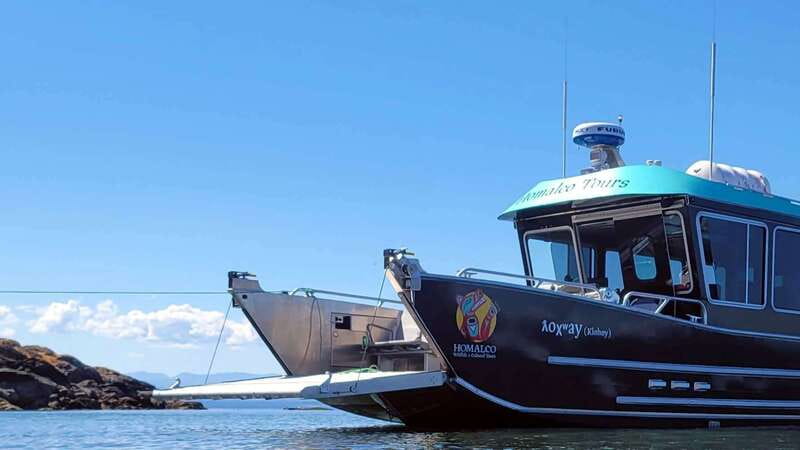
You’ll be outside enough that your packing choices matter. Bring warm clothing and rain gear, because coastal weather in British Columbia can change fast. A camera helps for the sightings, and binoculars can make a big difference if you spot wildlife at a distance.
Wear hiking shoes with grip. You’ll be walking on trails that may include slippery rocks and uneven ground, so skip anything you’d regret on wet stone. The tour also notes no sandals or flip flops, and no open-toed shoes, plus no high-heeled shoes.
A few item restrictions are worth noting early: tripods are not allowed, and alcohol and drugs are not allowed. You also shouldn’t bring pets, and you’ll need to sign an activity waiver prior to departure.
If you’re traveling with mobility needs, use your planning time wisely. One booking described the guides taking extra care for someone using two walking aids, which suggests staff can be attentive, but the official requirement is the ability to walk 2 km. If you have mobility limits or balance concerns, confirm fit before you go.
Who Should Book This Tour, and Who Should Skip
This is a strong match if you want both wildlife and Indigenous cultural interpretation in one morning. You’ll like it if you enjoy learning through storytelling, and you’re excited by the possibility of seeing orcas, humpbacks, dolphins, sea lions, and eagles.
It’s also a good fit for families with kids old enough to handle a 2 km walk. The minimum age is 10, and passengers aged 10 to 17 must be accompanied by an adult 18+.
Skip it if you have specific physical constraints. It is not suitable for people with back problems, and it requires enough fitness to handle uneven, slippery trail conditions.
If weather is rough, the operator may not be able to run tours. In that case, you receive a full refund, so it’s one of the fewer situations where you don’t feel stuck with a sunk cost just because nature decides to be nature.
Should You Book People Water Land: Indigenous & Whales?
Book it if you want a morning that blends real whale watching with a guided cultural visit at Aupe, and you value learning from the Xwémalhkwu (Homalco) community directly. The small group size, the heated boat, and the hands-on cedar bracelet make it more than a typical “see animals, move on” outing.
Don’t book it if you’re expecting guaranteed close-up whale encounters. Wildlife is wild, and your view might be from farther out on some days. If that’s your biggest deal breaker, you might want to balance this with other flexible wildlife plans.
If you’re okay with early start, bring warm layers, and show up ready to walk and listen, this is a high-value Vancouver Island experience.
FAQ
How long is the People Water Land: Indigenous & Whales tour?
It runs for 5 hours, typically from 7:00am to 12:00pm.
What does the tour include?
Lunch, snacks, and beverages are included, along with live commentary from a First Nations guide.
Where do I meet for the tour?
Meet at the Tyee Plaza Shopping Centre parking lot. Park in the designated Tyee Plaza areas, not in spaces marked for the Coast Discovery Inn.
Is pickup or drop-off included?
No, pickup and drop-off are not included.
What age is the tour suitable for?
The minimum age is 10. Guests aged 10 to 17 must be accompanied by an adult 18+.
How much walking will I do?
You must be physically fit enough to walk about 2 km on trails that may include slippery rocks and uneven ground, with appropriate footwear required.
Are there toilet facilities on the boat?
Yes, toilet facilities are available on the vessels.
What should I bring?
Bring warm clothing, a camera, hiking shoes, rain gear, and binoculars.
Further Up the Island
Back Out on the Whale Road
Just off the notebook: recent Campbell River write-ups
- Vancouver Island: People Water Land – Indigenous & Whales
★ 4.6 · 8 reviews - Campbell River: Kayaking and Whale Watching Tour
★ 4.6 · 8 reviews - Campbell River: Grizzly Bear Expedition with Lunch
★ 4.9 · 11 reviews - Campbell River: 7-Hour Big Animal Encounter Boat Tour
★ 4.6 · 17 reviews - Campbell River: Whale Watching Cruise with Lunch
★ 4.9 · 20 reviews - Campbell River: Whale Watching and Wildlife Viewing Day Tour
★ 4.9 · 23 reviews
Tofino, Nanaimo & Island Escapes, compared.
 ★ 4.7Vancouver: Victoria, Gulf Islands Cruise, & Butchart GardensFrom $2081,165 reviews
 ★ 4.5Victoria & Butchart Gardens Tour with Gulf Islands Cruise FerryFrom $214565 reviews
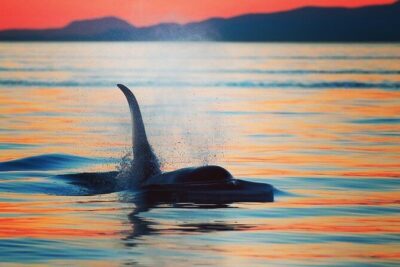 ★ 5.0Cowichan Bay Half Day Whale & Wildlife AdventureFrom $159393 reviews
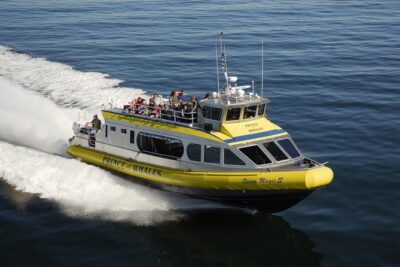 ★ 5.0Vancouver Island Half-Day Whale Watching Tour – Telegraph CoveFrom $153333 reviews
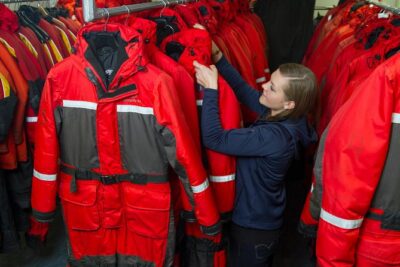 ★ 5.0Vancouver Island Zodiac Whale Watching Adventure – Telegraph CoveFrom $169281 reviews
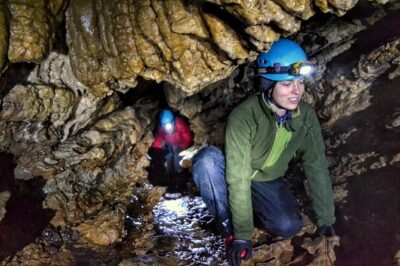 ★ 5.0Vancouver Island Multi-Cave ExperienceFrom $63235 reviews
 ★ 5.0Whale Watching Nanaimo Open Boat TourFrom $187194 reviews
 ★ 5.0Indulge in a Wine & Food Tour – Cowichan ValleyFrom $126151 reviews
Browse the lists this tour appears in