
REVIEW · TOFINO, NANAIMO & ISLAND ESCAPES
Campbell River: Whale & Wildlife Discovery Cruise
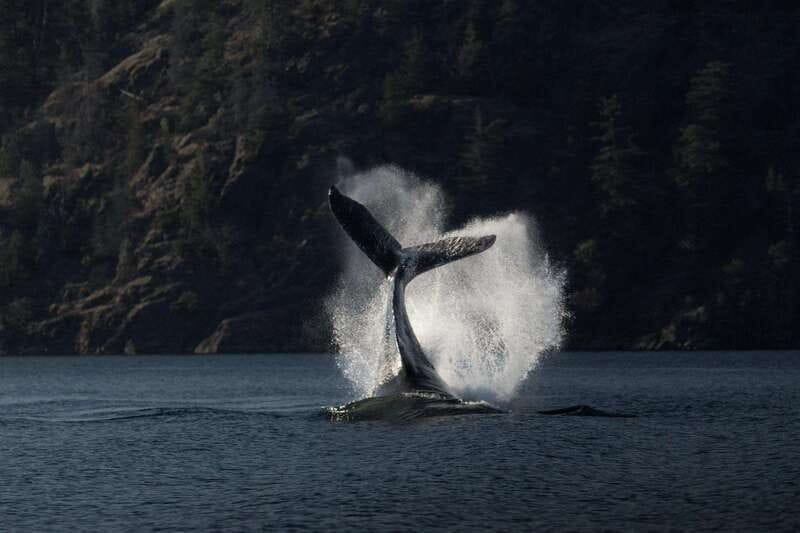
Whale sounds come through the hydrophones. This 4-hour Campbell River cruise is a smart mix of wildlife spotting and real learning, as you cruise through the Salish Sea and nearby waters in search of whales and other animals. You’ll also get a chance to hear whale sounds via hydrophones, which turns a good boat trip into a more memorable one.
I like the on-board naturalist approach because it gives you context while you’re watching, not just after the fact. I also like that you can choose between a covered vessel with indoor seating, or a more open zodiac-style boat with wind and a flotation suit if you’re on the zodiac, as some guides like Jarek, Laura, and Tyler W are known to keep things informative and fun.
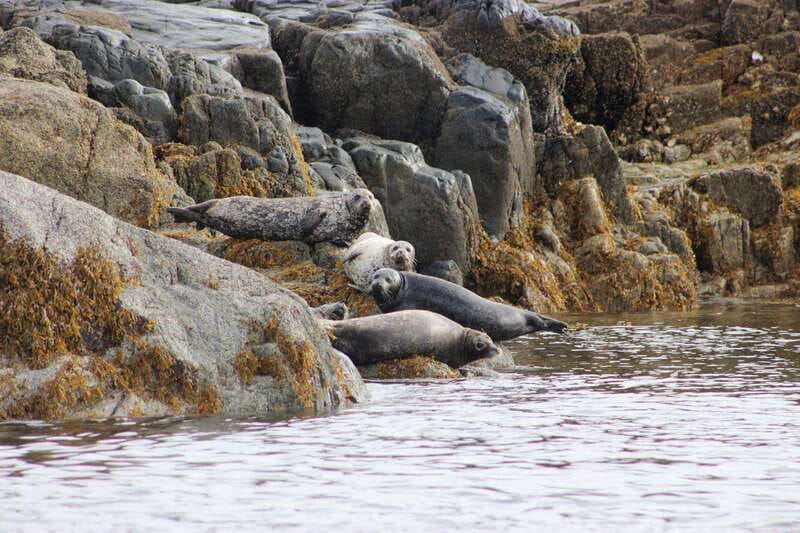
One thing to consider is that wildlife is never guaranteed, and weather can affect what you can see. On a rainy, cold day, visibility can be worse even when you’re inside, and you may end up seeing plenty of sea lions, seals, and eagles without whales showing up.
In This Review
- Key Reasons This Cruise Gets Such Strong Love
- Why Campbell River Works for Whale and Wildlife Watching
- Vessel Choice: Covered Comfort vs Zodiac Wind
- Covered vessel with indoor seating
- Zodiac-style outdoor ride
- What You Can See: Whales, Dolphins, Bears, and More
- Hydrophones and the Naturalist: How You Learn While You Watch
- The 4-Hour Flow on the Water, From Marina to Wildlife Hotspots
- What to Bring (So You’re Comfortable, Not Cranky)
- Snacks and Small Details That Actually Matter
- Price and Value: Is $175 Worth It?
- Who Should Book This Cruise, and Who Might Reconsider
- Where You Meet, Parking, and the One Rule That Saves Stress
- Should You Book This Campbell River Whale and Wildlife Discovery Cruise?
- FAQ
- What’s the duration of the Campbell River Whale & Wildlife Discovery Cruise?
- How much does it cost?
- What animals might I see on the cruise?
- Are hydrophones included?
- What vessel options are available?
- What’s included with the tour?
- Where do I meet the tour, and when should I arrive?
- Is pickup from a hotel included?
Key Reasons This Cruise Gets Such Strong Love
- Hydrophones for whale sounds so you don’t only rely on sight
- Two vessel styles, covered cabin comfort or zodiac outdoor energy
- Naturalist-led wildlife viewing, with guides like Laura and Jarek calling the action
- Real respect for distance, with crews keeping orcas at a safe range (one guide followed a 200-yard rule)
- Worth-it sightings odds, with humpbacks and orcas frequently reported, plus sea lions, seals, bears, and dolphins
Other boats, other sightings on this coast
- Campbell River: Whale & Wildlife Discovery Cruise★ 4.8 · 143 reviews
- Campbell River: 4 Hour Whale & Wildlife Zodiac Boat Tour★ 4.7 · 133 reviews
- Campbell River: Salish Sea Whale Watching Adventure★ 4.6 · 64 reviews
- Campbell River: 6-Hour Whale Watching Boat Tour★ 4.9 · 46 reviews
Why Campbell River Works for Whale and Wildlife Watching
Campbell River is set up for exactly this kind of trip: you spend four hours on the water looking for animals, with the crew focused on local sightings. The waters you go through are the Salish Sea and the Discovery Passage and Johnstone Strait areas, which means your tour isn’t just one point on a map. It’s a roaming hunt, guided by where wildlife is actually showing up that day.
The value here is not only the chance to see whales and dolphins. It’s also the rhythm of the experience: you’re cruising, you’re scanning, you’re learning what you’re looking at, and then you’re listening to whale sounds through hydrophones when the moment lines up. That combination is why people get excited, even when the sightings shift.
Vessel Choice: Covered Comfort vs Zodiac Wind
You get two real options, and which one you pick can change how the day feels.
Covered vessel with indoor seating
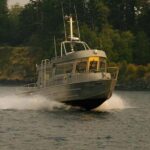
If you want to stay warmer and more sheltered, the covered boat with indoor seating is a strong fit. Several people praised how comfortable the boat felt and liked having plenty of viewing space both inside and on the top deck. This is also a practical choice for families and for anyone who doesn’t love freezing wind for four hours.
Further up the island: more places to point the car
Zodiac-style outdoor ride
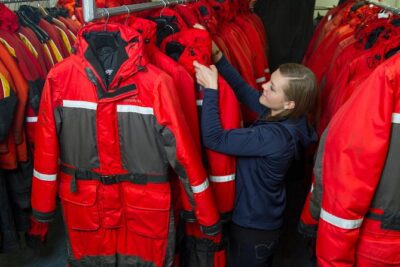
If you want a more outdoorsy, hands-on feel, the zodiac-style option is the one. You get the wind in your face, and you’ll be moving through the water at a closer, more active pace. The tour includes a floatation suit on the zodiac, which matters because you’ll want to feel confident and ready for spray, chill, and quick changes in conditions.
My practical advice: if you’re going in shoulder season or the forecast looks iffy, lean toward the covered option. If you love feeling part of the action and you’re dressed right, the zodiac can be a blast.
What You Can See: Whales, Dolphins, Bears, and More
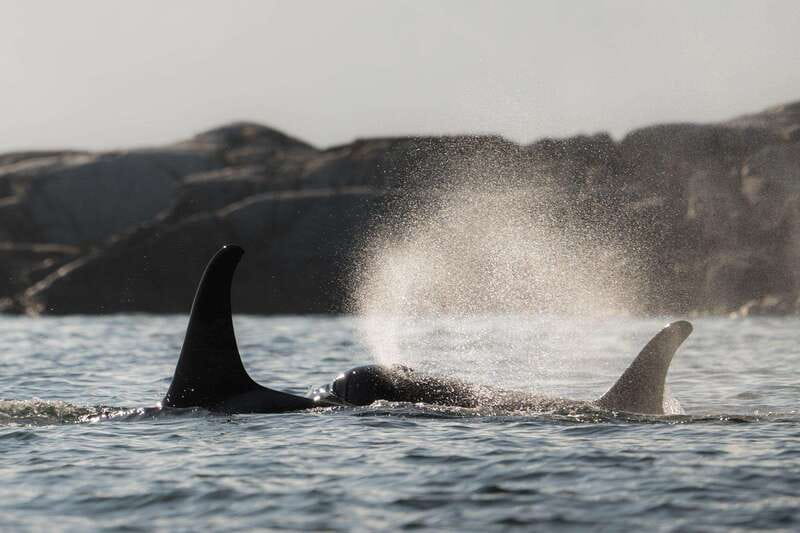
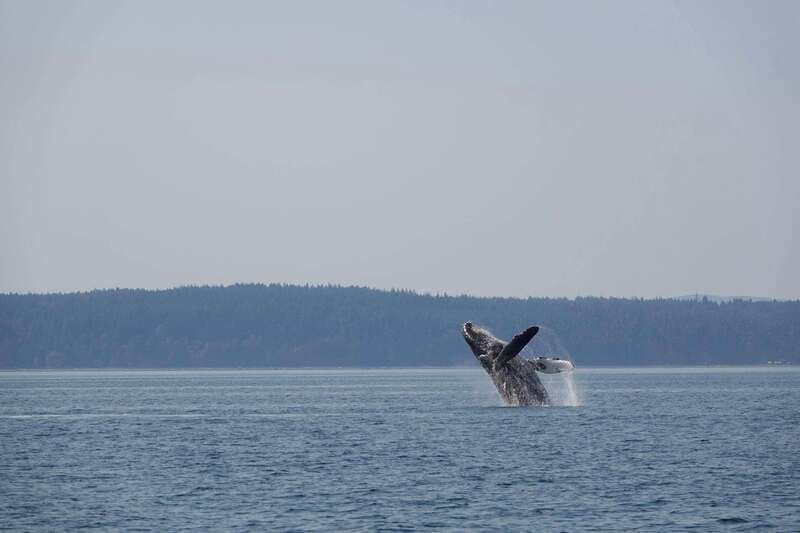
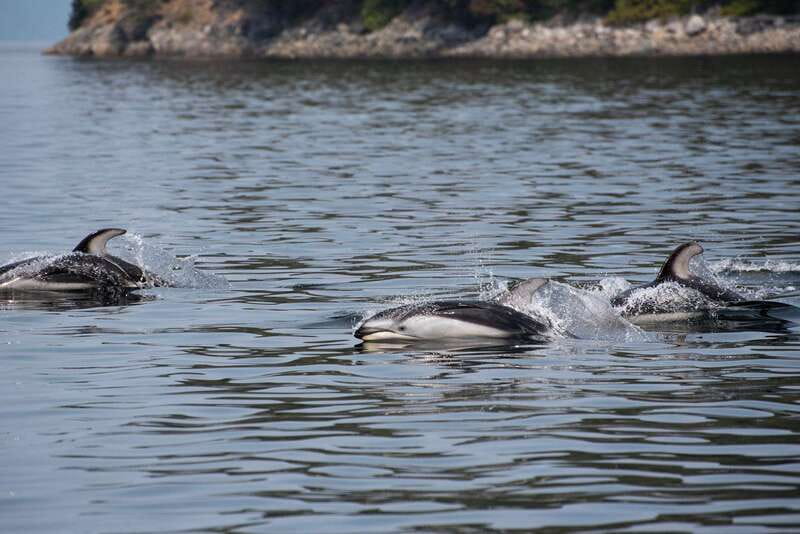
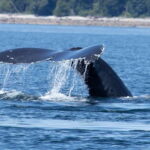
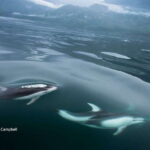
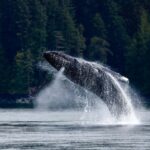
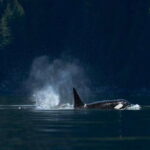
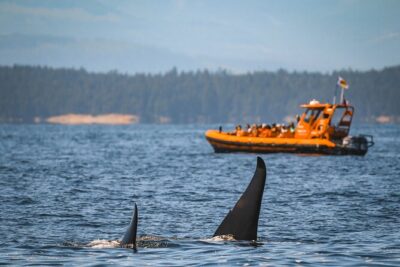
The crew is specifically set up to look for a mix of marine life and land wildlife, and the area offers plenty of possibilities. Expect to keep an eye out for humpback whales, killer whales (orcas), Pacific white-sided dolphins, and bears, plus Steller sea lions and more.
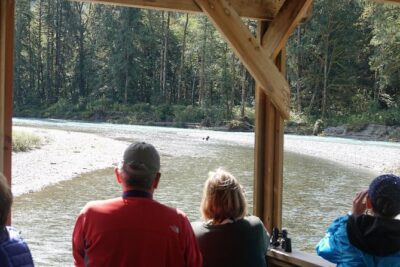
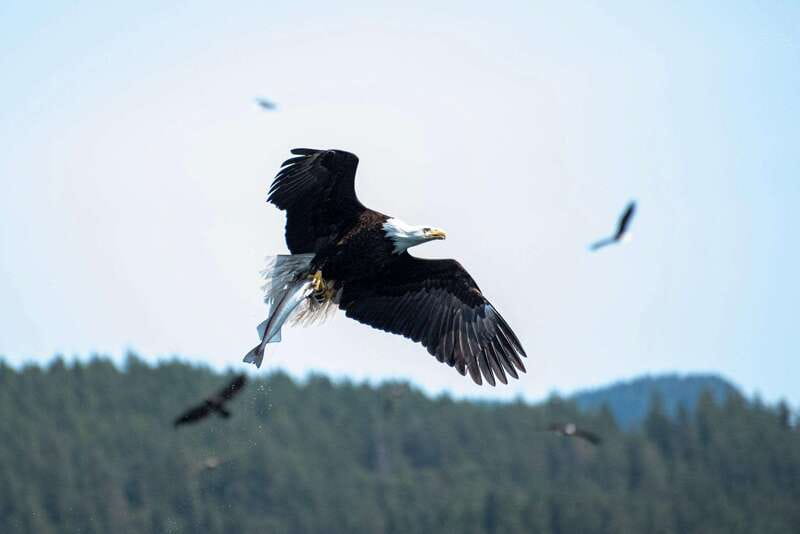
In the best moments, you can get multiple species in the same outing. People have reported humpbacks repeatedly, with some days bringing humpbacks and their calves, and others turning up orcas after only a short time on the water. Some trips also include sea lions in a colony-like setup with bald eagles showing up overhead.
A key reality check: even with excellent spotting, animals are animals. You might see several, or you might see a smaller set depending on where the wildlife is that day. That’s why the hydrophones and the onboard naturalist still make the cruise worthwhile, even when your “must-see” whale is shy.
Hydrophones and the Naturalist: How You Learn While You Watch
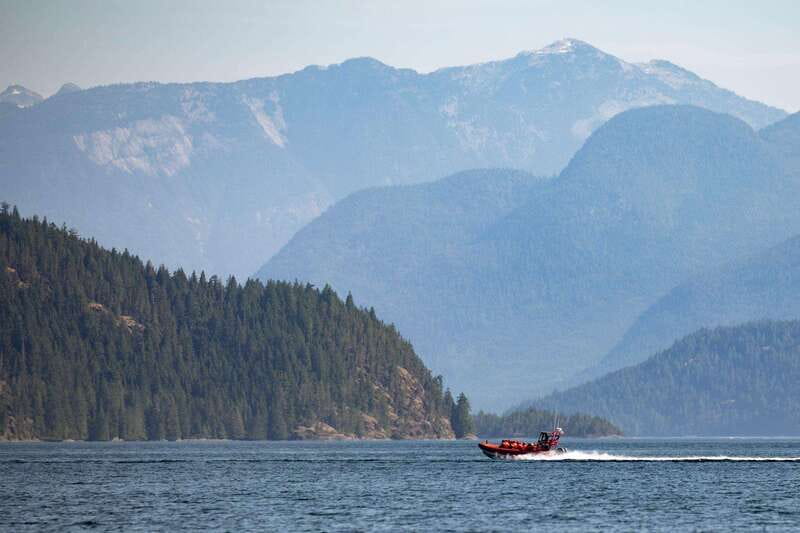
This cruise has one feature that’s genuinely different: you listen to whale sounds using hydrophones. When you’re on a boat, it’s easy to treat wildlife viewing as pure sightseeing. Hydrophones shift it toward understanding what’s going on, because you’re hearing signals and calls while you scan for movement.
The onboard naturalist factor matters too. Multiple guides were singled out for being friendly, passionate, and focused on helping people understand what they’re seeing. Names like Laura, Loral, Loral? (spelled Loral in one account), Quinn, and Jarek came up in strong ways, and the consistent theme is clear: the guide helps you connect the dots between what you see on the water and what it likely means in whale behavior terms.
There’s also a useful, practical detail in how crews operate. One account noted the guide’s focus on keeping orcas at a respectful distance, mentioning a 200-yard rule. That kind of discipline protects the animals and usually improves the overall viewing. You get longer, calmer observation windows instead of a stressful scramble.
The 4-Hour Flow on the Water, From Marina to Wildlife Hotspots
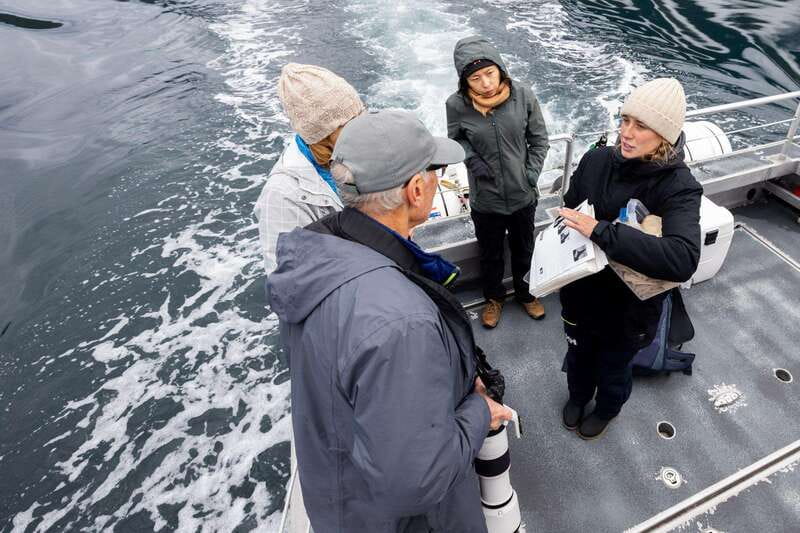
You start at Campbell River Whale Watching and Adventure Tours at Discovery Harbour Marina, E Dock, at a place marked The Floathouse. Then you head out from there and spend the next four hours cruising and searching across the Salish Sea and nearby routes like Discovery Passage and Johnstone Strait.
Here’s how to think about the pacing, in a way that helps you enjoy the day.
First, expect time to settle in after departure. You’ll find the best viewing spot, whether that’s indoors or up on the deck. If you’re bringing binoculars, this is when you’ll likely start using them right away to spot surfaces, movement, and anything that might be a dorsal fin or a spout.
Next comes the wildlife hunt phase. This is when you might follow one pod or group for a stretch of time from a safe distance. Several people talked about moving to new sightings quickly once pods were located, including following separate orca groups for sustained viewing.
Then you shift into “watching mode” rather than “searching mode.” When the whales are visible, the tour becomes about patient watching. In at least a few reported outings, humpbacks were spotted, sometimes with calves, and people had time to observe behavior rather than only catching a brief flash.
Finally, you return to Campbell River. The whole point of a 4-hour schedule is that it’s long enough to find wildlife, but not so long you’re mentally checked out before you ever see the good stuff.
What to Bring (So You’re Comfortable, Not Cranky)
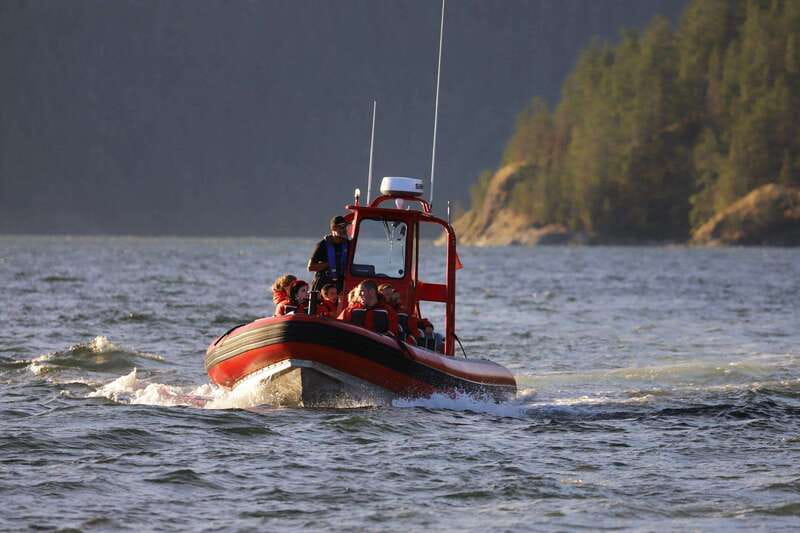
A short list can make a big difference on the water. Bring:
- Sunscreen
- A jacket
- Sports shoes
- Binoculars
Even in mild weather, the boat can cool you down once you’re moving. One practical note from a winter-to-summer perspective: people specifically mentioned wearing lightweight layers in summer because the trip can still feel cool once you get wind and motion. In colder weather, you’ll want real warmth, and you’ll still want comfort underfoot since you may move between inside and top deck.
Camera gear tip, straight from the field: if you have a longer lens, bring it. Cell phone photos can work, but whales often show up at a distance, and a longer lens gives you more keepers.
Snacks and Small Details That Actually Matter
You’re not going hungry. The tour includes a light snack and water. If you’re on a zodiac-style boat, the floatation suit is included too.
One important note: the light snack contains peanuts. If you have a severe allergy, you should flag it ahead of time so you’re not stuck in a situation you didn’t plan for.
Also pay attention to clothing and safety suits. If you’re on the zodiac, you’ll be layering and moving. A jacket and sports shoes are not optional in practice, they keep the trip from turning into a slippery, uncomfortable walk from spot to spot.
Price and Value: Is $175 Worth It?
At $175 per person for a 4-hour cruise, you’re paying for three things: time on productive waters, a naturalist-led experience, and the extra “sound” component from hydrophones. It’s not just a standard sightseeing cruise.
Here’s where the value lands if you’re deciding:
- If you want a structured wildlife experience with interpretation, the naturalist and hydrophones push it past a basic boat ride.
- If you care about comfort, the covered vessel option can make the same day more enjoyable without you freezing for hours.
- If you love the idea of real animal encounters, several strong reports mention multiple sightings, including humpbacks and orcas, and lots of other wildlife like sea lions, seals, and bald eagles.
The trade-off is simple: you’re on the water looking for wild animals, so you can’t treat it like a guarantee. Still, when you factor in the onboard learning, the hydrophones, and the likely wildlife variety, it often feels like a fair price for a half-day adventure.
Who Should Book This Cruise, and Who Might Reconsider
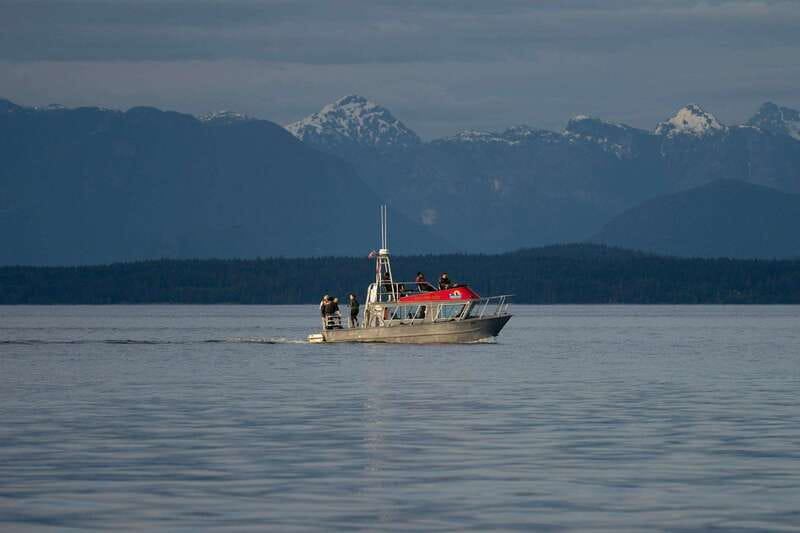
This is a solid match if you want:
- a half-day outing that still feels like an adventure
- whale and wildlife viewing with interpretation, not just staring at the horizon
- flexibility with vessel choice, either covered cabin comfort or zodiac outdoor energy
It’s not suitable for children under 4 years, so plan accordingly if you’re traveling with little ones.
Also be honest with yourself about weather tolerance. One damp, cold experience led to reduced visibility through windows. If you’re someone who gets easily frustrated when you cannot see clearly, dress warm, bring what you need, and expect the day to be shaped by conditions more than you might like.
Where You Meet, Parking, and the One Rule That Saves Stress
This tour runs on time. You need to check in 30 minutes before your reservation, and the boat does not wait for any one party.
Meet at Campbell River Whale Watching and Adventure Tours at Discovery Harbour Marina, E Dock, The Floathouse. Parking is available in a large gravel lot off Robert’s Reach Road, with signs showing a half paid, half free layout. If you’re trying to park for free, it’s at the south end closest to the Quadra Island Ferry.
My advice: arrive a little early, even if you think you’re good at finding places. One account pointed out that locating the business at the dock area can take longer than expected. A few extra minutes can save a lot of stress.
Should You Book This Campbell River Whale and Wildlife Discovery Cruise?
I’d book it if your main goal is a half-day that mixes wildlife spotting with more than just sightseeing. The hydrophones and the on-board naturalist turn the cruise into something you can learn from while you’re watching, and the ability to choose between a covered cabin and a zodiac ride is a real comfort upgrade.
I would think twice if your only definition of success is seeing whales, no matter what. Wildlife sightings can swing, and weather can reduce visibility. Still, even on days where whales don’t show, people reported plenty of other wildlife, and the experience stays centered on animals, not just scenery.
If you’re flexible, dressed for wind and water, and excited to listen as well as look, this is a very good use of your time in Campbell River.
FAQ
What’s the duration of the Campbell River Whale & Wildlife Discovery Cruise?
The cruise lasts 4 hours.
How much does it cost?
It costs $175 per person.
What animals might I see on the cruise?
You may see humpback whales, killer whales, Pacific white-sided dolphins, bears, Steller sea lions, and more.
Are hydrophones included?
Yes. The experience includes listening to whale sounds through hydrophones.
What vessel options are available?
You can choose a covered vessel with indoor seating or a zodiac-style vessel. Floatation suits are included on the zodiac.
What’s included with the tour?
You get a light snack and water. If you’re on the zodiac, you also get a floatation suit.
Where do I meet the tour, and when should I arrive?
Check in is 30 minutes before your reservation. The meeting point is Campbell River Whale Watching and Adventure Tours at Discovery Harbour Marina, E Dock, The Floathouse.
Is pickup from a hotel included?
No, hotel pickup and drop-off are not included.
Out on the Water Around Campbell River
Further Up the Island
Back Out on the Whale Road
Just off the notebook: recent Campbell River write-ups
- Vancouver Island: People Water Land – Indigenous & Whales
★ 4.6 · 8 reviews - Campbell River: Kayaking and Whale Watching Tour
★ 4.6 · 8 reviews - Campbell River: Grizzly Bear Expedition with Lunch
★ 4.9 · 11 reviews - Campbell River: 7-Hour Big Animal Encounter Boat Tour
★ 4.6 · 17 reviews - Campbell River: Whale Watching Cruise with Lunch
★ 4.9 · 20 reviews - Campbell River: Whale Watching and Wildlife Viewing Day Tour
★ 4.9 · 23 reviews
Tofino, Nanaimo & Island Escapes, compared.
 ★ 4.7Vancouver: Victoria, Gulf Islands Cruise, & Butchart GardensFrom $2081,165 reviews
 ★ 4.5Victoria & Butchart Gardens Tour with Gulf Islands Cruise FerryFrom $214565 reviews
 ★ 5.0Cowichan Bay Half Day Whale & Wildlife AdventureFrom $159393 reviews
 ★ 5.0Vancouver Island Half-Day Whale Watching Tour – Telegraph CoveFrom $153333 reviews
 ★ 5.0Vancouver Island Zodiac Whale Watching Adventure – Telegraph CoveFrom $169281 reviews
 ★ 5.0Vancouver Island Multi-Cave ExperienceFrom $63235 reviews
 ★ 5.0Whale Watching Nanaimo Open Boat TourFrom $187194 reviews
 ★ 5.0Indulge in a Wine & Food Tour – Cowichan ValleyFrom $126151 reviews
Browse the lists this tour appears in