
REVIEW · STANLEY PARK & THE VANCOUVER SEAWALL
Vancouver: Stanley Park Talking Trees Tour
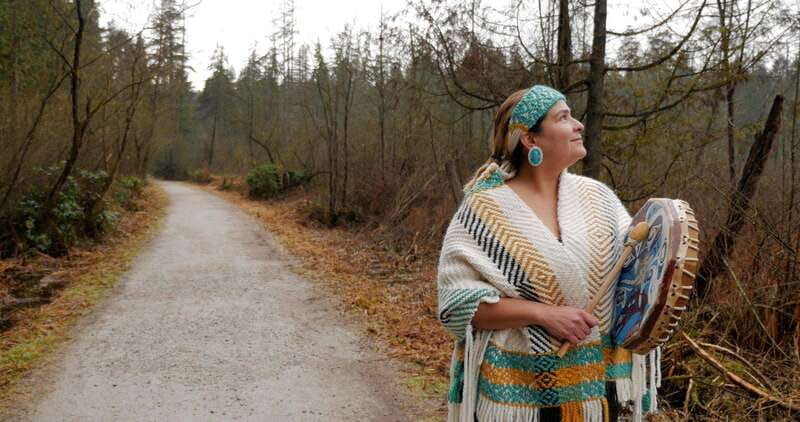
Talking trees sounds fanciful, until you hear them explain. On the Stanley Park Talking Trees Tour, I love how the walk turns familiar trees into living lessons, and I love the Indigenous herbal tea stop that gives the stories something real to taste. The only real drawback is the route still is a real walk, about 2.2 kilometers total, so comfy shoes matter more than you think.
What makes this tour stand out is the way it connects Stanley Park to Coast Salish culture through everyday, practical knowledge. You are not just walking for views. You are walking with a cultural ambassador who shares how local people used plants for food, medicine, and even technology, plus the ecological practices and stories tied to the land.
In This Review
- Key things to know before you go
- A tour where the trees actually talk
- What makes the guide role special here
- Finding the meeting point at Stanley Park Bus Loop
- Stanley Park Loop: a 1.5 hour walk built around plant stories
- What you will notice on the ground
- Why the frequent stops are a good thing
- Learning Coast Salish plant use for food, medicine, and technology
- Food, medicine, and technology, explained in everyday terms
- The ecological angle that makes it modern
- Beaver Lake tea ceremony: where the lesson gets personal
- What to expect from the tea portion
- Duration, distance, and who it suits best
- Age recommendation
- Who I think will love it most
- Price and value of the $58 tour
- What to bring (so the walk feels easy)
- A few practical tips to get more out of it
- Should you book the Stanley Park Talking Trees tour?
- FAQ
- How long is the Vancouver Stanley Park Talking Trees Tour?
- What does it cost?
- Where do I meet the guide?
- What is included in the tour?
- What should I bring, and what should I wear?
- Is the tour suitable for kids?
- Can I get a refund if my plans change?
Key things to know before you go
- A story-first walk through Stanley Park Loop, paced leisurely with frequent stops for conversation
- Beaver Lake tea ceremony, with Indigenous herbal tea included and a chance to taste seasonal berries
- Plant and tree knowledge you can use, focused on food, medicine, and technology in Coast Salish traditions
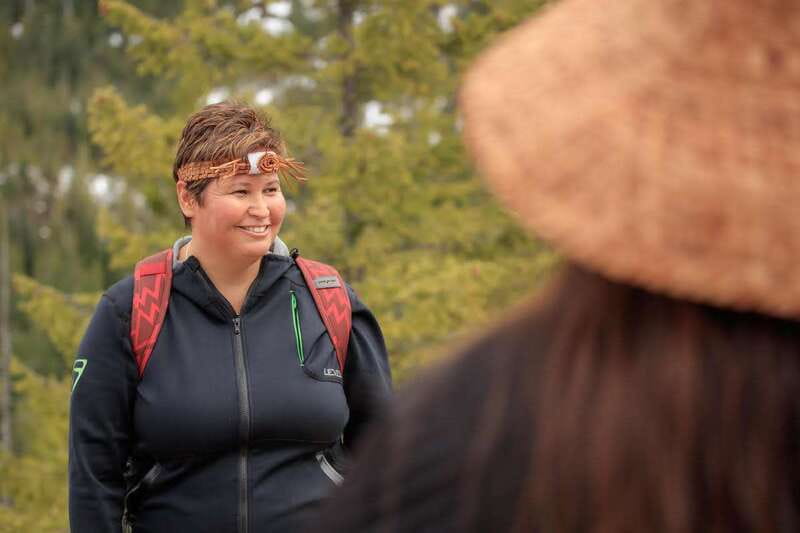
- A guide with local community ties, sharing ancient and contemporary history, legends, and ways of living
- 90 minutes that actually feels complete, with a short walking loop plus a meaningful pause at Beaver Lake
More laps of the seawall and the park
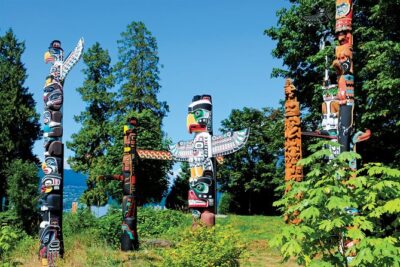
- Vancouver City Sightseeing Tour: Granville Island & Stanley Park★ 4.5 · 1,782 reviews
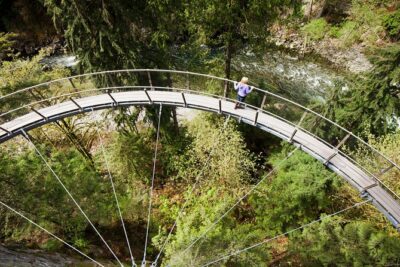
- Vancouver Tour: Stanley Park, Granville Island & Capilano Bridge★ 4.5 · 1,778 reviews
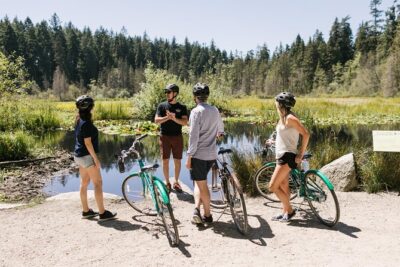
- The Stanley Park Bicycle Tour by Cycle City Tours★ 5.0 · 785 reviews
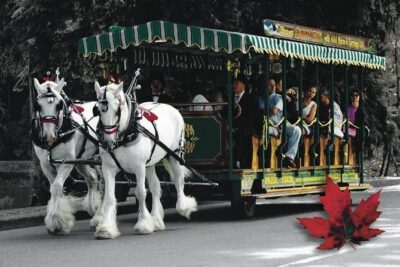
- Stanley Park Horse Drawn Tour in Vancouver★ 4.5 · 550 reviews
A tour where the trees actually talk
Stanley Park is famous for its natural abundance. Most tours treat that like a postcard background. This one treats it like a classroom. Every stop is built around specific plants and trees, with the guide explaining what they mean, how they were used, and why those relationships mattered.
I like that the tone is both respectful and practical. You are learning how people lived with this place, not just how to name it. The emphasis is on connection: to the natural world of the region and to the cultural traditions of the Coast Salish peoples.
And yes, there is a tea component. But it is not a gimmick. It is part of the same idea, food and knowledge sharing through the plants themselves.
What makes the guide role special here
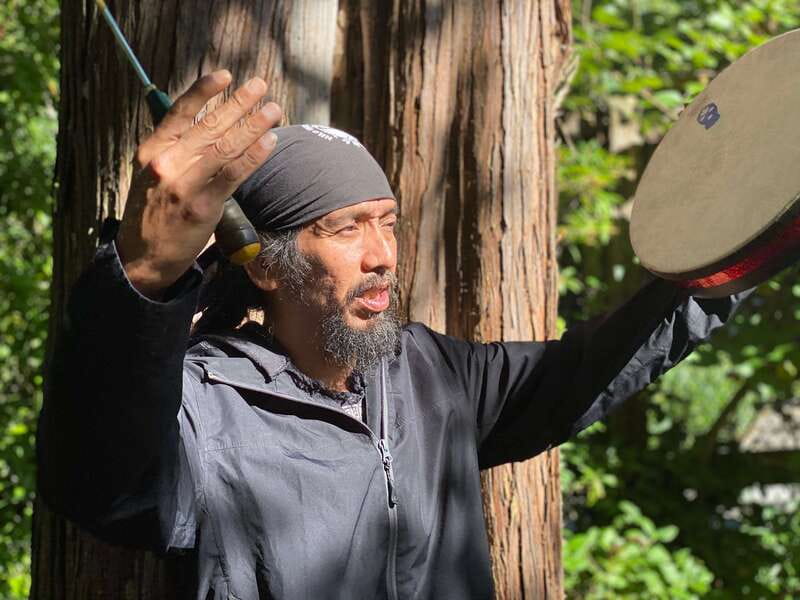
You will be walking with a cultural ambassador who is a member of local Indigenous communities and the surrounding region. That matters because this is not generic nature interpretation. You get family-linked perspectives on living on the land, including ecological practices and how knowledge is carried into the modern world.
Finding the meeting point at Stanley Park Bus Loop
Logistics matter more than people admit, especially in a park with multiple entrances and loops.
Meet your guide directly under the Gazebo at the Stanley Park Bus Loop. This is near the Miniature Railway and the Pavilion inside Stanley Park. The Google Maps hint you were given is LOT-62F. The key detail: it is not the Historic Loop at the entrance of the park.
If you are arriving around your start time, give yourself a little buffer to orient yourself once you enter. The wrong gazebo or the wrong loop will eat into your tour, and you want those first stories to land.
Led by the nations whose land this is: more to book
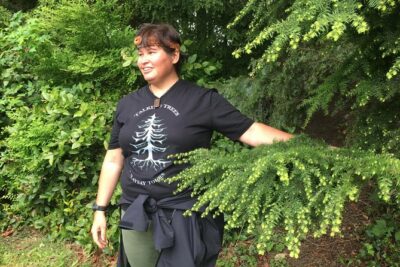
Stanley Park Loop: a 1.5 hour walk built around plant stories
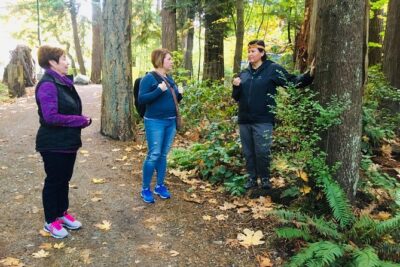
Your tour begins on the Stanley Park Loop. From there you shift into guided walking with frequent stops. The total walking distance is about 2.2 kilometers at a leisurely pace. Plan on stopping often, not just strolling.
What you will notice on the ground
Once the guide starts connecting plants to their uses, the park stops feeling like random greenery. You start looking for patterns:
- Which trees and plants are associated with food
- Which ones are linked to medicine
- Which species connect to practical uses in technology and daily life
- How people observe seasonality and growth cycles
This is the point where the tour becomes more than sightseeing. You learn how knowledge comes from paying attention, then using that attention responsibly.
Why the frequent stops are a good thing
Some walking tours rush. This one does not. Frequent stops help you actually process the information. They also make the route friendlier if you are not used to city walking.
If you usually travel with a slow pace, you are going to like this. If you like long uninterrupted walks, it might feel shorter than you expected, but that is because the stops are the show.
Learning Coast Salish plant use for food, medicine, and technology
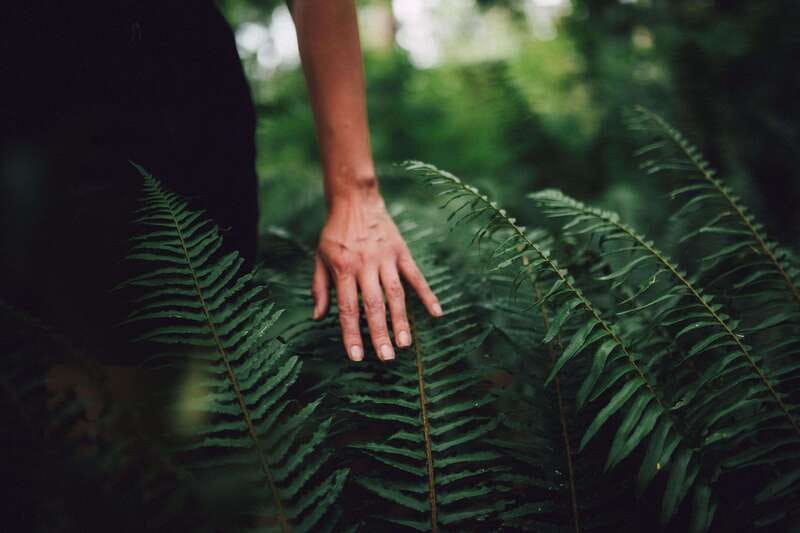
The core theme is how local ancestors utilized the land. You get insight into Coast Salish cultural traditions through the lens of plants.
Here is the big value: you are not learning trivia about nature. You are learning how people made choices in the real world, based on what grew nearby and what it could do.
Food, medicine, and technology, explained in everyday terms
The tour framing includes harvesting and use of trees and plants for:
- Food
- Medicine
- Technology
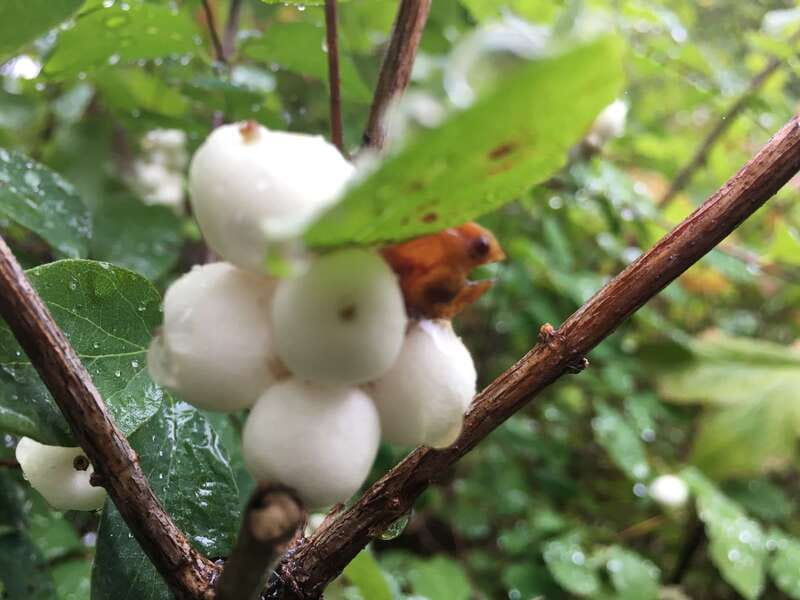
Depending on the time of year, you may also taste Indigenous berries that grow throughout the park. Even if you do not get berries that day, you still get the seasonal logic behind why certain plants matter at certain times.
The ecological angle that makes it modern
You will also hear about ecological practices, ancient and contemporary history, and stories and legends connected to the land.
I like that the tour does not treat tradition as frozen in the past. It positions knowledge as something that continues to guide how people live now, including how they think about stewardship and responsible use.
Beaver Lake tea ceremony: where the lesson gets personal
After the walking segment, you reach Beaver Lake. This is where the tour slows down in a different way, with tea and a tea ceremony.
You receive complementary Indigenous herbal tea as part of the experience. If the season lines up, berries may also be part of the tasting.
What to expect from the tea portion
This is not just a beverage break. The tea ceremony connects the plant knowledge from earlier to the body, the senses, and the moment.
Tea works well here because it is immediate. It is warm, it is fragrant, and it feels like something you can understand without having to memorize botanical names.
If you are the type of traveler who likes your food and drink tied to culture, you are going to enjoy this part.
Duration, distance, and who it suits best
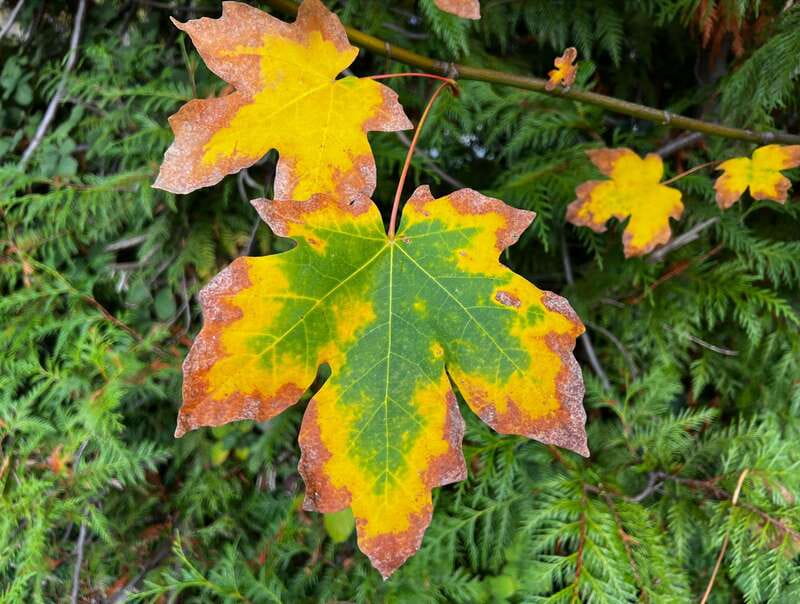
The tour runs 90 minutes total. The walking time is about 1.5 hours, plus the Beaver Lake tea segment.
The walk is approximately 2.2 kilometers at a leisurely pace with frequent stops. That makes it a solid option for people who want a cultural nature experience without signing up for a long hiking day.
Age recommendation
This tour is recommended for children 12 and older. If you have a younger child and you think they can handle it, the guides are said to be happy to include them. As always, bring patience. This tour is conversation heavy, and it works best when everyone can slow down and listen.
Who I think will love it most
This is a great match if you:
- Care about Indigenous culture and want more than a surface-level introduction
- Like nature, but prefer context and stories over just photos
- Enjoy guided learning where the guide shares how knowledge connects to daily life
- Want an experience that feels meaningful in 90 minutes, not rushed or skimpy
Price and value of the $58 tour
The price is $58 per person for a 90-minute guided experience.
On the face of it, it is not the cheapest activity in Vancouver. But I think it is fairly priced for what you are getting. You are paying for:
- A live English-speaking cultural ambassador
- A guided walk with interpretation focused on Coast Salish traditions and local plant use
- Complementary Indigenous herbal tea
- The possibility of tasting Indigenous berries depending on the time of year
In practice, the value is in the specificity. Many tours tell you what you are seeing. This one tells you what the plants mean, how they were used, and how people relate to them in a cultural and ecological way.
If you are the kind of traveler who loves authentic, local perspective, $58 can feel like a good trade for a high-signal, short-duration experience.
What to bring (so the walk feels easy)
This tour is weather and comfort dependent, since you will be walking outdoors.
Bring:
- Comfortable shoes
- Weather-appropriate clothing
- Sunglasses, sunscreen, and a hat in warmer weather
You will also want to wear layers, because Vancouver weather loves to change its mind. And since the tour does not allow luggage or large bags, pack light.
If you tend to overpack, practice restraint here. This is a walk and a tea ceremony, not a full-day sightseeing marathon.
A few practical tips to get more out of it
- Go in with a curious mindset. The guide is sharing stories tied to specific plants, so asking questions can be fun and rewarding.
- Expect frequent stops. Plan to move at a slower pace than you would on your own.
- Leave room in your schedule. This is 90 minutes, but it is 90 minutes with meaning. If you stack it back-to-back with something stressful, you will miss the calm part.
- Dress for comfort over style. You will thank yourself when the tour keeps you on your feet.
Should you book the Stanley Park Talking Trees tour?
If you want a Stanley Park experience that goes beyond scenery, I would book it. This tour is a rare blend of nature interpretation and Coast Salish cultural knowledge, taught through how plants were used for food, medicine, and technology. The tea ceremony at Beaver Lake is the perfect final note because it turns learning into something you can taste and feel.
Book it if:
- You like guided stories and want a guide who connects culture to the land
- You are comfortable with a leisurely walk about 2.2 kilometers
- You want a meaningful experience that fits neatly into a 90-minute window
Skip it if:
- You do not want a guided conversation-style tour
- You have mobility limitations that make frequent stops and walking tough
- You are traveling with large bags or luggage (since they are not allowed)
If this sounds like your kind of Vancouver day, the Talking Trees tour is an easy yes. It is one of those activities that makes the park feel personal, not just famous.
FAQ
How long is the Vancouver Stanley Park Talking Trees Tour?
It lasts 90 minutes in total, with a guided walking portion and a tea ceremony stop at Beaver Lake.
What does it cost?
The price is $58 per person.
Where do I meet the guide?
Meet directly under the Gazebo at the Stanley Park Bus Loop, near the Miniature Railway and the Pavilion inside Stanley Park. The Google Maps pin mentioned is LOT-62F, and it is not the Historic Loop at the entrance of the park.
What is included in the tour?
The tour includes complementary Indigenous herbal tea. Depending on the time of year, you may also get to taste Indigenous berries that grow throughout the park.
What should I bring, and what should I wear?
Wear comfortable shoes and weather-appropriate clothing. In warmer weather, bring sunglasses, sunscreen, and a hat.
Is the tour suitable for kids?
It is recommended for children 12 and older. If your child is younger and you think the tour is suitable, the guides can include them.
Can I get a refund if my plans change?
Yes. Free cancellation is available up to 24 hours in advance for a full refund.
Told by the Nations Whose Land This Is
Another Lap of the Seawall
Just off the notebook: recent Vancouver write-ups
- Vancouver: Sunset Boat Cruise with Complementary Bubbly
★ 4.3 · 4 reviews - Vancouver: Personal Travel & Vacation Photographer
★ 4.7 · 4 reviews - Vancouver Private & Custom Tour with a Local: Icons & Gems
★ 3.6 · 4 reviews - Vancouver: Fraser Valley and White Rock Wine Tour
★ 5.0 · 4 reviews - Stanley Park EUC & E-scooters loop tour
★ 5.0 · 4 reviews - Capilano Suspension Br+Lake+Dam+Hachery/4in1/CAR/Small GROUP
★ 5.0 · 4 reviews
Stanley Park & the Vancouver Seawall, compared.
 ★ 4.5Vancouver City Sightseeing Tour: Granville Island & Stanley ParkFrom $681,782 reviews
 ★ 4.5Vancouver Tour: Stanley Park, Granville Island & Capilano BridgeFrom $1361,778 reviews
 ★ 5.0The Stanley Park Bicycle Tour by Cycle City ToursFrom $81785 reviews
 ★ 4.5Stanley Park Horse Drawn Tour in VancouverFrom $48550 reviews
 ★ 5.0Stanley Park & Downtown – Vancouver Bike ToursFrom $74243 reviews
 ★ 5.0Vancouver Secrets of Stanley Park Walking TourFrom $29208 reviews
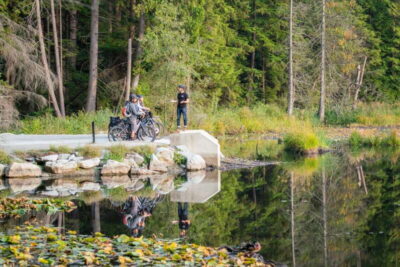 ★ 4.9Vancouver: Stanley Park Bicycle TourFrom $76194 reviews
 ★ 4.5Sunset Bus Tour: Stanley Park & English Bay PhotostopsFrom $31181 reviews
Browse the lists this tour appears in