
REVIEW · ALGONQUIN PARK & MUSKOKA DAY TRIPS
Algonquin Park: Deluxe 4-Day/3-night Canoeing/Camping
Stars over a quiet canoe.
Algonquin Park feels different when you go at canoe pace, live by your own fire, and let the guide keep things moving. This 4-day, 3-night deluxe trip pairs 2 to 3 hours of paddling daily with a real backcountry basecamp, plus big nature moments like a night paddle under the stars and a sunrise paddle. I also like how you get guided searching for wildlife, not just scenic stops.
What I love most here is the “small group, big attention” vibe, especially with guide BAZ, who brings friendly energy and lots of practical know-how. The second thing I really like is the chance to reach a natural beaver lodge and dam along a narrow winding river, a rare, hands-on wildlife experience. The main drawback to consider: this is true unplugging time, so if you hate being without electricity, internet, and cell service, or if you are not comfortable camping and paddling daily, you will feel it.
In This Review
- Key things that make this Algonquin canoe-camping trip worth your time
- A practical backcountry style tour, not a “look and leave” trip
- Why the sunrise and night paddles matter more than you think
- Day-by-day plan: what you will do and what to watch for
- Day 1: Arrive, learn basics, and set your rhythm
- Day 2: Beaver lodge and dam along a narrow winding river
- Day 3: Night paddle under the stars, campfire time, and hands-on backcountry living
- Day 4: Sunrise paddle and a last look at Algonquin’s quiet edges
- Wildlife expectations: what you can hope to see, and how to think about it
- The campsite routine: wood cutting, jumping in (carefully), and being truly off-grid
- What’s included, what’s not, and the small gear choices that save your trip
- Group size and pace: the sweet spot for first-time paddlers and active campers
- Rules that keep the trip safe and the wildlife happy
- Price and value: is $321 per person a fair deal?
- Who should book this, and who should skip it
- Should you book this Algonquin Park canoe-camping tour?
- FAQ
- Where is the meeting point?
- How long is the trip?
- What is included in the price?
- What should I bring?
- What is not included?
- Is alcohol allowed?
- Are there rules about noise or animals?
- Do I need to have my own camping gear?
- Who is this not suitable for?
- Is there electricity or cell service?
- What about cancellation and payment flexibility?
Key things that make this Algonquin canoe-camping trip worth your time
- No-cell, no-power backcountry living: your day runs on paddles, chores, and campfire time.
- Sunrise and night paddles: you get two totally different flavors of the park’s water and sky.
- Beaver lodge and dam visit: a guided look at how beavers shape the river system.
- Small group size: limited to 10 participants, so you get help and fewer bottlenecks.
- Solid included meals and camp setup: gear like a tent, cot or airbed, sleeping bag, plus table basics are part of the package.
- Wildlife seeking with real conditions: moose, snapping turtles, beavers, loons, and herons are on the radar.
North of the city: more lake-country days
- 6 Hour Algonquin Park Canoe Trip★ 5.0 · 86 reviews
- Private Singhampton Caves Hiking Tour, Collingwood/Blue Mountain★ 5.0 · 32 reviews
- Private Nottawasaga Bluffs Caves Hiking Tour,Collingwood/Creemore★ 5.0 · 28 reviews
- Private Boat Tour at Fathom Five National Marine Park★ 5.0 · 24 reviews
A practical backcountry style tour, not a “look and leave” trip
Algonquin Park is not a theme park. It rewards patience. This trip respects that. You are spending multiple days on the water, not just doing a quick canoe shuffle and calling it a day.
The structure is simple and that is the point. You stay at the same campsite, then explore roughly 9 km in a different direction each day. That basecamp approach helps you build rhythm. Day one feels like orientation. By day two, your paddle timing, your pack routine, and your camp chores get easier.
You will also notice the tour’s “keep it real” style. There is wood cutting, camping, and time outside in weather that can change fast. That is not a flaw. It is how you get the authentic Algonquin feeling.
Why the sunrise and night paddles matter more than you think
Most canoe trips have one “big moment.” This one has two, and they hit different parts of your brain.
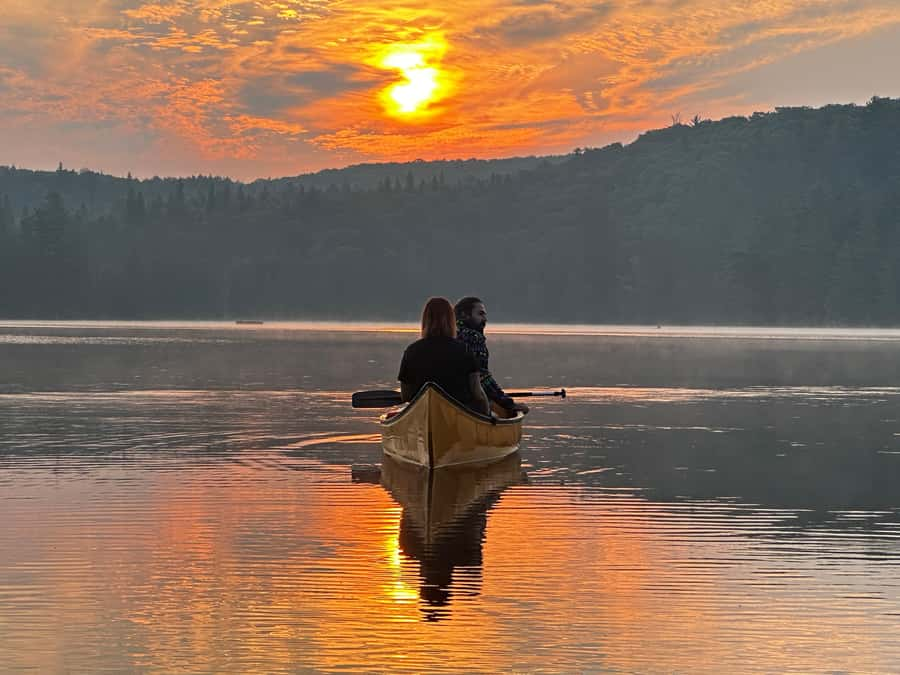
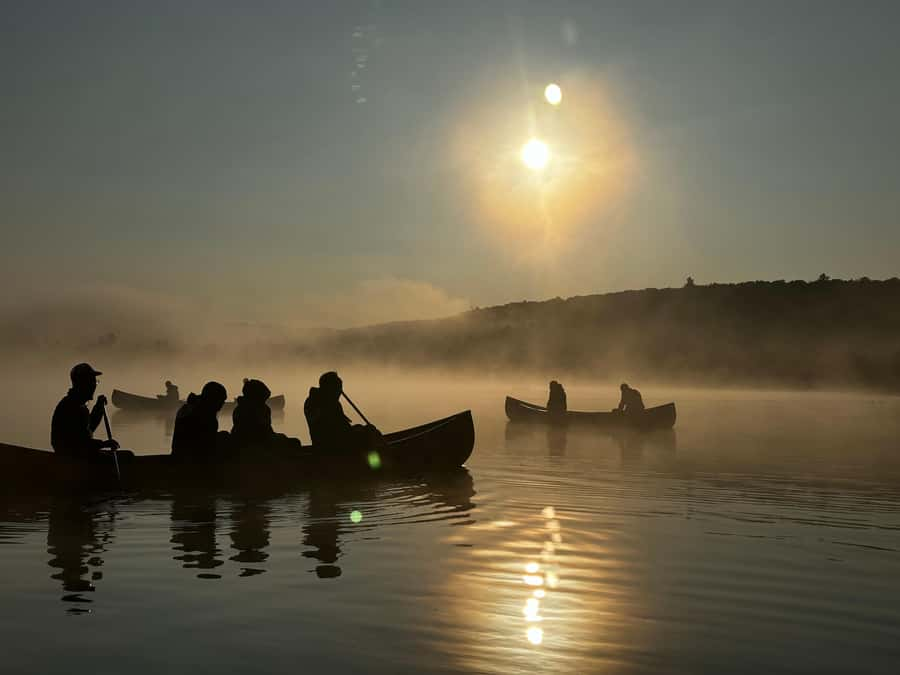
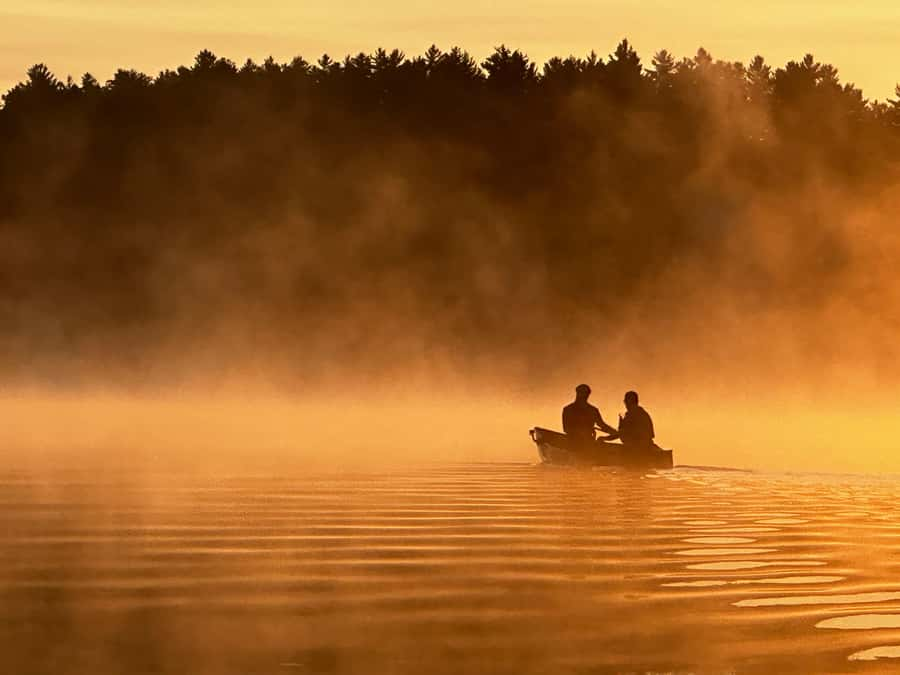
On the sunrise paddle, you are learning the water without the harsh glare and heat. Early light can make navigation calmer, and you tend to see more because the park is less noisy and less disturbed. It is also a great time to pay attention to small signs, like bird calls and shoreline movement.
Then you get the night paddle under the stars, which is a completely different challenge. It can feel quieter in your head, but you still have to stay focused. You are on the water, at night, and you are relying on the guide’s experience plus your basics from the paddle lesson. The payoff is that sense of being far from everything, with a sky you probably have not seen in a while.
If you like experiences that feel hands-on and slightly wild, not just pretty, these two paddles are the heart of the value.
Day-by-day plan: what you will do and what to watch for
This is a 4-day guided excursion with 3 nights of camping and 3 to 4 days offered depending on the specific start you book. Either way, you are looking at a steady rhythm: paddling, camping chores, and wildlife time.
More paddling within reach of Ontario
Day 1: Arrive, learn basics, and set your rhythm
You meet at Canoe Lake beach (Access Point 5). Look for a van with a canoe trailer with red, yellow, blue canoes. From there, expect a basic paddle lesson and a focus on comfort and safety.
This first day is about getting your canoe “feel.” You will handle basics like paddling technique and how to move as a team in a small group. You will also set up camp and get used to the pace: not rushed, but active. With no electricity, internet, or cell phone service, the sooner you stop checking your phone, the easier it gets.
What to watch for: the water conditions and wind can change your effort. If you start your trip expecting a lazy glide, you may be surprised. If you treat it like daily exercise in a good way, you will enjoy it.
Day 2: Beaver lodge and dam along a narrow winding river
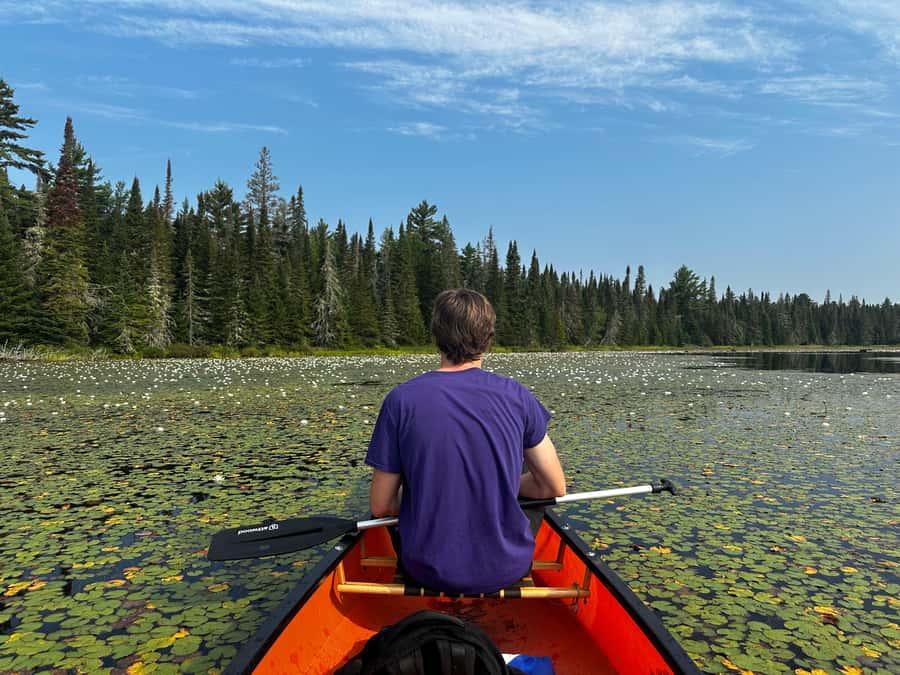
This is the day most people are waiting for. You paddle to a natural beaver lodge and dam along a narrow winding river. That narrow water matters because it slows everything down. You get closer, you see details, and you feel how beavers shape the flow over time.
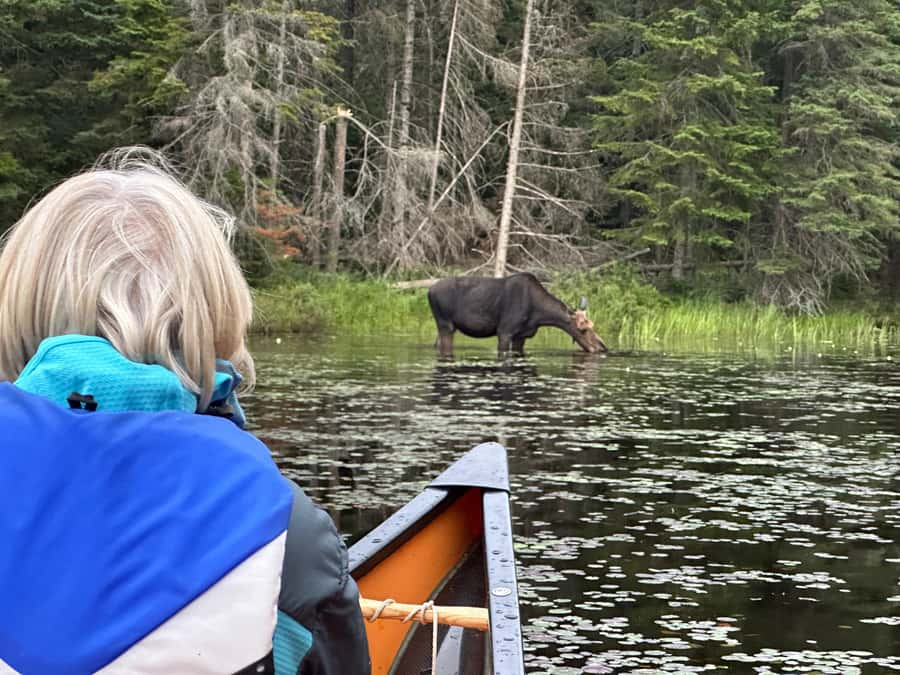
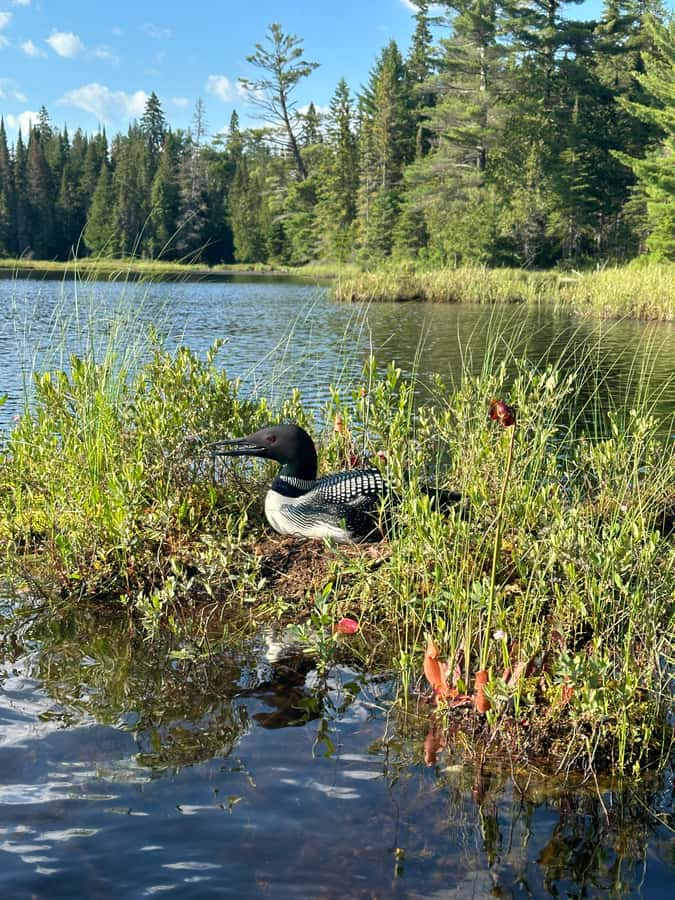
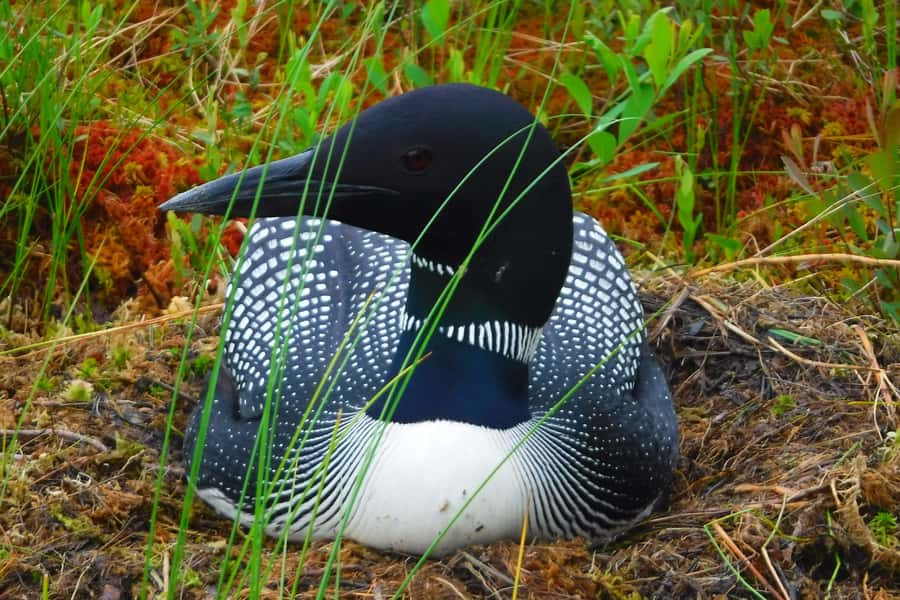
You will also have wildlife searching built into the day. The big targets include beavers, plus the broader cast of Algonquin life like loons and herons. You might also catch signs of other animals around the river edge.
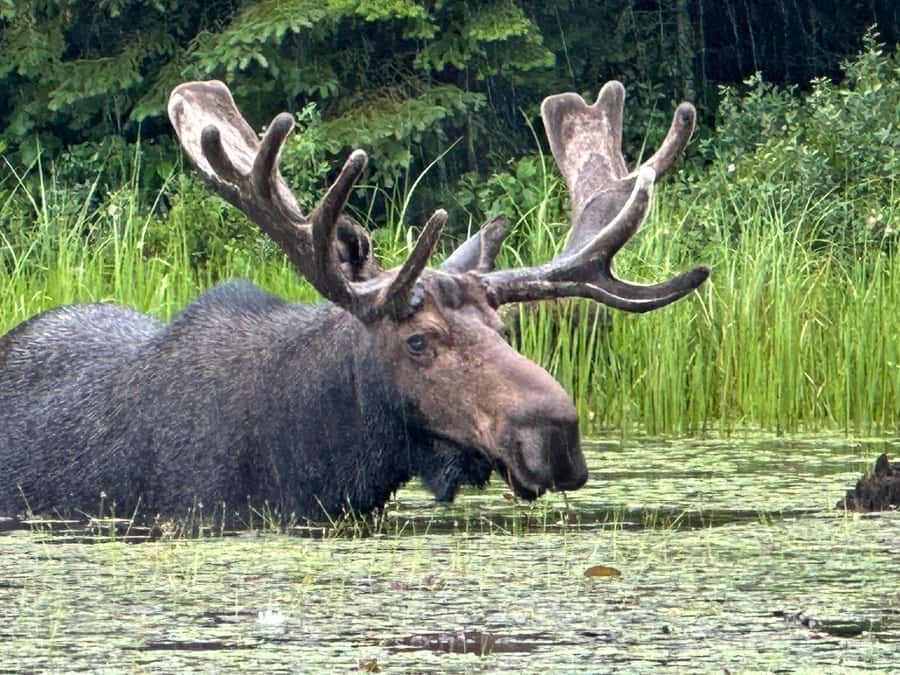
Potential drawback: wildlife sightings are never guaranteed, especially moose. But the approach here gives you repeated chances. You are not just hoping from one shoreline.
Day 3: Night paddle under the stars, campfire time, and hands-on backcountry living
Day three is where the “disconnect” part becomes real. After time on the water, you do the night paddle. It is a guided experience, not a solo mission. You are learning how to stay steady and aware when the shoreline details get harder to read.
Then comes the classic camp moment: campfires, wood, and the simple satisfaction of eating warm food after a hard working paddle day. Based on how the guide runs things, you are not just set down in the woods and left to figure it out. You get support, and you also get stories and conversation that make the time pass faster.
What to watch for: night brings cooler air, and it is easy to underestimate how much energy you will spend. Pack for comfort, not just daylight.
Day 4: Sunrise paddle and a last look at Algonquin’s quiet edges
Your final morning includes a sunrise paddle. It is a fitting closing act. You see the park when everything is calmer and the light makes the whole scene feel gentler.
After that, you wrap up and head out. With a shared basecamp, you also get the emotional “closure” of packing up the life you built for three nights.
If you are the type who needs a clear itinerary and a checklist, you will probably like how structured this feels. If you are the type who hates structure, keep in mind you are in a guided group, with safety rules and a plan.
Wildlife expectations: what you can hope to see, and how to think about it
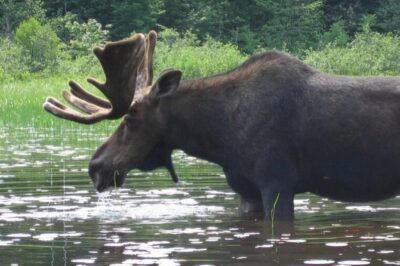
The park’s big names are on the radar: moose, snapping turtles, beavers, loons, and herons. That list is exciting, but it helps to approach it the right way.
Here is the honest mindset that makes this trip better: treat wildlife as a bonus to your effort. You will be paddling and watching all day, so you are naturally in position. The guide’s job is to help you read the landscape and focus attention.
Also, the beaver day changes your odds in a good way. You are going somewhere specifically tied to beaver activity, like a lodge and dam. That kind of targeted experience is a step beyond random shoreline spotting.
Pro tip for your brain: when you see something, pause and watch, even if it is small. Turtle movement, bird behavior, and even quiet shoreline patterns can tell you more than one dramatic sighting.
The campsite routine: wood cutting, jumping in (carefully), and being truly off-grid
This is camping in the real sense. No power. No internet. No cell service. That is not just a comfort detail. It changes how you experience the day.
You will cut wood as part of daily camp life, and you will build campfire time into your evenings. That means the trip is as much about basic outdoor routine as it is about paddling.
You might also find time for a swim in pristine lakes, and there is even a scenic spot where cliff jumping is possible. Read that last part as “conditions permitting, with guide guidance.” This is not a chaotic free-for-all.
What I like about the way this is set up for value: you get practical gear and a comfortable-ish sleep setup. Included are a tent, cot or airbed, and a sleeping bag. If you are worried about comfort, this matters more than you might expect. It helps you recover for the next day.
What’s included, what’s not, and the small gear choices that save your trip
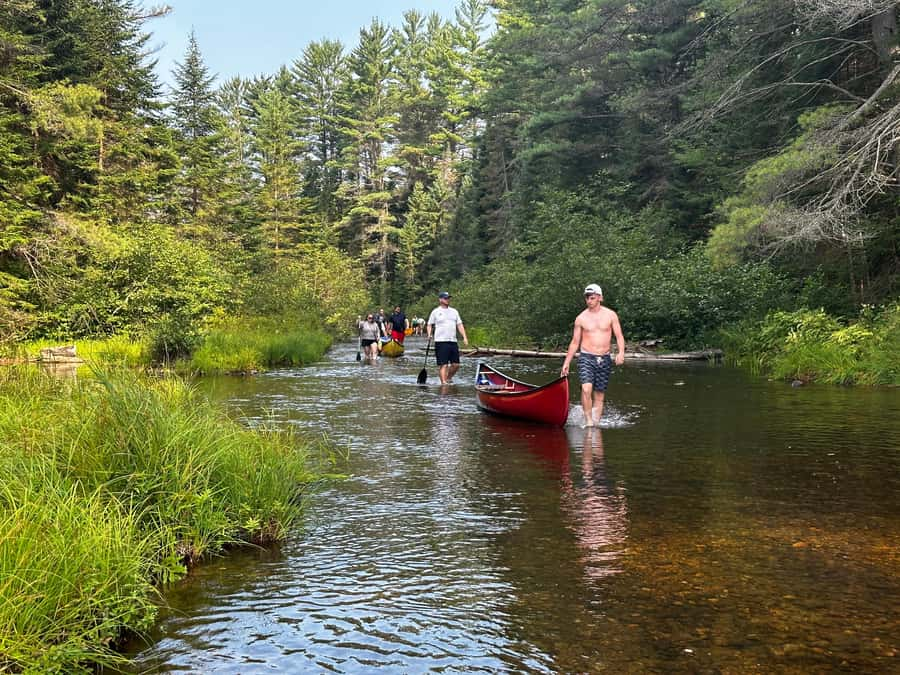
This trip includes canoes and life jackets, a basic paddle lesson, guided days, and park registration fees. You also get a full camp setup: tent, cot or airbed, sleeping bag, plus cups, plates, utensils, and toilet paper.
Meals are included too. For the 4-day option, you get 8 meals. Food quality is a highlight in the way people talk about this trip, and it fits the logic. When you are paddling 2 to 3 hours a day, you need real fuel, not just snacks.
What you should bring (and what you should not assume):
- Swimwear (you will want it)
- Hiking shoes
- Sunscreen
- Insect repellent
- Water shoes
- Weather-appropriate clothing
- A reusable water bottle
- Water (it is not listed as included, so plan for it)
You also might want a flashlight, but it is not listed as included.
Not included, so plan ahead:
- Backpack
- Flashlight
- Water shoes or sandals
- Personal hygiene items like insect repellent, sunblock, toothbrush type basics
Why this matters: in backcountry trips, the difference between a comfortable day and a miserable one is often one small item. Water shoes and insect repellent are the two I would prioritize first.
Group size and pace: the sweet spot for first-time paddlers and active campers
This is a small group experience, limited to 10 participants. That size matters. With fewer people, you are less likely to get stuck waiting for canoes, and it is easier for the guide to check in with everyone.
The paddle time is also realistic: 2 to 3 hours each day. That is long enough to feel like you did something, and short enough that you still have energy for camp life and wildlife searching.
You are also mixing paddling with wood cutting and camping chores. So think of it as an active outdoor vacation, not a passive nature cruise.
One caution: it is not suitable for children under 6 and it is not suitable for people with mobility impairments. That is worth respecting early so you do not end up with a trip that feels unsafe or frustrating.
Rules that keep the trip safe and the wildlife happy
The vibe here depends on a few clear boundaries. Alcohol and drugs are not allowed, and intoxication is not allowed. Feeding animals is also not allowed. Noise is discouraged, and bare feet are not allowed.
Alcoholic drinks in the vehicle are not allowed either. Those rules keep things safer for the group and reduce stress for wildlife.
If you like a calm, outdoorsy atmosphere, you will probably appreciate these boundaries. If your idea of fun is party energy, this one will feel too controlled.
Price and value: is $321 per person a fair deal?
The price listed is $321 per person for a 4-day trip. On the surface, it is not cheap. But look at what you are getting.
You are not just paying for a guide. The package includes:
- C anoes and life jackets
- Basic paddle lesson
- Camping equipment (tent, cot or airbed, sleeping bag)
- Park registration fees
- Meals (8 meals on the 4-day option)
- Basic table setup (cups, plates, utensils, toilet paper)
Then there is the biggest value multiplier, the part that is hard to price. You get repeated guided paddling time plus targeted nature time, including the beaver lodge and dam day. You also get the kind of “organized adventure” that removes a lot of planning and guesswork.
Could it be expensive if you already own gear? Maybe. But you might still pay more than this in real costs once you add rentals, park fees, food, and time planning. This trip is built to be plug-and-play.
Who should book this, and who should skip it
You should book if you want:
- A guided canoe experience with real camping, not a day trip
- Stargazing and sunrise paddles
- A strong chance to see beavers by visiting a beaver lodge and dam area
- A small group setting with a guide who handles logistics and safety
- An off-grid break from screens and daily noise
You should think twice if:
- You need electricity, internet, or constant cell coverage
- You dislike camping chores like wood cutting
- You have limited comfort with daily paddling effort
- You are traveling with someone under 6 years old, or you need accessibility accommodations not covered by this format
Should you book this Algonquin Park canoe-camping tour?
I think this is a strong pick if you want a focused Algonquin experience that feels genuinely wild, but still guided and well-supported. The combination of night paddle under the stars, sunrise paddle, and a beaver lodge and dam visit gives you more than one headline moment. Add the small group size, included gear, and the practical, camp-centered setup, and the value starts to make sense.
If you want constant comfort, guaranteed wildlife sightings, or a low-effort vacation, you will probably prefer something else. But if you want your days to be about paddling, campfire living, and real nature time, this one is made for you.
FAQ
Where is the meeting point?
The meeting location is at Canoe Lake beach (Access Point 5) in Algonquin Park. You should look for a van with a canoe trailer with red, yellow, and blue canoes.
How long is the trip?
It is a 4-day excursion with 3 nights of camping.
What is included in the price?
The tour includes canoes, life jackets, a basic paddle lesson, the guided excursion days, a tent, a cot or airbed, a sleeping bag, park registration fees, and 5 meals for shorter options (with 8 meals for the 4-day tour). Cups, plates, utensils, and toilet paper are included as well.
What should I bring?
Bring swimwear, hiking shoes, sunscreen, insect repellent, water shoes, weather-appropriate clothing, water, and a reusable water bottle.
What is not included?
Not included are transportation to and from the park, medical insurance and travel insurance, an overnight parking permit, water shoes or sandals, a flashlight, a backpack, and personal hygiene items like insect repellent and sunblock.
Is alcohol allowed?
No. Intoxication is not allowed, and alcohol and drugs are not allowed. Alcoholic drinks in the vehicle are also not allowed.
Are there rules about noise or animals?
Yes. Feeding animals is not allowed, and making noise is discouraged.
Do I need to have my own camping gear?
You do not. The tent, cot or airbed, and sleeping bag are included.
Who is this not suitable for?
It is not suitable for children under 6 years and it is not suitable for people with mobility impairments.
Is there electricity or cell service?
The trip is described as having no electricity, internet, or cell phone service.
What about cancellation and payment flexibility?
You can cancel up to 24 hours in advance for a full refund. There is also a reserve now and pay later option.
Paddling Near Ontario
North to Lake Country
Just off the notebook: recent Ontario write-ups
- Algonquin Park: Deluxe 4-Day/3-night Canoeing/Camping
★ 5.0 · 5 reviews - Guided Craft Beer Tour in Niagara
★ 4.5 · 6 reviews - Niagara Falls Airport (IAG) Transportation
★ 5.0 · 6 reviews - Private Singhampton Caves Snowshoe, Collingwood/Blue Mountain
★ 5.0 · 7 reviews - Locol Brewery Tours in Ontario
★ 5.0 · 8 reviews - 2 Hour Blacksmithing Experience in Niagara (Craft Class/Activity)
★ 5.0 · 8 reviews
Algonquin Park & Muskoka Day Trips, compared.
 ★ 4.6From Toronto: Algonquin Park Canoeing & Hiking AdventureFrom $179291 reviews
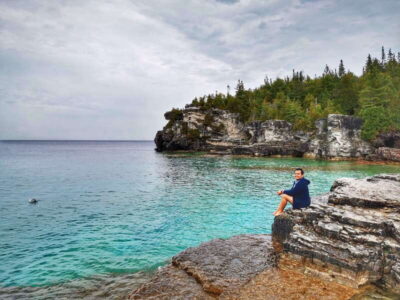 ★ 4.4From Toronto: Bruce Peninsula National Park Guided Day TripFrom $166152 reviews
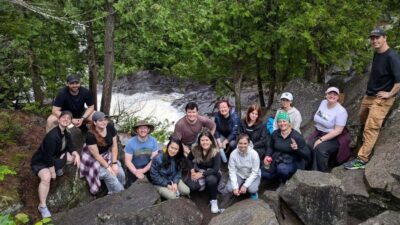 ★ 4.8Toronto: Algonquin Park and Ragged Falls Day TripFrom $11686 reviews
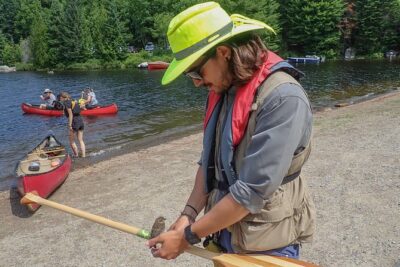 ★ 5.06 Hour Algonquin Park Canoe TripFrom $10786 reviews
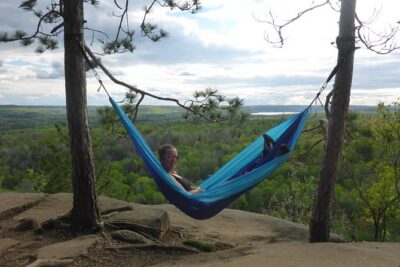 ★ 4.5Algonquin Provincial Park Day Tour from Toronto72 reviews
 ★ 4.8Algonquin Park: Guided Canoe Day TourFrom $10671 reviews
 ★ 4.5Algonquin Park 3-Day Deluxe Camping & Canoeing AdventureFrom $36852 reviews
 ★ 4.5Bruce Peninsula Day Trip from Toronto50 reviews
Browse the lists this tour appears in