
REVIEW · ALGONQUIN PARK & MUSKOKA DAY TRIPS
3-Day Algonquin Park Canoe Trip
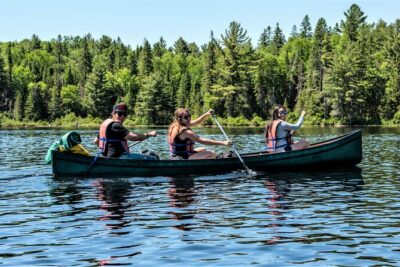
Algonquin turns real fast in a canoe. I like the small-group feel (max 8 people), and I really like that this is all-inclusive in practice, meaning meals, permits, and the core gear are handled for you. You get an actual wilderness rhythm, not a rushed sightseeing stop.
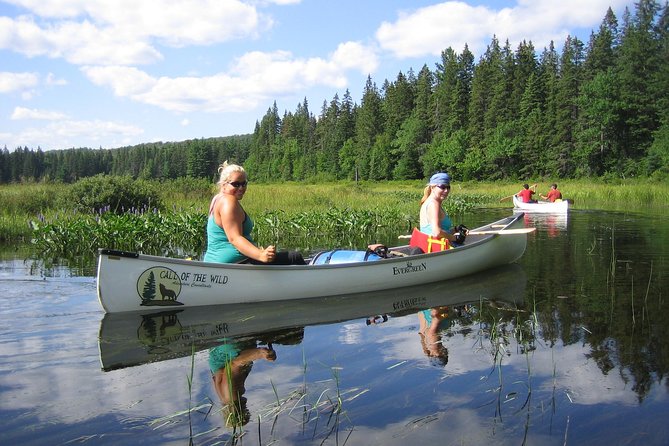
The main thing to think about is the physical side. You’ll paddle and portage, and the trip uses light kevlar canoes that you must treat with care around rocks, so you’ll want solid balance and a calm paddling style.
In This Review
- Key things that make this canoe trip worth your time
- What $493.87 Gets You in the Algonquin Backcountry
- Meeting in Madawaska, then heading to Pen Lake
- Day 1: Skills on the water, a portage, then camp by Pen Lake
- What I’d tell a beginner on Day 1
- Day 2: Moose time, river choices, and a picnic-beach payoff at Welcome Lake
- Day 3: A quick morning paddle, pictographs, and the ride back
- The emotional finish
- Canoes, camping setup, and gear you actually need to plan for
- Wildlife, stargazing, and why this feels like the real Canada
- Who this Algonquin trip suits best, and who should reconsider
- What to ask yourself before booking
- Should you book this 3-day Algonquin canoe trip with Call Of The Wild?
- FAQ
- What is included in the 3-day Algonquin Park canoe trip?
- What should I bring that is not included?
- Are canoes and camping gear provided?
- Do I need a parking permit?
- Can I get a vegetarian meal option?
- What is the minimum age for the trip?
- How many people are in the group?
- Where does the trip start and end, and what time does it begin?
Key things that make this canoe trip worth your time
- All-inclusive backcountry setup: meals, park fees, and tents for two nights are included.
- Small group pacing: up to 8 people, so the guide can coach you without chaos.
- Real wilderness camping: you’ll bring what you need into the camps, even the basics for staying overnight.
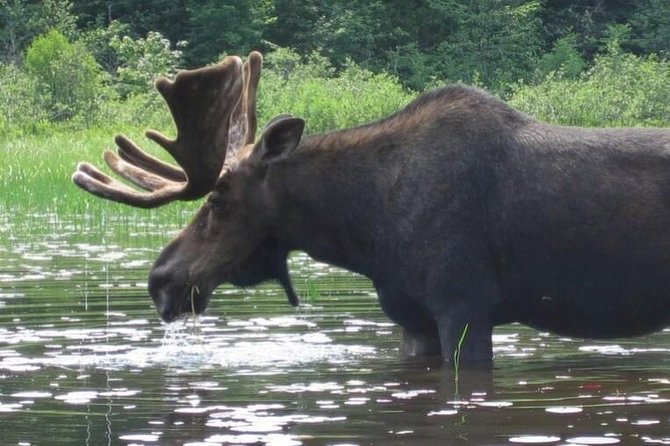
- Wildlife spotting isn’t staged: moose sightings happen often enough to keep your eyes open.
- Stargazing in a dark sky: you can often see the Milky Way and watch satellites move across.
- Multiple water options: you may paddle lakes, river segments, and do short portages for variety.
North of the city: more lake-country days
- 6 Hour Algonquin Park Canoe Trip★ 5.0 · 86 reviews
- Private Singhampton Caves Hiking Tour, Collingwood/Blue Mountain★ 5.0 · 32 reviews
- Private Nottawasaga Bluffs Caves Hiking Tour,Collingwood/Creemore★ 5.0 · 28 reviews
- Private Boat Tour at Fathom Five National Marine Park★ 5.0 · 24 reviews
What $493.87 Gets You in the Algonquin Backcountry
At $493.87 per person for about three days, the price makes sense if you price it the way you’d plan it yourself. You’re not just paying for a canoe and a guide, you’re paying for the backcountry pieces that usually cost time and money to sort out: national park fees, guided instruction, meals across the itinerary, and core equipment.
This trip is built for people who want wilderness camping without the heavy prep work. You get the pro guide and a clear plan, plus the expedition camp setup that keeps you focused on paddling, portaging, and being outside, not on logistics.
One small note on costs: a parking permit is not included. If you drive in, budget for that separately.
Meeting in Madawaska, then heading to Pen Lake
You start in Madawaska, Ontario (K0J 0C3), and the trip begins at 1:00 pm. You’ll end back at the same meeting point, so there’s no complicated drop-off. The tour runs in English, uses a mobile ticket, and confirmation comes within 48 hours of booking if space is available.
Also, this is an all-weather operation. That sounds intimidating until you realize what it means in practice: you should dress for cold, wet, and changing conditions because you will be paddling and walking. If you hate being uncomfortable, you might struggle. If you’re okay with layering up and leaning into the adventure, it’s a great fit.
If you’re coming from Toronto, transportation is optional. You’d arrange that separately and pay directly.
Day 1: Skills on the water, a portage, then camp by Pen Lake
Day 1 is where the trip earns its keep. You start with instruction on canoeing basics, the kind of coaching you need before you’re asked to move a boat safely over moving water and around your group. The goal isn’t to make you a pro, it’s to help you pack smart, steer confidently, and understand what to do when conditions get a bit tricky.
You’ll paddle into the interior of Algonquin Park, with Pen Lake as the interior destination described for this route. The canoes are expedition weight kevlar. That’s a tradeoff: they’re lighter for portages and quicker in the water, but they can be more fragile than heavier canoe types. Your guide will set expectations for how to handle them, especially around rocks.
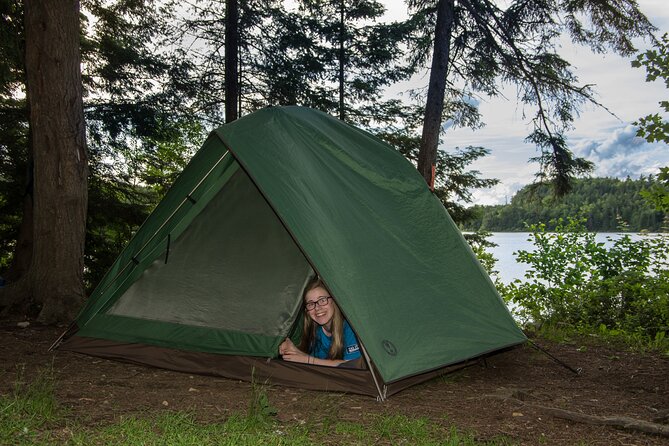
Expect a three hour paddle that includes a short 300 m portage. After that, you arrive at your wilderness camp. Since it’s a true interior camp, you’ll carry in what you need, including tents. The tents are included, but you bring your personal items and any small gear you rely on.
Once camp is set up, you’re free to explore the lake you’re on by canoe. This area has several large rapids, historically used as log chutes, which makes the water feel like it has a past. And the wildlife angle is not a side note here. Moose can graze near the lake edge, and the trip describes frequent sightings, even over just a couple days.
Dinner is cooked fresh on site and eaten by a campfire. After dark, this is where Algonquin shines. You can watch the Milky Way rise slowly, and the night sky is clear enough that satellites are visible. If you’re lucky, you might even hear wolves howling in the distance. It’s not guaranteed, but the conditions and the remoteness are what make it possible.
More paddling within reach of Ontario
What I’d tell a beginner on Day 1
Go slow on the first portage and focus on rhythm, not speed. If you take care around rocks and use the paddling techniques you’re shown, the trip feels manageable even when your comfort level is still building.
Day 2: Moose time, river choices, and a picnic-beach payoff at Welcome Lake
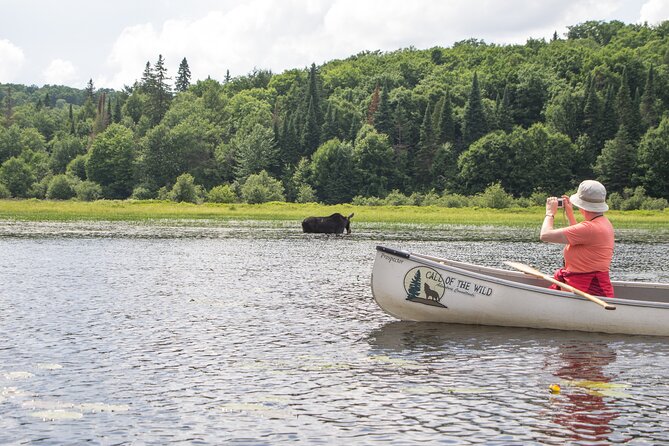
Day 2 is your exploration day. You can return to the water for wildlife searching, stay based near your camp, and canoe around the lake you’re on. Or you can add one more layer of adventure with another portage and a river segment.
One option described is going up the South Madawaska River after a short portage. It’s slow moving, but it comes with a practical requirement: you’ll get out of the canoes to pull them over beaver dams. That’s why shoes or sandals for water matter. You don’t want to do this in sneakers you love, and you don’t want bare feet if the ground isn’t friendly.
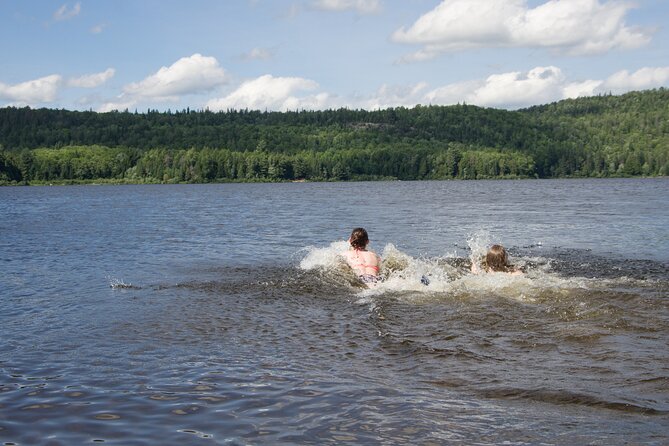
Another option in this day’s plan is to canoe partway down a lake, then do a couple of portages that end with a 1.7 km hike to Welcome Lake. Welcome Lake is described as one of the prettiest lakes in Algonquin Park, with a sandy beach. If the weather turns sunny, this is the day’s “relax and reset” opportunity, like a built-in picnic destination once you reach it.
Day 2 is also where the guide’s role becomes more than instruction. A good guide helps you read conditions and choose routes that match your group’s energy. In past trips like this, it’s common to see mixed skill levels, and the coaching style matters. The layout here gives beginners room to learn while still doing something real.
Day 3: A quick morning paddle, pictographs, and the ride back
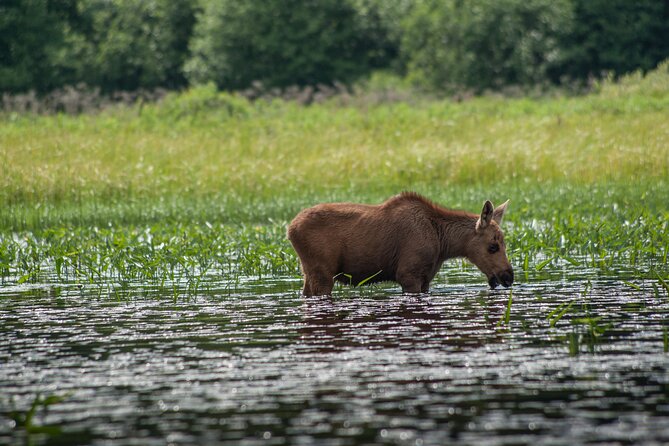
On Day 3 you pack up camp early, load the canoes, and start the paddle home. Starting early is a smart move, not just for schedule. It boosts your chances of seeing animals coming to the shoreline to drink, including moose or deer.
Along the way, you stop at ancient pictographs painted by Indigenous people centuries ago. This is the cultural moment in the itinerary, and it adds meaning beyond the wildlife and the water. You’ll want to treat it with calm attention since you’re visiting art that survived through time.
After the paddle and wrap-up, you return to the original meeting point in Madawaska. The trip is designed so the whole journey circles back to where it started.
The emotional finish
For many people, Day 3 feels like a gentle landing. You’ve already done the hardest part by learning how to move a canoe and live in the rhythm of camp. Now it’s about enjoying the last stretch and noticing details you might not have on the first day.
Canoes, camping setup, and gear you actually need to plan for
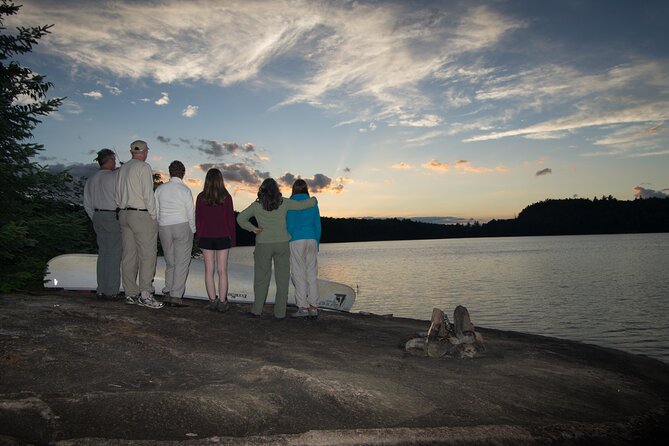
This is an equipment-included trip, and that’s one of the best ways to judge value. You’ll have the canoes and the big-ticket backcountry components covered, plus tents for two nights. National park fees and the guide are included too, and meals follow the itinerary with breakfast, lunch, and dinner.
But you still plan for personal items. The trip notes that sleeping bags and flashlights are not included. That’s a key point because cold nights and early mornings can sneak up fast in northern Ontario. If you’ve never camped in a canoe trip setting, I’d think about your sleep system first, then your light.
Also think about clothing for wet conditions. You’ll be operating in all weather, and you’ll likely get damp from spray, portage work, and river pulling days. Layering is your friend, and dry backup socks can change your whole mood.
Shoes matter beyond just comfort. The South Madawaska River section specifically mentions shoes or sandals for water because you’ll pull the canoes over beaver dams and your feet will be involved in that process. Plan for grip and for getting wet.
Wildlife, stargazing, and why this feels like the real Canada
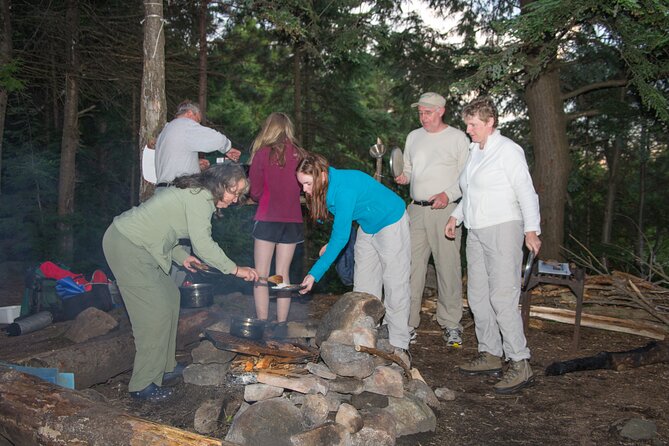
The headline promise here is seeing native wildlife in their natural environment. The best part is that the trip schedule supports wildlife watching instead of fighting it. You’re on the water early, you’re exploring at a human pace, and you have time to look from camp during the day.
Moose sightings are a major theme, including multiple sightings across the trip’s lake area. Rapidity features, like the rapids once used as log chutes, add texture to the paddling days and keep the scenery active even when wildlife is quiet.
Then there’s the sky. Campfires, dark skies, and clear weather give you a chance to see the Milky Way. Satellite spotting is also mentioned, which is a fun twist because it makes you feel like you’re watching the night from a completely different angle than city life.
This isn’t a theme park. It’s wild. If you want the outdoors to feel slightly unpredictable, that’s the point.
Who this Algonquin trip suits best, and who should reconsider
This trip is family friendly, but it does have firm boundaries. Minimum age is 8, and children must be accompanied by an adult. That works best when a child is comfortable with camping basics and can manage being on the water and walking portages.
You also need a strong physical fitness level. That doesn’t mean you need to be a marathon runner. It means you should be able to paddle for hours, carry gear during portages, and handle getting in and out of the canoe and walking short distances like the 1.7 km hike possibility.
If you’re a total beginner, you can still do it, but you should expect it to be active. One of the big strengths here is that the guide starts with basics and supports mixed skill levels. The instruction is not just a safety lecture, it’s practical canoe operation and camp safety, including how to share the environment responsibly with wild animals.
What to ask yourself before booking
- Can you handle wet gear and cool mornings without getting grumpy?
- Are you okay with carrying packs, even if you get help and a plan?
- Do you want a true camp night, not a hotel experience?
If yes, this style of trip will feel like a reset button.
Should you book this 3-day Algonquin canoe trip with Call Of The Wild?
I’d book this if you want an organized path into wilderness camping, with the important parts handled. The biggest wins for me are the small-group size, the all-inclusive backcountry setup, and the chance for wildlife and night sky experiences that only happen when you’re truly away from crowds.
The tradeoffs are real too. Kevlar canoes mean you need care around rocks. You also need enough fitness to paddle and portage without turning the trip into a slog. If you want a relaxing cruise with zero effort, this isn’t that.
One more practical tip: this kind of trip often fills based on season and group size, and the described booking pace is about 43 days in advance on average. If your travel window matters, don’t wait too long.
If you want a guided, genuine Algonquin experience that teaches you the core skills instead of just showing you a few highlights, this one is a strong bet.
FAQ
What is included in the 3-day Algonquin Park canoe trip?
It includes two nights of accommodation in tents, a professional guide, national park fees, and meals based on the itinerary (breakfast, lunch, and dinner).
What should I bring that is not included?
The trip notes that personal items like a sleeping bag and flashlights are not included. You should also bring your own camping essentials beyond what the tour provides.
Are canoes and camping gear provided?
Yes. All necessary equipment is included, and tents for the two nights are part of the accommodation.
Do I need a parking permit?
A parking permit is listed as not included.
Can I get a vegetarian meal option?
Yes, a vegetarian option is available. You need to advise your requirement at booking using the special requirements field.
What is the minimum age for the trip?
The minimum age is 8 years old, and children must be accompanied by an adult.
How many people are in the group?
The tour has a maximum of 8 travelers.
Where does the trip start and end, and what time does it begin?
It starts in Madawaska, ON K0J 0C3, Canada at 1:00 pm and ends back at the same meeting point.
Paddling Near Ontario
North to Lake Country
Just off the notebook: recent Ontario write-ups
- Algonquin Park: Deluxe 4-Day/3-night Canoeing/Camping
★ 5.0 · 5 reviews - Guided Craft Beer Tour in Niagara
★ 4.5 · 6 reviews - Niagara Falls Airport (IAG) Transportation
★ 5.0 · 6 reviews - Private Singhampton Caves Snowshoe, Collingwood/Blue Mountain
★ 5.0 · 7 reviews - Locol Brewery Tours in Ontario
★ 5.0 · 8 reviews - 2 Hour Blacksmithing Experience in Niagara (Craft Class/Activity)
★ 5.0 · 8 reviews
Algonquin Park & Muskoka Day Trips, compared.
 ★ 4.6From Toronto: Algonquin Park Canoeing & Hiking AdventureFrom $179291 reviews
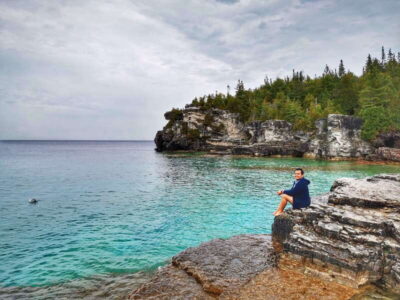 ★ 4.4From Toronto: Bruce Peninsula National Park Guided Day TripFrom $166152 reviews
 ★ 5.06 Hour Algonquin Park Canoe TripFrom $10786 reviews
 ★ 4.8Toronto: Algonquin Park and Ragged Falls Day TripFrom $11686 reviews
 ★ 4.5Algonquin Provincial Park Day Tour from Toronto72 reviews
 ★ 4.8Algonquin Park: Guided Canoe Day TourFrom $10671 reviews
 ★ 4.5Algonquin Park 3-Day Deluxe Camping & Canoeing AdventureFrom $36852 reviews
 ★ 4.5Bruce Peninsula Day Trip from Toronto50 reviews
Browse the lists this tour appears in