
REVIEW · WHISTLER & THE SEA TO SKY HIGHWAY
Whistler: Whistler Mountain Via Ferrata Climbing Experience
Climbing Whistler Mountain feels like flying. You start with a gondola up through cool mountain mist, then gear up for a via ferrata climb with built-in rock rungs and a safety cable that keeps you moving upward step by step. The payoff is huge: wide views over Garibaldi Provincial Park once you reach the top.
What I like most is how the tour turns an intimidating wall into something you can actually do. You’ll get hands-on guidance and the right lanyard system to clip in and climb with confidence, even if you’re new to climbing. In the reviews, names like Maya, Genie, Keek, and Victor come up again and again for helping people manage the route.
One thing to keep in mind: this is still real mountain work. The route covers 4 kilometers of mountain terrain and climbs 260 meters, and it is not suitable for everyone age or ability wise, including kids under 12 and people over 70.
In This Review
- Key moments that make this Whistler via ferrata day worth it
- Getting to the gondola and learning your safety setup
- The via ferrata system: cable, rungs, and coach-level reassurance
- Your climb day in numbers: 4 kilometers and a 260-meter ascent
- Stop-by-stop: what the alpine shop moment means before you start climbing
- Standing on top of Whistler: the views that make the effort feel worth it
- Coming down options: chairlift or a 3-kilometer hike
- Price and value: what $152 buys you on the mountain
- Who should book, and who should skip this Whistler via ferrata
- Practical tips that help you enjoy the climb more
- Should you book this Whistler Mountain via ferrata day?
- FAQ
- What is the duration of the Whistler Mountain via ferrata experience?
- Where does the tour start for morning and afternoon sessions?
- How much does the activity cost?
- What is included in the price?
- What do I need to bring?
- What shoes are not allowed?
- How long and how high is the route?
- Does the tour run in bad weather?
- Who is this activity not suitable for?
Key moments that make this Whistler via ferrata day worth it
- Gondola ride to the alpine shop that sets the tone before you ever touch the cable
- Lanyard system coaching so you know how the safety setup works before you start climbing
- Rung-by-rung progress on a route designed for beginners with an expert guide at your side
- Garibaldi Provincial Park views that feel bigger than you expect, especially from the high point
- Two ways to go back down, including a 3-kilometer hike or a chairlift
The highway north, in more versions
- Zipline Adventure in Whistler★ 5.0 · 1,367 reviews
- Whistler Odyssey Tour: Off-Road Buggy Adventure★ 5.0 · 750 reviews
- Whistler Wilderness Run Snowmobile Tour★ 5.0 · 724 reviews
- 2 Hour Wilderness Adventure Snowmobile Tour in Whistler★ 5.0 · 610 reviews
Getting to the gondola and learning your safety setup
Your day starts in Whistler with a guide meeting you near the village gondola area. For morning tours, the meeting place is Garbanzo Bike & Bean Patio, opposite Whistler Village Gondola, with a 9:15 am start. For afternoon tours, you meet at MSAA Whistler Mountain Top Adventure Centre, a short walk from the Whistler Peak 2 Peak terminal, with a 1:30 pm start.
Then it’s straight onto the gondola for the ride up toward the alpine shop. I like this start because it’s practical. You’re already higher, your body starts warming up, and you get that slow “okay, this is real” feeling while the village shrinks below you.
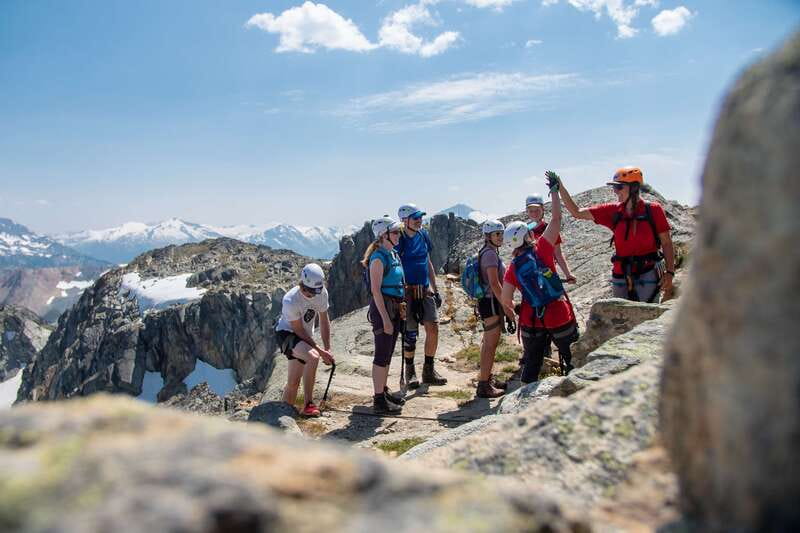
Once you’re up, you head into the local partner alpine shop to learn the climbing system. The key piece is the special lanyard setup that works with the cable on the climb. You look up at the peak before you start, and the first clip-in moment makes everything click: you’re not just climbing, you’re climbing with a system.
If you’re worried about your ability, this is where the tour wins. The reviews highlight guides who actively check that everyone can manage the technique, not just the brave-sounding parts.
The via ferrata system: cable, rungs, and coach-level reassurance
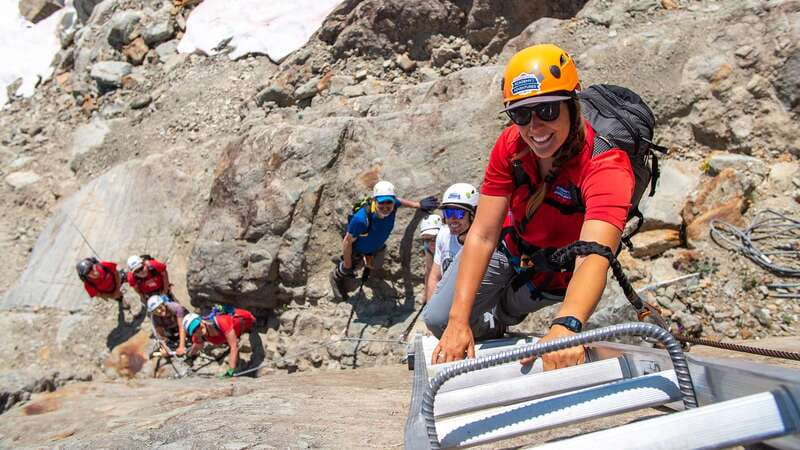
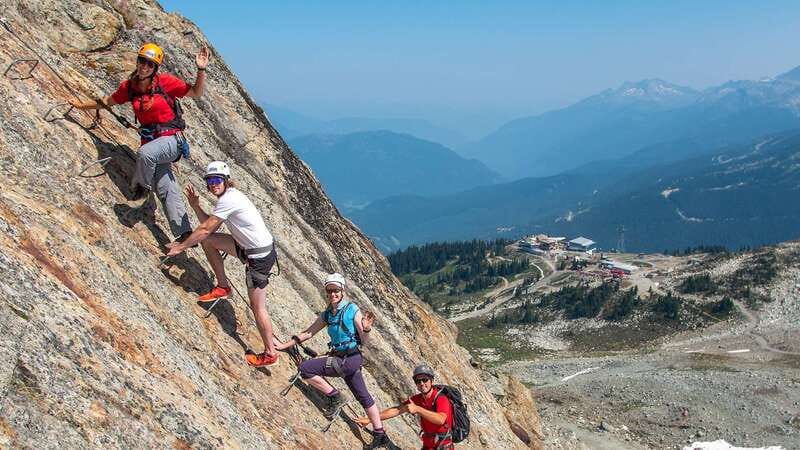
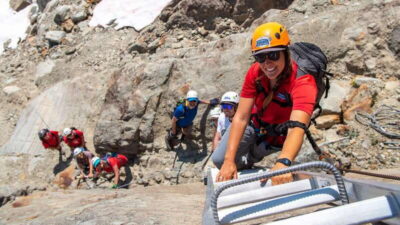
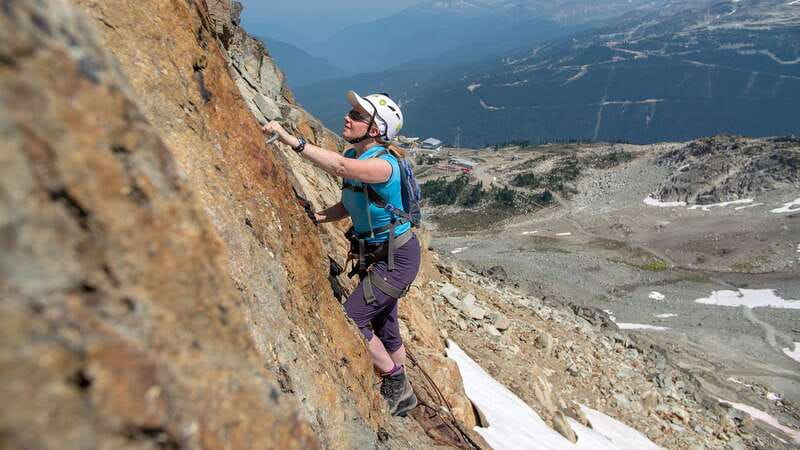
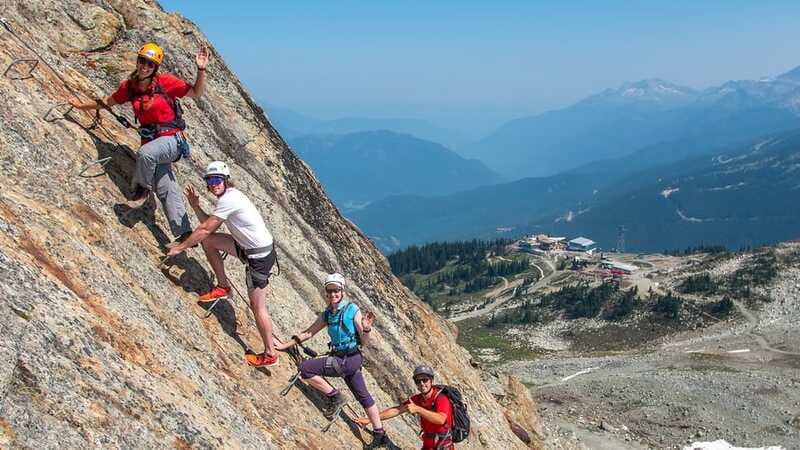
Via ferrata can sound complicated. In practice, it’s a mix of simple moves plus safety structure. You’ll clip yourself onto the cable that runs up the rock and use the rungs built into the climbing route to move upward.
Here’s what matters for you: the guide teaches technique before you commit. That includes how to position yourself, how to handle the rung rhythm, and how to stay calm as you gain height. The best part is that you’re not left guessing. The tour is designed around learning in motion, with an expert on hand to adjust how you climb.
The reviews strongly reinforce this. People call out guides like Maya for being encouraging, Genie for being a great intro to via ferrata, Keek for giving useful advice to a first-time climber, and Victor for making the whole experience enjoyable. Even if you’ve climbed before, the coaching style helps you avoid wasting energy on the wrong approach.
Expect a route that’s challenging but structured. You won’t be improvising complicated free climbing. You’ll be using the intended points, trusting the cable system, and focusing on steady progress. That sounds small, but it’s the difference between a fun day and a stressful one.
Your climb day in numbers: 4 kilometers and a 260-meter ascent
The climb route is listed as covering 4 kilometers of mountain terrain, with about a 260-meter ascent. That tells you two useful things.
First, it’s not a quick hop. You’ll be moving long enough to feel your legs and grip, especially if your fitness is more “walks and brunch” than “uphill training.” Second, it’s not an all-day endurance hike either. This is a focused vertical effort, so pace matters.
In my mind, the best mindset is: climb like you want to enjoy the top, not like you’re racing to survive. The guides will push you to keep moving efficiently, and you’ll likely feel the route settle into a steady rhythm as you go.
Weather matters too. The tour runs rain or shine unless lightning strikes within 60 kilometers. That means you should expect damp rock at times, and you need the right footwear and clothing. Warm layers are a must, since you’re climbing higher where conditions can shift fast.
More cable, rope and canyon days
Stop-by-stop: what the alpine shop moment means before you start climbing
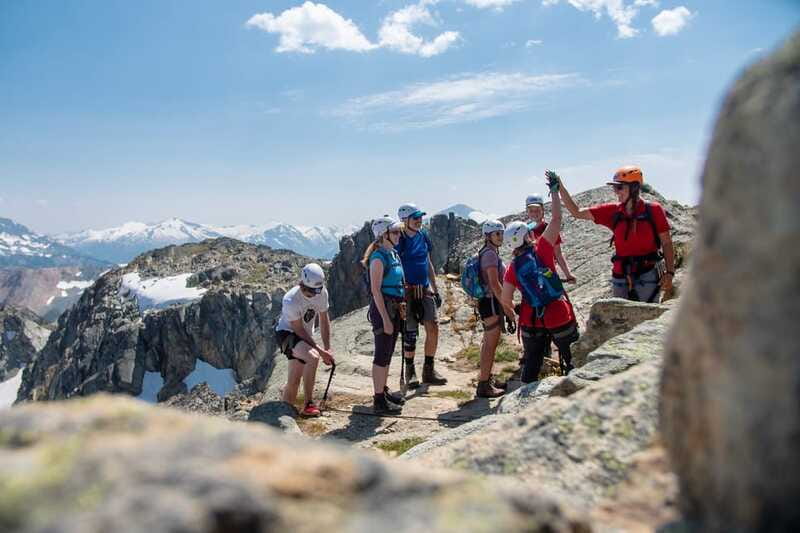
That alpine shop briefing is more than paperwork. It’s where you learn the special lanyard system and how it connects you to the cable. If you’ve never used climbing safety hardware, this is the part you’ll be glad you took seriously.
You’ll likely get a quick check of your setup, and you’ll see exactly how the clips work as you move. That visual makes the rest of the climb much easier to understand. It also reduces the mental load, because you’re not spending your attention figuring out your equipment while your body is working.
I also like that the tour builds in a view moment right before climbing. Looking at the peak while you’re still on the ground helps you form a mental map. When you start, the route feels less like a surprise and more like a plan you can follow rung by rung.
Standing on top of Whistler: the views that make the effort feel worth it
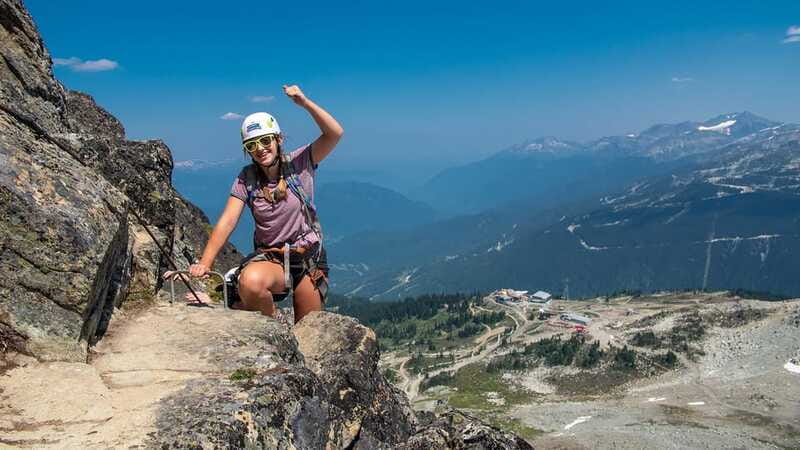
Eventually you reach the top, and that’s where the whole day cashes in. The views are the main reason people do this, and the climb is what earns them.
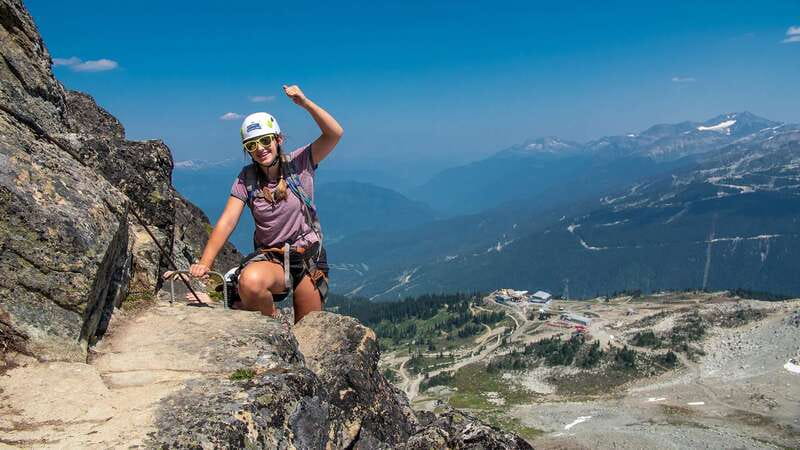
You’ll take in views of Garibaldi Provincial Park from the high point. Reviews specifically call out a birds-eye view of Whistler plus the surrounding mountains and glaciers. Even if you’ve seen Whistler from the village, the perspective is different up here. The height makes everything look bigger, and the spaces between peaks start to make sense.
This is also the moment when you realize what the guide was protecting you from. When you climb with confidence, you spend less time fighting fear and more time enjoying the scenery. The best guides turn the experience into something you can actually savor.
Take a moment at the top to breathe and reset. Your body will be working, then suddenly it’s quiet. That’s when you notice you did it.
Coming down options: chairlift or a 3-kilometer hike
The return is flexible. On the way back, you can choose to follow a 3-kilometer hiking path or take a chairlift.
I like having options because your legs may feel different depending on the weather and how hard the climb felt. If you’re tired, the chairlift is the “save your knees” route. If you still have energy, the 3-kilometer walk gives you a chance to keep moving without the technical focus of the climb.
Either way, you get that final transition from height to comfort, and you can end the day feeling like you did something real, not just watched other people do it.
Price and value: what $152 buys you on the mountain
At $152 per person for a 1-day experience, the pricing is basically buying three things: a qualified guide, climbing equipment, and mountain access through the program.
Here’s what you should notice. The activity includes an expert guide and use of climbing equipment. That’s a big value point because it removes the cost and hassle of figuring out gear on your own, plus it reduces the risk that you’ll get the setup wrong. Equipment isn’t just about comfort. It’s also about safety.
Food and drink are not included, so you should plan meals or snacks separately. If you’re doing this in the morning, you might want to eat before you meet, because there’s a lot of gear and altitude ahead. If you’re doing an afternoon tour, you’ll likely want to plan timing so you’re fueled for the climb.
Lift ticket inclusion is optional. If you purchase lift through the provider, the guide will bring the ticket for morning tours. For afternoon tours, ticket pickup happens earlier, so check your timing so you don’t arrive without what you need. The key idea: the price can change slightly depending on whether you need that lift component handled for you.
In plain terms, this is good value if you want to climb Whistler Mountain without guessing about technique or safety. If you already have your own gear and strong climbing experience, you might question the guide cost. But most people, especially first-timers, will find the coaching worth every dollar.
Who should book, and who should skip this Whistler via ferrata
This is a climbing activity, not a casual attraction. The tour lists these limitations:
- Not suitable for children under 12
- Not suitable for wheelchair users
- Not suitable for visually impaired people
- Not suitable for people over 350 lbs (159 kg)
- Not suitable for people over 70
Also, there are strict rules for what you can bring or wear. No high-heeled shoes. No sandals or flip-flops. Pets are not allowed. Weapons or sharp objects are not allowed. Oversize luggage and large bags are also not allowed. Drones are not allowed.
A big practical point for you: wear the right shoes and dress for cool air. Warm clothing is specifically recommended, plus hiking shoes. If you show up in sneakers that aren’t grippy enough, the climb can feel harder than it needs to.
This tour tends to fit best if you want:
- A first real intro to via ferrata with guided technique
- A day that combines adrenaline with big mountain views
- A structured route that helps you keep your head together
If you fall into the listed limits or have mobility concerns, it’s better to look for an alternative activity in the area that matches your needs.
Practical tips that help you enjoy the climb more
A via ferrata day can go sideways fast if you’re unprepared. The good news is the requirements are straightforward, and you can plan ahead easily.
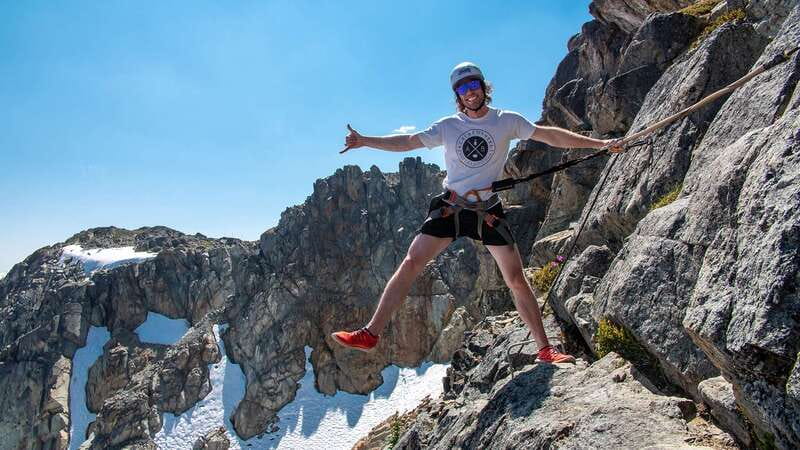
Bring warm clothing. Even if it looks mild at the village, height changes the feel of the air. Wear hiking shoes with solid traction. You’ll be using your feet on rungs and moving on mountain terrain.
Since food and drink are not included, plan your timing for eating and hydration around your tour start. Also, the activity runs rain or shine unless lightning is within 60 kilometers, so be ready for damp conditions.
And one more small but important thing: keep your expectations realistic. This is “learn, climb, and succeed” territory. You might feel fatigue. You might grip harder than you expected. That’s normal. The guide is there to help you manage it.
Should you book this Whistler Mountain via ferrata day?
Book it if you want a guided first climb with real coaching, plus a top-out moment with views over Garibaldi Provincial Park. The pricing makes sense because you’re paying for an expert guide and climbing equipment, not just a walk with a view.
Skip it if you know you won’t do well with height, harness gear, and a route that climbs about 260 meters over 4 kilometers of mountain terrain. Also, respect the listed age, weight, and accessibility limits.
If you’re the type who likes learning a new skill under supervision, this is a strong choice. And if you’re nervous, that’s okay. The experience is built for people who need help. With guides like Maya, Genie, Keek, and Victor showing up in the reviews, the common thread is support that helps you manage the climb and actually enjoy the top.
FAQ
What is the duration of the Whistler Mountain via ferrata experience?
It runs for 1 day.
Where does the tour start for morning and afternoon sessions?
Morning tours meet at Garbanzo Bike & Bean Patio, opposite Whistler Village Gondola, at 9:15 am. Afternoon tours meet at MSAA Whistler Mountain Top Adventure Centre, about a 50 m walk from the Whistler Peak 2 Peak terminal, at 1:30 pm.
How much does the activity cost?
The price is listed as $152 per person.
What is included in the price?
The tour includes an expert guide and the use of climbing equipment. Lift ticket inclusion is optional.
What do I need to bring?
You should bring warm clothing and hiking shoes.
What shoes are not allowed?
High-heeled shoes are not allowed, and sandals or flip-flops are also not allowed.
How long and how high is the route?
The route covers 4 kilometers of mountain terrain and ascends 260 meters.
Does the tour run in bad weather?
The activity takes place rain or shine unless lightning strikes within 60 kilometers.
Who is this activity not suitable for?
It is not suitable for children under 12, wheelchair users, visually impaired people, people over 350 lbs (159 kg), or people over 70 years.
Rope, Cable and Canyon
The Road North to Whistler
Just off the notebook: recent Whistler write-ups
- Whistler: Guided Wilderness Hike
★ 5.0 · 4 reviews - Paradise Valley: Bee Adventure Tour!
★ 5.0 · 4 reviews - From Vancouver: Shannon Falls and Whistler Sightseeing Tour
★ 4.1 · 4 reviews - Whistler Helicopter Tour: Glaciers and Black Tusk
★ 4.8 · 5 reviews - Whistler Family Buggy Easy Tour
★ 5.0 · 5 reviews - Whistler: Axe Throwing Experience
★ 5.0 · 6 reviews
Whistler & the Sea to Sky Highway, compared.
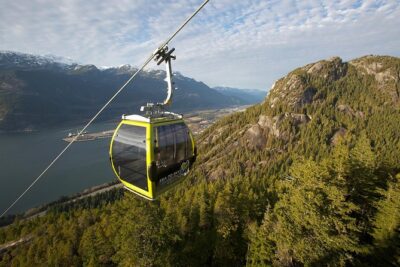 ★ 5.0From Vancouver: Whistler & Sea to Sky Gondola with Shannon FallsFrom $1731,640 reviews
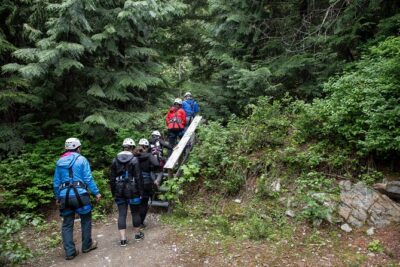 ★ 5.0Zipline Adventure in WhistlerFrom $1261,367 reviews
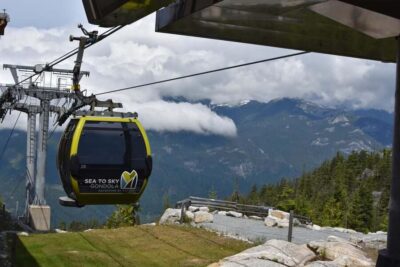 ★ 4.8Whistler, Sea to Sky Gondola, and Shannon Falls Day TripFrom $1411,134 reviews
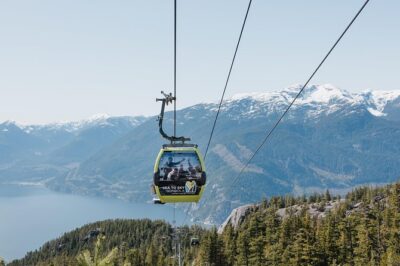 ★ 5.0Whistler and Sea to Sky Gondola Tour + Shannon FallsFrom $161882 reviews
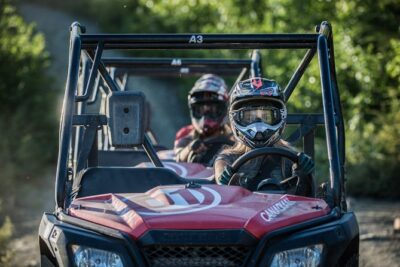 ★ 5.0Whistler Odyssey Tour: Off-Road Buggy AdventureFrom $275750 reviews
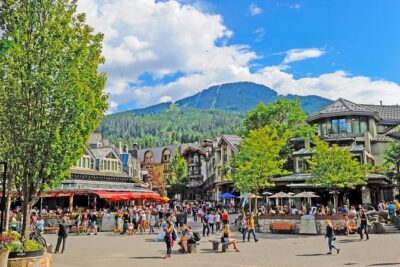 ★ 4.5Whistler & Sea to Sky Gondola Day Trip from VancouverFrom $185725 reviews
 ★ 5.0Whistler Wilderness Run Snowmobile TourFrom $236724 reviews
 ★ 4.7Vancouver: Sea to Sky Gondola and Whistler Day TripFrom $156636 reviews
Browse the lists this tour appears in