

REVIEW · AUDIO TOURS
Western Canada Self-Driving Audio Guide English and German
Your drive becomes the tour. This self-guided audio route across Western Canada keeps you learning while you roll, with GPS map controls and bilingual narration. I like that you can follow the story in English and German, and I like that you stay focused on the scenery instead of flipping a guidebook. One possible drawback: a few place names can come out with imperfect pronunciation, like Okanagan and MacMillan.
I also appreciate the freedom to play single audio stops on the map or let it run automatically as you travel. The result feels built for real road time, not a hurried checklist. And since it is a self-driving experience with no fixed start or end, you can shape the trip around your route and parking habits.
Finally, the price is set up as a per vehicle guide, not per person. If you are traveling with a group in one car, it can be a strong value. If you expect one audio per individual in separate cars, it will not feel as efficient.
In This Review
- Key Things That Make This Audio Guide Worth Your Time
- How the Self-Driving Format Changes the Trip
- Getting the App Running Before You Drive Off
- English and German Audio That Actually Fits Road Time
- Vancouver Highlights: Chinatown, Gastown, Yaletown, West End, Stanley Park
- Victoria Along the Route: Capital Energy With Nature Focus
- The Rocky Mountains Drive: Icefields Parkway and the Banff-Jasper-Lake Louise Triangle
- What You Learn Beyond the Sights: Nature, Wildlife, Hiking, and Context
- Price and Value: $29 for Up to 9 People, Per Vehicle Logic
- Practical Driving Tips So the Audio Works Like It Should
- Who This Audio Guide Fits Best
- Should You Book This Western Canada Self-Driving Audio Guide?
- FAQ
- Is there a fixed starting point for this self-guided tour?
- What languages are included in the audio guide?
- How long is the audio guide valid after purchase?
- What is included in the package?
- Is the price per person or per vehicle?
- Does this include entry fees, parking fees, or transportation?
Key Things That Make This Audio Guide Worth Your Time

- Two languages built in (English and German), so you can switch without changing apps.
- GPS map playback lets you jump to a spot or let the guide move with you.
- Real driving focus, so you keep your eyes on the road and the views.
- Big Western highlights are covered, from Vancouver areas like Gastown and Stanley Park to the Rockies corridor.
- Audio stays valid for 365 days, so you can schedule your road trip when it actually fits your life.
More days someone else has already planned
- Vancouver: Guided Bike Tour★ 4.9 · 435 reviews
- Vancouver, BC: Whale Watching Tour with Guide★ 4.7 · 270 reviews
- Vancouver Sightseeing Boat Cruise with Live Tour Guide★ 5.0 · 222 reviews
- Vancouver Bike or Ebike Rental – Self Guided Map provided★ 5.0 · 149 reviews
How the Self-Driving Format Changes the Trip
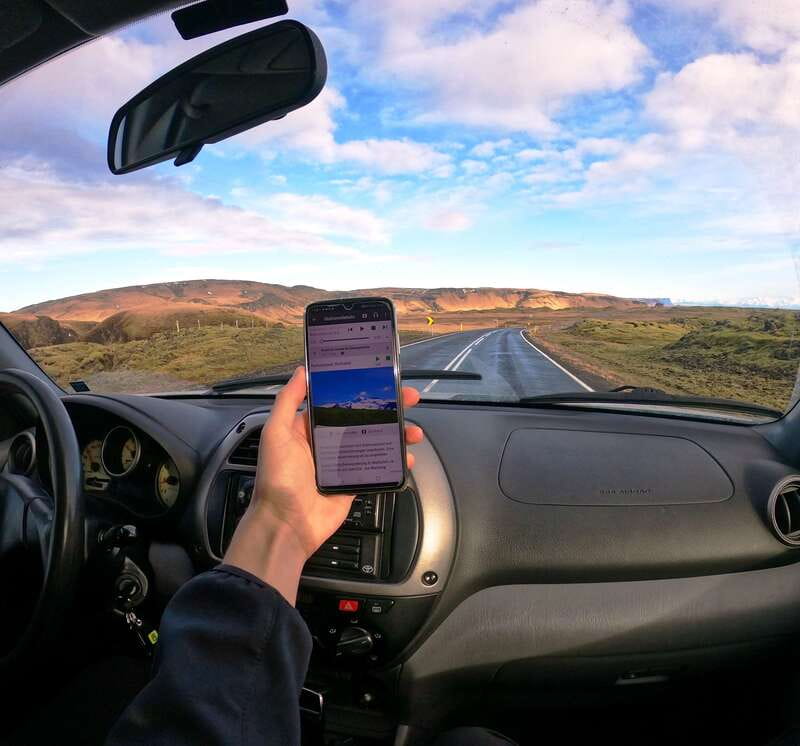
This is not a bus tour. It is a self-guided road experience that works like an app-based traveling companion. That matters because Western Canada is the kind of place where the scenery is part of the itinerary. When your guide is in your car, you can stop when it makes sense, then press play when you are ready.
You are also not locked into one official meeting point. You can start wherever you want and end wherever you decide. For me, that is the biggest practical win, because it matches how road trips really happen: you might want an extra morning in town, or you might hit an easier parking spot and change your plan on the fly.
The other key detail is that the audio guide is valid for a long time, 365 days after purchase, and it is not a short-lived ticket. So if you are building a trip across months, this feels less stressful than a time-based tour. You can also think of it as a budget-friendly “information layer” for your whole route, instead of paying for a guided service each day.
One more value point that I like: the audio guide is meant for a car, and the price is described as per vehicle (not per person). With multiple people sharing the same car, the cost spreads out quickly.
Getting the App Running Before You Drive Off
The experience depends on your smartphone, so you need to plan for one boring but important thing: battery. Bring a charged phone, because the guide lives in an app and runs via your device and GPS.
After booking, you receive separate email instructions on how to install and start the guide. The tour info specifically says you can ignore the Ticket email from GetYourGuide and focus on the email that comes from the provider with the instructions. That is a small detail, but it can save you stress right before departure. Also check your spam folder, because email deliveries do not always behave.
If something does not work, the guidance is to reach out. I would treat that as part of your pre-trip checklist, not as something to try on the shoulder of the road. In other words, test the app at home or in a parking lot before you commit to a long drive.
English and German Audio That Actually Fits Road Time

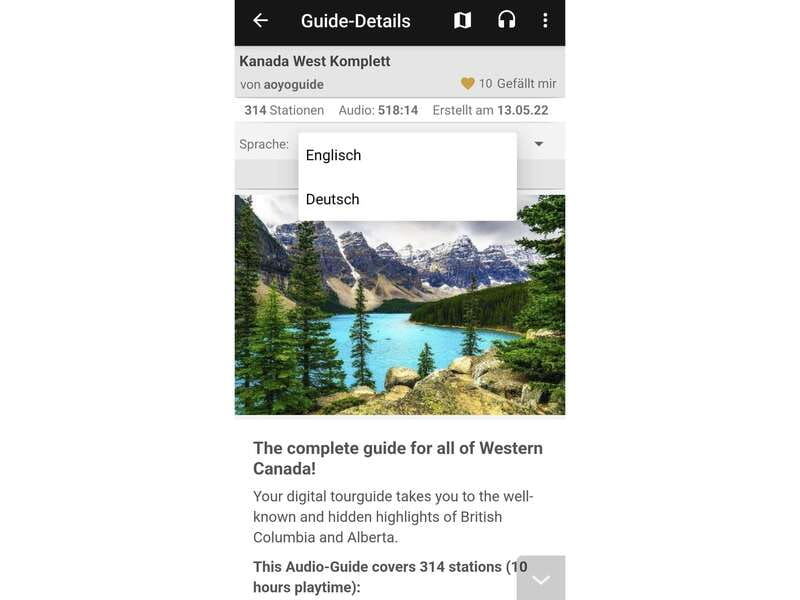
You get audio in English and German, and the guide includes both language options in the app. That is useful if your group has mixed language comfort, or if you want to listen in your preferred language without swapping apps.
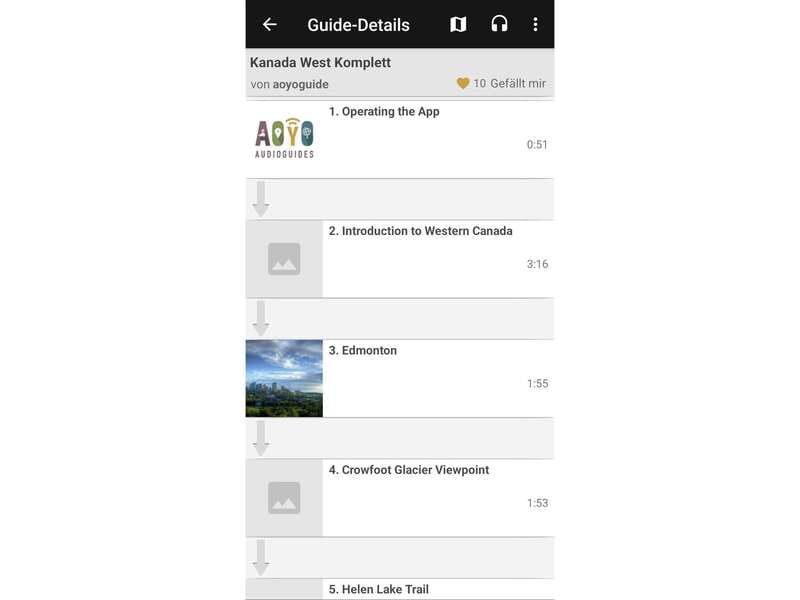
The playback options are what make it feel less robotic. You can choose single audios on the map, or you can let it play automatically during your ride. For a self-driving day, this is a big deal. It means you can:
- pause for viewpoints, then resume with the next segment, or
- let the guide roll in the background while you drive between stops
I also like the tone of the guide conceptually. It is not only about what you see, it is about what you are passing through. You get background about nature, wildlife, hiking points, and cultural context, plus geography, economy, history, and culture coverage along the way.



Vancouver Highlights: Chinatown, Gastown, Yaletown, West End, Stanley Park
One of the clever things about this guide is that it does not treat Western Canada as only “the Rockies.” It also includes major city sights you can use as anchors for a first day or two.
Here is how I would use the city sections in a practical way:
- Chinatown: Use it when you park near the area and walk a loop. Audio works best when you can pair stories with streets you can actually see.
- Gastown: Perfect for a short stop where you want context without reading a full book. If you are only here for an hour, audio is a fast way to understand what you are looking at.
- Yaletown: A good match for a slower stroll. The audio approach helps you notice details you might otherwise skip.
- West End: Great for exploring at your own pace, especially if you are balancing city time with nature drives.
- Stanley Park: This is where the audio format shines, because you can start with a viewpoint, then keep listening as you move from one spot to another.
You should think of these sections as “story stops.” Instead of trying to see everything, pick one or two areas per day. Let the guide give you enough context to make the sights feel less random.
A small caution based on what I know about audio guides: pronunciation may not always be perfect. If you care deeply about hearing names said exactly right, just know that it can happen that a place name comes out slightly off. Even then, the bigger value is that you get informed commentary without pulling over for a book.
Victoria Along the Route: Capital Energy With Nature Focus

The guide includes Victoria, British Columbia’s capital, and it emphasizes learning about nature, wildlife, hiking, activities, and culture. Victoria is a great city to pair with an audio guide because you can mix short walks with scenic pauses, then plug back into the next segment when you are ready.
What I like about this approach is that it encourages you to read the surroundings as you go. You are not just sightseeing, you are building a mental map of how the region works, including what kinds of outdoor experiences fit the landscape you are passing.
A practical tip for Victoria days: use the map playback to stay flexible. If you decide to cut a walk short, you can jump to another audio segment rather than being stuck with a rigid plan. This self-guided setup makes those decisions easy.
The Rocky Mountains Drive: Icefields Parkway and the Banff-Jasper-Lake Louise Triangle
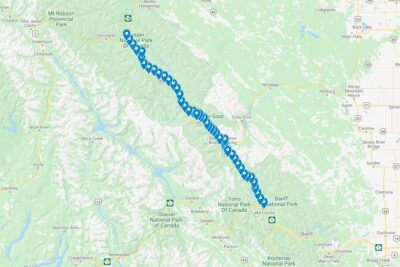
If Western Canada has a headline road trip, it is the route through the Rocky Mountains. This guide calls out the scenic drive along the Icefields Parkway, with stops around Banff, Jasper, and Lake Louise.
This is the kind of place where audio makes more sense than you might expect. On a long drive, you quickly burn through your attention. Audio gives your brain something to process besides constant staring at the same horizon. It also helps you connect what you see with what you are learning, like how the land was shaped and why the region developed the way it did.
Here is how I would think about the guide’s focus on these areas:
- Icefields Parkway is ideal for listening while you drive between viewpoints. The guide concept of nature plus geography, history, and economy context can help you “understand the pass,” not just photograph it.
- Banff and Lake Louise work well for short on-foot segments, where audio can explain what you are seeing and why hikers and outdoor lovers aim for certain areas.
- Jasper is a strong pairing with nature and wildlife-oriented audio, especially if you want a more interpretive experience than just scenic stops.
One practical note: the guide does not include entry fees or parking fees. So plan for real-world costs beyond the audio itself. Also, it does not include transportation, so you are responsible for your own driving logistics. The upside is that you control timing, and that flexibility is part of why this style of tour works.
What You Learn Beyond the Sights: Nature, Wildlife, Hiking, and Context

This guide repeatedly frames the experience around more than check-box landmarks. It highlights:
- nature and wildlife information
- hiking points along the way
- background on geography, economy, history, and culture
That mix is what makes the drive feel like more than scenery. When you get a little context, you start recognizing patterns. You notice how the natural features relate to where people settled and how the region developed. You also get ideas for hiking points, which is useful if you are deciding where to spend time on the next stop.
Keep your expectations realistic. An audio guide can point you toward areas and explain what to look for, but it does not replace a dedicated hike plan or the need to check conditions locally before heading out. Still, having that interpretive background is often what separates a trip that feels like photos from a trip that feels like understanding.
Also, the guide spans both city and mountain regions. That’s a nice balance if your trip includes the urban-to-wilderness shift, because the audio can help you treat the whole route as one story.
Price and Value: $29 for Up to 9 People, Per Vehicle Logic
The price listed is $29 per group up to 9. But the most important detail is the guide is priced per vehicle, not per person. That changes the math.
If you are driving with a group in one car, the value can be excellent. You are effectively paying once for the whole vehicle’s narration, then spreading that cost across the people in it. In a road trip car with multiple listeners, the per-person cost becomes small fast.
If you are traveling solo, it still can make sense, because you are paying for a long-lived audio library that you can use across the route without needing a guidebook. But if you are comparing it to very short local sightseeing, you might wonder if the cost is worth it for only one city day. This guide tends to shine when you actually drive enough to earn the full value of the “audio guide plus GPS map” format.
Also remember what is not included: no entry fees, no parking fees, and no transportation. So treat the price as cost for the guide content and app access, not a full trip package.
Practical Driving Tips So the Audio Works Like It Should

This guide is easy to use, but it does require a little road-trip discipline from you.
- Keep your smartphone charged. The tour info is direct about bringing a charged device.
- Use the map to control your listening. If you want control, play single audios. If you want less thinking, let it auto-play during the ride.
- Expect to plan for the on-the-ground costs. Since entry and parking fees are not included, budget for them like you would on any independent trip.
- Start where you want. With no fixed meeting point, you can build your day around parking and timing, not around someone else’s schedule.
And one more “real life” point: app reliability can vary. The overall rating is strong, and most feedback points to informative audio. Still, there is at least one documented case where the guide did not work. So I recommend treating app setup as a must-do the day before, not something you solve at your first viewpoint.
Who This Audio Guide Fits Best
I think this tour fits best if you want:
- a self-guided road trip with flexible stops
- city plus Rockies scenery in one connected route
- bilingual audio in English and German
- interpretive background on nature, wildlife, hiking, and regional culture
You are likely to enjoy it if you are the driver, because audio can keep you engaged without pulling you away from the road. It also suits couples or small groups sharing one vehicle, since the pricing is per vehicle.
If you prefer a strict schedule with a person leading you step-by-step, this will feel more free than guided. But if you like the idea of stopping when you want and learning as you go, the structure is a good match.
Should You Book This Western Canada Self-Driving Audio Guide?
If your trip includes the Rockies drive and you want the information layer without extra tour logistics, I would book it. The biggest reason is the format: GPS map audio that you control, plus bilingual English and German narration, plus a long validity window.
I also like that it covers both the city side (Chinatown, Gastown, Yaletown, West End, Stanley Park) and the mountain side (Icefields Parkway, Banff, Jasper, Lake Louise). That makes it useful even if your route is a mix of urban and wild.
The main caution is pronunciation accuracy and occasional app trouble. If you rely on audio for every spoken name, be ready to meet a few imperfect sounds along the way. And if you are worried about tech, test the app before you drive.
Overall, at $29 per vehicle for up to 9 in a car, with audio that stays valid for a full year, this is the kind of add-on that can genuinely make a road trip feel smarter, not just louder.
FAQ
Is there a fixed starting point for this self-guided tour?
No. You choose where to start and where to end. It is self-guided, with no fixed starting point.
What languages are included in the audio guide?
The audio guide is available in English and German.
How long is the audio guide valid after purchase?
It is valid forever after purchase, and the activity is listed as valid for 365 days.
What is included in the package?
You get the app, the German and English audioguide, GPS and a map, plus a voucher code.
Is the price per person or per vehicle?
The price is per vehicle, not per person.
Does this include entry fees, parking fees, or transportation?
No. Entry fees, parking fees, and transportation are not included. You use your own vehicle.
Easier With a Guide





Just off the notebook: recent Vancouver write-ups
- Vancouver: Sunset Boat Cruise with Complementary Bubbly
★ 4.3 · 4 reviews - Vancouver: Personal Travel & Vacation Photographer
★ 4.7 · 4 reviews - Vancouver Private & Custom Tour with a Local: Icons & Gems
★ 3.6 · 4 reviews - Vancouver: Fraser Valley and White Rock Wine Tour
★ 5.0 · 4 reviews - Stanley Park EUC & E-scooters loop tour
★ 5.0 · 4 reviews - Capilano Suspension Br+Lake+Dam+Hachery/4in1/CAR/Small GROUP
★ 5.0 · 4 reviews
Audio Tours, compared.
 ★ 4.5Cabot Trail: a Smartphone Audio Driving TourFrom $9118 reviews
 ★ 4.0Icefields Parkway: a Smartphone Audio Driving TourFrom $9118 reviews
 ★ 3.5Niagara: Behind The Falls, Skylon Tower Ticket & Tesla Audio TourFrom $3869 reviews
 ★ 4.0Sea to Sky Highway: a Smartphone Audio Driving TourFrom $832 reviews
 ★ 4.5A 7th-Gen Local’s View of Downtown Charlottetown: An Audio TourFrom $1127 reviews
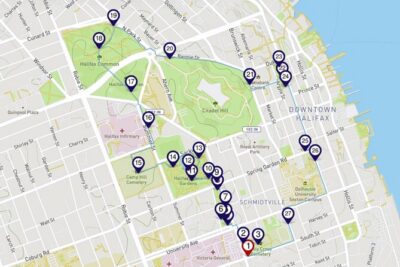 ★ 4.5Halifax Churches, Gardens & Graveyards: a Smartphone Audio Walking TourFrom $825 reviews
 ★ 4.0Smartphone Audio Driving Tour between Banff and CalgaryFrom $825 reviews
 ★ 5.0Self-Guided Audio Driving Tour in Icefields ParkwayFrom $1924 reviews
Browse the lists this tour appears in