
REVIEW · WALKING TOURS
Toronto: City Walking Tour
Downtown Toronto has layers, and this walk maps them. You start in the Entertainment District, then head toward the waterfront for skyline views before working your way into the PATH, Toronto’s underground shortcut system that links much of downtown. It is a smart way to understand how the city functions, not just what it looks like.
I especially like the way the guide turns landmarks into stories, with practical tips on where to go next, including the Toronto Islands. You’ll also get a smooth mix of big-name exteriors and real, human-sized street moments that make downtown feel less confusing.
The other thing I like a lot is the small group size, max 10 people, which keeps the whole walk conversational rather than one-way. The day ends at St. Lawrence Market, so you can immediately switch from sightseeing to snacks and wandering on your own. One possible drawback: this is steady walking, and it is not suitable for wheelchair users or people with low fitness, plus you do not get entry into the CN Tower or Rogers Centre.
In This Review
- Key things to know before you go
- Starting Under Roy Thomson Hall in the Entertainment District
- CN Tower Views and Rogers Centre Stories on the Way to the Waterfront
- The PATH Network, from 30 km of Walkways to Connections Over 70 Towers
- Brookfield Place and Union Station, Practical Transit With Big Architecture
- Old Toronto Streets, Where the Vibe Changes
- St. Lawrence Market as Your Finish Line, Ranked #1 for a Reason
- What You Learn Beyond the Route, Including Toronto Islands Planning
- Price, Walking Pace, and Who This Tour Fits Best
- Should You Book This Toronto City Walking Tour?
- FAQ
- How long is the Toronto City Walking Tour?
- What is included in the price?
- Are food and drinks included?
- Where does the tour meet?
- Is the tour suitable for wheelchair users?
- What should I bring?
- What group size should I expect?
Key things to know before you go
- PATH navigation help: Learn how the underground system connects over 70 office towers in downtown Toronto.
- Weather-proof downtown: Much of the route uses mostly underground walkways, great in rain or winter.
- Iconic exteriors, no entry tickets: You’ll see CN Tower and Rogers Centre areas, but entry is not included.
- Architectural stop at Brookfield Place: You’ll spend time inside the world-famous Santiago Calatrava design.
- St. Lawrence Market as the finish line: It’s ranked #1 in many world rankings, and it’s the perfect place to keep exploring.
Toronto at walking pace, a few more routes
- Show me the City! A Small Group Walking Tour of Toronto★ 5.0 · 621 reviews
- Toronto Distillery District Walking Tour★ 5.0 · 327 reviews
- Toronto: City Highlights Walking Tour | 3-Hour★ 4.6 · 306 reviews
- Old Town Toronto Highlights 3 Hour Walking Tour | Gratuity-Based★ 4.5 · 290 reviews
Starting Under Roy Thomson Hall in the Entertainment District
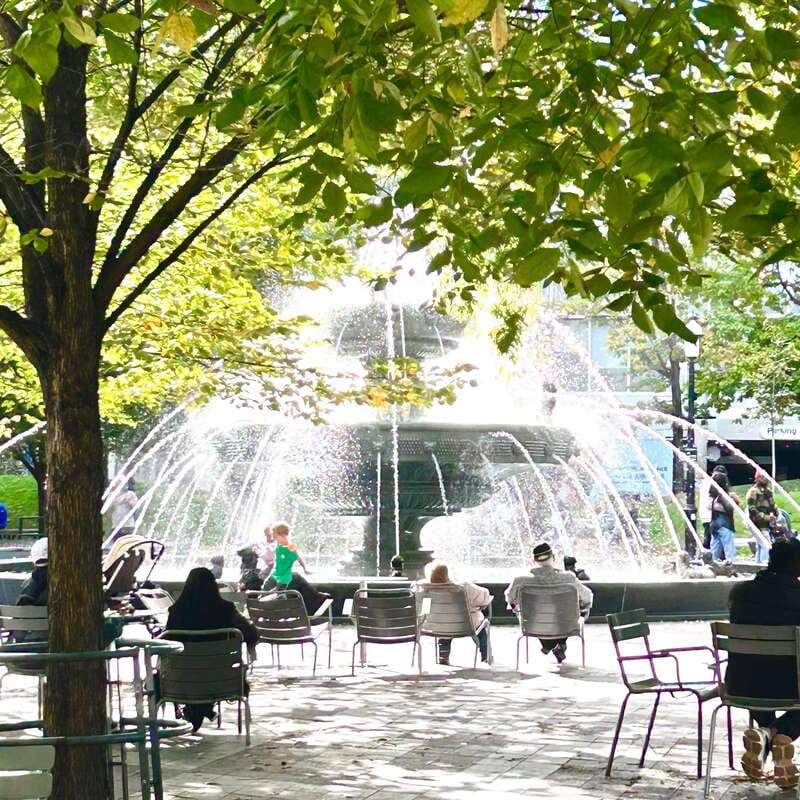
Your tour begins at the southwest corner of King Street West and Simcoe, beneath the small electronic billboard for Roy Thomson Hall. This is a good launch pad. You are right in the heart of live-theatre Toronto, with restaurants and nightlife energy all around you. Even if you plan to come back later, this start point helps you orient fast, because you begin with the city’s “front door” vibe.
The group size stays small, limited to 10 people. That matters more than it sounds. Instead of waiting for a Q and A at the end, you can ask questions while you walk. In practical terms, you get help figuring out what you should see later, how to move around efficiently, and which areas you might want to linger in.
You should expect a “walk and talk” style, where your guide tells stories and keeps things light. From what I’ve seen in recent guide behavior on this route, they tend to be easy to chat with, they answer follow-up questions patiently, and they sometimes use photos or visual aids to explain how Toronto changed over time. That is helpful because downtown looks polished now, but it has layers underneath.
CN Tower Views and Rogers Centre Stories on the Way to the Waterfront
Once you leave the Entertainment District, the route heads toward the water. This section is about big Toronto landmarks you’ll recognize immediately, plus context you might miss if you just wander.
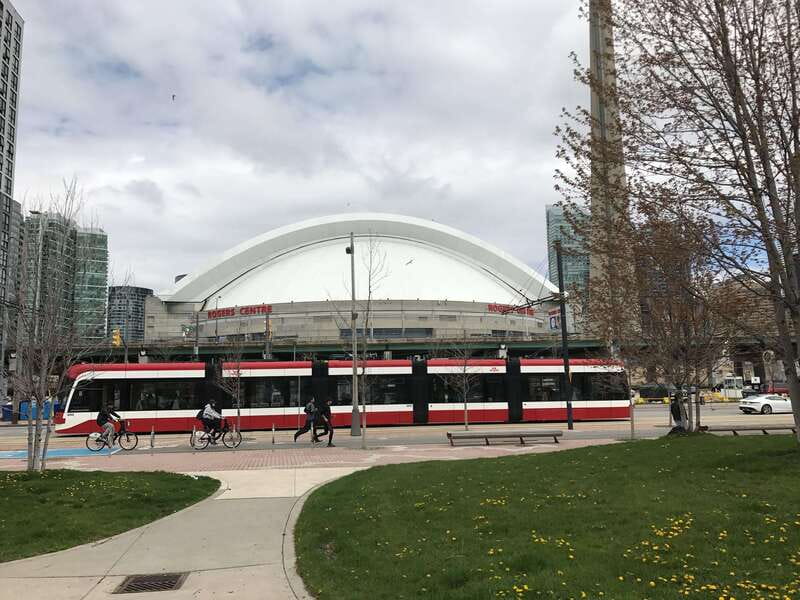
You pass major sights such as the CN Tower and Rogers Centre, known to locals as the Skydome. The tour does not include entry into those venues, so you are not waiting in ticket lines or touring interiors. Instead, you get the background that makes these buildings matter: what they represent and why Toronto built them where it did.
This is also where the guide’s humor and storytelling can really shine. When you hear the “why” behind a building rather than only the “what,” it sticks. And when it sticks, you’ll remember it later while you’re taking photos or planning your next move.
A short break at the waterfront comes next, with entry to Queen’s Quay Terminal included. Even if it is cold or gray out, this stop is still useful. It gives you a quick reset, plus a clear sense of where the downtown core sits next to Lake Ontario. If you like getting bearings, this small pause helps your brain connect the dots.
The PATH Network, from 30 km of Walkways to Connections Over 70 Towers
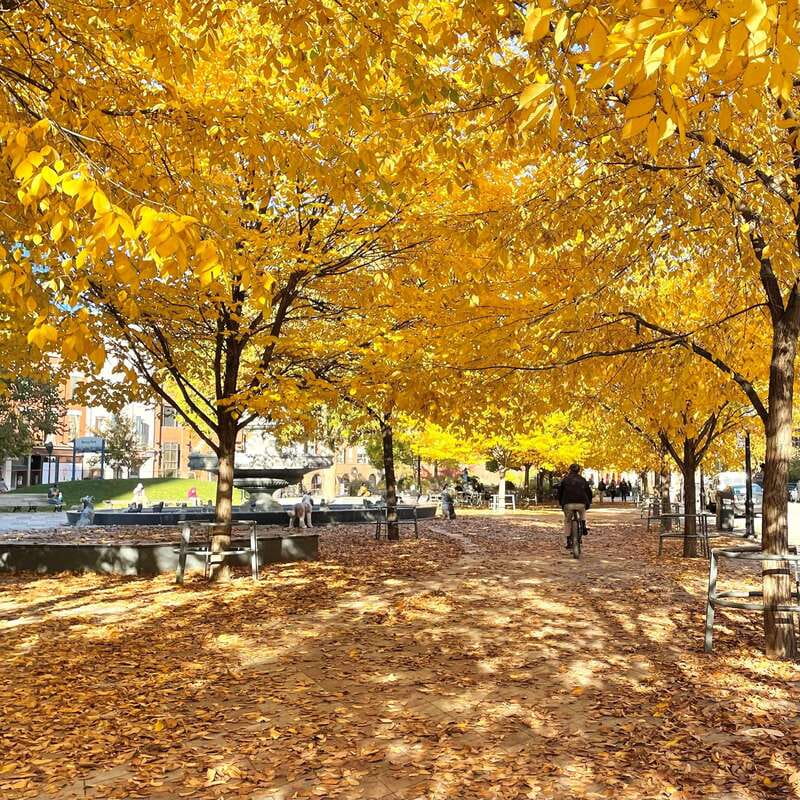
Then the tour turns into the main event: the PATH. This is Toronto’s mostly underground pedestrian network, stretching over 30 km (about 20 miles). It connects many downtown buildings, including corridors that link over 70 office towers.
For your planning, the PATH is one of the most valuable things you can learn on a short visit. Toronto winters can be long, and rain happens. The PATH gives you a way to keep moving without dressing for survival every time you change blocks. It is not just a convenience for commuters. It is also a “how downtown works” lesson.
Expect a mix of tunnel-like walking and stops where you learn what the system connects, including key transport points like subway stations. The tour route also includes entry to the PATH and includes stops tied to major downtown hubs, including Union Station.
Here are the numbers that explain why the PATH feels like its own mini-city: it includes 600 places to eat, 800 shops, 6 subway stations, and 7 hotels. That scale changes how you travel. Instead of thinking “street by street,” you start thinking “link by link,” which is a huge mindset shift for visitors.
A practical tip for you: pay attention to where you enter and exit the PATH during the tour. When you leave, you want to remember the pattern, not just the fact that it exists. After this walk, you’ll likely feel more confident picking efficient routes on your own, especially when the weather is poor.
Wider sweeps across Toronto
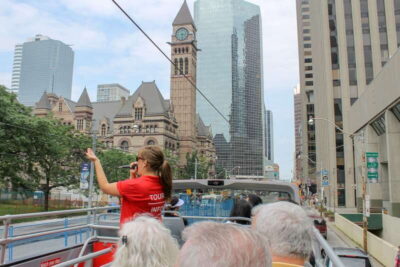


Brookfield Place and Union Station, Practical Transit With Big Architecture
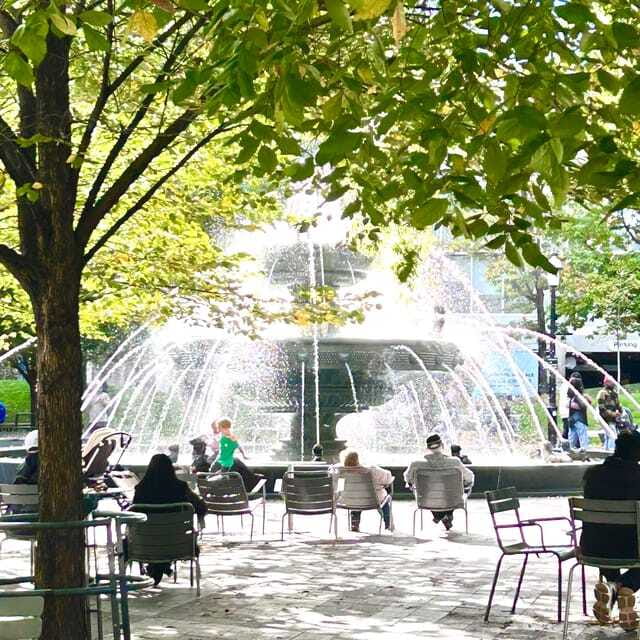
After you’ve spent time in the PATH, the tour pops you into Brookfield Place, and this is where downtown style meets real navigation.
Brookfield Place is notable for its design by Spanish architect Santiago Calatrava. You are not coming just for a photo, though there will be plenty of angles that look great. You are also learning how Toronto blends business buildings with public space. That blend is part of why downtown can feel both corporate and walkable, depending on where you stand.
The route also includes Union Station. Even if you never plan to take a train, Union Station is a major landmark for visitors because it sits at the center of movement. Understanding how your walking routes connect to transit helps you avoid the common mistake of doubling back or taking the long way when the short way is right there.
This portion is especially valuable if you have a tight schedule. You can treat it like a “downtown map lesson.” Once you know the major anchors (waterfront, station area, PATH entry points, and Brookfield Place), you can plan the rest of your trip with less guesswork.
Old Toronto Streets, Where the Vibe Changes
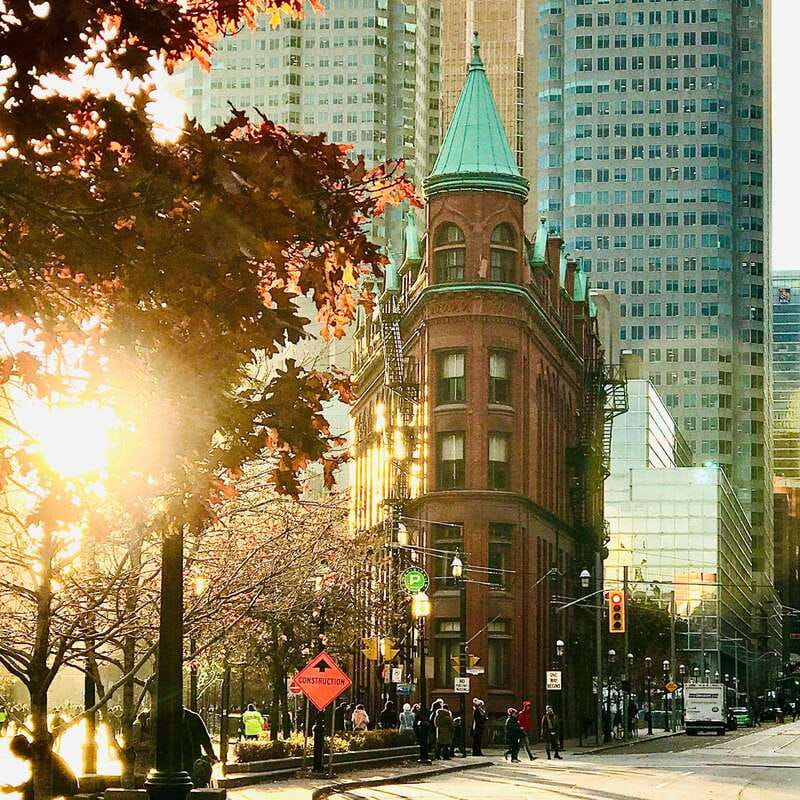
In the final third, you transition into an area described as Old Toronto. This matters because the downtown core can feel like it is all the same kind of modern development. Old Toronto gives you contrast.
You’ll see buildings that connect to the city’s 19th-century boom. The overall feel changes too. The energy becomes more grounded, less purely “business and lights,” and more like you’re walking through a part of the city that has held onto its identity longer.
This is also where the guide’s recommendations become more meaningful. When you learn what neighborhoods feel like, you make better choices later. If you want a relaxed sit-down meal after sightseeing, this is the kind of area where you can slow down.
One more practical point: this is a good segment for photos, but also for noticing details. Street-level design, the scale of buildings, and how blocks flow into each other can help you understand Toronto beyond the obvious monuments.
St. Lawrence Market as Your Finish Line, Ranked #1 for a Reason
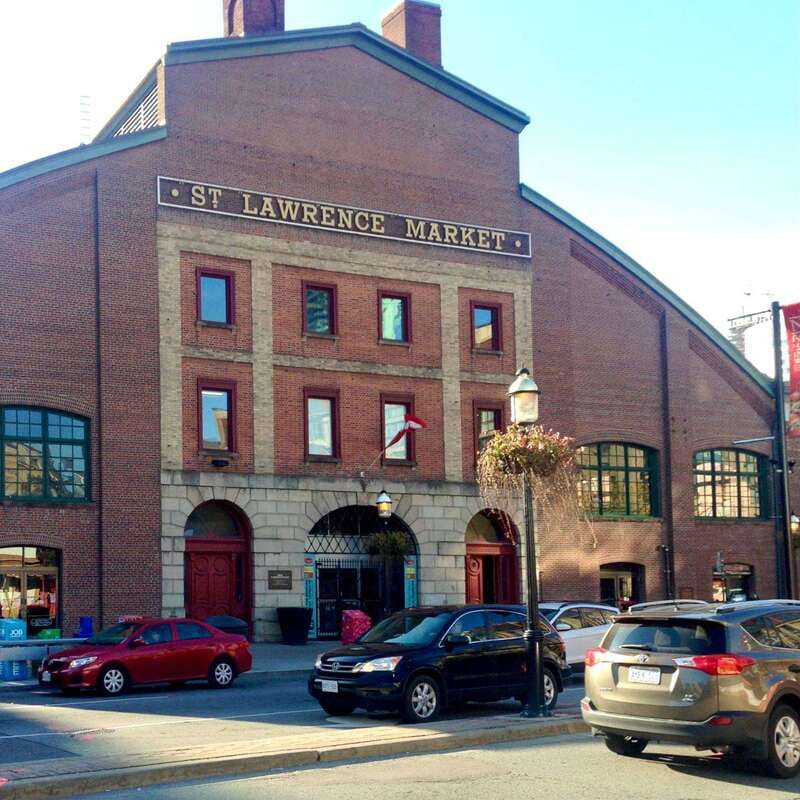
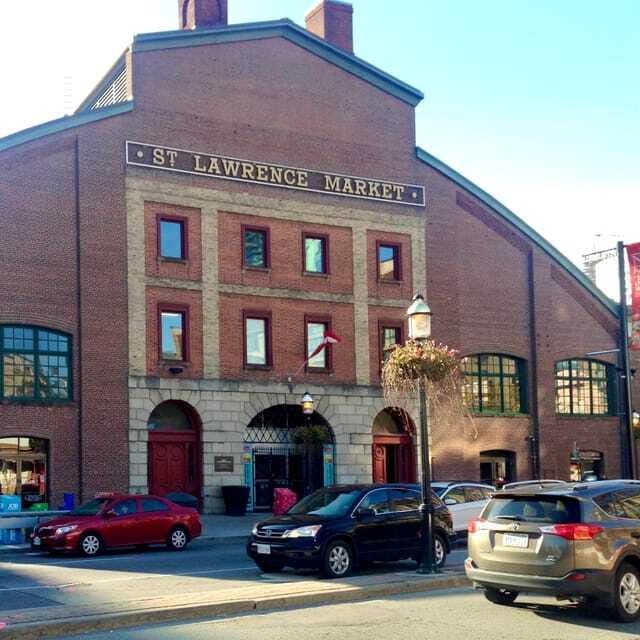
The tour ends at St. Lawrence Market, and it’s a strong finish. The market is ranked #1 in many world rankings, and the guide will point out popular venues and foods you can find there.
Even though food and drinks are not included, the payoff is real. You get to finish your walk with an activity that feels natural: eat, browse, and keep exploring at your own pace. Instead of rushing out to find lunch, you are already at a place designed for it.
For your decision-making, this ending is smart. If you’re visiting in a season where outdoor wandering is harder, you’ll appreciate having an “in-your-pocket” option at the end. And if you’re there on a weekday or weekend with crowds, you can still enjoy the atmosphere, just with more time for sampling and choosing.
A small strategy that works well here: scan first, pick second. The market can overwhelm your senses quickly. Take a minute to see what vendors are offering, then return for what you actually want.
What You Learn Beyond the Route, Including Toronto Islands Planning

This tour does more than move you around downtown. Your guide will also tell you how to get to and what to do on the Toronto Islands. That is a big deal because the Islands are one of Toronto’s best “leave the city without leaving the city” experiences, but the logistics can be confusing if you do not know where to start.
You’ll also get recommendations for the best of the city from a local guide. Because the walk covers several core areas, those recommendations tend to be practical, not generic. You can use them to build the next part of your day, whether that means choosing a museum, picking a neighbourhood for dinner, or figuring out an easier walking route back.
I like tours that give you next steps without taking over your schedule. This one aims for that, and it usually leaves you feeling less like you are following a map and more like you understand the city’s structure.
Price, Walking Pace, and Who This Tour Fits Best
The price is $38 per person for about 3 hours. For downtown walking, that is fair value, especially because your ticket covers more than “someone telling you things.” Entry is included to Queen’s Quay Terminal, the PATH, Union Station, Brookfield Place, and St. Lawrence Market.
CN Tower and Rogers Centre entry are not included, so you should not expect this to replace a major attraction ticket. But what you do get is something you cannot buy at a ticket booth: route knowledge, local wayfinding, and the kind of stories that help you remember what you saw.
Walking pace is moderate, and the tour says it works for travellers with moderate physical fitness. It is not suitable for wheelchair users and not suitable for people with low level of fitness. If you know your limits and you can comfortably walk for a few hours with stops, you’ll likely feel fine. If you need step-free access or you get tired quickly, this might frustrate you.
What to bring is simple: a camera. I’d add a couple practical extras even though they are not required. Wear comfortable shoes with decent grip, and if weather looks questionable, dress in layers. Since you’ll use mostly underground sections at times, you might want something you can adjust.
Who it’s best for:
- First-timers who want downtown to make sense fast
- Anyone who plans to use the PATH system during the rest of the trip
- People who like stories, humour, and questions as part of the experience
- Visitors who want a reliable place to end, with St. Lawrence Market ready for lunch
Who might pass:
- Anyone who cannot do sustained walking
- Anyone hoping for major attraction entry like the CN Tower or Rogers Centre interior
Should You Book This Toronto City Walking Tour?
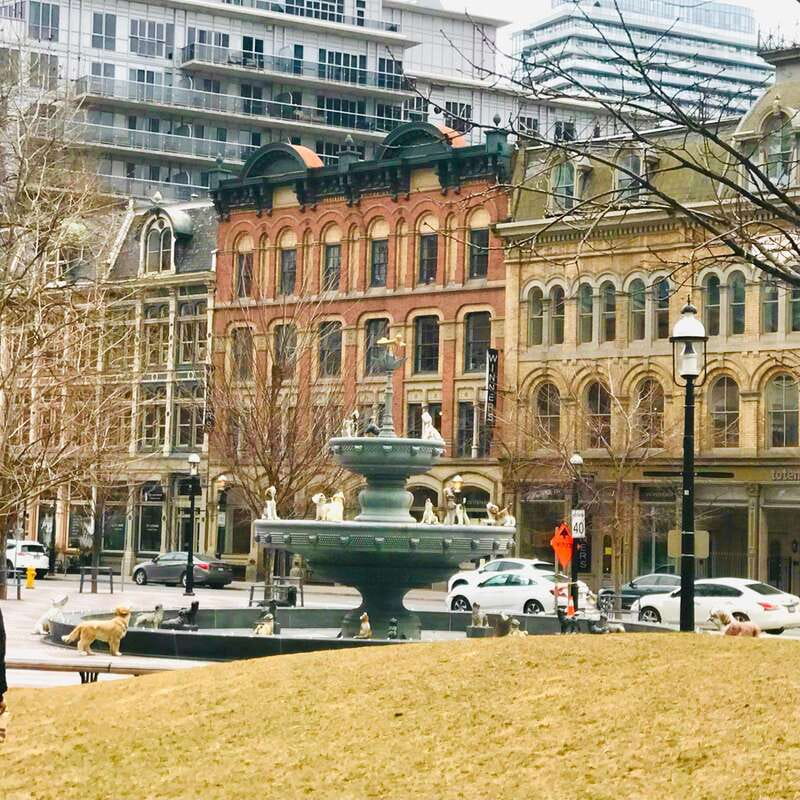
Yes, I’d book it if your goal is to understand downtown Toronto, not just check off photos. The combination of the Entertainment District start, waterfront reset, PATH network lessons, Brookfield Place architecture, and the St. Lawrence Market finish is a smart sequence. It also gives you immediate next steps, especially with the Toronto Islands planning.
Skip it if you want an attraction-heavy day with paid interior visits. This is a wayfinding and storytelling walk, and it shines most when you enjoy streets, transit hubs, and learning how a huge city is arranged.
FAQ
How long is the Toronto City Walking Tour?
It lasts 3 hours.
What is included in the price?
The tour includes a local guide, a 3-hour walking tour, and entry to Queen’s Quay Terminal, Toronto’s PATH, Union Station, Brookfield Place, and St. Lawrence Market.
Are food and drinks included?
No, food and drinks are not included.
Where does the tour meet?
You meet at the southwest corner of King Street West and Simcoe, beneath the small electronic billboard for Roy Thomson Hall.
Is the tour suitable for wheelchair users?
No. The tour is not suitable for wheelchair users.
What should I bring?
Bring a camera.
What group size should I expect?
The tour is a small group limited to 10 participants.
The Whole of Toronto in a Day




Toronto on Foot


Just off the notebook: recent Toronto write-ups
- From Toronto: Niagara Falls Guided Day Tour with Boat Cruise
★ 4.2 · 4 reviews - Toronto: Niagara Falls Day Tour with Niagara City Cruise
★ 4.5 · 4 reviews - Toronto Islands: Sunrise Breakfast Bicycle Tour
★ 5.0 · 4 reviews - Kensington Market ‘Taste the World’ Food Tour
★ 4.5 · 4 reviews - Toronto: Great White North Food Tour
★ 5.0 · 4 reviews - From Toronto: Customizable Guided Day Trip to Niagara Falls
★ 5.0 · 4 reviews
Walking Tours, compared.
 ★ 5.0Quebec City Walking TourFrom $304,716 reviews
 ★ 4.8Old Quebec City: Grand Walking Tour with Private OptionFrom $292,609 reviews
 ★ 4.5The Original Old Montréal Walking Tour by GuidatourFrom $262,217 reviews
 ★ 5.0Old Montreal Small-Group Walking Tour | Max 10 | by MTL DetoursFrom $442,088 reviews
 ★ 5.0Gastown Historic Walking Food TourFrom $1161,863 reviews
 ★ 5.0Old Quebec Classique Walking Tour with FunicularFrom $421,317 reviews
 ★ 5.0Vancouver Lost Souls of Gastown Walking TourFrom $291,273 reviews
 ★ 4.6Quebec: Crimes of New France Animated Walking TourFrom $20926 reviews
Browse the lists this tour appears in