
REVIEW · TORONTO WALKING & FOOD TOURS
Old Town Toronto Highlights 3 Hour Walking Tour | Gratuity-Based
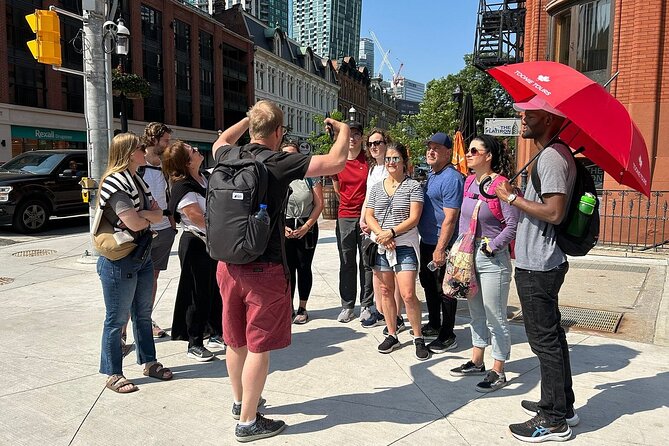
Toronto hides in plain sight. This Old Town Toronto Highlights walk threads major downtown sights with sidewalk-level stories, plus a real payoff stop underground in The PATH tunnel system. I like how the route mixes architecture you can actually see up close, and how guides share practical local tips, not just dates. One drawback to plan for: this tour can feel talk-heavy at stops, so if you prefer lots of walking with minimal explanation, you may want to manage your expectations.
A big part of the charm is that you get multiple starting times and you can choose an English or Spanish-speaking guide. The group stays capped at 30 people, so you’re not lost in a crowd, and the pace is designed to keep moving through the core of the city. With stops like Berczy Park, Old City Hall, and the Toronto sign photo moment, it works well as an orientation day, especially if you’re trying to fit Toronto into a short window.
In This Review
- Key things that make this tour a smart move
- A $5, tips-based intro to downtown that actually connects the dots
- Start at Berczy Park: the perfect warm-up with street-level character
- The Gooderham Building stop: why this flatiron is a brag-worthy landmark
- Old Toronto and the post office façade: history you can see at street height
- Financial District hour-in-miniature: banks, design choices, and skyline scale
- The PATH tunnel system: the smartest reason to do this tour in winter
- Old City Hall and E.J. Lennox: the Renaissance details that repay your attention
- Campbell House Museum stop: maple syrup talk and a reason to return
- Entertainment District to Terry Fox: murals, CN Tower glimpses, and street-level heroism
- Toronto sign photos, Brookfield Place, and the theatre and TIFF stretch
- Nathan Phillips Square to Toronto Union: where the tour finishes and your trip plan starts
- Guides you might meet: the personality that turns stops into stories
- Walking pace, breaks, and who should plan ahead
- Price value: why $5 can still be a smart splurge
- Should you book this Old Town Toronto walking tour?
- FAQ
- Is the tour offered in English and Spanish?
- How long is the Old Town Toronto highlights walking tour?
- Where do I meet and where does the tour end?
- What is included with the tour price?
- Is gratuity included in the price?
- Can I cancel for a refund?
Key things that make this tour a smart move
- The PATH tunnel detour: you walk through Toronto’s underground connections, with building-to-building style differences you can spot.
- Stories at real street corners: parks, façades, and civic buildings each get a clear “why it matters” explanation.
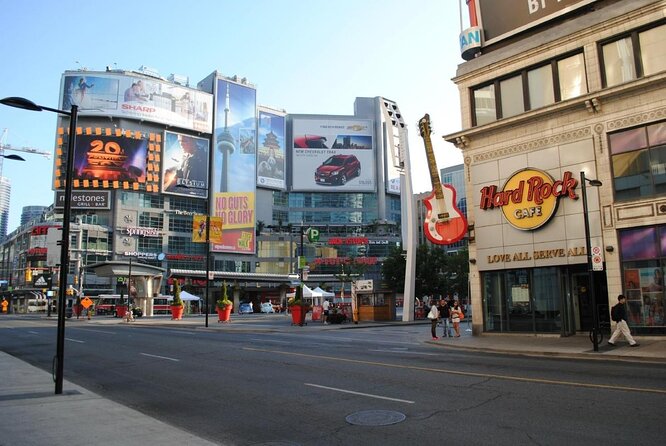
- Photo-friendly timing: you hit landmark moments like the Toronto sign, with time built in for a quick break.
- Guides who interact: the best sessions turn the group into a conversation, not a lecture.
- Value that depends on the tip: the $5 price is low, but you should budget for gratuity at the end.
More of Toronto covered on foot and by fork
- Toronto’s International Food Tour – Kensington Market★ 5.0 · 786 reviews
- Toronto: St Lawrence Market Food Tour with 6 Food Tastings★ 5.0 · 685 reviews
- Toronto’s First Food Tour: Taste the World in Kensington Market★ 5.0 · 526 reviews
- Downtown Toronto Bike Tour★ 5.0 · 336 reviews
A $5, tips-based intro to downtown that actually connects the dots
This is a gratuity-based walking tour, with a base price of $5 per person. That low ticket price is a strong value for the time you get, but it also means the real equation is how much you’re willing to tip your guide for the work they do on the day.
What you’re paying for is an organized route, a guide who has thought through the order of stops, and the kind of context that makes a city feel less like a list and more like a place. You’ll also get local recommendations and tips, which can save you time later when you’re deciding where to go next.
Logistically, it helps that you can pick from different starting times and that your ticket is mobile. You’ll meet at Berczy Park and the tour ends back at the same meeting point, which makes it easy to pivot to dinner plans or hop on transit right after.
Group size matters here. With a maximum of 30 people, you’re far more likely to hear the guide clearly and keep up at turns than on giant group city bus tours. Still, it’s a walking tour, so you’ll want comfy shoes and a realistic view of effort.
Start at Berczy Park: the perfect warm-up with street-level character
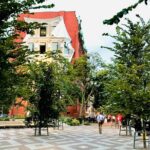
The tour begins at Berczy Park near Wellington Street East, and it’s a great way to get your bearings. The park feels whimsical in a low-key Toronto way, and the guide uses it to set the tone: local stories, small details, and a few “you’d miss this on your own” facts.
You’ll learn about William Berczy and get time to look closely at the dog fountain. Even if parks are not your main attraction, it’s a smart first stop because it’s not rushed and it anchors the rest of the day in older Toronto identity.
The only “watch out” here is seasonal. On cold or rainy days, this is an outdoor start, so have your layers ready and be ready for that early exposure before you head into more sheltered downtown moments.
The Gooderham Building stop: why this flatiron is a brag-worthy landmark
Next comes the Gooderham (Flatiron) Building. This is the kind of architecture stop that rewards you even if you’re not a serious building nerd. The guide ties it to Front Street, the red brick look, and why this particular building became such a standout success for the city.
What I appreciate about this stop is the framing. Instead of only pointing out the shape, the guide connects it to the idea of Toronto building ambition and cost, including how it was considered among the most expensive buildings in Canada at the time it was built.
It’s brief, but it works because you get a visual takeaway: a building you’ll recognize later even if you forget every date.
Toronto at walking pace, a few more routes
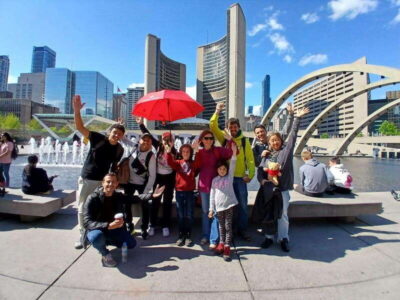
Old Toronto and the post office façade: history you can see at street height
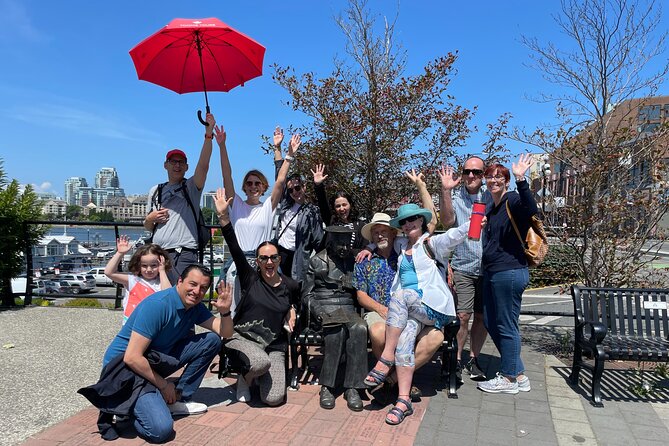
After the Gooderham Building, you move into Old Toronto, focused on historic-looking façades and their stories. You’ll pause for time near the Old Toronto Post Office, with the extra fun angle that it may be used as a film or TV setting, depending on what’s happening at the time.
This is one of those stops that can feel like “just looking at buildings” if your guide isn’t active. The good news is that the structure here encourages the guide to point out details on the street-level view, so you’re not just walking past a pretty façade. You’re learning what to notice.
If you’re the kind of person who likes quick historical context without reading a plaque for 20 minutes, this is a solid fit.
Financial District hour-in-miniature: banks, design choices, and skyline scale
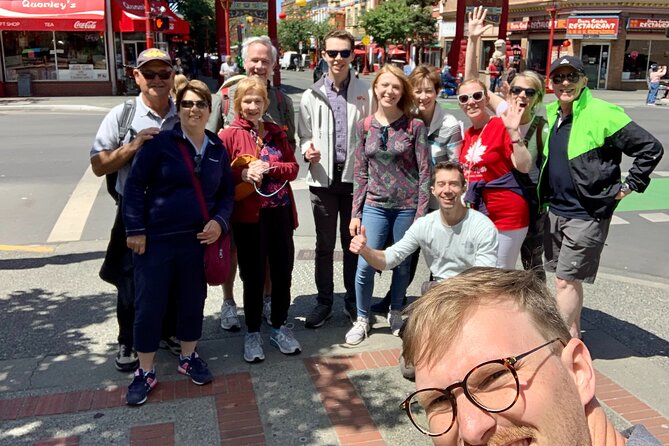
Then you’re in the Financial District, where the stops get more vertical and more visual. You’ll see the towering skyscrapers and learn how Canada’s big banks have their headquarters in these blocks. The guide also talks about practical design choices, including window tint colors and why they were chosen for the area.
This stop does two things well. First, it helps you understand downtown power without turning the tour into a finance class. Second, it gets you to look up and notice the details in the skyline, including how materials create that metallic feeling in the open air.
If you’re expecting a lot of time indoors, don’t. This section is built for outdoor observation, which is great on clear days, but you’ll want a hat, water, and sun protection in summer.
The PATH tunnel system: the smartest reason to do this tour in winter
The big standout is The PATH, Toronto’s underground tunnel system. You’ll go underground from Commerce Court and walk through the maze for a stretch, with time built in for the guide to explain how downtown buildings connect and why the underground experience feels different from above.
The practical value is obvious if you’ve ever tried walking downtown in snow or heavy weather. One review-style theme in the experience is that The PATH is useful when the weather turns, and you’ll get the sense of why locals treat it as a parallel downtown.
You’ll also learn something very visual and specific: the styles of each PATH segment can vary because building owners make choices that reflect their building identity. That means you can actually see the change as you move, rather than it all blending into the same corridor.
If you love cities with layered transit and hidden routes, this stop gives you a Toronto-specific secret without needing a special ticket or extra entry fee.
Old City Hall and E.J. Lennox: the Renaissance details that repay your attention
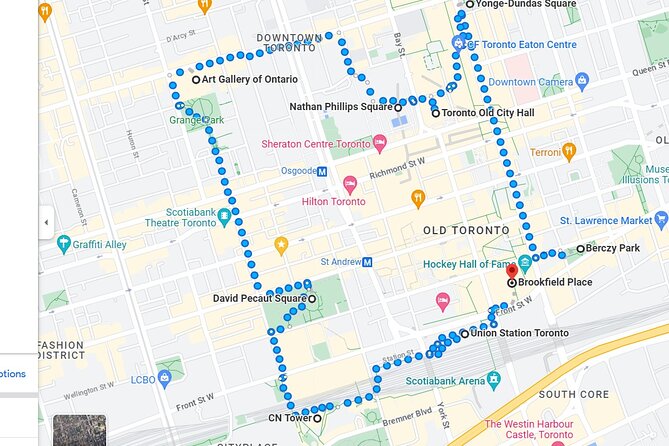
Back on the surface, you reach Old City Hall, where the architecture shifts into Renaissance style. This is a classic Toronto landmark stop, but what makes it work on this tour is that the guide focuses on hidden details, not just the big façade.
The guide attributes the masterpiece to E.J. Lennox and brings in the story element of his relationship with city councilors, then ties that to what you can still notice today. Even if you only catch a few details, you’ll leave knowing that this building was designed with intention.
This is another stop where your experience can depend on your guide’s pace. If you like longer explanation, you’ll enjoy it. If you prefer to stay in motion, keep your eyes on your group and don’t let the story time make you lose your energy for the final stretch.
Campbell House Museum stop: maple syrup talk and a reason to return
Next, you’ll hit Campbell House Museum for a factual, friendly stop outside. The house dates to 1822, and even though you don’t go inside on this walk, the guide uses the time to make you want to come back.
You’ll hear about maple syrup and also a Canada Life weather tower you can spot in the distance, which is a neat way to connect downtown buildings with Canadian identity. There’s also a focus on Court Justice Campbell and why he became legendary.
This stop is valuable because it’s a “preview,” not a dead end. If you want a deeper museum visit later, the tour plants that idea without forcing you to buy another ticket during the walking session.
Entertainment District to Terry Fox: murals, CN Tower glimpses, and street-level heroism
The Entertainment District section brings a noticeable change in feel. Street art murals appear, music venues become more obvious, and the CN Tower becomes a recurring visual anchor, even if it’s only peeking above buildings at the right moment.
This stop is also where the tour’s storytelling fits your real-life planning. The guide shares what the area is like at night, including nightlife and theatre options, so you can make a smart call later rather than guessing.
Then you’ll move to David Pecaut Square and the Eternal Flame of Hope for the Disabled. This is the Terry Fox stop, where you’ll hear the story of his diagnosis and how his decisions after that shaped Canada. It’s emotional in a low-key, sidewalk-friendly way, which is exactly how good downtown memorials work.
If you’re traveling with teens or family, this is one of the stops that has meaning beyond architecture, but it still stays grounded in what you can see around you.
Toronto sign photos, Brookfield Place, and the theatre and TIFF stretch
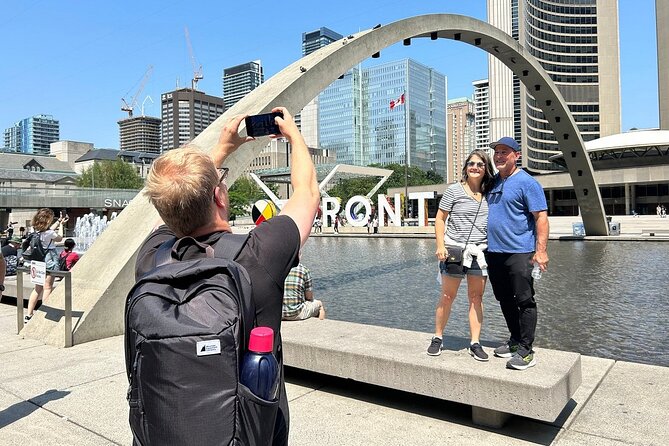
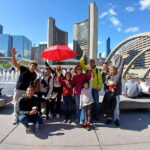
After Terry Fox, you’ll get a classic Toronto photo moment at the Toronto Sign in Nathan Phillips Square. Some tours treat this like a quick stop. Here, you get time for photos and a short break, and one of the nicest parts is that the guide often helps the group stay organized for pictures.
A bit later you’ll reach Brookfield Place, where the high ceilings and interior-style architecture create a different visual mood from the older brick and civic structures earlier in the day. The guide points out features like white arches and historic banking style details.
From there, the tour connects the dots to Canadian sports culture and the Hockey Hall of Fame. It’s a quick theme shift, but it helps you see Toronto as more than politics and office towers.
Between Brookfield Place and the Nathan Phillips Square area, the route also passes major performance spaces, including an intimate concert venue known for its acoustics and tied to the Toronto Symphony Orchestra. You’ll also see a grand Beaux Arts theatre used for touring plays and musicals, plus the theatre zone connected with where the TIFF festival takes place.
I like this part because it’s practical. Even without going inside, you get a sense of the geography of Toronto’s cultural calendar, which helps when you start looking up showtimes later.
Nathan Phillips Square to Toronto Union: where the tour finishes and your trip plan starts
You’ll finish at Nathan Phillips Square, with time built in to rest and handle practical needs like using a public toilet and grabbing food if you want it. The guide notes the square’s role in markets and protests, so you understand it as a public stage, not just a scenic plaza.
Finally, you end at Toronto Union, a busy transit hub near the Royal York Fairmont. The guide explains how Union Station and its connection to the surrounding streets shaped the city and how it ties into The PATH. This is also where you can ask the practical transport questions you’ve been saving: TTC, GO Train, VIA Rail, and bus options.
That end-stop is worth more than it sounds. It turns the walk into an orientation tool, not just a set of snapshots.
Guides you might meet: the personality that turns stops into stories
The quality of this kind of tour depends on the guide, and the experience shows a clear pattern of guides who make people talk and laugh a little. In past sessions I’ve seen names like Alex and Maria linked to strong engagement, including guides using photo books to help you visualize history.
I’ve also seen Joel and Maya praised for pacing and for keeping the group involved. Maya’s style is described as witty with trivia that makes downtown feel like a story you’re participating in, and Joel has a reputation for helping with photos at the Toronto sign moment.
Other names that come up include Zak for clear historical and architectural focus, Dwight for passion, Henry for keeping the story going even when the CN Tower was fogged in, and Wei Ting for turning downtown landmarks into an easy, organized introduction.
If you want the experience to feel social, pay attention when your guide prompts the group. That interaction is one of the biggest reasons this tour tends to feel smooth instead of stiff.
Walking pace, breaks, and who should plan ahead
This is a walking tour, and you should plan for real distance. In one experience, the walk was described as about 7 km over the full session.
There are breaks, including a rest around the Toronto sign area after roughly two hours. Still, you may spend long stretches on your feet, and at each stop the guide will slow down for explanation.
One negative theme you should consider: some people found the pace of storytelling left less time walking than expected, especially early on. Another issue was group management, where the guide’s pace felt fast enough to separate people at corners. If that matters to you, stay close, and don’t let your phone distract you right when the group turns.
If mobility is a factor, plan carefully. In one situation, a participant needed seating opportunities and had to ask multiple times before benches were considered. If you think you’ll need that kind of accommodation, you’ll have a better day if you go in with a realistic plan and bring what you need.
For most people, though, the walking is manageable with good shoes, water, and a little patience for stop-by-stop storytelling.
Price value: why $5 can still be a smart splurge
At $5, the ticket price feels almost too low for an organized three-hour route through downtown. The value comes from three things that cost money in time: guide labor, pre-planned routing, and the explanation that makes each location understandable.
Then there’s the gratuity side. Because the tour is tips-based, you should assume the guide expects gratuity as part of your overall cost. In one review, people referenced a suggested tip amount around $30, which gives you a rough sense of the expectation.
If you budget for the tip and you show up ready to walk and listen, this is one of the better value ways to learn a city center fast.
Should you book this Old Town Toronto walking tour?
Book it if you want a first-time downtown orientation that mixes architecture, civic landmarks, and street-level stories. It also fits well if you want to understand how Toronto connects above ground with The PATH underground, especially in colder months.
Skip it if you hate stop-and-talk tours, have limited mobility, or expect a strictly walking-focused format with minimal explanation. In that case, you might feel frustrated if the group spends too long at early stops or if the pace and spacing don’t suit your needs.
If you do book it, my best advice is simple: wear comfortable shoes, bring water, and treat the tour like your planning shortcut for the rest of Toronto that same day.
FAQ
Is the tour offered in English and Spanish?
Yes. The tour is available with English-speaking guides, and Spanish-speaking guides when Spanish is selected.
How long is the Old Town Toronto highlights walking tour?
The duration is about 3 hours.
Where do I meet and where does the tour end?
You meet at Berczy Park, 35 Wellington St E, Toronto, ON M5E 1C6. The tour ends back at the meeting point.
What is included with the tour price?
Included items are a personable guide (Spanish if selected), passionately researched history and culture, an easy and direct route through Old Town Toronto, and local recommendations and tips.
Is gratuity included in the price?
No. The tour is gratuity-based, and the fees paid cover booking fees, while gratuities go to the guides.
Can I cancel for a refund?
Yes. You can cancel up to 24 hours in advance for a full refund. If you cancel less than 24 hours before the start time, the amount you paid is not refunded.
Toronto on Foot


Toronto on Foot and by Fork



Just off the notebook: recent Toronto write-ups
- From Toronto: Niagara Falls Guided Day Tour with Boat Cruise
★ 4.2 · 4 reviews - Toronto: Niagara Falls Day Tour with Niagara City Cruise
★ 4.5 · 4 reviews - Toronto Islands: Sunrise Breakfast Bicycle Tour
★ 5.0 · 4 reviews - Kensington Market ‘Taste the World’ Food Tour
★ 4.5 · 4 reviews - Toronto: Great White North Food Tour
★ 5.0 · 4 reviews - From Toronto: Customizable Guided Day Trip to Niagara Falls
★ 5.0 · 4 reviews
Toronto Walking & Food Tours, compared.
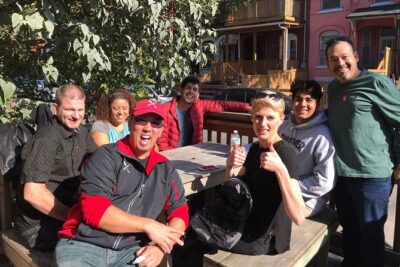 ★ 5.0Toronto’s International Food Tour – Kensington MarketFrom $82786 reviews
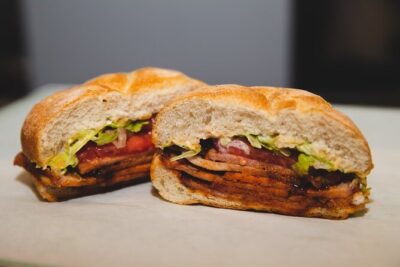 ★ 5.0Toronto: St Lawrence Market Food Tour with 6 Food TastingsFrom $73685 reviews
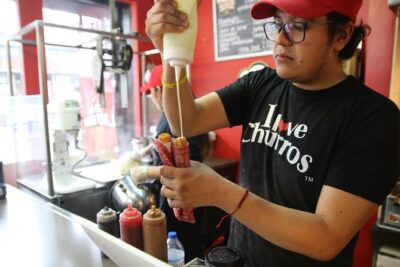 ★ 5.0Toronto’s First Food Tour: Taste the World in Kensington MarketFrom $74526 reviews
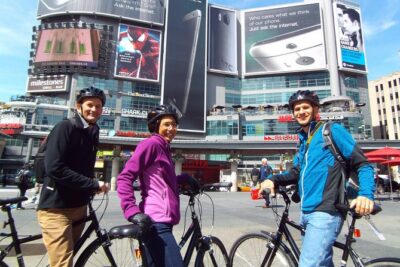 ★ 5.0Downtown Toronto Bike TourFrom $93336 reviews
 ★ 5.0Toronto Distillery District Walking TourFrom $21327 reviews
 ★ 4.8Toronto: Distillery District Historic Walking TourFrom $20267 reviews
 ★ 5.030-Minute Distillery District Segway TourFrom $36214 reviews
 ★ 4.7Toronto: St Lawrence Market Food Tour with 6 TastingsFrom $78168 reviews
Browse the lists this tour appears in