
REVIEW · OLD QUEBEC CITY WALKING TOURS
Quebec City: Winter Walking Tour in Old Quebec
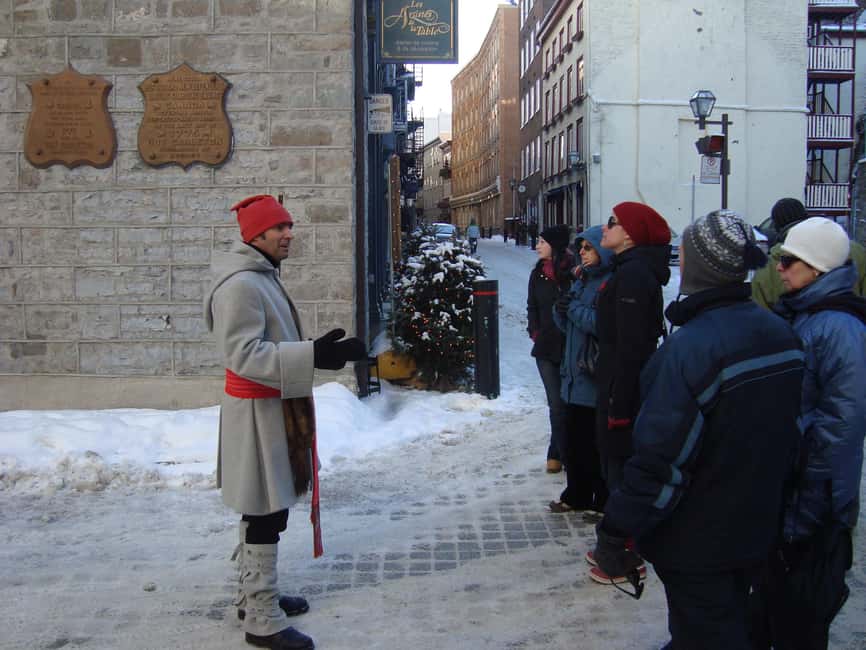
Snow helps you see Old Quebec differently. This 90-minute Old Quebec winter walking tour leans into winter life, with a period-costumed guide and story-led stops that make the streets feel alive. I love how it gives you quick Dufferin Terrace perspective over the St-Lawrence, so the city stops being a postcard and starts feeling navigable.
My second favorite part is the way it links the Upper and Lower Town together, inside and outside Quebec’s fortifications, so you learn what to look for as you wander afterward. You will pass the big icons, like Fairmont le Château Frontenac, and the main religious and civic landmarks, including Holy Trinity Cathedral. The one drawback to plan for is that the guide packs in a lot of 400-plus-year context, so first-time history buffs might find the pace a bit heavy.
In This Review
- Quick hits before you go
- A Winter Walking Tour That Gives You Bearings in Vieux-Québec
- Snowy Streets, Château Frontenac, and Dufferin Terrace Views
- Upper Town Inside the Fortifications: Squares, Monuments, Churches
- Lower Town Walk and the Petit-Champlain District at River Level
- Period-Costumed Stories: What You Learn Beyond the Facts
- Price and Logistics: $22 for a Guided Old Quebec Orientation
- How to Get the Most From It in Winter
- Best For Who and Not So Great For Who
- Should You Book This Old Quebec Winter Tour?
- FAQ
- What is the duration of the Old Quebec Winter Walking Tour?
- How much does the Quebec City winter walking tour cost?
- Does the tour run in bad weather?
- What languages are available for the live tour guide?
- Where do I meet the guide?
- Is the tour wheelchair accessible?
- What if I need to change my plans?
Quick hits before you go
- 400 years of Old Quebec in walking form, with a guide in character
- Upper and Lower Town coverage, including areas inside and outside the fortifications
- Big photo moments at Fairmont le Château Frontenac and Dufferin Terrace
- Landmarks with stories, including Holy Trinity Cathedral and Notre-Dame-de-Québec
- Petit-Champlain District at river level, tied to French roots in North America
More walks inside the walls of Old Quebec
- Quebec City Walking Tour★ 5.0 · 4,716 reviews
- Quebec City: Guided Tour of Fairmont Le Château Frontenac★ 4.7 · 3,027 reviews
- Québec City: Guided Sightseeing River Cruise★ 4.4 · 3,000 reviews
- Half-Day Trip to Montmorency Falls and Ste-Anne-de-Beaupré from Quebec city★ 4.0 · 2,718 reviews
A Winter Walking Tour That Gives You Bearings in Vieux-Québec
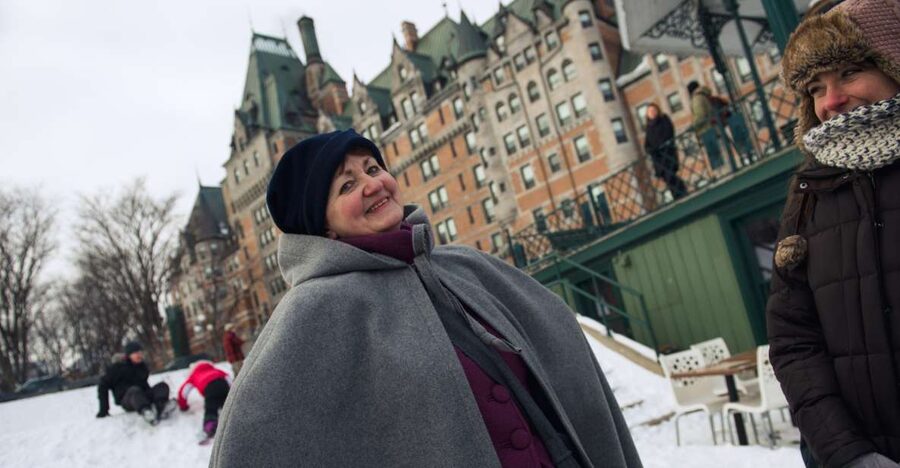
Old Quebec in winter is not just cold weather and white rooftops. It changes how you read the city. Streets feel narrower, viewpoints feel bigger, and every stone corner seems to have a job, like it was built for winter life, not summer comfort.
That is what I like about this tour format. You get a guided route that connects the walled city to the lower areas, so you are not just collecting sights. You are learning the logic of where things sit, why certain landmarks matter, and how people have lived through Canadian winters for generations.
And because it is a winter walking tour, the experience is built around pace and attention, not skipping from one photo spot to the next. The guide is there to help you understand what you are seeing, while the city’s winter mood does the rest.
Snowy Streets, Château Frontenac, and Dufferin Terrace Views
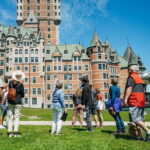
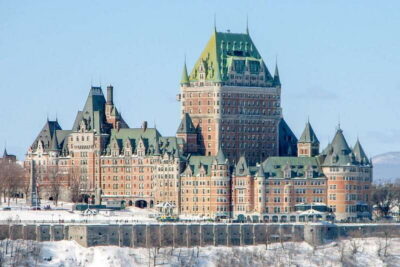
The walking starts with snowy streets inside the walled city. You will admire the famous Fairmont le Château Frontenac, which works even better in winter because the scale of the building feels dramatic against the white. This is a stop for orientation too. Once you understand where Frontenac sits, the rest of your Old Quebec wandering becomes clearer.
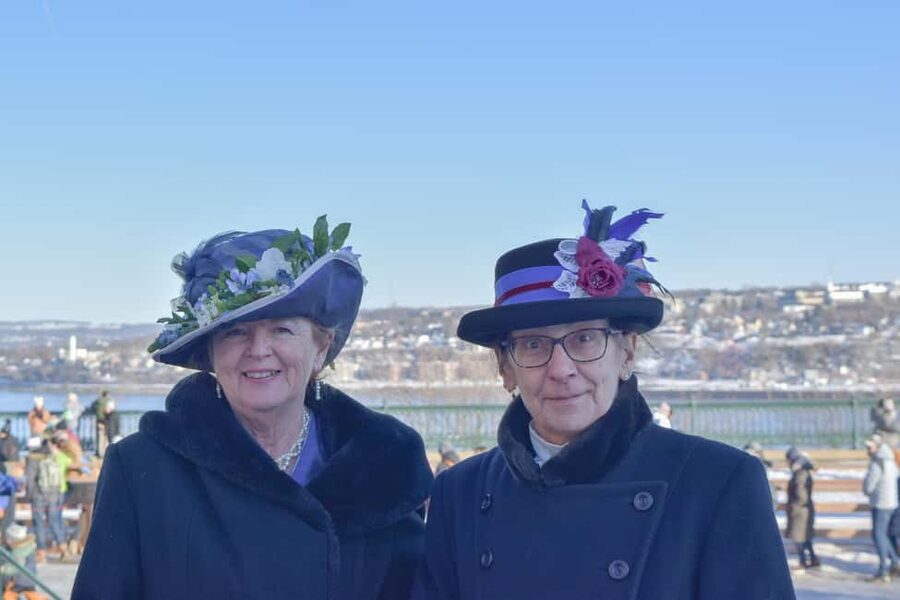
Then you head to Dufferin Terrace, one of the most dependable “wow” moments in the area. The value here is not only the view itself, but what it teaches you about Quebec’s geography. From that terrace level, the St-Lawrence River makes the city’s setting click in a single glance.
Practical note: winter terraces and steps can be slick. Wear boots that handle ice and bring gloves you actually like wearing. You will be happier when you are not thinking about your footing every ten seconds.
Upper Town Inside the Fortifications: Squares, Monuments, Churches
One reason this tour is worth your time is that it does not treat the fortifications like an optional background. You spend time in areas that feel clearly “inside,” where the city’s historic structure shapes the experience.
As you walk, you will pass public squares and monuments. These are not random stops. In Old Quebec, civic space is part of how the story gets told. Squares act like meeting points and memory anchors, so the guide’s explanations help you notice details you would likely miss on your own.
You also walk by major churches, including Holy Trinity Cathedral and Notre-Dame-de-Québec Cathedral and Basilica. Since the tour is described as a walking experience, expect to see these landmarks from the street level rather than a sit-down museum visit. That said, walking past them in winter still makes sense. The architecture reads well in cold light, and the guide’s period context helps you understand why people built monumental religious landmarks where they did.
If you have never visited Quebec before, this Upper Town stretch is where you start building your mental map.
More trails worth breaking in winter
Lower Town Walk and the Petit-Champlain District at River Level
After you get your bearings in the Upper Town, the tour shifts toward the Petit-Champlain District. This is where you see how the city’s character changes as you move closer to the St-Lawrence.
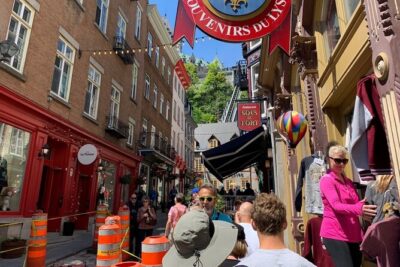
Petit-Champlain is described as the cradle of the French fact in North America. I like that framing because it turns the stroll into something more than scenery. You start to understand that this neighborhood was not just developed for tourists, it reflects a long-lasting French presence, with the city’s layout and street feel doing some of the storytelling for the guide.
The tour takes you down to the level of the St-Lawrence River, which matters in winter. Lower areas feel more exposed to wind off the water. That makes the viewpoint stops feel earned, and it gives you a sense of how winter weather would have shaped daily routines.
One small consideration: the whole tour is only 90 minutes. So while you will see the Petit-Champlain area, you may still want to linger afterward if you fall for the narrow lanes and the river-adjacent mood.
Period-Costumed Stories: What You Learn Beyond the Facts
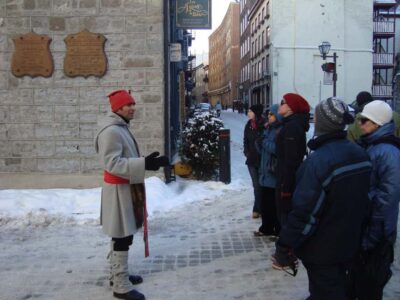
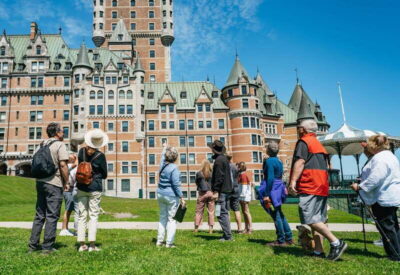
This is a historical walking tour led by a local guide, and the key difference is tone. You are not just hearing dates and names. You are experiencing the city through an interpretive lens, including winter life and how people adapted to the cold.
The experience is tied to a specific idea: winter is in Quebec City’s DNA. That means the guide talks about nordicity, the cold, and how the community adapted. You can feel the logic of that in Old Quebec. Narrow streets, protected areas, and the way neighborhoods relate to major landmarks all make more sense once someone explains the lived reality behind them.
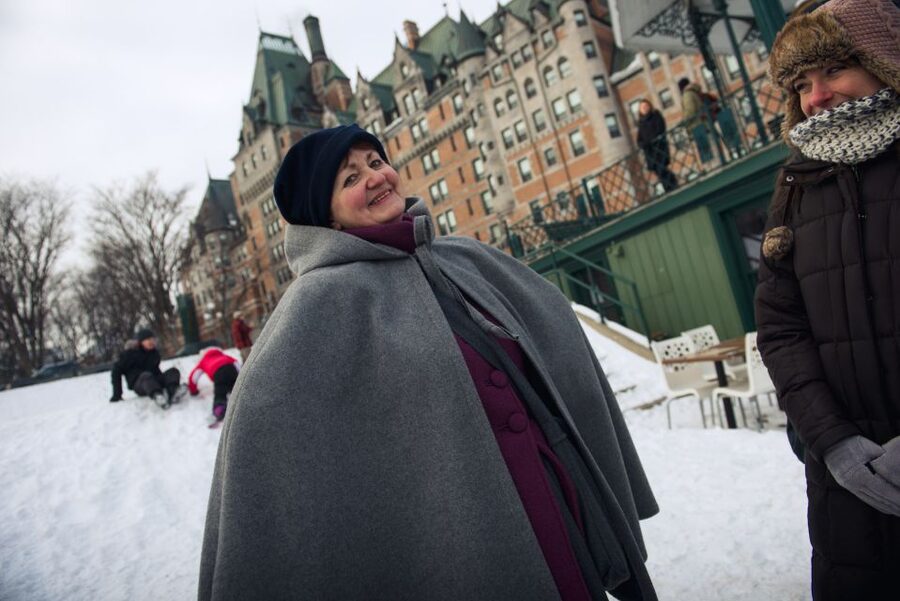
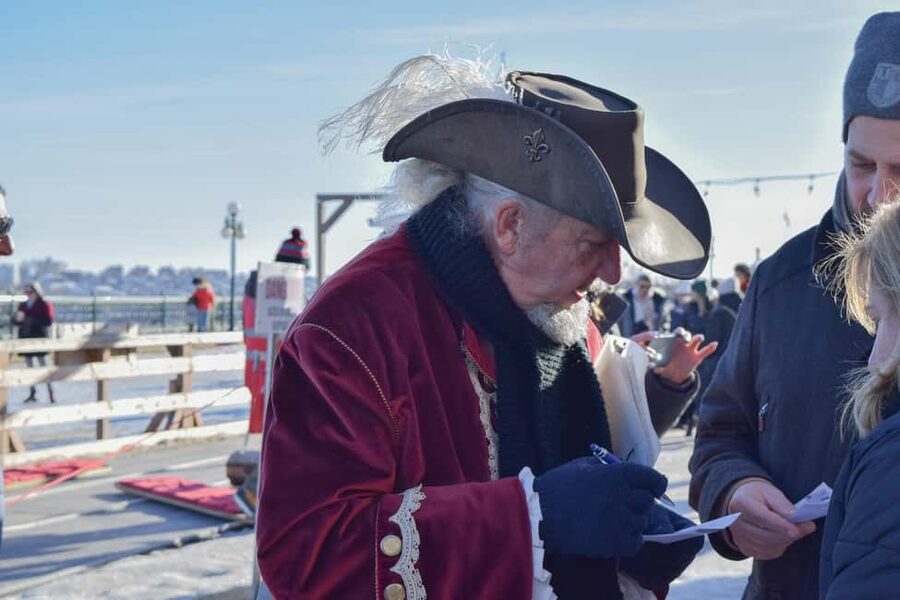
You might get a guide who dresses in character. One recent guest specifically praised Chantelle for being dressed in character, engaging, and jolly, and for delivering entertaining stories that still felt informative. That kind of delivery changes the whole tone of a walking tour, because it keeps you listening instead of just trudging along.
If you are new to Quebec history, pace can be the only issue. One review mentioned it can be a bit difficult to follow if you are not already familiar with Quebec’s background. The fix is simple: go in with a basic curiosity, and do not worry if you do not catch every detail the first time. You can always repeat the theme on your own while you explore.
Price and Logistics: $22 for a Guided Old Quebec Orientation
At $22 per person for a 90-minute winter walking tour, the value is mostly about guided orientation. In Old Quebec, it is easy to wander for an hour and still feel like you saw a lot of stone and not much meaning. Here, the guide gives context as you move, so landmarks become part of one story instead of scattered stops.
You also get practical coverage. The tour includes time in both Upper and Lower Town, inside and outside the fortifications. It also covers high-impact locations such as Fairmont le Château Frontenac, Dufferin Terrace, and major church landmarks. For many visitors, that combination is the difference between returning home with photos and returning home with a real sense of the city.
Languages are also a value point. The tour runs with live guiding in English and French, so you are less likely to feel like you are missing half the story.
Weather note: it takes place rain or shine. In winter, that is not just a policy detail. It changes how you should pack. Dress for cold conditions, not for perfect scenery. Bring layers, and treat comfort as part of your itinerary.
How to Get the Most From It in Winter
This tour is short, so your job is to be ready to walk smart. In winter, comfort is not a luxury, it is what lets you pay attention to the guide instead of spending the tour adjusting your gloves.
A few practical tips that make a real difference:
- Wear traction-ready boots. Snow and ice happen fast around stone streets and terrace areas.
- Layer up. You will warm up while walking and cool down at viewpoints.
- Bring gloves and a hat you can keep on. If you keep stopping to readjust, you miss the story.
- Keep your camera or phone accessible, especially for Frontenac and Dufferin Terrace. Views are part of how the guide explains the city’s setup.
- If history is new to you, pick one or two themes to focus on during the walk, like fortifications or French roots. Let the rest soak in without pressure.
This is also a good tour to do earlier in your trip. It gives you bearings fast, so your later self-guided exploring feels easier and less like guesswork.
Best For Who and Not So Great For Who
I think this tour fits best for visitors who want a guided introduction to Old Quebec without committing to a long day. If you are only in town for a short time, 90 minutes is a sweet spot. It covers a lot of key areas and explains what you are seeing while winter adds drama and clarity.
It is also a great pick if you like stories and human context. The guide’s focus on winter life and how people adapted is what turns the walking route into something memorable.
Where I would be more cautious is for people who get overwhelmed by history talk. One review noted that it can be difficult to follow for novices of Quebec history. If that is you, try going in with a little background reading, or choose to focus on the physical landmarks and the winter-living theme rather than trying to memorize everything.
Should You Book This Old Quebec Winter Tour?
Yes, if you want a practical, story-led orientation to Old Quebec in winter. For $22, you get a guided walk that covers Upper and Lower Town, includes inside and outside fortification areas, and hits major landmarks like Château Frontenac, Dufferin Terrace, and important churches. The period-costumed style, plus the engaging delivery praised by guests like Chantelle, is the ingredient that makes the tour feel fun as well as useful.
You might skip it only if you are someone who prefers slow, open-ended wandering where you can linger at every stop for a long time. The tour is timed, and one guest said they would have liked to walk more. If you want the longest possible exploration, consider pairing this with extra self-guided time afterward in Petit-Champlain.
FAQ
What is the duration of the Old Quebec Winter Walking Tour?
The tour lasts 90 minutes.
How much does the Quebec City winter walking tour cost?
It costs $22 per person.
Does the tour run in bad weather?
Yes. This tour takes place rain or shine.
What languages are available for the live tour guide?
The guide offers tours in English and French.
Where do I meet the guide?
The meeting point may vary depending on the option you booked.
Is the tour wheelchair accessible?
Yes, it is wheelchair accessible.
What if I need to change my plans?
You can cancel up to 24 hours in advance for a full refund. You can also reserve now and pay later.
Quebec City on Foot



Trails Worth Breaking


Inside the Walls of Old Quebec


Just off the notebook: recent Quebec City write-ups
- Quebec City: Historic District Walking Tour (2h)
★ 5.0 · 4 reviews - Quebec City: Fat Bike Guided Tour
★ 4.7 · 4 reviews - Quebec City Photo Tour
★ 5.0 · 5 reviews - Experience île d’Orléans and the falls with a local guide
★ 4.5 · 5 reviews - Private Québec City walking tour with Lenny.
★ 5.0 · 5 reviews - Heritage Upper Town E-Bike Tour
★ 5.0 · 6 reviews
Old Quebec City Walking Tours, compared.
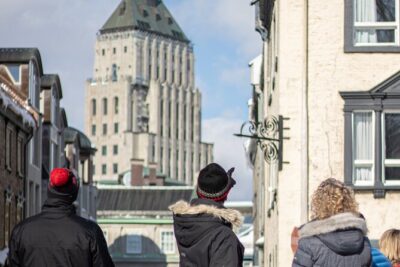 ★ 5.0Quebec City Walking TourFrom $304,716 reviews
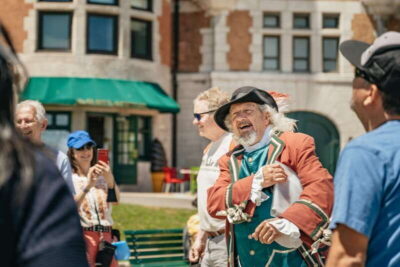 ★ 4.7Quebec City: Guided Tour of Fairmont Le Château FrontenacFrom $193,027 reviews
 ★ 4.4Québec City: Guided Sightseeing River CruiseFrom $473,000 reviews
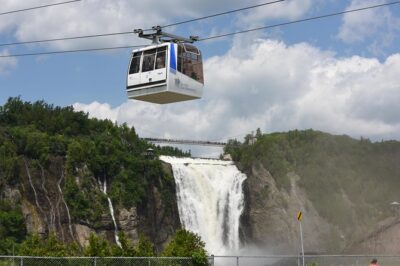 ★ 4.0Half-Day Trip to Montmorency Falls and Ste-Anne-de-Beaupré from Quebec cityFrom $702,718 reviews
 ★ 4.5From Montreal: Quebec City and Montmorency Falls Day TripFrom $362,669 reviews
 ★ 4.8Old Quebec City: Grand Walking Tour with Private OptionFrom $292,609 reviews
 ★ 4.0Quebec City and Montmorency Falls Day Trip from MontrealFrom $362,437 reviews
 ★ 4.6Quebec City: Montmorency Falls with Cable Car RideFrom $192,392 reviews
Browse the lists this tour appears in