
REVIEW · OLD QUEBEC CITY WALKING TOURS
Quebec City: Hop-on Hop-off Open-Top Double Decker Bus Tour
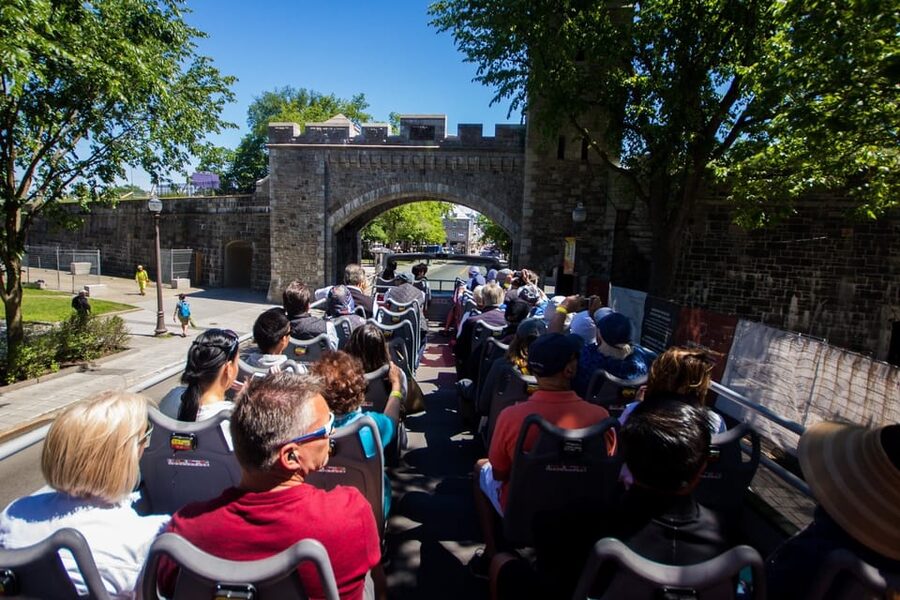
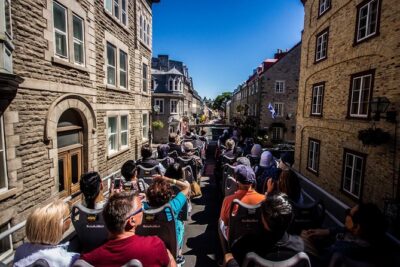
Quebec City looks best from above, without the uphill grind. This hop-on hop-off double-decker ride pairs open-air views with multilingual audio across key spots, so you can explore on your own schedule. My favorite part is how it covers big sights fast, and then gives you freedom to return later, but do plan around the fact that stop spacing can feel tight if you want to hop around in tiny bursts.
For about the cost of one sit-down meal, you’re buying time, not just transportation. You get a loop that runs roughly 1 hour 45 minutes to 2 hours, plus the option to do a second day if you want to linger. One drawback to consider: the narration is strong on context, yet it may not always point out what you’re staring at in the exact moment.
In This Review
- Key things that make this bus tour work in Québec City
- How the Red Loop fits Québec City’s steep layout
- Price value: what $48 buys you (and what it does not)
- Timing and how to ride without wasting daylight
- Stop-by-stop: what each stop is best for (and the trade-offs)
- Place d’Armes (near Château Frontenac), first stop
- Quartier St-Roch
- Musée de la Civilisation
- Place Royale
- Marché du Vieux-Port
- Centre des Congrès de Québec
- Observatoire de la Capitale
- Voltigeurs de Québec Armoury and Manège Militaire
- Plains of Abraham
- Musée des Beaux-Arts
- Quartier Saint-Jean-Baptiste
- Avenue Cartier
- Place d’Youville
- Citadelle de Québec
- Audio commentary, languages, and headphones that actually work
- The service reality: drivers, comfort, and what to bring
- Who this tour suits best in Québec City
- Should you book this Québec City hop-on hop-off bus tour?
- FAQ
- How long does one bus loop take?
- Where is the first stop and meeting point?
- How often do the buses depart?
- What languages are included in the audio guide?
- Are earphones included?
- Is the tour wheelchair accessible?
- Are pets or large bags allowed?
Key things that make this bus tour work in Québec City
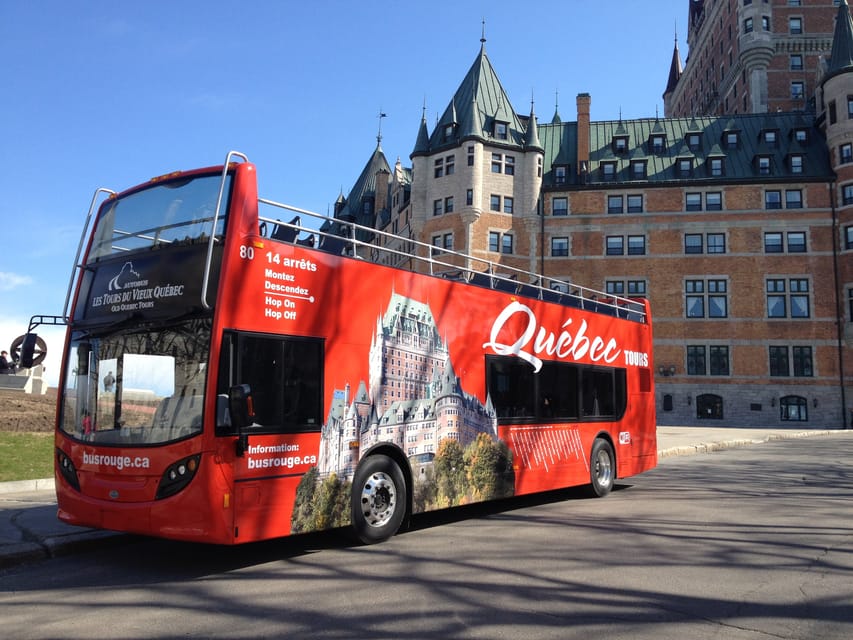
- A smart way to handle the hills by letting the bus do the climbing while you focus on views from the top deck
- 15 stops across Old Town plus the surrounding districts, including Place Royale, Plains of Abraham, and the Citadelle area
- Recorded audio in many languages with earphones you plug in and go
- Hop on and hop off as often as you like, so you can build your own mini itinerary
- Some departures can include extra personality from the driver, with names like Pierre, Martin, Michel, and Leon showing up in helpful, joking commentary
More walks inside the walls of Old Quebec
- Quebec City Walking Tour★ 5.0 · 4,716 reviews
- Quebec City: Guided Tour of Fairmont Le Château Frontenac★ 4.7 · 3,027 reviews
- Québec City: Guided Sightseeing River Cruise★ 4.4 · 3,000 reviews
- Half-Day Trip to Montmorency Falls and Ste-Anne-de-Beaupré from Quebec city★ 4.0 · 2,718 reviews
How the Red Loop fits Québec City’s steep layout
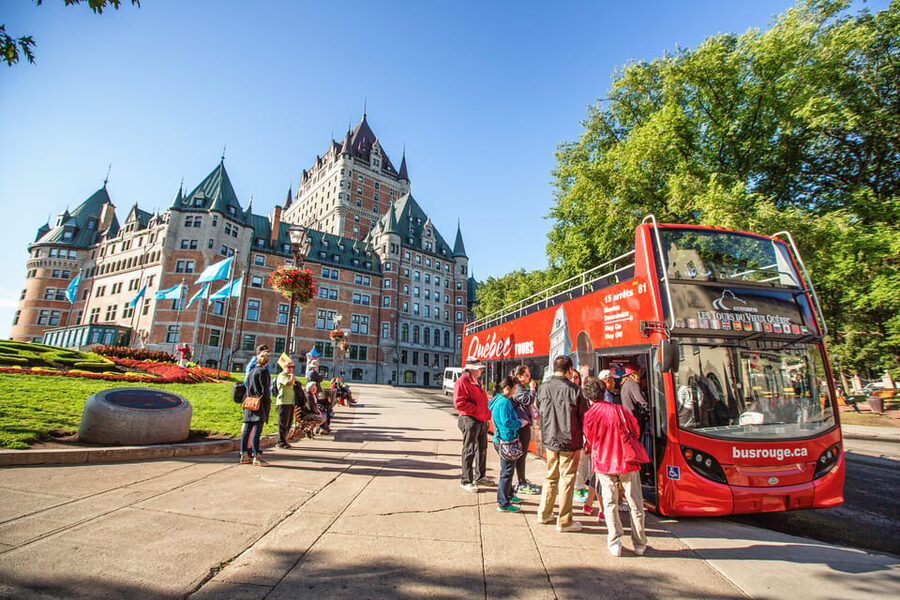
Québec City rewards walkers, but it also punishes them. Old Québec has angles, walls, stairs, and sudden climbs. This bus tour is built for that reality. You ride past the major landmarks on a route designed for quick orientation, then you choose what deserves your feet.
The second reason I like it is simple, the setup is easy. You can board at any stop along the loops, and the first stop for all loops begins at Place d’Armes near Château Frontenac. That means you can start where the city already makes sense to you, not where your plan accidentally left you.
The pacing is another win. Buses depart every 30 to 45 minutes depending on the season, and a full loop takes about 1 hour 45 minutes to 2 hours. So if you’re slow at photos, you’re not stuck. You just hop back on at the next bus.
Price value: what $48 buys you (and what it does not)
At $48 per person for the 1-day ticket, you’re paying for three things: reliable sightseeing coverage, panoramic viewing from an open-top deck, and audio in your headset. Compared with piecing together multiple taxi or rides just to avoid hills, this often feels like the efficient choice.
This is not a live guide tour where someone pauses to tailor the route to your interests. Most of the experience is multilingual taped commentary. That said, some departures can include a more talkative driver, with names like Pierre and Martin appearing as friendly, humorous, extra-informative voices. Even when it is mostly audio, the content is enough to make you notice details you would otherwise miss.
What it does not replace is time inside the major sites. The bus gets you close, shows you what matters, and moves you along. If you want museums, fortifications, or historic interiors in depth, you’ll still want to get off and spend extra time at the right stops.
Timing and how to ride without wasting daylight
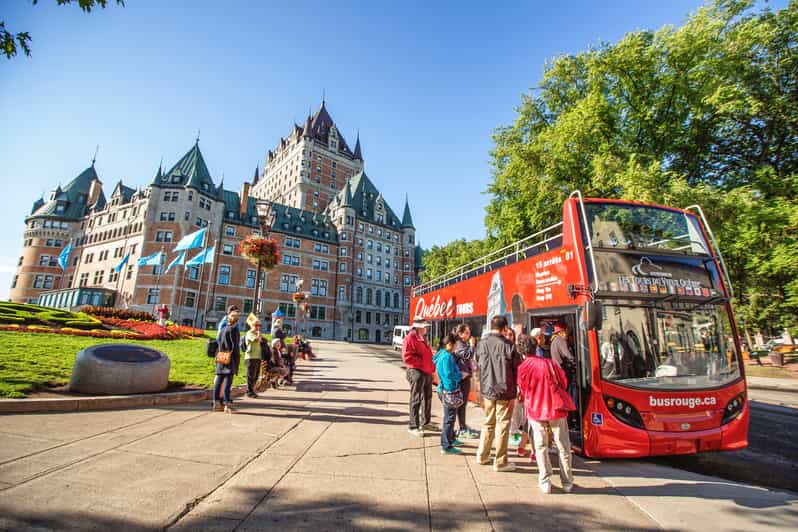
You’ll want to treat this like a flexible circuit, not a rigid schedule. Each loop runs around 1 hour 45 minutes to 2 hours, and buses come roughly every 30 to 45 minutes. That leaves room to do one full loop first for orientation, then return to the places you actually care about.
My practical advice is to plan for two modes:
- If it’s your first time in Québec City, stay on long enough to get the overall shape of the city.
- If you already know where you want to go, hop off at your targets early, then circle back later.
Also, the bus is open-top. In warm weather, that is the point. In cooler months, you’ll feel wind. Bring weather-appropriate layers, and don’t skip a hat if it’s bright. Comfortable shoes matter too, because even if the bus handles the climbs, you’ll still walk at every stop.
One more logistics detail that matters: tours can vary due to traffic and other issues. So I’d avoid scheduling a timed museum booking immediately after your planned bus finish. Keep some breathing room.
More open-top loops around Quebec City
Stop-by-stop: what each stop is best for (and the trade-offs)
The route includes a sequence of stops that covers Old Québec, the waterfront area, viewpoints, arts and neighborhoods, and the big military and battle sites. Here is how I’d think about it when you’re choosing where to hop off.
Place d’Armes (near Château Frontenac), first stop
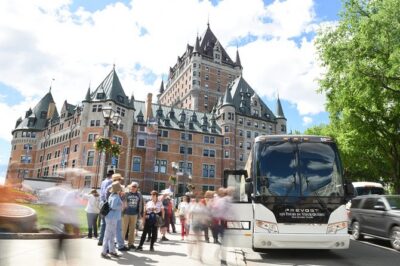
This is your anchor stop. It’s right by Château Frontenac, and it’s also where you can start the loop. If you like iconic views, this is the first place to get your bearings. Sit upstairs for photos, then hop off if you want to walk nearby.
Trade-off: because it’s a top landmark area, it can feel busy. If you want the calmest photos, consider timing it for earlier in the day.
Quartier St-Roch
This area helps you understand the part of Québec City that sits beyond the classic postcard streets. It’s a useful stop if you’re trying to see how the city spreads out and where daily neighborhoods meet the historic core.
Trade-off: it’s less of a single “must-see monument” stop and more of a neighborhood orientation stop. So bring curiosity, not just checklist energy.
Musée de la Civilisation
If you want a museum stop that connects history and culture themes, this is the one on the route. It’s also a good place to break up the loop if you’re museum-inclined rather than photo-inclined.
Trade-off: you might feel tempted to rush because the bus loop keeps moving. If you get off here, plan for more than just a quick look.
Place Royale
This is one of the core historic heart areas. The bus gives you easy access and a chance to understand where the old story sits. If you want that early Québec City vibe, this is the stop that fits.
Trade-off: like many central areas, it can be crowded. If your goal is calm exploration, hop off later in the day.
Marché du Vieux-Port
This stop is about atmosphere. You’re close to the waterfront energy and a place where you can snack and browse if the market is active. It’s also a practical pause if you want a casual break mid-loop.
Trade-off: market areas can be hit-or-miss depending on day and season. Treat it as a mood stop, not a guaranteed shopping win.
Centre des Congrès de Québec
This is more of a landmark and logistics stop than a top postcard stop. It helps you map where major event spaces sit, and it can be handy if you’re planning to move between sights efficiently.
Trade-off: you may not feel an urgent need to get off unless you’re pairing it with something else in that area.
Observatoire de la Capitale
This is a viewpoint-focused stop. If you want higher perspective without climbing stairs all day, this is the strategic choice on the route.
Trade-off: you might want to spend longer than the bus loop allows. If you’re sensitive to time, pick your moment and then move on.
Voltigeurs de Québec Armoury and Manège Militaire
These two military-related stops are made for people who like uniforms, forts, and the stories behind Québec’s defensive history. They connect nicely to what you’ll see next at the Plains of Abraham and Citadelle area.
Trade-off: if you’re not a military-history person, you’ll still get the visual and architectural cues, but you may not feel motivated to linger.
Plains of Abraham
This is a big one. The bus gets you to the site that anchors Québec’s famous battles and shifts in power. Even if you only take a short walk, it gives meaning to the whole region’s history.
Trade-off: the terrain can be open, so weather matters. Plan your layers and keep water in mind.
Musée des Beaux-Arts
Arts lovers have a straightforward option here. This stop makes it easy to add a museum break without detouring from your bus route.
Trade-off: museum time can balloon fast. The bus schedule is friendly, but your energy might not be.
Quartier Saint-Jean-Baptiste
This neighborhood stop helps round out your understanding of Québec City beyond the fortified core. It’s a place to step into a more local-feeling part of town.
Trade-off: again, this is more about wandering than ticking off a single headline attraction. Go with comfortable walking shoes and no rush.
Avenue Cartier
Avenue Cartier is a practical corridor stop. It can help you connect between districts and handle walking gaps between major sights.
Trade-off: it’s not always the “wow” destination stop on the route. If you’re hopping off, do it with a purpose, like walking to a nearby café or short stroll.
Place d’Youville
This is a useful break point in the route, good for regrouping and choosing the next hop. It also gives you another view angle of how the city’s squares sit in the overall grid.
Trade-off: it can feel like a pause rather than a destination. If you only have one day and you’re selective, prioritize the major sights first.
Citadelle de Québec
This is your capstone military site. If you want the fortified look, the Citadelle stop delivers. It’s also a natural fit if you want one last big landmark before you head back to your hotel.
Trade-off: Citadelle-area exploration can take longer than you expect. If you’re combining it with other stops, decide what matters most and keep your plan simple.
Audio commentary, languages, and headphones that actually work
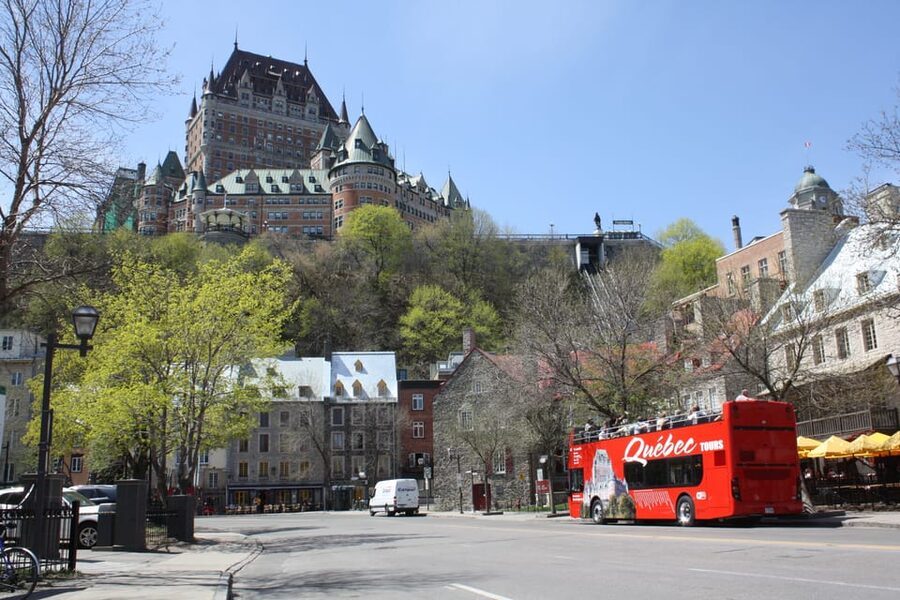
The bus includes multilingual audio commentary and earphones. Available languages are: Spanish, Chinese, English, French, German, Italian, Japanese, Arabic, Portuguese, Russian. That list is impressive because it means you can switch languages to match your comfort level.
Sound quality matters on a headset tour, and there’s a strong theme in how people describe it: the audio is clear and easy to hear even on an open-top deck. One helpful detail is that audio can make the sights more meaningful, so you don’t just see buildings, you understand why they matter.
One thing to keep in mind, the narration can lean toward history and context. So if your style is more I want to know exactly what I’m looking at right now, use this as background and use the bus window and stop area signs to guide the exact focus.
Also, some people want stop announcements to be more consistently frequent. So even with audio, glance at stop markers when you’re near your desired stop, especially if you’re jumping off quickly.
The service reality: drivers, comfort, and what to bring
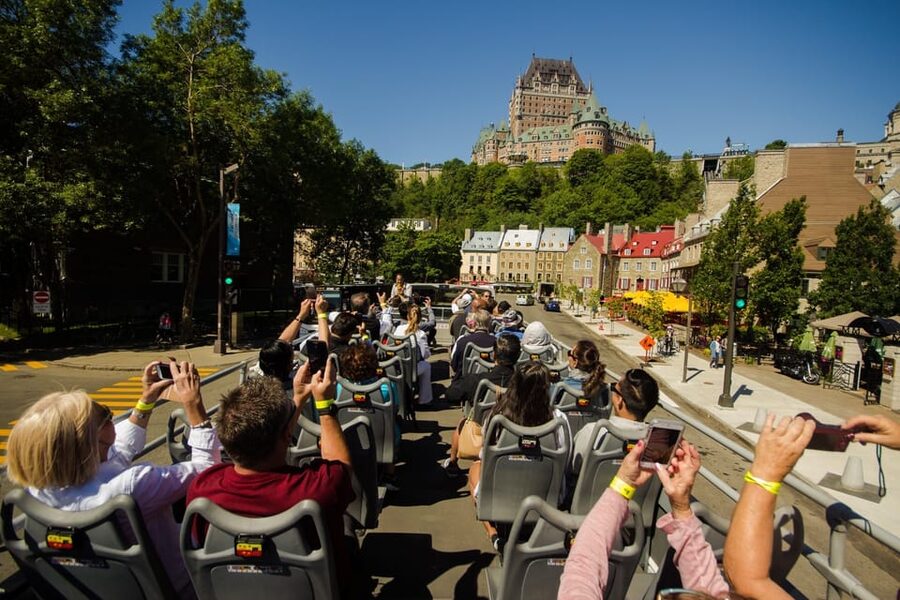
This tour is operated by Unitours Inc. On board, the driver plays a practical role. Some departures have a driver who adds extra commentary and humor, and names that have shown up in that helpful, personable style include Pierre, Martin, Michel, and Leon. That driver personality can make the ride feel more alive, but don’t rely on a live talk every time.
Comfort is a mixed bag. The open-air top deck is where the views happen, but seats can feel less padded than you might like, especially if you stay on for the full loop. If you’re riding for two hours straight, pick the most comfortable spot you can find before you settle in.
What to bring is straightforward:
- Comfortable shoes, because hop-off walking is part of the plan
- Sun hat, if you’re riding in bright conditions
- Weather-appropriate clothing, since open-top means wind and temperature will affect you
And keep it light. Pets are not allowed, and luggage or large bags are not allowed. That matters if you’re doing multi-day travel and packing heavy.
Who this tour suits best in Québec City
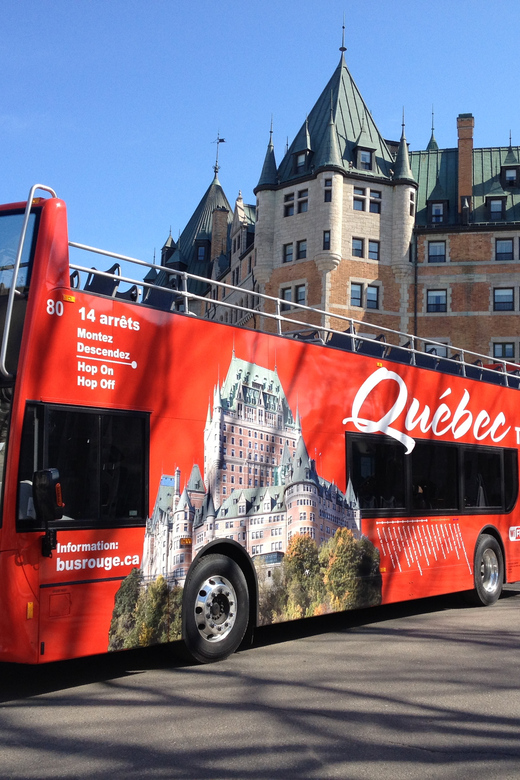
This is a strong match for:
- First-timers who want to map the city fast before choosing where to walk
- People who want panoramic viewpoints without committing to a full guided day
- Visitors who are traveling with mixed interests, history lovers and photo lovers can both find something
- Anyone who wants an easy first loop, then a personalized second day if they choose the longer ticket option
It’s less ideal if you already have a tightly planned itinerary with zero flexibility and you don’t care about audio interpretation. It also may not satisfy you if you’re expecting a stop-by-stop, live, what-you’re-looking-at explanation every time. This ride is best when you treat the audio as the story, and the city as the scene.
Should you book this Québec City hop-on hop-off bus tour?
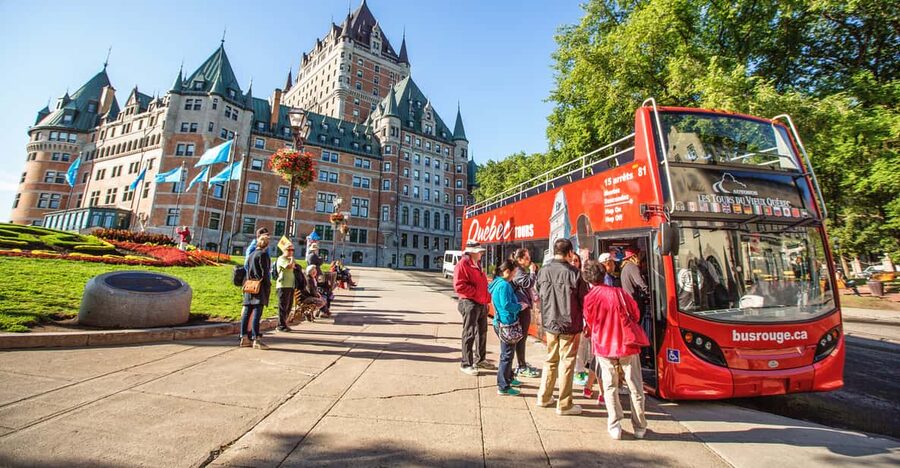
I’d book it if you want to get oriented, reduce walking strain on hills, and build a flexible day around the sights that call to you. At $48 for one day, it’s a reasonable way to cover big highlights without guessing routes, and the multilingual audio helps you connect the dots quickly.
Skip it or reconsider if you hate the idea of open-top weather effects, or if you prefer deep guided visits over a flexible overview. If your goal is museum interiors and long stays in a few sites, use this as your arrival tool, not as the main event.
If you do book it, my best advice is simple: do one full loop at least once, then hop off intentionally on your return passes. That’s how you turn a bus ride into a smart Québec City plan, not just a scenic commute.
FAQ
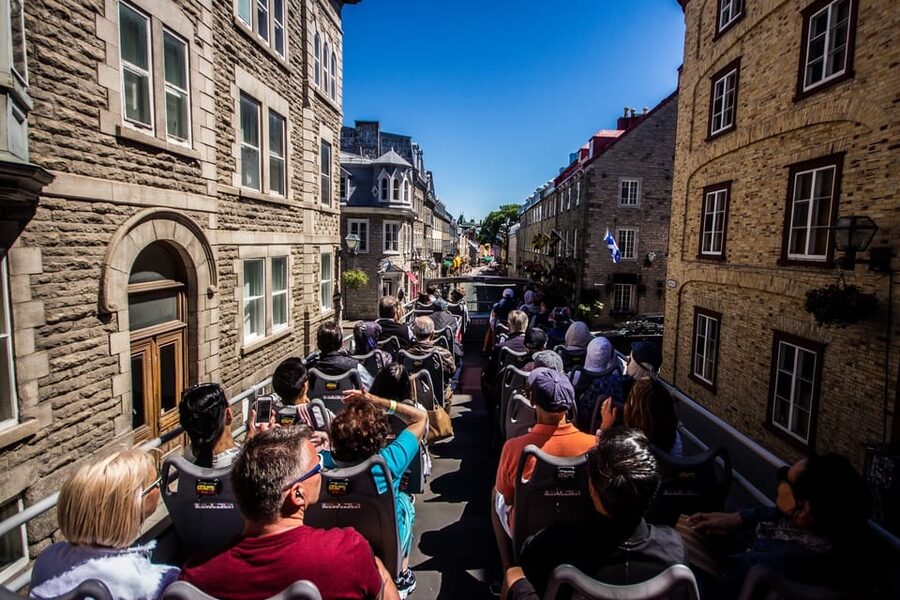
How long does one bus loop take?
The duration of one loop is about 1 hour 45 minutes to 2 hours.
Where is the first stop and meeting point?
The first stop of all loops is Place d’Armes, near Château Frontenac, at 7 Rue de Fort in Québec City. You can also hop on at stops along the loops.
How often do the buses depart?
Tours depart every 30 to 45 minutes depending on the season, and times may vary due to traffic or other issues.
What languages are included in the audio guide?
The audio commentary is available in Spanish, Chinese, English, French, German, Italian, Japanese, Arabic, Portuguese, and Russian.
Are earphones included?
Yes. Earphones are included with the audio commentary.
Is the tour wheelchair accessible?
Yes. The tour is wheelchair accessible.
Are pets or large bags allowed?
No. Pets are not allowed, and luggage or large bags are not allowed.
The Whole of Quebec City in a Day



Open-Top Loops Around Quebec City


Inside the Walls of Old Quebec
Just off the notebook: recent Quebec City write-ups
- Quebec City: Historic District Walking Tour (2h)
★ 5.0 · 4 reviews - Quebec City: Fat Bike Guided Tour
★ 4.7 · 4 reviews - Quebec City Photo Tour
★ 5.0 · 5 reviews - Experience île d’Orléans and the falls with a local guide
★ 4.5 · 5 reviews - Private Québec City walking tour with Lenny.
★ 5.0 · 5 reviews - Heritage Upper Town E-Bike Tour
★ 5.0 · 6 reviews
Old Quebec City Walking Tours, compared.
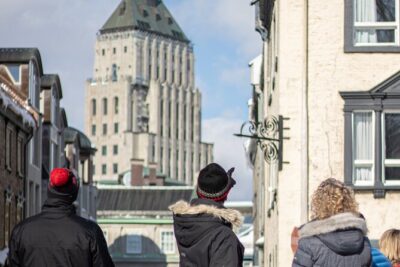 ★ 5.0Quebec City Walking TourFrom $304,716 reviews
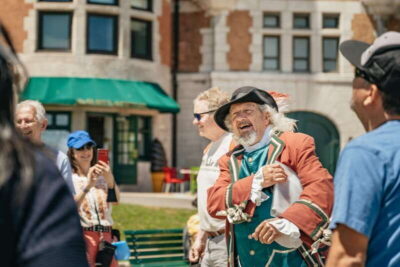 ★ 4.7Quebec City: Guided Tour of Fairmont Le Château FrontenacFrom $193,027 reviews
 ★ 4.4Québec City: Guided Sightseeing River CruiseFrom $473,000 reviews
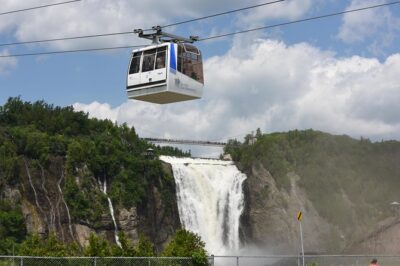 ★ 4.0Half-Day Trip to Montmorency Falls and Ste-Anne-de-Beaupré from Quebec cityFrom $702,718 reviews
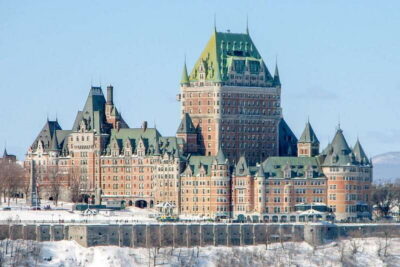 ★ 4.5From Montreal: Quebec City and Montmorency Falls Day TripFrom $362,669 reviews
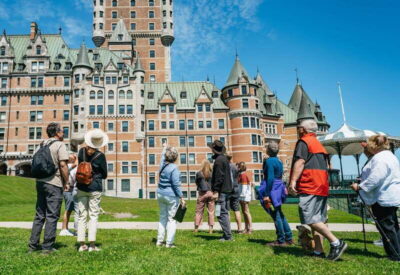 ★ 4.8Old Quebec City: Grand Walking Tour with Private OptionFrom $292,609 reviews
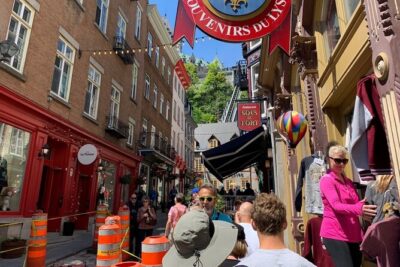 ★ 4.0Quebec City and Montmorency Falls Day Trip from MontrealFrom $362,437 reviews
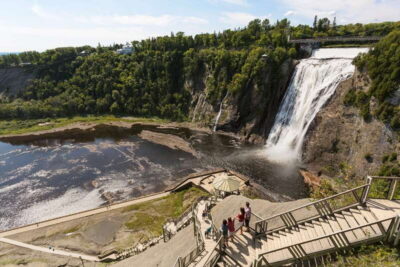 ★ 4.6Quebec City: Montmorency Falls with Cable Car RideFrom $192,392 reviews
Browse the lists this tour appears in