
REVIEW · CITY TOURS
Montreal: 2-Hour Private Complete Hidden City Experience
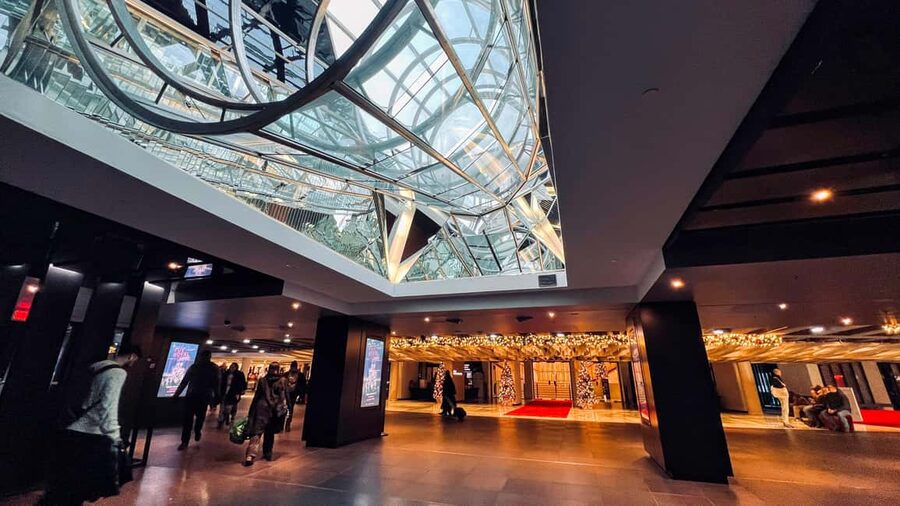
Montreal underground has a way of surprising you. This 2-hour private hidden city tour shows you how the RÉSO works as a real part of daily life, not just a winter shortcut. I especially love the way your guide connects downtown landmarks with short, clear walking routes underground, so it feels like you are learning Montreal’s layout instead of just passing through it.
I also like the history angle, because you get the story behind the RÉSO and how it reshaped everyday routines for Montrealers. And you get practical “how to use this place” moments, like how restaurants, hotels, offices, and public transit access fit into the system.
One thing to consider, though, is that this is a walking-heavy underground experience and it is not suitable for people with mobility impairments or wheelchair users.
In This Review
- Key things to know before you go
- Why the RÉSO feels like a city within a city
- The private tour advantage, and what 2 hours really buys you
- Starting at 1508 Rue de Bleury, and getting your bearings fast
- From Place Montreal Trust to Eaton Centre, where shopping becomes navigation
- Place Ville Marie and the feeling of moving through major blocks
- Gare Centrale and Place Bonaventure, the transit advantage
- Centre de commerce mondial, Palais des Congrès, and World Trade Centre Montréal
- Place des Arts and Complexe Desjardins, where culture meets convenience
- How the history of the RÉSO changes the way you look at Montreal
- Practical tips for a smoother underground tour
- Price and value: what $101 per person gets you
- Should you book this Montreal hidden city tour?
- FAQ
- How long is the Montreal underground city tour?
- Is this tour private?
- Where do I meet the guide?
- What languages are available for the live guide?
- What does the tour include?
- What should I bring?
- Is the tour suitable for wheelchair users or people with mobility impairments?
- Is there free cancellation?
Key things to know before you go
- Private pacing with a real guide so you can ask questions and move at your comfort level
- Underground history that explains daily life, not just dates and diagrams
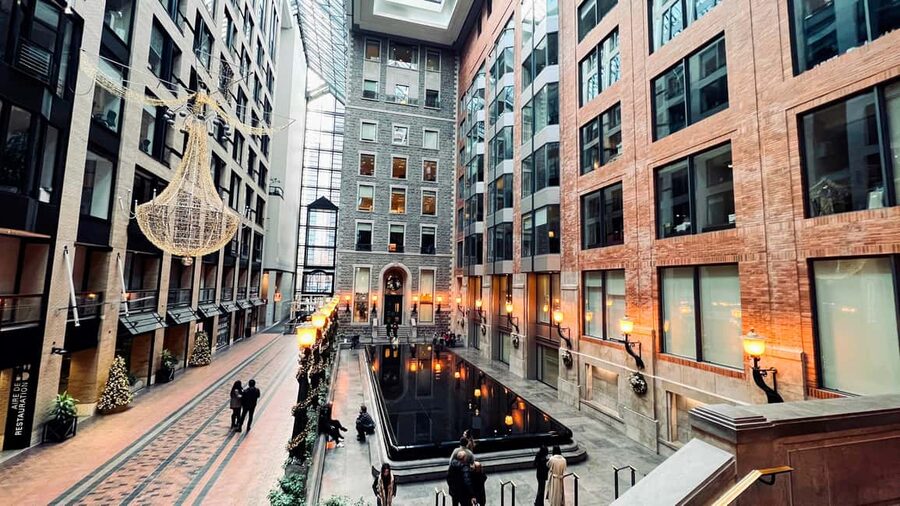
- Downtown landmarks connected by passageways so you can see more with less backtracking
- Shopping galleries and cultural spaces underground where you would not think to look
- Photo-friendly stops, especially at interesting connection points and artwork areas
- Comfort matters bring good shoes and water since you will be walking for two hours underground
Wider sweeps across Montreal
- From Montreal: Quebec City and Montmorency Falls Day Trip★ 4.5 · 2,669 reviews
- Quebec City and Montmorency Falls Day Trip from Montreal★ 4.0 · 2,437 reviews
- Montreal City Sightseeing Tour with Live Commentary★ 4.0 · 1,953 reviews
- Quebec city & Montmorency Falls 1 Day Tour from Montreal★ 4.5 · 1,088 reviews
Why the RÉSO feels like a city within a city
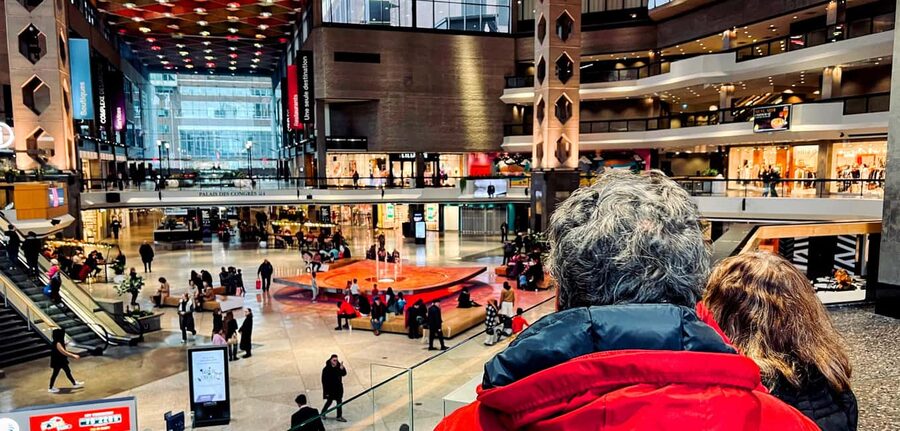
The Montreal underground, locally known as the RÉSO, is famous for a simple reason. In winter, people still need to move around town, meet, shop, and get to work. The RÉSO gives them a weather-proof network that links major downtown destinations through corridors, galleries, and shared building connections.
On a tour like this, the magic is not just that it exists. It is how the route helps you understand it. You start realizing the underground is not one tunnel. It is an urban system that connects places you already recognize above ground, so you start seeing Montreal as one connected map, layered over itself.
The private tour advantage, and what 2 hours really buys you
This is a private group tour, which matters more than it sounds. With a small group, your guide can slow down at the spots you care about, like art installations or passageways with standout design. It also means fewer moments where you are trying to keep up with a loud group while your eyes are still adjusting to the lighting underground.
At two hours, you get a focused sampler. You will not feel rushed through everything, but you also will not waste time wandering without context. That balance is the real value here, because underground systems can be confusing fast if you are doing it alone.
Starting at 1508 Rue de Bleury, and getting your bearings fast
You meet inside the Tim Hortons building at 1508 Rue de Bleury, Montréal. That choice is practical. You are starting in a known, easy-to-find public spot, and the tour begins with you oriented to the downtown core before you fully commit underground.
When you step into the RÉSO on a guided route, the first minutes matter. A good guide does two things: points out how connections work, and sets expectations for what you will see. In the case of Gustavo Trindade, the vibe tends to be engaging and friendly, with just the right amount of info so you stay curious instead of overloaded. If you like learning while walking, this style fits well.
Bring comfortable shoes. It is not about being an endurance event, but the floor, the turns, and the steady pace add up. Bring a water bottle and plan to take photos, because a phone camera often struggles in indoor lighting unless you are ready for it.
More options where it is just your group

From Place Montreal Trust to Eaton Centre, where shopping becomes navigation
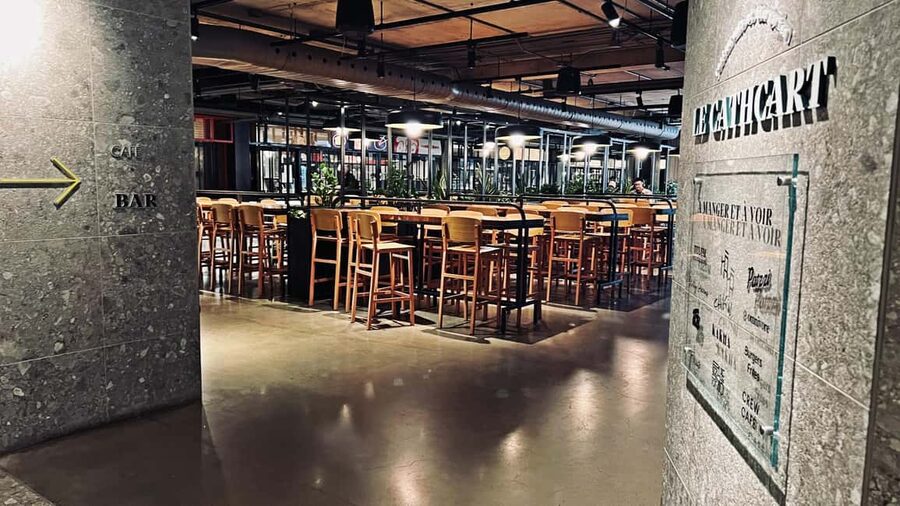
The route starts in the downtown zone with key connections that set the underground tone right away. You pass Place Montreal Trust and then head toward the Montreal Eaton Centre area. Even if you have been to the surface before, seeing it linked into the RÉSO network changes how you understand the blocks.
This is where you learn a big point about the RÉSO. It is not only corridors. It includes real commercial space, and shopping galleries function like “streets.” They guide people, they create sheltered routes, and they make the underground feel like part of the city rhythm instead of an escape route.
What you should pay attention to here is how quickly destinations connect. The best takeaway is mental, not architectural. You start noticing how buildings and squares relate, and soon you are thinking in routes instead of separate stops.
Place Ville Marie and the feeling of moving through major blocks
Next you move through Place Ville Marie, another downtown anchor. This segment gives you a feel for scale, because places with big surface-level identities are also connected below.
If you are hoping for a pure sightseeing walk, this may sound less flashy than murals or art installations. But it is actually important, because it shows you the RÉSO’s day-to-day function. Montrealers are not traveling underground for novelty. They are using it because it connects the places they already care about.
A small consideration: underground lighting can make everything look similar if you rush. Slow down at connection points so you can orient yourself, and use your camera to mark spots you want to remember.
Gare Centrale and Place Bonaventure, the transit advantage
Then the tour shifts from the commercial feel into the mobility story. You pass Gare Centrale, and soon after Place Bonaventure.
This is where the RÉSO stops being just weather protection and becomes a practical transit tool. When a network links with major train and metro access, it changes how the whole city flows. People do not only walk to nearby places. They plan commutes, meetings, and transfers using underground routes because the system keeps them moving without fighting snow and wind.
You will also start noticing how these areas connect to other downtown complexes. That is the tour’s hidden lesson: the RÉSO is a web, and transit is one of the web’s strongest threads.
Centre de commerce mondial, Palais des Congrès, and World Trade Centre Montréal
From there, the route moves through big downtown business and event zones: Centre de commerce mondial, Palais des Congrès de Montreal, and World Trade Centre Montréal.
This part of the walk is great if you like to see how different city functions share the same infrastructure. Conference spaces, business offices, and public-facing buildings all connect into the network. So even if you do not have a reason to visit a convention hall or trade center, you still get to see how the RÉSO makes those buildings easier to reach year-round.
This is also a good place to listen closely to the history. The RÉSO story is not only about tunnels. It is about how the underground system grew into a daily routine for people working and meeting downtown. Your guide should connect what you see now to why it was built, and how it has held up as the city changed.
Place des Arts and Complexe Desjardins, where culture meets convenience
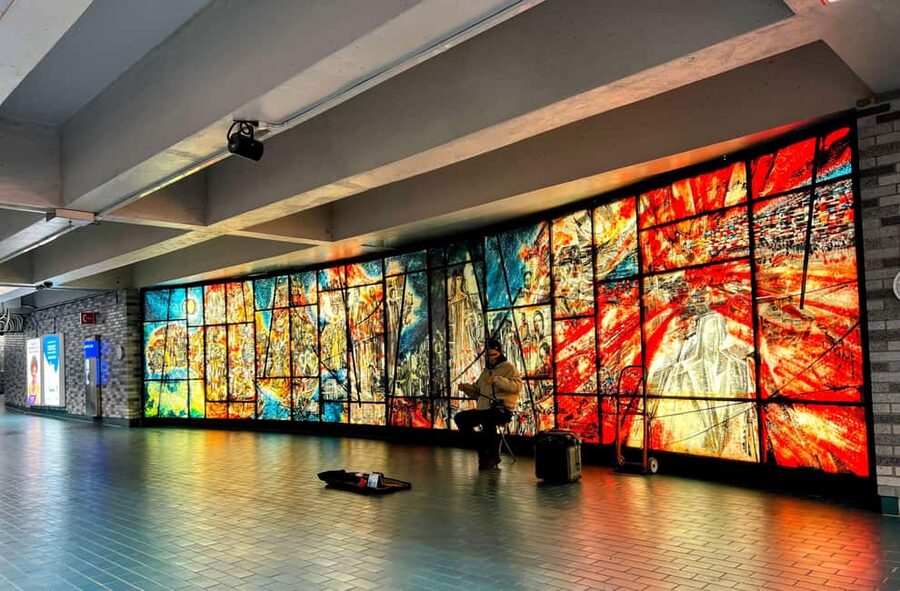
You finish this downtown run with stops tied to culture and major mixed-use complexes: Place des Arts and Complexe Desjardins.
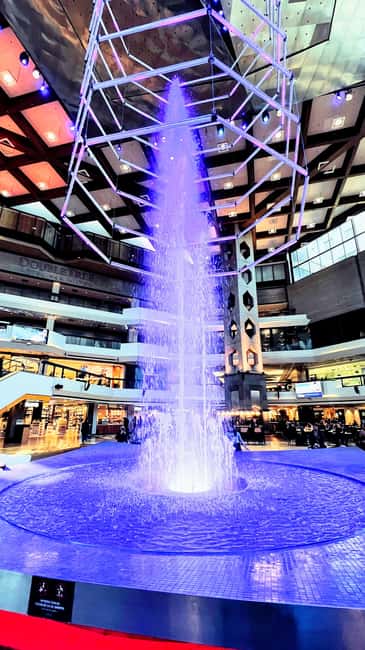
What I like about including arts and major complexes is that it counters a common stereotype. The RÉSO is not just gray corridors and shopping hours. You encounter cultural spaces and the kind of design details that make the underground feel intentional. Even if you visit Montreal only for a weekend, this gives you a glimpse of how locals can enjoy arts and events while still using the underground network.
For photo lovers, this segment is often the fun part. You get multiple chances to shoot architectural details and installation-like elements in indoor spaces. And with Gustavo Trindade specifically, there is an added bonus from the experience people describe: he offers to help take family photos at interesting spots, which is a small service that makes the walk feel more personal.
How the history of the RÉSO changes the way you look at Montreal
The tour highlights the RÉSO history and construction, and that is not trivia. When you understand the why, the underground starts to make sense.
The RÉSO was built to solve a real problem, winter movement and downtown connectivity. Over time it transformed daily life by giving people reliable access to major destinations through a sheltered network. That is why it includes things like restaurants, hotels, offices, and direct access to public transportation.
When you walk it with a guide, you start seeing connections as purposeful design rather than accidental shortcuts. It also gives you a better travel strategy for the rest of your trip. If the weather turns rough, you now know you have options that let you keep sightseeing without getting stuck indoors.
Practical tips for a smoother underground tour
A few small things make a big difference underground:
- Wear comfortable shoes with good grip. Indoor floors can still feel slick if the lighting makes you misjudge steps.
- Bring a camera. You will see details worth capturing, but indoor lighting means you may want to take a few test shots.
- Bring water. Even for a short tour, two hours walking in controlled indoor spaces still makes you thirsty.
- Do not plan on eating or drinking during the tour. Alcohol is not allowed, so keep snacks out of the equation.
- If you get the chance, ask your guide how to use the RÉSO for other errands. The best underground tours teach you routes, not just landmarks.
Also, keep your expectations realistic. This is a walk-through experience focused on underground connections and downtown landmarks. If you want a long museum visit or a sit-down meal at the end, you will probably prefer pairing it with something else after.
Price and value: what $101 per person gets you
At $101 per person for a 2-hour private guided experience, the value depends on how you like to travel.
If you are the type who hates figuring out routes under time pressure, a guided underground walk is a smart trade. Without help, the RÉSO can feel like you are trying to solve a maze while you are also trying to enjoy your trip. The guide’s job is to prevent that lost time and frustration, and to point out the cultural and historical reasons behind what you are seeing.
If you are traveling alone and you have strong map skills, you might spend less on your own. But the private format is exactly what makes the time feel efficient, because you get a route designed to hit meaningful downtown points and explain how the underground network works as a whole.
In short, you are paying for wayfinding plus interpretation. For most people visiting Montreal for a short window, that usually turns into a better use of your limited time.
Should you book this Montreal hidden city tour?
I think you should book it if you want to understand Montreal in a practical way, especially if you are visiting in colder months or you just like seeing how cities function behind the scenes. The tour is built for people who enjoy walking with context, and it fits well with a downtown sightseeing plan.
Skip it if mobility is an issue for you. The tour is not suitable for wheelchair users or people with mobility impairments, and underground walking can be demanding even when the distance is reasonable.
If you do book, aim to be on time at the Tim Hortons meeting point on Rue de Bleury, wear your comfiest shoes, and bring your camera. With a guide like Gustavo Trindade, the experience tends to be engaging, flexible, and photo-friendly, which makes the underground feel less like a chore and more like a guided discovery.
FAQ
How long is the Montreal underground city tour?
It lasts 2 hours.
Is this tour private?
Yes. It is listed as a private group tour.
Where do I meet the guide?
Meet inside the Tim Hortons building at 1508 Rue de Bleury, Montréal, QC H3A 0B4.
What languages are available for the live guide?
The live tour guide is available in English, French, Spanish, and Portuguese.
What does the tour include?
It includes a 2-hour guided tour, access to hidden passageways and shopping galleries, visits to iconic downtown landmarks, and insights into the history and construction of the RÉSO.
What should I bring?
Bring comfortable walking shoes, a camera, and water.
Is the tour suitable for wheelchair users or people with mobility impairments?
No. It is not suitable for people with mobility impairments or wheelchair users.
Is there free cancellation?
Yes. You can cancel up to 24 hours in advance for a full refund.
Just Your Group




The Whole of Montreal in a Day




Just off the notebook: recent Montreal write-ups
- Secret Food Tours: Montreal – Jean-Talon & Little Italy
★ 4.0 · 4 reviews - Montreal to Quebec City Tour with Private Transportation
★ 5.0 · 4 reviews - Montreal: Iconic Landmarks All-Inclusive VIP Experience
★ 4.7 · 4 reviews - A Walking Tour of Old Montreal
★ 3.8 · 4 reviews - Day at Mont-Tremblant National Park
★ 4.0 · 5 reviews - Old Montreal: Self-Guided Tour from Place D‘Armes to Old Port
★ 5.0 · 5 reviews
City Tours, compared.
 ★ 5.0Quebec City Walking TourFrom $304,716 reviews
 ★ 4.7Quebec City: Guided Tour of Fairmont Le Château FrontenacFrom $193,027 reviews
 ★ 4.4Québec City: Guided Sightseeing River CruiseFrom $473,000 reviews
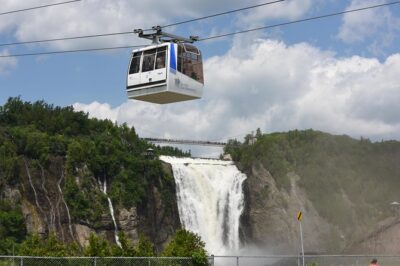 ★ 4.0Half-Day Trip to Montmorency Falls and Ste-Anne-de-Beaupré from Quebec cityFrom $702,718 reviews
 ★ 4.5From Montreal: Quebec City and Montmorency Falls Day TripFrom $362,669 reviews
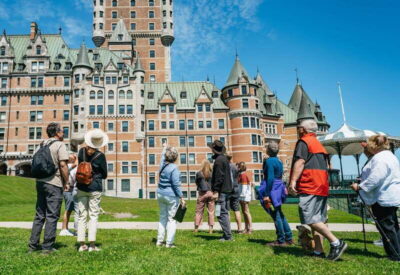 ★ 4.8Old Quebec City: Grand Walking Tour with Private OptionFrom $292,609 reviews
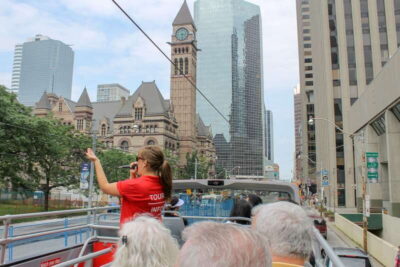 ★ 4.3Toronto: City Sightseeing Hop-On Hop-Off Bus TourFrom $492,544 reviews
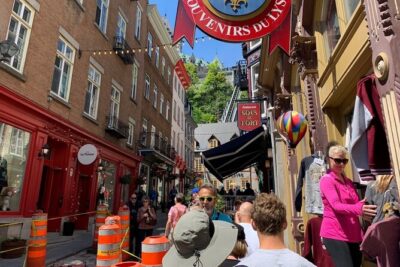 ★ 4.0Quebec City and Montmorency Falls Day Trip from MontrealFrom $362,437 reviews
Browse the lists this tour appears in