
REVIEW · PACIFIC COAST WHALE & MARINE WILDLIFE
Wild Whale Watching Experience – Open Air Vessel
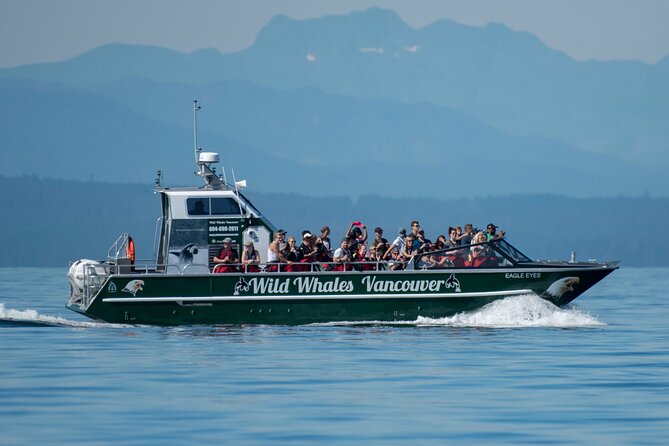
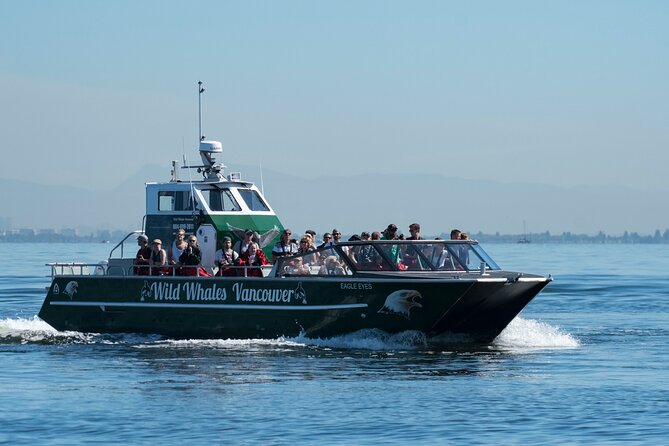
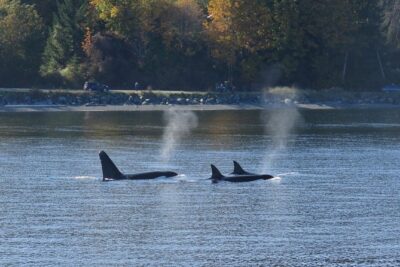
Orcas make the water feel electric. This open-air Eagle Eyes cruise is built for close, guided wildlife spotting in Vancouver’s marine hotspots. I love that the tour uses whale and wildlife sightings to support research and conservation, not just a sightseeing checklist.
Two things I really like: first, you get a true 360° view from the water, which matters when whales surface in different directions. Second, the boat can legally approach wildlife closer than other vessels, so your chances of a memorable encounter feel higher than on bigger-distance cruises.
One drawback to plan for, the ride can run up to 5 hours, and you’re on open water, so weather and wind can affect comfort. Also, it’s not recommended for people with neck problems, since you’ll likely be looking around a lot.
In This Review
- Key highlights to know before you go
- Open-Air Eagle Eyes: Why This Boat Changes Your Odds
- From Granville Island to the Strait of Georgia: How the Search Unfolds
- What You Might See: Orcas, Humpbacks, Minke, and the Supporting Cast
- The Marine Naturalist Touch: Learning That Actually Connects
- Gear and Comfort: The Anti-Exposure Suit, Ginger Candy, and Ear Plugs
- Timing, Snacks, and What the 5 Hours Feels Like
- Price and Value: Is $169.74 Worth It?
- Who Should Book This, and Who Should Skip It
- Should You Book This Wild Whale Watching Tour?
- FAQ
- How long is the whale watching experience?
- What animals can I expect to see?
- Is a suit included, and what is it for?
- What’s included on board?
- Is there a restroom on the boat?
- Is the tour offered in English?
- What should I do if I get motion sickness?
Key highlights to know before you go
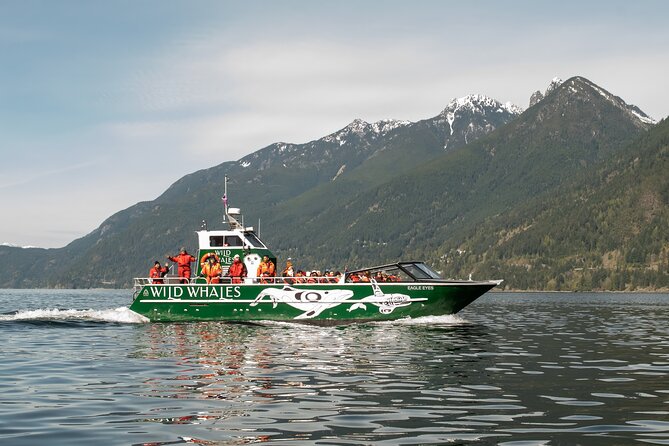
- Open-air 360° viewing from Eagle Eyes, great for spotting blows and fins in any direction
- Legal closer approach to wildlife, which can mean better sight lines and longer viewing windows
- Anti-exposure flotation suit included, so you’re not stuck guessing what to wear
- Marine naturalist guidance plus whale identification materials you can use onboard
- Conservation-minded sightings data, helping local initiatives beyond your trip
- Small group size (max 35), which makes it easier to see without getting boxed in
Other boats, other sightings on this coast
- Vancouver: Covered Whale Watching Adventure with Free Photos★ 4.8 · 2,260 reviews
- Whale-Watching Tour from Vancouver★ 4.5 · 1,572 reviews
- Vancouver’s Intimate West Coast Whale Watching Experience★ 4.5 · 698 reviews
- Vancouver Sunset Whale Watching Adventure with Free Photos★ 5.0 · 454 reviews
Open-Air Eagle Eyes: Why This Boat Changes Your Odds
Whale watching in Vancouver can be either magic or frustrating. The difference is often what you can see and how quickly you can adjust when a whale surfaces in an unexpected spot. On Eagle Eyes, the boat is open air and designed for visibility, so you spend less time craning or peering through barriers and more time tracking the water.
The 360° view is a big deal for orcas and other whales. Whales don’t always blow where you’re watching. With an all-around sight line, you can follow the action naturally as the animals move.
Then there’s the comfort angle. You’re not relying on luck for weather coverage. You get a full-length anti-exposure flotation suit to wear over your clothes, plus sunscreen is included. That means your planning gets simpler, and you’re less likely to cut the trip short because you’re cold.
One more reason I’d choose this setup over a more enclosed boat: this vessel can legally approach wildlife closer than other boats can. That doesn’t guarantee close encounters, but it raises the probability of seeing behaviors clearly, not just a distant silhouette.
From Granville Island to the Strait of Georgia: How the Search Unfolds
Your trip starts at 1806 Mast Tower Ln in Vancouver, and the experience ends back at the same place. You’ll depart from Granville Island, and the first phase is about getting your bearings and enjoying Vancouver from the water. If you’re arriving in town and want a quick feel for the city’s shape and coastline, this part helps.
After you head out past English Bay and into the Strait of Georgia, the tone shifts into active scanning. This is where the tour earns its keep, because you’re not just cruising and hoping. You’re on a guided search for whales and other marine life, with a marine naturalist explaining what you’re looking at and why it matters.
The itinerary is flexible because the ocean is flexible. The journey typically lands around 3 to 5 hours, depending on where whales are that day. That’s the nature of whale watching here, and the tour is built around that reality. When whale activity is near, the captain slows down or stops appropriately so everyone can observe safely and without rushing the animals.
What You Might See: Orcas, Humpbacks, Minke, and the Supporting Cast
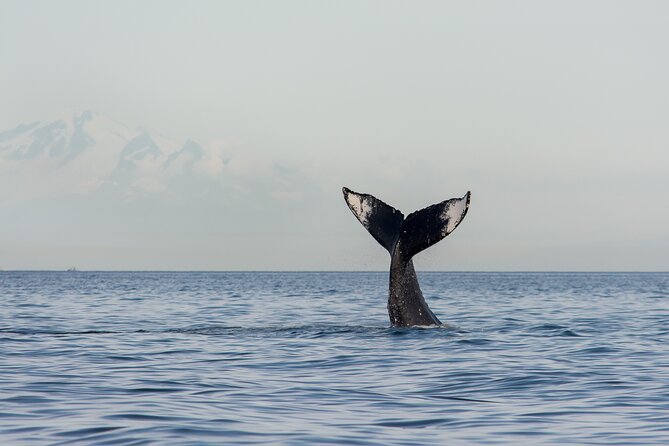
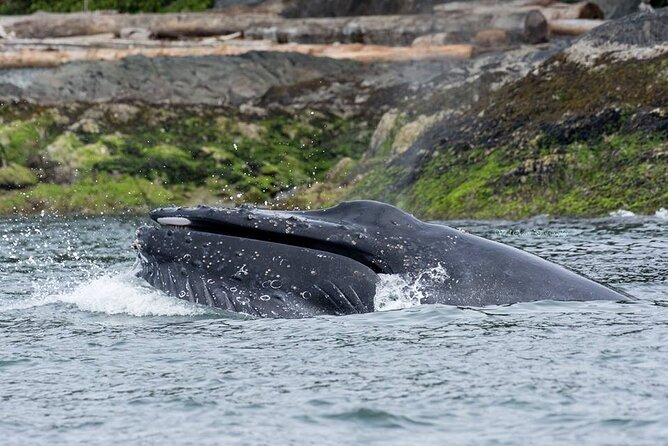
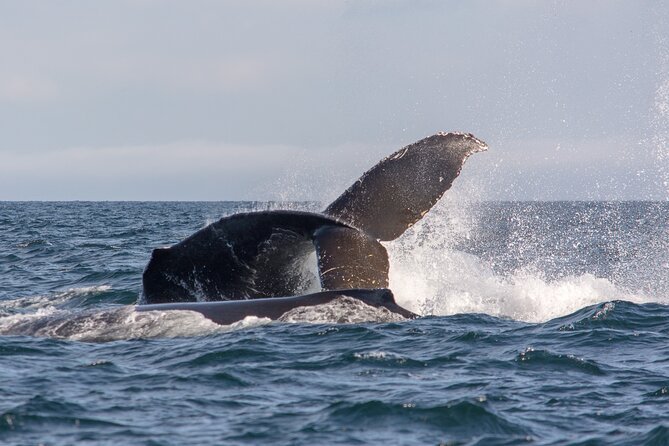
The main target species include orca (killer whales), humpback whales, minke whales, and grey whales. That’s a solid mix, because each species behaves differently at the surface, so you’re not just watching the same kind of moment over and over.
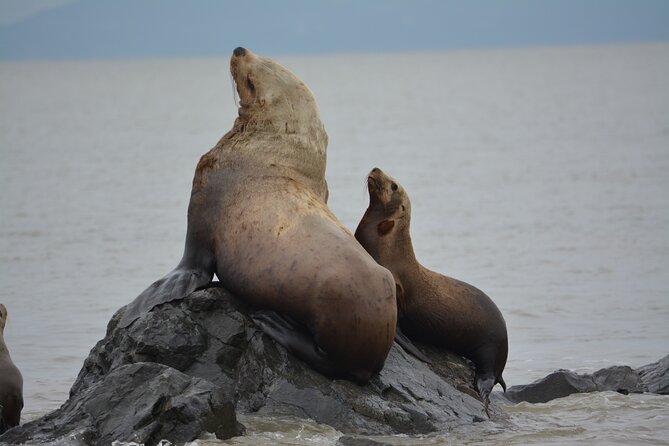
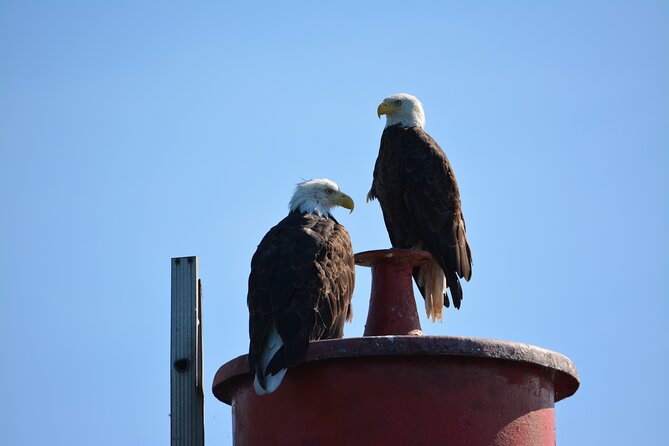
What I like most is that the tour doesn’t treat wildlife as one single event. You’re also searching for additional species that make the cruise feel alive even when the whales are not surfacing constantly. Depending on conditions, you might see Steller and California sea lions, harbour or Dall’s porpoises, harbour seals, and even birds like bald eagles and great blue herons.
This is where the onboard materials help. You can borrow whale identification guides and field guides while you’re out there. It’s easier to learn in real time when you can match what you’re seeing with what the guide shows. It turns the cruise into a moving classroom, without making it feel like homework.

The Marine Naturalist Touch: Learning That Actually Connects
A wildlife guide can be either a soundtrack or a real interpreter. Here, the marine naturalist is central to the experience, with a focus on animal behavior, ecology, local marine history and geography, and marine conservation.
The best kind of explanation is the kind that helps you spot things faster. The naturalist provides context that you can use immediately, like what to watch for when scanning for blows, how animals might move after surfacing, and why certain areas get more attention during the search.
In the past, a naturalist named Yas has been praised for being engaging and effective. Even if you don’t know which naturalist you’ll get, the format is consistent: you’re out on the water and you’re learning why the animals act the way they do, not just memorizing names.
Also, there’s a practical conservation angle. The tour shares that sightings data from Vancouver trips is used to support research and conservation initiatives. That matters because it gives you a reason to care beyond the thrill of the moment.
Gear and Comfort: The Anti-Exposure Suit, Ginger Candy, and Ear Plugs
Open-air means you’ll feel the wind. So instead of pretending the weather won’t matter, this tour plans for it. You’ll wear a one-piece anti-exposure flotation suit with full coverage for arms and legs. In cold conditions, that layer can be the difference between enjoying the ride and wanting it to end.
You may also notice that the suit can feel like a full waterproof layer, with one review describing an orange waterproof jumpsuit. Either way, it’s designed to reduce exposure, so you can focus on spotting wildlife rather than managing discomfort.
If you’re sensitive to motion, you can ask for ginger candy. You can also request single-use ear plugs. These are small things, but they show the tour understands the reality of riding on the water for several hours.
And yes, there’s another comfort win: a restroom is available on board. That’s not glamorous, but it’s absolutely useful when your cruise runs toward the longer end.
Timing, Snacks, and What the 5 Hours Feels Like
Even when whales show up early, you’re still on a boat. The cruise can last up to 5 hours, and that means you should plan for a longer stretch than you might expect from the headline of the trip.
Bring your own snacks, since the tour doesn’t include them. This is one of those simple tips that prevents a mid-trip energy crash. Also, the tour includes bottled water and encourages you to bring a refillable water bottle to cut down on single-use plastics, while still having extra water available onboard if needed.
What the time feels like is often a rhythm: scan, listen to naturalist explanations, react when something surfaces, then scan again. When a pod appears, it can turn into a quiet, collective moment. One past experience included orcas playing around the boat for at least 20 minutes, and that’s the kind of payoff that makes the waiting worth it.
Just keep your expectations flexible. There can be stretches with fewer sightings, and there can be days when wildlife activity is steady. This is why the captain and crew adapt their speed and positioning around sightings.
Price and Value: Is $169.74 Worth It?
At $169.74 per person, this is not a budget-only activity. But it does several things that support the value beyond the whale moment.
First, you get meaningful inclusions. The anti-exposure suit is a major cost saver, because it removes the guesswork of cold-weather clothing for an open-water outing. Sunscreen and bottled water are included too, plus you can borrow identification guides while you’re out there.
Second, the tour offers a format advantage. A smaller group size, with a cap of 35 people, helps visibility and reduces crowding. When you’re scanning for blows, fewer people can make a big difference in how easy it is to keep your eyes on the water.
Third, there’s the legal approach advantage. Since this vessel can approach wildlife closer than other vessels can, you’re buying into the possibility of clearer, more satisfying sightings.
Finally, the conservation angle adds weight. Not every tour makes the case that your sightings support research. Here, the tour explicitly ties Vancouver whale watching data to local initiatives, so your trip has a purpose beyond photos.
If you’re comparing options, I’d think about what you’ll actually use. If you want a guided experience with gear included and a strong viewing setup, this price can feel fair.
Who Should Book This, and Who Should Skip It
This is a strong fit if you want guided whale watching with real learning. You’ll likely enjoy it if you like identifying wildlife, watching behavior unfold, and getting context from a marine naturalist while scanning the water.
The small-group format also suits people who hate being packed into a huge crowd where you can’t see well. An open-air boat also suits you if you enjoy being outdoors and don’t mind wind, especially with the suit provided.
I’d take the caution seriously if you have neck problems. The experience involves looking around a lot, and you’re on an open deck environment where your head position matters for long stretches.
This tour also tends to work well for most people because it’s designed as a participatory outing, not a passive viewing session. But if you’re very sensitive to motion or cold, use the tools they offer, ask for ginger candy, and wear the suit exactly as instructed.
Should You Book This Wild Whale Watching Tour?
I think this one is worth booking if you want your odds improved in the ways that matter: a 360° open-air view, a captain who slows appropriately near wildlife, and a marine naturalist who helps you understand what you’re seeing. The included anti-exposure flotation suit, plus practical comforts like water, sunscreen, and a restroom, make it easier to stay focused on the ocean rather than managing the trip.
You might skip it if your biggest priority is a short, guaranteed wildlife sighting. This experience depends on where whales are, and the search can stretch toward the longer end. Also, it is not recommended for people with neck issues.
If you’re flexible and excited by learning while you watch, this is the kind of Vancouver experience that can turn into a real story, not just a photo stop.
FAQ
How long is the whale watching experience?
The cruise runs about 3 to 5 hours and can last up to 5 hours depending on where the whales are.
What animals can I expect to see?
You’re looking for orca, humpback, minke, and/or grey whales. The tour also searches for sea lions, porpoises, harbour seals, bald eagles, great blue herons, and other seabirds.
Is a suit included, and what is it for?
Yes. You’ll be provided a full-length one-piece anti-exposure flotation suit to wear over your clothing for shelter from the elements.
What’s included on board?
Included items are anti-exposure flotation suit, field guides and whale identification guides you can borrow, bottled water (with encouragement to bring a refillable bottle), sunscreen, ginger candy on request, and ear plugs on request.
Is there a restroom on the boat?
Yes, there is a restroom on board.
Is the tour offered in English?
Yes, the experience is offered in English.
What should I do if I get motion sickness?
You can request ginger candy for motion sickness, and you can also request single-use ear plugs. The boat is open-air, so dressing properly for conditions is also important.
Back Out on the Whale Road



Just off the notebook: recent Vancouver write-ups
- Vancouver: Sunset Boat Cruise with Complementary Bubbly
★ 4.3 · 4 reviews - Vancouver: Personal Travel & Vacation Photographer
★ 4.7 · 4 reviews - Vancouver Private & Custom Tour with a Local: Icons & Gems
★ 3.6 · 4 reviews - Vancouver: Fraser Valley and White Rock Wine Tour
★ 5.0 · 4 reviews - Stanley Park EUC & E-scooters loop tour
★ 5.0 · 4 reviews - Capilano Suspension Br+Lake+Dam+Hachery/4in1/CAR/Small GROUP
★ 5.0 · 4 reviews
Pacific Coast Whale & Marine Wildlife, compared.
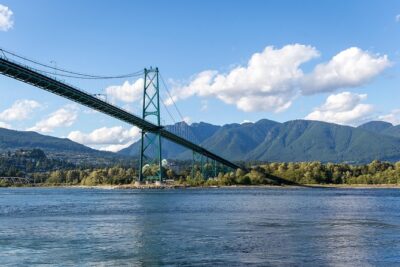 ★ 5.0Vancouver Half-Day Whale Watching Adventure with Free PhotosFrom $1935,000 reviews
 ★ 4.3Tadoussac/Charlevoix: Whale Watching Zodiac TourFrom $982,716 reviews
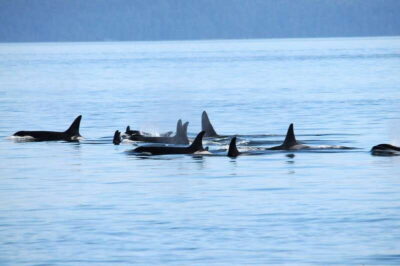 ★ 4.8Vancouver: Covered Whale Watching Adventure with Free PhotosFrom $1882,260 reviews
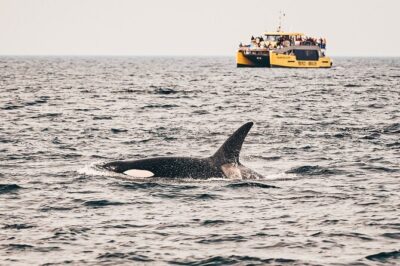 ★ 5.0Victoria Half-Day Whale Watching Adventure with Free PhotosFrom $1542,259 reviews
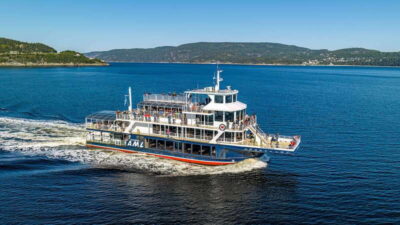 ★ 4.2Tadoussac/Charlevoix: 3-Hour Whale Watching Boat TourFrom $1222,179 reviews
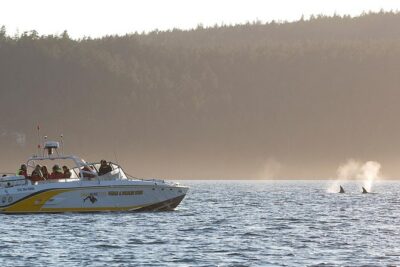 ★ 5.0Victoria Whale and Wildlife CruiseFrom $1461,729 reviews
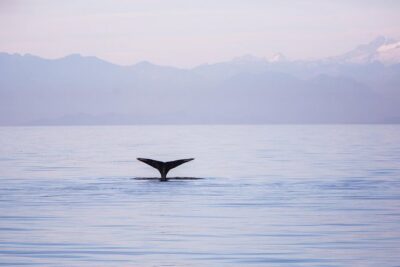 ★ 4.5Whale-Watching Tour from VancouverFrom $1571,572 reviews
 ★ 5.0Victoria Zodiac Boat Whale Watching AdventureFrom $154916 reviews
Browse the lists this tour appears in