
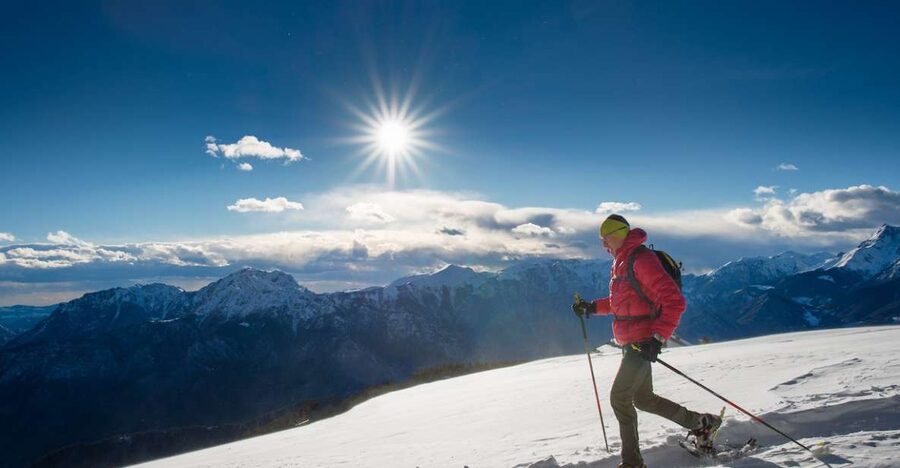
REVIEW · WHISTLER & THE SEA TO SKY HIGHWAY
Whistler: Backcountry Snowshoeing Tour with Guide
Old-growth snowshoe trails in Whistler make winter feel personal. This backcountry tour gets you onto ancient cedar forest paths and out to standout views, with a professional guide keeping the day safe and relaxed. You also get options, from Loggers Lake to glacier-fed water and frozen turquoise shine.
I really like the small group setup here, limited to 8 participants, because it makes the hike feel more like a guided walk than a crowded shuffle. One consideration: it is not suitable for kids under 8, and with 4 to 8 hours outside on snow, you should be comfortable staying on your feet for a long stretch.
In This Review
- Key Highlights You’ll Care About
- Whistler Backcountry Snowshoeing: Why It Works as a Half-Day Getaway
- Choose Your Route: Crater Rim, Garibaldi Lake, Joffre Lakes, Lava Lake
- Crater Rim Snowshoe Hike Toward Loggers Lake Views
- Garibaldi Lake Snowshoe Hike and the Barrier Lookout
- Joffre Lakes Snowshoe Hike, Frozen Over but Beautiful
- Lava Lake Snowshoe Hike: Best for Beginners and Families
- Private Snowshoe Guide If You Want More Choice and Control
- What You Actually Do During 4 to 8 Hours Outside
- Old-Growth Cedars and the Geology Story You Get On the Trail
- The Guide Makes the Difference, From Nick to Lindsey to Jen
- Gear Reality: Boots Fit Better Than Reviews
- Logistics and Pace: Meeting Point Varies, But the Day Still Runs Smooth
- Price and Value: What $91 Buys You in Whistler Winter
- Who This Tour Suits Best, and Who Should Skip It
- Should You Book This Whistler Backcountry Snowshoe Tour?
- FAQ
- How long is the Whistler backcountry snowshoeing tour?
- Is this a small group tour?
- What kinds of snowshoe hikes are offered?
- What is included in the price?
- What should I bring?
- Is it suitable for children?
Key Highlights You’ll Care About
- Old-growth cedar forest trails with a calm, backcountry feel and lots of winter quiet
- Multiple destination options (Crater Rim, Garibaldi Lake, Joffre Lakes, Lava Lake, plus private guiding)
- Professional English-speaking guide so you get context, not just directions
- Small group size with up to 8 participants, so questions and pacing are easier
- Boot and comfort focus since blisters can happen when boots do not fit well
The highway north, in more versions
- Zipline Adventure in Whistler★ 5.0 · 1,367 reviews
- Whistler Odyssey Tour: Off-Road Buggy Adventure★ 5.0 · 750 reviews
- Whistler Wilderness Run Snowmobile Tour★ 5.0 · 724 reviews
- 2 Hour Wilderness Adventure Snowmobile Tour in Whistler★ 5.0 · 610 reviews
Whistler Backcountry Snowshoeing: Why It Works as a Half-Day Getaway
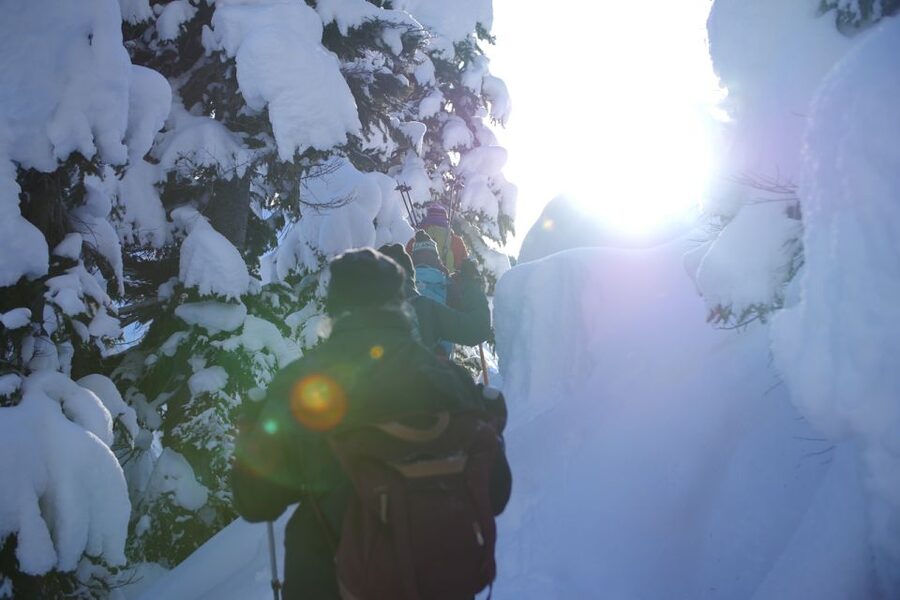
Whistler in winter can feel like a postcard, but this tour gives you something more useful than pretty views. You move through old-growth forests of ancient cedars, and the route is built around scenery and viewpoints, not just distance.
What makes it a good choice is the balance. You get time outside for real winter time, but the day stays at a relaxing pace with a guide who keeps things organized. In the reviews, guides like Nick, Lindsey, and Jen stand out for making the whole experience easy, friendly, and encouraging, which matters when snow travel can feel intimidating.
There is also a practical advantage to the structure. With destinations like Loggers Lake, Garibaldi Lake, and Joffre Lakes, you are not just snowshoeing for the sake of snowshoeing. You are walking toward natural features you can actually understand and talk about after, including geology and how the lakes look in winter.
Choose Your Route: Crater Rim, Garibaldi Lake, Joffre Lakes, Lava Lake
The biggest decision you will make is which destination matches your mood and fitness. The tour offers several different snowshoe hikes, and each one has a distinct feel.
Crater Rim Snowshoe Hike Toward Loggers Lake Views
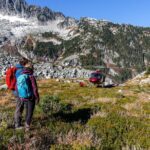
Crater Rim is a solid pick if you want a mix of effort and payoff. You follow a rocky trail toward Logger’s Lake that quickly gains elevation, so you feel the climb early and start earning views fast. As the route evens out, you transition into a lush forest section where the pace feels gentler.
The standout moment here is reaching one of the most scenic views of Loggers Lake and the surrounding area. If you like that classic hike rhythm, climb, settle, and then sit with a view for a bit, this route fits.
Possible downside: because you gain elevation fairly quickly, Crater Rim may feel more demanding than the lower-level options.
More trails worth breaking in winter

Garibaldi Lake Snowshoe Hike and the Barrier Lookout
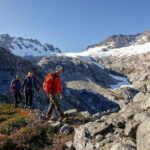
Garibaldi Lake is a great choice if you are drawn to dramatic terrain and glacial water. The hike involves a slight yet consistent incline up sharp switchbacks, which helps you keep moving without going too hard too fast.
You end at an impressively large glacier-fed alpine lake sitting in a deep basin. That setting is the point, and the final approach is designed to build toward it. On the way, you pass the Barrier lookout, described as a rockwall of crumbling lava that supports Garibaldi Lake.
Possible downside: switchbacks mean your legs do more work, even if the incline is not described as extreme. It is still a winter backcountry hike, so stamina matters.
Joffre Lakes Snowshoe Hike, Frozen Over but Beautiful
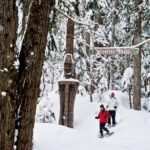
Joffre Lakes is the route I’d point to if you want a calmer, more atmospheric day. In winter, the lake is frozen over and the turquoise waters are hidden, but the setting changes character instead of disappearing.
With low sun peeking through snow-covered trees, the light can reflect throughout the forest and create a glowing ambiance. You are not hunting big peaks for big drama. You are walking through a quiet scene where winter light does most of the talking.
Possible downside: if you are expecting the same turquoise view you might see in warmer months, you will need to adjust your mindset. This is about winter beauty, not summer scenery.
Lava Lake Snowshoe Hike: Best for Beginners and Families
Lava Lake is the easiest route described, and that matters if you want confidence. The trail is described as low-level and perfect for families and beginner snowshoers, so the day feels less like a workout and more like a scenic walk.
You navigate through snow-dusted trees and along picturesque ponds. The route also includes many bridges to cross, including the Whistler Bungee Bridge, which gives the hike a playful edge.
Possible downside: because the route is designed to be easier, it may not feel as challenging if you are specifically craving a bigger climb.
Private Snowshoe Guide If You Want More Choice and Control
If you want a tailored outing, the private snowshoe guide option is built around what the guide sees as the best areas. It focuses on aesthetics and special viewpoints of interest, with a rejuvenating excursion at a relaxing, enjoyable pace.
This option is especially appealing if your group has mixed abilities, if you prefer extra time at viewpoints, or if you want more conversation without worrying about staying with a set group rhythm. You still get reassurance of a safe and memorable outing with a guide leading the way.
What You Actually Do During 4 to 8 Hours Outside
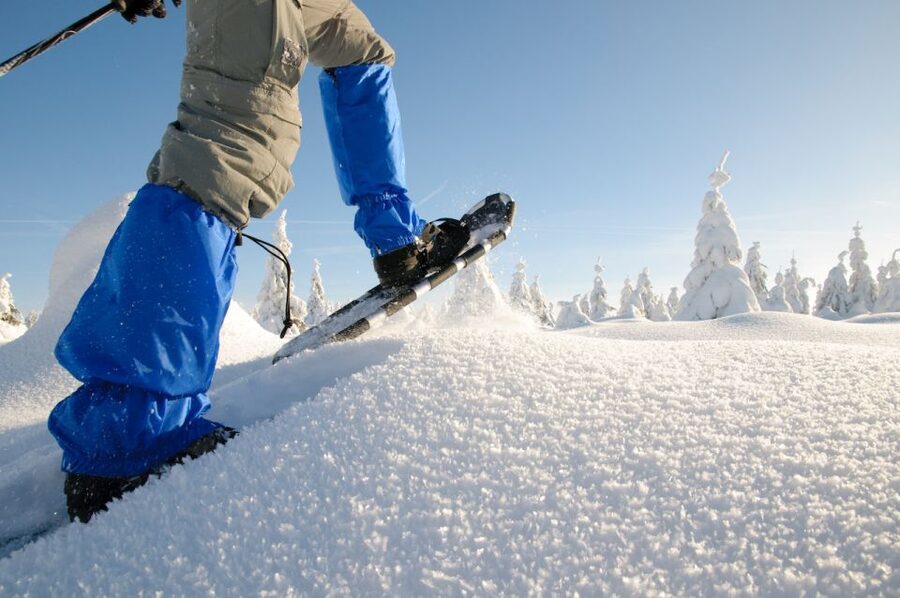
This tour runs for 4 to 8 hours, and the variation depends on which option you book and the conditions that day. That time range is a real clue: you are not looking at a quick in-and-out walk.
Expect a full walking experience on snow, with enough movement to keep your body warm. One review mentioned the cold barely being an issue because you are always moving. That tracks with how good snowshoe tours are planned. You do not stop for long periods. You pause for viewpoints, but the overall flow stays active.
You’ll spend time transitioning between different types of terrain. Some routes start with rocky climbs, others focus on switchbacks, and some stay low with easier gradients. Even when the hike is not described as technical, winter ground can be uneven, so snowshoe control matters.
The professional guide is there for more than route-finding. In the reviews, Lindsey talked about nature during the hike in a way that made the information interesting, and Nick was described as knowledgeable with an easygoing, friendly style. Jen was also praised for doing a great job and making it enjoyable. In other words, the guiding is part of the experience, not a background service.
Old-Growth Cedars and the Geology Story You Get On the Trail
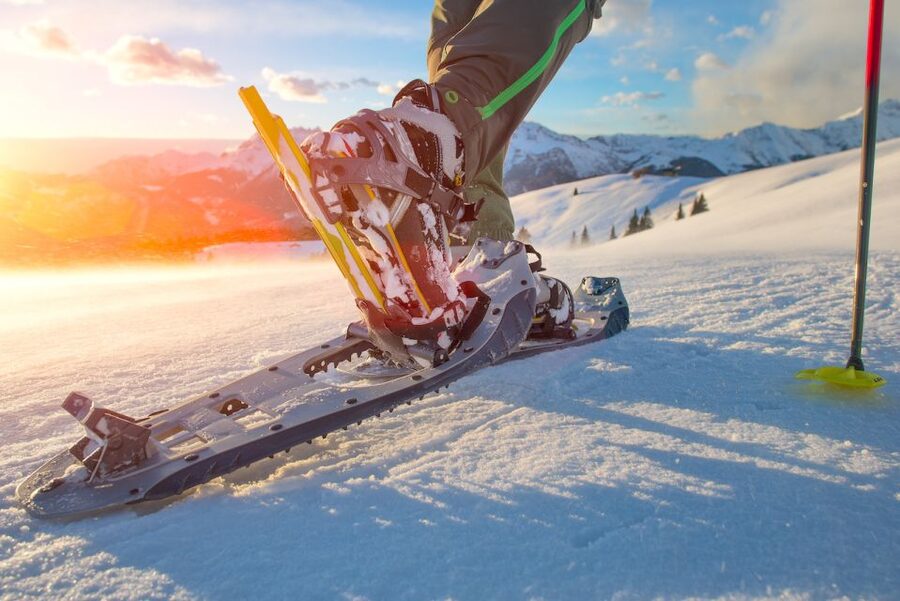
One reason I like snowshoeing with a guide is that the scenery comes with explanations. Here, the tour focuses on winter trekking through old-growth forest, and the destinations are tied to geologically interesting landscapes.
That shows up most clearly on routes with distinctive geological features. Garibaldi Lake includes the Barrier lookout, described as a rockwall of crumbling lava that supports the lake. That is not just a photo stop. It’s a chance to connect what you see with how the area formed.
Crater Rim gives you a view-driven experience toward Loggers Lake, while Joffre Lakes changes everything about how you read the environment in winter, with frozen water and light reflecting through snow-covered trees. Lava Lake blends gentle trail travel with ponds and bridges, so you are constantly seeing small natural details as you walk.
Even if you do not call yourself a geology person, these kinds of explanations help you look harder. You stop seeing the forest as a single blur and start noticing how the terrain shapes the route, the views, and the atmosphere.
The Guide Makes the Difference, From Nick to Lindsey to Jen
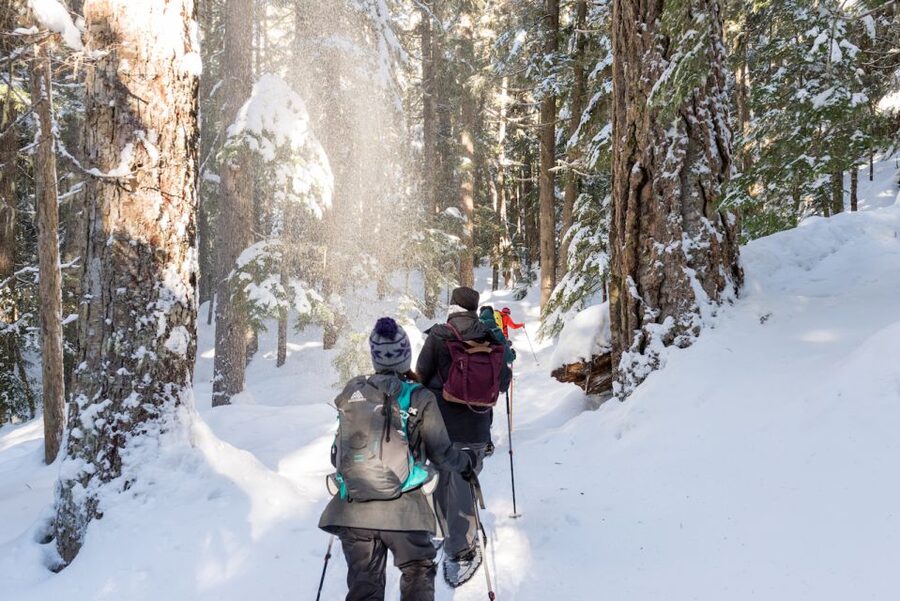
Small group tours succeed or fail based on the guide’s energy. The reviews here are unusually consistent about friendliness, confidence, and an ability to keep the day flowing.
Nick is described as knowledgeable and experienced, with an easygoing, friendly nature. In that same review, he even offered the group a lift home, which suggests a helpful attitude at the end of the day, even though you should not expect every guide to do the same.
Lindsey is praised for being great company and sharing a lot of natural information during the hike. The wording in the review made it clear the fun came from both the scenery and how she guided the experience.
Jen also received strong praise for doing a great job. The overall theme is simple: you get someone who can manage a group in winter while keeping the tone relaxed and supportive.
Because the tour is limited to 8 participants, it is easier for a guide to notice who needs a breather, who is moving fast, and who might be getting uncomfortable. That can be a big deal on snowshoe days when a wrong pace can turn fun into fatigue.
Gear Reality: Boots Fit Better Than Reviews
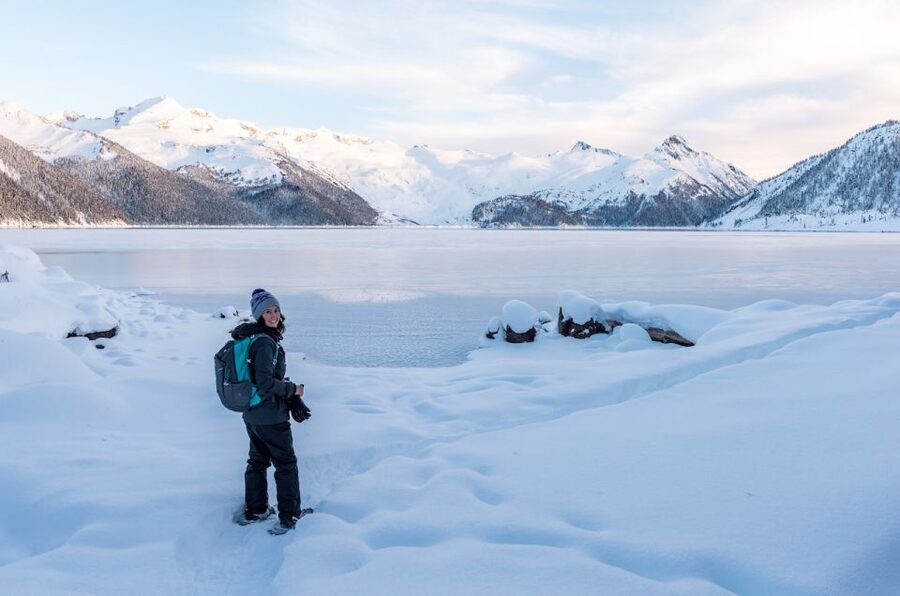
You will be outside for hours, so comfort is not a minor detail. The tour asks you to bring warm clothing and snow clothing. That part is straightforward.
Footwear is where things can get personal. They can provide hiking boots, but you highly recommended to bring your own. Blisters can be an issue with boots that are not perfectly suited for your foot.
This is one of those travel truths that never feels dramatic until it happens. A snowshoe tour can be a fantastic day, until you spend the last hour thinking about your feet instead of the views.
If you already own winter boots that fit well, bring them. If not, plan ahead so you can wear them around before your trip, even just for short walks, to make sure they feel right.
Logistics and Pace: Meeting Point Varies, But the Day Still Runs Smooth
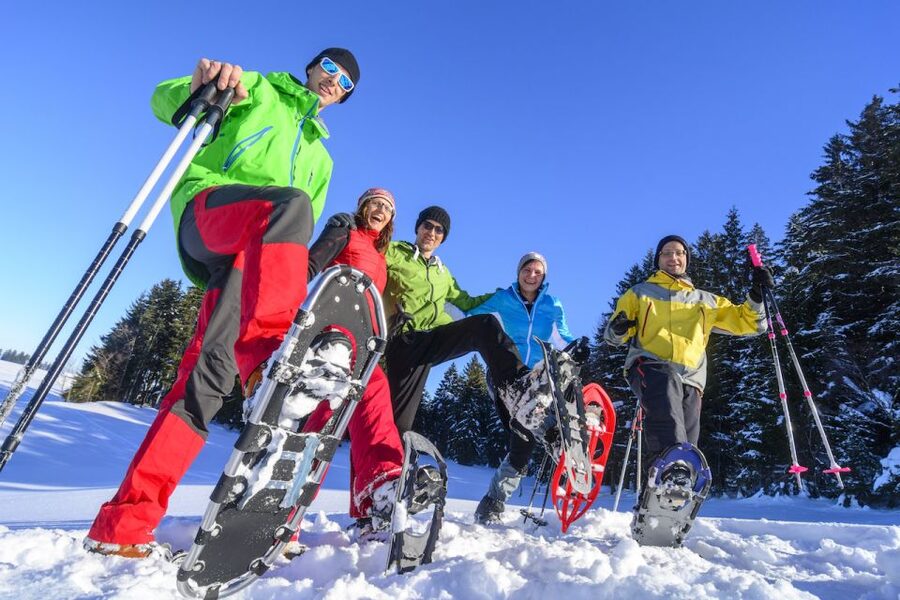
The meeting point may vary depending on the option you book. So the practical move is to double-check your exact pickup spot in your booking details before you set out.
Once you arrive, the tour is designed to move at a relaxing and enjoyable pace. That phrase matters because it signals the guiding style: you are not meant to be sprinting through deep snow while trying to keep up.
This pace also helps with comfort. With winter snowshoeing, the goal is steady effort with frequent viewpoint moments, not constant stopping. The reviews point out that staying in motion helps you feel warm, and that you can enjoy the day without battling cold the whole time.
Price and Value: What $91 Buys You in Whistler Winter
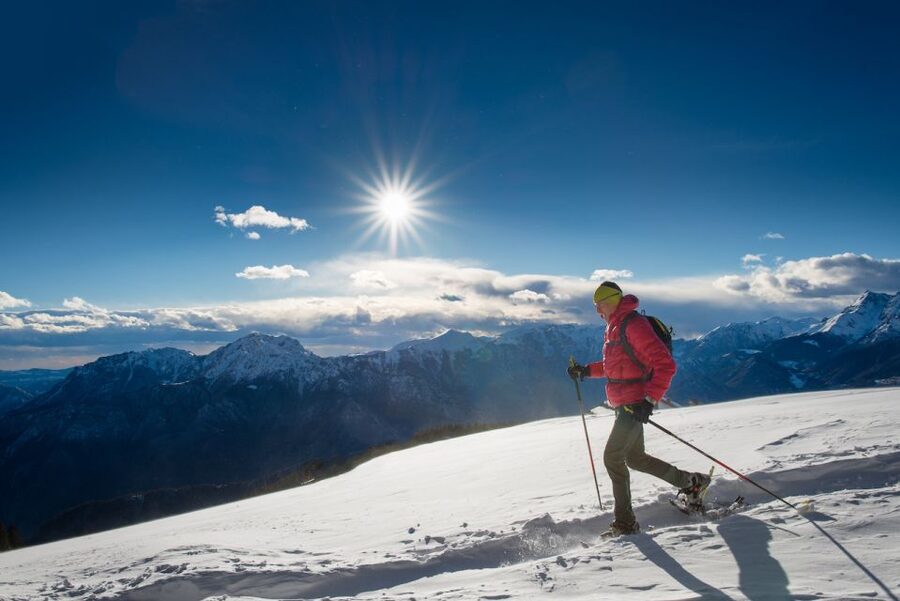
At $91 per person, this is priced like an activity that aims for good value, not a basic add-on. For that price, you get a professional guide and a small group size, limited to 8 participants.
The value is strongest if you care about two things:
1) You want the guide’s expertise and friendly direction so you feel confident outdoors in winter.
2) You want scenery with real destination weight, like Loggers Lake, Garibaldi Lake, Joffre Lakes, or Lava Lake.
The time range also matters. A 4 to 8 hour outing is enough time for an experience to feel meaningful. You are not rushing, and you are not just doing a short taste of winter.
If you are traveling with a partner or friends, the small group cap helps make it feel more personal. And if you want flexibility, there is an option to reserve now and pay later, which helps you lock in a spot while your other plans fall into place.
Who This Tour Suits Best, and Who Should Skip It
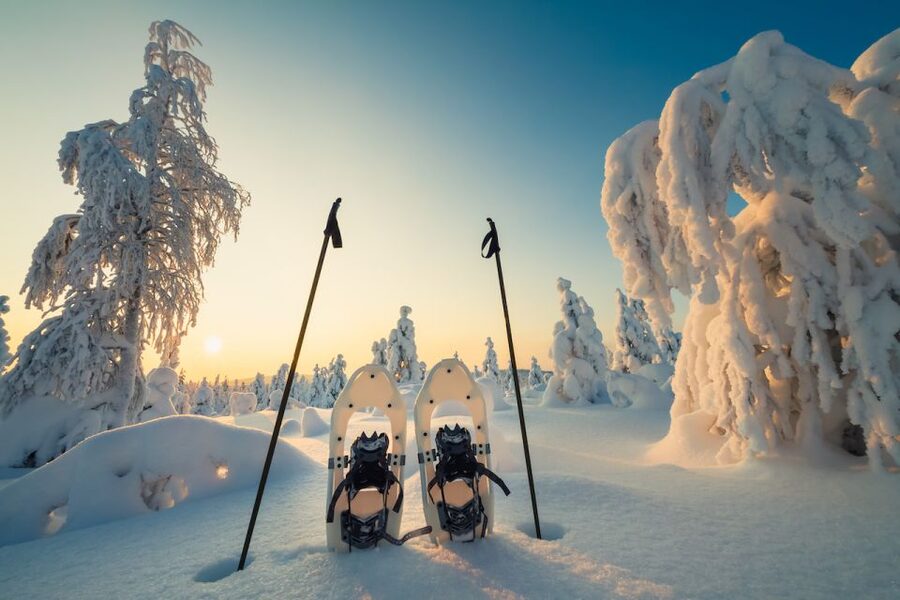
This tour fits best if you want an outdoors day that is guided, scenic, and paced for enjoyment. If you like winter walking, forest views, and learning a bit about nature along the way, you’ll probably enjoy the format.
Route choice helps narrow the fit:
- Pick Lava Lake for beginners or families, since it is described as low-level.
- Choose Joffre Lakes if you want serene winter light and frozen-water atmosphere.
- Choose Garibaldi Lake if you want switchbacks, elevation, and a glacier-fed alpine lake with a lava rockwall viewpoint.
- Choose Crater Rim if you want a quick elevation gain early and a strong payoff at Loggers Lake.
Skip it if your group includes children under 8. The tour is not suitable for that age range, based on the activity rules provided.
Also be honest with yourself about your comfort on snow. Even the easier route still involves walking outdoors for hours. The best day will be the one where your body can focus on the scenery instead of discomfort.
Should You Book This Whistler Backcountry Snowshoe Tour?
I’d book it if you want the mix of old-growth forest walking and destination views, and you value a guide who keeps things friendly and moving. The route options are strong, from the easier Lava Lake with ponds and bridges to the bigger scenery-focused hikes like Garibaldi and Crater Rim.
I would not book it if your priority is a very short activity, since the duration can run up to 8 hours. I also would not choose it for children under 8, since it is not suitable for that age group.
If you want a winter day that feels safe, scenic, and not rushed, this is a solid choice for Whistler. Just bring snow clothing and warm layers, take boot fit seriously, and pick the route that matches your energy level.
FAQ
How long is the Whistler backcountry snowshoeing tour?
The tour duration is 4 to 8 hours, depending on the option you book and starting times available.
Is this a small group tour?
Yes. The group is limited to 8 participants.
What kinds of snowshoe hikes are offered?
You can choose among Crater Rim (Loggers Lake view), Garibaldi Lake (including Barrier lookout), Joffre Lakes (frozen winter atmosphere), Lava Lake (low-level trail with bridges), or a Private Snowshoe Guide option.
What is included in the price?
A professional guide is included.
What should I bring?
Bring warm clothing and snow clothing. Hiking boots are available to be provided, but the tour recommends that you bring your own, since blister issues can happen with ill-fitting boots.
Is it suitable for children?
No, it is not suitable for children under 8 years old.
Easier With a Guide

Trails Worth Breaking
The Road North to Whistler
Just off the notebook: recent Whistler write-ups
- Whistler: Guided Wilderness Hike
★ 5.0 · 4 reviews - Paradise Valley: Bee Adventure Tour!
★ 5.0 · 4 reviews - From Vancouver: Shannon Falls and Whistler Sightseeing Tour
★ 4.1 · 4 reviews - Whistler Helicopter Tour: Glaciers and Black Tusk
★ 4.8 · 5 reviews - Whistler Family Buggy Easy Tour
★ 5.0 · 5 reviews - Whistler: Axe Throwing Experience
★ 5.0 · 6 reviews
Whistler & the Sea to Sky Highway, compared.
 ★ 5.0From Vancouver: Whistler & Sea to Sky Gondola with Shannon FallsFrom $1731,640 reviews
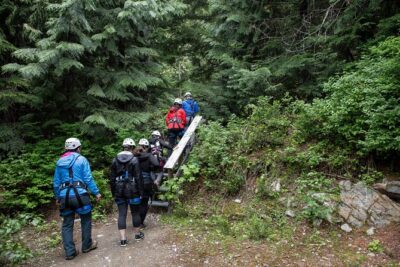 ★ 5.0Zipline Adventure in WhistlerFrom $1261,367 reviews
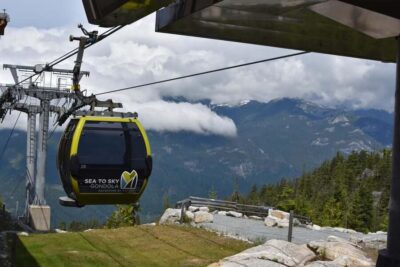 ★ 4.8Whistler, Sea to Sky Gondola, and Shannon Falls Day TripFrom $1411,134 reviews
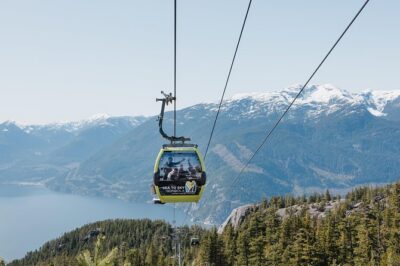 ★ 5.0Whistler and Sea to Sky Gondola Tour + Shannon FallsFrom $161882 reviews
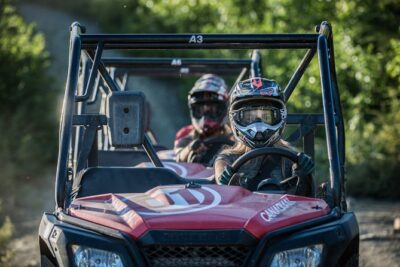 ★ 5.0Whistler Odyssey Tour: Off-Road Buggy AdventureFrom $275750 reviews
 ★ 4.5Whistler & Sea to Sky Gondola Day Trip from VancouverFrom $185725 reviews
 ★ 5.0Whistler Wilderness Run Snowmobile TourFrom $236724 reviews
 ★ 4.7Vancouver: Sea to Sky Gondola and Whistler Day TripFrom $156636 reviews
Browse the lists this tour appears in