
REVIEW · WHISTLER & THE SEA TO SKY HIGHWAY
Vancouver/Squamish: Garibaldi Park Panorama Ridge Hike
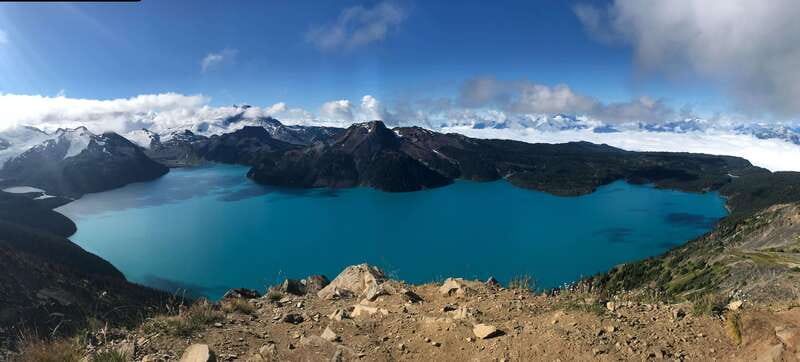
A tough hike, with views that feel unfair. The Garibaldi Park Panorama Ridge trek is a long, guided push to big altitudes and a 360-degree summit platform. I like the way the route is built for steady progress, with switchbacks and well-placed bridges, so the climb feels earned but not chaotic. And I really like having Marc there to manage pace and keep you steady when the trail turns rocky.
One consideration: this is a serious, 12-hour fitness challenge, and it is not suitable for children under 14.
In This Review
- Key points before you go
- Panorama Ridge in Garibaldi Park: the kind of hike you remember
- From Vancouver or Squamish to Rubble Creek: you start already in motion
- The climb rhythm: switchbacks, bridges, and why the route feels controlled
- Traction and safety: poles, crampons, and the technical mindset
- Summiting Panorama Ridge: the platform rest that makes it worth it
- Marc’s guiding style: pace, encouragement, and smart route talk
- Wildlife watching and cultural context: more than just scenery
- Price and value: what you get for $162
- What to pack and how to plan your long day
- Who should book this Garibaldi Panorama Ridge hike
- Should you book the Vancouver/Squamish Panorama Ridge tour?
- FAQ
- Where does pickup happen for the Panorama Ridge hike?
- How long is the tour?
- Where do you start the hike?
- What do you see at the summit?
- Are food and drinks included?
- Is a flashlight included?
- What equipment is included?
- Are provincial park entry fees included?
- What languages are the guides available in?
- Who is this hike not suitable for?
- What are the cancellation and payment options?
Key points before you go
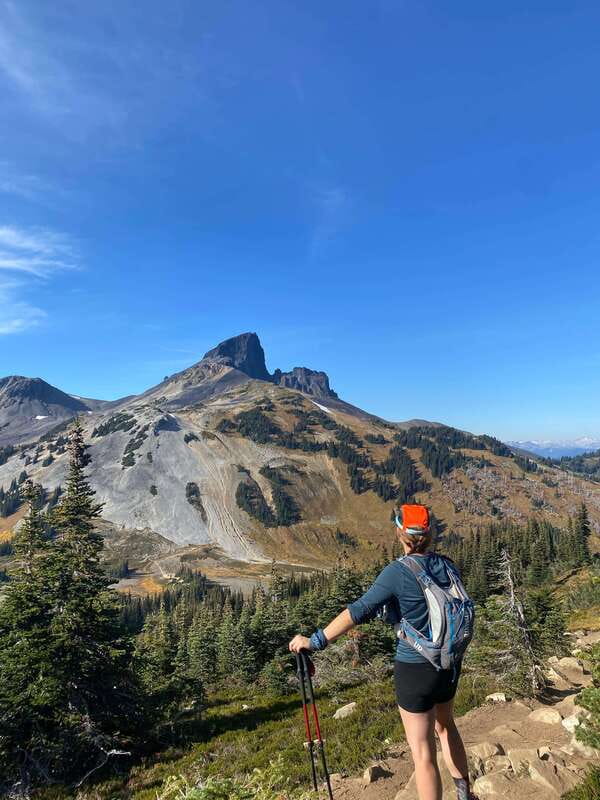
- Rubble Creek start: You begin right at the Rubble Creek parking lot and work upward from there.
- Guided technical sections: Rocky ground comes with handrails and footholds for safer footing.
- Traction support included: You get trekking poles and crampons to help when conditions call for grip.
- Summit platform with 360 views: A designed viewing area means you can rest without scrambling.
- Wildlife is possible: The route can bring surprising wildlife sightings, even a bear.
- Long day, no food provided: Plan snacks and water on your own, since food and drinks are not included.
The highway north, in more versions
- Sea to Sky Gondola Ticket★ 4.5 · 388 reviews
- Britannia Mine Museum General Admission★ 5.0 · 233 reviews
- Squamish Explorer Flightseeing Tour★ 5.0 · 73 reviews
- Squamish Via Ferrata Adventure★ 5.0 · 71 reviews
Panorama Ridge in Garibaldi Park: the kind of hike you remember
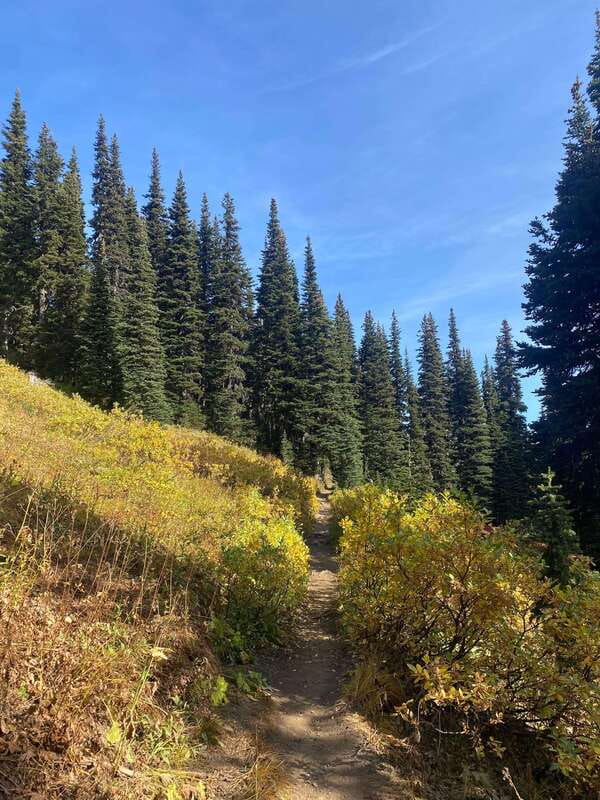
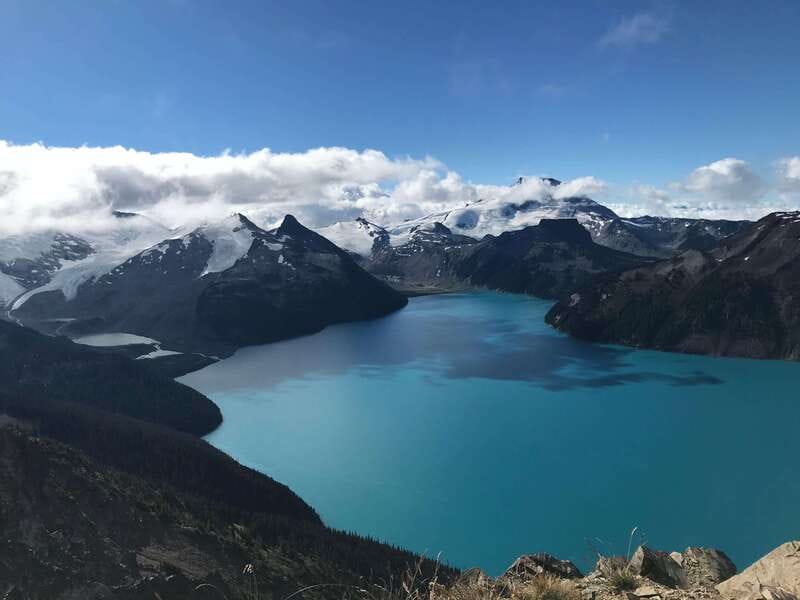
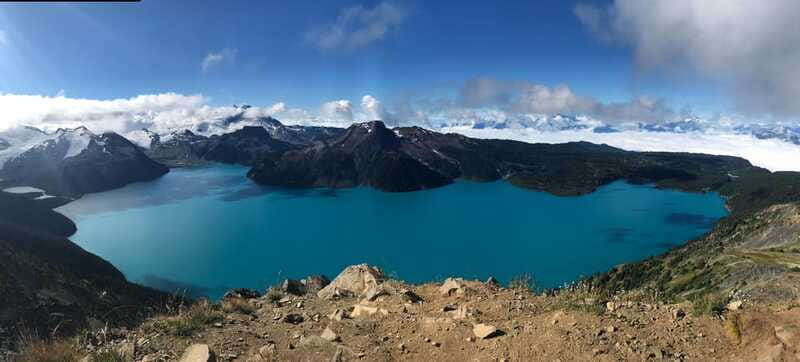
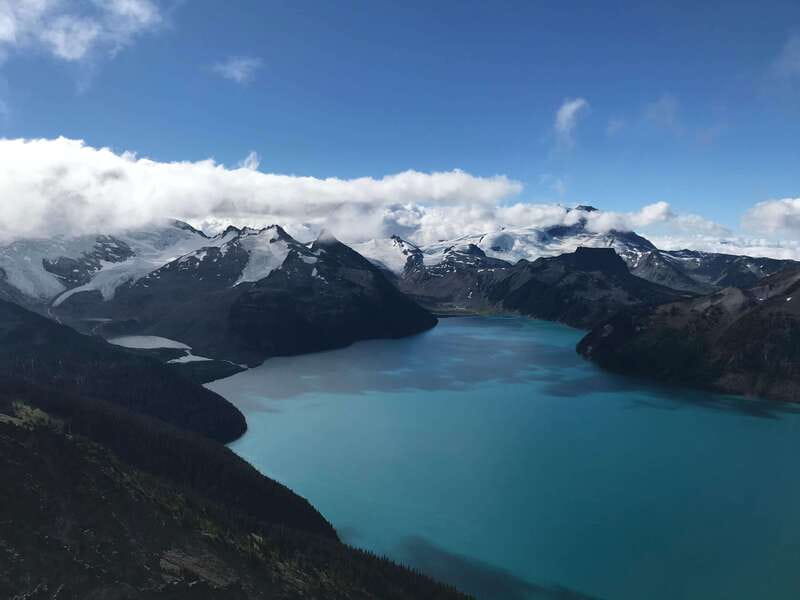
This is the hike you do for the full effect. Garibaldi Provincial Park puts you in the alpine zone, and Panorama Ridge rewards you with a horizon-wide view that makes everything else feel small.
You should expect a steady climb that gradually escalates. The trail starts with a gentle incline, but it is not a casual stroll. You are hiking for hours, moving through different terrain types, and you will use the support features on the way up.
And the best part is how the summit is handled. Instead of a random scramble to see out, there is a viewing platform designed for stability, so you can sit, take photos, and just breathe.
From Vancouver or Squamish to Rubble Creek: you start already in motion
The day begins with hotel pickup from Vancouver or Squamish. That matters more than it sounds, because it removes the biggest hassle: getting to the start line in time and with the right gear.
Once you arrive, your hike starts from the Rubble Creek parking lot. That is a key detail, because it sets the tone for the whole route. You are not adding extra “approach” miles on your own before the real climb begins.
Then it is uphill, but intelligently. Early on, the trail uses a manageable incline to ease you into effort. You are building rhythm, not sprinting into pain.
The climb rhythm: switchbacks, bridges, and why the route feels controlled
One of the smartest things about this hike is how it meters your energy. The ascent uses switchbacks to control the gradient, so you gain elevation without constantly grinding straight up.
You also get moments where the trail actually helps you. There are well-constructed bridges over bubbling streams, and they do two jobs. They keep you moving safely across wet areas, and they break up the hike with a visual reset.
As you continue, the trail’s “hands-on” side shows up. Rocky terrain appears, and you will navigate sections with handrails and footholds. This is the point where you stop thinking of it as just cardio and start treating it like a route with technique.
If you have ever had a hike turn from scenic to stressful, this one is trying to prevent that. The support features are there so you can focus on your breathing and footing, instead of guessing.

Traction and safety: poles, crampons, and the technical mindset
This tour includes trekking poles and crampons, plus emergency gear like a first-aid kit and a satellite phone. That is a big clue about the nature of the route. Even when you plan for a summer or shoulder-season day, alpine trails can still get slick or uneven.
Crampons are not there for decoration. You should be ready for traction needs on at least some sections where grip matters. Poles help on both the climb and the descent, especially when you are transitioning over rocky ground.
Also, safety is not just “good luck.” The tour provides emergency equipment and is guided, which means you are not trying to figure out the route alone when the trail gets technical.
A small practical tip for you: if you do not normally hike with poles, practice a simple routine at home first. Plant, step, breathe. Once your body learns the pattern, the hike feels more efficient and less exhausting.
Summiting Panorama Ridge: the platform rest that makes it worth it
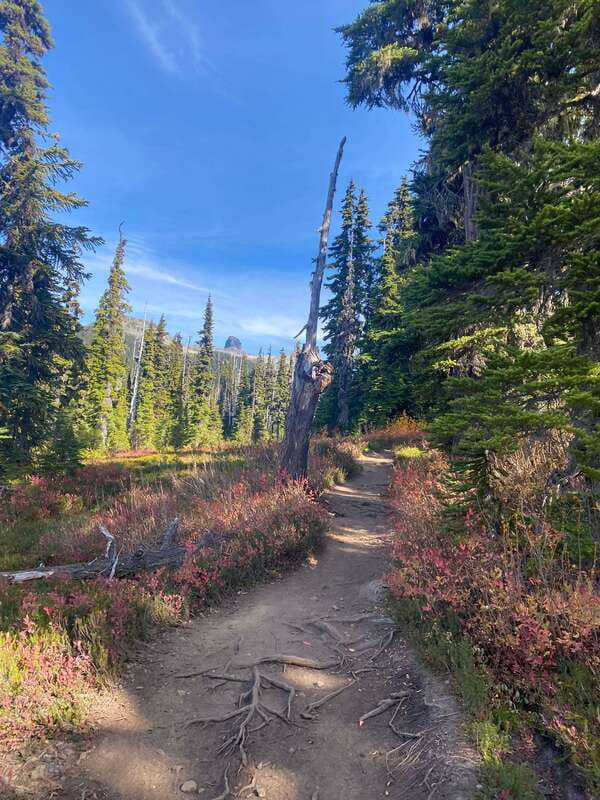
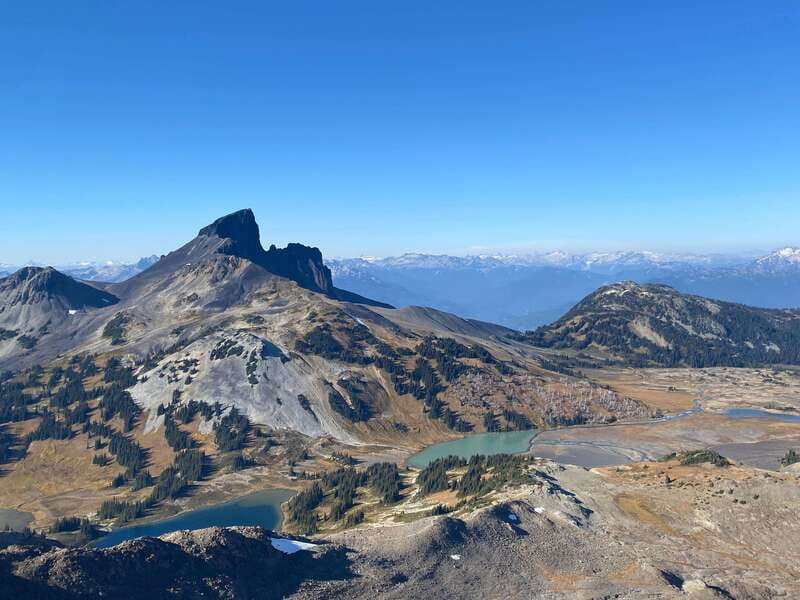
At the top, you do not just look out from the edge of the trail. You reach a meticulously designed viewing platform that offers 360-degree views of the peaks and alpine lakes around you.
That design choice matters. Platforms reduce the time you spend worrying about footing while you are trying to enjoy the view. It turns the summit into a place to actually stop, sit, and reset.
This is where the hike changes from effort to experience. You settle somewhere comfortable, rest, and let the stress drain away. The altitude and the open air create a calm that feels different from a normal viewpoint stop.
Then you start the descent. The return can still feel challenging, but you go back with a clearer mind. You have already done the hard part, and you can focus on controlled steps, especially on the rocky sections.
Marc’s guiding style: pace, encouragement, and smart route talk
I love the human factor on days like this. Marc is described as friendly and outgoing, and it shows in how the group moves. The guiding focus is not just route finding, it is keeping you comfortable and confident the whole way.
A big theme in the experience is pace control. Marc knows when to speed up and when to slow down, and that kind of adjustment can make the difference between suffering and finishing strong.
There is also morale support through conversation. When the trail is tiring, you still get interesting discussions on the way, which helps you stay mentally engaged instead of counting minutes in silence.
One more detail I appreciate: the route is not presented as a test you either pass or fail. It is coached. That matters on a hike that is physically demanding, but still doable if you match effort to terrain.
Wildlife watching and cultural context: more than just scenery
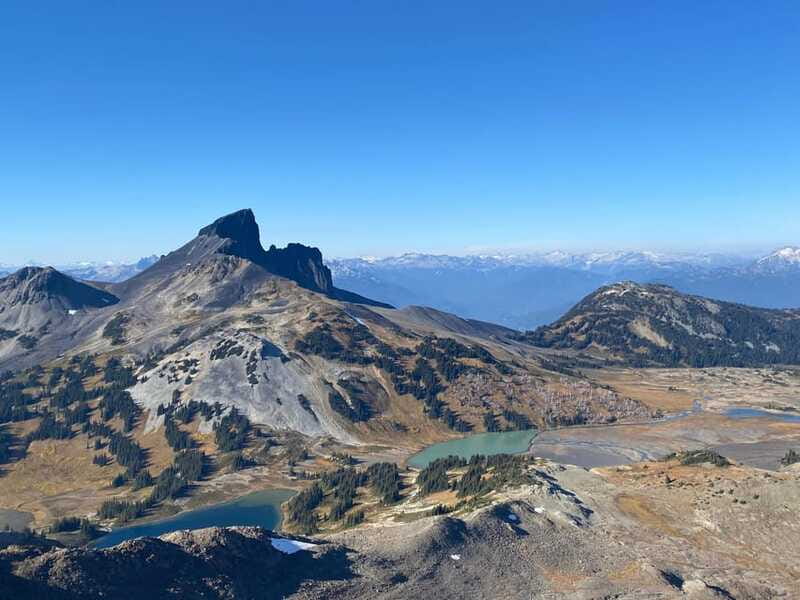
Panorama Ridge is scenic, but it is also alive. You may get wildlife sightings along the way, and it can be dramatic, like encountering a bear at a distance. The key is that you are with a guide, so you are not improvising how to respond.
You should also expect some cultural significance to be part of the experience. The tour includes context tied to the region’s cultural meaning, shared by the guide. That turns your time in the park from a simple photo stop into a more grounded experience.
Even if you only remember the views, these extra layers make the day feel more intentional. You are not just checking off a summit, you are moving through a place with meaning and a real ecosystem.
Price and value: what you get for $162
At $162 per person for a full 12-hour day, the price feels high if you think only in terms of distance. But it is more reasonable once you add the full package.
You are getting:
- hotel pickup and drop-off in Vancouver or Squamish
- a live guide
- trekking poles and crampons
- provincial park entry fees
- emergency equipment (first-aid kit and satellite phone)
That bundle saves you hassle and money. Poles and crampons alone are not cheap if you had to rent or buy them. And entry fees plus pickup can easily eat into a self-planned day, especially if you are relying on limited parking or local knowledge.
Where the cost does not cover everything is also clear. Food and drinks are not included, and there is no flashlight. So your overall budget needs some attention, especially for a long day.
My take: if you want a guided, well-supported route with gear handled for you, this is solid value. If you already have poles, crampons, and a plan to get to the trailhead safely, the cost becomes more about convenience and the guide’s pacing and safety.
What to pack and how to plan your long day
You should treat this as a full-day outing. Food and drinks are not included, so plan your own snacks and water before you leave. A hike of this length means you will want enough energy to keep your pace steady on the ascent and avoid getting shaky on the descent.
Also, bring the basics that are not listed as included. Since a flashlight is not provided, if daylight might run short for your group’s timing, you will want to have one with you.
Wear footwear built for rocky terrain. You are going to use handrails and footholds, which suggests uneven ground. Comfortable hiking boots or trail shoes with real grip will make a noticeable difference.
Finally, remember that crampons are included. You still need to wear shoes that work with them, and you should listen closely when the guide explains how to use what you are given.
Who should book this Garibaldi Panorama Ridge hike
This tour fits best if you want a real challenge and you enjoy alpine views that feel like a payoff, not a consolation prize.
You will likely enjoy it if:
- you handle long hikes and steady climbs
- you are comfortable on rocky terrain and using support features
- you want a guide managing pace, safety, and morale
- you want included gear so you travel lighter
You should skip it if you cannot handle a fitness challenge, or if you are traveling with children under 14, since it is not suitable for that age group.
If your ideal day is easy, mostly flat hiking with minimal technical footing, this is not the one. But if you like the feeling of progressing uphill with purpose, this is a strong choice.
Should you book the Vancouver/Squamish Panorama Ridge tour?
I’d book it if you want a guided alpine summit day with support that actually shows up when the trail gets serious. The combination of pickup from Vancouver or Squamish, included trekking poles and crampons, park entry fees, and emergency gear makes it feel like a “do it right” version of Panorama Ridge.
I’d think twice if you do not want to manage your own food and drinks, or if you are not ready for a long, demanding hike. The age limit is clear, and the terrain is not just pretty, it is practical and occasionally technical.
If you are the kind of hiker who likes steady effort, rests at the top, and then works your way down with confidence, this day has a lot going for you.
FAQ
Where does pickup happen for the Panorama Ridge hike?
You get hotel pickup and drop-off in either Vancouver or Squamish.
How long is the tour?
The duration is 12 hours.
Where do you start the hike?
The hike starts at the Rubble Creek parking lot.
What do you see at the summit?
You reach a viewing platform with 360-degree views of the surrounding peaks and alpine lakes.
Are food and drinks included?
No, food and drinks are not included.
Is a flashlight included?
No, flashlight is not included.
What equipment is included?
The tour includes trekking poles and crampons, plus emergency equipment like a first-aid kit and a satellite phone.
Are provincial park entry fees included?
Yes, provincial park entry fees are included.
What languages are the guides available in?
The live tour guide offers English and French.
Who is this hike not suitable for?
It is not suitable for children under 14.
What are the cancellation and payment options?
You can cancel up to 24 hours in advance for a full refund, and there is a reserve now & pay later option.
The Road North to Whistler


Just off the notebook: recent Squamish write-ups
- Squamish Canyon
★ 3.5 · 6 reviews - Alpine Lake Flightseeing Experience from Squamish
★ 5.0 · 7 reviews - Squamish Rock Climbing Taster
★ 5.0 · 12 reviews - Vancouver/Squamish: Garibaldi Park Panorama Ridge Hike
★ 5.0 · 12 reviews - Private Squamish Rock Climbing
★ 5.0 · 15 reviews - Squamish: Via Ferrata Climbing Adventure
★ 5.0 · 25 reviews
Whistler & the Sea to Sky Highway, compared.
 ★ 5.0From Vancouver: Whistler & Sea to Sky Gondola with Shannon FallsFrom $1731,640 reviews
 ★ 5.0Zipline Adventure in WhistlerFrom $1261,367 reviews
 ★ 4.8Whistler, Sea to Sky Gondola, and Shannon Falls Day TripFrom $1411,134 reviews
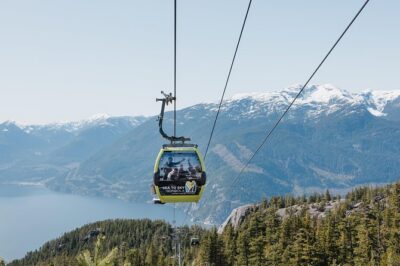 ★ 5.0Whistler and Sea to Sky Gondola Tour + Shannon FallsFrom $161882 reviews
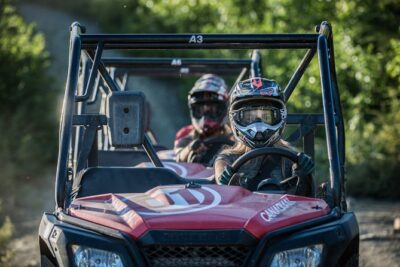 ★ 5.0Whistler Odyssey Tour: Off-Road Buggy AdventureFrom $275750 reviews
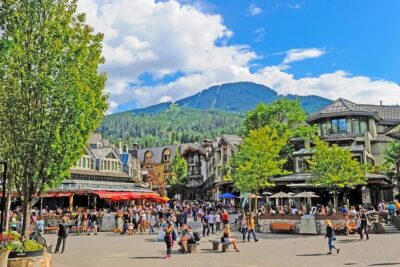 ★ 4.5Whistler & Sea to Sky Gondola Day Trip from VancouverFrom $185725 reviews
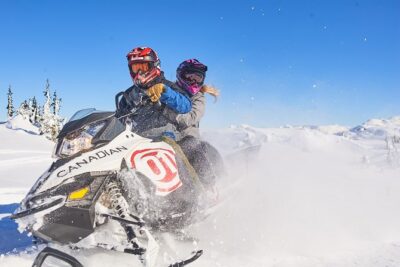 ★ 5.0Whistler Wilderness Run Snowmobile TourFrom $236724 reviews
 ★ 4.7Vancouver: Sea to Sky Gondola and Whistler Day TripFrom $156636 reviews
Browse the lists this tour appears in