
REVIEW · HISTORICAL TOURS
The Really Gay History Tour in Vancouver, Canada
Walking gives queer history real weight. The Really Gay History Tour in Vancouver uses a guided walk to connect landmarks to the people behind them, from Imperial Court coronations and drag kings at the Quadra to gay ministers and community crises that shaped the city. You finish in the middle of the Davie Street action, so the past doesn’t feel like a museum exhibit.
Two things I really like: the guide’s storytelling. Guides like Glenn pull details together like a well-structured chapter, with real emotion and plenty of laughs. I also like that the route is built for getting oriented on foot, so you learn the LGBTQ2+ story while you’re also learning how this part of Vancouver fits together.
One consideration before you book: the tour includes explicit language, and it’s not aimed at kids. Also, it’s a walking tour, so bring sensible shoes and expect a moderate pace.
In This Review
- Key moments that make this tour worth your time
- Why Vancouver’s queer past shows up best on foot
- The 930 Burrard Street start: how the tour sets its tone
- Imperial Court coronations, drag kings at the Quadra, and gay ministers
- Patient Zero, the GRID crisis, and how survival shaped the community
- West End orientation: earliest Pride, Jim Deva Plaza, and coded places
- Gone to the Spirits and how the tour handles stories with care
- Nelson Park and finishing at Davie Street, where the city continues
- Price and time: why $29.29 for 2 hours can be a smart buy
- What to expect on the ground: pace, weather, and explicit language
- Who this tour fits, and who should skip it
- Should you book the Really Gay History Tour in Vancouver?
- FAQ
- How long is the Really Gay History Tour?
- How much does the tour cost?
- Where do I meet the guide?
- Where does the tour end?
- What time does the tour start?
- Is the tour offered in English?
- Does the tour run in bad weather?
- Is the tour suitable for children?
- What is the cancellation policy?
Key moments that make this tour worth your time
- Meet in the downtown West End, outside Trees Organic Coffee Shop at 930 Burrard Street
- A small group max of 20, which keeps the pace friendly for questions
- Learn LGBTQ2+ history in order, from early Pride moments to later crises like the GRID era
- Real, specific stops, including Jim Deva Plaza and the Davie Street gaybourhood finish
- Storytelling with emotion and humor, with a guide who handles heavy topics with care
- Rain or shine, with many stops under cover, so your plan usually survives the weather
More routes into older Vancouver
- Gastown Historic Walking Food Tour★ 5.0 · 1,863 reviews
- Vancouver: Guided Food and City History Tour★ 4.5 · 53 reviews
- Vancouver: LGBTQ2+ History Tour in the West End★ 4.9 · 20 reviews
- Vancouver Holiday History and Hot Chocolate Tour★ 5.0 · 15 reviews
Why Vancouver’s queer past shows up best on foot
Vancouver’s LGBTQ2+ history is not locked behind glass. It lives in streets, storefronts, parks, and places where communities gathered, protected each other, and sometimes had to hide in plain sight. A walking format matters because it forces you to see how close these chapters are, and how much has changed while the need for community has stayed constant.
This tour is also a practical way to spend a half-day. You get a focused overview in about 2 hours, then you still have plenty of time to explore on your own. You’ll likely leave with stronger “city legs,” knowing where the West End ends and where Davie Street takes over.
And since the guide is speaking as you walk, you don’t just hear names and dates. You hear how places held meaning for people at the time, and why those stories shaped what you can experience today.
The 930 Burrard Street start: how the tour sets its tone
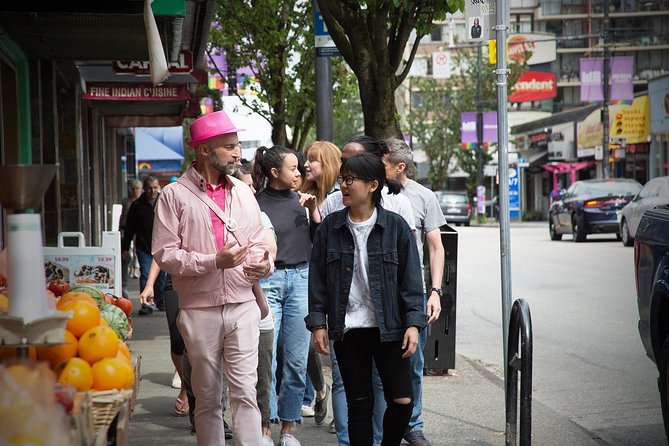
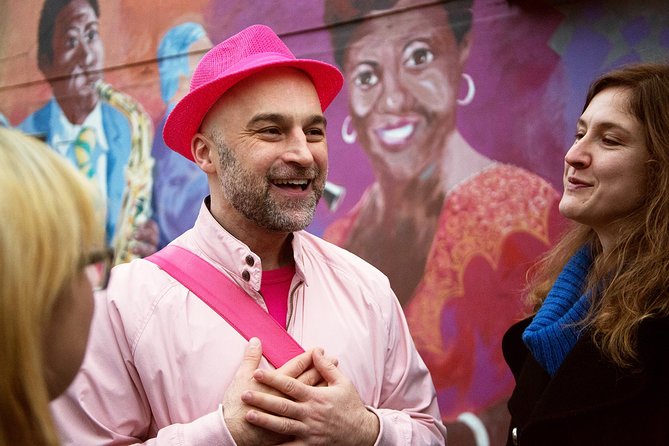
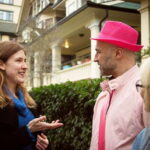
You start at 930 Burrard St, outside Trees Organic Coffee Shop, at 10:00 am. The guide is easy to spot, the man in pink, which sounds small, but it helps when you’re traveling and trying to join a group on time.
Plan to arrive about 10 minutes early. It’s a simple way to avoid that stressed feeling of trying to locate a moving group while you’re also reading the street signs.
From the beginning, the tone is forward-moving and human. The tour is built around commentary as you walk, not a lecture where you’re stuck standing still. That keeps energy up, especially when the stories get heavy later on.
Imperial Court coronations, drag kings at the Quadra, and gay ministers
The heart of the early part of the route is culture as public life, even when society tried to limit queer visibility. You’ll weave through stories that involve pageantry and performance, including references to Imperial Court coronations and drag kings at the Quadra.
These aren’t random pop-culture stops. The point is that performance and community organizations created spaces where identity could be expressed, protected, and celebrated. When you learn this in the context of Vancouver streets, it starts to make sense why Pride and queer culture didn’t appear out of nowhere.
You’ll also hear about gay ministers connected to the United Church. That detail is important because it shows the LGBTQ2+ story is not only about nightlife. It’s also about faith communities, moral support, activism, and the complicated negotiations people had to make with institutions.
This is where I’d expect you to feel the guide’s strength most. Glenn’s style, as described by past guests, is precise and expressive, and it’s clear the route is built to keep you engaged while staying respectful.
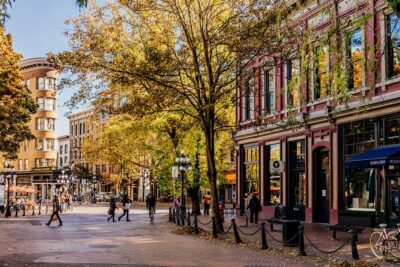

Patient Zero, the GRID crisis, and how survival shaped the community
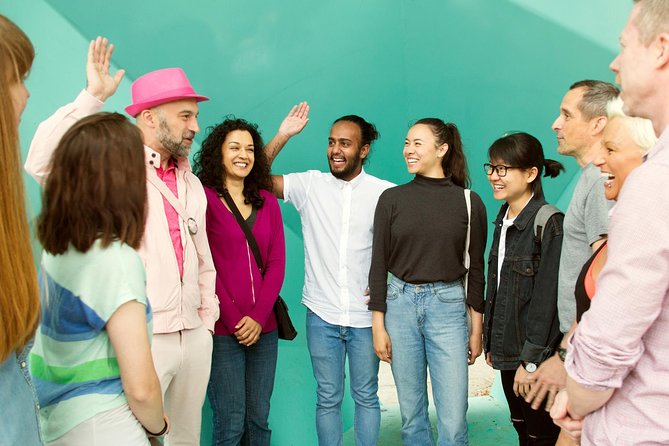
As the walk continues, you shift from celebration and community-building toward the eras when the stakes became terrifying. The tour references Patient Zero, and it also covers the GRID crisis.
Even if you already know the broad headlines, hearing these chapters framed in a city-specific way is different. Vancouver wasn’t just a place people happened to live. It was a place where urgent public health realities collided with community networks, activism, and grief.
This part matters because it explains why queer spaces look and function the way they do. When you understand how communities endured, you understand why mutual aid, visibility, and solidarity weren’t optional. They were lifelines.
The best part, and what many guests highlight, is how the guide blends hard information with pacing that doesn’t drop the emotional ball. You’ll likely feel laughter at moments where it fits, then a quick turn into seriousness when the story demands it.
West End orientation: earliest Pride, Jim Deva Plaza, and coded places
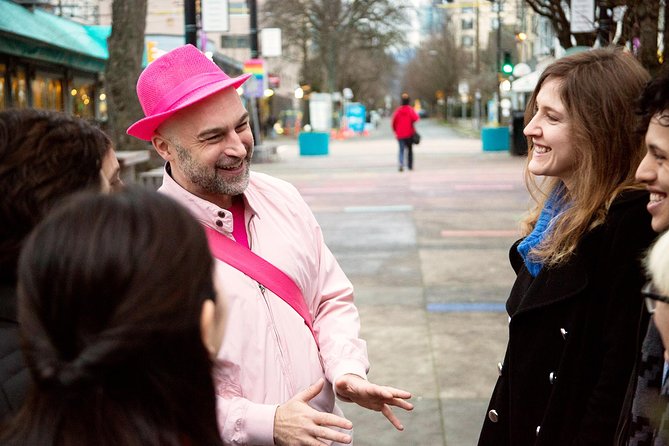
Half the value of this tour is that it helps you read the neighborhood. The route takes you through the historic tree-lined West End, where you’ll learn about the city’s earliest Pride parade and other community landmarks.
You’ll also hear about Jim Deva Plaza, which is a name that might mean little until a guide puts it into context. It becomes a real meeting place, a real anchor, and you start to notice why a site like that matters for belonging.
Other stop themes include bookstore bombings and a transgender campaigner who blew the whistle on the biggest crime in Vancouver history. Those details can be emotionally intense, and they’re also the point. They show that queer history includes activism, danger, resilience, and the fight to be taken seriously.
And then there’s the idea of a secret gay village. That isn’t just a phrase to make you curious. It explains how queer community often had to work around fear, surveillance, and exclusion. You start seeing the city as a map of changing safety and changing freedom.
Gone to the Spirits and how the tour handles stories with care
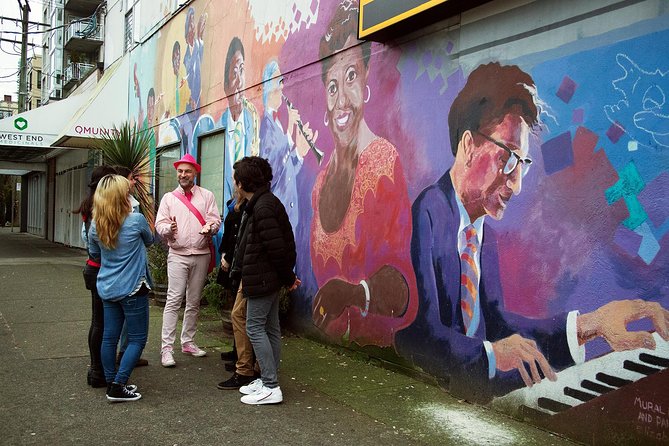
One of the most meaningful elements mentioned is the story of two-spirited warrior Gone to the Spirits. You get a sense that this tour isn’t just about LGBTQ2+ history in the modern urban sense. It also touches on deeper cultural identity and longstanding traditions of gender and spirit roles.
That matters because it widens your understanding beyond the common, often Western, timeline. You get reminded that queer identity and community don’t start at the arrival of modern Pride celebrations. They exist in many forms, across time.
This is also where you’ll likely notice the guide’s balance. Past guests describe Glenn as someone who respects topics that need seriousness, but still brings levity when it’s appropriate. That approach makes it easier to hold the complexity of the story without feeling crushed.
Nelson Park and finishing at Davie Street, where the city continues
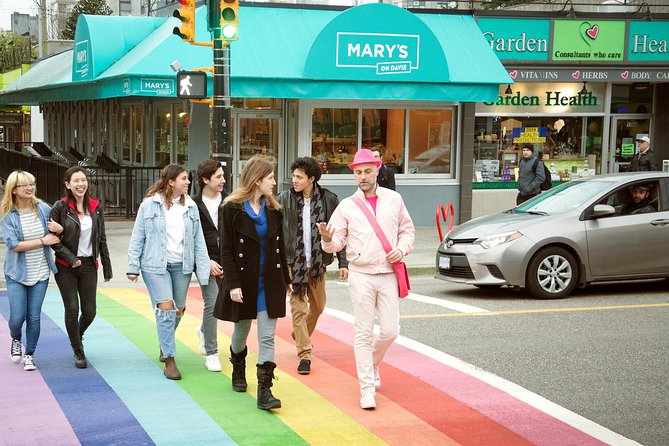
Near the middle to end of the walk, you visit Nelson Park. Parks sound simple, but they often become gathering points and breathing spaces. In this context, it’s one more reminder that community isn’t only indoors. Public areas can become places to rest, connect, and be seen.
Then you end on Davie Street, in the middle of the action in the gaybourhood. That finish is practical, because it turns learning into immediate exploring. You can walk into the next block and try a meal, check out bars and restaurants, and look at the street through a new lens.
If you’re the type who likes to connect stories to surroundings, you’ll likely appreciate this. You’re not shipped off at a random location. You’re placed where queer Vancouver visibly lives today.
Price and time: why $29.29 for 2 hours can be a smart buy
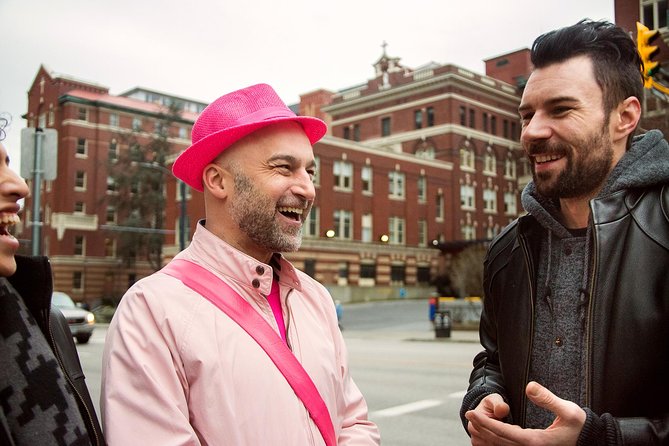
At $29.29 per person for an about 2-hour walking tour, this is priced for access. It’s not trying to be a luxury experience. It’s more like a guided education that happens on your schedule.
Here’s what makes the price feel fair: you’re paying for a professional guide who connects multiple eras of LGBTQ2+ history to real locations in a way that’s easy to follow on foot. You’re also keeping your day flexible. A half-day experience means you can plan other Vancouver highlights after you’re done, instead of committing the whole day.
The small group size max of 20 also helps the value. Smaller groups usually mean fewer awkward moments and more chance the guide can keep energy up while addressing questions.
One more practical note: the tour uses a mobile ticket, and it’s offered in English. That reduces friction when you’re traveling with limited time or multiple stop plans.
What to expect on the ground: pace, weather, and explicit language
This tour runs rain or shine. Many stops are under cover, so the weather won’t fully derail you, but you should still come prepared. Wear sensible shoes, because you’ll be walking through the West End and along the route to Davie Street.
Bring sunscreen if it’s warm out. That’s a small detail, but it matters in Vancouver when the sun shows up and you’re stuck outdoors for a couple hours.
The tour is listed for moderate physical fitness. If you can handle a steady walking pace without long stops, you’ll be fine. If you need lots of frequent breaks, you might find it tiring.
Also, it includes explicit language. If you’re sensitive to that, plan accordingly or consider whether this is the right time for it in your trip.
Who this tour fits, and who should skip it
I think this works especially well for three types of visitors.
First, if you want queer history in a city you can actually walk around, this is a strong match. You’re learning as you go, not reading a pamphlet after the fact.
Second, it’s great if you’re a first-timer to Vancouver who wants orientation. You’ll learn the West End logic and what Davie Street means beyond nightlife.
Third, it can also be valuable for locals. Guests describe learning new things even after living in the city for years, which says a lot about the depth and care in the route.
I’d skip it if you want a family-friendly program, since it’s not recommended under age 14 and includes explicit language. I’d also reconsider if walking longer stretches is difficult for you.
Should you book the Really Gay History Tour in Vancouver?
If you’re looking for a meaningful way to understand LGBTQ2+ history in Vancouver, I’d book this. The tour’s main strength is the blend of engaging guide commentary, clear storytelling, and a route that connects multiple eras to real streets, parks, and landmarks.
It’s also a smart use of time. Two hours is enough to change how you see the city, and then you still have your afternoon.
Just go in with the right expectations: it’s a walking tour with explicit language, it moves at a moderate pace, and the topics can get serious. If that fits your comfort level, you’ll probably walk away with a deeper appreciation for Vancouver and for the people who made community possible.
FAQ
How long is the Really Gay History Tour?
The tour is about 2 hours.
How much does the tour cost?
It’s listed at $29.29 per person.
Where do I meet the guide?
Meet outside Trees Organic Coffee Shop at 930 Burrard Street, Vancouver.
Where does the tour end?
The tour ends at Jim Deva Plaza on Bute Street.
What time does the tour start?
The start time shown is 10:00 am.
Is the tour offered in English?
Yes, it is offered in English.
Does the tour run in bad weather?
It happens rain or shine. Many stops are under cover.
Is the tour suitable for children?
It is not recommended for guests under age 14, and it includes explicit language.
What is the cancellation policy?
Free cancellation is available. You can cancel up to 24 hours in advance for a full refund. If you cancel less than 24 hours before the experience start time, the amount you paid will not be refunded.
The Older Vancouver
Just off the notebook: recent Vancouver write-ups
- Vancouver: Sunset Boat Cruise with Complementary Bubbly
★ 4.3 · 4 reviews - Vancouver: Personal Travel & Vacation Photographer
★ 4.7 · 4 reviews - Vancouver Private & Custom Tour with a Local: Icons & Gems
★ 3.6 · 4 reviews - Vancouver: Fraser Valley and White Rock Wine Tour
★ 5.0 · 4 reviews - Stanley Park EUC & E-scooters loop tour
★ 5.0 · 4 reviews - Capilano Suspension Br+Lake+Dam+Hachery/4in1/CAR/Small GROUP
★ 5.0 · 4 reviews
Historical Tours, compared.
 ★ 5.0Victoria Guided Food and History TourFrom $822,015 reviews
 ★ 5.0Gastown Historic Walking Food TourFrom $1161,863 reviews
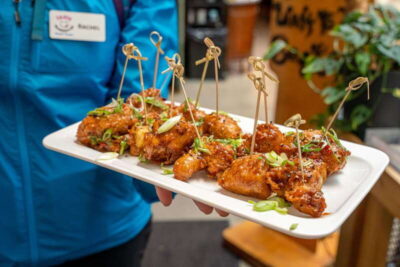 ★ 4.8Vancouver: Gastown Historical Walking Food TourFrom $113539 reviews
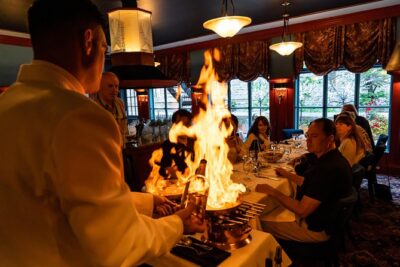 ★ 5.0Evening Gourmet Tour 5 Course Dinner – History and Food in Old Quebec CityFrom $224496 reviews
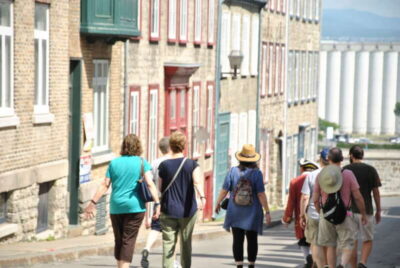 ★ 4.8Quebec City: Old Quebec Historical Walking TourFrom $24409 reviews
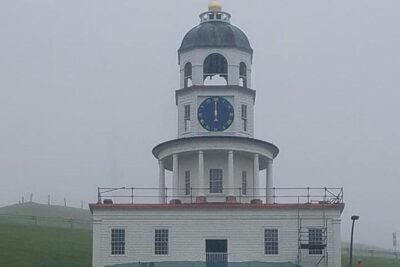 ★ 4.5Peggy’s Cove & Halifax Historic Tour375 reviews
 ★ 3.5Montreal History Guided Sightseeing CruiseFrom $37363 reviews
 ★ 5.0Combo Historical and Food Tour of Old QuebecFrom $224360 reviews
Browse the lists this tour appears in