
REVIEW · WHISTLER & THE SEA TO SKY HIGHWAY
Squamish Discovery Eco-tour
Tidal nature lessons on an e-bike. I love the chance to ride with a small group and focus on the Squamish estuary while learning how tides push salt and fresh water together. The guide also points out salmon spawning habitat, so you see the habitat behind the wildlife. One thing to consider: the tour runs only with good weather, so you will want a flexible day.
The ride is short, about 2 to 3 hours, and it starts and ends at 1861 Mamquam Rd. You get a mobile ticket, and the meeting spot is near public transport, which makes it easy to tack onto a Vancouver to Squamish day.
With a maximum of 4 travelers, questions do not get lost, and the pace can be adjusted for first-timers. You may even hear the ride described with local flair from guides such as Christian or Brent, who are known for mixing humor with real detail.
In This Review
- Key Takeaways Before You Go
- The Squamish Estuary Stop: Where Salt Meets Fresh Water
- Why Estuary Habitats Matter for Wildlife (and Your Photos)
- Salmon Spawning Habitat: Turning a Wildlife Theme Into Habitat Understanding
- E-Bikes and Trail Variety: Fun Effort, Not a Full Workout
- Meet at 1861 Mamquam Rd, Then Ride Back
- What You Get for $111.84: Short, Guided, and Habitat-Focused
- Guide Style: Humor Plus Real Local Detail
- Weather Matters: Plan Around the Good-Day Rule
- Who This Eco-Tour Fits Best
- Should You Book the Squamish Discovery Eco-Tour?
- FAQ
- How long is the Squamish Discovery Eco-tour?
- Where does the tour start and end?
- What is the price per person?
- What group size should I expect?
- Is the tour offered in English, and do I get a ticket on my phone?
- What happens if the weather is bad?
Key Takeaways Before You Go
- Small group, max of 4 means more interaction and a calmer ride
- Tide-powered estuary science made simple, with saltwater and freshwater action you can picture
- Salmon spawning habitat stop turns wildlife viewing into habitat viewing
- Short timing, 2 to 3 hours keeps this doable even on a busy day
- Good-weather dependent so check forecasts before you drive
- Mobile ticket and a central meeting point help the logistics feel low stress
The highway north, in more versions
- Sea to Sky Gondola Ticket★ 4.5 · 388 reviews
- Britannia Mine Museum General Admission★ 5.0 · 233 reviews
- Squamish Explorer Flightseeing Tour★ 5.0 · 73 reviews
- Squamish Via Ferrata Adventure★ 5.0 · 71 reviews
The Squamish Estuary Stop: Where Salt Meets Fresh Water
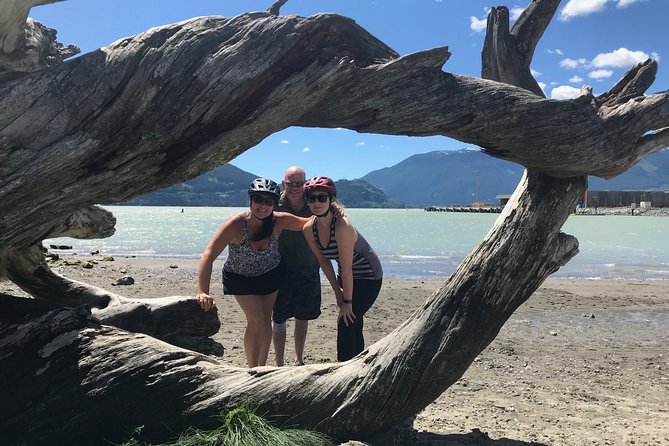
This eco-tour starts by getting you oriented to the estuary, the place where a river meets the sea. It is not just scenic water. It is a living mixing zone that changes with each tide, and you will get the basics in plain language.
Here is the key idea you will hear: during flood tide, ocean water moves into the estuary and up the river’s lower reaches. During ebb, fresh water pours out toward the sea and carries a wedge of lighter fresh water and sediments with it. That back and forth is the engine that makes estuaries so productive.
Why does it matter? The protected inner waters of estuaries act like a coastal feeding station, because they trap nutrients and sediments. The tour also gives you a wake-up call on how rare this habitat is in British Columbia. You will learn that estuaries are less than 3% of the BC coastline, and that big portions have been lost, with the Fraser Estuary around 80% altered or developed, and the Squamish estuary around 50% altered or developed.
The stop itself is about 20 minutes and includes free admission as part of the experience. I like the pacing here. It is long enough to learn the why, but not so long that you lose the plot, or your legs forget they are on an e-bike.
Why Estuary Habitats Matter for Wildlife (and Your Photos)
You might come for the ride and the views, but the estuary stop is really about learning how ecosystems work. You will walk away with a clearer mental model for what you are looking at, which makes it easier to notice details later on your own.
I also like that the tour connects the science to scarcity. When you hear that estuaries are a tiny slice of the coastline and large parts have been developed or altered, it stops being trivia and becomes context. It helps you understand why a protected area can feel busy with life, while nearby open water might not.
For photos, this is useful because you start hunting for the right visual cues, not just pretty water. You learn to look for the mixing zones, the way sediment and water movement relate, and how the landscape functions at different tide states. Even without fancy equipment, your photos tend to improve when your brain knows what to expect.
Salmon Spawning Habitat: Turning a Wildlife Theme Into Habitat Understanding
After the estuary intro, the tour moves into a second focus area: salmon spawning habitat. This is a simple name, but it sets up a big shift in how you think about wildlife.
Instead of only asking where salmon might be, you start asking what salmon need to spawn successfully. Spawning habitat is sensitive to changes in water quality, sediment, and the overall health of the river-to-sea system. Because the estuary stop already taught you how tides and fresh water interact, the salmon topic lands with more meaning.
The practical value here is that you get to connect the dots. You are not just told that habitat matters. You are shown why these coastal river mouths are often the transition zones where ecosystems either function well or struggle.
This part of the tour also keeps the pace moving, which helps if you are with kids, or if you want a day that feels active but not exhausting. The overall timing stays in the 2 to 3 hour range, so you are not stuck doing one long walk after another.

E-Bikes and Trail Variety: Fun Effort, Not a Full Workout
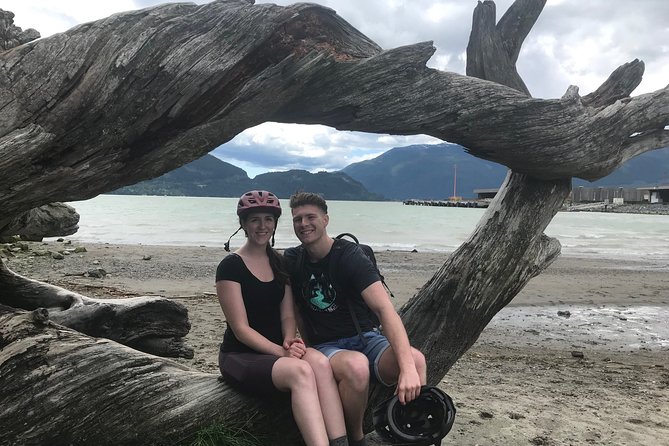
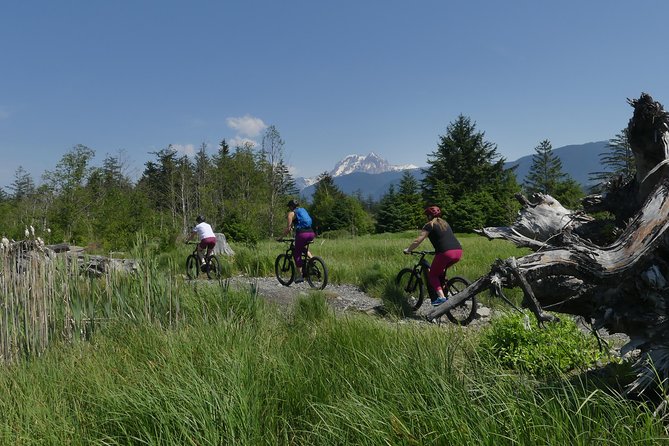
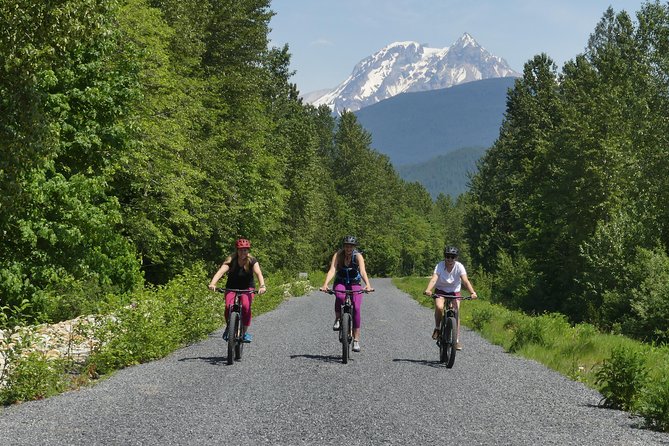
This is an e-bike eco-tour, and that changes the experience in a big way. The assist is strong enough that first-time riders often find it easier than they expect, and it keeps the tour focused on sights and learning instead of leg burn.
From what you can expect on the ground, the route mixes surface types. There are segments that feel paved, then gravel, then trails that can get closer to mountain-bike style. That variety matters because you get real sense of Squamish terrain, not just one kind of path.
The other thing I appreciate is how the ride gets tailored. Guides like Christian have been described as adjusting to different abilities and matching the level of challenge. If you are nervous about starting, or if someone in your group wants a slower, smoother rhythm, the pace can be set so everyone stays comfortable.
At a max group size of 4, there is room for that kind of adjustment. On busier tours, your pace gets swallowed by the pack. Here, the guide can actually steer the experience.
And yes, you will still feel like you rode. But the e-bike means you can spend your energy on looking, listening, and asking questions, rather than constantly thinking about whether you can make it up the next stretch.
Meet at 1861 Mamquam Rd, Then Ride Back
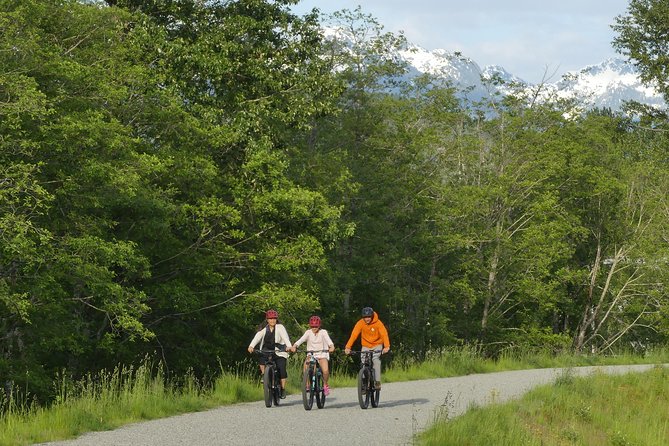
Logistics are refreshingly simple. The tour starts at 1861 Mamquam Rd in Squamish, BC V8B 0G2, and it ends back at the same meeting point. That reduces the classic “how do we get back?” stress for a half-day outing.
It is also described as near public transportation. So if you are staying in Squamish without a car, you still have a reasonable option to get there without turning your day into a taxi puzzle.
You will receive a mobile ticket, and confirmation comes at booking time. That helps, because you can focus on being on time and ready, instead of scrambling for paperwork.
What You Get for $111.84: Short, Guided, and Habitat-Focused
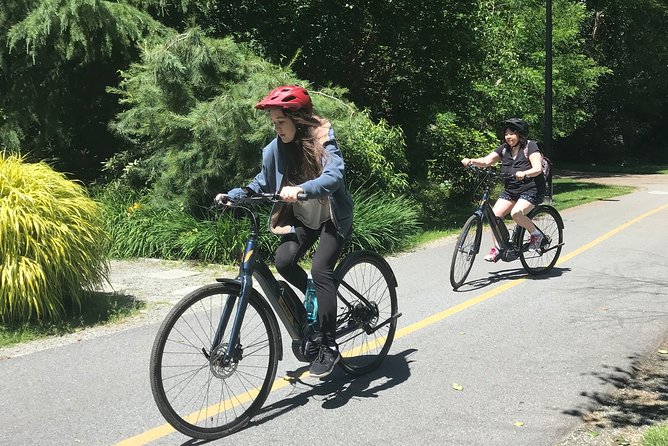
The price is $111.84 per person, for about 2 to 3 hours. At first glance, that is not cheap, especially if you compare it to free walking routes you could do on your own.
But the value comes from three things that are hard to replicate solo. First, you get an organized route with interpretation at key habitat points. Second, you get a guide who can turn tide and habitat concepts into something you actually understand while you are standing there. Third, the e-bike expands what you can see in a short window, without demanding a full fitness day.
There is also the small but nice detail that the estuary stop includes free admission as part of the experience. It is only a portion of the overall outing, but it reinforces that you are not paying just for movement. You are paying for guided access and context.
Timing matters too. The tour is commonly booked about 37 days in advance on average. If you have specific days in mind, I would not treat this as something you can casually fit in last minute, especially during busier travel windows.
Guide Style: Humor Plus Real Local Detail
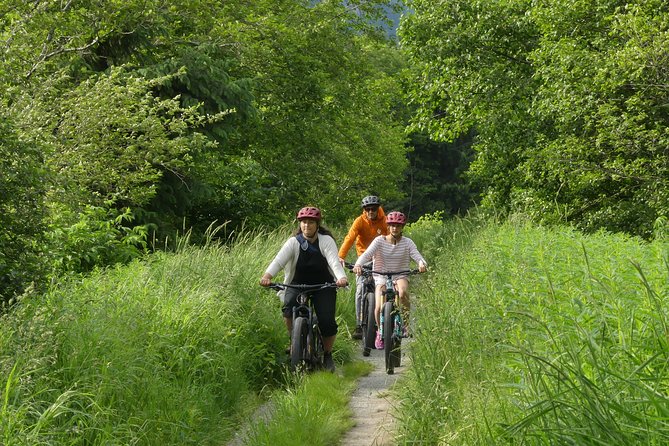
What makes this eco-tour feel memorable is the guide approach. You are not just receiving facts. You are getting stories and on-the-spot explanations while riding through the same space where the ecosystem actually functions.
You will likely hear a mix of humor and clear interpretation. Guides such as Brent and Christian have been mentioned for being funny, patient, and professional, with enough enthusiasm to keep the learning light.
I also like the practical teaching style. When a guide can slow down for a nervous rider, or encourage a 12-year-old without making it feel awkward, that signals good group management. On an e-bike, that matters because everyone’s comfort level changes your enjoyment fast.
Weather Matters: Plan Around the Good-Day Rule
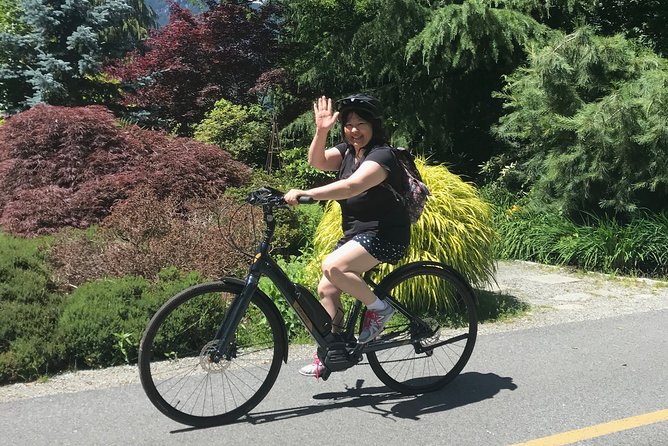
This experience requires good weather. That is not a small footnote. On a coastal estuary and trail ride, poor conditions can quickly turn the experience from enjoyable to annoying.
If the tour gets canceled due to poor weather, you will be offered a different date or a full refund. So if your schedule is flexible, that helps. If your schedule is rigid, you will want to build in a bit of breathing room before committing to driving plans.
Who This Eco-Tour Fits Best
This is a strong fit if you want an active half-day in Squamish that still teaches you something real about the local environment. The small group size and adjustable pace make it easier for mixed-skill groups.
It also makes sense for:
- Couples who want an easy-to-handle ride and a meaningful stop, not just sightseeing
- Families looking for a bike-based outing that stays engaging
- Friends who want something outdoorsy without it turning into a grind
- Anyone nervous about biking who still wants to get outside and see habitats up close
Because the experience is e-bike based and involves riding different trail surfaces, it is less ideal for people who cannot ride a bike comfortably. If you are unsure, it is worth thinking about your comfort level with the idea of riding outdoors for the duration.
Should You Book the Squamish Discovery Eco-Tour?
I would book it if you like guided learning with real context, and you want to use an e-bike to cover enough ground to feel like you did something with your time. The estuary and salmon focus is a smart pairing because it ties movement and tides to living habitat.
I would hold off or pick a backup date if you know your schedule is tight and you cannot handle a weather-based reschedule. The good-weather requirement is real.
If you want value, aim for the kind of day where you will actually pay attention. This tour rewards curiosity. If you show up ready to listen, you will leave with a better mental map of Squamish and a sense of why protecting estuary habitat matters.
FAQ
How long is the Squamish Discovery Eco-tour?
It runs for about 2 to 3 hours.
Where does the tour start and end?
The tour starts at 1861 Mamquam Rd, Squamish, BC V8B 0G2, Canada, and it ends back at the same meeting point.
What is the price per person?
The price is $111.84 per person.
What group size should I expect?
This activity has a maximum of 4 travelers.
Is the tour offered in English, and do I get a ticket on my phone?
Yes, it is offered in English, and you will have a mobile ticket.
What happens if the weather is bad?
The experience requires good weather. If it is canceled due to poor weather, you will be offered a different date or a full refund.
The Road North to Whistler


Just off the notebook: recent Squamish write-ups
- Squamish Canyon
★ 3.5 · 6 reviews - Alpine Lake Flightseeing Experience from Squamish
★ 5.0 · 7 reviews - Squamish Rock Climbing Taster
★ 5.0 · 12 reviews - Vancouver/Squamish: Garibaldi Park Panorama Ridge Hike
★ 5.0 · 12 reviews - Private Squamish Rock Climbing
★ 5.0 · 15 reviews - Squamish: Via Ferrata Climbing Adventure
★ 5.0 · 25 reviews
Whistler & the Sea to Sky Highway, compared.
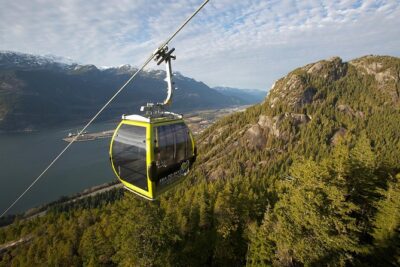 ★ 5.0From Vancouver: Whistler & Sea to Sky Gondola with Shannon FallsFrom $1731,640 reviews
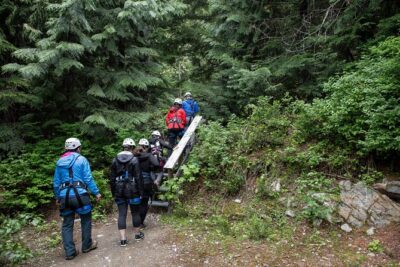 ★ 5.0Zipline Adventure in WhistlerFrom $1261,367 reviews
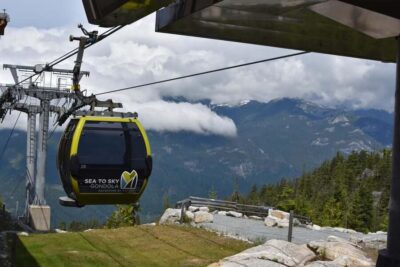 ★ 4.8Whistler, Sea to Sky Gondola, and Shannon Falls Day TripFrom $1411,134 reviews
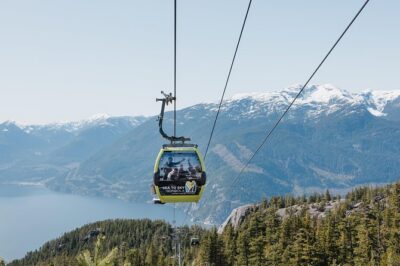 ★ 5.0Whistler and Sea to Sky Gondola Tour + Shannon FallsFrom $161882 reviews
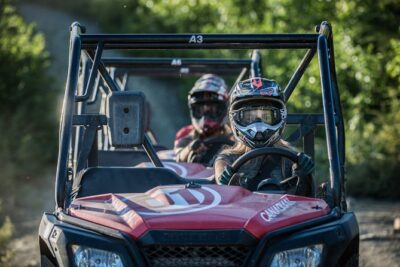 ★ 5.0Whistler Odyssey Tour: Off-Road Buggy AdventureFrom $275750 reviews
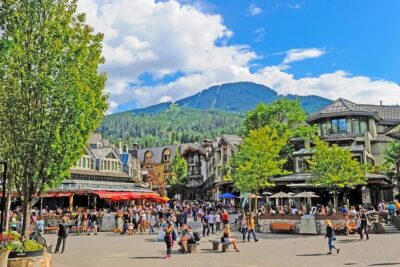 ★ 4.5Whistler & Sea to Sky Gondola Day Trip from VancouverFrom $185725 reviews
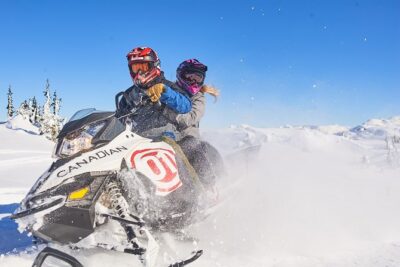 ★ 5.0Whistler Wilderness Run Snowmobile TourFrom $236724 reviews
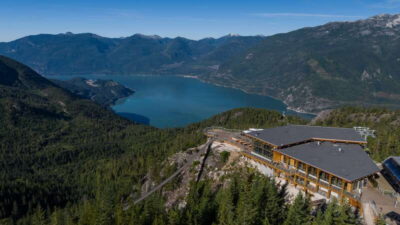 ★ 4.7Vancouver: Sea to Sky Gondola and Whistler Day TripFrom $156636 reviews
Browse the lists this tour appears in