
REVIEW · 4-DAY EXPERIENCES
Southern Lakes Canoe Trip – 4 Day
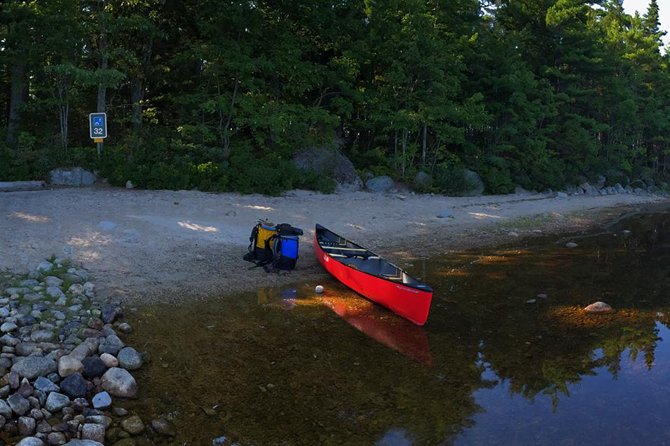
Portaging into true backcountry quiet is the point. I love the ultra-remote southern lakes feeling, with long stretches where you rarely see anyone outside your party. I also like that meals and camp comforts are handled for you, including French-press coffee on the mornings you’re on the water. One thing to consider is the extra Kejimkujik park admission fee, plus the trip runs in all weather so you need to dress for damp, chilly conditions.
This is the kind of canoe trip where the days have a steady rhythm: paddle, portage, eat well, set camp, repeat. You get the full kit for camping and paddling, so you’re not spending your vacation thinking about gear problems.
Fitness matters here, even though the trip is supported by an outfitter team. You should have moderate physical fitness, because lifting canoes over portages and doing camp breakdown each morning is part of the deal.
In This Review
- Key highlights and why they matter
- Why Kejimkujik’s southern lakes feel different than most canoe trips
- Whynot Adventure check-in: how the trip starts clean and simple
- Day 1: Keji Lake crossing, portage rhythm, and first campfire dinner
- Day 2 and Day 3: French-press breakfasts, medium-lake paddling, and longer portage days
- A wind and wave reality check, and how the canoes help
- Day 4: paddling back toward Keji Lake, a shore lunch, and return by early afternoon
- What’s actually included: meals, gear, and the comforts you might overlook
- Dietary needs, handled at booking
- Canoe route basics: what portages mean for your day
- Group size and guide support: why max five can feel like a gift
- Price and value: what you’re really paying for
- Weather and packing strategy: how to avoid a miserable soggy day
- Who should book this and who should skip it
- Should you book the Southern Lakes Canoe Trip?
- FAQ
- What’s the meeting point and start time for this canoe trip?
- What’s included in the price?
- What costs extra that I should plan for?
- Is this tour in English?
- How many people are in a group?
- Does the trip run in bad weather, and what should I pack for?
Key highlights and why they matter
- 3 days of backcountry canoeing linking small and medium lakes with portages, often with very little human activity.
- French-press coffee on camp-breakfast mornings, which makes the early starts feel less like punishment.
- All camping, canoeing, and safety gear included, plus private outhouses for a more comfortable night routine.
- Small group size (max 5 travelers), which usually means more attention to fit, timing, and small questions.
- Sturdy, stable canoes that handle waves and wind better than you might expect for a portage route.
- Kejimkujik park admission fee not included (CA$6.50 per person), so plan for it.
Still shortlisting? Here is how a few other Kejimkujik National Park bookings stack up.
- Mersey River Quickie Adventure – 2 Hours★ 5.0 · 142 reviews
Why Kejimkujik’s southern lakes feel different than most canoe trips
Kejimkujik National Park and National Historic Site has a reputation for quiet water and a backcountry pace. This trip leans hard into that, heading to the southern lakes where you can spend days feeling like you have the route to yourselves.
What I like about that is how it changes your attention. You’re not just paddling for scenery photos. You’re paddling for that slow, focused feeling you get when the route is the activity, the weather matters, and camp is the reward.
Whynot Adventure check-in: how the trip starts clean and simple
You meet at Whynot Adventure at Jake’s Landing, 1507 Kejimkujik Main Parkway, Maitland Bridge, NS B0T 1B0. The start time listed is 10:30 am, and you’ll connect with your guide and group, then get into your first-day paddle and meals.
This matters because canoe trips can get stressful when the first step is unclear. Here, the plan is straightforward: you arrive, get oriented, eat, and then you’re on the water rather than stuck waiting around wondering what happens next.
The group stays small, with a maximum of five travelers. That size helps on practical stuff like canoe fit, how your load is balanced, and how to handle questions fast before the first portage.
Day 1: Keji Lake crossing, portage rhythm, and first campfire dinner
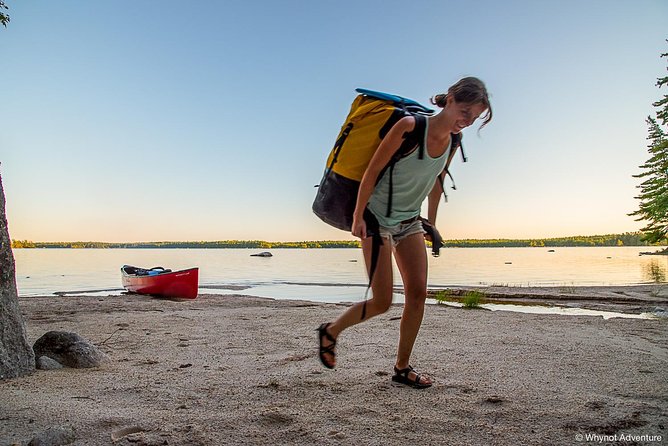
Your first day begins at Kejimkujik National Park and National Historic Site. You’ll paddle across Keji Lake, then start a sequence of portages connecting small and medium lakes.
This is a smart start because the first day teaches you the flow. You learn how the canoe feels when it’s loaded, how your team moves during portages, and how quickly you switch from water-mode to camp-mode.
After you set up camp, you prepare for dinner right away. The day includes a campfire-style meal, and it sets the tone for the trip: you’re working, but you’re not doing without comfort. If you’re the type who likes settling in early, you’ll appreciate this first-night payoff.
Day 2 and Day 3: French-press breakfasts, medium-lake paddling, and longer portage days
Both Day 2 and Day 3 follow a similar structure, which is good news for your body. Each morning starts with French-press coffee and a hot campfire breakfast, then you pack up, re-pack canoes, and get back on the route.
The paddling takes you across medium lakes and through portage sections that link your day together. There’s time built in for lunch stops, and there’s also the option to swim when conditions allow.
Evenings look like the payoff phase: find your camp, set up, enjoy dinner, and then settle in. This routine is one reason the trip feels accessible. You know what comes next, and you’re not guessing how the day will feel.
A wind and wave reality check, and how the canoes help
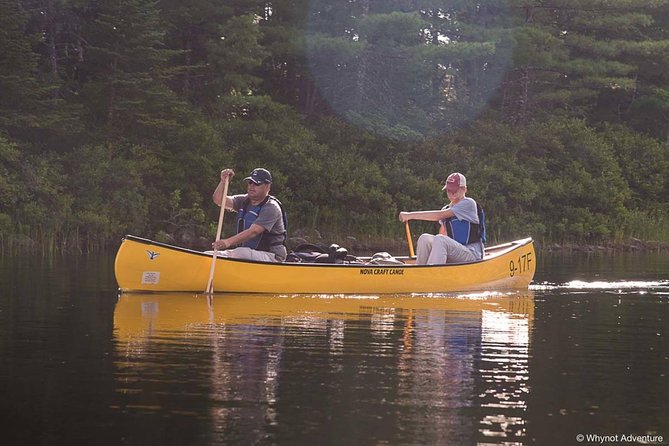
Backcountry canoeing can mean chop and gusty conditions. One strong piece of feedback from previous groups is that the canoes are stable enough that higher winds and waves did not lead to capsizing.
That doesn’t mean conditions are always calm. It just means your boat choice matters, and you’re not fighting a twitchy canoe while managing portages and packs.
Day 4: paddling back toward Keji Lake, a shore lunch, and return by early afternoon
On the final day, you start with the familiar routine: French-press coffee and a hot campfire breakfast. Then you break down camp, pack up canoes again, and work your way back toward Keji Lake.
You’ll enjoy lunch on the shore, which is a nice shift from eating in camp or on the move. After that, you paddle back to Whynot Adventure, aiming to be back around 2:00 pm.
This timing is helpful if you want energy left for dinner plans at the end of the trip. It’s also practical for your travel day, because an early return gives you flexibility.
What’s actually included: meals, gear, and the comforts you might overlook
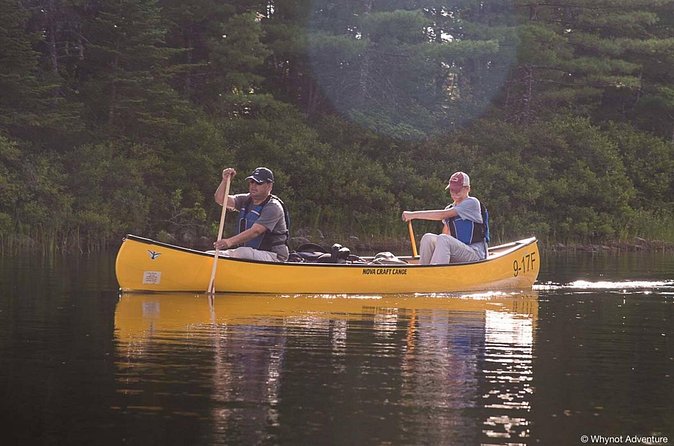
This trip takes a lot off your planning list. You get camping equipment, canoeing equipment, and safety equipment.
Food is part of the value too. You’re covered with 4 lunches, 3 breakfasts, and 3 dinners across the four days. One especially nice detail is that the breakfast mornings include French-press coffee, so the early start feels less bleak.
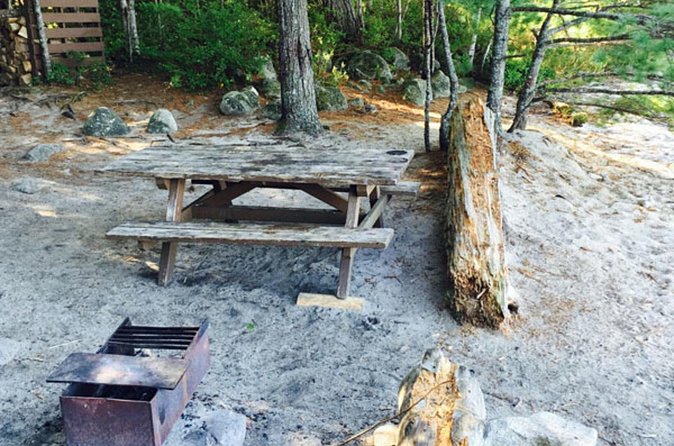
Comfort-wise, you also get private outhouses. That sounds like a small thing, but in backcountry camping, it makes a huge difference to how relaxed the nights feel.
Two items are not included: a pillow, and your personal clothing and toiletries. That means you need to bring your own basics for sleeping and hygiene, and you should plan for damp weather gear.
Dietary needs, handled at booking
If you have dietary requirements, you’ll want to advise the outfitter at time of booking. The trip notes this clearly, so don’t wait until the last minute.
Canoe route basics: what portages mean for your day
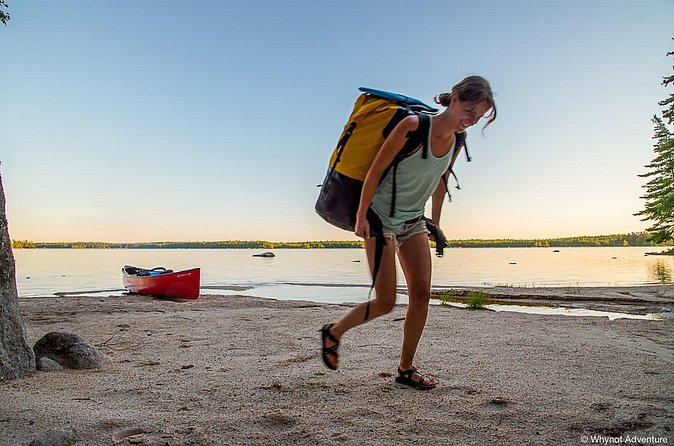
Portages are the heartbeat of this experience. The trip links small and medium lakes with portages that start on Day 1 and continue through Day 3, then you reverse the route on Day 4.
For you, the practical takeaway is simple: pack and movement matter. You’ll be repeatedly handling canoes and gear, then transitioning into camp setup. If you bring a load that’s awkward or heavy, your day gets harder fast.
The upside is that you learn quickly. Day 1 is your adjustment period. By Day 2 and Day 3, your routine gets smoother: how you hold things, how you distribute weight, how you move as a team.
Group size and guide support: why max five can feel like a gift
The maximum group size is five travelers. That’s small enough to reduce friction and help the trip feel personal without turning into a private expedition.
From the feedback, the staff focus on friendly service, clear communication, and making sure gear works properly for the route. That matters most at the beginning, when you need everything ready right away and you want answers before you step into the water.
Small groups also help with minor problems. One review noted a lost piece related to the shuttle system and that the team handled replacement quickly with clear cost. It’s a good reminder to keep track of small items, but it also shows how operational issues get dealt with fast.
Price and value: what you’re really paying for
The price is $1,108.28 per person for a four-day trip. At first glance, that number can feel hefty, but here’s what you’re getting that often costs extra on independent canoe rentals:
You’re not just renting a canoe. You’re getting camp setup coverage (camping equipment), paddle coverage (canoeing equipment), safety coverage, and a structured route that takes you into the southern lakes backcountry.
You’re also getting meals handled, with multiple breakfasts, dinners, and lunches plus French-press coffee. That’s real value when you’re tired and wet and you want food that’s ready, not improvised.
Add in the small group size and the outfitter coordination. This price can be worth it if you want your time to be about paddling and camping, not logistics and troubleshooting.
One extra cost is clearly not included: the Kejimkujik park admission fee of CA$6.50 per person. It’s not a deal-breaker, but it is a must-include in your budgeting.
Also, this trip is often booked about 13 days in advance on average. That’s a hint that good weather and limited capacity can make planning sooner a smart move.
Weather and packing strategy: how to avoid a miserable soggy day
The trip operates in all weather conditions. That means you should assume you will be wet at some point, and you should be prepared for cool air too, even if days look sunny in the morning.
Plan for layers you can adjust. Bring clothing that dries better, plus gear you can manage around camp. And remember, pillow is not provided. If you like a specific pillow feel, pack accordingly.
Because you’re canoeing and doing portages, your wet-weather kit needs to be practical, not delicate. You want things that survive getting splashed, moved, and handled.
Who should book this and who should skip it
This trip is a great fit if you want:
- Backcountry canoeing for multiple days with portages and a real sense of isolation
- A guided, small-group setup where gear, safety equipment, and camp needs are already handled
- A comfort-forward approach to camping, with private outhouses and warm campfire meals
You might want to think twice if:
- You don’t want to lift and move canoes over portages
- You have strict expectations about avoiding cold or wet conditions (since the trip runs in all weather)
- You’re not willing to bring your own pillow and personal toiletry essentials
If you’re a first-time backcountry camper, the structured rhythm can be confidence-building, especially with a team that sets you up and communicates clearly.
Should you book the Southern Lakes Canoe Trip?
Book it if you want a guided route into Kejimkujik’s southern lakes, with everything handled for camp and paddling so you can focus on the actual experience. The combination of portage days, real backcountry isolation, and camp comforts like French-press coffee makes it feel special without turning it into a luxury product.
Consider a different option if portaging sounds like a chore you can’t tolerate, or if you need an itinerary that depends on perfect weather. This one is about dealing with real outdoors conditions, but it’s built around equipment that supports you and a team that keeps things running smoothly.
If you’re ready for a hands-on, small-group canoe adventure, this is an easy “yes” for the kind of traveler who likes their nature time quiet, simple, and earned.
FAQ
What’s the meeting point and start time for this canoe trip?
You meet at Whynot Adventure (The Keji Outfitters), Jake’s Landing, 1507 Kejimkujik Main Parkway, Maitland Bridge, NS B0T 1B0. The start time is listed as 10:30 am.
What’s included in the price?
The trip includes safety equipment, camping equipment, canoeing equipment, private outhouses, and meals (4 lunches, 3 breakfasts, and 3 dinners). You also get French-press coffee as part of the included breakfast mornings.
What costs extra that I should plan for?
Kejimkujik National Park and National Historic Site admission is not included, and it’s listed as CA$6.50 per person.
Is this tour in English?
Yes, the tour is offered in English.
How many people are in a group?
This activity has a maximum of 5 travelers.
Does the trip run in bad weather, and what should I pack for?
The trip operates in all weather conditions, and you should dress appropriately. Pillow and personal clothing and toiletries are not included, so you will need to bring your own.
Just off the notebook: recent Kejimkujik National Park write-ups
- Mersey River Quickie Adventure – 2 Hours
★ 5.0 · 142 reviews
4-Day Experiences, compared.
 ★ 5.04-Day Canadian Rockies & Banff Classic Summer TourFrom $912163 reviews
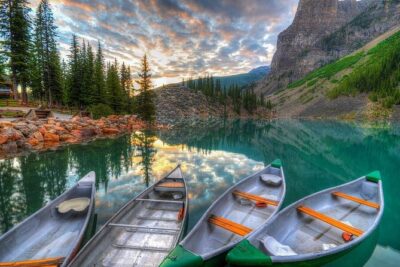 ★ 4.5Canadian Rockies and Banff 4-Day Tour from Vancouver (Chn&Eng)From $862142 reviews
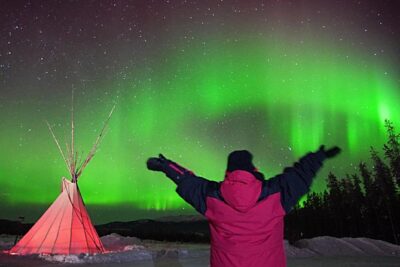 ★ 5.0Yukon Aurora Viewing Package | 4 daysFrom $69235 reviews
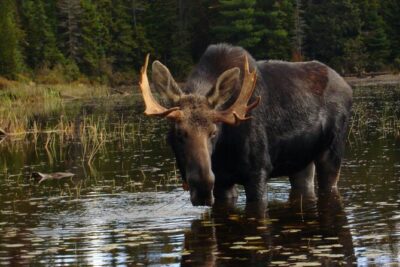 ★ 5.0Algonquin Park 4-Day Deluxe Camping & Canoeing AdventureFrom $39733 reviews
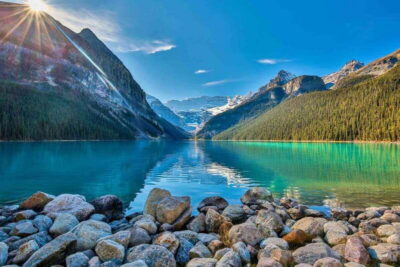 ★ 4.1From Vancouver:4-Day Columbia Icefield & Banff National ParkFrom $92225 reviews
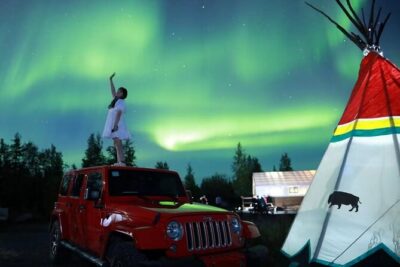 ★ 4.54D3N Aurora Package –Mandarin Tour (Chateau/Explorer Stay)22 reviews
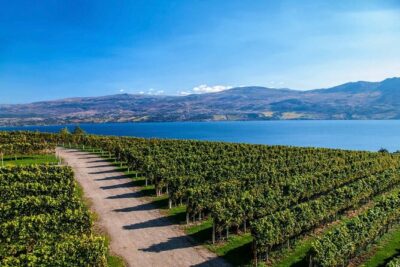 ★ 4.5Yoho, Banff National Park, Okanagan Lake 4-Day Tour from VRFrom $59321 reviews
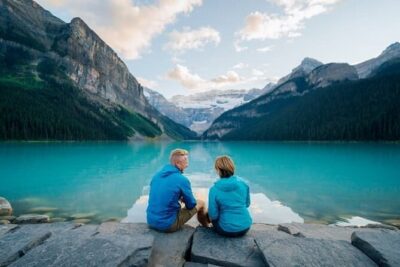 ★ 4.54-Day Rockies Discovery Tour Package, Banff, Jasper, and YohoFrom $1,15819 reviews
Browse the lists this tour appears in