
REVIEW · OLD QUEBEC CITY WALKING TOURS
Quebec City’s History in Virtual Reality
Quebec City has 400 years of stories to tell. This VR show brings that span into a single 40-minute, seated experience in the historic vaults of Maison Chevalier. I especially like that it is paced like a guided timeline, using 10 key moments instead of vague facts.
Two things I really like: the format keeps you comfortable, you stay seated the whole time, and the group size is small. You get a calmer session, which matters with VR, since you are focused on one thing at a time.
One drawback to plan for: a few people reported audio balance and technology issues, like narration being hard to hear or the visuals looking a bit blurry. If you are sensitive to sound or picky about image sharpness, it is smart to arrive with the mindset that this is a VR presentation, not a museum display.
In This Review
- Key Things You Should Know Before You Go
- Why the Maison Chevalier Vaults Are the Perfect Backdrop
- What a 40-Minute, Seated VR History Session Feels Like
- The 10 Key Moments: How the Story Lands Through 3D Scenes
- How the session is likely paced (and why that matters)
- Audio Guides, Languages, and the Sound You Might Want to Check
- Price and Value: Is $19 Worth It for Quebec City History in VR?
- Who This VR Tour Works Best For
- Potential Drawbacks and How to Handle Them
- 1) Audio might feel unbalanced for some people
- 2) Visual sharpness may not match everyone’s expectations
- 3) It is focused, not all-inclusive
- A Smart Way to Fit This Into Your Quebec City Day
- Should You Book Quebec City History in Virtual Reality?
- FAQ
- How long is the Quebec City history VR experience?
- How much does the experience cost?
- Where is the meeting point?
- Is the experience seated or standing?
- What languages are available for the audio guide?
- What languages does the instructor speak?
- What is included with the ticket?
- Can I cancel and get a refund?
- Is there a way to book without paying right away?
Key Things You Should Know Before You Go
- Seated VR in Maison Chevalier vaults dating back to the 18th century, with the building traceable to 1752
- Small number of participants, so the session feels more controlled and less chaotic
- 10 key moments across 400 years, built from thousands of hours of research and programming
- 3D animation and images designed to explain why Quebec City became known the way it is today
- Multiple audio options with narration available via an audio guide in Spanish, Chinese, English, and French
Why the Maison Chevalier Vaults Are the Perfect Backdrop
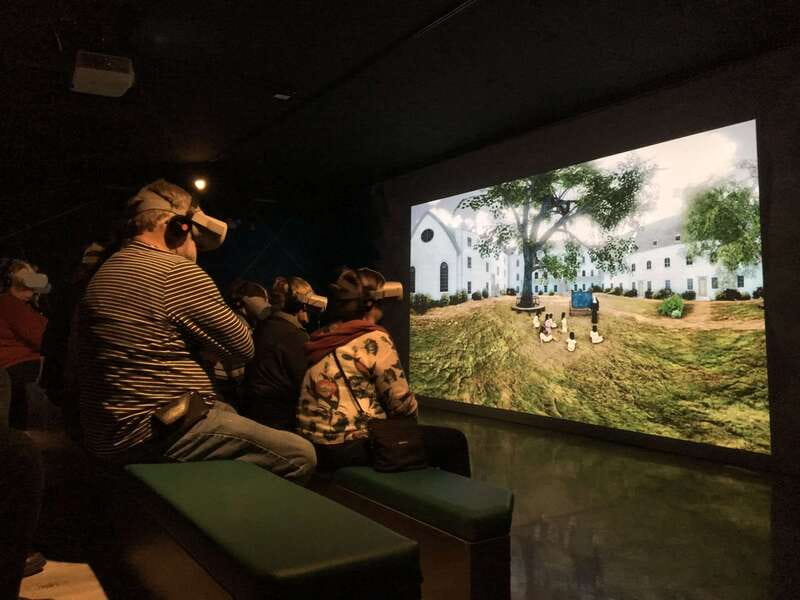
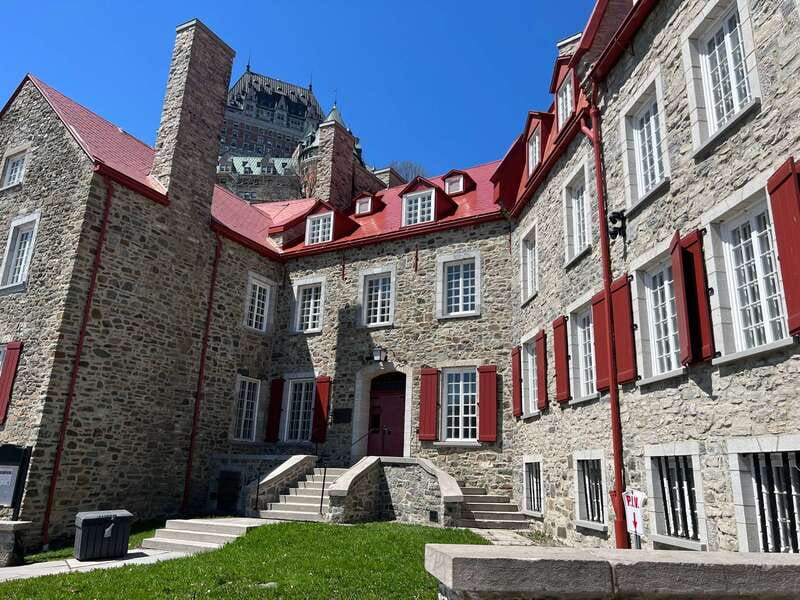
The experience takes place in the vaults of Maison Chevalier, a real, old space. That setting is not just decoration. In a dark, enclosed vault, the VR visuals feel more believable, and your brain stops checking out and starts watching.
Maison Chevalier dates back to the 18th century, and the property history reaches back to 1752. That matters because Quebec City history is not abstract here. You are learning the past inside architecture that already lived through centuries of the city’s story.
You will meet at the vault entrance for Immersion Quebec, with the door on the left near the sidewalk. If you like simple, clear arrival points, this one is straightforward.
What a 40-Minute, Seated VR History Session Feels Like
This is a 40-minute VR experience, with you staying seated throughout. That makes it a good match for people who want history without committing to a long walking tour. You are essentially trading steps for attention.
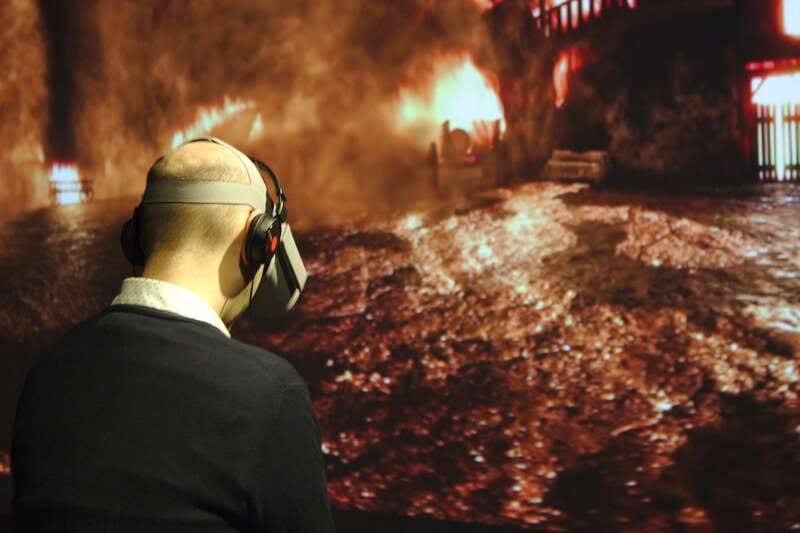
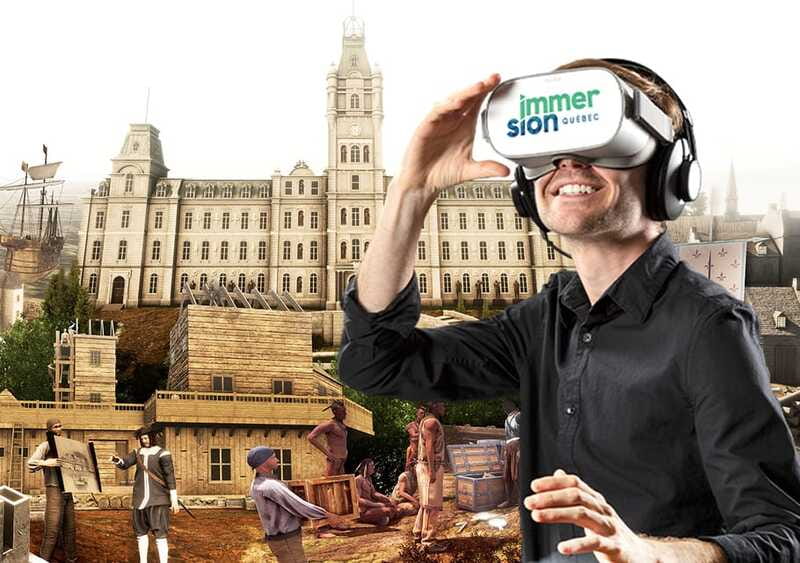
The experience uses a virtual reality projection headset, so you are not just watching a screen. Because you stay in one place, the pace works well. It is also designed for small groups, which helps keep the line of sight clear and the session calmer.
Inside, the content covers more than 400 years of Quebec City history through 10 key moments. Instead of trying to teach everything, the show focuses on turning points. The result is more like a guided storyline than a textbook lesson.
The 10 Key Moments: How the Story Lands Through 3D Scenes
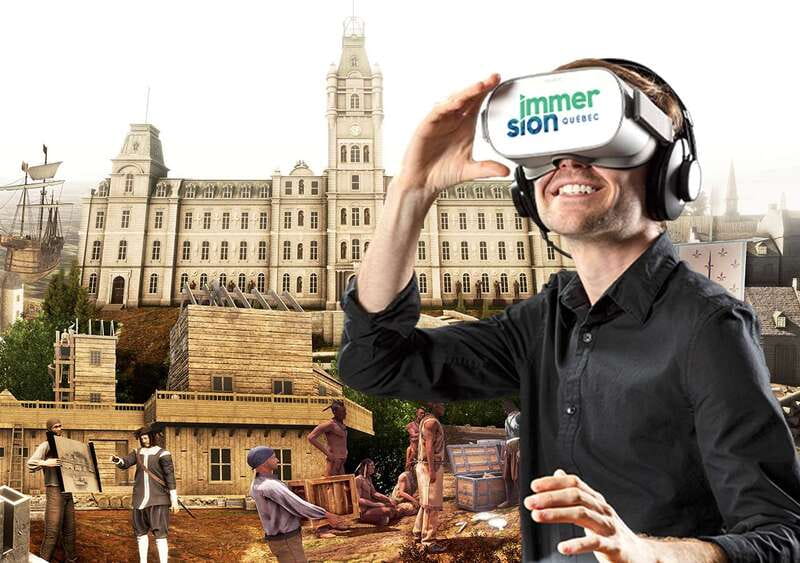
The show is built from 6200 hours of research and programming, and you can feel that planning in how the history is organized. The big idea is that Quebec City’s reputation today makes sense only if you understand the forces that shaped it over time.
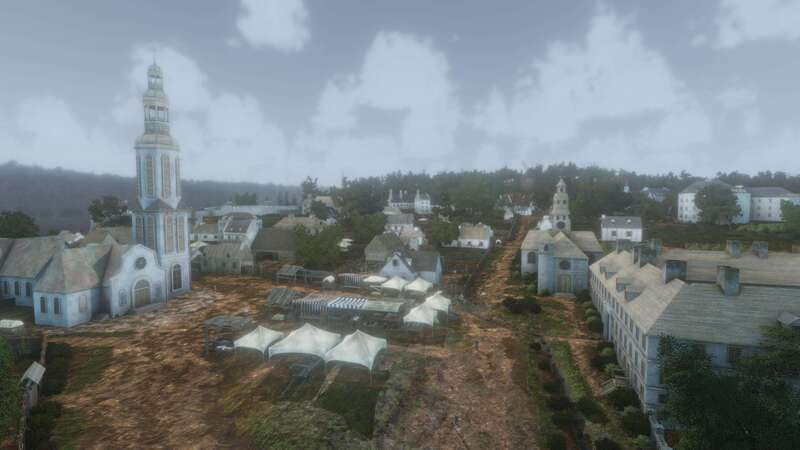
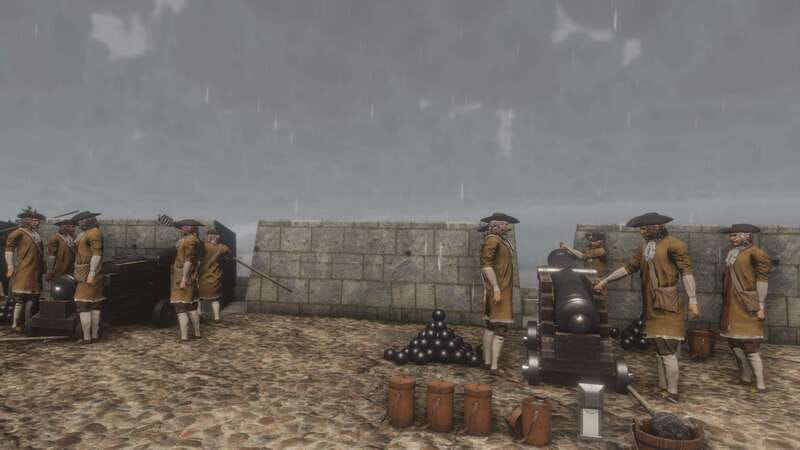
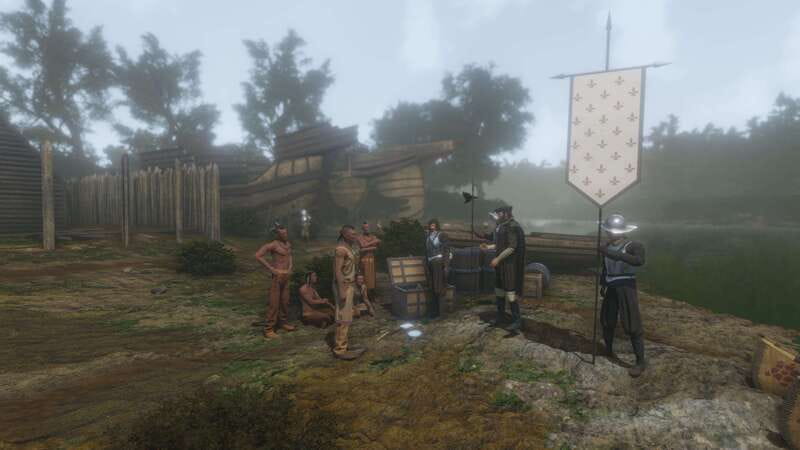
You will move through a sequence of 3D animation and images that represent key chapters. The reenactment style is especially helpful for conflict-focused events. One of the strongest themes in the feedback is how well the visuals help you picture battles and struggles for the city, instead of just hearing names and dates.
Because you are seeing the past as scenes, not just narration, you are more likely to remember the overall arc. You go from earlier periods into later developments, and you finish with a clearer sense of why Quebec City is known as it is today.
I also like that the show does not try to turn into a video game. It stays instructional, with storytelling structure. That is important if you want VR that teaches, rather than distracts.
How the session is likely paced (and why that matters)
While the experience is one continuous VR program, it is designed around 10 distinct moments. That means you should expect noticeable shifts in time and theme, not a single long blur of scenes.
For your brain, this kind of segmentation helps. You can process each moment, then connect it to the next. It is a simple technique, but it is the difference between VR as entertainment and VR as a real learning experience.
Audio Guides, Languages, and the Sound You Might Want to Check
The experience includes an audio guide, with options in Spanish, Chinese, English, and French. The instructor language options are English and French. So if you prefer to learn in your language, you have choices.
This is also where you should be a little alert. Some feedback mentioned that the music was too loud during the VR portion, making it harder to hear narration. If you know you rely on spoken context to follow the story, that detail matters.
A practical move: when you are getting set up, pay attention to the audio level. If anything sounds too strong, ask the staff right away during the briefing. Do not wait until the story is well underway.
If you choose French or English audio, you are still supported by the instructor language options. If you choose Spanish or Chinese audio, you still have narration throughout, since the audio guide options are explicitly included.
Price and Value: Is $19 Worth It for Quebec City History in VR?
At $19 per person for 40 minutes, this is positioned as a budget-friendly way to learn a lot in a short time. VR has a cost, and this price is what makes it realistic for a typical day in Quebec City.
Here is how I’d judge value for you:
- If you want a history overview but do not want to walk for hours, the seated format makes the time feel efficient.
- If you like visuals and want events explained in a story-driven way, VR is a good fit, especially for battle and turning-point moments.
- If you are the type who learns best through guided sequencing, the 10 key moments structure helps.
Also, the experience has a 4.5 rating from 141 reviews, which suggests many people feel it delivers on the concept. Not every piece of feedback is perfect, but the overall signal is positive.
Is it a full replacement for museums and historic walking streets? No. But it can be a strong primer. It gives you a framework, so when you later see real locations in Quebec City, you have more to connect.
Who This VR Tour Works Best For
This experience suits you if you want history, culture, and entertainment in one package. The key strength is that it is seated and focused, which makes it easier to fit into a day that already includes the city’s streets and sights.
You might especially enjoy it if:
- You want a clear timeline of Quebec City’s growth across centuries
- You like learning through visuals, not only through reading or listening
- You prefer a guided, structured story rather than an open-ended museum visit
If you are traveling with someone who is not sure they want to spend a long time on history, VR can help. It turns historical turning points into something you can watch, rather than just imagine.
Potential Drawbacks and How to Handle Them
Nothing is perfect, and the feedback points to a few realistic issues to consider.
1) Audio might feel unbalanced for some people
One person said the music was too loud and narration was hard to hear. That is the most important drawback because it affects understanding. If you are sensitive to sound mixing, pay attention during setup and ask for adjustments early.
2) Visual sharpness may not match everyone’s expectations
A few comments suggested the images can look blurry or not as attractive as expected. If you are extremely picky about screen quality or expect phone-like crispness, temper expectations. This is a VR presentation designed for storytelling, not a high-end digital gallery.
3) It is focused, not all-inclusive
Since the content is built around 10 key moments, you will not get every detail. That is not a flaw, but it does mean you should treat it as an overview and context builder. If you need deep specialization on one topic, plan to pair it with other Quebec City experiences.
A Smart Way to Fit This Into Your Quebec City Day
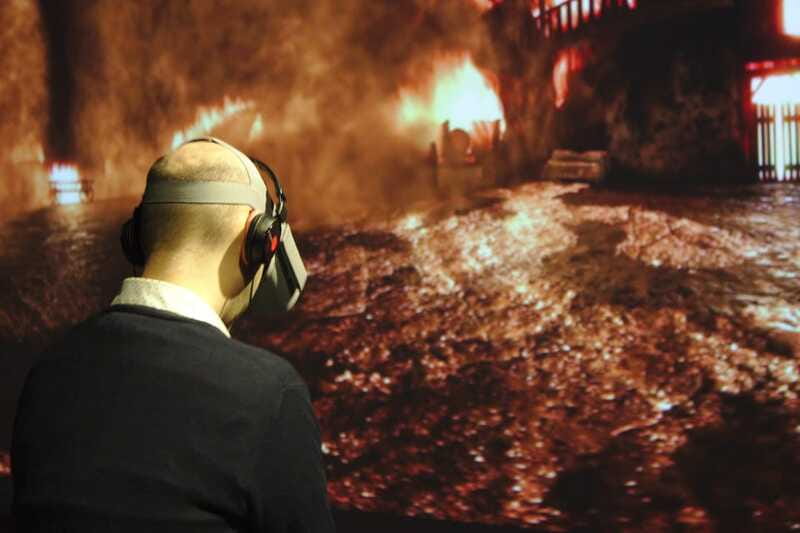
Because it is only 40 minutes, this works well as a connector experience. I like doing it when you still want context, but you are tired of research. Start with the VR storyline, then head out to explore.
If you plan to see historic sites later in your trip, this can give you the “why” behind what you are looking at. That makes street wandering more meaningful, because you recognize turning points rather than just landmarks.
Also, since the session is seated, it can be a nice break if you have been out in cold weather or pacing all day.
Should You Book Quebec City History in Virtual Reality?
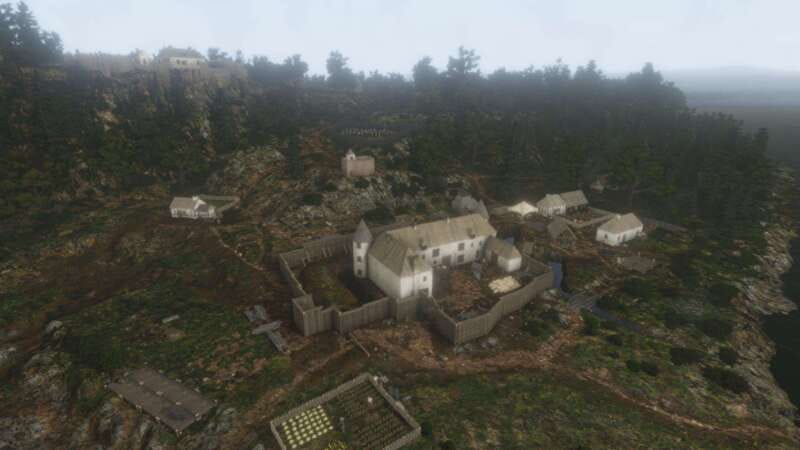
You should book if you want a guided, story-driven overview of Quebec City across 400 years, delivered in a small-group setting with seated VR in the historic vaults of Maison Chevalier. The value is strong for the price, and the high rating suggests many people found it both instructive and fun.
You should think twice if you have a hard time with audio mixing, or if visual sharpness is your top priority. A few people flagged blurry visuals and sound issues, so go in with realistic expectations and ask for audio help at the start if needed.
If your goal is context, not perfection, this VR history stop is a smart use of time in Quebec City.
FAQ
How long is the Quebec City history VR experience?
It lasts about 40 minutes.
How much does the experience cost?
The price listed is $19 per person.
Where is the meeting point?
You meet in the vaults of the historic Maison Chevalier. The entrance to Immersion Quebec is the door on the left near the sidewalk.
Is the experience seated or standing?
You remain seated throughout the experience.
What languages are available for the audio guide?
The audio guide is available in Spanish, Chinese, English, and French.
What languages does the instructor speak?
The instructor is available in English and French.
What is included with the ticket?
Your ticket includes a virtual reality headset.
Can I cancel and get a refund?
Free cancellation is available up to 24 hours in advance for a full refund.
Is there a way to book without paying right away?
Yes. You can reserve now and pay later.
Old Quebec City Walking Tours, compared.
 ★ 5.0Quebec City Walking TourFrom $304,716 reviews
 ★ 4.7Quebec City: Guided Tour of Fairmont Le Château FrontenacFrom $193,027 reviews
 ★ 4.4Québec City: Guided Sightseeing River CruiseFrom $473,000 reviews
 ★ 4.0Half-Day Trip to Montmorency Falls and Ste-Anne-de-Beaupré from Quebec cityFrom $702,718 reviews
 ★ 4.5From Montreal: Quebec City and Montmorency Falls Day TripFrom $362,669 reviews
 ★ 4.8Old Quebec City: Grand Walking Tour with Private OptionFrom $292,609 reviews
 ★ 4.0Quebec City and Montmorency Falls Day Trip from MontrealFrom $362,437 reviews
 ★ 4.6Quebec City: Montmorency Falls with Cable Car RideFrom $192,392 reviews
Browse the lists this tour appears in