
REVIEW · OLD QUEBEC CITY WALKING TOURS
Quebec City Shore Excursion: Private Walking Tour
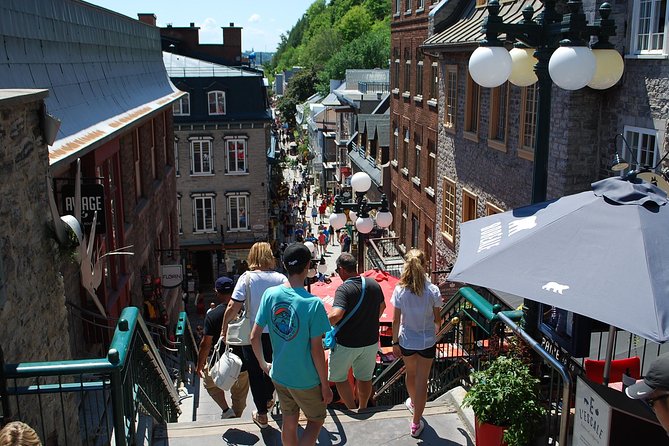
Quebec City on foot is the right speed. This private shore excursion takes you through Upper Town and Old Quebec with live commentary so the landmarks feel connected, not random. I like that you can customize what you see, and I also love that it is truly private for just your group. One thing to weigh, though, is that this is a lot of walking on uneven streets, so plan for cobblestones and weather.
For the price, you get more than a checklist of stops. You’ll get a local guide who can connect the city’s walls, key churches, and the Plains of Abraham into one story as you move, plus photo moments like the Chateau Frontenac area and Place Royale. I also like the “shore-day logic” here, ending back in the Upper Town area so you can decide when you head to the ship.
The main drawback is physical and timing. You’re on foot for about 2.5 hours, with a fixed flow through historic areas, and you must build in extra buffer so you’re not racing back to the cruise terminal.
In This Review
- Key points worth knowing before you go
- Quebec City on foot in about 2.5 hours
- Price and value: what $99.28 buys on a cruise day
- From the cruise port: how to avoid the end-of-day scramble
- Upper Town Haute-Ville: start where the views and power meet
- Old Quebec streets: learning to read the city as you walk
- Terrasse Dufferin and City Hall: photo spots with real context
- Place Royale and the Chateau Frontenac area: where stories meet views
- Plains of Abraham viewpoint area: battle history you can see
- Notre-Dame-des-Victoires and Petit-Champlain: charm with a historic anchor
- Ending near Maison Chevalier: finish where it helps your next move
- Guide impact: the difference between a walk and a story
- Who this tour is best for, and who should reconsider
- What to wear and bring so the walk feels easy
- Final call: should you book this Quebec City private shore tour?
Key points worth knowing before you go
- Private and flexible: Only your group, with route tweaks possible while you’re walking.
- Built for a cruise day: A short walk from the port to Upper Town, then back toward the Upper Town area.
- Fortifications get real meaning: You’ll learn how the city walls shaped defense.
- Top landmarks, not just photos: Chateau Frontenac views, Place Royale, Notre-Dame-des-Victoires, and more.
- Guide quality can make or break it: The experience leans hard on storytelling, and guides like Manon, Marie, Pierre, Michael, and Simon get standout mentions.
More walks inside the walls of Old Quebec
- Quebec City Walking Tour★ 5.0 · 4,716 reviews
- Quebec City: Guided Tour of Fairmont Le Château Frontenac★ 4.7 · 3,027 reviews
- Québec City: Guided Sightseeing River Cruise★ 4.4 · 3,000 reviews
- Half-Day Trip to Montmorency Falls and Ste-Anne-de-Beaupré from Quebec city★ 4.0 · 2,718 reviews
Quebec City on foot in about 2.5 hours
A shore day in Quebec City can get crowded fast. This tour is designed to keep your day from turning into a chaotic stampede, because the pace is human and the focus stays on the part of town that makes Quebec City feel like Quebec City.
You’ll be walking through Upper Town first, then into the historic core around Old Quebec, before finishing back in the area near Maison Chevalier in Lower Town. The total time is about 2 hours 30 minutes, which is long enough to feel like you saw the city’s bones, but short enough to keep your cruise schedule intact.
And because it is a private tour, you do not have to tolerate the “see it, snap it, move on” crowd dynamic. You can ask questions, linger at viewpoints, and adjust the route based on what you care about most.
Price and value: what $99.28 buys on a cruise day
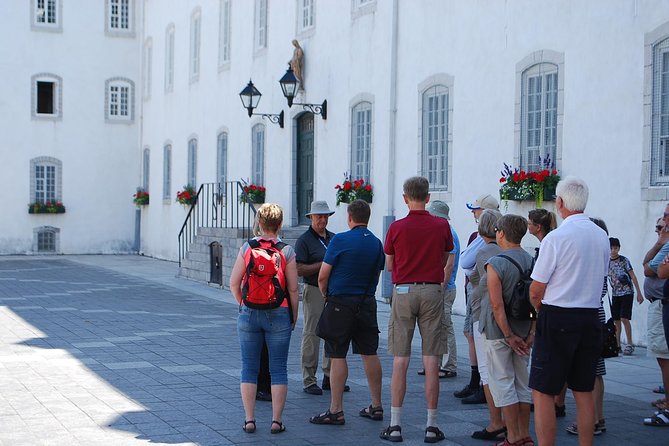
At $99.28 per person, this is not a budget group excursion. But it can still be good value if you care about context and you want a guide who works like your own personal fixer, not like a radio playing the same script for everyone.
Here’s why it can feel worth it:
- You get live commentary in English or French.
- You’re not just touring sights, you’re getting an explanation of why they mattered.
- Your group stays together. That matters when you’re working with cruise timing.
The price makes more sense if you are a couple, a small family group, or two couples traveling together. If you are traveling solo, it can still be a smart move, but you’ll want to be honest about whether you prefer walking with a guide versus spending less and keeping more time loose for yourself.
From the cruise port: how to avoid the end-of-day scramble
This tour starts with a walk from the cruise port area into Upper Town, and the tour description puts you about a 10-minute walk from the port. That’s a gift on a shore day, because you are not burning half your tour time on buses or transfers.
The catch is that historic Quebec City is not flat and smooth. Cobblestones and narrow streets mean slower footing, especially in cold or damp conditions. I’d plan your day with cushion built in, so you can return to your ship without that last-minute sprint feeling.
Also, the tour meets you at 12 Rue Sainte-Anne, Québec, QC G1R 3X3 and finishes near 50 Rue du Marché-Champlain, Québec, QC G1K 4E8. Your ending spot is flexible within the historic district if your guide can accommodate, so it can help to ask where you want to land before you start walking toward the finish.
Quebec City at walking pace, a few more routes

Upper Town Haute-Ville: start where the views and power meet
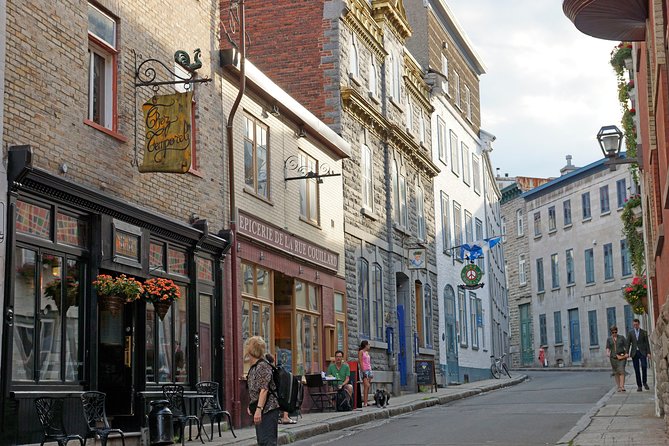
The first leg takes you to Upper Town (Haute-Ville), where you meet your guide after walking up from the port area. This is a smart starting point because Upper Town sets the stage: you get a sense of elevation, fortification, and how Quebec City was built to defend itself.
You’ll start with ongoing commentary as you move from one location to the next. This is where a private guide is most valuable. Instead of seeing the skyline as scenery, you start to understand it as strategy and identity.
If you’ve ever wondered why Quebec City feels both European and intensely Canadian at the same time, this first segment helps answer that. The “European feel” is real, but it’s not just architecture. It’s also layout, defense thinking, and where people had to move to stay safe.
Old Quebec streets: learning to read the city as you walk
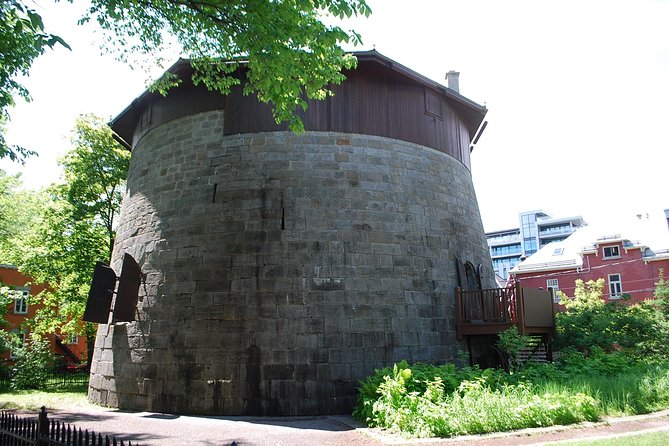
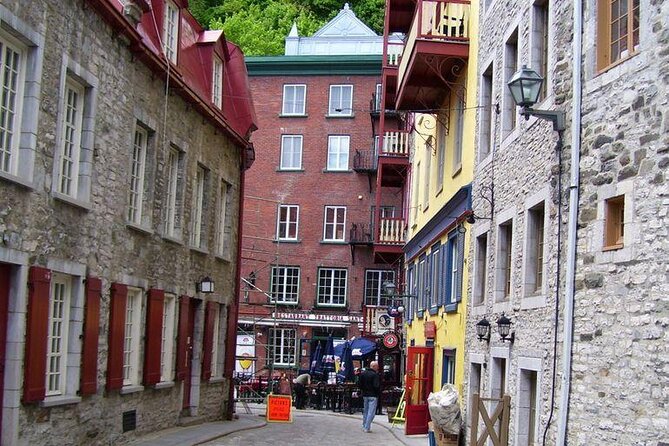
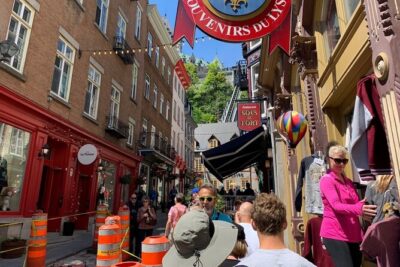
Once you’re in the historic core, your tour shifts into Old Quebec, where narrow lanes and stone buildings do more than look charming. This is the part where live storytelling can turn photos into understanding.
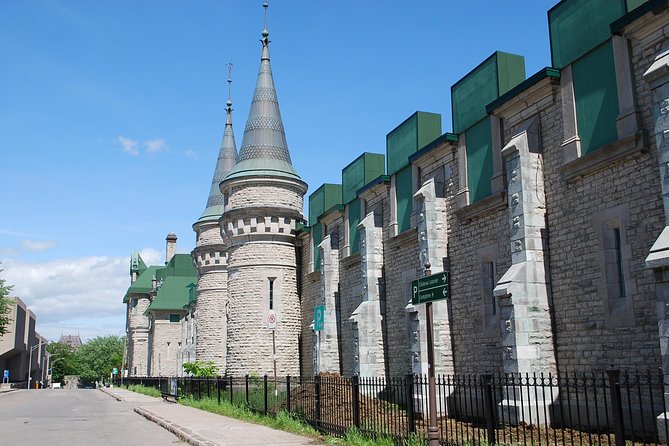
You’ll pass through areas that include the Fortifications of Québec, and you’ll learn the function of the city walls from centuries ago. Quebec City is often described as the only remaining fortified city in North America, and it’s also the only walled city north of Mexico. That line sounds dramatic, but on the ground, it becomes easier to grasp why these fortifications mattered.
You’ll also get context about how Quebec City has evolved. The tour framework is built to connect past to present and even point toward what the city will keep becoming, while you’re still surrounded by old stone and tight streets.
Terrasse Dufferin and City Hall: photo spots with real context
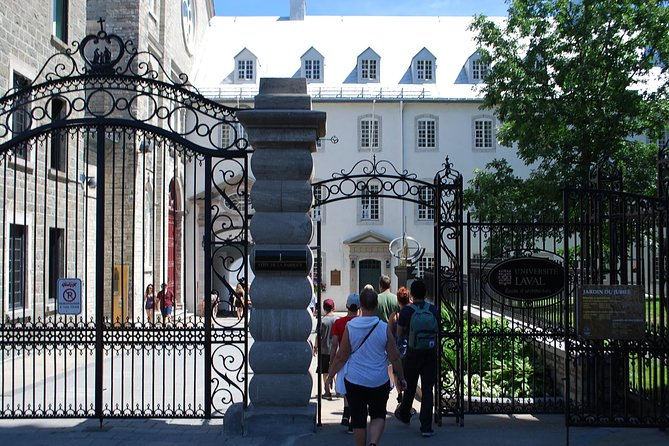
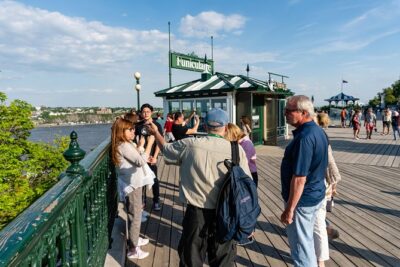
Between Old Quebec sights and the major viewpoints, you go through Terrasse Dufferin. This is one of those places where the views are obvious, but the meaning is not. With a guide, you get the backstory so the lookout becomes part of the city’s narrative, not just a scenic break.
From there, you’ll see Hotel de Ville de Québec, with Place d’Dôtel de Ville and the impressive City Hall setting the tone for the civic identity of the city. Even if you are not planning to go inside (the tour is mostly exterior sightseeing), it helps to understand what these buildings represent and why they belong exactly here.
If you care about architecture, this is a good stretch to slow down. Ask questions like how the city’s layout connects to defense and how the city’s leadership evolved alongside it. You’ll get more out of the walk because your guide can tie it together.
Place Royale and the Chateau Frontenac area: where stories meet views
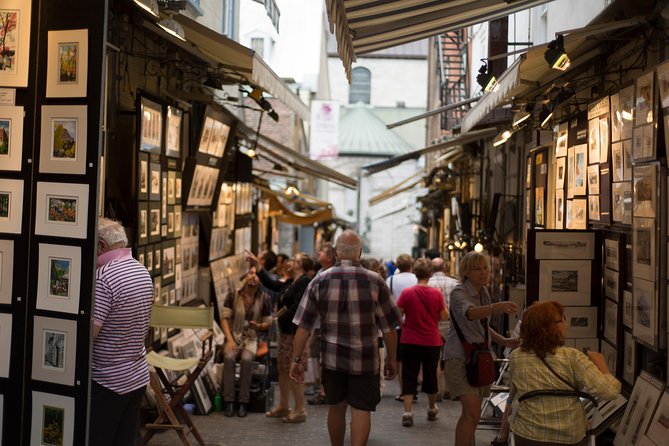
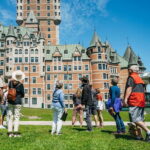
Place Royale is described as the birthplace of French America, and the tour has you in the right zone to feel that significance. You’ll also walk near the Chateau Frontenac area, including a courtyard pass tied to that iconic hotel view.
The Chateau Frontenac is the kind of landmark you probably already have a picture of. The difference here is what your guide does with it. Instead of treating it as just a postcard, you get context about why it sits where it does in the urban pattern.
Place Royale is also a natural photo magnet, but I’d use it as a pause point rather than a target. Stand where your guide suggests, then ask what you should notice in the surroundings. That one small move turns “I took a photo” into “I understand what I’m looking at.”
Plains of Abraham viewpoint area: battle history you can see
A key highlight is the stop area around the Plains of Abraham, connected to the famous Battle of Québec in 1759 during the Seven Years’ War. This is one of the moments where Quebec City’s history shows up in open space, which makes the stories easier to picture.
Even if you know only the basics, a local guide can help you connect the battle to why the city mattered in the first place. It’s also a rare chance during a cruise day to get a sense of how the landscape itself influenced history.
One practical note: open areas can be colder and windier. Dress for it even when the weather looks mild on the ship deck.
Notre-Dame-des-Victoires and Petit-Champlain: charm with a historic anchor
As you continue down Petit-Champlain Street, you’ll spot Notre-Dame-des-Victoires, one of the oldest stone churches in Canada. The tour ties it to the very spot where Quebec began, which gives the stop an anchor beyond pretty facades.
Petit-Champlain is the classic “walk slow and look around” street. Your guide can help you do that without losing time. If you are the kind of traveler who likes the quiet details, this is where your pace will match the street, not the other way around.
If the goal is maximum landmark coverage, Petit-Champlain may still feel like a bonus because you’re not just rushing through it. You’re getting a story attached to what you’re seeing, which makes the entire Lower Town section feel more purposeful.
Ending near Maison Chevalier: finish where it helps your next move
The tour concludes near Maison Chevalier in Lower Town. The meeting information also notes that you may ask your guide onsite to finish elsewhere within the historical district, if possible. That flexibility is useful if you have a specific dinner plan, want to browse for gifts, or need a calmer route back to the ship.
From a practical standpoint, finishing in the historic district can be a win. You’re already in the zone where cafes and small shops tend to cluster. Even if you do not plan to shop, you’ll often find it easier to navigate on foot from there than from a remote transfer point.
Just keep your return plan in mind. Quebec City streets take time, even when you feel like you are moving quickly.
Guide impact: the difference between a walk and a story
This tour is built on guides. The “what you see” is strong, but the “how you see it” comes from the person leading you.
From guide names that stand out in feedback, you may encounter people like Manon, Marie, Pierre, Michael, Clarisse, and Simon. The common thread in their mentions is that they handle questions well and make the explanations feel like they matter to the present, not just a lecture.
A few examples of the kinds of attention guides bring:
- Manon is credited with explaining frescos and connecting Canadian history to the broader U.S. story.
- Simon is noted for weaving in interests like connections to Louise Penny novels.
- Clarisse is recognized for customizing a stop to allow time for cigars at the end of the tour.
That last example is important for your planning. If you have a specific interest, bring it up. Your guide can usually steer the timing and emphasis, as long as it fits the walk.
Who this tour is best for, and who should reconsider
This private walking tour is a good fit if you like guided storytelling and you want to hit major Quebec City highlights without hiring a car or dealing with a big group pace.
It is especially suitable for:
- Couples who want a shared experience with lots of “wait, tell me more” moments
- Travelers who prefer walking over buses
- People who like history with names, dates, and a sense of place
- Port-day travelers who want a plan but also want room for questions
Consider thinking twice if:
- Your mobility is limited or uneven walking is hard for you. Historic streets can be tough, and the tour is designed around an active walking pace.
- Weather makes long walks uncomfortable. You can prepare with layers, but your feet still have to do the work.
Also, if you are a big fan of pure “open roaming,” this is more structured than that. You’ll have freedom to ask questions and adjust stops, but the tour still follows a route.
What to wear and bring so the walk feels easy
The tour recommends comfortable walking shoes and weather-appropriate clothing. That is not just a formality. Quebec City can be cold and damp, and even if the air feels manageable, stone streets can be unforgiving.
I’d also bring:
- A small layer you can remove if you get warm
- A phone with enough battery for photos and the route experience
- A light snack or water plan, especially if your cruise day is tight
If you’re traveling in colder months, it can help to dress like you expect to be outdoors for longer than you think. Your time includes stops, walking between areas, and photo moments.
Final call: should you book this Quebec City private shore tour?
I think you should book this tour if you want the classic Quebec City highlights with a guide who connects them into one story. It’s a strong choice for a cruise day because the timing makes sense, it’s private, and the route hits major anchors like Old Quebec, Fortifications, Place Royale, and Notre-Dame-des-Victoires.
Skip it, or at least plan carefully, if your main goal is minimal walking or if you know your pace can’t handle cobblestones and uneven steps. Also, if you hate meeting points and want zero structure at all, you might prefer a self-guided plan.
If you do book, your best move is simple: tell your guide what you care about before the walk turns into a blur of stone streets and views. This tour is built for that kind of give-and-take, and that is when it feels like good money spent.
The Whole of Quebec City in a Day


Quebec City on Foot
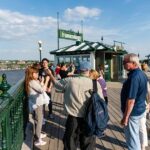

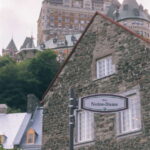
Inside the Walls of Old Quebec
Just off the notebook: recent Quebec City write-ups
- Quebec City: Historic District Walking Tour (2h)
★ 5.0 · 4 reviews - Quebec City: Fat Bike Guided Tour
★ 4.7 · 4 reviews - Quebec City Photo Tour
★ 5.0 · 5 reviews - Experience île d’Orléans and the falls with a local guide
★ 4.5 · 5 reviews - Private Québec City walking tour with Lenny.
★ 5.0 · 5 reviews - Heritage Upper Town E-Bike Tour
★ 5.0 · 6 reviews
Old Quebec City Walking Tours, compared.
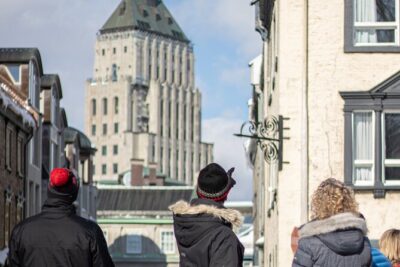 ★ 5.0Quebec City Walking TourFrom $304,716 reviews
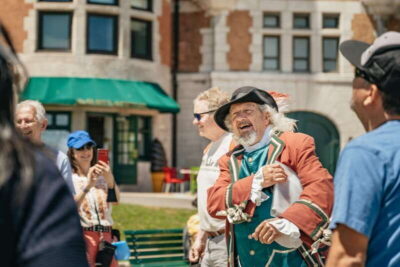 ★ 4.7Quebec City: Guided Tour of Fairmont Le Château FrontenacFrom $193,027 reviews
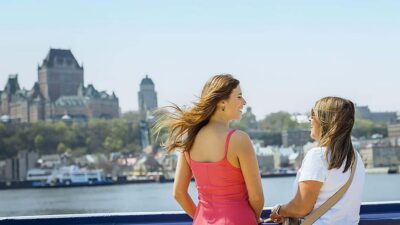 ★ 4.4Québec City: Guided Sightseeing River CruiseFrom $473,000 reviews
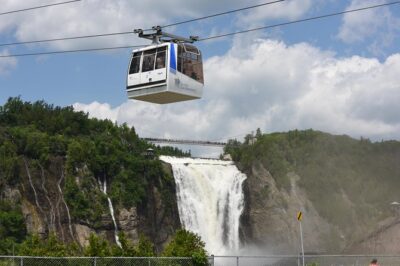 ★ 4.0Half-Day Trip to Montmorency Falls and Ste-Anne-de-Beaupré from Quebec cityFrom $702,718 reviews
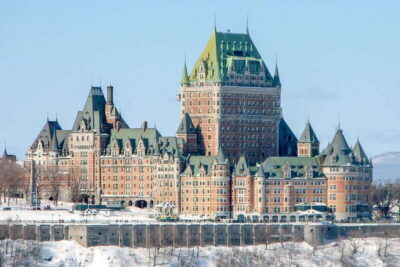 ★ 4.5From Montreal: Quebec City and Montmorency Falls Day TripFrom $362,669 reviews
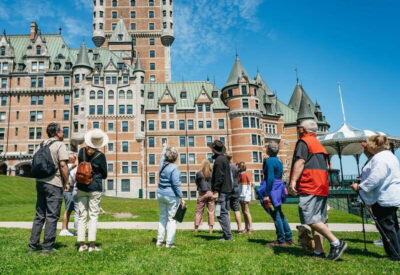 ★ 4.8Old Quebec City: Grand Walking Tour with Private OptionFrom $292,609 reviews
 ★ 4.0Quebec City and Montmorency Falls Day Trip from MontrealFrom $362,437 reviews
 ★ 4.6Quebec City: Montmorency Falls with Cable Car RideFrom $192,392 reviews
Browse the lists this tour appears in