
REVIEW · OLD QUEBEC CITY WALKING TOURS
Québec City: Saint-Louis-Forts-and-Châteaux visit
Old Quebec has a way of hiding time. This one puts you right over the remains of Château Saint-Louis and then takes you below the surface, with archaeology and diplomacy working together. I really like how the visit links the French and British governors’ seat of power (1620 to 1834) to the physical traces you can actually see, and I especially appreciate the First Nations perspective presented in collaboration with the Huron-Wendat Nation. One possible drawback: if you are not into role-play or audio performances, the audio circuit approach may feel more scripted than you want.
The setting matters too. You start with views from the Dufferin Terrace boardwalk, then descend stairs to reach the Saint-Louis Forts and Châteaux National Historic Site, where artifacts sit alongside the story of alliances and decisions that affected North America. For the best results, plan on focused walking and reading, because it is only about an hour and you will want your attention in one place. Also note the site is not suitable for wheelchair users or people with mobility impairments.
In This Review
- Key Points You Should Know Before You Go
- Under Dufferin Terrace, the Château Is Still Here
- Starting With Views, Then Descending Into the Story
- What You Will See: Remains, Architecture, and the Power Base
- The 120+ Artifacts: Clues to Everyday Life
- Diplomatic History You Can Actually Follow
- A Huron-Wendat Lens Adds Context, Not Tokenism
- Live Guide vs Audio Tour: How to Pick What Fits You
- Price and Value: Why $9 Can Feel Like a Lot More
- Practical Details That Make the Visit Easier
- Who This Fits Best
- Should You Book the Saint-Louis Forts and Châteaux Visit?
- FAQ
- Where does the Saint-Louis Forts and Châteaux visit start?
- How long is the visit?
- What is included in the experience?
- Can I take it in multiple languages?
- How much does it cost?
- Are food, drinks, or luggage allowed?
- Is it accessible for wheelchair users?
Key Points You Should Know Before You Go
- Dufferin Terrace to underground ruins, with the stairs doing the storytelling for you
- 120+ artifacts connected to daily life, governance, and building history
- Huron-Wendat diplomatic alliances included through an exhibition collaboration
- Guided or audio options with an app that supports the self-guided route
- One and only château in Quebec City, the official governor residence from 1620 to 1834
Under Dufferin Terrace, the Château Is Still Here
If you only know Quebec City from the postcard streets, this tour changes the scale. The big idea is simple, and it works: you begin outside at the Dufferin Terrace boardwalk, then you go down to see what remains beneath it, connected to Château Saint-Louis. This is not just a museum stop. It is a walk that helps you visualize how authority, buildings, and people used the same ground over and over.
The strongest part for me is how the site mixes two kinds of history: what rulers planned at the top, and what everyday life looked like on the ground. You also get a clear time span, from French and British governance beginning in the early 1600s through 1834. That long timeline makes the changes feel real, not like random facts.
Starting With Views, Then Descending Into the Story
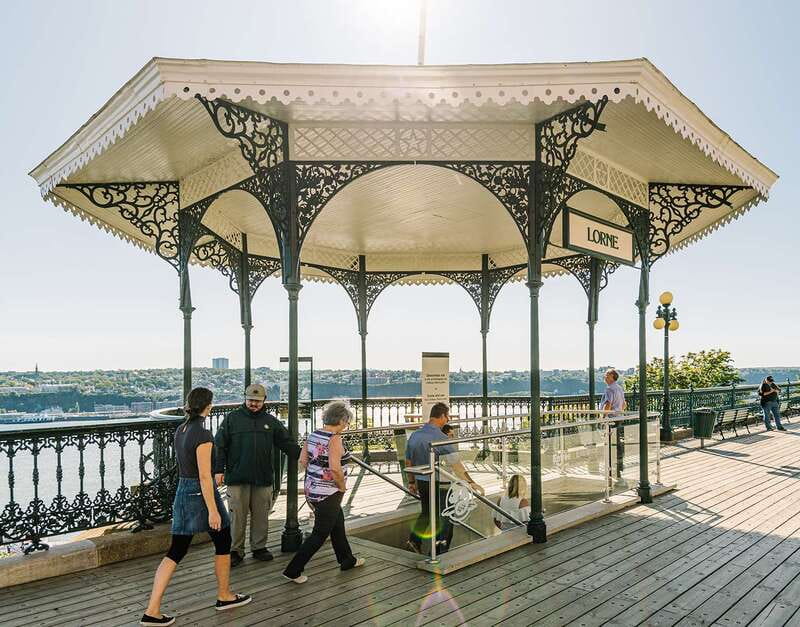
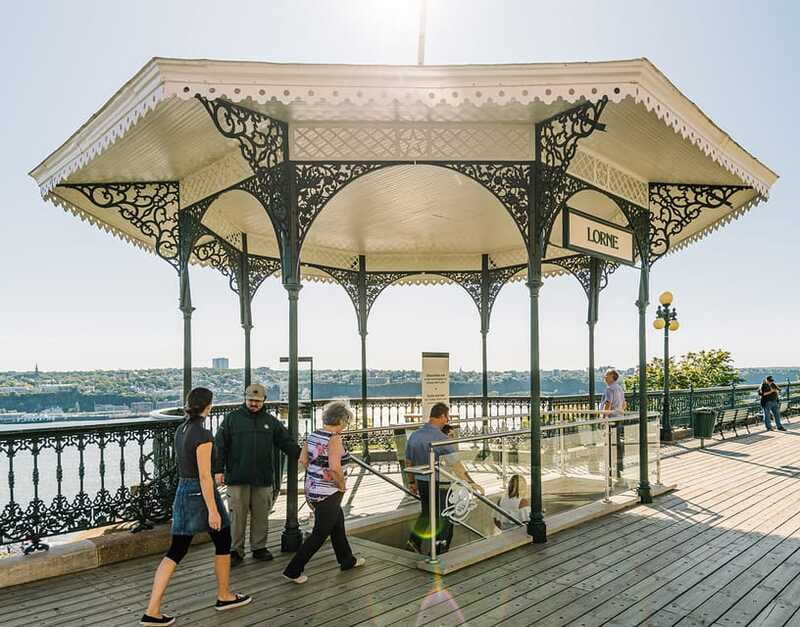
Your visit begins at the top, with the St. Lawrence River views from the Dufferin Terrace boardwalk. There is something satisfying about getting your bearings first. You are above the Old Quebec layers, then you step into the idea that the ground itself is evidence.
From there, you descend the stairs to reach the Saint-Louis Forts and Châteaux National Historic Site. This physical shift is part of why the experience clicks. It is hard to treat the ruins like a static display when you literally came down from where you can see the city spread out.
Keep an eye out for the meeting point details so you do not waste time. Look for the Frontenac sign on a green and white kiosk with a Canadian flag at the beginning of Dufferin Terrace. If you have a live guide, they are wearing a green and beige uniform.
What You Will See: Remains, Architecture, and the Power Base
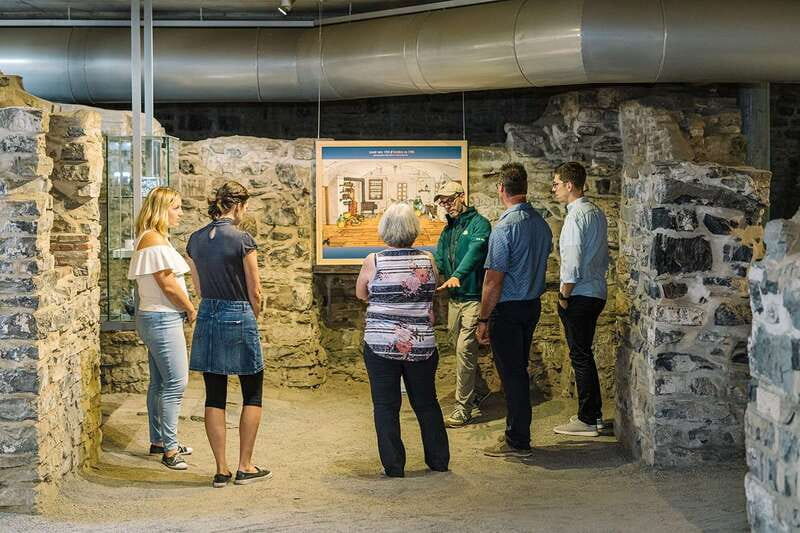
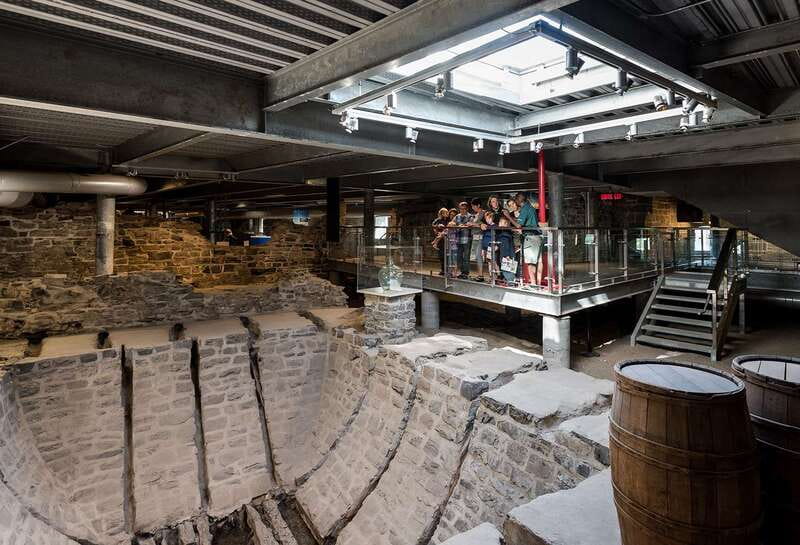
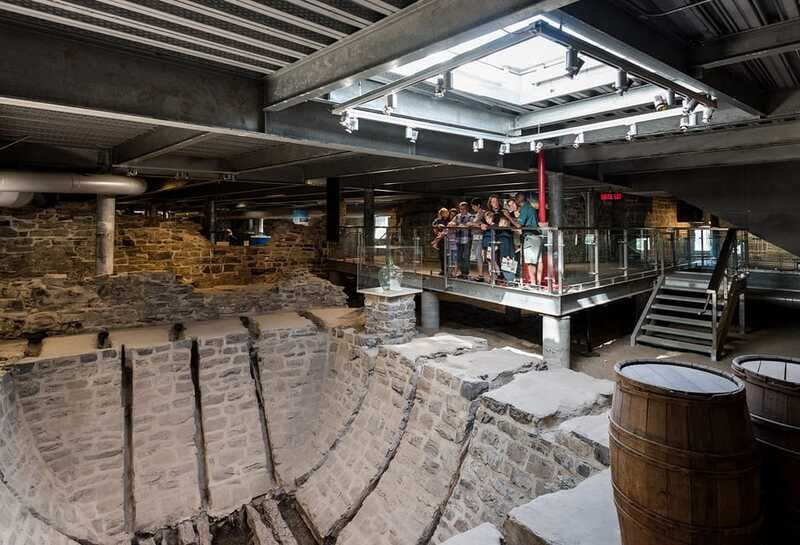
The headline attraction is the remains of Château Saint-Louis, described as the official residence and seat of power for governors. The tour is built to help you read the site as a system, not just as broken stone. You should expect to walk among remnants and see how the place evolved across its lifespan.
One of the most praised parts of this experience is that it helps you visualize the architecture and planning, including how the site changed over time and how governance shaped the space. That matters because many historical sites show you one snapshot. Here, the emphasis is on evolution, so you can connect rulers’ needs to the building footprint and layout you are standing in.
At the same time, you are not only looking at structures. You are also meeting objects. Archaeological digs unearthed hundreds of artifacts, and the artifact displays are a big part of what makes this feel like a lived-in place rather than a ruin.
The 120+ Artifacts: Clues to Everyday Life
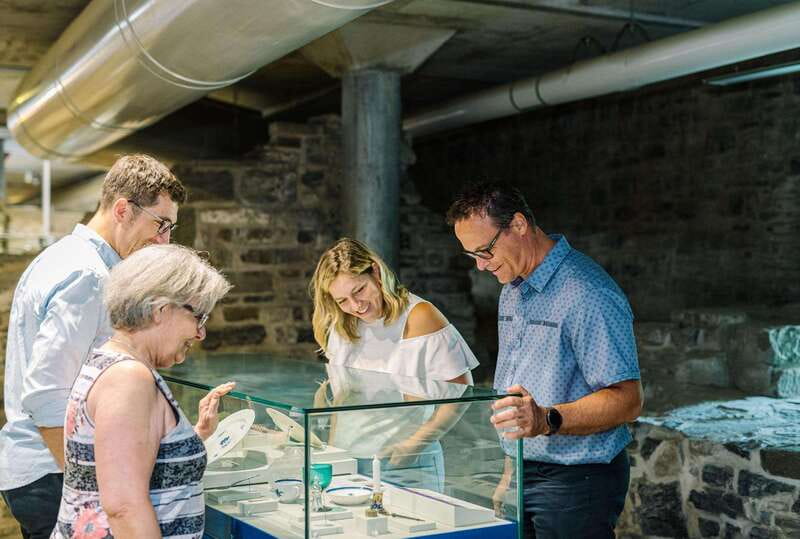
Artifacts are where the history stops being abstract. As you move through the site, you will see objects tied to daily routines and the practical side of running a high-status residence. The best value in this stop is the way objects help you imagine how people ate, stored goods, cleaned, dressed, and managed household work.
You can pick up the feeling of daily rhythm because some of the explanations focus on very specific items and functions. For example, you might hear how an icebox was used, what grooves on the bottom of certain items were for, and why women used bottles of ammonia. Those kinds of details turn the château into a place with chores, not just ceremonies.
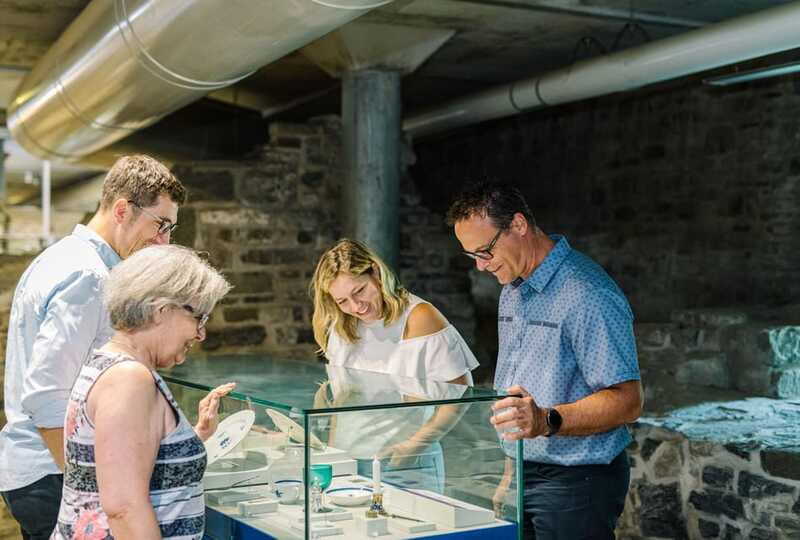
You will also see the scale of the archaeological effort reflected in the number of pieces on display. With 120+ artifacts, you are not getting one or two token finds. It feels like a real collection, assembled from the ground up.
Diplomatic History You Can Actually Follow
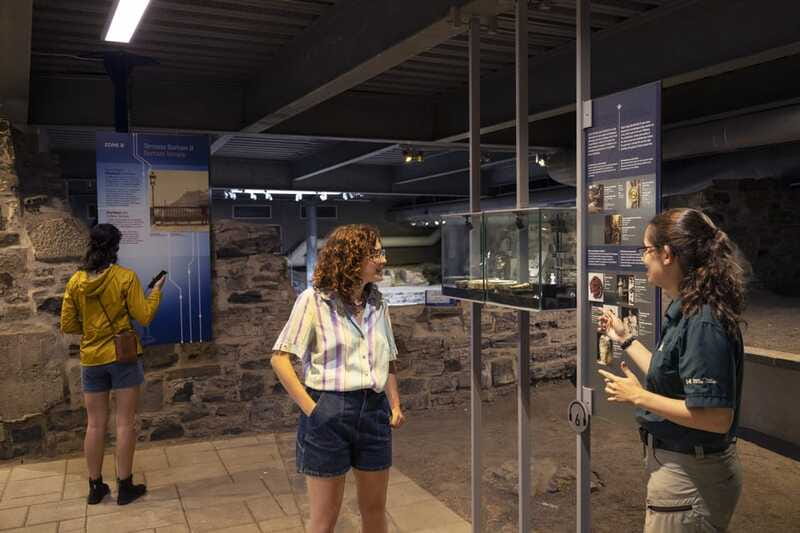
A big reason this experience earns repeat attention is how it connects buildings to diplomacy. Château Saint-Louis is framed as a North American center of power, where decisions were tied to alliances and relationships. Instead of presenting governance as a distant political story, the tour gives you a route through the decision-making logic.
You will retrace more than 200 years of diplomatic history, with emphasis on what happened at this seat of power and why it mattered beyond Quebec. If you like cause and effect, this part will likely work well. It helps you see that diplomacy was not only letters and meetings. It was also people, protocol, and power networks anchored in specific locations.
This is also where you should expect the tour to explain key events and lavish moments hosted at the château. Even if you are not into royal drama, those stories help you understand status and ceremony, and how they shaped access and influence.
A Huron-Wendat Lens Adds Context, Not Tokenism
One of the most meaningful features here is the way the site includes relationships through a Huron-Wendat Nation perspective. There is an exhibition presented in collaboration with the Nation, focused on alliances between colonial governors and First Nations.
I like this approach because it changes the usual rhythm of colonial storytelling. Instead of only watching European power move across the page, you get a chance to consider how alliances worked from other worldviews. That makes the diplomatic history feel more complete, and it makes the site more than a French-and-English timeline.
If you care about context and accurate framing, this is a strong reason to choose this experience over a generic ruins walk.
Live Guide vs Audio Tour: How to Pick What Fits You
You have options, and it matters because the style differs.
A self-guided audio tour uses a downloadable Parks Canada app to enrich what you see on site. You can follow the circuit at your own pace, and the content is designed for the ruins and artifact layout.
If you prefer a live voice and a back-and-forth feel, you can choose a live tour guide. The live tour languages include English, French, Spanish, German, and Chinese. The audio option is still supported through the Parks Canada app and is a practical choice if you want flexibility.
Here is a fair warning based on how some people react to the audio format. One visitor did the downloadable circuit and felt that the role-playing element, where the audio can shift between governor and servant, did not match their taste. They also said they did not want an auditory theater piece, preferring direct information about objects and daily routines. If you know you are sensitive to scripted performances, you might want to aim for the live guide route, or at least choose the approach that sounds closest to your style.
Price and Value: Why $9 Can Feel Like a Lot More
At about $9 per person and roughly 1 hour, this is one of those Quebec City experiences that punches above its weight. You are paying for access to a guided or audio interpretation, the archaeology context, and the artifact display work, all tied together in one compact route.
A simple way to think about value: you are not spending an entire afternoon to get the story. You get a focused session that helps you understand what the château was, what it looked like, and how people lived there, using physical remains as your anchor.
Also, the experience is low-friction in practical terms because the main steps are straightforward. There is a clear meeting point, a walk between viewpoints and site areas, and a time window that makes it easier to plan around other Old Quebec activities.
Practical Details That Make the Visit Easier
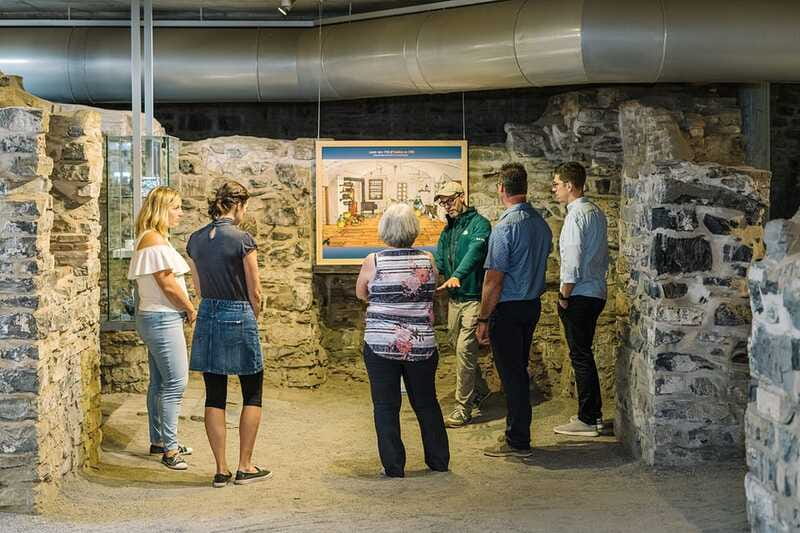
This tour is designed for a comfortable, one-hour flow, but it comes with site rules. No food or drinks are allowed. You should also leave luggage or large bags behind. Pets are not allowed, though assistance dogs are permitted. Bare feet are not allowed.
You also need to be ready for the site layout. It is not suitable for wheelchair users or people with mobility impairments, so plan an alternative if you need that kind of access.
If you are traveling with a camera, you will likely want it because ruins plus artifacts can be very photogenic. Just keep your attention on the interpretation, because the real payoff comes when the objects and explanations click together.
Who This Fits Best
This is a great choice if you like history that has evidence. If you enjoy archaeology and want to see how artifacts connect to daily life and power, you will probably find this experience satisfying. It is also ideal if you like diplomacy and want it explained in a way that makes sense geographically and politically.
I would especially recommend it if you want a break from pure street-walking. Old Quebec is beautiful, but it is also easy to move through it on autopilot. This gives you one concentrated, meaningful stop that adds depth fast.
If you are traveling with people who care about different angles, it can work well. The site covers governance and diplomacy, household objects and daily routines, and it includes a Huron-Wendat collaboration. That variety helps the visit feel balanced even when your group has different interests.
Should You Book the Saint-Louis Forts and Châteaux Visit?
Book this tour if you want an hour in Quebec City that turns the ground beneath the famous views into a real story. The combination of ruins, artifact displays, and diplomatic context is the main draw, and the Huron-Wendat collaboration adds thoughtful framing.
Do not book if you need full accessibility support, because it is not suitable for wheelchair users or people with mobility impairments. Also skip it if audio role-play and theatrical elements would annoy you, because the self-guided circuit can include that kind of performance style.
If you are open-minded and want a high-value, evidence-led history stop in Old Quebec, this one is a strong yes.
FAQ
Where does the Saint-Louis Forts and Châteaux visit start?
You meet at the beginning of Dufferin Terrace. Look for a Frontenac sign on a green and white kiosk with a Canadian flag, and watch for the guide wearing a green and beige uniform.
How long is the visit?
The duration is about 1 hour.
What is included in the experience?
In general, it includes a downloadable Parks Canada app to support the self-guided audio tour, the self-guided audio tour itself, and an on-site heritage guide.
Can I take it in multiple languages?
Yes. Live tour guide languages include English, French, Spanish, German, and Chinese. The experience also references audio support via the Parks Canada app.
How much does it cost?
The price is listed as $9 per person.
Are food, drinks, or luggage allowed?
No. Food and drinks are not allowed, and luggage or large bags are not allowed.
Is it accessible for wheelchair users?
No. It is not suitable for wheelchair users or people with mobility impairments.
Old Quebec City Walking Tours, compared.
 ★ 5.0Quebec City Walking TourFrom $304,716 reviews
 ★ 4.7Quebec City: Guided Tour of Fairmont Le Château FrontenacFrom $193,027 reviews
 ★ 4.4Québec City: Guided Sightseeing River CruiseFrom $473,000 reviews
 ★ 4.0Half-Day Trip to Montmorency Falls and Ste-Anne-de-Beaupré from Quebec cityFrom $702,718 reviews
 ★ 4.5From Montreal: Quebec City and Montmorency Falls Day TripFrom $362,669 reviews
 ★ 4.8Old Quebec City: Grand Walking Tour with Private OptionFrom $292,609 reviews
 ★ 4.0Quebec City and Montmorency Falls Day Trip from MontrealFrom $362,437 reviews
 ★ 4.6Quebec City: Montmorency Falls with Cable Car RideFrom $192,392 reviews
Browse the lists this tour appears in