
REVIEW · OLD QUEBEC CITY WALKING TOURS
Quebec City: Honey and Distillery Tour with Tasting
Apikol turns a beehive into a front-row seat for local spirits. This is an indoor, downtown stop where you can watch bees at work year-round, then learn how pure honey becomes mead and spirits. You also get an eco-minded perspective from the people running the operation, not a scripted lecture.
I especially like the live all-season observation hive, because you see real beekeeper techniques and bee behavior without waiting for summer. I also love the hive-to-bottle process, explained step by step, then finished with a short tasting of three honey-made products led by an in-house expert.
One thing to plan for: the bee portion takes place in a small indoor room, so if you dislike tight spaces, it can feel a bit compact.
In This Review
- Key highlights to look for
- Meeting Apikol in Saint-Roch, where the hive and distillery share one roof
- The indoor all-season hive: watching bees work up close
- From honey to mead: how the process actually connects
- Seeing distillation and spirits made from homemade honey
- The tasting: three honey-based products, including effervescent mead
- Optional fresh honey: a literal taste of the hive
- Price and value: what $21 buys you in Quebec City
- Who should book this honey and distillery tour?
- Should you book Apikol’s honey and distillery tour?
- FAQ
- How long is the Apikol honey and distillery tour?
- What happens during the tour?
- Is the tour indoors?
- What languages are offered for the guide?
- Is the tasting alcohol-free for kids?
- How many people are in a group?
Key highlights to look for
- Indoor all-season bee viewing in a live observation hive, so the tour works any time of year.
- Owner-led, beekeeping-meets-distilling guidance, with lots of time for questions.
- Honey to fermentation to distillation shown in plain language, including ageing and bottling steps.
- Tasting 3 honey-based products, including their effervescent mead as one option.
- Eco-friendly urban farm focus, with the owners explaining how they think about footprint and waste.
More walks inside the walls of Old Quebec
- Quebec City Walking Tour★ 5.0 · 4,716 reviews
- Quebec City: Guided Tour of Fairmont Le Château Frontenac★ 4.7 · 3,027 reviews
- Québec City: Guided Sightseeing River Cruise★ 4.4 · 3,000 reviews
- Half-Day Trip to Montmorency Falls and Ste-Anne-de-Beaupré from Quebec city★ 4.0 · 2,718 reviews
Meeting Apikol in Saint-Roch, where the hive and distillery share one roof
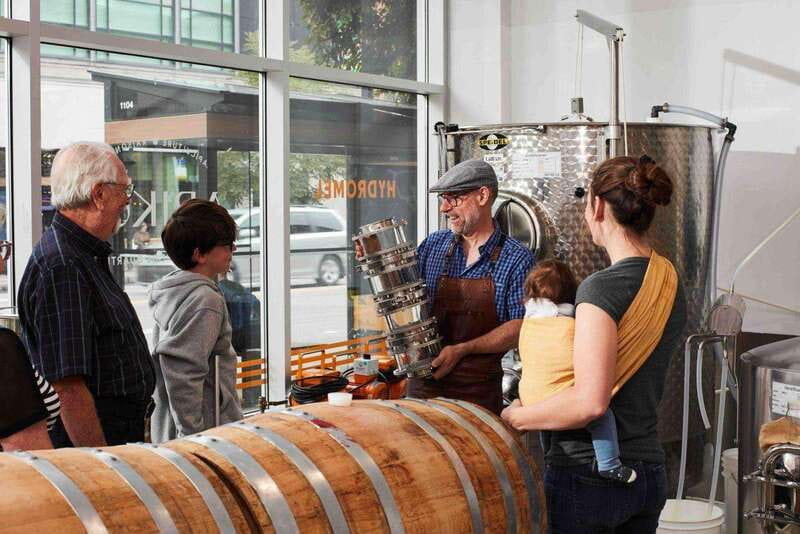
Apikol is in the Saint-Roch district of Quebec City, and the vibe is practical, not fancy. Instead of wandering between separate buildings, you stay inside one hub where honey production, mead making, distilling, and tasting happen under the same roof.
For your time, this setup is a win. You get a compact experience that feels like a full story told in order, not a rushed stop-and-smile. It also helps that the group size is limited to 8, which means you can ask follow-up questions when the guide starts talking shop.
Tours are guided by one of the co-owners, who is both a beekeeper and a distiller. In at least some cases, that guide is Fred, who is described as engaging and funny while staying focused on the details of bee work and the production process.
The indoor all-season hive: watching bees work up close
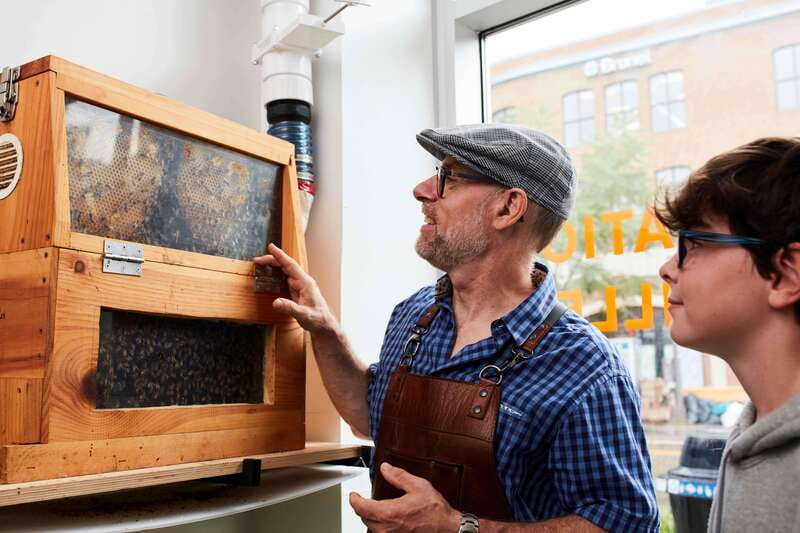
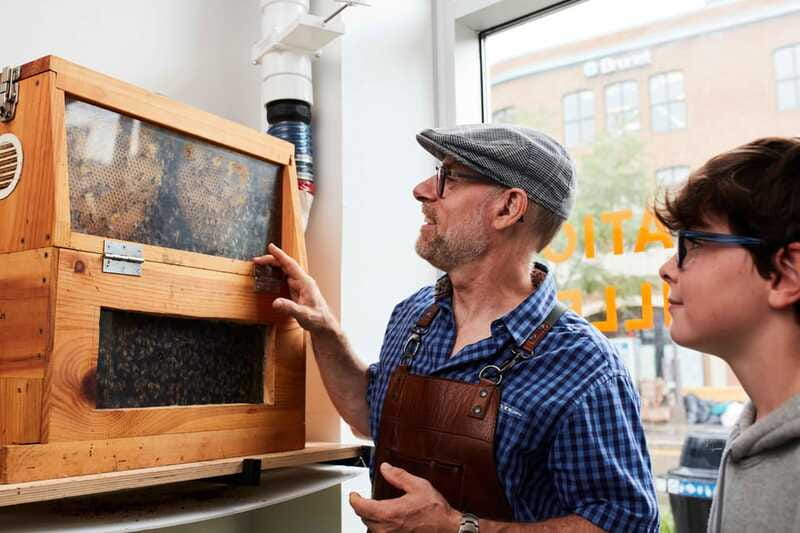
The first real hook is the honey and bee house portion. You get to see bees in a live, small all-season observation hive. That matters because it turns what is usually a seasonal activity into something you can experience year-round in Quebec City.
In the observation area, you are not just looking at a static display. The guide explains how beekeepers manage the hive, including honey extraction methods and how the bees’ work fits into what happens later in the distillery.
If you enjoy nature facts that actually connect to food and drink, this part is where it clicks. Multiple guides are described as passionate about bees, and that shows in the way they explain equipment and procedures in a way you can remember.
Tip for your comfort: since this is an indoor tour and the observation area can be a small room, dress for cool air if you run warm. You’ll likely be standing and watching for a bit, and ventilation can vary.
From honey to mead: how the process actually connects
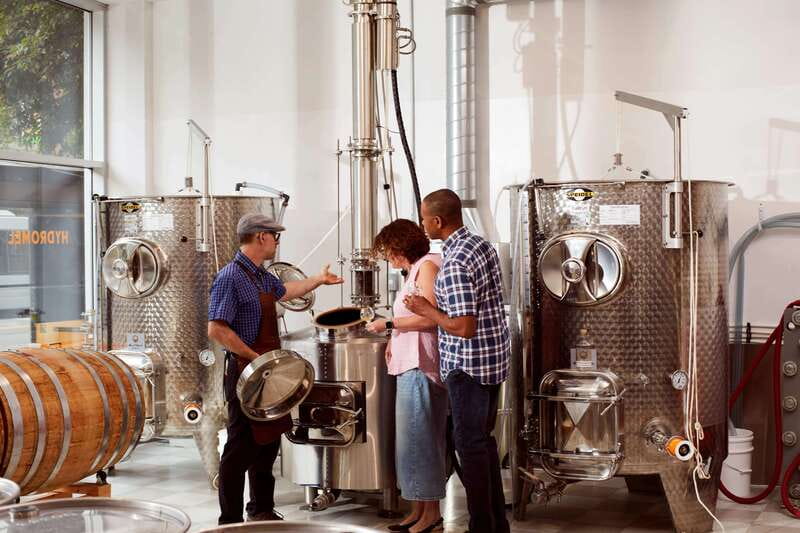
After the bee viewing, the tour moves into the honey-to-mead and honey-to-spirits story. What I like about Apikol’s approach is that it does not treat mead as a mystery drink. You see the steps that connect pure honey to fermentation, then onward to distillation and finishing.
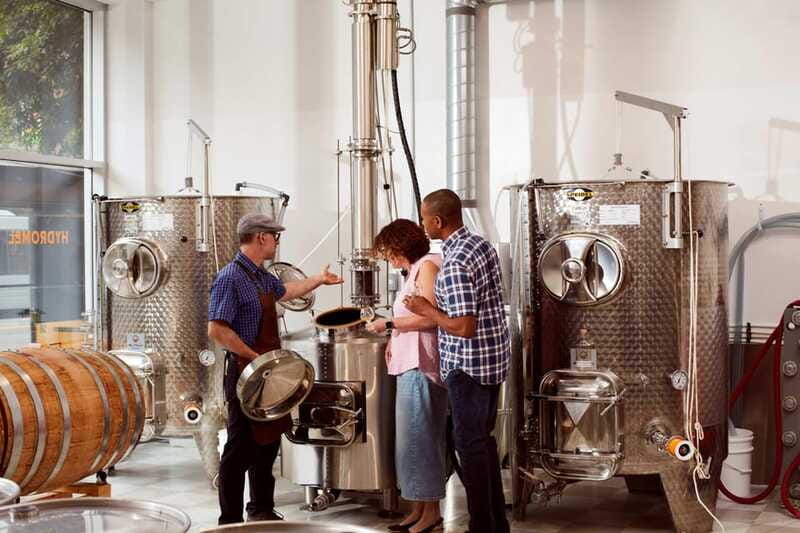
Expect a guided walkthrough covering the interpretation of bees, honey extraction and its transformation, fermentation, distillation, ageing, formulation, and bottling. That list is packed, but the key is pacing. You get a sequence, not scattered facts.
You’ll also hear emphasis on sourcing and sustainability. The whole business is framed as an eco-friendly urban project with a focus on reducing ecological footprint and waste. It is the kind of philosophy that would be easy to ignore, but the way they explain the process makes it feel practical.
And if you like asking questions, this is a good moment. Several people in the feedback highlight how friendly the owners are and how willing they are to talk.
Wider sweeps across Quebec City
Seeing distillation and spirits made from homemade honey
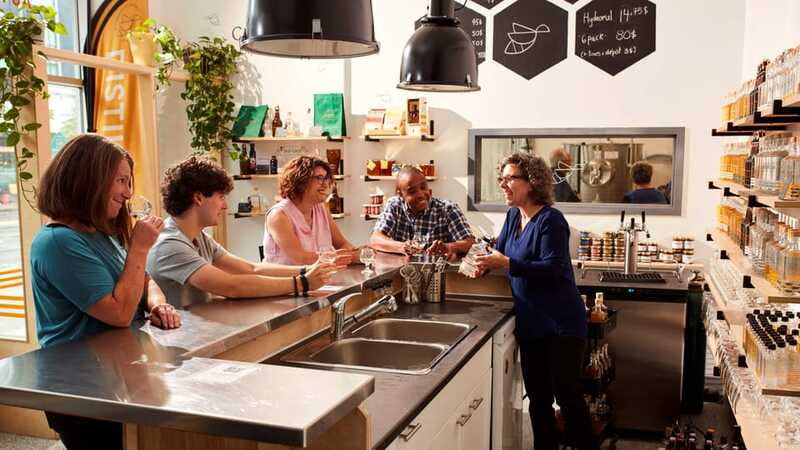
This is where Apikol feels different from your average tasting room. A lot of places serve alcohol made elsewhere, or they focus only on the final flavor. Here you are shown how their honey inputs become spirits, which helps you taste with context.
As the tour moves through the distillation part, you learn about the styles they produce. Feedback specifically mentions honey-based products like gin and vodka, plus other spirits such as eau-de-vie, along with mead. Even if the tasting mix changes, the key idea stays the same: their drinks start with city honey, then get transformed through distilling and ageing steps.
In my view, that helps you judge quality faster. When you know they’re working from honey they harvest and then ferment and distill through their own process, the tasting stops being a blind experiment and becomes a comparison of production choices.
The tasting: three honey-based products, including effervescent mead
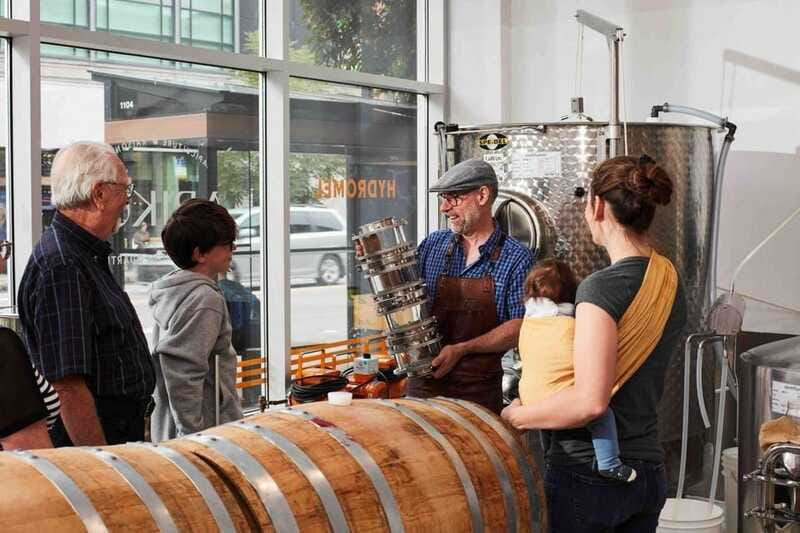
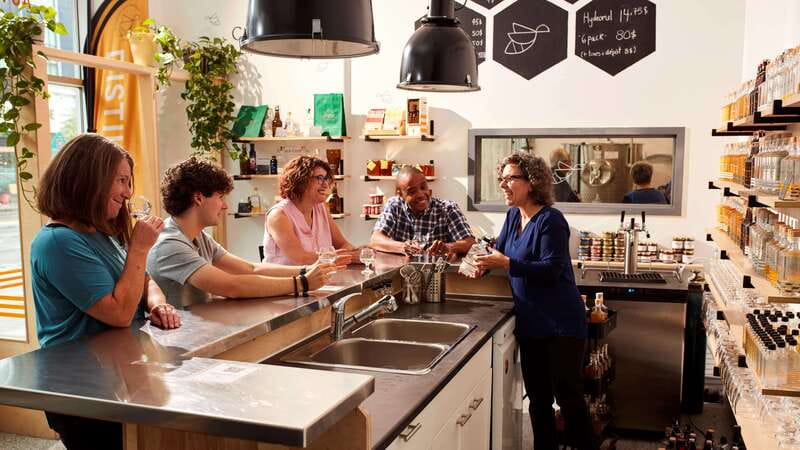
The tour ends with tasting time, led by an in-house expert. The program is designed around three products, and effervescent mead is specifically listed as one of them.
The tasting is short, around the 15-minute mark as described, which keeps it from dragging. You’ll get enough to notice differences without turning it into a long, heavy session. For Quebec City in winter, that’s a sweet spot, because you get a warm indoor activity that still feels like an “experience,” not a full night out.
How to make the tasting more fun: take notes on what you notice first. Is the honey flavor upfront? Is it more floral? Does the mead feel crisp and lively? If a gin or other spirit is part of your set, pay attention to how the honey base shows up in the finish even when the spirit is clearly doing its own thing.
If you want to go bigger, there is also an option to add other products for a small supplement. That can be a good move if you know you like honey-based drinks and want a wider range of styles.
Optional fresh honey: a literal taste of the hive
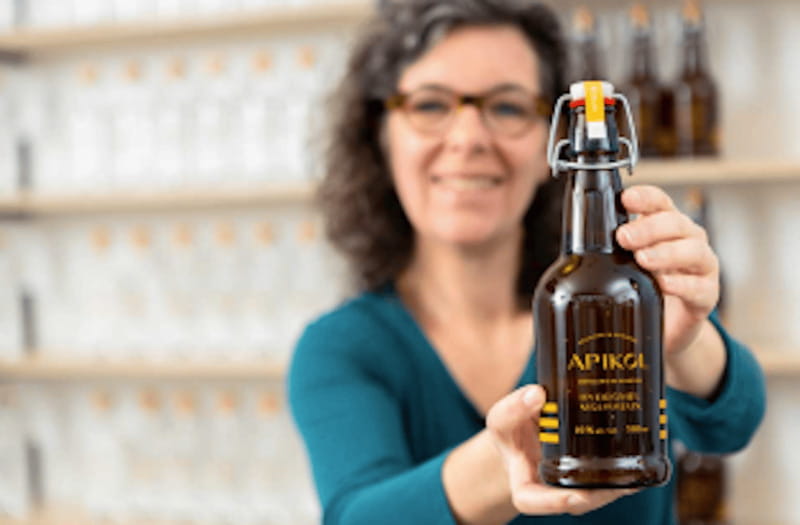
There is an extra treat if you choose it. You can end your tasting with pure, fresh honey harvested from one of the hives in the city.
This is a clever final step because it resets your palate. After tasting fermented and distilled products, the fresh honey brings you back to the source material. You taste the difference between honey as an ingredient and honey as a transformed flavor.
If you are the type who buys souvenirs you actually use, this is one of the more practical add-ons. Fresh honey is also a nice way to remember the bee viewing part, because you can connect the live hive and the extraction story to something you can keep.
Price and value: what $21 buys you in Quebec City
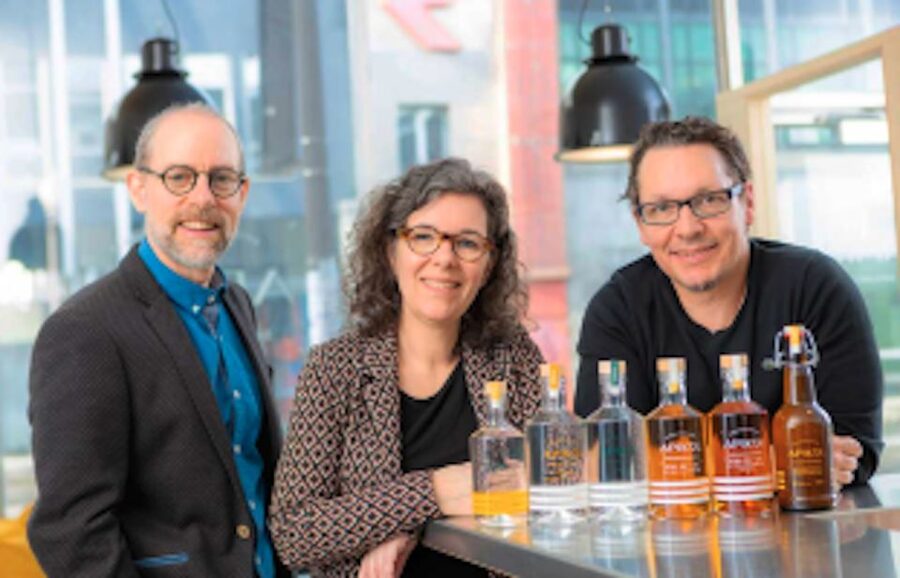
At about $21 per person for a 1-hour experience, this tour is strong value for two reasons.
First, you are paying for a small group, owner-led visit that includes multiple production steps. Many paid tastings give you a drink and a quick patter. Here, you also get the indoor live hive viewing and a structured walkthrough of extraction, fermentation, distillation, ageing, and bottling.
Second, you are paying for “meaning,” not just alcohol. When a tasting comes with context, you usually end up with better souvenirs and more confident choices. If you plan to spend time in Quebec City anyway, this is a focused use of an hour that can fit between meals or before an evening walk.
Also, if you care about eco-friendly practices, this is one of those places where sustainability is not just marketing language. The owners talk about their eco-friendly project and how they think about footprint and waste, and it’s tied to the way the operation works.
Who should book this honey and distillery tour?
This tour is best for you if you like hands-on learning, food and drink that comes with a production story, and people who genuinely enjoy explaining what they do.
It’s also a great pick for couples and small friend groups, because the maximum group size of 8 helps keep the experience personal. If you travel with someone who is less into spirits, the bee portion alone can still make the visit worthwhile, since it is its own event.
Families should note that the tour is indoor, and visitors under 18 will receive a non-alcoholic beverage instead. If your kids are curious about animals and science, this could be a good, contained activity in Quebec’s cooler months.
If you hate indoor spaces or crowds in general, keep the small room layout in mind during the hive viewing.
Should you book Apikol’s honey and distillery tour?
I think you should book it if you want a different kind of Quebec City stop, one that links nature, craft alcohol, and eco-minded farming in a tight one-hour format. The strongest reason to go is the combination of live bee viewing plus a structured production tour, then a tasting of three honey-based drinks.
If your idea of a great tour is mostly scenery and walking outside, this may feel more “workshop-like” than “wandering-like.” But if you want an authentic, locally rooted experience you can understand in the moment, Apikol is an easy yes.
FAQ
How long is the Apikol honey and distillery tour?
It lasts about 1 hour.
What happens during the tour?
You get a guided visit that includes an indoor live observation hive, a look at how honey is transformed into mead and spirits, and then a short guided tasting of three products.
Is the tour indoors?
Yes. This is described as an indoor tour.
What languages are offered for the guide?
Tours are available in French and English.
Is the tasting alcohol-free for kids?
Visitors under 18 receive a non-alcoholic beverage.
How many people are in a group?
The group is small, limited to 8 participants.
Eat Your Way Around Quebec City



The Whole of Quebec City in a Day




Inside the Walls of Old Quebec
Just off the notebook: recent Quebec City write-ups
- Quebec City: Historic District Walking Tour (2h)
★ 5.0 · 4 reviews - Quebec City: Fat Bike Guided Tour
★ 4.7 · 4 reviews - Quebec City Photo Tour
★ 5.0 · 5 reviews - Experience île d’Orléans and the falls with a local guide
★ 4.5 · 5 reviews - Private Québec City walking tour with Lenny.
★ 5.0 · 5 reviews - Heritage Upper Town E-Bike Tour
★ 5.0 · 6 reviews
Old Quebec City Walking Tours, compared.
 ★ 5.0Quebec City Walking TourFrom $304,716 reviews
 ★ 4.7Quebec City: Guided Tour of Fairmont Le Château FrontenacFrom $193,027 reviews
 ★ 4.4Québec City: Guided Sightseeing River CruiseFrom $473,000 reviews
 ★ 4.0Half-Day Trip to Montmorency Falls and Ste-Anne-de-Beaupré from Quebec cityFrom $702,718 reviews
 ★ 4.5From Montreal: Quebec City and Montmorency Falls Day TripFrom $362,669 reviews
 ★ 4.8Old Quebec City: Grand Walking Tour with Private OptionFrom $292,609 reviews
 ★ 4.0Quebec City and Montmorency Falls Day Trip from MontrealFrom $362,437 reviews
 ★ 4.6Quebec City: Montmorency Falls with Cable Car RideFrom $192,392 reviews
Browse the lists this tour appears in