
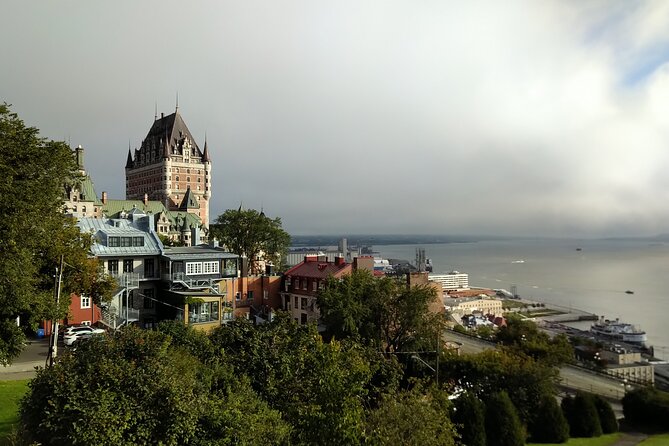
REVIEW · OLD QUEBEC CITY WALKING TOURS
Old Quebec City Private Walking Tour : History and Nature
Quebec City tells its story on your feet. On this private 2.5-hour walk with Judith, you connect fortifications, churches, and harbor geography into one clear map of why Old Quebec looks the way it does, and how the St. Lawrence shaped daily life. I also like how you get practical tips for the rest of your stay, not just facts. One possible drawback: the route has hills, stairs, and uneven old-street walking, so it is not recommended for people with mobility issues.
If you like your history with real-world context, this tour fits. Judith’s style mixes city landmarks with climate and “how people lived,” including what tides, plants, and the sub-arctic setting do to a place. For some folks, the personal Q and A can make the walk feel longer than the estimate, but it is usually the good kind of longer.
In This Review
- Key takeaways before you go
- Why this Old Quebec walk feels different
- Start at the Fortifications: where Quebec learned to defend itself
- Upper town streets and the big names: more than a photo stop
- Place Royale: the first permanent French foothold
- Old Port: the river’s working district and the Latin district
- How the guide makes history feel practical (and not like a lecture)
- What you should know about timing, distance, and comfort
- Value and who this tour is best for
- Practical tips to get the most out of it
- Should you book this private walking tour?
Key takeaways before you go
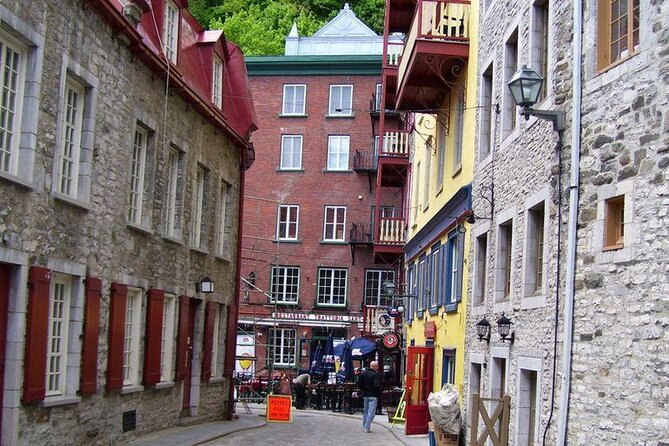
- A private group experience means you can ask questions without time pressure, and Judith can tailor the pace
- Fortifications plus town stops ties military design to religion, neighborhoods, and everyday survival
- Nature as history shows up through geography, climate, and how the St. Lawrence influenced settlement
- Sites are listed with free admission, so you mainly pay for the guide and the time
- English-led with a guide who connects French, British, and Loyalist threads into one story
More walks inside the walls of Old Quebec
- Quebec City Walking Tour★ 5.0 · 4,716 reviews
- Quebec City: Guided Tour of Fairmont Le Château Frontenac★ 4.7 · 3,027 reviews
- Québec City: Guided Sightseeing River Cruise★ 4.4 · 3,000 reviews
- Half-Day Trip to Montmorency Falls and Ste-Anne-de-Beaupré from Quebec city★ 4.0 · 2,718 reviews
Why this Old Quebec walk feels different
Old Quebec is often sold as postcard streets and famous buildings. This tour does that too, but it also answers the question you might not know to ask: why here, and why in this exact shape?
I like the way Judith links stone and water. You will hear how the city grew around the river, why defensive walls mattered, and how climate and geography affected building and daily routines. And since this is private, you can slow down for the parts that catch your interest, like religion in the neighborhood layout, or how different empires competed for control of this corridor of waterways.
The other big win is practical guidance. By the time you finish, you should feel oriented, with recommendations for what to see next and what to skip if you only have a little time.
Start at the Fortifications: where Quebec learned to defend itself
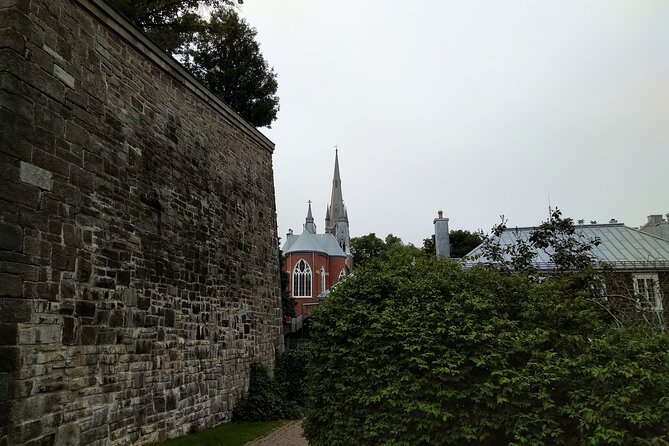
The tour begins at the Fortifications of Quebec National Historic Site, a great opener because it sets the rules of the game. Before you wander into charming lanes, you get the idea that Old Quebec was built to last under pressure.
You will see a chain of defensive structures and related historic buildings, and the story isn’t just military. The stop is also a chance to understand how different cultural waves lived side by side in the same city fabric. The itinerary points to French and English period fortification themes, plus Scottish heritage, which helps explain why Quebec’s identity did not form in a single straight line.
You are also guided through the connection between fortification life and religious institutions. The tour mentions places tied to Ursuline convent history and Holy Trinity, plus the first Anglican Cathedral. That matters because Quebec’s walls were not only about weapons. They shaped where communities could gather, where institutions could stand, and how power expressed itself.
What to watch for here:
- Look for how the fortification design relates to the city’s elevation and approach paths.
- Ask Judith how the river and surrounding terrain affected defensive choices.
A note on timing: this segment is listed as about 30 minutes. In practice, if you’re asking lots of questions, it can stretch a bit, but it is a strong start.
Upper town streets and the big names: more than a photo stop
Next you move through Old Quebec toward the iconic sights. This is where you get the narrow streets, heritage buildings, and the “Upper Town” feeling that makes Quebec City so distinctive.
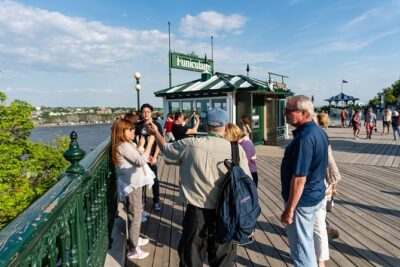
The tour specifically includes a walk that passes by Dufferin Terrace, Château Frontenac, and the Basilica Notre Dame. Even if you have seen these on brochures, having a guide frame them changes the experience. You start noticing details like how buildings line up with the city’s slopes, how views work from specific angles, and why certain streets became the natural corridors for life and movement.
This is also the stop where the history becomes human. Judith’s explanations, based on the themes she is known for, connect the city’s development to world events from the 1500s onward. You’ll hear how French Catholic culture and British Anglican presence influenced how communities organized themselves in and around the city core.
One thing I really like is the nature angle. This is not a “nature walk” in the park sense. It is more like, Quebec City is a nature story written in stone. You may get explanations about the sub-arctic climate, and how agriculture, tides, and local plants relate to what people could grow, preserve, and build.
Good to know:
- This part includes more walking and some up-and-down terrain, so comfortable shoes are not optional.
Quebec City at walking pace, a few more routes

Place Royale: the first permanent French foothold
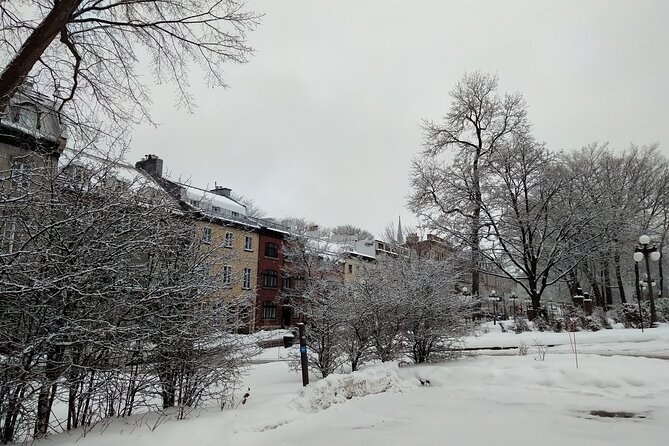
Then you reach Place Royale, described as the first permanent French establishment in North America. This stop is short on time, but heavy on meaning.
Think of Place Royale as the origin point for a lot of what you’ll see later. The guide helps you connect the idea of settlement to geography and survival. The square is not just about what happened years ago. It is also a lens for understanding how a European outpost became a North American city.
If you are the kind of person who likes timelines, you should enjoy this segment. It can act like a hinge: you went from fortifications and institutions, and now you anchor the settlement story in a specific place.
Because the tour keeps moving, you won’t be stuck long in one spot. That is a plus if you prefer motion over museum-style pacing.
Old Port: the river’s working district and the Latin district
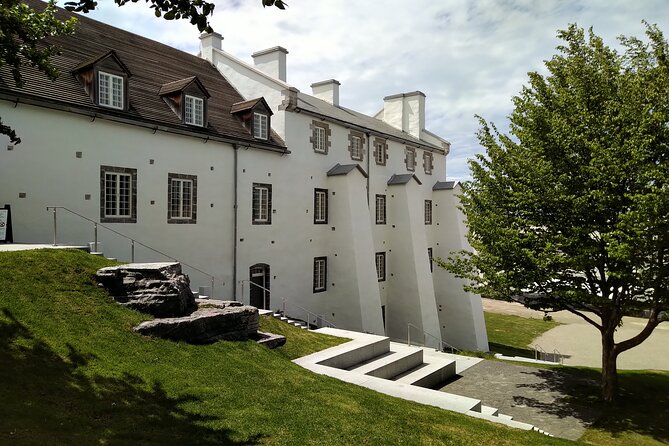
From Place Royale, the tour continues toward the Old Port area, which is often described as the “Wall Street of Quebec” and tied to the first French harbor. This is a great contrast stop.
Here you are thinking about trade, shipping, and movement. The river is not wallpaper. It is the engine. You get an explanation that links Quebec’s survival and growth to the St. Lawrence and its seaway role, including how water routes shaped European strategies and North American connections.
The itinerary also notes the Latin district and the idea of a harbor that once brought people, goods, and ideas together. Even in a modern walk, that kind of framing makes the area feel purposeful, not just scenic.
This stop is listed at about 15 minutes, so it’s not a long linger. If you want to soak in views or keep chatting, you can, but the tour is designed to keep you covering both sides of the historical town.
How the guide makes history feel practical (and not like a lecture)
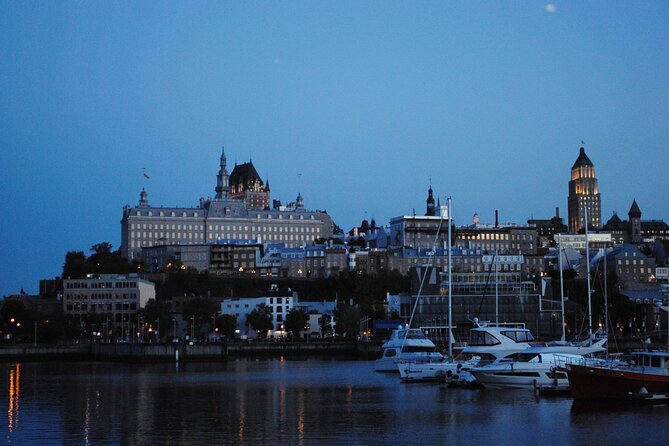
The tour’s engine is Judith. The most consistent theme in the feedback for her is that she makes connections. Not just dates and rulers, but relationships between religion, politics, and geography.
Here’s what this tends to look like in the moment:
- You get context for why French and British presences mattered, not just that they existed.
- You hear how natural conditions, including climate and the sub-arctic setting, affected what people built and how they lived.
- You can ask questions and steer the conversation toward your interests.
Judith is also praised for humor and for staying engaged even during poor weather. So if your trip overlaps rain, you are less likely to feel like you’re stuck listening to a dry talk. The format stays a walk through real places, which helps your brain remember.
And since this is private, you can get recommendations at the right level of specificity. For example, you might ask what to do next in the Upper Town versus Lower Town, where it’s worth a second stop, and how to pace a short stay.
What you should know about timing, distance, and comfort
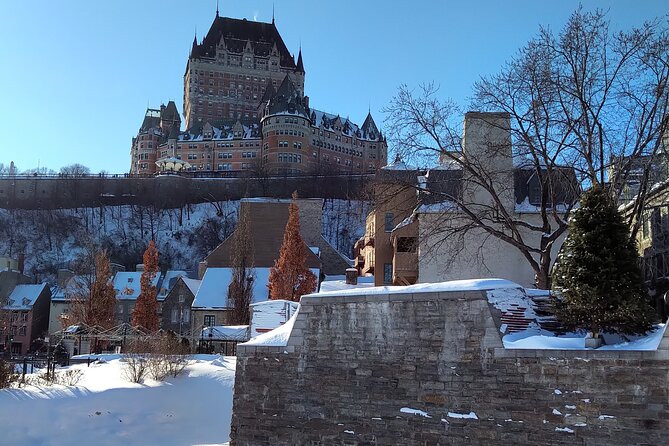
The tour is listed at about 2 hours 30 minutes. For a walking experience, that is a solid amount of time, and it is long enough to feel like you actually learned something, not just glanced at landmarks.
But here’s the practical part: this is still a city walk with hills and historic streets. The tour is specifically not recommended for people with mobility issues, and it assumes moderate physical fitness.
My advice:
- Wear shoes you trust on uneven stone.
- Bring layers. Quebec weather can change fast, and walking keeps you warm until it doesn’t.
- If you have knee or balance worries, consider whether a private pace is enough to make the route comfortable.
Also note that the tour ends in a different location than where it starts. You should expect to wrap up somewhere else in Old Quebec, and you will get the details associated with your booking.
Value and who this tour is best for
At $63.84 per person, you are paying for a private guide, not a big-group bus replacement. That price can feel very reasonable if you are:
- visiting Quebec City for the first time
- the type who wants history tied to real geography
- traveling as a couple or small group and want conversation, not choreography
It also helps that the stops listed are free in terms of admission. So your money goes to the storytelling and the walk, not ticket lines.
The other value angle is that this tour covers both sides of Old Quebec’s history. The itinerary includes the upper and lower historical areas, which helps you understand the city as a system rather than two separate attractions.
Who will enjoy it most:
- Couples who want a guided first morning
- Families comfortable with moderate walking
- Anyone curious about how French Catholic and British Anglican influences shaped the city
- Travelers who like the St. Lawrence to be more than a view, like a force behind the city
If you only want quick, shallow sightseeing, you might find the historical framework heavy. But if you enjoy turning “pretty buildings” into “why these buildings exist,” this tour is exactly your speed.
Practical tips to get the most out of it
If you do this early in your trip, you’ll likely use the information right away. You’ll get a feel for directions, what areas connect, and what to plan next.
To get better value from your time with Judith:
- Come with 2 or 3 questions. For example, ask how the river shaped settlement, or how religion influenced the layout of communities.
- Be ready for nature and climate talk. Even if you are not a geology person, it helps explain the practical side of living in this region.
- Ask for recommendations at the end. The tour includes tips for the rest of your visit, and you’ll get suggestions that match your interests.
And yes, bring water. Even on a history tour, your body runs the show.
Should you book this private walking tour?
I think this is an easy yes if your goal is a true orientation to Old Quebec, with history tied to place. The private format with Judith is the big selling point, especially if you want your questions answered and you like the St. Lawrence, fortifications, and religious landmarks connected into one story. The price also makes sense for what you get, including free-admission stops and pickup options within the historic district.
Skip it only if you cannot handle stairs and uneven old streets. If mobility is a concern, look for an option designed for easier walking routes.
If you are on the fence, use this rule: if you want Quebec City to make sense beyond the photos, book the walk.
The Whole of Quebec City in a Day



Quebec City on Foot

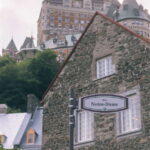
Inside the Walls of Old Quebec
Just off the notebook: recent Quebec City write-ups
- Quebec City: Historic District Walking Tour (2h)
★ 5.0 · 4 reviews - Quebec City: Fat Bike Guided Tour
★ 4.7 · 4 reviews - Quebec City Photo Tour
★ 5.0 · 5 reviews - Experience île d’Orléans and the falls with a local guide
★ 4.5 · 5 reviews - Private Québec City walking tour with Lenny.
★ 5.0 · 5 reviews - Heritage Upper Town E-Bike Tour
★ 5.0 · 6 reviews
Old Quebec City Walking Tours, compared.
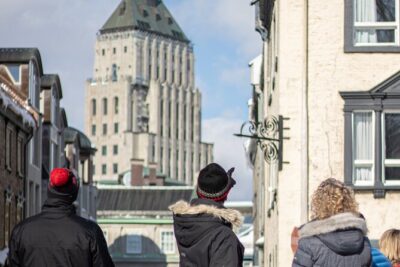 ★ 5.0Quebec City Walking TourFrom $304,716 reviews
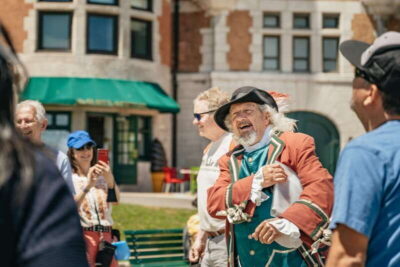 ★ 4.7Quebec City: Guided Tour of Fairmont Le Château FrontenacFrom $193,027 reviews
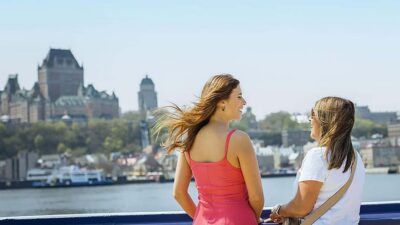 ★ 4.4Québec City: Guided Sightseeing River CruiseFrom $473,000 reviews
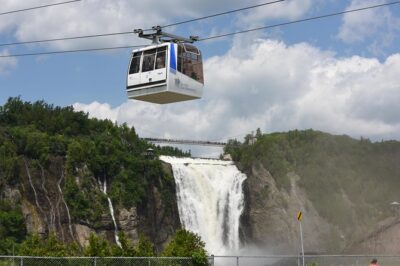 ★ 4.0Half-Day Trip to Montmorency Falls and Ste-Anne-de-Beaupré from Quebec cityFrom $702,718 reviews
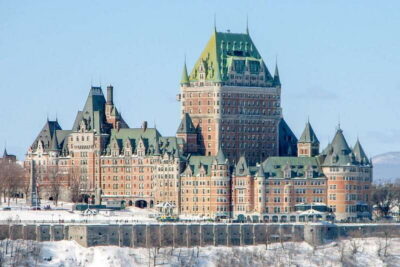 ★ 4.5From Montreal: Quebec City and Montmorency Falls Day TripFrom $362,669 reviews
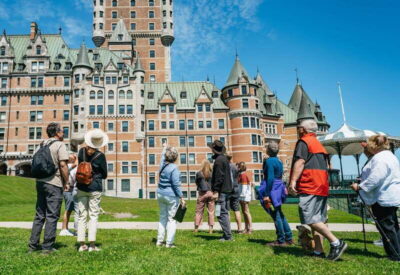 ★ 4.8Old Quebec City: Grand Walking Tour with Private OptionFrom $292,609 reviews
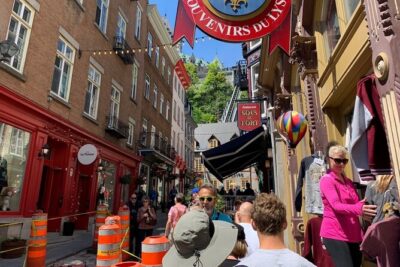 ★ 4.0Quebec City and Montmorency Falls Day Trip from MontrealFrom $362,437 reviews
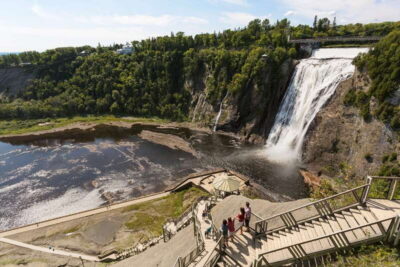 ★ 4.6Quebec City: Montmorency Falls with Cable Car RideFrom $192,392 reviews
Browse the lists this tour appears in