
REVIEW · OLD MONTREAL WALKING & HISTORY TOURS
Old Montreal self-guided walking tour & scavenger hunt
Old Montreal gets interactive fast. I like the mobile scavenger hunt format, because it turns a wandering day into a clear sequence of challenges, and you still get your own pace. You also get a strong Old Montreal orientation without needing a live guide to translate everything for you.
The main thing to watch is that you need real internet access on your phone, and setup can take a little patience before you get rolling. If a couple of clue directions seem off, you will lose time unless you keep your phone map handy.
In This Review
- Key Things That Make This Hunt Worth Your Time
- Old Montreal, On Your Schedule, With 30+ Phone Challenges
- Price and Group Value at $44.85 for Up to 6
- How the Mobile Hunt Works, and Why Setup Can Matter
- The Route in Plain English: From Place Royale to Parc de Dieppe
- Start at Place Royale
- Pointe-a-Calliere, Montreal Archaeology and History Complex
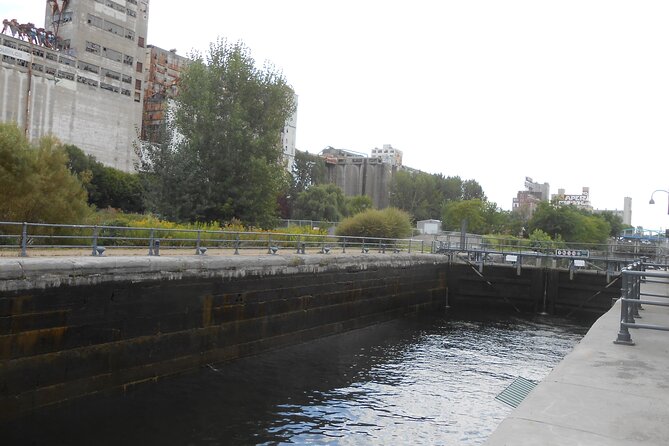
- Lieu Historique National du Canal-de-Lachine
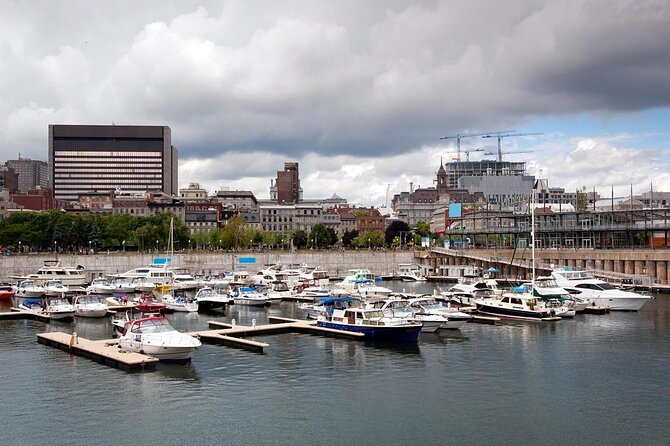
- Old Port of Montreal
- Habitat 67
- Alexandra pier
- Parc Lineaire de la Commune
- Montreal Science Centre
- Jacques-Cartier Pier
- Terrasses Bonsecours
- La Grande Roue de Montreal
- Montreal Clock Tower
- Clock Tower Beach
- Sos Labyrinthe
- Notre-Dame-de-Bon-Secours Chapel
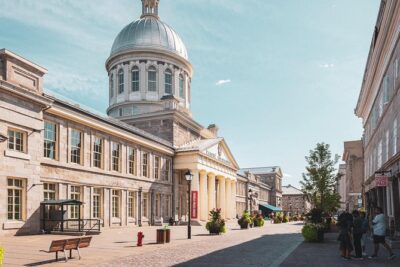
- Bonsecours Market (Marche Bonsecours)
- Chateau Ramezay Historic Site and Museum of Montreal
- Montreal City Hall
- Nelson Monument
- Place Jacques-Cartier
- Marguerite Bourgeoys Park
- Notre-Dame / Saint-Gabriel
- La Presse
- Place d’Armes
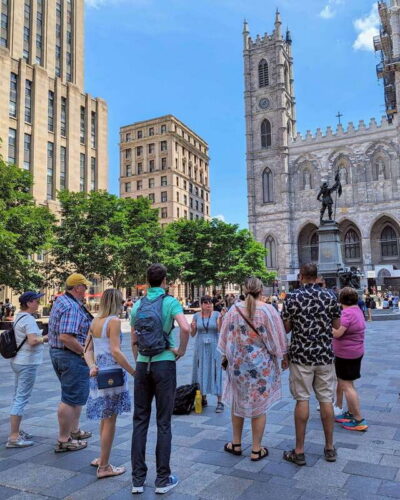
- Notre-Dame Basilica
- Maisonneuve Monument
- Place d’Youville
- Mem – Centre Des Memoires Montrealaises
- Site archeologique du Parlement du Canada-Uni / marché Sainte-Anne
- Square Victoria-OACI
- Montreal World Trade Centre
- Montreal Convention Centre
- Theatre St-James
- Bank of Montreal Museum
- Parc de Dieppe
- Practical Advice So You Do Not Waste Time
- Who This Is Best For (and Who Might Want Something Else)
- Should You Book the Old Montreal Self-Guided Walking Tour and Scavenger Hunt?
Key Things That Make This Hunt Worth Your Time
- 30+ challenges outdoors, so you are not just sightseeing, you are actively noticing.
- No dedicated app, it runs through a mobile site, which keeps things simple.
- A dense route of famous landmarks, from Place Royale to Notre-Dame Basilica and beyond.
- Private, group-based experience with a price that works well for up to 6 people.
- Good for learning by doing, especially if you like history in small, punchy questions.
- Plan for minor clue friction, like directions that can occasionally send you the wrong way.
More cobblestone hours in Old Montreal
- Montreal Mile End Authentic Food Tour with 7 Delicacies Tastings★ 5.0 · 2,598 reviews
- The Original Old Montréal Walking Tour by Guidatour★ 4.5 · 2,217 reviews
- Old Montreal Small-Group Walking Tour | Max 10 | by MTL Detours★ 5.0 · 2,088 reviews
- Montréal: The Original Old Montréal Walking Tour★ 4.8 · 911 reviews
Old Montreal, On Your Schedule, With 30+ Phone Challenges
This is a self-guided walking tour built around a scavenger hunt you do on your smartphone. The big win is structure. Old Montreal can feel like “pretty streets and more pretty streets” unless you have something to anchor your attention. Here, you move stop to stop, and each location feeds the next prompt so you keep your bearings quickly.
I also like the pacing implied by the challenge count. You are not asked to sprint through 35 stops. Instead, the hunt nudges you to pause, look around, and solve, then continue. That means you can slow down for a café or shop break without the tour falling apart. In other words, the phone does the guiding, but you still control the tempo.
And because it is a walking route that takes you by sights rather than inside them, you get a strong “street-level” feel for the area. If you love seeing a city in layers, from courtyards and waterfront lines to big civic buildings, this format fits that style well.
The main drawback is simple and practical: internet matters. The scavenger hunt runs as a mobile site, and you need internet access. The tour notes that wifi is not enough, which usually means you should plan for mobile data. If your signal is weak or your plan is limited, bring a backup plan, like locating a spot with better coverage.
Price and Group Value at $44.85 for Up to 6
The price is $44.85 per group, with up to 6 people included. That is a big deal because it changes the math. If you are traveling as a couple, your effective cost per person is low. If you have a small group of friends, it can feel like you are buying one guided experience instead of paying per ticket.
Duration is listed at about 2 hours, but real time can stretch. When the challenges are fun, you will likely take your time reading clues, checking directions, and stopping for breaks. One set of experiences put the walk at around 7 miles when people leisurely worked through the route and layered in cafés and shops. Even if your pace is faster, it is smart to treat this as a half-day style walk, not a quick stroll.
No entry fees are included. That also shapes value. You are paying for the hunt and the route experience, not for paid museum or attraction access. If you love stepping into major sites, you will want to budget extra separately.
How the Mobile Hunt Works, and Why Setup Can Matter
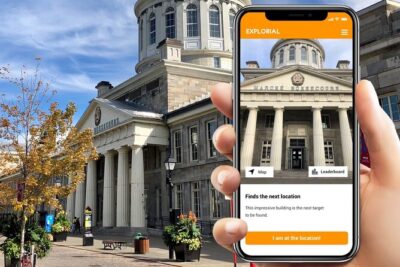
Included in the experience is the smartphone scavenger hunt, described as a mobile site, not an app. That is good news if you dislike downloading more things. The trade-off is that the website experience can require a bit of coordination at the start.
There can be a syncing step after you purchase, linking your booking to the scavenger hunt website. If you hit a snag, it can cost you time while you figure out the right login flow. I suggest giving yourself a little buffer before you start walking. You want to be ready to begin when you are at the meeting point, not troubleshooting while your coffee cools.
Once you are going, the tour stays straightforward: you follow the route, stop at each named landmark, and solve 30+ challenges. The clues are meant to teach you about Montreal in bite-sized steps. That is a great fit for people who learn best when they can connect facts to visible places.
Just be aware of one more practical issue: some clues may not be perfectly precise. In one experience, a couple of clues were off enough to send people on a wild-goose hunt, including a confusing street name and some direction confusion like east versus west, or left versus right. The good part is that this does not kill the experience. The fix is what you would expect: keep your phone map available and be willing to correct course.
More puzzles played out on the street
The Route in Plain English: From Place Royale to Parc de Dieppe
This is a mostly linear walk through Old Montreal and nearby areas, mixing classic heritage stops with modern, waterfront, and civic landmarks. It starts with a tough first clue and a west-end orientation, then keeps moving across a wide sweep of Montreal sights.
Below is the stop-by-stop flow, with what you will get out of each moment. The scavenger hunt will tell you what to look for, but your job is to slow down enough to notice the details the clue is pointing at.
Start at Place Royale
You begin here, and the tour sets the tone fast with a first challenge that is not meant to be easy. Use this opening moment to get comfortable with how the clues read and how the directions feel on the ground.
Pointe-a-Calliere, Montreal Archaeology and History Complex
This stop is a big theme marker for the hunt. You are in the zone where Montreal’s past becomes a key part of the story. Expect a clue style that makes you connect the location with what the prompt is asking you to identify.
Lieu Historique National du Canal-de-Lachine
This is one of those stops that can easily get overlooked if you are just strolling. With the hunt, it becomes a checkpoint where you actively compare what you see around you with the question in your phone.
Old Port of Montreal
The waterfront setting changes the vibe. Even if you are not going inside anything, this is a helpful place to reset your bearings mid-route. The hunt keeps you engaged so you do not just drift.
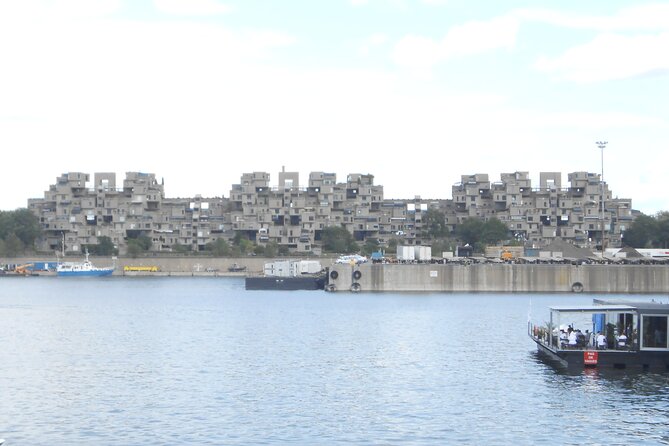
Habitat 67
This is a standout architectural reference point in the route. It is a good stop to zoom out and notice how the city’s built form changes as you walk. If you enjoy contrasting styles, this is a fun mid-hunt palette cleanser.
Alexandra pier
Pier stops are practical for the hunt because they give you long lines of sight. If a clue feels direction-heavy, being out in the open can make it easier to confirm what way you should be facing and where the route leads next.
Parc Lineaire de la Commune
Once you move into parkland, the clues tend to work better when you are willing to pause. This stop can be a breather, and it is also a moment to notice city planning elements around pathways and open space.
Montreal Science Centre
This is another thematic pivot toward learning. Even without entry, the name alone signals the hunt is steering you toward “what is here and why it matters,” which is a different angle than purely heritage streets.
Jacques-Cartier Pier
Another waterfront checkpoint. This is also the kind of spot where you can use a phone map quickly if you suspect you missed a direction earlier. The route includes enough distinct landmarks that correcting course usually works.
Terrasses Bonsecours
This is a classic photo-and-pause stop. Even if you are focused on solving the challenge, give yourself a minute to appreciate how elevated terraces change your view and help you spot landmarks for later clues.
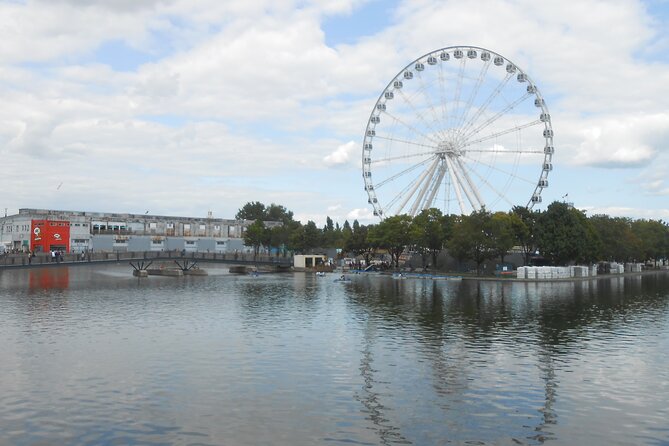
La Grande Roue de Montreal
A major visible reference point. In a scavenger hunt, these are the moments that help you confirm you are on track. If a clue is vague, a recognizable structure like this can anchor your sense of direction.
Montreal Clock Tower
This stop is all about identity. Clock towers make strong landmarks because they are obvious at a distance. Use that advantage, slow down, and match what the clue asks to what you can actually see.
Clock Tower Beach
Beaches add a different surface and feel. If you have been walking on streets and sidewalks for a while, this is a natural place to take a small break while still staying on-task with the hunt prompts.
Sos Labyrinthe
A playful, action-based stop. Even if the scavenger hunt is not asking you to do anything inside, the clue likely points you to a specific characteristic of the place, so look before you walk on.
Notre-Dame-de-Bon-Secours Chapel
This kind of landmark can be a clue magnet because it is recognizable and visually distinctive. If the direction part of the clue was confusing earlier, this is a place where you can rely on the name and the site itself to regroup.
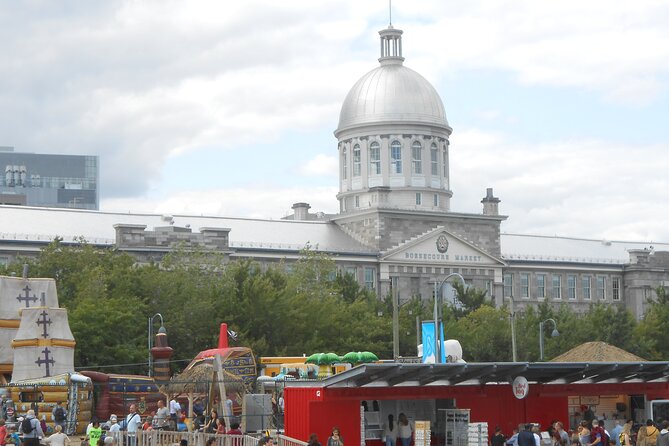
Bonsecours Market (Marche Bonsecours)
Markets are ideal for “look around” challenges because you can notice details without paying an entry fee. It is also an easy spot to recharge, since you will likely pass shops and food options in this area.
Chateau Ramezay Historic Site and Museum of Montreal
This is a heritage anchor on the route. Since entry fees are not included, treat it as a best-exterior-view kind of moment, where the hunt helps you read the place with your eyes.
Montreal City Hall
Civic buildings are another strong category of landmark for scavenger hunts. They are often clues about symbols, names, and city identity. Even without going inside, you will be rewarded for taking a minute and not rushing.
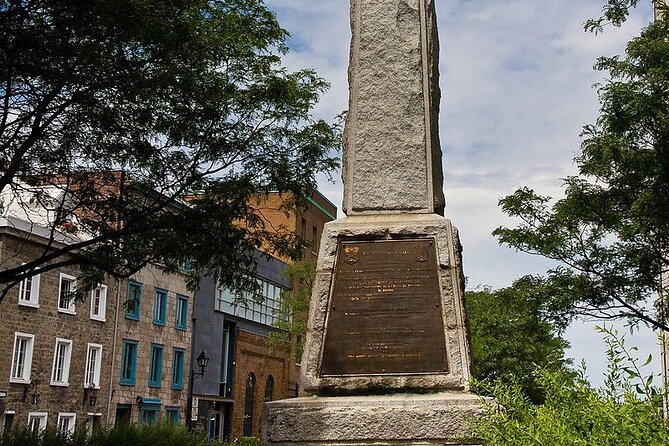
Nelson Monument
Monuments are great because they tell you what the city wants you to notice. The hunt usually works well here, because you can use the physical landmark as the “answer location” for the prompt.
Place Jacques-Cartier
This is one of those open spaces where clues can feel easier because you can scan. Take a second to look around for how the route continues, then solve and move.
Marguerite Bourgeoys Park
Parks offer a reset. If you started to feel tired, this is a good moment to pace yourself. The hunt keeps you from losing focus, but you can use the open space to slow down.
Notre-Dame / Saint-Gabriel
A specific street-area name stop that can help you map where you are in the city’s center. If directions have been tricky, double-check you are on the right segment before you commit to a direction.
La Presse
This stop adds a media and civic element to the route. Expect a clue that uses the presence of a named place to get you thinking about Montreal’s institutions.
Place d’Armes
Another signature square feel. These spots make good checkpoints because they give you clear orientation and a natural “pause and regroup” location in the middle of a busy walk.
Notre-Dame Basilica
A major landmark stop. Since the tour is a walk-by experience with no entry fees, your win comes from seeing it from the street and solving the hunt prompt tied to this location.
Maisonneuve Monument
Monuments tend to make clues more straightforward because they provide a single focal point. This can be a satisfying stop if earlier clues took you off track, because you get something clear to focus on.
Place d’Youville
A square stop, good for a breather and for reading the hunt prompt carefully before you move on. If you are trying to keep your bearings, this is a useful place to confirm the route is unfolding logically.
Mem – Centre Des Memoires Montrealaises
This stop keeps the hunt grounded in place-based learning. Since you are not entering with the tour, treat it like a “read the site” moment, using the clue to connect what you see to what you are being asked.
Site archeologique du Parlement du Canada-Uni / marché Sainte-Anne
This stop is a mix of archaeology and a market name, so it fits the scavenger hunt’s habit of layering themes. It can also be a busy-feeling area, so keep your pace steady and focus on the clue you are answering, not the distraction around you.
Square Victoria-OACI
Another open space checkpoint. You may find it easier to solve clues here because you can scan your surroundings rather than threading through tight passages.
Montreal World Trade Centre
A modern landmark that shifts the route’s feel. The hunt still works because the stop names keep your attention on key identity points, not just “pretty streets.”
Montreal Convention Centre
This is a place where big architecture can help you orient. Even as an exterior sight, it makes the walk feel like it is spanning more of the city than just one historic pocket.
Theatre St-James
Entertainment landmarks can be a fun change of pace. Look for what the clue is asking and treat this as a “notice the detail, then keep moving” stop.
Bank of Montreal Museum
A named banking and museum stop with a clear institutional identity. Since entry fees are not included, the value comes from using the clue to practice how to spot important buildings just from the street.
Parc de Dieppe
The route ends with park space. This is a good final stretch if your legs are tired, because it gives you room to slow down and finish the last challenges without immediately stepping into another dense area.
Practical Advice So You Do Not Waste Time
If you want this hunt to feel smooth, a few small habits help a lot.
First, assume you will walk farther than you think. Even though the tour lists about two hours, it can become a longer outing at a relaxed pace. Wear shoes that can handle a full sightseeing walk.
Second, treat the phone as navigation, not just a quiz. Because some directions may be imperfect and clues can send you the wrong way, you should keep your map open. If you keep switching between the clue and your location, you lose less time.
Third, plan data. Since the hunt needs internet access and wifi might not be enough, make sure your phone has a workable data plan before you start.
Fourth, plan a realistic start time. Setup can be slightly tedious because of syncing between your purchase and the scavenger hunt website. If you start late, you shorten your window and rush your way into mistakes.
Who This Is Best For (and Who Might Want Something Else)
This hunt works best for people who like independent exploration with guardrails. You get a guided sequence without having to meet a person at every turn. It is especially good for small groups who want value, since the price is per group and includes up to 6 people.
You will also like it if you enjoy learning through puzzles and practical questions, not just reading plaques. The challenge structure is built for outdoors.
If you hate walking, this may feel like too much. If you are sensitive to phone-based tasks or have unreliable mobile data, you might get frustrated. And if you want guaranteed accuracy in every clue and direction, be aware that there can be occasional navigation hiccups.
Should You Book the Old Montreal Self-Guided Walking Tour and Scavenger Hunt?

I would book it if you want a fun, structured way to see Old Montreal and nearby landmarks while staying flexible on timing. The value is real for small groups, the phone-based format is easy to follow, and the mix of historic and civic sights gives you variety in a single outing.
I would hesitate if you have limited mobile data or no confidence in your phone signal. Also, if you are the type who gets annoyed when directions are slightly off, bring patience and a map mindset. For most people who can handle a bit of puzzle-solving and want an outdoor learning walk, this is a solid choice.
Montreal on Foot




Puzzles Played on the Street

More Cobblestone Hours

Just off the notebook: recent Montreal write-ups
- Secret Food Tours: Montreal – Jean-Talon & Little Italy
★ 4.0 · 4 reviews - Montreal to Quebec City Tour with Private Transportation
★ 5.0 · 4 reviews - Montreal: Iconic Landmarks All-Inclusive VIP Experience
★ 4.7 · 4 reviews - A Walking Tour of Old Montreal
★ 3.8 · 4 reviews - Day at Mont-Tremblant National Park
★ 4.0 · 5 reviews - Old Montreal: Self-Guided Tour from Place D‘Armes to Old Port
★ 5.0 · 5 reviews
Old Montreal Walking & History Tours, compared.
 ★ 5.0Montreal Mile End Authentic Food Tour with 7 Delicacies TastingsFrom $942,598 reviews
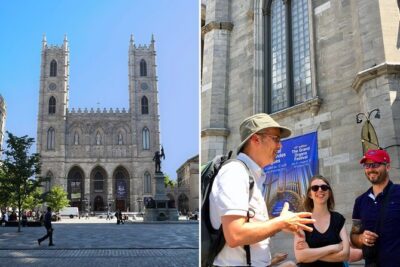 ★ 4.5The Original Old Montréal Walking Tour by GuidatourFrom $262,217 reviews
 ★ 5.0Old Montreal Small-Group Walking Tour | Max 10 | by MTL DetoursFrom $442,088 reviews
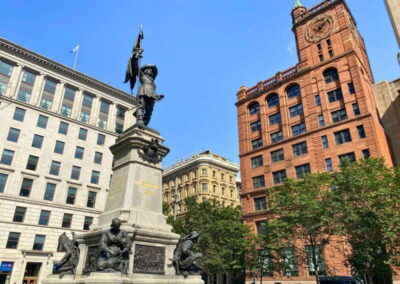 ★ 4.8Montréal: The Original Old Montréal Walking TourFrom $25911 reviews
 ★ 4.7Old Montreal: Traditional Ghost Walk of the Haunted CityFrom $24746 reviews
 ★ 4.5Old Montreal Ghost Walking TourFrom $26726 reviews
 ★ 4.9Montreal: Top Rated Small Group Old Montreal Walking TourFrom $46611 reviews
 ★ 5.0Walking tour of Old Montreal – 16/42 ToursFrom $27592 reviews
Browse the lists this tour appears in