
REVIEW · CANADA
Nikka Yuko Admission (Adults & Children)
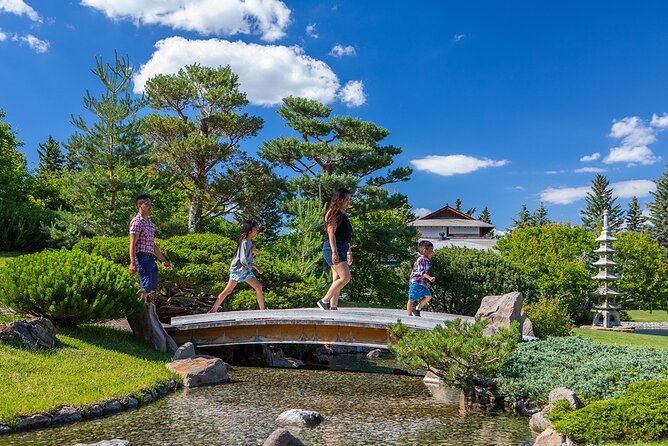
A Japanese garden for families in Alberta. I like that Nikka Yuko blends quiet garden time with kid-focused touches, so kids can explore while you enjoy the setting. It also keeps the theme simple and meaningful, Japan and Canada as friends.
I also like the way the on-site program connects you to Japanese culture, with things like tea ceremonies, sake tastings, and Minyo dance shows. You get more than just strolling, you get scheduled moments that feel made for visitors.
One heads-up: the garden is small, and you should expect flowers only in certain seasons, not year-round.
In This Review
- Key things to know before you go
- A Japanese garden in Southern Alberta that makes time feel easy
- Strolling the garden: Tea Pavilion, dry rock patterns, and the Friendship Bell
- Tea, sake, and Minyo dance: the cultural program that keeps kids interested
- What the guided tours on Thursdays through Mondays add
- Price and value: what $8.91 really buys you
- Flower expectations and seasonal timing in a traditional garden
- Practical tips for a smooth family visit
- Who this fits best, and who might want to skip
- FAQ
- FAQ
- How long does the Nikka Yuko Japanese Garden admission experience take?
- What is included with the admission ticket?
- Are there kid-focused materials or activities included?
- What cultural activities and performances are part of the on-site programming?
- Are guided tours available on all days?
- Is vaping or smoking allowed in the garden?
- Can I bring a drone to film inside the garden?
- Should you book Nikka Yuko admission for your family?
Key things to know before you go
• Family pacing: kids can move at their own speed while adults take in the garden’s calmer corners.
• Tea pavilion access: included time at the Tea Pavilion plus current exhibits.
• Seasonal programming: summer includes exhibits and live on-site performances.
• Cultural wow moments: tea ceremonies, sake tastings, and Minyo dance shows.
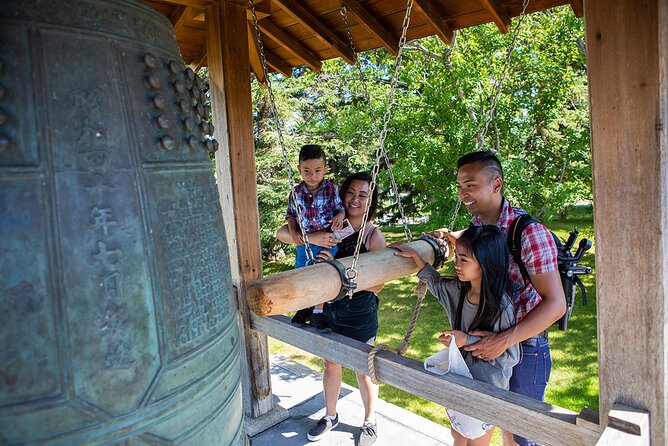
• Friendship Bell by Henderson Lake: a good family photo stop with a message behind it.
Still shortlisting? Here is how a few other Alberta bookings stack up.
- Wild Water Adventures★ 5.0 · 581 reviews
- Moraine Lake, Lake Louise Johnston Canyon Banff National Park★ 4.5 · 243 reviews
- Icefields Parkway: a Smartphone Audio Driving Tour★ 4.0 · 118 reviews
- Lake Louise Summer Gondola Experience★ 4.0 · 65 reviews
A Japanese garden in Southern Alberta that makes time feel easy
Nikka Yuko sits in Southern Alberta with the feel of a true escape, even if you only have an hour or two. The big win for families is the balance: it is peaceful enough for adults, and structured enough that kids do not get bored.
You will be in a garden built around the meaning of Japan-Canada friendship. That matters because it shapes how you move through the grounds. Instead of seeing it as just decorative rocks and paths, you can actually follow the human story, including the hardships faced by Japanese-Canadians locally after the war. Kids may not take in every detail, but the themed activities help keep the message from feeling like a lecture.
The visit is short on purpose, about 1 to 2 hours, which is a smart fit for families. Younger kids can stay engaged without melting down from a long, slow day. Adults can also avoid the trap of turning a garden visit into a half-day commitment.
Finally, the group size limit is 10 travelers, which usually means less crowd pressure and more room to steer around with strollers. It is near public transportation too, so you are not locked into having a car.
Strolling the garden: Tea Pavilion, dry rock patterns, and the Friendship Bell
Your main experience is the walk through Nikka Yuko Japanese Garden, with stops that naturally break the time into chunks. One of the most kid-friendly parts is that the paths invite wandering, not rushing. It feels like the garden is designed for curiosity, not checklists.
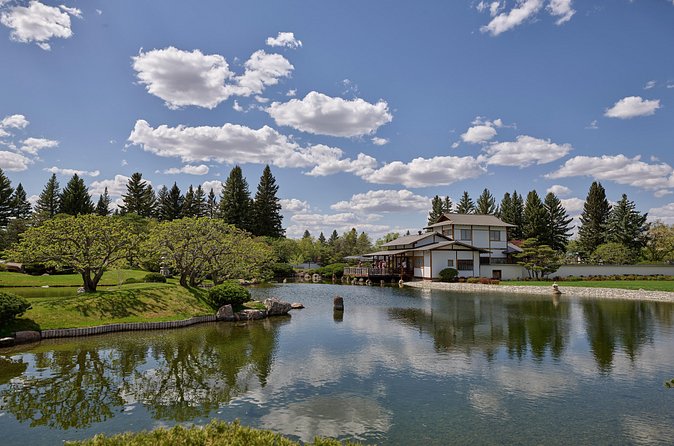
The included access to the Tea Pavilion is a big deal, because it gives you a place to pause. Even if the tea experience varies day to day, having the pavilion and current exhibits included means you can reset when your legs (or your kids) need a breather.
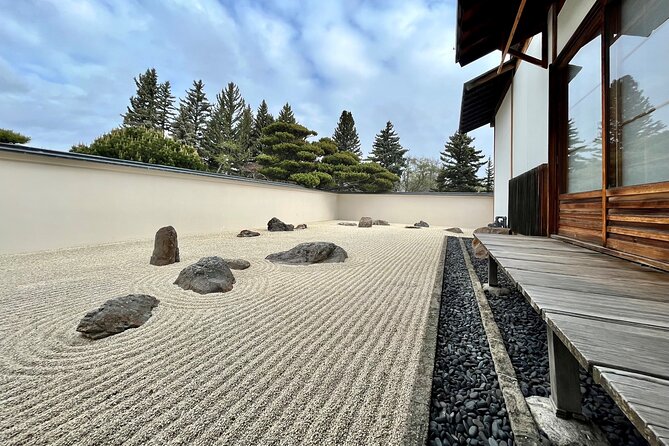
Look for quiet corners like the dry rock garden area where the point is patterns and calm. That is where adults tend to appreciate the stillness most, and where kids sometimes surprise you by slowing down instead of sprinting. If you are traveling with sensitive kids, it can be a good place to practice that gentle indoor voice the whole family seems to forget once vacation starts.
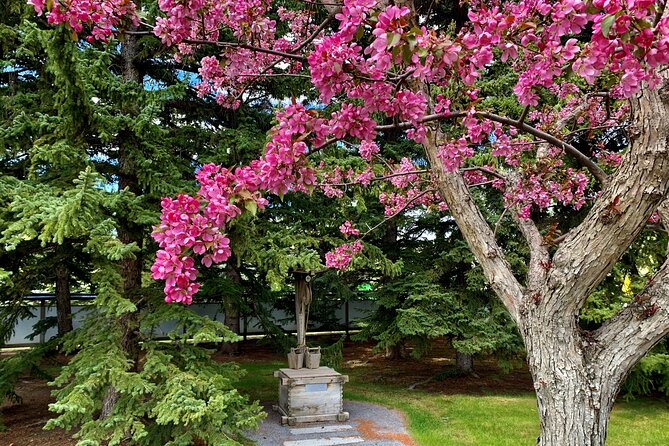
Then there is the Friendship Bell by Henderson Lake. Ringing it is simple, and the message behind it is the kind of family story that sticks. It becomes more than a photo. It is a “we participated in the meaning” moment.
Tea, sake, and Minyo dance: the cultural program that keeps kids interested
The on-site programming is a core reason this admission is more than a gate ticket. With your admission, you get access to daily programming, activities, and performances, plus entry to the Tea Pavilion and current exhibits.
Expect cultural highlights such as tea ceremonies, sake tastings, and Minyo dance shows. These are great for families because they are built around performance and participation, not long speeches. Kids tend to pay attention when music, movement, and ritual are part of what is happening.
Here is how I suggest you make it work with kids. Let them choose one moment to focus on. For example, decide in advance that they will watch the dance show, then later you do the tea ceremony pacing at a comfortable speed. That stops the day from turning into, everyone rushes to see everything, then everyone is cranky.
You can also use the quiet areas as a counterbalance. After something active like dance, take a slow walk to settle back into the garden patterns. It makes the day feel intentional, not like you are dragging your kids from one event to the next.
One practical note: coffee, tea, and cookies are available for purchase inside the visitor center or gift shop. If your family runs on snacks, plan for either buying there or bringing your own plan for hungry moments.



What the guided tours on Thursdays through Mondays add
There are guided tours starting on Thursdays through Mondays, and that can be worth it if you want your visit to feel guided instead of self-directed. Even when you have access to exhibits and daily programming, a guide helps you connect the dots quickly, especially with the Japan-Canada friendship theme and the garden’s background.
For families, guided tours can help in a simple way: you do not have to manage the “where should we go next” question. That is a time saver with kids. It also keeps you from wandering into the garden’s quieter zones at the exact wrong time.
Because you are limited to 10 travelers at most, you are less likely to feel like you are in a long line. It is easier to step back, read a sign together, or let a child pause and point at something small.
If you prefer a low-structure visit, you can still enjoy the grounds. Just plan that on guided-tour days, the guide schedule likely helps shape when performances or activity stops are most convenient.
Price and value: what $8.91 really buys you
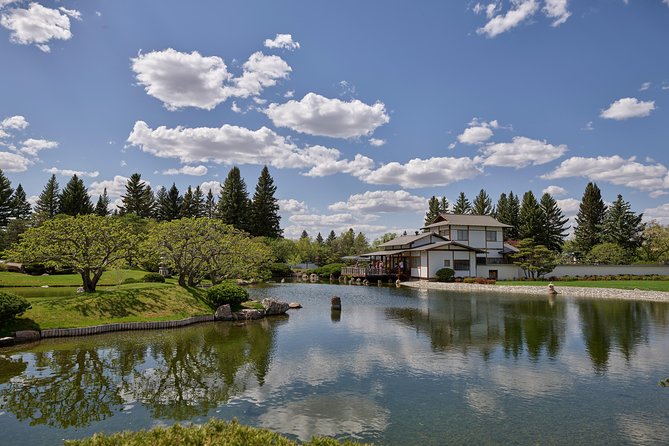
At $8.91 per person, this admission can feel like good value if you treat it as a cultural outing, not just a stroll. For that price, you are not paying only for the garden space. You are also covering admission, access to the Tea Pavilion and current exhibits, and the daily programming and performances that happen on-site.
That matters because many gardens charge for entry but feel like you are mostly on your own. Here, the day is designed around scheduled moments like tea ceremonies, sake tastings, and Minyo dance shows. Those built-in events are what help the ticket make sense, especially for families who want more than one activity.
At the same time, balance your expectations. If your family’s idea of a Japanese garden is a postcard full of flowers in every corner, you might feel shortchanged. Traditional Japanese gardens often focus on forms, rocks, paths, and seasonal interest. Flowers may come and go.
So the value question is really this: do you want the structured cultural moments and kid-friendly pacing that come with the admission? If yes, it is priced like an outing you can repeat occasionally without overthinking it.
Flower expectations and seasonal timing in a traditional garden
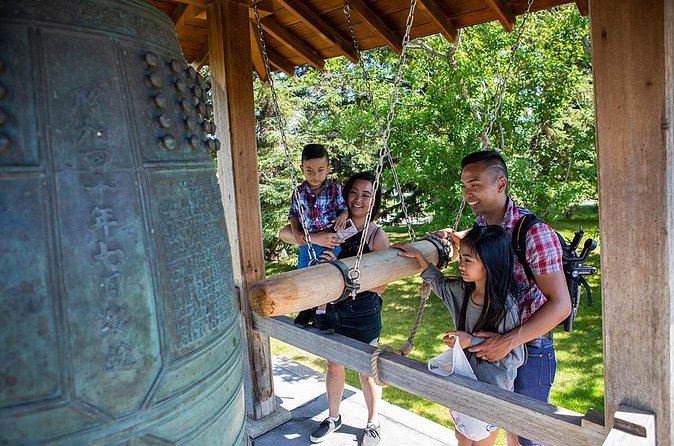
One of the most important things to know before you go is that flowers are not guaranteed year-round. This is normal for many traditional Japanese gardens, and Nikka Yuko follows that rhythm.
If you are visiting around spring, apple blossoms are highlighted. In July, you can expect peonies. Outside of those peaks, the focus may shift toward dry rock garden patterns, calm pathways, and whatever seasonal activity or exhibits are on while you are there.
This is where I recommend a simple planning rule. If flowers are your must-have, align your visit with the season when blossoms are expected. If your main goal is culture, ritual, and quiet time with a family-friendly vibe, you can enjoy the garden at any time the programming is running.
Also remember this is a good-weather outing. The experience requires good weather, and if it gets canceled due to poor weather, you will be offered a different date or a full refund. That is a fair trade-off for a place that leans on outdoor strolling and lake views.
Practical tips for a smooth family visit
This place is designed for families, but you still want a bit of strategy.
First, aim to give yourself the full 1 to 2 hours. Rushing kills the garden mood and makes kids lose interest. If your child gets restless, use the Tea Pavilion time to reset and regroup.
Second, plan around the moments you care about most. With kids, trying to watch every performance can backfire. Pick one cultural highlight, then let the rest of the day be flexible.
Third, bring the right small comfort items. You may want sunscreen, water, and a hat, since you are outdoors. And if you know your child needs snacks constantly, think ahead: you can buy drinks and cookies at the visitor center or gift shop, but it is purchase-based, not included.
Fourth, respect the garden rules. It is a smoke and vape free environment, and drones are not permitted at any time inside the garden. If you are thinking about filming from above, skip that plan. Save the creativity for walking shots and the bell moment by the lake.
Finally, note that service animals are allowed, and it is near public transportation. If you are traveling with mobility needs, plan for a calm pace and prioritize the stops that your group can enjoy without stress.
Who this fits best, and who might want to skip
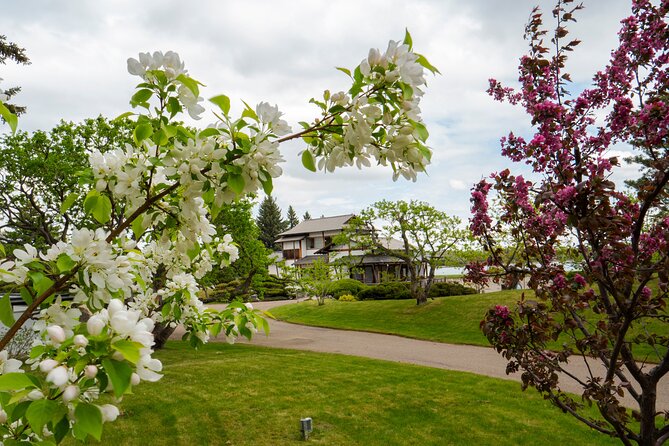
This admission package fits best for families who want a short, culture-focused outing with clear “things to do” on-site. Kids tend to enjoy the interactive elements and themed surprises, and parents tend to appreciate the peaceful pacing and included activities like activity books and crayons.
You should also consider it if your family enjoys performances. Tea ceremonies, sake tastings, and Minyo dance shows are the kind of experiences that land better with kids than museum-style history alone.
You might hesitate if your priority is a large, flower-heavy garden year-round. The garden is smaller than some people expect, and flowers may be seasonal only. If that is your dream, you might still enjoy it if you time it for apple blossoms or peonies, but if you are not planning around seasonality, your expectations may not match what the garden is trying to show.
FAQ
FAQ
How long does the Nikka Yuko Japanese Garden admission experience take?
It runs about 1 to 2 hours, approximately.
What is included with the admission ticket?
Your ticket includes admission to Nikka Yuko, daily programming and activities, access to the Tea Pavilion and current exhibits, and guided tours that start Thursdays through Mondays.
Are there kid-focused materials or activities included?
Yes. The experience is described as kid-focused and includes activity books and crayons, along with interactive activities designed to keep children engaged.
What cultural activities and performances are part of the on-site programming?
You can expect tea ceremonies, sake tastings, and Minyo dance shows, along with seasonal activities, exhibits, and live performances.
Are guided tours available on all days?
Guided tours start on Thursdays through Mondays.
Is vaping or smoking allowed in the garden?
No. The garden is a smoke and vape free environment.
Can I bring a drone to film inside the garden?
No. Drones are not permitted at any time inside the garden.
Should you book Nikka Yuko admission for your family?
Yes, if you want a short, family-friendly cultural outing in Alberta with real on-site moments, not just walking. The combination of Tea Pavilion access, kid materials like activity books and crayons, and performances like tea ceremonies and Minyo dance gives you enough structure to keep everyone interested.
Skip or be cautious if your main goal is a big flower display year-round, because this is a traditional garden that spotlights seasonal blooms like apple blossoms in spring and peonies in July. If you match the timing to the flowers, even better.
Just off the notebook: recent Alberta write-ups
- Yoho National Park Self-Guided Driving Audio Tour
★ 4.0 · 4 reviews - Airport Shuttle: Lake Louise <---> Calgary
★ 5.0 · 4 reviews - Guided Electric Dirt Bike Surron Tour Banff and Rockies
★ 5.0 · 4 reviews - Lake Louise to Calgary YYC Airport – Private Shuttle
★ 5.0 · 5 reviews - Intro Survival Course Rockies
★ 4.0 · 5 reviews - Ghosts of Drumheller: a Smartphone Audio Ghost Tour
★ 4.5 · 5 reviews