
REVIEW · CANADIAN ROCKIES ROAD TRIPS
Intro Survival Course Rockies
Fire and shelter lessons in real Rockies air.
This 2-day intro survival course in Alberta blends practical bushcraft skills with real-world time outdoors around Nordegg and Abraham Lake, then rounds it out with navigation and plant identification on the Cline River hike. You also get the advantage of a private course that can be customized, so the pace and focus can match what you actually want to learn.
What I like most is the hands-on way the skills are taught, not just explained. You get the gear you need, from tools like knives and hatchets to navigation basics like compasses and GPS, and you even have the option to sleep in a shelter you build. The other big win is the instructor time: the program is led by folks with plenty of guiding experience, and names like Marc, Mark, and Joel come up in people’s praise for being friendly, approachable, and practical with beginners.
One thing to think about before you book: transportation to and from the program is not included. That matters because you will need to handle getting yourself to the meeting point and being ready for driving into the training area, plus the course runs only with good weather.
In This Review
- Key moments that make this course worth your time
- Survival Skills in the Rockies: what you actually build
- Where Nordegg and Abraham Lake set the tone for bushcraft
- Day 1: Shunda Creek drive, base camp at Kootnay Plains, fires and shelters
- Day 2 morning: review and continuation without rushing
- Day 2 afternoon: Cline River navigation, medicinal plants, and optional extras
- What you get: gear, meals, and real camping comfort level
- Price and logistics: is $205.56 good value for a private course?
- Who should book this course, and who might want a different fit
- Should you book the Intro Survival Course Rockies?
- FAQ
- What is included in the Intro Survival Course Rockies?
- Do I need my own transportation to the program?
- Can the course be customized for my group?
- What happens if the weather is poor?
- Is there a vegetarian option?
- Is there a minimum number of people for a booking?
Key moments that make this course worth your time
- A private, customizable class that focuses on what you want to learn
- All survival equipment provided, including navigation tools and camp gear
- Fire and shelter practice with an option to sleep inside what you build
- Navigation skills plus medicinal plant identification during the second day hike
- Beginner-friendly skills, with optional advanced topics if time allows
Longer runs through the Rockies, compared
- Icefields Parkway: a Smartphone Audio Driving Tour★ 4.0 · 118 reviews
- Self-Guided Audio Driving Tour in Icefields Parkway★ 5.0 · 24 reviews
- Official SkiByk Rentals in Banff & The Canadian Rockies★ 5.0 · 9 reviews
- Canadian Rockies: Private Helicopter Tour and Hike for Two★ 5.0 · 7 reviews
Survival Skills in the Rockies: what you actually build
This course is built for people who want confidence in the outdoors without pretending they’re joining a wilderness expedition. The vibe is practical. You learn the “do this first, then this” side of survival and bushcraft, along with the small decisions that keep you calm when things get weird.
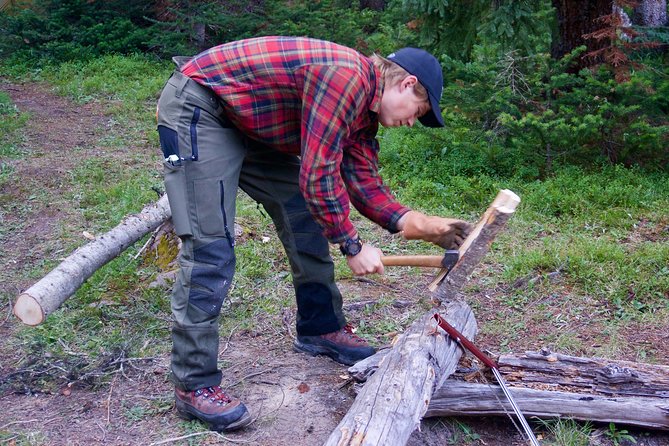
On day one, the emphasis is classic survival fundamentals: precautions, dangers to avoid, and how to prioritize what matters most during emergencies. Then it moves into making survival fires and shelters under adverse conditions, plus useful knots. That combo is valuable because it turns survival from a scary concept into a set of repeatable actions you can remember.
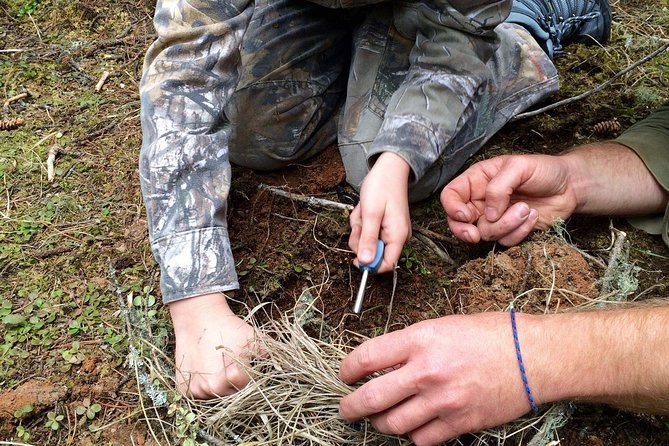
Day two keeps the momentum but adds real outdoor awareness. You’ll work on navigation, learn some medicinal plant identification, and if timing allows, you may also get extra survival skills like alternative food sources, basic traps and snares, improvised rope or cordage, and survival saw techniques. Even if you’re brand new, you’re not just watching. You’re practicing enough that you leave with something you can carry into future camping trips.
Where Nordegg and Abraham Lake set the tone for bushcraft
The day starts at the HI Nordegg Shunda Creek Wilderness Hostel (321 Shunda Crk Rd, Nordegg, AB T0M 2H0). You meet in the morning for a meet and greet and an intro to your instructor(s), then you drive roughly 40 km from Shunda Creek into the training area in the heart of the Rockies.
That drive might sound like a transfer, but it’s part of why the course feels real. You’re not learning bushcraft in a backyard classroom. You’re getting put into the same kind of setting where weather, terrain, and visibility actually matter.
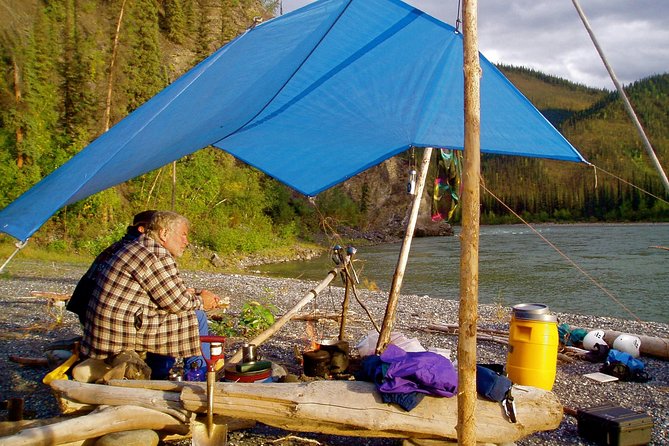
Abraham Lake is where the learning really takes hold. At Kootnay Plains, you set up base camp and start with safety and gear priorities before you touch the “fun stuff” like fire and shelters. The camp setup and the base routine give you a foundation. Once you have that, the later navigation and outdoor awareness skills on day two click faster.
Day 1: Shunda Creek drive, base camp at Kootnay Plains, fires and shelters
Day one begins with that meet and greet and instructor intro, then the 40 km drive. Once you arrive, you head straight into base camp at Kootnay Plains. This is where you’ll spend about the full day, starting around 10:30 am and going until roughly 5:00 pm, with evening time to practice and, if you want, sleep in your own survival shelter.
The safety portion is not filler. You cover what precautions to take and which dangers to avoid. You also go over proper equipment and the priorities during emergencies. For me, this is one of the smartest ways to structure an intro survival course, because it keeps you grounded. You’re learning skills, but you’re also learning how to think when your plan breaks.
Then comes bushcraft practice. You work on making survival fires and shelters in adverse conditions. That means you’re focusing on the “how do I make this work even if conditions aren’t perfect” angle, not just lighting a fire under ideal circumstances.
You also learn useful knots. Knots may sound basic, but in camp they’re everything. They help with shelter setups, securing gear, and making improvised solutions work. When knots are taught alongside fire and shelter building, they stop being trivia and become tools you’ll use right away.
Evening is the big hands-on moment. There’s the opportunity to sleep in your own survival shelter. That one detail changes how you remember the course. You don’t just learn what “shelter” means, you experience what it feels like to live inside your own setup for a night.

Day 2 morning: review and continuation without rushing
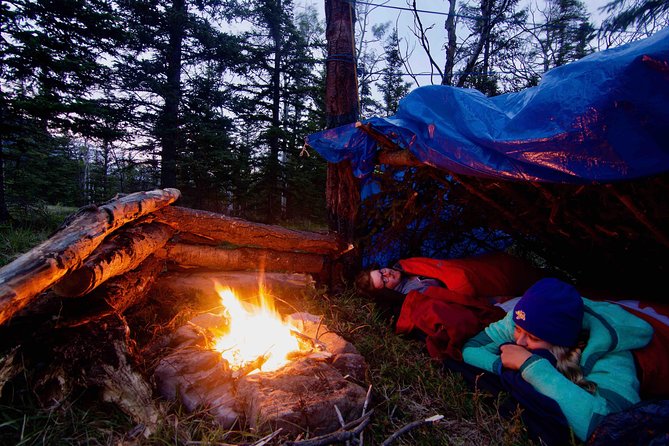
Day two starts back at Abraham Lake, from about 9:00 am to 11:00 am. This block is meant to continue what you started on day one. You’ll be building on the same foundations, which is exactly what you want in an intro course. It gives your brain time to move from “I heard about this” to “I can do this again.”
Because the course is only about two days, this morning continuation matters. Skills like fire making, shelter building, and knot work improve when you get a second pass. The structure also keeps the day from turning into a chaotic checklist of topics.
Day 2 afternoon: Cline River navigation, medicinal plants, and optional extras
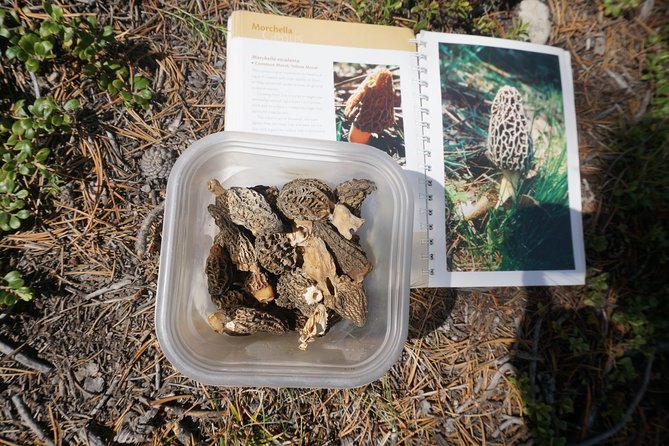
In the afternoon, you go for a hike as you cover navigation in the outdoors. Navigation is a high-value survival skill because it changes your options. It can help you avoid getting stuck in the same spot, and it improves your decision-making if you need to move toward safer ground.
On that hike, you also cover useful medicinal plant identification. This is another skill that’s easy to underestimate. Even if you never plan to rely on plants for food, knowing how to identify and think about local plant life can make you more aware outdoors.
If there’s time, you can move into more advanced survival topics. These may include finding alternative food sources, basic traps and snares, making improvised rope or cordage, and survival saw skills. The key here is that these are optional when time permits. That keeps the course from overwhelming brand new participants, while still offering extra depth if you’re hungry for more.
The course wraps up by late afternoon or early evening and ends back at the meeting point. You’re left with a tight package of skills, rather than a loose collection of random facts.
What you get: gear, meals, and real camping comfort level
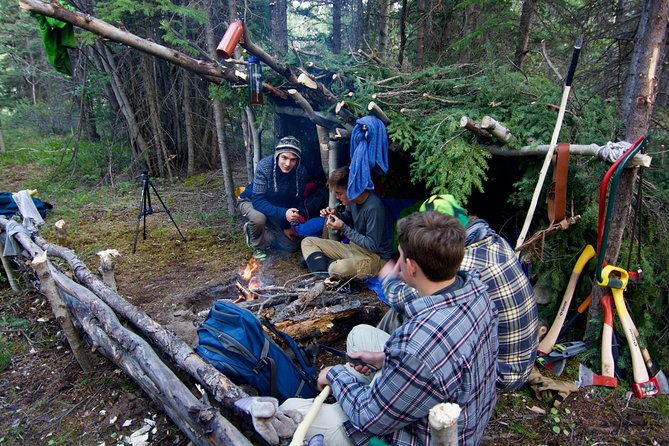
The included food plan is a strong part of the value. You get dinner and breakfast, plus lunch and dinner throughout the duration. Lunch is listed twice, and there’s also a vegetarian option available if you advise when booking.
One word of caution: meal style can vary. Some course bookings have praised the food quality, including camp-style favorites like honey garlic sausages. But in at least one situation, expectations were off due to wet sandwiches and pasta, and the provider noted that meal prep can be adjusted because of public health guidelines. So if you have picky tastes or strong expectations about food presentation, I’d plan for simple camp meals and mention your needs during booking.
Comfort is basic, but it’s part of the learning. The course includes one night accommodation (camping). Since you also get the opportunity to sleep in a survival shelter, you’ll likely understand the tradeoff between building for warmth and dealing with the real outdoors. That doesn’t mean it’s miserable. It does mean you should show up with the mindset that this is an outdoor skill course, not a hotel weekend.
Equipment is included and extensive. You can expect tents, hatchets, knives, compasses, GPS, and other course tools. For an intro survival class, this is a big deal because you don’t need to buy a pile of gear before you know what you actually want to practice later.
Price and logistics: is $205.56 good value for a private course?
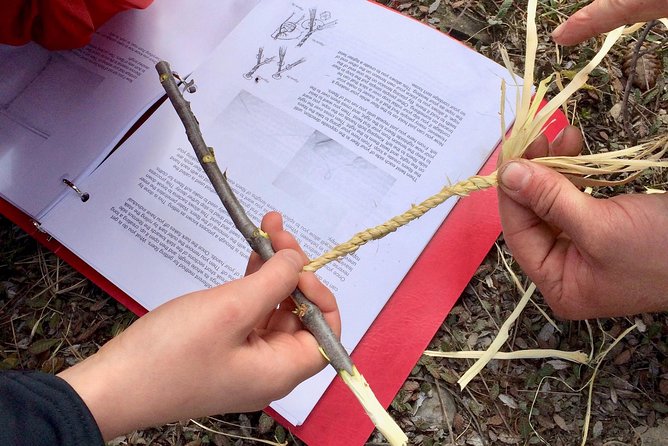
At $205.56 per person for about two days, this sits in a reasonable zone for an instructor-led skills course that includes both meals and equipment. What makes the price make sense is the “coverage.” You’re not paying for content alone. You’re paying for staff time, a full set of gear so you can practice safely, and food plus a camping night.
Two logistics points can affect how good the value feels in real life. First, transportation to and from the program is not included. That means you need a plan for getting yourself to the meeting point and being ready for driving into the training area. Second, the minimum is four people per booking. The good news is you still get a private experience for your group. The practical note is that you may want to book early if you have specific dates, especially during busy periods.
If you’re the type who learns best by doing, this course usually earns its keep. If you’re only after a quick overview and you hate hands-on practice, you might not feel as satisfied. But for beginner bushcraft, fire, shelter, knots, navigation, and plant identification, the included gear and guided practice make this a cost-effective way to get started.
Who should book this course, and who might want a different fit
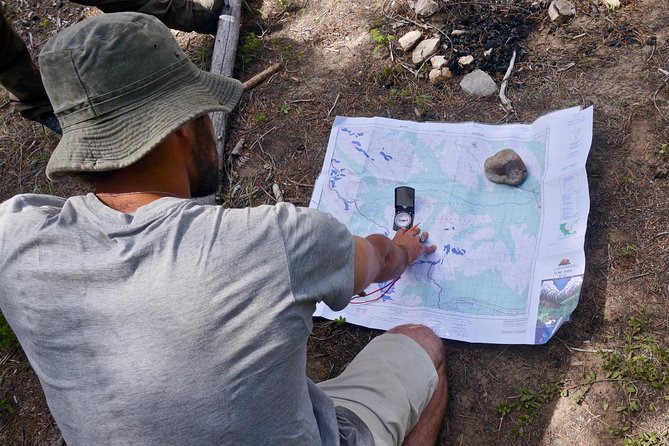
This course fits outdoor enthusiasts who want to learn something new and come away with confidence for backcountry travel and general camping. It’s also a good match for people who learn best with structure and real-time practice, since you’re working on skills repeatedly across both days.
It can also work for families with children, since multiple age ranges are mentioned as being able to participate. If you’re bringing a child, note that children must be accompanied by an adult. There’s also a child rate that applies only when sharing with paying adults.
What to consider if you’re unsure: this is a camping-based experience with a strong outdoors element. If you want comfort-first, minimal exposure to weather, or very light physical activity, you may prefer a different kind of course.
If you travel with a service animal, the program allows service animals.
Should you book the Intro Survival Course Rockies?
I’d book this if your goal is beginner-level survival skills you can actually practice: fire, shelters, knots, navigation, and medicinal plant identification, taught in a private setting with gear and meals handled. The best part is the balance of safety thinking plus hands-on building, and the fact that you get a second day to reinforce what you learned.
I would hesitate if you’re expecting private transportation or resort-style comfort, since transportation is not included and the accommodation is camping. I’d also book with the mindset that camp meals are simple and can vary with conditions, even if the overall food experience is usually positive.
If you want a fun, structured start in Rocky Mountain survival and bushcraft, this is a solid place to begin.
FAQ
What is included in the Intro Survival Course Rockies?
The course includes dinner and breakfast, lunch during the course, one night accommodation (camping), and all necessary course equipment such as tents, hatchets, knives, compasses, and GPS. It is also led by an experienced instructor.
Do I need my own transportation to the program?
Transportation to and from the program is not included. You’ll need to get yourself to the meeting point at HI Nordegg Shunda Creek Wilderness Hostel in Nordegg.
Can the course be customized for my group?
Yes. This is a private course and it can be customized to suit your needs. Only your group will participate.
What happens if the weather is poor?
The experience requires good weather. If it’s canceled due to poor weather, you’ll be offered a different date or a full refund.
Is there a vegetarian option?
Yes. A vegetarian option is available, and you should advise when booking if you need it.
Is there a minimum number of people for a booking?
Yes. There is a minimum of 4 people per booking. Even with that minimum, the course is private for your group.
The Long Way Through the Rockies

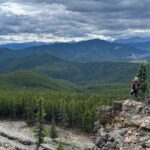
Just off the notebook: recent Alberta write-ups
- Yoho National Park Self-Guided Driving Audio Tour
★ 4.0 · 4 reviews - Guided Electric Dirt Bike Surron Tour Banff and Rockies
★ 5.0 · 4 reviews - Lake Louise to Calgary YYC Airport – Private Shuttle
★ 5.0 · 5 reviews - Intro Survival Course Rockies
★ 4.0 · 5 reviews - Ghosts of Drumheller: a Smartphone Audio Ghost Tour
★ 4.5 · 5 reviews - Discover the Lake Agnes Tea House Trail with an Audio Nature Tour
★ 4.0 · 7 reviews
Canadian Rockies Road Trips, compared.
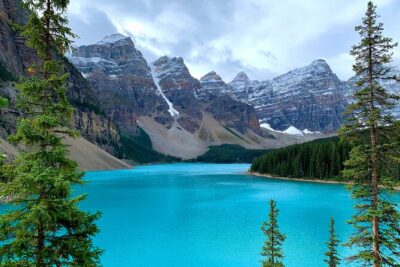 ★ 5.0Lake Louise, Moraine Lake and the Icefields Parkway Full-Day TourFrom $165836 reviews
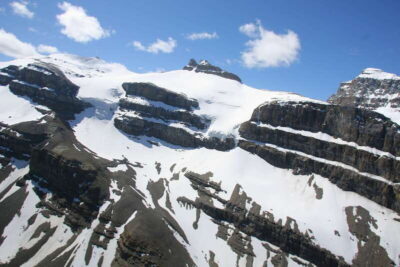 ★ 4.9Banff/Jasper: Canadian Rockies Scenic Helicopter TourFrom $202183 reviews
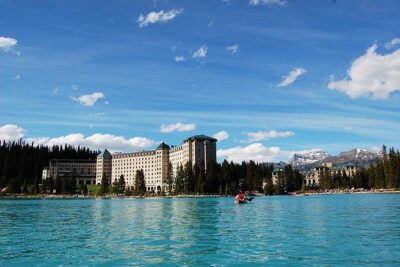 ★ 5.0Circle West – Canadian Rockies Round Trip Bus Tour From VancouverFrom $1,469163 reviews
 ★ 5.04-Day Canadian Rockies & Banff Classic Summer TourFrom $912163 reviews
 ★ 4.5Canadian Rockies and Banff 4-Day Tour from Vancouver (Chn&Eng)From $862142 reviews
 ★ 5.0Icefields Parkway Highlights & Secrets | Award-Winning AdventureFrom $217140 reviews
 ★ 5.0Canadian Rocky Mountains & Banff 5-Day Premium TourFrom $1,666124 reviews
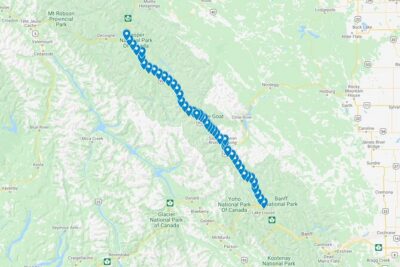 ★ 4.0Icefields Parkway: a Smartphone Audio Driving TourFrom $9118 reviews
Browse the lists this tour appears in