
REVIEW · HALIFAX, PEGGY'S COVE & THE SOUTH SHORE
Lunenburg: Zodiac Wildlife Tour with Naturalist Guide
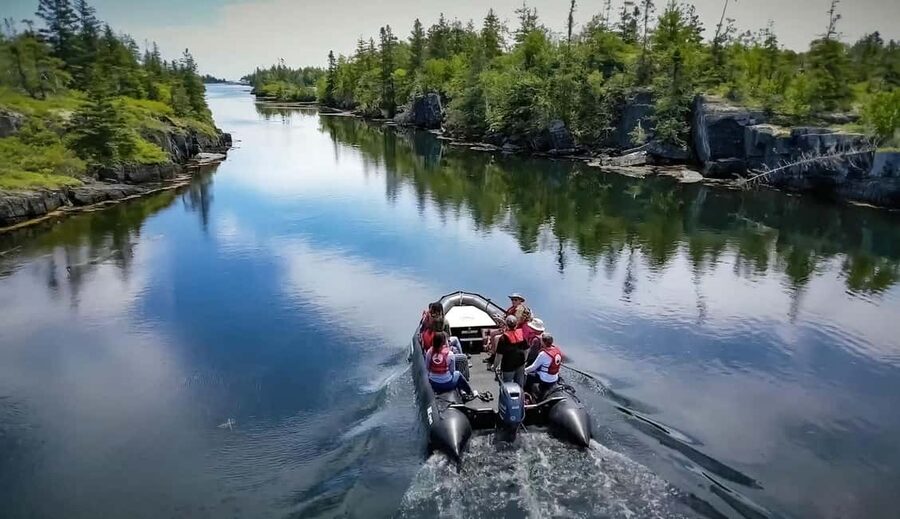
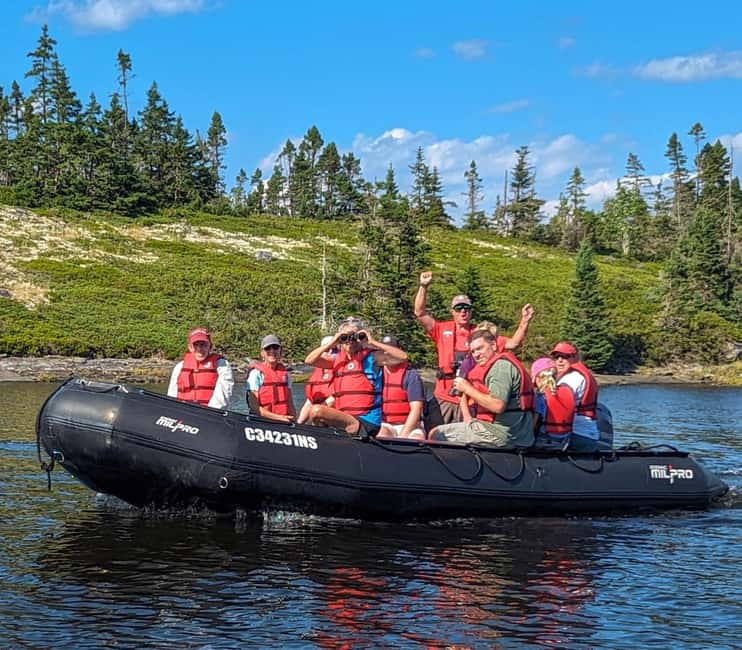
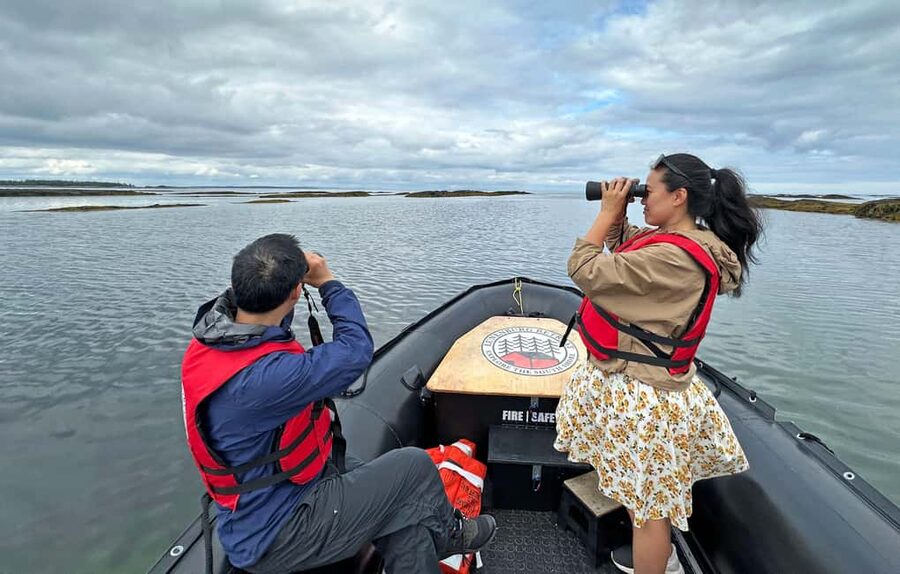
Zodiac rides make the Atlantic feel close. I love the expedition Zodiac setup, because it turns coastline sightseeing into real action time, and it puts you in position to scan for wildlife. I also like that you head for a pristine stretch away from the busiest lookouts. The one drawback to consider is that this is an open-water, bouncy ride, so it is not the best pick for people who dislike choppy conditions or prefer very smooth, seated travel.
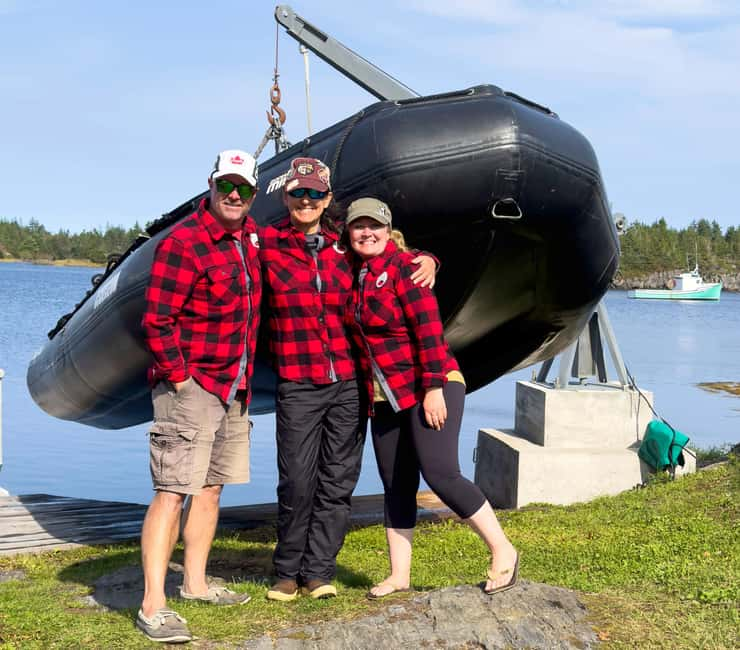
The tour runs about 2 hours, and it starts and ends at the Expedition Nova Scotia wharf, about 10 minutes from UNESCO-listed Lunenburg. Recent departures have been guided by naturalists such as Jason and Deb, and the vibe is professional but fun, with lots of pointing, listening, and photo time as you cruise the Atlantic edge.
In This Review
- Key highlights that make this tour worth your time
- A rugged Zodiac ride, with actual wildlife searching
- From the Expedition Nova Scotia wharf near UNESCO Lunenburg
- The 2-hour rhythm: check-in, scanning, cruising, and back to shore
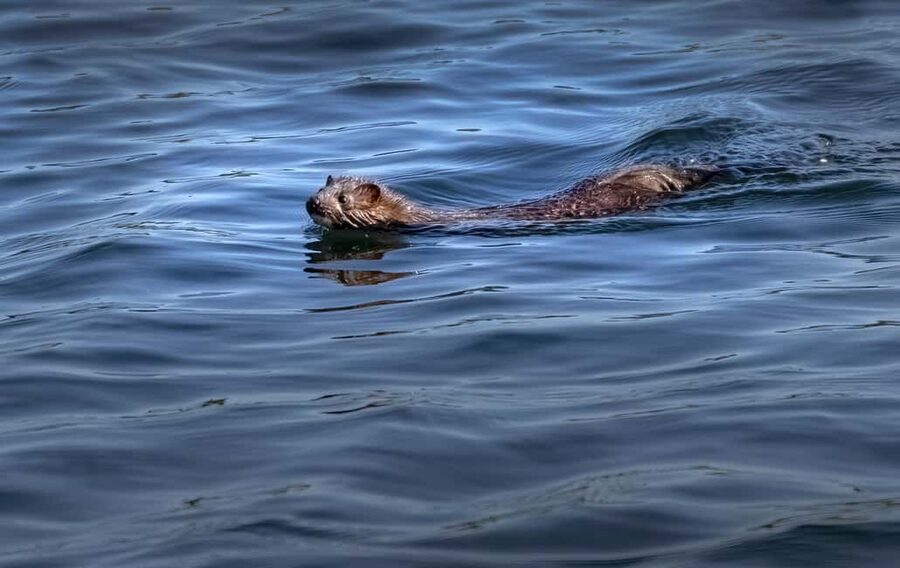
- What you might spot: seals, birds, mink, and deer
- The naturalist guide angle: ecosystem stories and geology notes
- Photo and comfort tips for an open-water ride
- Rules that affect how the tour feels
- Price and value: where the $101 really goes
- Who this Zodiac tour is best for
- Should you book this Lunenburg Zodiac wildlife tour?
Key highlights that make this tour worth your time
- Military-grade expedition Zodiac ride for a real sense of place along the Atlantic coastline
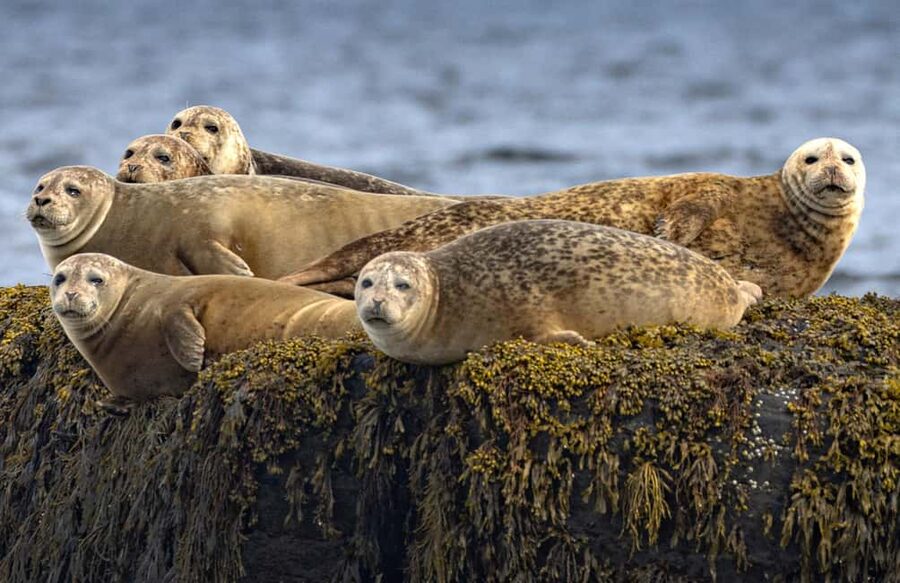
- Wildlife spotting chances for seals, osprey, eagles, herons, mink, and deer
- Naturalist guide talk that links what you see to the ecosystem and even geology of nearby rock formations
- Photo-friendly cruising, with time built in to stop and frame flora and fauna
- A quieter coastline feel, moving away from the most crowded tourist stretches
More of the harbour city and the coast road
- Peggy’s Cove, Lunenburg & 2 Hidden Gems – Full Day Tour★ 5.0 · 83 reviews
- Halifax: Lunenburg and Mahone Bay Private Tour★ 4.8 · 6 reviews
- Lunenburg: Zodiac Wildlife Tour with Naturalist Guide★ 5.0 · 5 reviews
A rugged Zodiac ride, with actual wildlife searching
This is not a sit-and-stare boat tour. The whole point is movement plus scouting. You travel along the Atlantic shoreline on a military-grade, expedition-style Zodiac, which means you get close enough to watch behavior, not just spot shapes in the distance.
That matters because wildlife watching is often about the small moments. A seal that pops up once is one thing. A seal that keeps breathing, hauling up, or reacting to a nearby seabird is better. A bird that glides like it owns the air is easier to track when you have a moving “search beam” and a guide calling out what to look for.
And you get the best mix of thrills and education: you’re cruising for adrenaline, while your naturalist guide turns the scenery into a live lesson.
From the Expedition Nova Scotia wharf near UNESCO Lunenburg
Your outing is nicely timed for a day in Lunenburg. The meeting point is the Expedition Nova Scotia wharf, roughly 10 minutes from the UNESCO World Heritage town center. That makes it an easy add-on if you are already walking streets, grabbing seafood, or doing quick sightseeing in town.
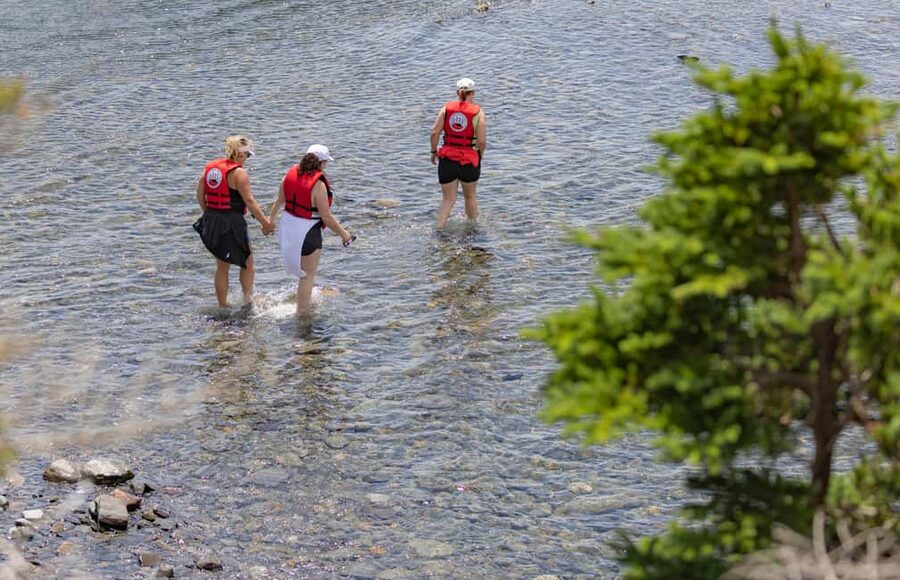
Plan to arrive 15 minutes early. You will sign a waiver and get fitted for a PFD (personal flotation device) before you head out. That little buffer helps the whole trip run smoothly, and it also means you start the wildlife portion without feeling rushed.
Since the tour ends where it starts, you avoid the hassle of transfers to a different harbor. It is a simple “go out, cruise, return” setup that fits well with a short attention span for long travel days.
The 2-hour rhythm: check-in, scanning, cruising, and back to shore
Even without a long schedule, the pacing is smart. Here is how your time will likely feel, step by step:
First, you check in and get kitted with your PFD. Then you head out on the Zodiac with your naturalist guide guiding the scanning process. This is the phase where your eyes adapt. At first, the shoreline can look like one long blur of rock, scrub, and water. After a few minutes of guidance, you start separating habitat types and paying attention to cues like bird posture and shoreline edges.
Next comes the cruising and searching time. This is where the “keep your eyes peeled” theme becomes real. You are looking for seals hauled out or swimming, seabirds doing their rounds, and other sightings that pop up suddenly.
Finally, you circle back. In recent experiences, there is also been a small end-of-tour touch, like snacks and beverages, which makes the return feel like a finish, not a scramble. That extra bit of comfort is a nice way to cool down after the salt air and adrenaline.
What you might spot: seals, birds, mink, and deer
This tour is built around wildlife. The list includes seals, osprey, eagles, herons, mink, and deer. That’s a wide range, and it is your clue that you are not just hunting one kind of wildlife.
Here is how that range usually plays out in real terms:
- Seals: You may spot them both in the water and on shorelines. The best sightings tend to happen when the Zodiac slows or shifts so your guide can confirm what you’re seeing.
- Seabirds of prey and shoreline hunters: Osprey and eagles often show up where you can watch fishing behavior or soaring patterns. Herons can be a great sign of productive shoreline edges and shallow habitat.
- Water and shore scavengers: Birds like gulls and plovers also show up, and they help you understand where food is moving through the system.
- Mink and deer: These sightings are often more about luck plus good guide scanning. Mink can be tricky to spot, but when you have a guide watching for movement and shoreline cover, your odds go up. Deer usually feel like a bonus sighting, especially if they are close enough to be seen without disturbing anything.
If you’re the kind of person who likes wildlife without turning it into a forced hunt, this setup is a strong match. You spend your 2 hours searching together, not taking turns staring at the same view with no guidance.
The naturalist guide angle: ecosystem stories and geology notes
What really makes this tour click is the guide layer. You are not just pointed toward animals and sent back on your own. Your naturalist guide is there to connect observations to the bigger picture: the local ecosystem and how the coastline supports it.
In particular, one of the big praise points is that the guides do more than recite facts. Jason, in one recent experience, shared information about the geology of what you were looking at, including rock formations that help shape the islands. That kind of context changes how you see the scenery. Instead of thinking, There is land and water, you start thinking, This shoreline exists because of how these rocks were formed, and that affects shelter, feeding spots, and how wildlife uses the area.
You also get flora and fauna talk, so you are seeing habitat in layers. Birds are not random. Seals are not random. Even the plants you notice from the boat can make more sense when you understand how they fit into the local environment.
This is a great tour if you love learning but hate museum-style lecturing. The information comes in while you are actively watching, which keeps it meaningful.
Photo and comfort tips for an open-water ride
You’ll want photos, and you’ll also want enough gear discipline to stay comfortable. The basics are simple:
Bring a camera and consider binoculars if you have them. Sunscreen is also worth it, even when the wind is brisk, because the Atlantic sun can hit hard.
On the water, your comfort depends on your expectations. Even in good conditions, Zodiac rides have movement, spray, and wind. So dress for cool air plus salt. If you wear glasses, be mindful of spray, and if you use a phone camera, check your settings before you board so you are not fussing mid-sighting.
Photo strategy that works well on this kind of tour:
- Photograph when your guide confirms the sighting, not just when you personally notice a speck.
- Take a quick burst, then switch to steady shots for one or two key moments.
- Capture the coastline angle too, not only wildlife. The scenery is a major part of the experience, and it helps your photos tell the story when you review them later.
One more practical note: you are not allowed to touch marine life or wildlife. That is good for safety and good for animals. Take photos, observe behavior, and let the animals keep doing what they do.
Rules that affect how the tour feels
This tour has clear boundaries, and you should know them before you show up. You will not be allowed to smoke, drink alcohol in the vehicle, fish, or feed animals. Touching marine life or touching animals is also not allowed.
That means the experience stays focused on respectful wildlife viewing, not interaction. It also helps explain why you feel safe and professional out there. Everyone is using the same “watch, don’t interfere” rhythm.
There are also restrictions on equipment and personal comfort items. Baby strollers are not allowed, and non-folding wheelchairs or non-folding strollers are not allowed. Bikes and barefoot travel are also prohibited.
If you plan to bring kids, double-check age fit: children under 6 years are not suitable for this tour.
Price and value: where the $101 really goes
At $101 per person for about 2 hours, you are paying for three things you cannot easily DIY from shore: the expedition Zodiac ride, the naturalist guide, and real-time wildlife scouting.
Boat tours can be expensive, but this one is fairly short, and it includes the guide role rather than treating the guide as optional. The naturalist element matters because you’re not just buying transportation, you are buying better odds of meaningful sightings and clearer explanations of what you are seeing.
You are also paying for a specific kind of experience: a pristine coastline stretch away from the most tourist-heavy stops. That “less crowded, more focused” feel is part of the value, especially if you want wildlife viewing rather than sightseeing congestion.
Finally, there are a few quality-of-life touches mentioned in recent experiences, like snacks and beverages at the end. Even if you don’t expect a full meal, it is a thoughtful finish after time outdoors.
Who this Zodiac tour is best for
I think this tour is best for you if:
- You want wildlife sightings, not just a scenic cruise
- You enjoy learning in the field, especially when the guide ties animals to habitat
- You like short, active outings that fit into a busy day
It is a solid match for couples, friend groups, and anyone who can handle open-air water time and the idea of standing or shifting posture safely while boarding and riding.
It is not a match for:
- Children under 6 years
- Wheelchair users (not suitable)
- People over 95 years (not suitable)
If you fall into the “I get motion sick fast” category, you will want to think carefully. The tour is on water in an expedition Zodiac, so the ride will not feel like a smooth lake ferry.
Should you book this Lunenburg Zodiac wildlife tour?
If your priority is wildlife with guidance, I say yes. This tour hits a rare balance: it is thrilling enough to feel like an adventure, while still grounded in education and responsible viewing.
Book it if you want a high-impact, 2-hour slice of the Atlantic coast near Lunenburg, with strong odds of spotting seals and seabirds and a naturalist guide who adds real context. Skip it if you need guaranteed wildlife sightings, because nature does not work like that, or if open-water motion would ruin your day.
If you do book, come prepared: camera, sunscreen, and binoculars if you have them. Arrive early for the PFD fitting, then settle in for a focused, outdoorsy cruise where spotting is the main event.
Harbour City and the Coast Road

Just off the notebook: recent Lunenburg write-ups
- Lunenburg: Zodiac Wildlife Tour with Naturalist Guide
★ 5.0 · 5 reviews - Halifax: Lunenburg and Mahone Bay Private Tour
★ 4.8 · 6 reviews - Peggy’s Cove, Lunenburg & 2 Hidden Gems – Full Day Tour
★ 5.0 · 83 reviews
Halifax, Peggy's Cove & the South Shore, compared.
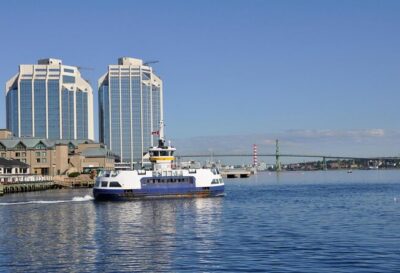 ★ 4.5Halifax Harbour Hopper TourFrom $631,296 reviews
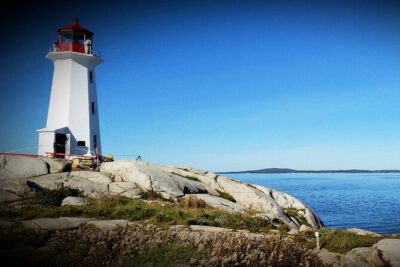 ★ 4.0Halifax Peggy’s Cove ExpressFrom $74801 reviews
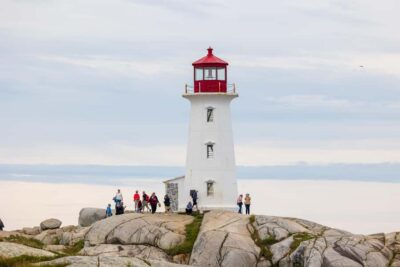 ★ 4.5Halifax Small-Group Express Peggy’s Cove TourFrom $50544 reviews
 ★ 5.0Small Group Tour – Peggy’s Cove, Lunenburg, the Annapolis ValleyFrom $180401 reviews
 ★ 4.5Peggy’s Cove & Halifax Historic Tour375 reviews
 ★ 4.5Halifax Premium Tour: Peggy’s Cove, Citadel & Titanic CemeteryFrom $96368 reviews
 ★ 4.5Halifax: Peggy’s Cove tourFrom $66275 reviews
 ★ 5.0Half Day Small Group Tour in Peggy’s Cove and Titanic CemeteryFrom $79242 reviews
Browse the lists this tour appears in