
REVIEW · JASPER & THE ATHABASCA VALLEY
Guided Glacier Hike on The Athabasca with IceWalks
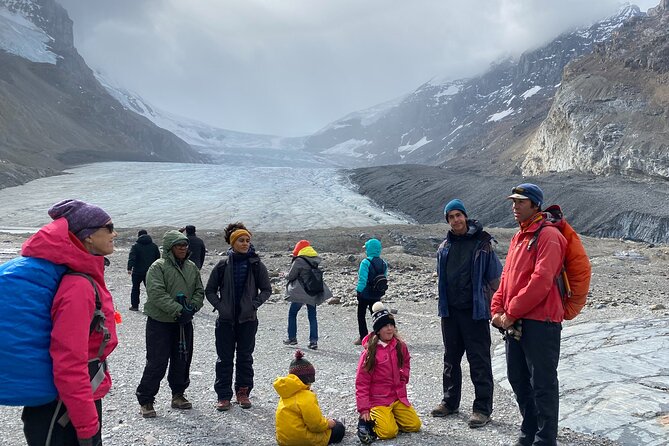
Step onto living ice in Jasper. Walking on the Athabasca Glacier is the kind of trip that feels unreal, but it is real, and the guide makes it make sense. I love the small-group feel, and I also love that you get micro-spikes and the gear support you need for a safe walk. The one caution: the hike to and onto the ice can feel more strenuous than you expect, especially if you are not used to uneven footing.
You will be out for about 3 hours, with a 5 km roundtrip walk that takes you from the Columbia Icefield area onto glacier ice. You learn what you are seeing as you go, from crevasses and icefalls to meltwater streams and mill wells, with an ACMG certified guide leading the show. If weather is rough, the tour can be changed or refunded, so plan with some flexibility.
Safety and pacing are a big part of why this works for so many people, including kids and active seniors. The guides I heard named in this experience, like Mike, Stu, Ana, Nick, Troy, Larry, Rupert, and Tom, all focused on keeping the group together and explaining the glacier dangers as you move. If you have heart, lung, or mobility concerns, this is not the right fit.
In This Review
- Key Glacier-Walk Highlights with IceWalks
- Walking The Athabasca Glacier: What the 3 Hours Feels Like
- From Columbia Icefield Parking Lot to the Trailhead
- The Walk In: Easy to Moderate, But Uneven Ice Counts
- On the Ice: Crevasses, Mill Wells, Meltwater Streams, Icefalls
- Gear That Makes You Comfortable, and Safer
- Guides, Safety, and the Way the Story Gets Told
- Fitness Fit: Who Should Go, and Who Should Skip This One
- Price and Value: Is $98.89 a Smart Spend?
- Weather That Changes the Day (And Why Flexibility Helps)
- After the Glacier: A Simple Plan for Your Next Stop
- Should You Book IceWalks on the Athabasca Glacier?
- FAQ
- How long is the guided glacier hike on the Athabasca?
- How far do you walk on the glacier tour?
- Do I need technical climbing experience?
- Is it a small-group tour?
- What gear is included?
- What should I bring for warmth?
- Is the tour suitable if I have heart, lung, or mobility issues?
- What happens if weather is bad?
Key Glacier-Walk Highlights with IceWalks
- Small group, max 12, so you get more time on questions and less time waiting.
- Micro-spikes provided for traction, plus conditional gear help if you do not bring your own.
- No technical climbing needed, just walking on real glacier terrain with guidance.
- A 5 km roundtrip that turns into a hands-on science lesson about ice features.
- ACMG certified guides who teach safety while you explore crevasses, mill wells, and meltwater.
- Weather dependent, so you need a plan that can flex if the glacier is too wet or icy.
Quieter than Banff. More of Jasper compared
- Jasper: Columbia Icefield Skywalk and Ice Explorer Ticket★ 4.6 · 2,444 reviews
- Jasper Evening Wildlife Tour★ 4.5 · 710 reviews
- Jasper National Park: Evening or Morning Wildlife Watch Tour★ 4.6 · 691 reviews
- Jasper Wildlife & Sightseeing Tour with Maligne Lake Cruise★ 5.0 · 603 reviews
Walking The Athabasca Glacier: What the 3 Hours Feels Like
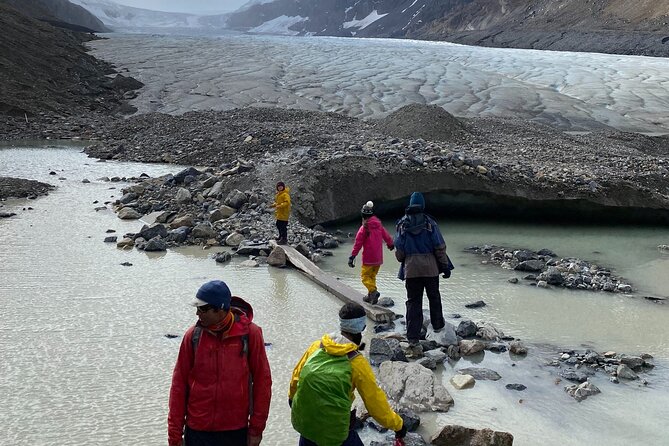
This tour is built around one goal, walk on the Athabasca Glacier and understand what makes it dynamic. You are not just standing around for photos. You are moving across the ice, learning what each feature means, and getting a clear sense of how glacier ice shapes the Canadian Rockies around it.
The total time is about 3 hours, and that includes the guided portion on and near the glacier. You are looking at roughly a 5 km roundtrip walk, which sounds straightforward until you remember you are stepping on uneven, slick, cold ground. The best way to prepare is mental, expect real effort, then you will feel proud instead of surprised.
Group size is a huge quality factor here. With a maximum of 12 people, the guide can keep eyes on footing and spacing. You also tend to get more personalized explanations. If you like to ask questions while you walk, this style of tour fits that mindset.
From Columbia Icefield Parking Lot to the Trailhead
You meet at the Columbia Icefield Discovery Centre parking area, then you get geared up before heading out. After that, you are shuttled a short distance to the trailhead. This matters because it keeps the day efficient, you do not lose half your time on transfers.
Your ticket is mobile, so you can stay light. The tour also runs with a confirmation at booking time, which helps you plan without last minute guesswork. Service animals are allowed, which is a nice detail if you travel with one.
The tour ends back at the meeting point, so you are not scrambling for your ride after you are done. That is a small thing, but it makes the day feel smoother. When you are coming off cold lungs and stiff legs, simple logistics feel like a gift.
The Walk In: Easy to Moderate, But Uneven Ice Counts
The walk starts off regular enough, then it transitions into something much more physical as you move onto glacier terrain. In practice, it is described as easy to moderate, and guides often keep stopping to explain what you are seeing. That said, several people noted the hike can feel a bit more strenuous than expected.
So how do you judge your fit? If you are comfortable with a 5 km walk on uneven ground and you can handle cold weather, you will likely be fine. If you struggle with stairs, long uphill slogs, or balance on rocky trails, you might feel worn out. The glacier adds friction challenges and traction requirements, even when the path is not technically hard.
One thing I would plan for is your pace. The group needs to move consistently so everyone stays safe. Some people were surprised because the stops were educational, but you still keep walking. If you want to enjoy the scenery without rushing, bring patience and let the guide set the rhythm.
Also, consider that weather can shift fast. Even in decent conditions, cold air plus damp ground can make your legs feel heavier. Dress like you might get wet, then you will not get annoyed if it happens.
More boots-on days near Jasper
On the Ice: Crevasses, Mill Wells, Meltwater Streams, Icefalls
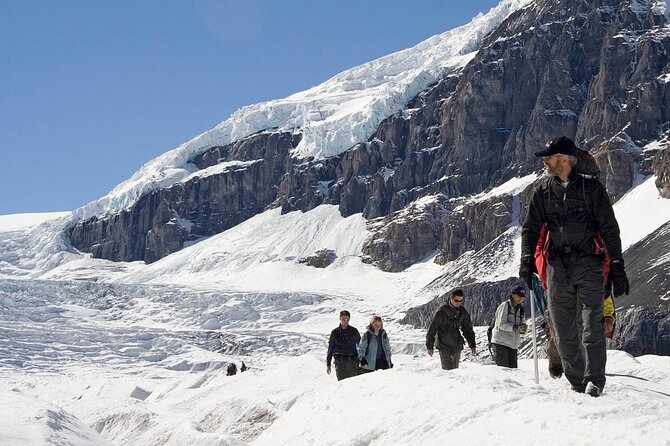
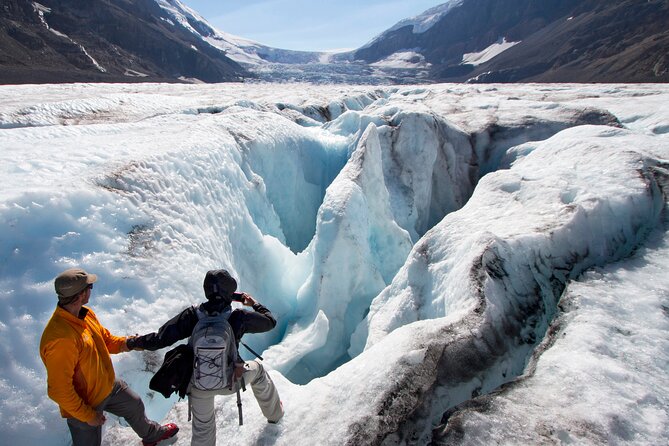
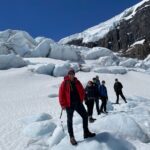
Once you are on the glacier surface, the tour becomes a guided walk through glacier features up close. This is where the experience earns its keep.
Here are the main things you are likely to hear about and look for as you go:
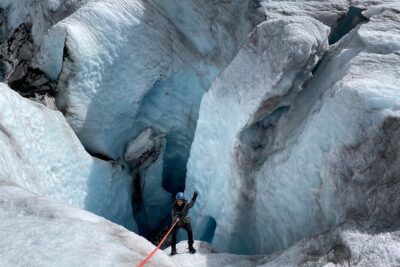
Crevasses
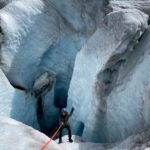
These are deep cracks in glacier ice. You are not meant to treat them like tourist attractions you can stare at forever. The guide will keep you at safe distances and explain what they mean for glacier movement and surface stability.
Mill wells
These are vertical channels where meltwater runs down through the ice. People tend to find these especially mind bending because they connect surface melt to deeper water and ice processes. You will get the story of how surface melting links to what is happening below.
Meltwater streams
As the day warms or conditions change, meltwater forms paths. You might see water moving across or along the glacier surface. The key point is that the glacier is not frozen solid and static. It is changing, even when it looks still from far away.
Icefalls and other ice formations
An icefall is where ice moves over steep terrain. It helps you understand why glaciers can carve and reshape valleys over time. Even if you never took a geology class, you will start connecting the visual cues to how glaciers behave.
I like that this tour is built as interpretation while you walk, not interpretation while you stand. You are seeing the features in context, with the guide pointing out what matters for formation and danger. That makes the glacier feel less like a prop and more like a living system.
Gear That Makes You Comfortable, and Safer
IceWalks provides micro-spikes, which is the traction gear that helps on slippery ice. If you do not have them, you get what you need. That is important because trying to improvise with the wrong footwear can turn a great hike into a stressful one.
You may also be provided gear if you do not bring your own, including rain gear, hiking boots, gloves, and a hat. This kind of support is what makes the experience work for a wider range of travelers. If you show up underprepared, the company is set up to help rather than send you home.
What you should bring is warm layers. Warmth is not optional here, because glacier air and damp conditions can cool you faster than you think. Layering is the easiest strategy, so you can adjust when you are walking hard.
One more practical tip from the vibe of the tour: even if you think you do not need extra help, consider bringing walking assistance if you have it. Some guides were noted as providing walking sticks during the hike, and that can make a difference on uneven surfaces.
Guides, Safety, and the Way the Story Gets Told
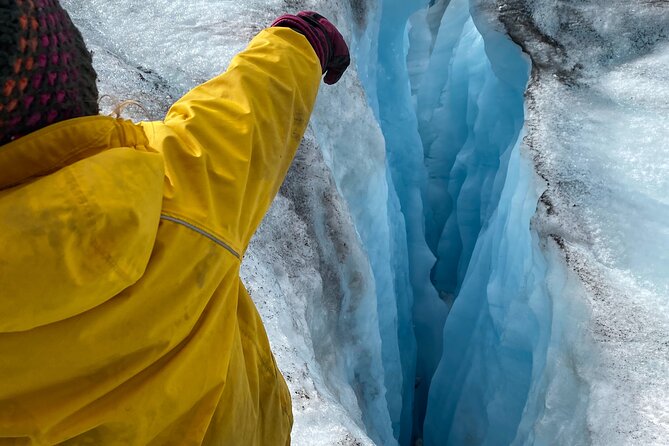
The guides are central to this tour, and you feel it in how the group moves. They keep you together, help you with gear, and explain dangers before you get too comfortable. That safety teaching is not scary. It is practical.
People mentioned guides such as Mike, Stu, Ana, Nick, Troy, Larry, Rupert, and Tom, and across those names, the common thread was the same: clear explanations, good humor, and steady pace control. If you like facts with personality, this format delivers.
Guides also seem to tailor attention to the group. When weather is erratic, they keep the tour focused on safe footing rather than canceling at the first sign of a cloud. One person described rain during their tour and still found it awesome, which tells me the guides work to make the best of changing conditions while staying cautious.
And yes, the glacier can be intimidating if you treat it like a paved sidewalk. The best part is that the guide keeps it understandable. You leave not just with photos, but with a mental map of what you saw and why it exists.
Fitness Fit: Who Should Go, and Who Should Skip This One
This experience is described as moderate and suitable for young children and active seniors, as long as they can handle walking 5 km roundtrip and staying mobile. That is a broad range, and it points to something important: the tour is not technical climbing.
But it is still real hiking effort. The hike can feel more strenuous than some expect, especially because glacier footing and cold conditions make your body work a bit differently. If you tend to fatigue quickly, plan for breaks and do not compare it to a casual stroll.
There is also a clear medical caution. The tour is not suitable for people with medical issues specifically involving heart, lungs, or mobility. If that applies to you, take it seriously. This is not the time to push through a risk you cannot manage.
If you are generally healthy, steady on your feet, and ready for a cold adventure, this tour can be a standout day in Jasper. It is the rare activity where the exercise and the education both feel worthwhile.
Price and Value: Is $98.89 a Smart Spend?
At $98.89 per person, you are paying for access plus guidance plus gear support. The cost feels high until you map what is included.
You are getting:
- An ACMG certified guided glacier walk for about 3 hours
- Micro-spikes provided for traction
- Conditional gear support (rain gear, hiking boots, gloves, hat) if you do not bring it
- Interpretation as you explore features like crevasses and meltwater systems
- A small-group cap of 12, which is a real value upgrade over cattle-call tours
You are also getting a kind of experience that is hard to replicate on your own. Walking on a glacier is not a DIY activity unless you are trained and equipped, and even then, safety and access are the tricky parts. Paying for a guide and proper equipment is where your money becomes peace of mind.
For me, the price makes sense if you want more than views. This is not only about seeing the Athabasca. It is about understanding what you are seeing while you are there.
If you are short on time, have mobility limits, or want purely easy scenery without traction gear, you might consider alternatives. But if you are ready for a hands-on walking adventure, this is strong value for the access you get.
Weather That Changes the Day (And Why Flexibility Helps)
This experience requires good weather. If conditions are not right, it can be canceled, and you will be offered a different date or a full refund. That is the reality of glacier walking, conditions can turn quickly.
When it works, you get incredible views of the Rockies while you walk on the ice. When it does not, you are not stuck. The key is to plan with flexibility so you can take the best available conditions.
Cold and wet weather are not automatically deal breakers, and a rain experience described by one traveler still sounded like a success. But if the weather is truly poor, safety comes first. That is exactly what you want from a glacier operator.
After the Glacier: A Simple Plan for Your Next Stop
When you finish, you are done with the cold part and ready for comfort. One solid suggestion that came up is to eat at Altitude after your tour. Build in time for a warm meal and a reset, because your legs will appreciate it.
If you are continuing around the Columbia Icefield area, keep your next plan mellow. You will be tired in a good way, but you might not want to start a fast hike immediately afterward.
Should You Book IceWalks on the Athabasca Glacier?
Book this tour if you want a real walk on glacier ice, guided explanations as you go, and a small group experience that keeps you safe and engaged. The combination of provided traction gear, up-close glacier features like crevasses and mill wells, and the chance to see the Rockies from the ice is hard to beat for the price.
Skip or reconsider if you have medical issues involving heart, lungs, or mobility, or if you know you cannot handle a 5 km roundtrip hike on uneven surfaces. Also, be honest with yourself about cold and damp conditions. Dress in layers and you will feel much better.
If you want one activity in Jasper that turns into a lifelong memory with actual understanding attached, this is the one I would put near the top.
FAQ
How long is the guided glacier hike on the Athabasca?
It is about 3 hours.
How far do you walk on the glacier tour?
You walk about 5 km roundtrip.
Do I need technical climbing experience?
No. You do not need technical climbing experience.
Is it a small-group tour?
Yes. It has a maximum of 12 travelers.
What gear is included?
You are provided micro-spikes. If you do not have your own, you may be provided rain gear, hiking boots, gloves, and a hat.
What should I bring for warmth?
Bring warm layers. Warm layers are not included.
Is the tour suitable if I have heart, lung, or mobility issues?
No. It is not suitable for people with medical issues involving heart, lungs, or mobility issues.
What happens if weather is bad?
This experience requires good weather. If it is canceled due to poor weather, you will be offered a different date or a full refund.
Easier With a Guide
Boots On Near Jasper
North to Jasper
Just off the notebook: recent Jasper write-ups
- Wildfire Peak Nic
★ 5.0 · 5 reviews - E-Bike Rental
★ 5.0 · 5 reviews - Jasper: Planetarium Indoor Dome Experience
★ 3.9 · 8 reviews - Columbia Icefield Adventure, Bow Lake & Peyto Lake Tour
★ 5.0 · 8 reviews - Canadian Rockies: Abraham Lake Ice Bubbles Helicopter Tour
★ 4.8 · 8 reviews - Ultimate Jasper Nature Walk
★ 4.5 · 9 reviews
Jasper & the Athabasca Valley, compared.
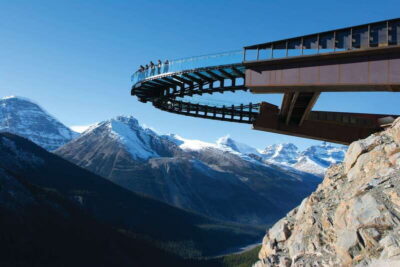 ★ 4.6Jasper: Columbia Icefield Skywalk and Ice Explorer TicketFrom $962,444 reviews
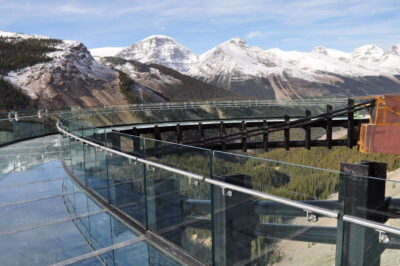 ★ 4.3Jasper: Columbia Icefield SkywalkFrom $37916 reviews
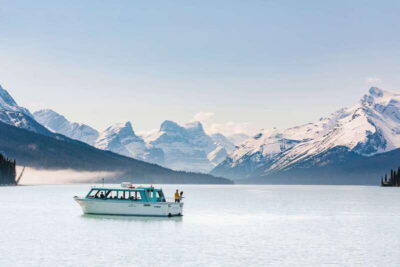 ★ 4.7Jasper National Park: Maligne Lake Cruise With GuideFrom $84896 reviews
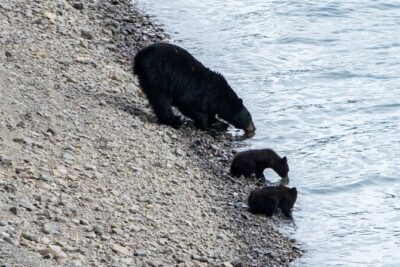 ★ 4.5Jasper Evening Wildlife TourFrom $65710 reviews
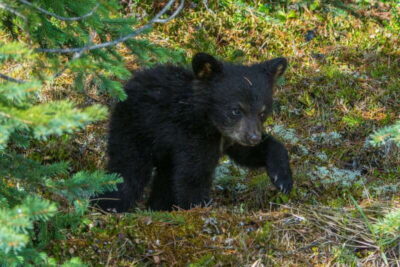 ★ 4.6Jasper National Park: Evening or Morning Wildlife Watch TourFrom $63691 reviews
 ★ 5.0Jasper Wildlife & Sightseeing Tour with Maligne Lake CruiseFrom $176603 reviews
 ★ 4.7Jasper SkyTram Roundtrip Flight TicketFrom $59567 reviews
 ★ 4.5Maligne Lake CruiseFrom $86502 reviews
Browse the lists this tour appears in