
REVIEW · CANMORE & KANANASKIS ADVENTURES
Canmore/Banff: Explore Banff & Wildlife
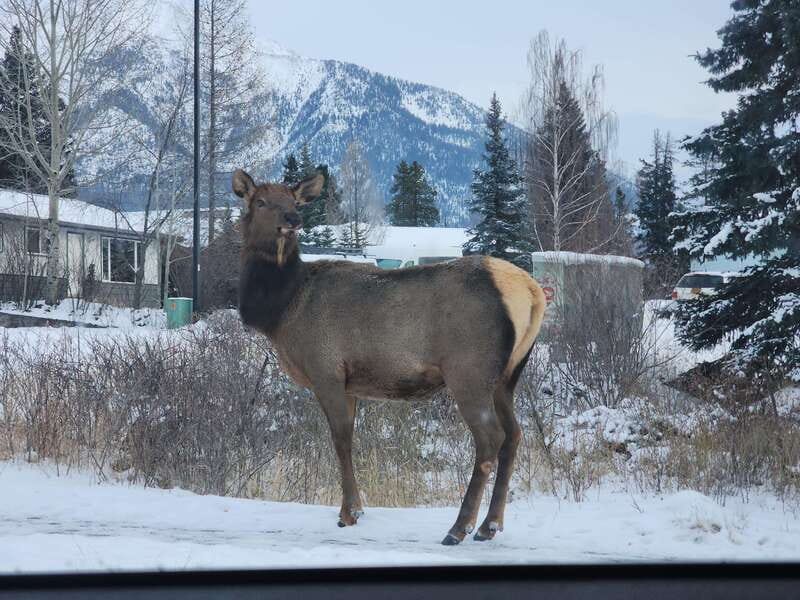
A good wildlife day in Banff starts with the right eyes. This 4-hour Banff wildlife outing mixes scenic viewpoints, classic Banff sights, and time in prime areas for animals like elk and bighorn sheep. I like that you get a guide who actually knows where to look, and I love the mix of big views plus real wildlife odds. One thing to weigh: sightings are never guaranteed, and bear sightings are unlikely between November and March, so plan your expectations accordingly.
You’ll also appreciate that the route is built for comfort. You get transport from Canmore and Banff hotels, plus national park entry, so you spend less time figuring out logistics and more time out the window. If you want an easy way to see Banff’s highlights while keeping one eye on the trees, this is a smart pick.
In This Review
- Key things I’d plan around
- Wildlife and viewpoints, the practical Banff combo
- Pickup in Canmore or Banff, then out to the viewpoints fast
- Surprise Corner Viewpoint: start the day with an eye warm-up
- Fairmont Banff Springs: the “icon stop” that sets the tone
- Bow Falls: where you trade town views for motion
- Mount Norquay: viewpoints that help you see patterns
- Lake Minnewanka: the long look that pays off
- Wildlife viewing: how your guide boosts your odds without promises
- Learning Banff: history and culture, kept useful
- Price and value: what $69 buys in real terms
- What to bring so you stay comfortable and ready
- Timing, group style, and winter realities
- Who this tour fits best
- Should you book this Banff and Wildlife tour?
Key things I’d plan around
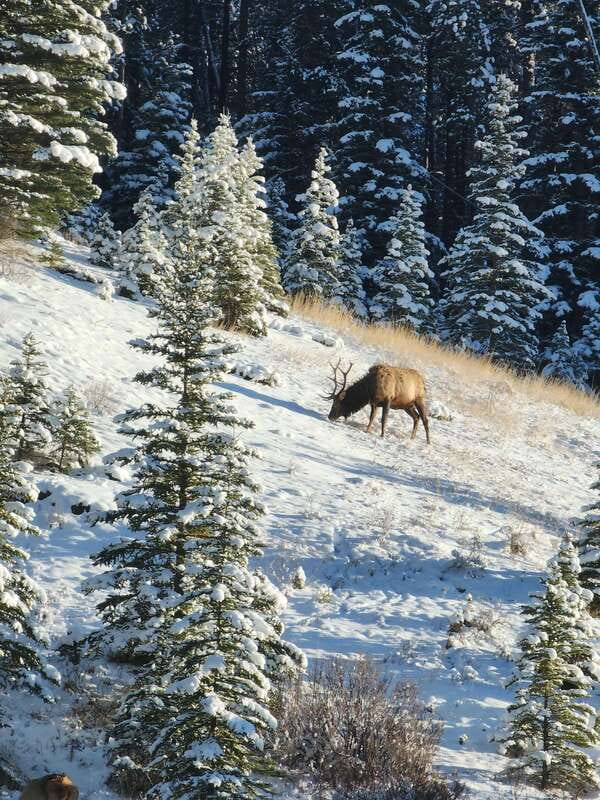
- Wildlife is the mission, but your guide focuses on the best locations instead of promising specific animals
- Big-name Banff stops like Bow Falls and Lake Minnewanka, with photo-friendly timing
- Viewpoints plus wildlife timing, so your day feels varied instead of just scenic
- National park entry fees are included, so the price feels more straightforward
- Most trips start with Canmore and Banff pickups, making it easy to join without a rental car
- Binoculars help a lot, especially if animals stay far off
The valley next door, in more shapes
- Banff: Afternoon Kananaskis River Whitewater Rafting Tour★ 4.9 · 297 reviews
- Banff/Canmore: Moraine Lake w/ Lake Louise Option★ 4.9 · 292 reviews
- From Banff/Canmore: Moraine Lake, Lake Louise 1.5 hrs Each★ 4.7 · 117 reviews
- Banff/Canmore: Sunrise at Moraine Lake w/ Lake Louise Option★ 4.8 · 116 reviews
Wildlife and viewpoints, the practical Banff combo
Banff is famous for postcard scenery, but it’s also one of Canada’s best places to spot wildlife without a long, complicated expedition. That’s the whole appeal of this tour: you get a structured day with scenic stops that make sense, then you get guided time in areas where animals tend to show up.
The best part is how the tour balances two very different kinds of fun. You’re not just driving from viewpoint to viewpoint. You’re also being guided on where to look for wildlife, when to pause, and how to read the landscape from a distance. Even if you come away with fewer animals than you hoped, you still get classic Banff sights and a better understanding of how wildlife moves through the area.
Pickup in Canmore or Banff, then out to the viewpoints fast
One of my favorite features is how the day starts. You’ll get picked up from a long list of hotels and central spots across Canmore and Banff. Common meeting points include places like Moose Hotel & Suites, Canalta Lodge, the Travel Alberta Canmore Visitor Information Centre, and Banff Train Station. So unless you’re way outside town, it’s usually easy to join without extra planning.
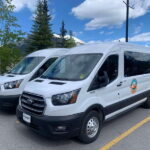
The vibe here is simple: you meet your guide, hop into a comfortable vehicle marked for the tour, and head out. This matters because Banff traffic and parking can eat time. By handling transport for you, the tour gives you more daylight for viewing and photo stops.
If you’re sensitive to being in a vehicle, note the tour is designed around multiple scenic stops in a short window. That means you will move at a steady pace. Bring a snack or two and a water bottle so you’re not tempted to “buy something quick” and lose momentum.
Surprise Corner Viewpoint: start the day with an eye warm-up
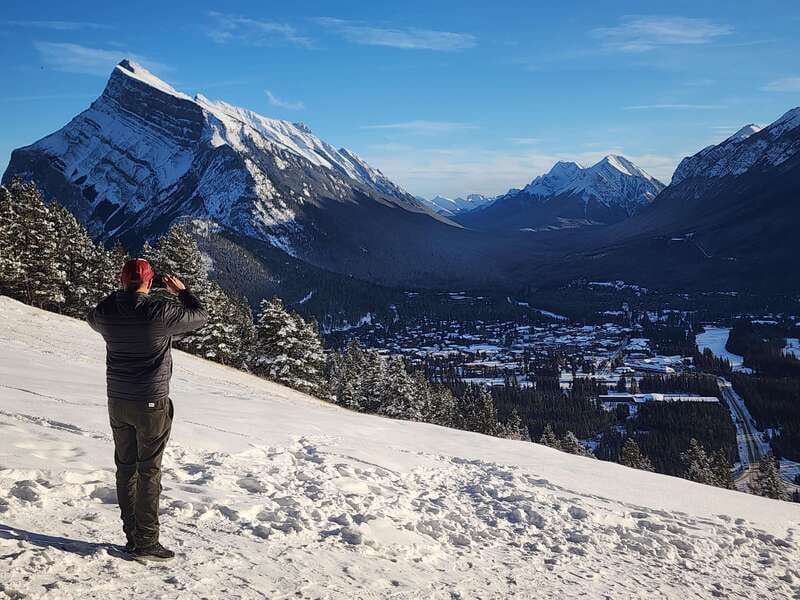
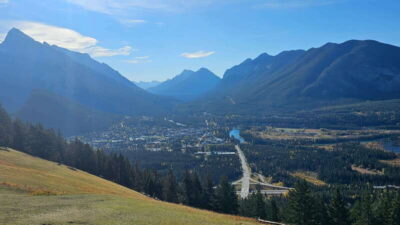
Early on, you’ll stop at a viewpoint near Surprise Corner. This is a great way to get your bearings. From here, you’re not just looking at mountains, you’re also learning the geography of how Banff sits in the Canadian Rockies.
Why this stop works for your whole day:
- It helps you spot the kinds of valleys, edges, and ridgelines wildlife tends to use
- It gives you a calm moment to set up your camera and check your settings
- It gets you thinking like a tracker, even if you’re just watching from a roadside pull-off
This is a short stop, so don’t expect a long hike. It’s more about getting your eyes calibrated. If you’re the type who likes to photograph, this is where you’ll likely start getting sharp images without feeling rushed.
More wildlife worth getting up early for

Fairmont Banff Springs: the “icon stop” that sets the tone
Next comes the Fairmont Banff Springs area, a classic Banff landmark. Even if you don’t tour the property, the stop gives you a recognizable anchor point to the town and the surrounding mountains.
What I like about this kind of stop on a wildlife tour is that it prevents the day from feeling like one long search. You get a cultural and historical moment, plus a recognizable setting. It’s also a good place to snap a few photos before the route turns more into lookout-style driving.
A small practical tip: if you’re sensitive to crowds, aim for quick photo time and then move along. This is one of those places that tends to draw attention because it looks like a movie set.
Bow Falls: where you trade town views for motion
Bow Falls is one of those stops that turns “wow, mountains” into something more grounded. You’re watching water and you’re getting a sense of how the town links into the wider valley.
On a tour like this, Bow Falls also acts as a visual reset. You’re not scanning only for animals at this point. You’re absorbing the environment. That matters for wildlife spotting because animals react to habitat features. A waterfall area, a river corridor, and open viewpoints all change what you notice next.
Photo tip: if you’re using a phone camera, try different angles quickly. The water gives you a moving background, which can make framing easier or harder depending on where you stand.
Mount Norquay: viewpoints that help you see patterns
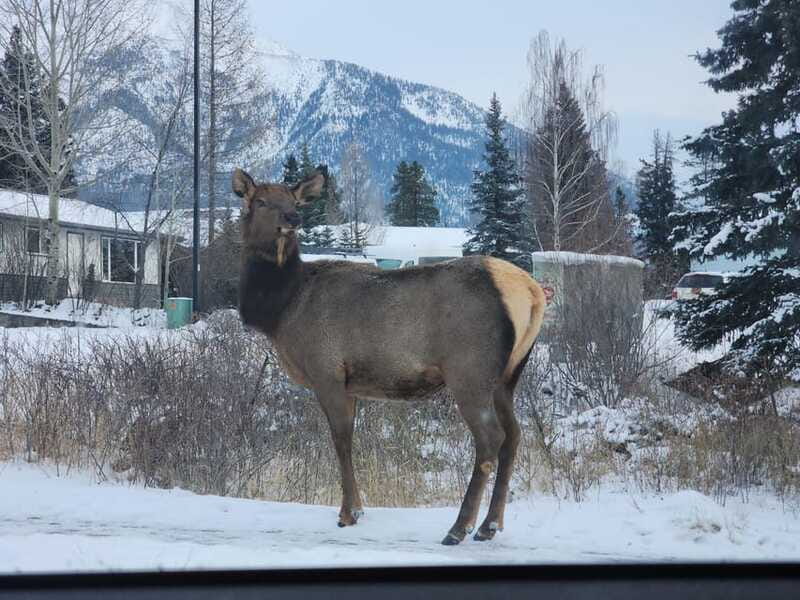
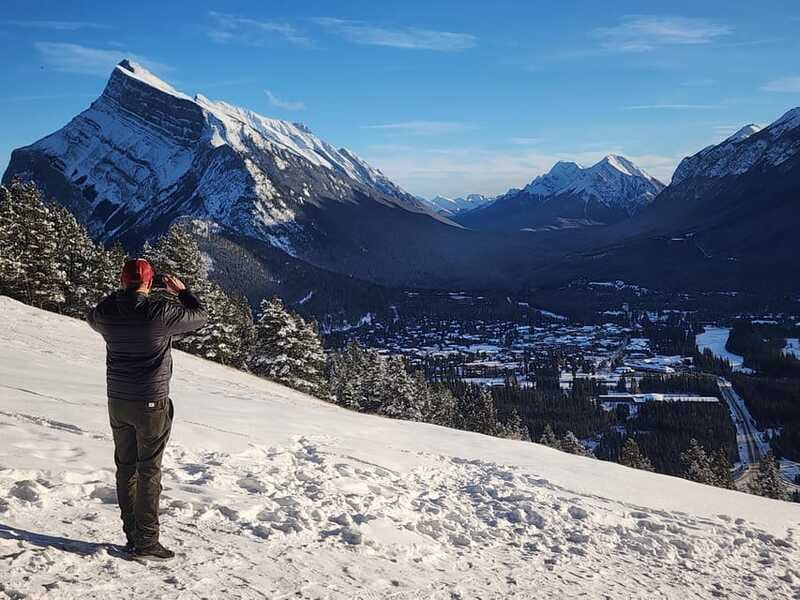
Mount Norquay is where the views tend to get bigger and more strategic. You’ll get time to look out over Banff from higher ground. That’s valuable because wildlife sightings often come down to spotting movement from a distance.
This is the point in the day where having the right gear helps. If you have binoculars, use them. Animals like elk, deer, and bighorn sheep can show up far off, and binoculars turn “maybe something over there” into actual ID.
Also dress for chill up high. Even if Banff town feels comfortable, viewpoints can feel colder and windier. Warm layers are worth it here, not just for comfort, but because a stiff, chilly body makes it harder to stay alert and patient.
Lake Minnewanka: the long look that pays off
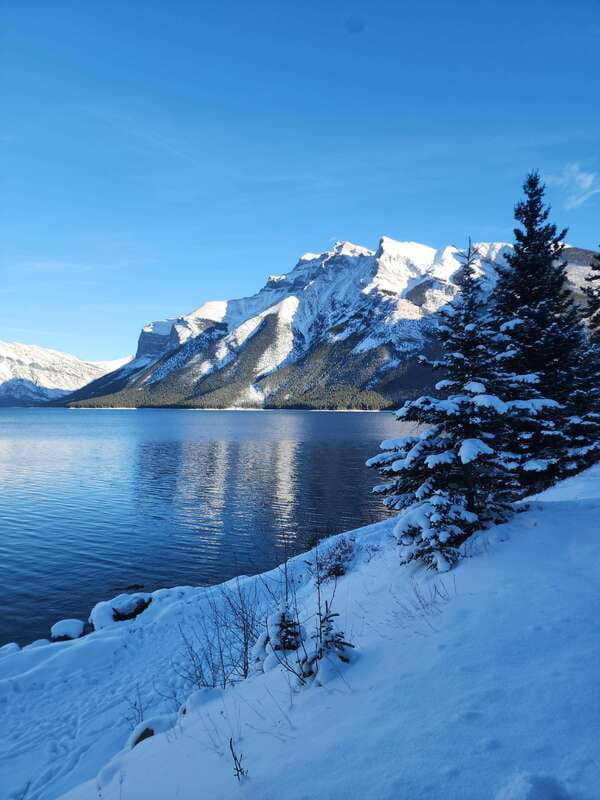
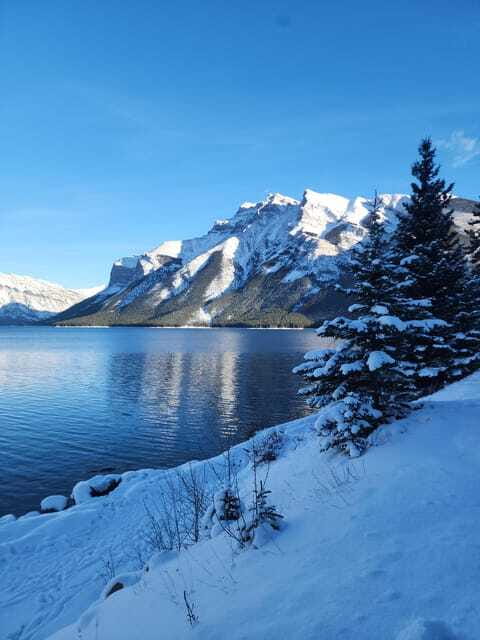
Lake Minnewanka is a major Banff highlight, and on this tour you’ll get a dedicated stop to take in the scene. This is where the day shifts from quick snapshots into longer viewing time.
Why Lake Minnewanka works so well on a wildlife route:
- A large water setting changes animal behavior, with animals sometimes drawn to edges and open areas
- The view helps you spot movement against the shoreline or slopes
- The pause gives your eyes a break after earlier viewpoints
This stop is also a reminder that the Rockies are not just dramatic peaks. You’re looking at the full system, water, valley, and elevation together. That context makes it easier to understand what your guide is pointing out later when you’re scanning for animals.
Wildlife viewing: how your guide boosts your odds without promises
This is the core of the tour, and it’s where you’ll get the most satisfaction if you approach it the right way. The tour does not guarantee sightings. That’s not a cop-out, it’s wildlife reality. Animals roam, weather shifts, and sometimes the best you can do is be in the right place at the right time.
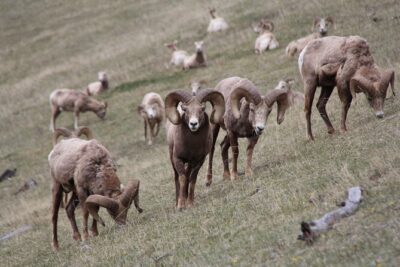
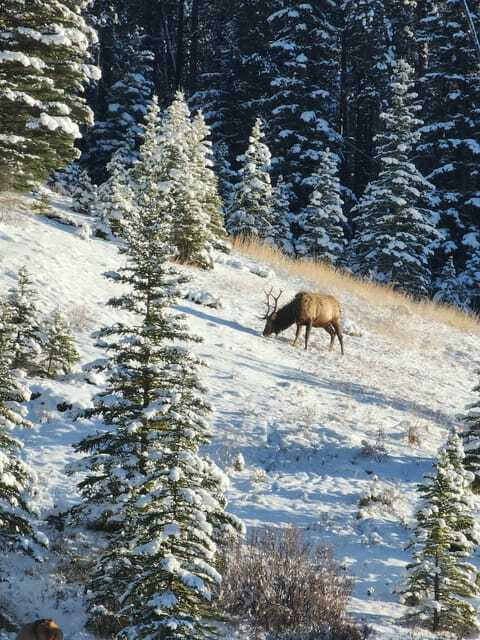
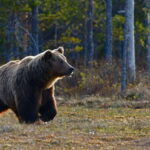
What you can count on is that the guide leads you to prime locations for sightings. The tour notes possible animals including elk, deer, bighorn sheep, coyotes, and with luck, animals like lynx, wolf, bear, or moose. Your guide’s job is to maximize the chance by choosing spots where you can see animals and where conditions favor sightings.
Two guide stories from real people sum up the quality:
- Phoebe, one guide, was credited with strong spotting success, including mule deer, big horn sheep, and elk, with some animals accompanied by their babies.
- Austin, another guide, was described as knowledgeable and genuinely accommodating, taking people to lots of great local spots.
That matters because good wildlife guiding isn’t just “drive around.” It’s timing, positioning, and knowing what to watch for.
Practical approach for you:
- Expect animals to be distant at first. Don’t panic if you don’t see anything immediately.
- Use quiet scanning. Random staring at one patch often misses movement.
- If you spot activity, pause and watch. Animals often move in patterns.
One seasonal note: bear sightings are highly unlikely between November and March. If you’re traveling in winter and your heart is set on bears, consider it a bonus if it happens, not the goal. Your guide will still focus on the best locations for whatever wildlife is most likely in that season.
Learning Banff: history and culture, kept useful
It’s easy to think wildlife tours are only about spotting animals. This one adds local history and culture from the guide. That’s not just trivia. When you know how Banff became an iconic destination, you understand why the town is where it is, how park rules shape wildlife behavior, and why certain areas feel especially busy.
Guides also tend to translate the Rockies into “where to look” instead of just naming peaks. If your guide is doing that well, your eyes get trained faster. And that can turn your viewing from random luck into a skill you use the whole time.
Price and value: what $69 buys in real terms
At about $69 per person for a 4-hour tour, the value comes from what’s included. You’re not paying extra for the basics.
Included items that matter for value:
- Expert guides who add context and lead wildlife viewing spots
- Transportation to key scenic locations around Banff and Canmore
- National park entry fees
- Wildlife access to prime viewing areas
- Scenic stops at major landmarks like Bow Falls and Lake Minnewanka
- Water refills if you bring a reusable bottle
What is not included:
- Snacks and meals
To me, the price makes sense if you want an organized day without renting a car or worrying about park entry. It also makes sense if you’re traveling with limited time and you want both wildlife odds and major Banff highlights in one go.
If you already know how to drive the park loop and you’re an experienced wildlife spotter, you might do it on your own for less. But for most people, the guide plus included park entry is what turns this into an easy win.
What to bring so you stay comfortable and ready
You’ll enjoy this tour more if you show up prepared. Bring:
- Comfortable shoes for standing and quick viewpoint stops
- Warm clothing, especially for higher spots and colder months
- A camera
- Water, plus a reusable bottle for refills
- Binoculars if you have them
- Snacks, since meals are not included
Think of this as a “watch, wait, and shoot” kind of outing. You want to be warm enough that you can stand still for a few minutes when your guide points something out.
Also keep your phone or camera batteries ready. Cold weather can drain them faster.
Timing, group style, and winter realities
The tour runs for 4 hours, which is a tight, friendly length. It’s long enough to hit multiple famous stops and still have wildlife time. It’s short enough that you’re not exhausted by mid-afternoon.
Pickup timing depends on your selected pickup option, and the guide will ask you to be ready at the main entrance or lobby about 5 minutes early. Since you have several nearby hotel options in both Canmore and Banff, you should be able to start without wasting half the day traveling.
Winter note: winter activities depend on daily and seasonal weather. For shared tours, there’s also a minimum number of guests required for the shared tour to operate. If it doesn’t meet that minimum, you may be rescheduled or receive a full refund.
If you’re booking close to a holiday or traveling through uncertain weather, plan for the fact that the day can shift. But the tour is set up to maximize viewing opportunities within those limits.
Who this tour fits best
This is a strong fit if:
- You want a guided day with scenic viewpoints and wildlife time
- You value local guidance over doing everything alone
- You’re comfortable standing for short stops and scanning from roadside areas
- You like photography and want multiple high-impact locations in a few hours
You might want to skip it if:
- You need wheelchair access, since it’s not suitable for wheelchair users
- You’re traveling with kids under 6
Also, if you’re the kind of person who wants a guaranteed animal sighting, adjust your mindset. The tour’s strength is smart positioning and guide expertise, not guarantees.
Should you book this Banff and Wildlife tour?
If you want an efficient, guided way to see Banff highlights and spend time looking for wildlife, I think you should book. The value stands out because the price includes transportation and national park entry, and the day is built around major stops like Bow Falls and Lake Minnewanka rather than only chasing animals.
Book especially if:
- You have limited time and want both town sights and nature
- You’re open to wildlife being unpredictable, but you still want the best odds
- You want a guide who can translate the area into practical viewing tips, like Phoebe and Austin were praised for
Skip or reconsider if:
- You’re traveling with mobility needs not supported by the tour
- You expect guaranteed bear or specific big animal sightings, especially in winter months
If your goal is a well-planned half day with real wildlife potential and classic Banff scenery, this tour hits that target nicely.
Worth the Early Alarm
The Valley Next Door


Just off the notebook: recent Banff write-ups
- Elevated Private Experience: Adventure & Wellness in Banff
★ 5.0 · 4 reviews - From Banff: Affordable Moraine Lake and Lake Louise Shuttle Bus
★ 5.0 · 4 reviews - Banff to Calgary or YYC Airport | Private Transfer
★ 5.0 · 4 reviews - Banff Gondola & Lake Minnewanka Cruise Combo
★ 5.0 · 4 reviews - Moraine Lake Lake Louise Johnston Canyon Emerald Lake Day tour
★ 5.0 · 4 reviews - From Banff: Winter Wonderland; Lake Louise & Johnston Canyon
★ 5.0 · 4 reviews
Canmore & Kananaskis Adventures, compared.
 ★ 5.0Lake Louise, Moraine Lake, Banff Tour from Calgary/Canmore/BanffFrom $742,792 reviews
 ★ 5.0Lake Louise Moraine Lake Day Trip from Banff Calgary CanmoreFrom $59650 reviews
 ★ 4.9Banff/Canmore: Moraine Lake 1.5h & Lake Louise Half-Day TourFrom $45619 reviews
 ★ 5.0Calgary/Canmore: Banff National Park & Lake Louise Day TripFrom $86491 reviews
 ★ 5.0Canmore Caving Adventure TourFrom $149356 reviews
 ★ 4.9Banff: Kananaskis River Whitewater Rafting TourFrom $95328 reviews
 ★ 4.9Banff: Afternoon Kananaskis River Whitewater Rafting TourFrom $110297 reviews
 ★ 4.9Banff/Canmore: Moraine Lake w/ Lake Louise OptionFrom $87292 reviews
Browse the lists this tour appears in