
REVIEW · YELLOWKNIFE, YUKON & ARCTIC WINTER TOURS
Yellowknife: Glass Etching Workshop
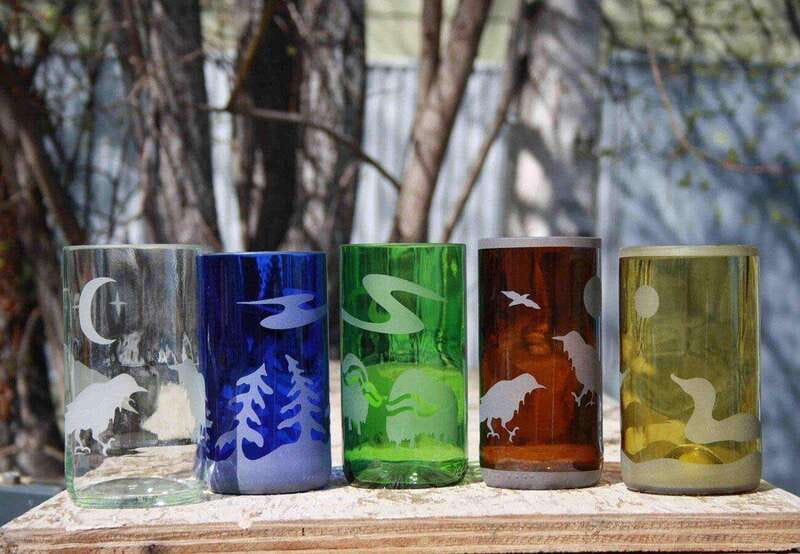
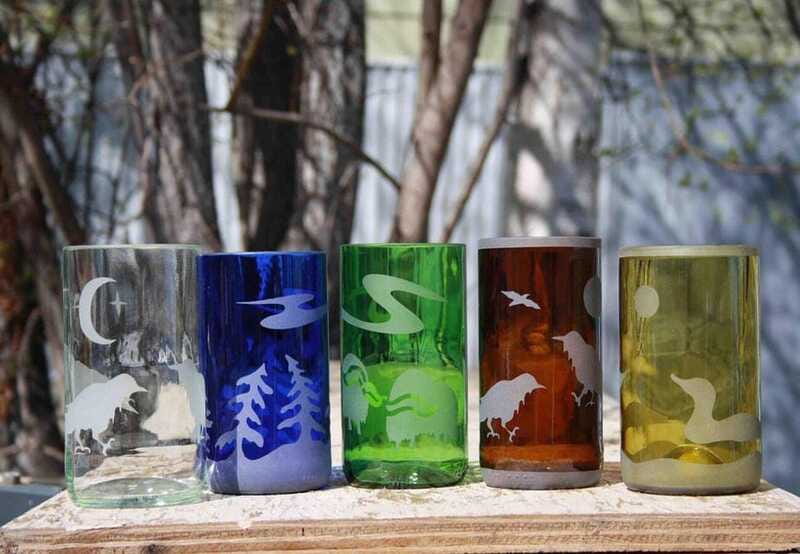
Glass art beats waiting for the auroras. In Yellowknife, this hands-on glass etching workshop at Old Town Glassworks turns recycled bottles into something personal, with you learning the basics and then stencil-cutting your own design onto glass.
What I really like is the small-group feel and the fact that you leave with a real souvenir, not a photo and a vague memory.
One thing to consider: it is a hands-on craft, and you should plan on being present for the whole session. Also, it is not suitable for children under 9, and you’ll need closed-toe shoes.
In This Review
- Key things to know before you go
- Old Town Glassworks: a cozy creative break in Yellowknife
- The two-hour flow, from history talk to your finished piece
- 1) The intro: learn the space, not just the craft
- 2) The demonstration: cutting, grinding, polishing
- 3) Stenciling your design with instructor help
- 4) Take-home time: one personalized OTG recycled piece
- Cutting to polishing: what you really learn from the bottle demo
- Your stencil design: how to make it look good without stress
- Small group size (8 people) means real hands-on attention
- Price and value: $80 for a two-hour souvenir you actually made
- Who this workshop suits best, and who might not love it
- Before you go: simple prep that makes the session smoother
- Should you book this Yellowknife glass etching workshop?
- FAQ
- How long is the Yellowknife glass etching workshop?
- What is the group size?
- Is it suitable for children?
- What should I bring?
- What’s included in the price?
- What language is the instruction?
Key things to know before you go
- Old Town Glassworks and its space story: you start with a quick history of the organization and how the studio works
- Bottle-to-glass demo: you watch cutting, grinding, and polishing in action
- Your own stencil design: you’ll get instructor help as you plan and place your artwork
- OTG recycled glassware included: you take home one finished piece made from recycled material
- Small group coaching: limited to 8 participants, so questions do not get lost
More far-north days worth the flight
- Northern Lights Tour Yellowknife★ 5.0 · 370 reviews
- From Yellowknife: Northern Lights Bus Tour with Photos★ 4.8 · 174 reviews
- Yellowknife Tours – Aurora by bus★ 5.0 · 141 reviews
- From Yellowknife: Aurora Borealis Tour with Cozy Cabin Base★ 4.8 · 65 reviews
Old Town Glassworks: a cozy creative break in Yellowknife
Yellowknife can be all lights, long drives, and quick photo stops. This workshop is a different kind of experience, warm and quiet, where your hands do the work and your brain gets a break. I like that it is not trying to be a show. It is a genuine studio session that focuses on making.
Old Town Glassworks also gives you a sense of place right away. You get a brief history of the space and organization before you start any glass work. That matters, because you are not just learning a technique. You’re learning the why behind it: recycling bottles into usable glass art and giving old materials a second life.
The two-hour flow, from history talk to your finished piece
The session runs about two hours, and the structure is simple on purpose. You begin with context, then watch how the tools work, then do your own design.
1) The intro: learn the space, not just the craft
You’ll start with a short talk about the organization and the studio itself. This part is more than small talk. It sets the tone. When you understand what the workshop is trying to do with recycled glass, the rest of the session feels more meaningful, not just hands-on.
It also helps you settle in. You’ll know what you’re about to see, and you’ll understand why certain steps are done in a specific order.


2) The demonstration: cutting, grinding, polishing
Next comes the demo. You watch how glass bottle pieces go from rough to smooth through cutting, grinding, and polishing. Seeing the process matters because glass is unforgiving in the way you expect. You get to see how it is handled safely and carefully, and you learn what each step is for.
This is also a good moment to ask questions. I’d treat it like your real preview, because the demo is where you can spot the technique you want to copy when it becomes your turn.
3) Stenciling your design with instructor help
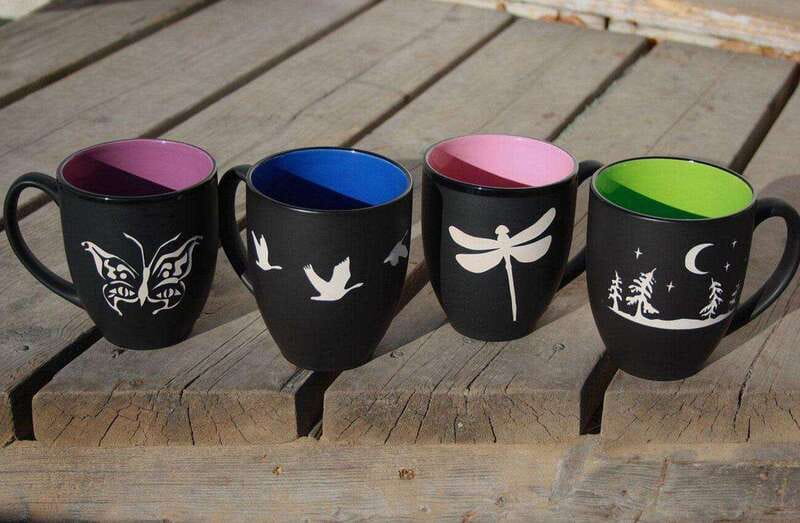
Then you get to create. The workshop includes instruction on how to stencil your personal design on a piece of glassware. You do not go in blank and figure everything out alone. You get guidance from the instructor as you work.
A practical way to think about this: your design is the main event. The stencil work is what turns it into a souvenir you can recognize later, not a random piece of etched glass. If you like making things, this is where you’ll feel the momentum.
4) Take-home time: one personalized OTG recycled piece
At the end, you take home one piece of OTG recycled glassware. That is part of the value equation here. You’re paying for an experience, yes, but you’re also walking away with something you made during the session.
And because it’s personalized, it does not feel like an off-the-shelf craft. It feels more like a memory you can hold.
Cutting to polishing: what you really learn from the bottle demo
I love that the workshop does not just focus on the design part. You also see the physical reality of turning bottles into glassware. It’s the difference between art that starts with a blank sheet and art that starts with something recycled and imperfect.
In this session, you’ll watch the bottle cutting, then the grinding step, then the polishing. Each stage has a job:
- Cutting gets you to the right shape and size
- Grinding helps refine the piece so it works as glassware
- Polishing creates the smoother finish you want before any etching work
Even if you never do glasswork again, you learn how material transformation works. I also appreciate that the instructor shares a bit of how the studio operates and why they do things the way they do, including local and recycling-related processes. That extra context makes the craft feel grounded in Yellowknife, not imported from somewhere else.
Your stencil design: how to make it look good without stress
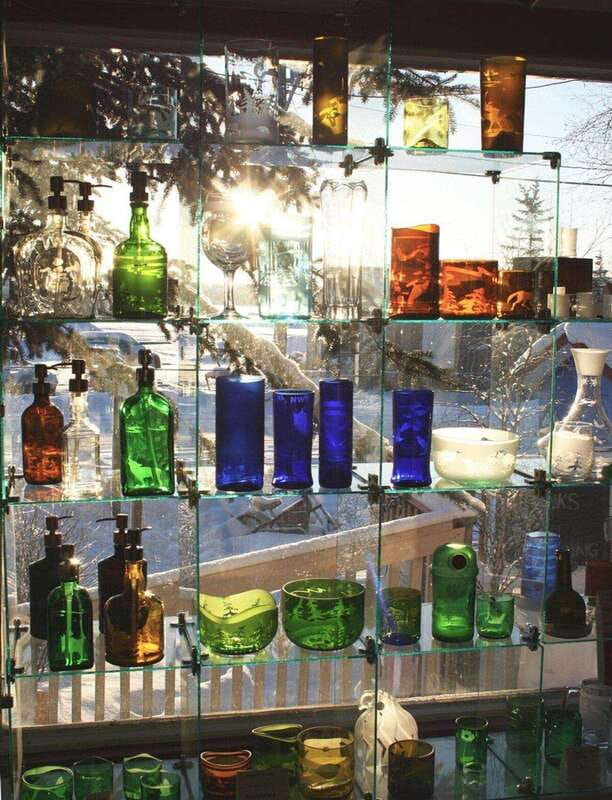
The workshop’s creative task is the stencil part. You’ll create your own design on a piece of glassware with help from your instructor.
Here’s the practical mindset I’d use: choose a design you can explain to yourself in one sentence. Simple shapes, bold lines, and clear placement tend to work better when you’re working within a guided session. The goal is a design you feel proud to pack in your suitcase.
Also, build in time to adjust. Stenciling is one of those activities where small decisions matter, like where your design sits on the glass. Having instructor support helps you avoid common placement mistakes, and it keeps the session moving at a good pace.
If you are the type who likes making something that is yours, not perfect, this is a great match. And if you are nervous about being “not artsy,” don’t be. The coaching is part of the deal.
Small group size (8 people) means real hands-on attention
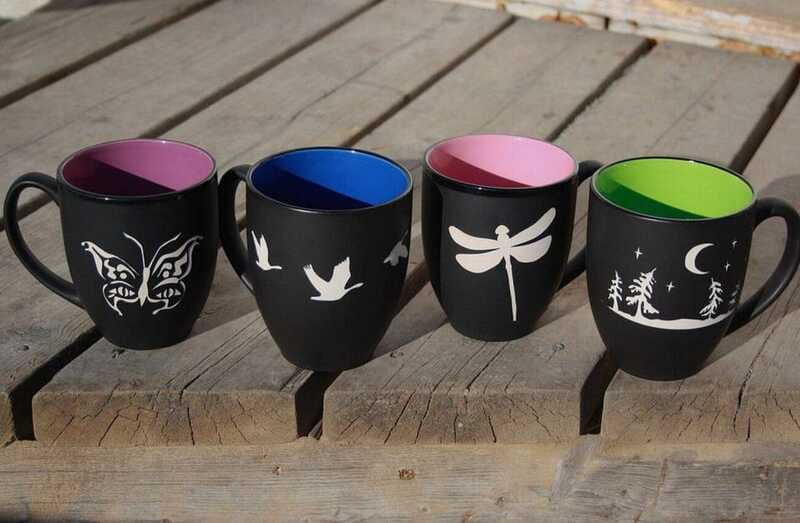
This is a small group workshop, limited to 8 participants. That detail is not just a comfort perk. It changes how the session feels.
In a small group, you get more time for questions and fewer awkward pauses. It also means the instructor can watch what you are doing and correct things early, before frustration kicks in. I found that reassuring, because glass art is not the place for guessing.
It also keeps the studio vibe friendly. The space feels like a working workshop, not a crowded tour stop.
Price and value: $80 for a two-hour souvenir you actually made
At $80 per person for two hours, this is not a “cheap and cheerful” activity. But it also isn’t priced like a typical tourist show.
You’re paying for:
- Instruction and guidance for cutting-adjacent work and your stencil design
- A demo that teaches you the main process steps
- A take-home item: one piece of OTG recycled glassware
A lot of souvenir shopping in Canada costs real money, but you still end up with something generic. Here, you get a personalized piece tied to your time in Yellowknife. That’s the value. You’re not just buying art, you’re buying the experience of making it in a real studio.
If you like crafts and you want something you’ll actually use or display later, the price starts to make sense fast.
Who this workshop suits best, and who might not love it
This is best for adults and older kids who enjoy doing something with their hands. It also suits travelers who want a break from the usual day in Yellowknife.
Based on what I’d expect from the session style, you’ll probably enjoy it most if you:
- Like creative, structured activities
- Want to learn a local studio process rather than just watch
- Are happy to focus on one design and one finished piece
- Want a souvenir with a story
Who might want to skip it:
- Families with children under 9, since it is not suitable for children under 9
- Anyone who cannot wear closed-toe shoes or who dislikes hands-on crafts at a workstation
- People who want a fully passive experience, because you’ll be actively creating
Before you go: simple prep that makes the session smoother
You do not need special craft gear. The basics matter.
Bring:
- Comfortable clothes
- Closed-toe shoes
That’s it. Closed-toe shoes matter because you are working around materials and tools, so you want feet that feel secure. Comfortable clothes help because you’ll be in a studio environment for the full session, and you’ll want to move easily while you work.
If you’re planning your day, this also pairs nicely with Yellowknife sightseeing. For example, if your trip has lots of evening aurora hunting and quick stops, this is a good daytime reset. It’s calm, creative, and productive, and you’ll still get that sense of you being in Yellowknife, not just passing through.
Should you book this Yellowknife glass etching workshop?
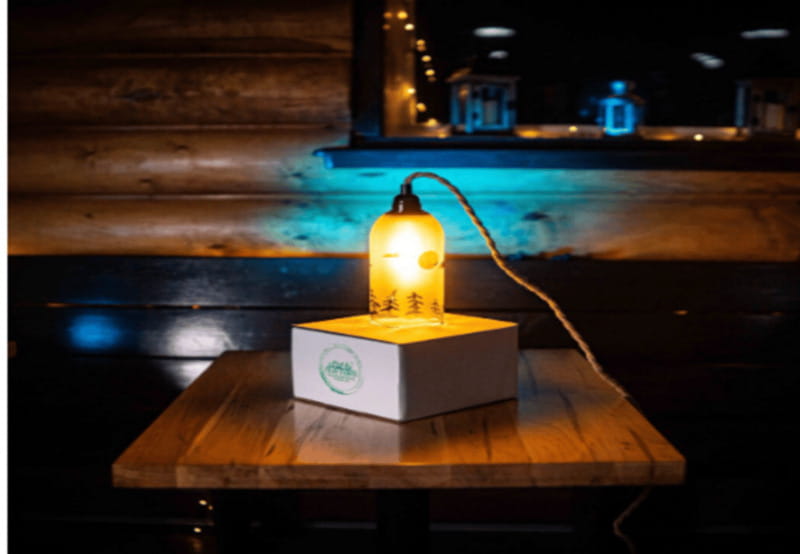
I think you should book it if you want a personal souvenir and you like learning by doing. The combination of a brief studio history, a bottle cutting and finishing demo, and hands-on stencil instruction makes this a solid value for $80, especially because you take home OTG recycled glassware.
Book it confidently if you care about details, like having an instructor guide your design placement and help you make something you can feel good about later. The studio is small group and cozy, which keeps the experience friendly and manageable.
Skip it if you’re traveling with children under 9, or if you want a strictly passive activity with no workstation time. This is a craft workshop, and you get the best experience when you lean into that.
If you’re on the fence, here’s my simple rule: if you’d rather make a souvenir than buy one, this is the one.
FAQ
How long is the Yellowknife glass etching workshop?
The workshop lasts about 2 hours.
What is the group size?
The group is limited to 8 participants.
Is it suitable for children?
It is not suitable for children under 9 years.
What should I bring?
Bring comfortable clothes and closed-toe shoes.
What’s included in the price?
You get a brief history of the space and organization, a demonstration of glass bottle cutting, grinding, and polishing, instruction on how to stencil your design on glassware, and one piece of OTG recycled glassware to take home.
What language is the instruction?
The instructor provides instruction in English.
Worth the Flight North




Just off the notebook: recent Yellowknife write-ups
- Cameron Falls Waterfall Tour
★ 5.0 · 4 reviews - Skydome Aurora Viewing
★ 5.0 · 5 reviews - Cameron Falls Tour Custom Waterfall Hiking
★ 5.0 · 5 reviews - Yellowknife: 2 Nights Aurora Hunting and Viewing in Cabin
★ 4.4 · 6 reviews - Yellowknife Sightseeing City Tour
★ 5.0 · 6 reviews - Bison Highway Road Tour
★ 5.0 · 6 reviews
Yellowknife, Yukon & Arctic Winter Tours, compared.
 ★ 5.0Northern Lights Tour YellowknifeFrom $74370 reviews
 ★ 4.8From Yellowknife: Northern Lights Bus Tour with PhotosFrom $72174 reviews
 ★ 5.0Yellowknife Tours – Aurora by busFrom $102141 reviews
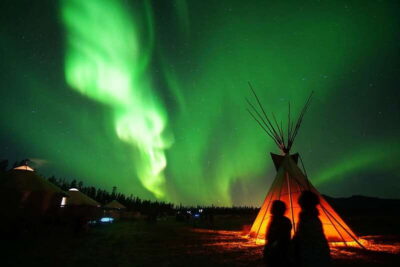 ★ 4.2Yukon: Aurora Borealis Late Night Viewing TourFrom $12278 reviews
 ★ 4.8From Yellowknife: Aurora Borealis Tour with Cozy Cabin BaseFrom $10365 reviews
 ★ 5.0Classic Churchill Polar Bear ExperienceFrom $8,28759 reviews
 ★ 5.0Yellowknife Bucket List City ToursFrom $11153 reviews
 ★ 4.5Ultimate Ice Fishing with LunchFrom $11246 reviews
Browse the lists this tour appears in