
REVIEW · WHISTLER & THE SEA TO SKY HIGHWAY
Whistler Half-Day Mountain Bike Tour
Three hours later, your legs love Whistler. This half-day Whistler mountain bike tour is built around small-group guidance and a flexible pace, with time set aside for views and skill checks. You also get a high-spec full-suspension ride, which makes the whole experience feel controlled, not chaotic.
I love the personal pacing. Your guide builds in stops and adjusts the plan as your comfort level changes, from easier stretches up to harder climbs and descents. I also love that you show up with the right gear already handled, since the tour includes a high-performance full-suspension mountain bike and a helmet.
One thing to consider: this is more about cross-country riding than pure, lift-heavy flow and jumps. You should expect climbing as part of the deal, and you’ll want at least moderate fitness for about three hours in mountain terrain.
In This Review
- Key things I’d watch before you go
- Why 3 hours is a smart Whistler mountain bike plan
- Meeting your guide and getting bike-adjusted in the first minutes
- How the ride adapts, from first-time confidence to enduro energy
- What you’ll actually do on the trail: climbs, descents, and view breaks
- The small-group bonus: learning with less waiting
- The bike choice: full-suspension cross-country that makes the trail friendlier
- Fitness and skill level: what moderate really means for this ride
- Price and value: $206.06 for a guided, gear-included half-day
- Weather matters, and you should plan for flexibility
- Who should book this Whistler Half-Day Mountain Bike Tour
- Should you book? My practical take
- FAQ
- How long is the Whistler Half-Day Mountain Bike Tour?
- Where does the tour start?
- What is included in the tour price?
- Do I need to bring my own bike or helmet?
- What group size should I expect?
- Is the tour suitable for beginners?
- Will I be contacted before the tour?
- What language is the tour offered in?
- What if the weather is poor?
- What is the cancellation policy?
Key things I’d watch before you go
- Max 3 riders: more attention, quicker feedback, and less waiting around
- Skill-based tailoring: the route and effort level adapt after a quick Q and A
- Full-suspension bike: less punishment on rough trail and more confidence on descents
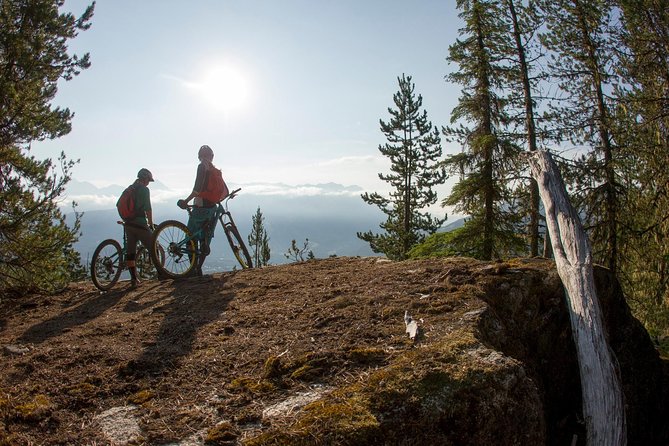
- View stops with Green Lake: you get pauses to actually look around, not just pedal through
- Cross-country focus: great for workout and progression, but not always the most flow-jump heavy day
The highway north, in more versions
- Zipline Adventure in Whistler★ 5.0 · 1,367 reviews
- Whistler Odyssey Tour: Off-Road Buggy Adventure★ 5.0 · 750 reviews
- Whistler Wilderness Run Snowmobile Tour★ 5.0 · 724 reviews
- 2 Hour Wilderness Adventure Snowmobile Tour in Whistler★ 5.0 · 610 reviews
Why 3 hours is a smart Whistler mountain bike plan
Whistler can be a time crunch. Lift lines, drive time, and a packed itinerary can steal your best energy. A half-day ride solves a big problem fast. You get real trails, real scenery, and a guided plan that does not require route research or bike logistics.
The other reason this format works so well is the pacing. Mountain biking is physical, but it does not have to be stressful. This tour is designed for outdoor adventurers of all levels, and the guide keeps the ride in a zone where you can learn and still have fun. That matters for beginners and it also matters if you want a solid workout without burning yourself out.
Meeting your guide and getting bike-adjusted in the first minutes
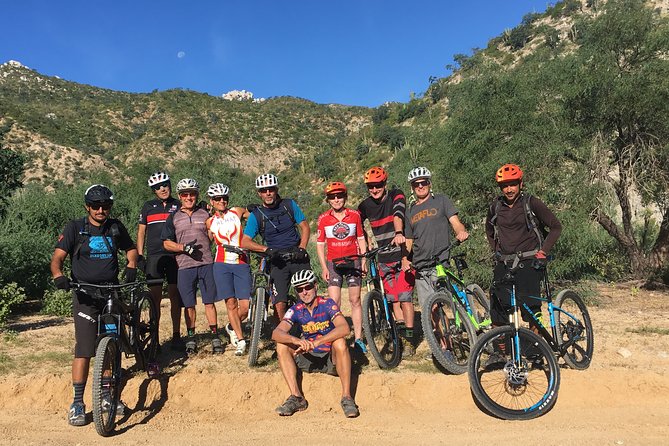
The tour starts with a meet-up with your guide. If you want to, you can be greeted at your lodging with the bikes, which cuts down on that annoying search for a pickup point. Once you’re together, you get introductions, bike adjustments, and a quick skills and experience check.
This is not just small talk. The guide is also doing triage in a good way, figuring out what you want from the ride and what you are physically ready for. Expect a Q and A about your skills and experience level, and you should get a plan that fits you rather than a one-size-fits-all loop.
One useful detail: you are contacted prior to arrival to assess your technical and physical ability and choose your tour type. That pre-trip check helps keep the first part of the ride from turning into guesswork. If you are new, that is a relief. If you are experienced, it helps the guide aim your day at the right kind of trails.
How the ride adapts, from first-time confidence to enduro energy
The big selling point here is adaptability. The tour is geared to outdoor adventurers of all levels, and the guide can tailor the route to match what you can handle and what you want to practice. In practice, that usually means you do not just get a fixed trail playlist. You get a guided progression.
In the stories tied to this tour, guides are praised for pushing riders just the right amount. One named guide, Kieran, gets credit for tailoring a ride for complete novices, building from flatter stretches into climbs and rewarding view breaks. Grant also shows up in the feedback as someone who customized the trip for a father and son, keeping the challenge fun instead of overwhelming.
You should also expect that the guide can offer a spicier option if you’re capable. The tour description explicitly mentions high performance enduro experiences for those looking for something more intense. Translation: this is not only for chill riders. It can flex toward harder riding, if that matches your ability.
More of Whistler at bike speed
What you’ll actually do on the trail: climbs, descents, and view breaks
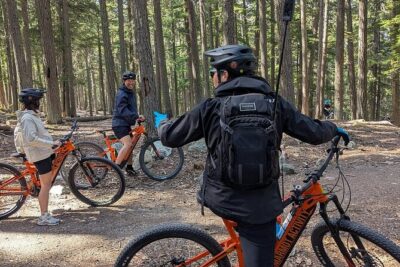
Even though the tour is half-day, the riding is not a lazy cruise. You’ll ride at a pace that suits you, and there are plenty of stops to admire the views. That structure matters more than people think. In mountain biking, if you never stop, you never get to reset. If you get to stop strategically, you ride calmer, you take better lines, and you learn without panic.
Based on the way riders describe their days, your route typically includes:
- Flatter stretches to get warmed up and build comfort
- Climbing that ramps the effort level through the ride
- Downhill sections where skill and confidence start to pay off
- Smoother fast-flowing trails alongside more challenging segments
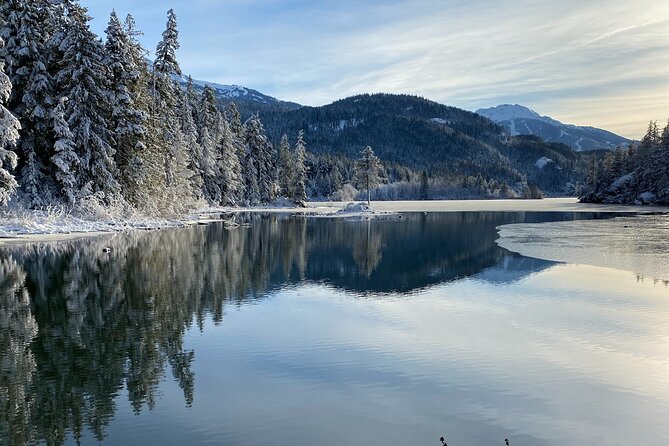
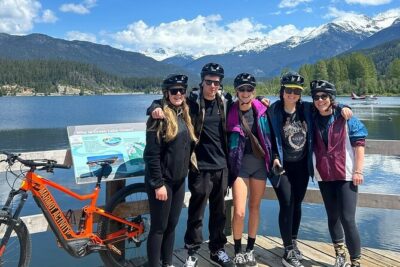
Green Lake and surrounding mountains come up as a standout view in the feedback. That tells me you’re not just chasing trail dust. You’ll get moments where the ride pauses enough for the scenery to land.
One careful note: if your dream Whistler ride is mostly flow trails with small jumps, you should set expectations. There’s at least one unhappy experience where the planned vibe shifted toward a cross-country style, with lots of climbing and a more technical feel than expected. That does not mean the tour is bad. It means you need to ask directly what kind of trails you’ll get, especially if flow-jump riding is the whole reason you booked.
The small-group bonus: learning with less waiting
A maximum group size of 3 travelers changes the whole experience. When the group is tiny, your guide can watch technique and adjust without doing a rolling cattle-call. You are less likely to get stuck behind slower riders or shoved ahead to figure things out on your own.
This structure also makes it easier to personalize. Riders describe the tour as very personalized, with guides making sure they are on trails that feel challenging but enjoyable. In other words, you should spend more time actually riding and less time in transit.
If you are a novice, the small group matters because technique feedback is faster. If you are more experienced, it matters because the guide can choose the line variety that fits your strengths, instead of diluting your ride for a bigger crowd.
The bike choice: full-suspension cross-country that makes the trail friendlier
You get a high-performance full-suspension cross country mountain bike plus a helmet. That combination is a big part of why a guided ride feels less intimidating. Full suspension helps smooth out rough sections, and it can make descents feel more controlled. It also helps riders stay relaxed, which is half the battle on technical trail.
This is not a studio lesson bike. It’s meant to be ridden. You can likely expect a day where you feel the terrain, work through climbs, and then enjoy the payoff on descents.
The helmet inclusion is also a quiet win. It removes one more thing from your to-do list. You show up, you ride, you focus on learning.
Fitness and skill level: what moderate really means for this ride
The tour calls for moderate physical fitness. That does not automatically mean you need to be in race shape. It does mean you should be prepared for three hours of pedaling and some climbing in a mountain setting.
The guide’s job is to set the effort level that matches your ability. That can mean a slower pace, more time on easier stretches, and more learning stops for beginners. It can also mean more challenge if you want to work harder.
If you have never ridden mountain bikes before, you should go in with a realistic mindset. You will likely be learning body position, braking habits, and how to handle uneven trail. The good news is that the tour is adapted for beginners, and multiple accounts highlight how novices still had a great time when the guide tailored the ride.
If you are injury-prone or recovering, the safety focus matters. There’s a response in the feedback emphasizing that safety and well-being are paramount and that choices may change when riders are not able to reach certain goals. That’s the right attitude in a mountain environment, even if it can be disappointing when you had your heart set on one specific trail style.
Price and value: $206.06 for a guided, gear-included half-day
At $206.06 per person, this tour is not cheap. But when you look at what’s included, the value story is pretty clear.
You’re paying for:
- An expert local guide
- A high-performance full-suspension bike
- A helmet
- A small-group experience with pacing and route tailoring
The biggest value is time saved. Whistler MTB planning can quickly become a second vacation project. You need to choose trails, figure out route options, consider your skill level, and handle bike and safety gear. This tour packages that work into a simple plan that starts with adjustments and ends with you riding real terrain without needing to be an expert planner.
The other value is risk reduction. A guide helps you ride more confidently, especially if you’re new. Confident riders have more fun. Less stress also means better photo stops and clearer memories.
Should you still consider a cheaper DIY option? Maybe, if you are a confident rider with your own bike and you already know exactly what trails you want. But for most people visiting Whistler with limited time, this is a very efficient way to get on good trails without sorting the puzzle.
Weather matters, and you should plan for flexibility
This experience requires good weather. That’s not a sales line, it’s trail reality. Mountain biking is slippery, visibility changes, and trail conditions can make a big difference fast.
If it does get canceled due to poor weather, you should expect options like a different date or a full refund. In practice, that means you’ll want to keep your schedule flexible around your ride day. Pick a day when you have a cushion, not one where you’re rushing out to the next town right after.
Who should book this Whistler Half-Day Mountain Bike Tour
Book it if you want:
- A guided Whistler MTB experience without route planning
- A small-group setup where you can get feedback
- A full-suspension ride that helps you stay comfortable and in control
- A mix of riding, including climbs and descents, plus scheduled view breaks
You might hesitate if:
- Your priority is mostly flow trails and jump lines, with minimal climbing
- You are expecting a very specific trail style that is very different from cross-country riding
- You know you need a no-exertion or very easy day (the tour calls for moderate fitness)
If you’re somewhere in the middle, this is exactly the kind of tour that can fit. You’ll get help calibrating the effort to your ability, and you can often steer the day toward what you want as long as you communicate clearly at the start.
Should you book? My practical take
If your goal is to get on mountain bike trails in Whistler with minimal hassle, and you’re open to a ride that includes climbing and a mix of trail types, I’d book this. The combination of small group size, included bike and helmet, and guide tailoring is a strong value for a half-day format.
Before you reserve, do one simple thing: decide what you mean by fun. If fun to you means flow-jump trails with little climbing, ask the guide directly what trail style you’ll actually ride. If fun means views, progression, and a guided route that meets your fitness level, this tour is built for you.
FAQ
How long is the Whistler Half-Day Mountain Bike Tour?
The tour runs about 3 hours.
Where does the tour start?
You’ll be greeted by your guide at your lodging with the bikes if required, then you’ll do introductions, bike adjustments, and a skills Q and A.
What is included in the tour price?
The tour includes an expert local guide, a high-performance full-suspension cross country mountain bike, and a helmet.
Do I need to bring my own bike or helmet?
No. The bike and helmet are included.
What group size should I expect?
This tour has a maximum of 3 travelers.
Is the tour suitable for beginners?
It’s adapted for outdoor adventurers of all levels. You’ll discuss your technical and physical ability with your guide so the ride can be matched to your experience.
Will I be contacted before the tour?
Yes. You’ll be contacted prior to arrival to assess your technical and physical ability and choose your tour type.
What language is the tour offered in?
The tour is offered in English.
What if the weather is poor?
This experience requires good weather. If it’s canceled due to poor weather, you’ll be offered a different date or a full refund.
What is the cancellation policy?
You can cancel up to 24 hours in advance for a full refund. If you cancel less than 24 hours before the start time, the amount paid will not be refunded.
Whistler on Two Wheels
The Road North to Whistler
Just off the notebook: recent Whistler write-ups
- Whistler: Guided Wilderness Hike
★ 5.0 · 4 reviews - Paradise Valley: Bee Adventure Tour!
★ 5.0 · 4 reviews - From Vancouver: Shannon Falls and Whistler Sightseeing Tour
★ 4.1 · 4 reviews - Whistler Helicopter Tour: Glaciers and Black Tusk
★ 4.8 · 5 reviews - Whistler Family Buggy Easy Tour
★ 5.0 · 5 reviews - Whistler: Axe Throwing Experience
★ 5.0 · 6 reviews
Whistler & the Sea to Sky Highway, compared.
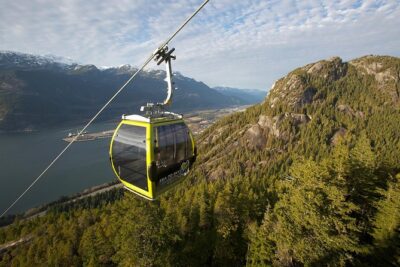 ★ 5.0From Vancouver: Whistler & Sea to Sky Gondola with Shannon FallsFrom $1731,640 reviews
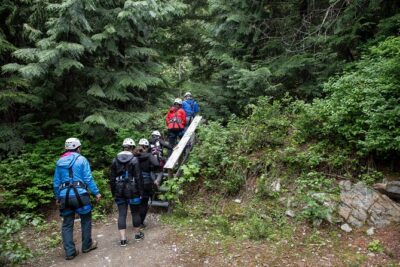 ★ 5.0Zipline Adventure in WhistlerFrom $1261,367 reviews
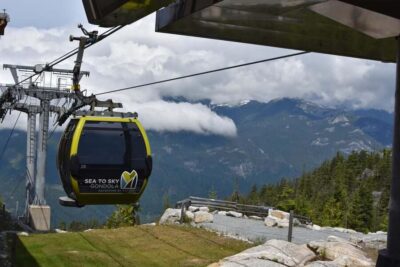 ★ 4.8Whistler, Sea to Sky Gondola, and Shannon Falls Day TripFrom $1411,134 reviews
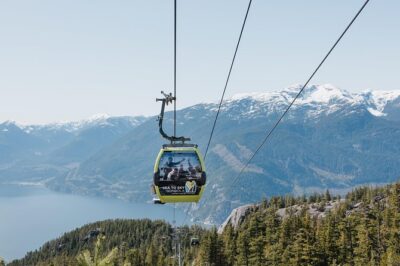 ★ 5.0Whistler and Sea to Sky Gondola Tour + Shannon FallsFrom $161882 reviews
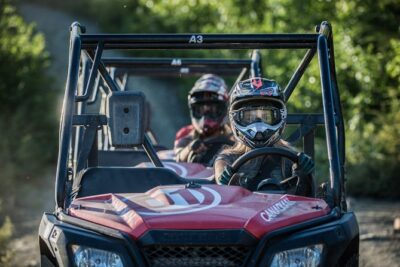 ★ 5.0Whistler Odyssey Tour: Off-Road Buggy AdventureFrom $275750 reviews
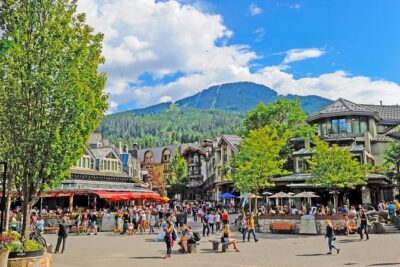 ★ 4.5Whistler & Sea to Sky Gondola Day Trip from VancouverFrom $185725 reviews
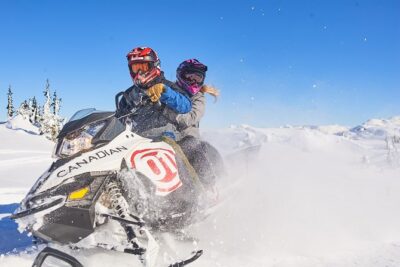 ★ 5.0Whistler Wilderness Run Snowmobile TourFrom $236724 reviews
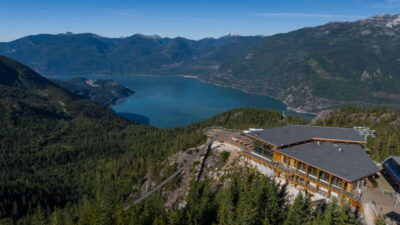 ★ 4.7Vancouver: Sea to Sky Gondola and Whistler Day TripFrom $156636 reviews
Browse the lists this tour appears in