
REVIEW · TORONTO ATTRACTIONS & CN TOWER TICKETS
Toronto: Bata Shoe Museum Entrance Ticket
Toronto’s shoe museum is not what you expect. The Bata Shoe Museum packages serious footwear history into a bright, modern space, and it does it across four gallery areas with rotating shows. I love how the visit follows 4,500 years of footwear evolution, and I also like that the exhibitions connect shoes to everyday life and changing cultures, not just fashion.
One thing to consider: the lower level seems to pull in a lot of the most chronological material, and one review noted that washrooms were more convenient on that level than in the middle rooms. If you plan a lot of back-and-forth during your visit, map your route as you go.
In This Review
- Key Highlights Worth Your Time
- Bata Shoe Museum Tickets: A Shoebox Stop on Bloor Street West
- What the Ticket Actually Buys You (and Why It Feels Like More Than $11)
- Entering the Museum: First Impressions and How to Start Smart
- All About Shoes: The 4,500-Year Anchor Exhibition
- Rotating Gallery Spaces: Shoes as Social History, Not Just Fashion
- A Realistic 1-Day Game Plan: How Long to Spend and What to Skip
- Architecture, Comfort, and Getting the Most Out of a Casual Visit
- Who This Works For (and Who Might Want a Different Museum)
- Price, Value, and Nearby Museum Pairings in Toronto
- Should You Book Bata Shoe Museum Entrance Tickets?
- FAQ
- Where is the Bata Shoe Museum located?
- How much is the entrance ticket?
- How long is this experience?
- Is WiFi included during my visit?
- Is the museum wheelchair accessible?
- What language is the host or greeter?
- Are there any rules about what is not allowed?
- Is free cancellation or reserve-and-pay-later available?
Key Highlights Worth Your Time
- 4,500 years of footwear history, organized so you can understand how design and function changed over time
- Four gallery spaces with rotating exhibitions, so repeat visits can feel different
- Social history through shoes, where footwear becomes a lens on culture, work, and identity
- All About Shoes as a strong anchor, especially for older artifacts and context
- Complimentary WiFi on-site, handy for directions and museum notes
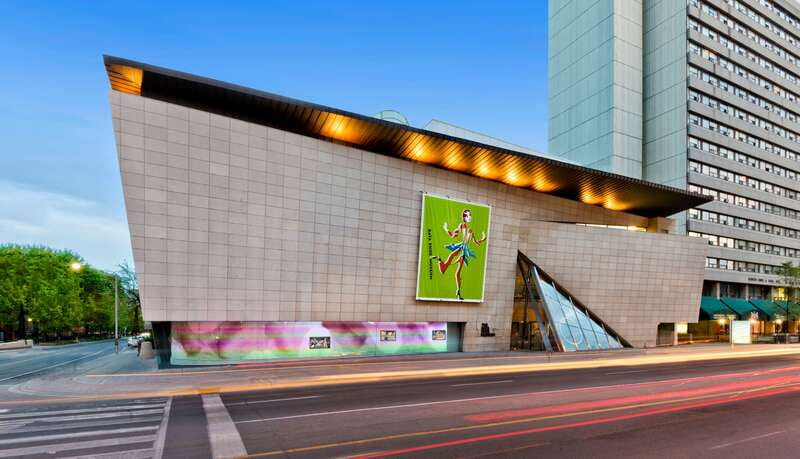
- Iconic architecture: a shoebox-shaped building by Canadian architect Raymond Moriyama
Bata Shoe Museum Tickets: A Shoebox Stop on Bloor Street West
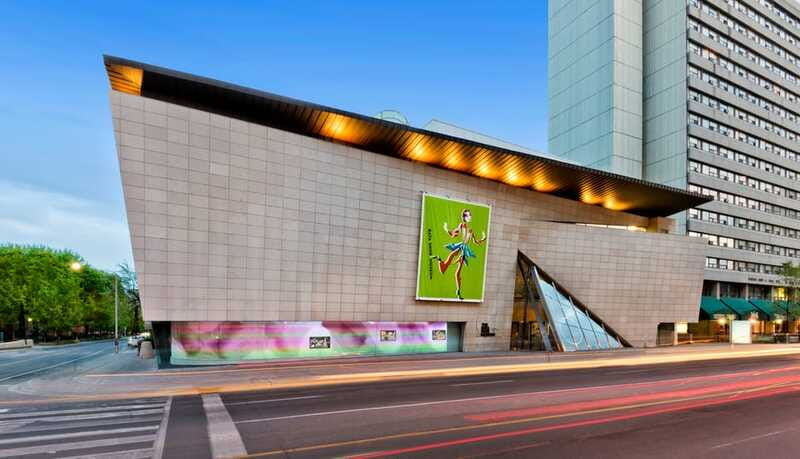
The Bata Shoe Museum is one of those places that makes you rethink what a museum can be. It lives on 327 Bloor Street West, in a striking, light-filled building that looks like a shoebox from the outside, designed by the Canadian architect Raymond Moriyama. That shape matters, because it helps you feel oriented quickly once you’re inside: spaces are roomy, and the building does not try to hide its own layout.
If you’re coming from downtown, you can reach it by subway, car, or Uber. Parking is available nearby, and you may find both street spots and paid parking within walking distance. For practical planning, I suggest giving yourself some buffer time, especially if you’re pairing this with other downtown sights. This museum works well as a one-off cultural stop, but it also slots nicely into a day of museums in central Toronto.
The ticket itself is straightforward: general admission, valid for a day. You’ll want to check available starting times, because your entry slot can affect how crowded things feel when you start exploring. Once you’re in, there’s free WiFi on-site, which is surprisingly useful if you like to read museum background info on your phone while you stand in front of a display.
What the Ticket Actually Buys You (and Why It Feels Like More Than $11)
At $11 per person, this is one of Toronto’s best-value cultural admissions. The price point is especially good if you’re the type who needs to justify museum time with real content. Here, you’re not just looking at shoes in cases. The museum collects, researches, preserves, and exhibits footwear from around the world, then turns all that into a set of exhibitions that help you understand what you’re seeing.
You’ll get:
- General admission to the museum
- Complimentary WiFi during your visit
Value comes from two places. First, you get a long historical sweep, described as a journey through 4,500 years of footwear history. That’s a lot of timeline for one ticket. Second, you get four gallery spaces with rotating exhibitions. Even if you take your time and come back for another round later in a future season, the museum is set up so it doesn’t feel like a static checklist.
One practical note from visitor comments: some people were surprised at the price, then ended up thinking it was underpriced after seeing the collection quality in person. That tracks with what you tend to find at museums that spend time on research and exhibit design, not just display objects.
Entering the Museum: First Impressions and How to Start Smart
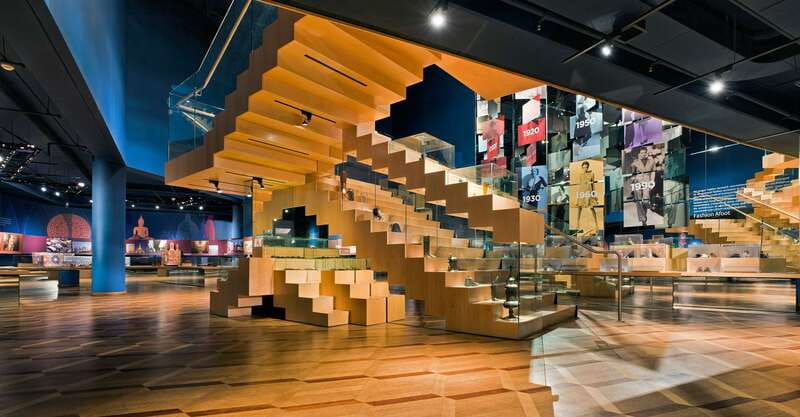
When you walk in, the architecture does some of the work for you. The interior is spacious and bright, with the museum’s design letting you move around without feeling squeezed. That matters because footwear collections often have small details, textures, and construction elements you may want to study up close.
My suggestion is to start with orientation rather than speed. Look at how the gallery areas are laid out, then decide your order. Since the museum is known for strong historical storytelling in parts of the space, you can build your visit around your interests. If you like a clear timeline, lean toward the older artifacts first. If you’re more curious about design, materials, or style changes, you may want to begin where the displays give you more visual variety.
Also, if you like having your notes handy, use the on-site WiFi to search the museum’s background info quickly. That can make the reading in front of displays more rewarding, because you can connect what you’re seeing to broader context.
All About Shoes: The 4,500-Year Anchor Exhibition
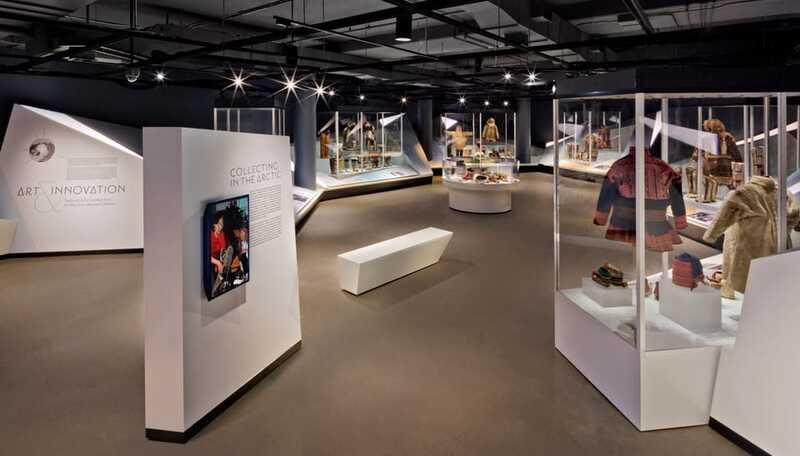
A standout part of the experience is the exhibition described as All About Shoes. This is where the museum’s chronological strength shows up. It’s the sort of display that helps your brain stop thinking of shoes as separate items and start thinking of them as tools that reflect climate, labor, social status, and cultural exchange.
What I like about this approach is that it gives you a framework before you wander. Once you have the timeline in your head, everything else you see starts to “click.” You’re better at spotting how footwear design responds to needs, like protection, mobility, and comfort. And you’re also better at seeing how footwear can signal identity.
In visitor feedback, the permanent exhibition in the basement came up as a favorite for its story. People appreciated the way it explains how shoes got to where they are today, and the older historical artifacts were described as especially informative. So if you like history that’s laid out clearly, don’t treat the basement content as optional. It’s often the backbone of the visit.
If you’re the type who wants amenities close at hand, there’s one practical consideration. One review specifically wished washrooms were more convenient in the middle rooms instead of being concentrated in the basement area. The fix is simple: plan a quick stop before you move deeper into the lower level, and don’t rush your route.
Rotating Gallery Spaces: Shoes as Social History, Not Just Fashion
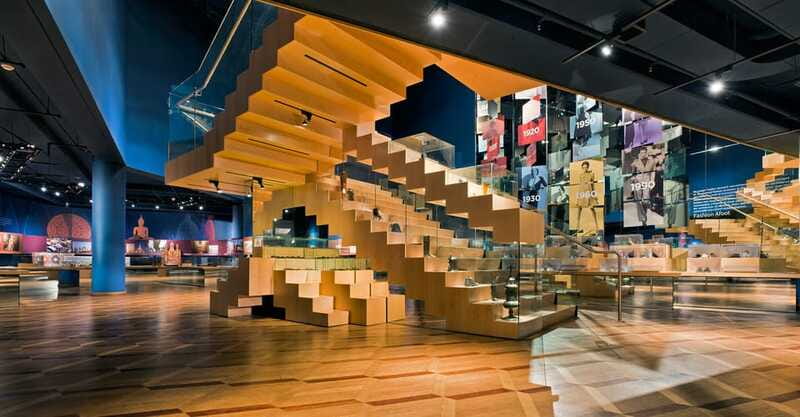
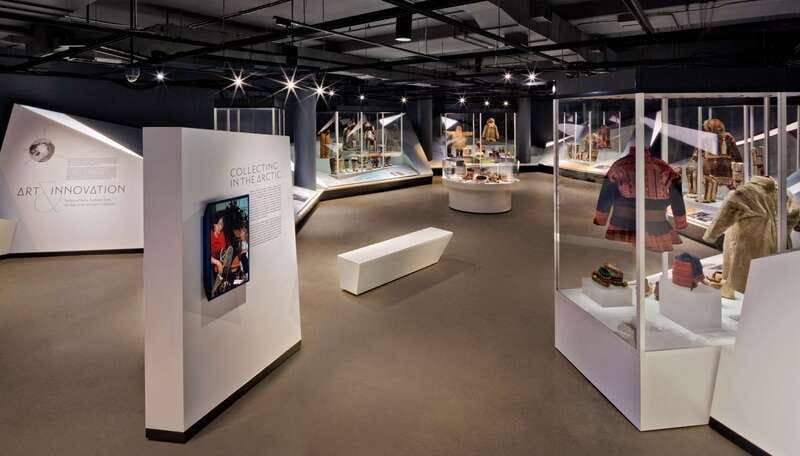
Beyond the main historical anchor, the museum’s format is what keeps the experience lively. The museum uses four innovative gallery spaces with rotating exhibitions. That means you’re not stuck with the same walkthrough every time you visit. Rotating shows also help you shift your mindset from “shoe collecting” to “shoe meaning.”
This is where social history comes in. Instead of isolating footwear as objects, the museum treats shoes as part of daily life and broader cultural patterns. That might mean thinking about what people wore, how and why footwear changed, and what different styles communicated in their time.
A detail I found useful in visitor comments: one person mentioned an exhibition featuring Manolo Blahnik. That’s a good example of how the museum can connect high-end design to the wider story of footwear. If a fashion-driven show is on during your visit, it can add sparkle without losing the museum’s historical purpose.
For you, the practical benefit is that rotating exhibitions let you customize your visit. If you love craftsmanship, you can focus on design and construction. If you love culture, you can focus on how styles travel and what they signal. If you’re traveling with mixed interests, rotating spaces make it easier for everyone to find something they enjoy.
A Realistic 1-Day Game Plan: How Long to Spend and What to Skip
Your ticket is valid for one day, and the museum runs on entry times. So you have flexibility. The real question is how to pace yourself.
Based on feedback, a common plan is to spend about an hour or two. That range works well if you’re:
- Reading the labels
- Looking at footwear closely
- Pausing for standout displays
- Moving without feeling frantic
If you only have a short window, prioritize the All About Shoes sections first, then move to whichever rotating gallery feels most aligned with your curiosity that day. The rotating exhibitions are often the most visually different areas, so they’re a good closer to your visit because they break the momentum of a purely chronological read.
If you have more time, linger. Footwear is one of those topics where small details matter. A slightly different stitching pattern, a worn sole, or the way materials are chosen can tell you more about daily life than you’d expect. Also, if you like taking notes or checking background info, use the free WiFi on-site to support your reading.
What you can skip is also worth mentioning. If you’re not into every single case, you don’t need to treat it like a catalog. Pick the sections that match your interest, then do deeper looking there rather than skimming everything equally.
Architecture, Comfort, and Getting the Most Out of a Casual Visit
This is a museum where the building helps the experience. The bright interior and spacious feel reduce that classic museum problem of claustrophobic crowds and frantic movements. The shoebox design also makes the building’s purpose feel obvious and fun, even while you’re looking at serious artifacts.
Comfort is usually solid, but remember the washroom location note from visitor feedback. If you’re likely to take breaks often, plan for that as you move across floors. That one small adjustment can make your visit feel smooth instead of interrupted.
One more comfort tip: if you’re sensitive to getting stuck in one spot for too long, set a small personal rule. For example, spend a set amount of time in one gallery area, then switch. Rotating exhibitions can make that easy, since the displays change focus naturally.
Who This Works For (and Who Might Want a Different Museum)
This museum is a great match if you like history, design, or cultural storytelling. Shoes are everywhere in daily life, so it’s an accessible starting point, but the museum treats the topic seriously. You get context, materials, and timelines, not just eye candy.
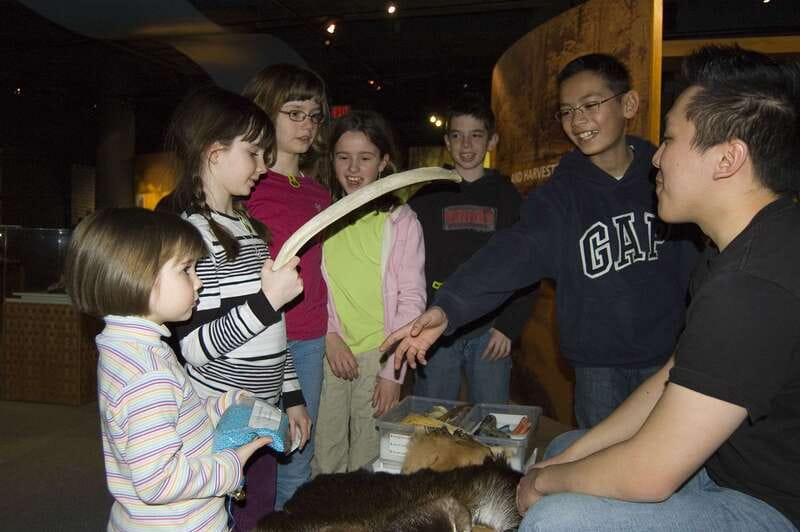
It also fits families and pairs well with mixed-age groups. One comment highlighted it as a good choice for a mom-and-daughter day, which tells you it can work beyond a strict adult-only museum vibe.
You might want to think twice if you’re expecting constant audio-visual immersion. One visitor wished for an audio/visual presentation to make the experience even more helpful. The museum is strongly object and label driven, so it helps if you enjoy reading and looking closely.
Price, Value, and Nearby Museum Pairings in Toronto
At $11, you are paying for a lot of content: a long historical arc plus rotating exhibitions across multiple gallery areas. That combination is what makes the value feel real. If you like the kind of museum where each stop is a slightly different mood, four gallery spaces helps.
If you’re building a Toronto museum day, it may also be worth checking whether you can combine admission with other nearby institutions. One visitor specifically mentioned pairing a pass with the Textile Museum and the Gardiner Museum for a better deal. Even if the exact offer changes, the idea is sound: if you already plan to do more than one museum stop, you can often improve overall value by bundling.
Finally, remember that good value can still be personal. If shoes are not your thing, you might still enjoy the social history angle, but you may not get the same payoff. If you like how everyday objects reflect human life, you’ll probably find it very satisfying.
Should You Book Bata Shoe Museum Entrance Tickets?
Yes, I think you should book if you want a low-cost museum experience with real depth and strong exhibit design. The $11 price is hard to beat for four gallery areas and a 4,500-year footwear timeline. Add the free WiFi on-site and the architecturally distinctive building, and it becomes an easy “fit it into your day” choice in central Toronto.
If you’re deciding last-minute, base your choice on your reading style and interests. If you enjoy labels, historical context, and close looking at objects, this is a smart pick. If you mainly want heavy audio-visual storytelling, you may want to pair it with something more media-forward so the day has more variety.
If you’d like, tell me what else you’re doing in Toronto that day. I can help you place the museum into an efficient route, so you do not burn time crisscrossing the city.
FAQ
Where is the Bata Shoe Museum located?
The museum is at 327 Bloor Street West, Toronto.
How much is the entrance ticket?
The price is listed as $11 per person.
How long is this experience?
It’s described as valid for 1 day.
Is WiFi included during my visit?
Yes. Complimentary WiFi is available on-site.
Is the museum wheelchair accessible?
Yes, the museum is wheelchair accessible.
What language is the host or greeter?
English.
Are there any rules about what is not allowed?
Smoking is not allowed.
Is free cancellation or reserve-and-pay-later available?
Yes. You can cancel up to 24 hours in advance for a full refund, and you can reserve now and pay later (pay nothing today).
Toronto Attractions & CN Tower Tickets, compared.
 ★ 4.7Toronto: Casa Loma Entry TicketFrom $292,705 reviews
 ★ 4.7Toronto: Ripley’s Aquarium of Canada Entry TicketFrom $331,748 reviews
 ★ 4.6Toronto: Royal Ontario Museum Admission TicketFrom $191,237 reviews
 ★ 4.5Toronto Premium Small Group Driving Tour with CN TowerFrom $128833 reviews
 ★ 4.5Royal Ontario Museum AdmissionFrom $19411 reviews
 ★ 4.7Ripley’s Aquarium: Sharks After Dark Entry (After 5PM)From $33401 reviews
 ★ 4.7Toronto: Hockey Hall of Fame Entry TicketFrom $18393 reviews
 ★ 4.5Hockey Hall of Fame Admission TicketFrom $18376 reviews
Browse the lists this tour appears in