
REVIEW · TOFINO, NANAIMO & ISLAND ESCAPES
Port Hardy: Sea Otter and Whale Watching
Cold water, loud calls, big sights.
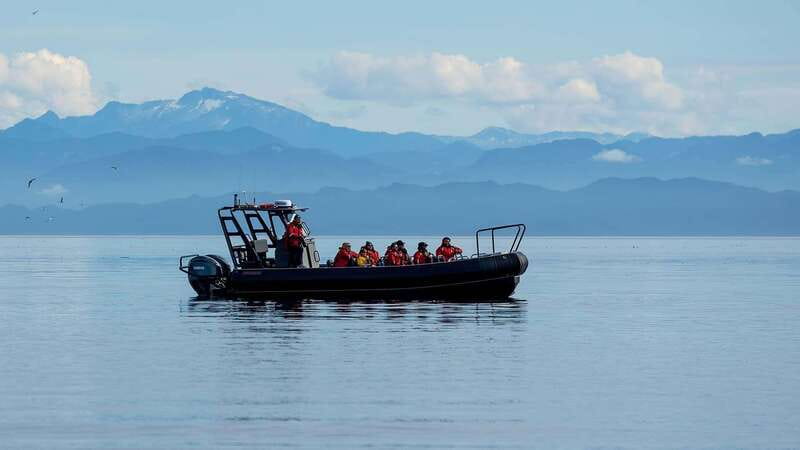
This Port Hardy outing is a practical, small-boat way to chase marine life off northern Vancouver Island waters, with the added bonus of hearing whales through an onboard hydrophone. You get a high-speed search pattern over Kwakwakaʼwakw First Nations territories, plus comfortable gear so you can actually enjoy the ride while you scan for sea otters and whales.
I especially like the RHIB setup with individual seats on shock-mitigating suspension platforms, so the speed does not turn into a full-body workout. I also like that your guides bring local context and help you spot wildlife without acting like you are on a theme park tour, even when conditions are foggy.
One consideration: this trip is not for everyone, since it is not suitable for people with back problems or those prone to seasickness.
In This Review
- Key things I’d pin on the map
- Port Hardy RHIB Comfort and Small-Group Vantage Points
- Kwakwakaʼwakw Waters and How the Search Actually Works
- Sea Otters and Whales: What You Can Realistically Expect
- The Hydrophone Advantage: Hearing Whales, Not Just Spotting Them
- Photography That Actually Works in Real Weather
- Lunch, Hot Drinks, and Staying Warm for Hours
- Indigenous Guides, Respectful Approach, and AJ’s Close-Range Spotting
- Price and Value: Is $276 Worth It?
- Who Should Book This Port Hardy Whale Watch (and Who Should Skip)
- Should You Book Coastal Rainforest Safaris in Port Hardy?
- FAQ
- Where is the meeting point for the tour?
- How early should I arrive?
- How long is the Port Hardy sea otter and whale watching tour?
- What is included in the price?
- Is free cancellation available?
- What should I bring, and what is not allowed?
Key things I’d pin on the map
- Comfort-first RHIB design with suspended seats for a smoother ride
- Hydrophone listening so you are not just watching whales, you are hearing them too
- Local Indigenous guides sharing respectful, place-based wildlife guidance
- Wildlife photography friendly with binoculars and stable viewing positions
- Warm, included gear like two-piece flotation suits, warm hats, and hot drinks at lunch
- Real small group feel on a 12-passenger boat, not a cattle-call setup
Still shortlisting? Here is how a few other Port Hardy bookings stack up.
- Cape Scott: San Josef Bay Day Hike with Scenic Drive★ 5.0 · 11 reviews
Port Hardy RHIB Comfort and Small-Group Vantage Points
Port Hardy is a smart launch point for northern Vancouver Island marine life, and this experience leans into the best part of boat-based wildlife watching: you can cover more water than you would on foot. The ride itself matters here, because whale watching on rougher days can be miserable if you are stuck on hard benches. I like that the boat is purpose-built as 12-passenger wildlife viewing RHIBs with individual seats mounted on shock-mitigating suspension platforms.
That design change sounds small until you are actually there. When the vessel moves fast and the waves stack up, suspension seating takes the edge off the bounce. You can focus on scanning for blows on the horizon or a sea otter popping up near the surface, instead of bracing and shrinking into your jacket.
You are also not arriving totally unprepared. Before you head out, you are outfitted in two-piece flotation suits and given warm hats and binoculars. The suits are a big deal in this area where wind and spray can turn a cool day into an uncomfortable one. Plus, there is an onboard toilet, which sounds like a minor detail until you are on the water for several hours.
Kwakwakaʼwakw Waters and How the Search Actually Works
This is not a slow cruise with one long look in one direction. The boat can cover extensive areas, which increases your odds of finding animals during a single tour window. You start from Port Hardy and head out over northern waters tied to the traditional lands and waters of the Kwakwakaʼwakw First Nations.
That context is more than a label. It shapes how the guides think about approach and distance. The goal is to be in the right place, at the right time, with the right kind of attention. You cannot control the sea or the animals, so sightings depend on conditions. What you can control is how well the guides read the water, adjust the route, and keep you engaged instead of wandering aimlessly.
The trip is fully guided by a local driver and naturalist, and the guides also use what they know about the local waters to help you understand what you are seeing. On days when visibility is lower, the planning has to work harder. Fog is a real part of August in this region, and the guides still push the search while keeping the experience calm and respectful.
Sea Otters and Whales: What You Can Realistically Expect
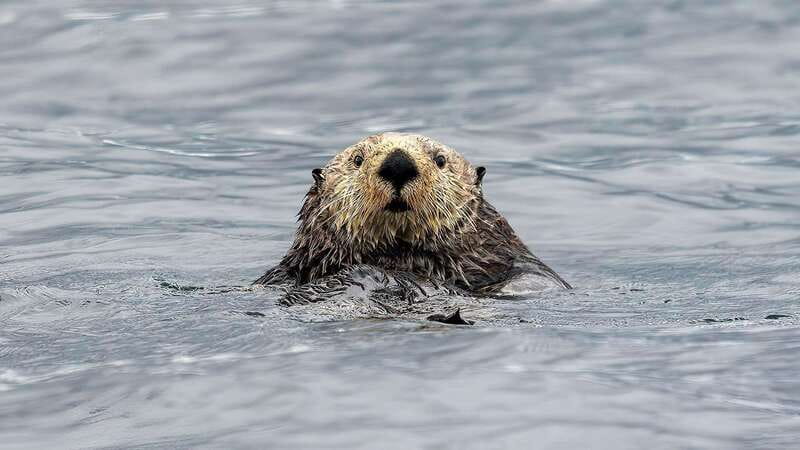
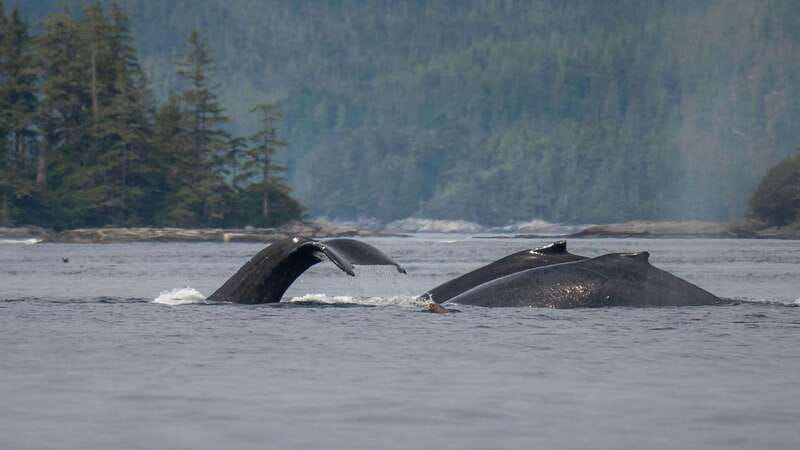
Sea otters and whales are the headline targets, and the chance of seeing them is a big part of why this tour is popular. You are in an area where marine wildlife can show up close enough for good viewing, especially when you move with purpose and keep scanning.
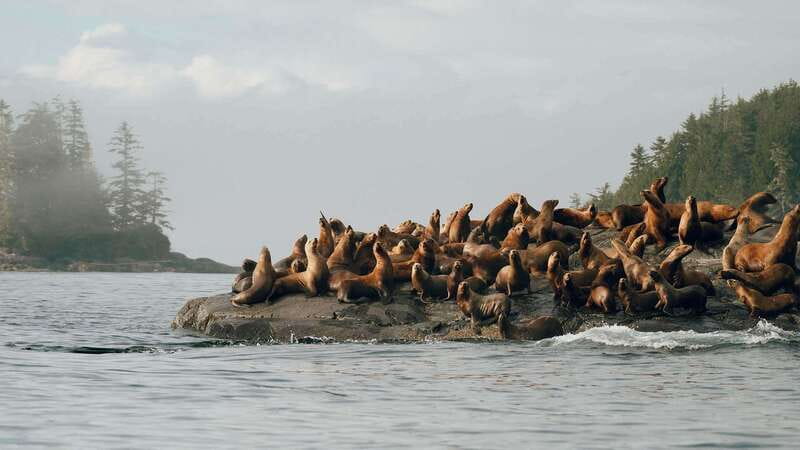
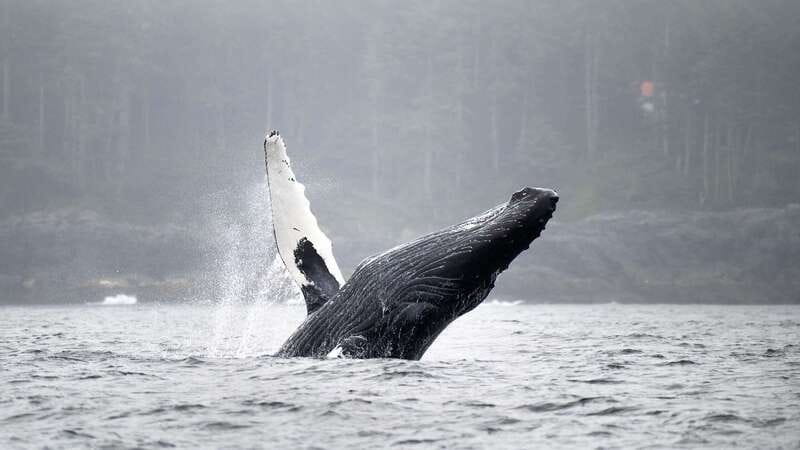
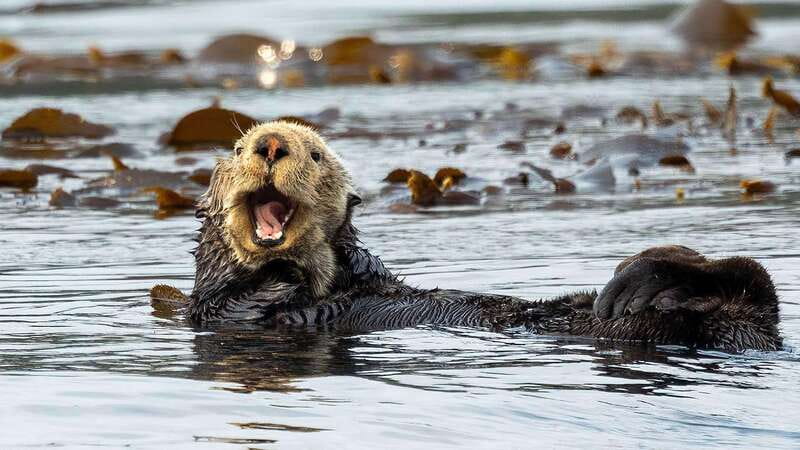
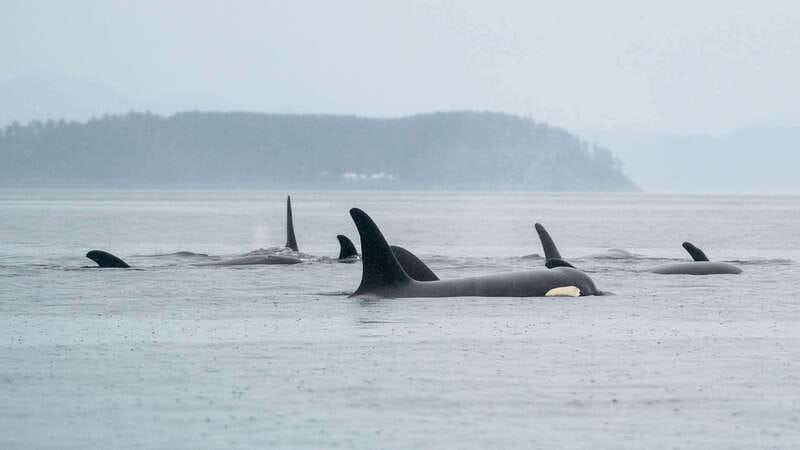
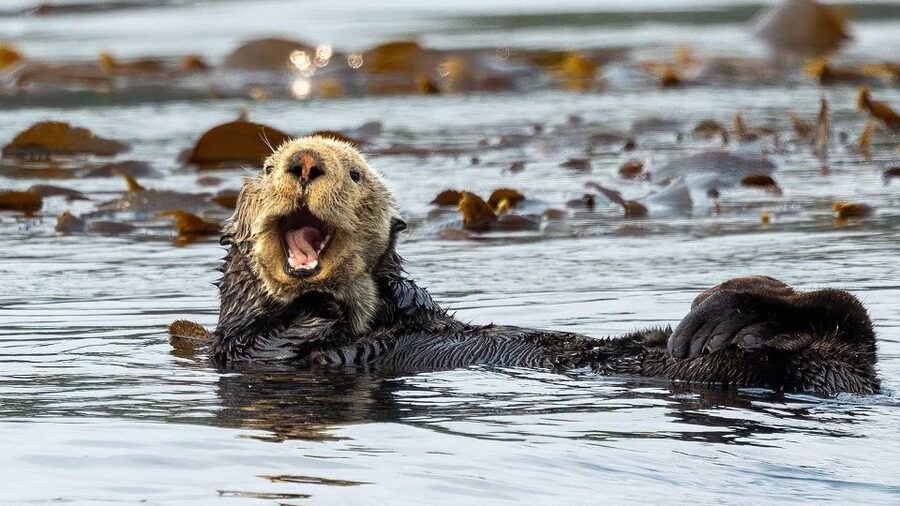
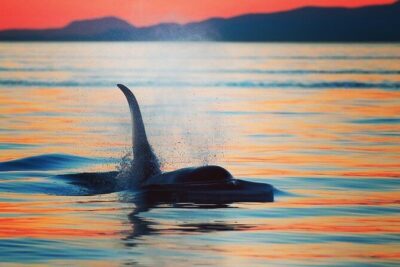
From the names and animals described on the day, sea otters are part of the mix, along with multiple whale sightings. Orcas are one of the standout species people hope for, and there are multiple moments in the provided experiences where orcas show up even when weather is not ideal.
Here is the honest part: no one can guarantee specific species on any given departure. Still, the tour design helps. Small boat size means you are not buried under a wall of people between you and the water, and the ability to search a wider area means you are more likely to hit active zones where animals are feeding or traveling.
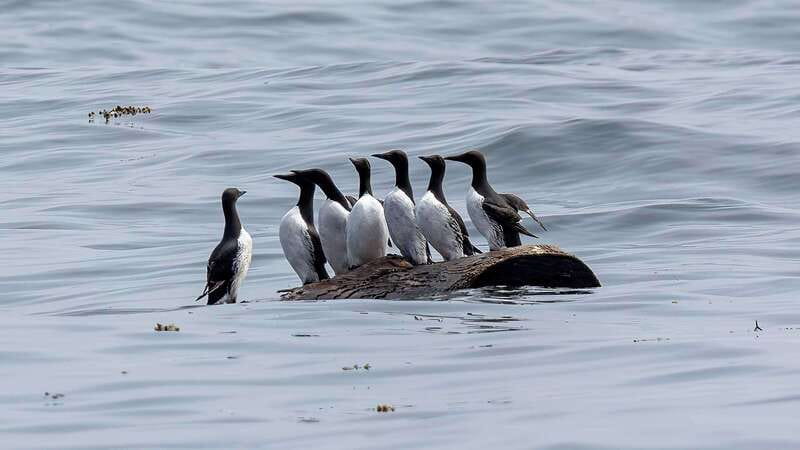
Also watch for the “other diverse marine wildlife” factor. Even if the whale moment is the main event, the trip is built so you are not ignoring everything else. When sea otters are visible, when birds are circling, when you see surfacing patterns, those add up to a full wildlife experience instead of a one-hit show.
The Hydrophone Advantage: Hearing Whales, Not Just Spotting Them
A lot of whale watching is visual. This adds a different sense: an onboard hydrophone to listen for whale calls. That matters because whale behavior is not always synchronized with what your eyes can catch. A whale might be present but not immediately surfacing, or it might be moving in a way that puts you just out of the best viewing angle.
With the hydrophone, you can connect what you hear with what you see. It also helps you feel like you are doing more than waiting. Even before a sighting locks in, you have a tool that makes the water feel alive, not empty.
The hydrophone also supports the educational side of the day. The guides share explanations and anecdotes while you listen, so you are not just collecting photos, you are learning how the animals communicate and move through these waters. This is a good fit if you like nature facts, but also a good fit if you just want your brain busy while you wait for the next blow.
Photography That Actually Works in Real Weather
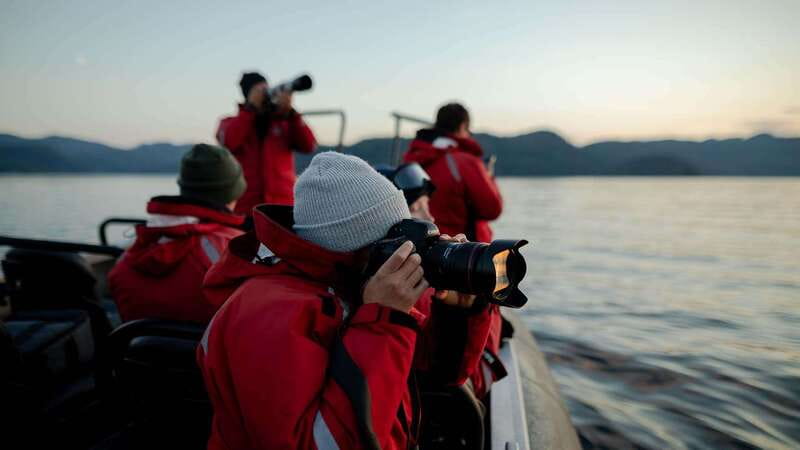
Wildlife photography is one of the big draws, and the setup supports it. You get binoculars so even if you are not bringing a camera, you can still find animals early and track them calmly. If you are shooting photos, having a stable viewing position helps. Suspended seating makes a difference, because a bouncy platform makes panning and framing harder when speed picks up.
You also need to think about eye comfort. One of the experiences specifically calls out ski-goggle style eye protection as part of the gear provided on some days. That is a practical touch for wind, spray, and low light conditions. Add that to warm headgear, and you can stay focused on the water instead of constantly wiping your face and squinting.
One note: you are not allowed to bring drones or tripods. That keeps the boat safer and more wildlife-focused, but it also means you will want to plan for handheld shooting or using your camera settings with quick access. The best photos often happen in the moments when you are watching first, then shooting.
If fog shows up, do not treat it like a disappointment. It changes how you spot animals, and it can also make the environment feel cinematic. The guides keep working the search, and sometimes the orca moment still lands.
Lunch, Hot Drinks, and Staying Warm for Hours
This trip is long enough that comfort matters, not just at departure. You are out on the water for about 330 minutes, which is roughly five and a half hours. That is exactly why the tour includes lunch and hot drinks.
I like that the lunch is part of the experience rather than something you have to rush on either end. On the water, when you are wearing a flotation suit, you want food that does not feel like an afterthought. Hot drinks also help you warm up after you have been watching and scanning for a while.
Warm gear is another quiet hero. The two-piece flotation suits and warm hats are included, so you are not trying to improvise layers that do not match the sea. Bring warm clothing, but assume you will still get cold if you show up underprepared. Layering with what you have is your friend, and you should plan for wet conditions and wind.
Indigenous Guides, Respectful Approach, and AJ’s Close-Range Spotting
Part of what makes this tour feel like it has value is the human side. Local Indigenous staff and guides lead the experience, and the vibe is not just about finding animals, it is about doing it correctly. One of the experiences highlights that the guides are respectful of wildlife and help you approach without disturbing the animals. That is the difference between an okay sighting and a great one.
The guides also explain what you are seeing. One specific guide is mentioned by name, AJ, who is praised for getting close to the action while still keeping the experience nature-first. That combination is important. If you are too far, you see less. If you come in the wrong way, the animals react and the moment disappears.
You also get a friendly, invested feel. Multiple experiences mention guides sharing lots of explanations and anecdotes, and being attentive to participants. That means if you miss a moment, the guide can often help you catch the next one quickly, instead of leaving you watching your own blurry sky.
If you care about both the science and the etiquette of wildlife viewing, this style works well.
Price and Value: Is $276 Worth It?
At $276 per person, the question is not whether this is cheap. The question is whether it replaces a bunch of separate costs and whether the experience is built like a true field day.
Here is what you get that pushes value higher than it might look at first:
- A small 12-passenger boat experience, not a big-group ride
- Two-piece flotation suits, warm hats, and binoculars included
- Lunch plus hot drinks, which matters on a half-day water activity
- A fully guided tour with a local driver and naturalist
- A hydrophone included, which adds a real layer beyond sighting
- Onboard toilet, which prevents discomfort from turning into a bad mood
You are paying for expertise, gear, and time on the water in a high-speed vessel. If you have ever tried to cobble together a boat ride, equipment, and guide services on your own, it is usually messier and more expensive than it should be.
The best way to judge value is this: if your priority is sea otters and whales with a respectful approach, plus comfort and included gear, this price feels aligned. If you want a casual stroll and do not handle boat motion well, you might find less value in spending five and a half hours on the water.
Who Should Book This Port Hardy Whale Watch (and Who Should Skip)
This tour fits best if you:
- Want a small-group marine wildlife experience with included warm gear
- Care about both seeing whales and learning what you are hearing through the hydrophone
- Appreciate guides who explain behavior and wildlife patterns, not just point and hope
- Can handle cool marine weather and occasional spray while seated on a RHIB
It is not suitable if you have:
- Back problems
- A tendency toward seasickness
That is not a minor footnote. The boat is high-speed and the ride is affected by the sea state, even with suspended seating. If you know your body reacts badly to motion, take that seriously.
Also note the rules: pets are not allowed, smoking is not allowed, drones and tripods are not allowed, strong fragrances are not allowed, and bare feet are not allowed. If you have a sensitive sense of smell, plan for that too, since you are sharing a small space.
Finally, it is an English-language live guided experience, so it is straightforward if you travel in English.
Should You Book Coastal Rainforest Safaris in Port Hardy?
I would book this if your goal is a focused, guided wildlife outing where comfort is built in and you get more than a single visual sighting. The combo of a hydrophone, included flotation suits and warm hats, binoculars, and a small 12-passenger RHIB makes it feel like a real field experience, not just a ticket for a boat ride.
I would skip it if you might struggle with motion or you have back issues. In those cases, the experience sounds amazing, but you will suffer more than you enjoy.
If fog or choppy conditions happen during your travel window, do not assume it is automatically a wash. The experiences tied to this tour include big whale moments happening even when visibility is less than perfect. In this region, conditions are part of the story. When the guides keep searching and the hydrophone is working, the day still has rhythm.
FAQ
Where is the meeting point for the tour?
The meeting point is Coastal Rainforest Safaris’ office at 7185 Market St, Port Hardy.
How early should I arrive?
Please arrive 30 minutes before the tour’s departure time so you can be outfitted in flotation suits and sign a waiver.
How long is the Port Hardy sea otter and whale watching tour?
The duration is 330 minutes.
What is included in the price?
Included are fully guided whale watching and wildlife viewing, a local driver or naturalist, two-piece flotation suits, binoculars, warm hats, lunch with hot drinks, hydrophone, and an onboard toilet.
Is free cancellation available?
Yes. You can cancel up to 24 hours in advance for a full refund.
What should I bring, and what is not allowed?
Bring warm clothing. Pets, smoking, drones, tripods, strong fragrances, and bare feet are not allowed.
Just off the notebook: recent Port Hardy write-ups
- Cape Scott: San Josef Bay Day Hike with Scenic Drive
★ 5.0 · 11 reviews
Tofino, Nanaimo & Island Escapes, compared.
 ★ 4.7Vancouver: Victoria, Gulf Islands Cruise, & Butchart GardensFrom $2081,165 reviews
 ★ 4.5Victoria & Butchart Gardens Tour with Gulf Islands Cruise FerryFrom $214565 reviews
 ★ 5.0Cowichan Bay Half Day Whale & Wildlife AdventureFrom $159393 reviews
 ★ 5.0Vancouver Island Half-Day Whale Watching Tour – Telegraph CoveFrom $153333 reviews
 ★ 5.0Vancouver Island Zodiac Whale Watching Adventure – Telegraph CoveFrom $169281 reviews
 ★ 5.0Vancouver Island Multi-Cave ExperienceFrom $63235 reviews
 ★ 5.0Whale Watching Nanaimo Open Boat TourFrom $187194 reviews
 ★ 5.0Indulge in a Wine & Food Tour – Cowichan ValleyFrom $126151 reviews
Browse the lists this tour appears in