
REVIEW · NORTHERN LIGHTS & AURORA VIEWING
Night Adventure with possible stargazing and Aurora chasing
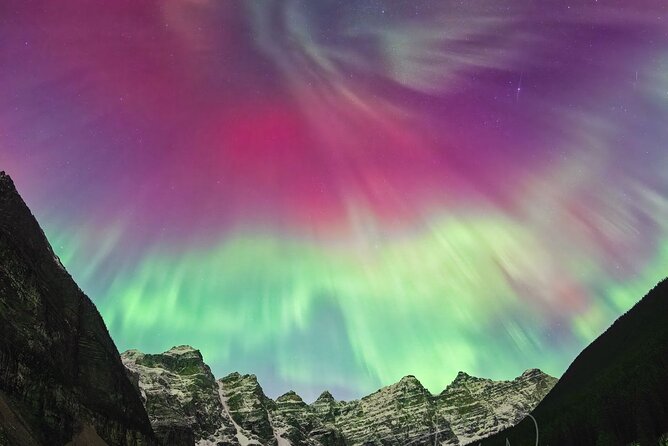
Banff at night feels like a different planet. This small-group stargazing and possible Aurora chasing outing takes you away from light pollution and sets you up in a warm, comfortable viewing setup. You get a guided plan so you are not standing in the cold wondering where to look or what you are seeing.
I especially like that you get hot tea and hot chocolate while you watch the sky. And I love the comfort factor, with blankets plus inflatable loungers and a telescope to help turn random points of light into real targets. Even in colder conditions, the structure helps you focus on the stars.
One real consideration: stargazing and Aurora are never guaranteed. Weather can bring cloudy skies or light snow, and on those nights you may end up with fewer stars than you hoped for.
In This Review
- Key points to know before you go
- Why this Banff night tour feels easier than going solo
- The ride out: pickup timing, group size, and what the van/SUV changes
- Banff National Park under stars: what “dark-sky stops” really mean
- Telescope time and star spotting: how to get the most from limited clarity
- Aurora chasing: possible, not guaranteed, and why that is still worth it
- Comfort and safety in winter: what to wear and why cleats matter
- Price and value: what $111.84 buys you in Alberta night skies
- Who should book this stargazing and Aurora night, and who should skip
- What your evening will feel like, step by step
- Should you book this Banff stargazing and possible Aurora chasing tour?
- FAQ
- How long does the Night Adventure last?
- What time is pickup in Banff and Canmore?
- Is stargazing or the Aurora Borealis guaranteed?
- What if the weather is cloudy, rainy, or snowy?
- What is included in the ticket price?
- Do I need a Banff National Park Pass?
Key points to know before you go
- Small group size (max 13) means you get practical help and a more relaxed pace at each stop
- Hot drinks plus blankets and inflatable loungers keep cold from taking over the experience
- Telescope included, so you are not limited to naked-eye viewing when the sky cooperates
- Multiple dark-sky spots in Banff National Park help you chase better viewing conditions
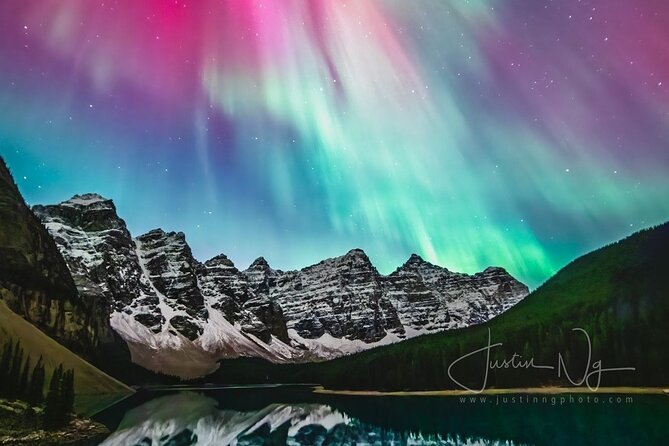
- Aurora Borealis sightings are possible but not promised, so the tour is still worth it for stars and planets
- Pickup and drop-off by van or SUV saves you from a stressful late-night drive
Still shortlisting? Here is how a few other Canmore bookings stack up.
- Canmore Caving Adventure Tour★ 5.0 · 356 reviews
- Canmore Caving Explorer Tour★ 5.0 · 277 reviews
- Canmore: Bow River Scenic Float Tour★ 4.9 · 257 reviews
- Moraine Lake & Louise – Morning or Sunset Tour from Banff/Canmore★ 5.0 · 194 reviews
Why this Banff night tour feels easier than going solo
Night skies in the Canadian Rockies can be awe-inspiring, but they can also be intimidating. The guides take care of the hard parts: where to park, where to stand, and how to set up a comfortable viewing base. That matters if you are visiting Banff and do not want to fumble with finding dark-sky locations after dark.
I also like the tone of the experience. It is not just sit-and-stare. You get headlamps for moving around, plus cleats if conditions call for it, so you spend less time worrying about footing and more time looking up. Past groups have said the guides also shared fun, local details and stories, which is a big help when you are cold and waiting for the sky to do its thing.
The other upside is logistics. With pickup and drop-off, you avoid the late-night car hunt. In a place like Banff, that alone can make the whole outing feel smoother.
The ride out: pickup timing, group size, and what the van/SUV changes
Your evening starts with pickup. December 1 to March 7, pickup is 7:15 PM from Canmore and 7:45 PM from Banff. When they say there is a window, they mean it: for Canmore or Harvie Heights, pickup is about the tour start time with about a 15-minute window, and for Banff it is about 30 minutes after the start time, again with a 15-minute window. Plan to be ready about 10 minutes before your window opens, because multiple stops can shift arrival slightly.
The vehicle is a passenger van or SUV. That matters because you are not just getting a ride, you are getting a moving base while the sky situation evolves. You will visit several darker spots, and the ability to hop between locations is a big deal when light pollution and cloud cover are fighting you.
And size matters at night. With a maximum of 13 people, you are less likely to feel lost in a crowd. You also tend to get more direct help, like when it is time to point out constellations or help you get set with the telescope.
Banff National Park under stars: what “dark-sky stops” really mean
Once you are in position, the experience is built around comfort and visibility. You are taken to spots that are far from modern distractions, so the sky has a better chance to show its best. From there, the guides set you up with chairs and inflatable loungers, blankets, and headlamps so you can relax and still move safely.
The hot drinks are simple but smart. Hot tea and hot chocolate do not just make you feel better, they help you stay patient. When you are watching slowly, patience is half the skill.
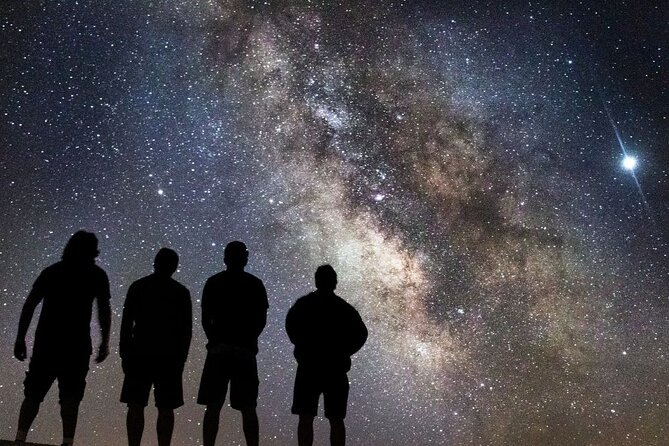
Then comes the star help. You get use of a telescope, and that turns astronomy from a guessing game into a guided moment. If the sky is clear enough, you can end up seeing real planetary detail. One past night included views of Jupiter and its moons through the telescope, and groups have also talked about a clear Milky Way view with the naked eye.
Even when the sky is not perfect, you still get structure. The guides can point out what is visible and help you identify constellations. That is a big quality-of-life improvement compared with a DIY outing, where you might end up staring at the same bright patch and hoping for the best.
One more bonus that showed up in feedback: small photo moments. People have mentioned light painting and other playful smartphone-friendly activities. It is not the main reason to go, but it is a good way to keep the mood fun while you wait for clouds to break.
Other ways into a Canmore evening
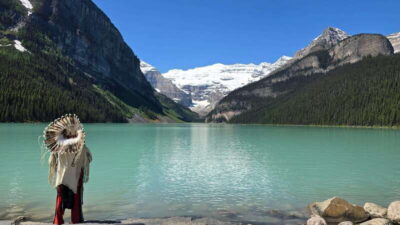
Telescope time and star spotting: how to get the most from limited clarity
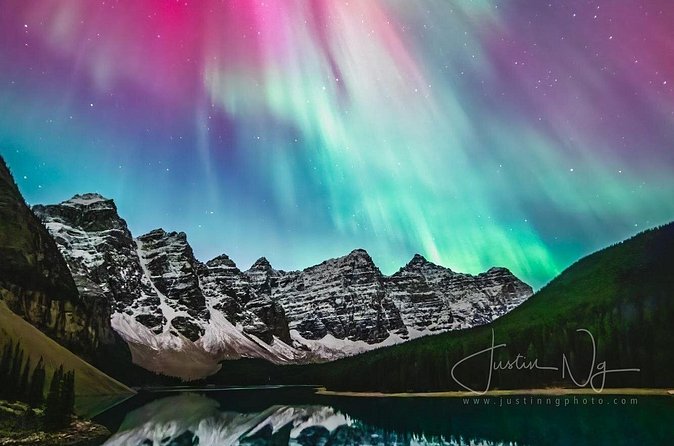
This tour runs under varying conditions, from clear skies to partly cloudy and sometimes mainly cloudy, including light snow. That range affects what you can see, so I suggest you adjust expectations early.
Here is the practical mindset that works:
- If skies are clear, take time with the telescope and switch between telescope viewing and naked-eye scanning. The contrast is usually where the wow factor lives.
- If skies are partly cloudy, keep your eyes up and look for windows of clarity. Clouds do not always block everything, and the guides typically help you make sense of what you can see during those breaks.
- If skies are mainly cloudy, you may still learn the patterns and get a calmer, quieter experience than you would expect. You are still learning the sky, not just chasing a photo.
Also, consider how you will physically handle the night. This kind of viewing is easiest when your body is warm and your hands are functional. You will be provided with blankets and warmth options, but your clothing still matters a lot in Alberta winter temps.
If you have never used a telescope at night, do not be shy about asking for a quick orientation. You want to understand how it is set up and how to shift your view so you can follow along without losing the target.
Aurora chasing: possible, not guaranteed, and why that is still worth it
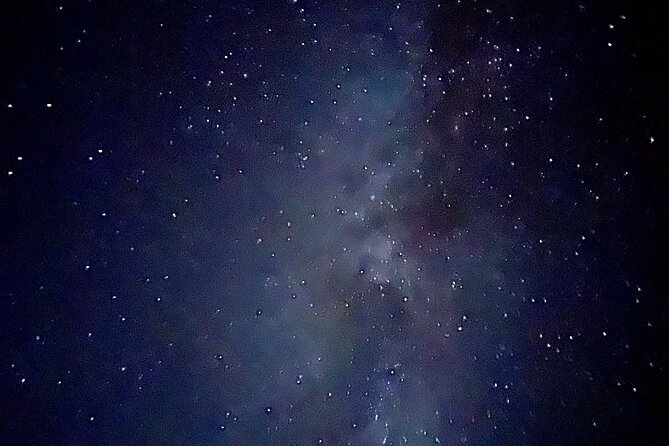
The big headline is possible Aurora Borealis. The honest part is in the details: Aurora sightings are not guaranteed, and the same goes for stars. That is not a complaint, it is just reality in the Rockies.
Aurora depends on conditions you cannot control. Even on nights when you have aurora activity, cloud cover can erase visibility. That is why the tour focuses on the broader win: dark skies, telescope viewing, and a guided stargazing experience even if the aurora does not show.
The best use of your energy is attitude. Treat Aurora as a bonus. If it happens, you will feel the adrenaline. If it does not, you still leave with something real: constellations, planets, and that rare dark-sky feeling that Banff can deliver when the light pollution drops.
One important point: if your night goal is specifically to see the Aurora, you should know that weather is a direct factor. The tour runs in a temperature range from -20°C to +20°C, and they adjust based on forecast elements like temperature, wind chill, and rain or heavy snow potential.
Comfort and safety in winter: what to wear and why cleats matter
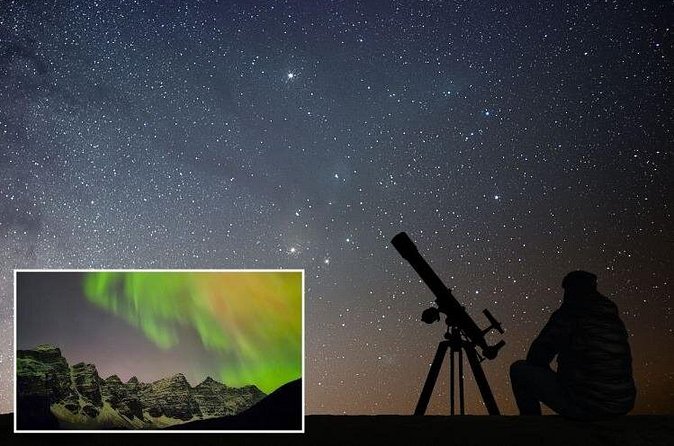
Cold can ruin a sky show fast. The tour plan already accounts for that, but you still need to show up prepared.
The guidance is clear: wear warm hats, mitts or gloves, neck warmers, winter jackets, snow pants, thermal or base layers, warm socks, and boots. If you can, add hand and foot warmers, like Hothands, because they help your fingers stay steady when you are handling a telescope or pulling up a phone for photos.
You may also be provided with cleats if needed. That is practical for snow and icy patches around viewing areas.
Safety also shows up in the way the evening is run. One past group mentioned bear safety being taken seriously. Even if you do not see wildlife, it is a reassuring sign that the guides are thinking about how people should behave in mountain conditions.
Two more practical notes from the tour info:
- Service animals are allowed.
- The tour is not recommended for children under 8. If you travel with a child under 6, they must be in a proper child safety seat (you must bring it), and without one boarding can be denied with no refund.
And with an early evening start, plan on being outside for stretches. The warm setup is great, but the start, stops, and getting situated all take time.
Price and value: what $111.84 buys you in Alberta night skies
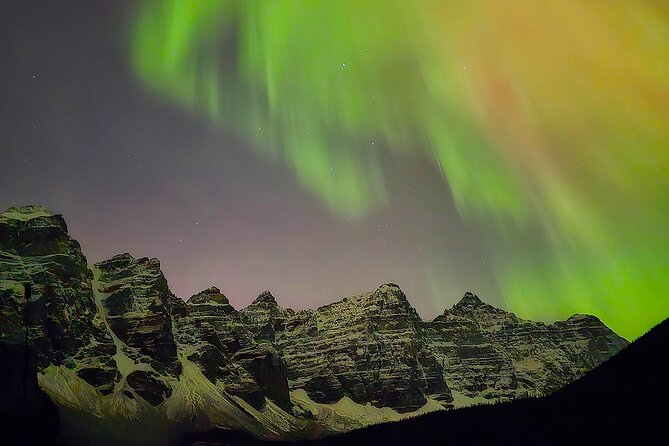
At $111.84 per person, this is not a casual cheap outing. The value is in what is bundled.
You get:
- Pickup and drop-off via passenger van or SUV
- Hot tea and hot chocolate
- Telescope use
- Blankets, chairs, and inflatable loungers for comfortable viewing
- Headlamps, and cleats if needed
- Transportation between multiple dark-sky viewing spots
- A guided experience (with interpretation of what you are seeing)
If you were trying to DIY this, your real costs would be transport, time, and gear. You would need to solve the “how do we get to a dark spot safely at night” problem yourself. Here, the tour handles navigation and setup, which is worth real money in winter.
It also helps that the group stays small. A crowded tour can feel like you are performing in the cold. A small group supports a calmer pace and more personal assistance around the telescope.
One trade-off to keep in mind: you are paying for a guided experience with a weather-dependent outcome. The stargazing and Aurora are the prize, but they are not guaranteed. If your budget allows for that uncertainty, the bundled comfort makes it feel like a fair deal.
Who should book this stargazing and Aurora night, and who should skip
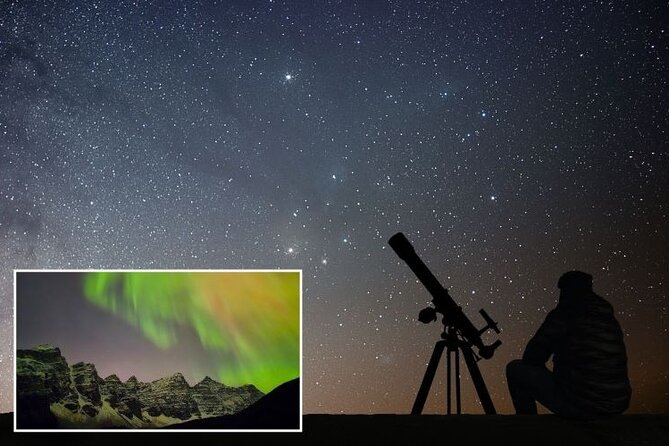
This tour is a good match if you:
- Want Banff night skies with guidance and comfort
- Would rather ride in a van than drive your own car in the dark
- Like the idea of telescope viewing and learning constellations
- Are traveling with someone who wants a relaxing cold-weather activity
It is also a strong option if you feel a little uneasy going out on your own after dark. The guides set up the observation base and handle the transitions, so you can focus on looking up.
Consider skipping or adjusting expectations if you:
- Need guaranteed Aurora Borealis. It is explicitly not promised.
- Have very young kids. The tour is not recommended for children under 8, and under-6 seating rules are strict.
- Are not comfortable dressing for cold. The warm drinks and blankets help, but they do not replace proper winter layers.
What your evening will feel like, step by step
Think of it as a slow, friendly rhythm:
- Pickup and drive: You meet the group, get on board, and start heading toward darker areas.
- Set up at the viewing spot: Guides help you get positioned with chairs, inflatable loungers, blankets, and headlamps.
- Hot drinks while you watch: Tea and hot chocolate keep you settled.
- Stargazing and guidance: You use the telescope and get help identifying what is visible.
- A fun photo moment: Some nights include light painting or a smartphone-friendly surprise activity.
- Return to drop-off: You end with enough energy to still feel proud of the photos you got, even if Aurora does not appear.
The whole thing typically runs around 2.5 to 3.5 hours, with the broader listing saying 2 to 4 hours.
Should you book this Banff stargazing and possible Aurora chasing tour?
If your goal is to spend an evening in Banff learning the night sky in a warm, organized way, I think this is a smart book. The comfort setup (blankets, loungers, hot drinks) plus the included telescope takes the stress out of stargazing, and that is where a lot of value hides.
I would book it especially if you are coming from Canmore or Banff and do not want to figure out winter night driving and dark-sky locations by yourself. The small group size helps, and the guides sound like they keep the evening moving with facts, stories, and practical help when conditions change.
If you are booking with Aurora as your only mission, go in with a Plan B. This is still worth it for stars and planets on the right night, and even on cloudy nights you are buying a guided, cozy nature break.
FAQ
How long does the Night Adventure last?
It runs about 2 to 4 hours, and the tour format is typically 2.5 to 3.5 hours depending on the night.
What time is pickup in Banff and Canmore?
For December 1 to March 7, pickup is 7:15 PM from Canmore and 7:45 PM from Banff. Pickup happens within a 15-minute window, and you should be ready about 10 minutes before your window starts.
Is stargazing or the Aurora Borealis guaranteed?
No. Stars and Aurora Borealis sightings are not guaranteed, since the tour runs under varying sky conditions.
What if the weather is cloudy, rainy, or snowy?
The tour runs in clear, partly cloudy, cloudy, and light snow conditions. If it rains or snows heavily, you will have the option to reschedule or receive a full refund, based on forecast decisions made by Canmore Travel.
What is included in the ticket price?
Hot chocolate and tea, use of a telescope, headlamps and cleats if needed, blankets, inflatable loungers, chairs, and transportation by passenger van or SUV.
Do I need a Banff National Park Pass?
Yes, a Banff National Park Pass is not included.
When the Lights Come On


Just off the notebook: recent Canmore write-ups
- Yoho National Park: Emerald Lake and Takakkaw Falls
★ 5.0 · 4 reviews - Private Tour: Majestic Mountains PHOTO SAFARI Drive – 4H
★ 5.0 · 4 reviews - Legacy Trail Food Bike Tour
★ 5.0 · 4 reviews - Moraine Lake Sunrise: Premium Tour from Canmore & Banff
★ 4.0 · 4 reviews - Icefields Parkway and Abraham Lake Bubbles Private Tour
★ 5.0 · 4 reviews - The Sights of Canmore: a Smartphone Audio Walking Tour
★ 4.0 · 4 reviews
Northern Lights & Aurora Viewing, compared.
 ★ 5.0Aurora Hunting ToursFrom $134374 reviews
 ★ 5.0Northern Lights Tour YellowknifeFrom $74370 reviews
 ★ 4.5Northern Lights ToursFrom $67326 reviews
 ★ 5.0Intimate Aurora Tours Cozy Cabin Bucket ListFrom $107277 reviews
 ★ 4.8From Yellowknife: Northern Lights Bus Tour with PhotosFrom $72174 reviews
 ★ 5.0Yellowknife Tours – Aurora by busFrom $102141 reviews
 ★ 4.5Aurora Chasing + Aurora LodgeFrom $102112 reviews
 ★ 4.2Yukon: Aurora Borealis Late Night Viewing TourFrom $12278 reviews
Browse the lists this tour appears in