
REVIEW · TOFINO, NANAIMO & ISLAND ESCAPES
Nanaimo Whale Watching in a Semi-Covered Boat
Whale watching comfort, right out of Nanaimo. What makes this trip stand out is the guaranteed whale sightings promise, plus the semi-covered seating on the Kula, a 12-passenger vessel built for staying comfortable while you scan the Salish Sea. I also like how the crew treats this as real wildlife work, not just a sightseeing drive, with a marine naturalist explaining what you’re seeing as you go.
One thing to plan for is the money creep. The listed price is just the base fare, parking typically runs about $5 to $7 CAD for the day, and lunch is not included.
In This Review
- Key highlights at a glance
- Kula Comfort: Semi-Covered Seating and a Small-Boat Feel
- The Whale Guarantee: How You Get More Than a Chance
- Your 4-Hour Rhythm: Check-in, Learning, Search, and a Full Hour On Whales
- What You Might See in the Salish Sea (Or, How to Interpret It)
- Why the Whale ID System Feels Real: Catalogues and Photo Sharing
- The Science Teaching: Marine Biology Plus Conservation, Not Just Facts
- Safety and Crew Skills: When the Water Gets Choppy
- Price and Value: Does $187.76 Make Sense?
- Who This Tour Fits Best (And Who Might Skip It)
- Quick Prep List: What to Bring for a Better Ride
- Should You Book Nanaimo Whale Watching on Kula?
Key highlights at a glance
- Kula is a 12-passenger boat with covered seating and an open deck at the back for better sightlines
- Guaranteed whale sightings with a free return if you do not spot whales
- You get a full hour viewing whales once you’re on them, with real-time behavior tips
- Route planning via VHF radio to maximize the search area while keeping safe distances
- Onboard whale ID catalogues and data sharing sent to regional research and conservation groups
- An orca conservation talk focused on threats in BC and what conservation is doing about them
Other boats, other sightings on this coast
- Victoria Whale and Wildlife Cruise★ 5.0 · 1,729 reviews
- Cowichan Bay Half Day Whale & Wildlife Adventure★ 5.0 · 393 reviews
- Vancouver Island Half-Day Whale Watching Tour – Telegraph Cove★ 5.0 · 333 reviews
- Victoria Sunset Whale-Watching Cruise★ 5.0 · 281 reviews
Kula Comfort: Semi-Covered Seating and a Small-Boat Feel
This is the kind of whale watching setup that makes a difference the moment you step aboard. The seating area is covered, so you are not fully at the mercy of wind and spray. Then, at the back, there is an open deck that keeps the view more natural and easier for spotting.
Kula carries up to 12 people. That small size matters. You move with less crowding, you can actually focus on your spotting instead of bouncing around in a big group, and the boat feels closer to a field trip than a cattle-call cruise. You also get onboard essentials that many people appreciate once they are out there for a few hours: toilets are available, and sunscreen is provided.
Binoculars are onboard too, but they are shared. If you wear glasses and rely on binoculars, bring your own if you have them. If you do not, shared binoculars should still be workable for a group like this, especially when the captain puts you in the right position.
The Whale Guarantee: How You Get More Than a Chance
This tour is blunt about one thing: it is built around whale sightings, not just hoping. The promise is a guarantee, and if whales are not sighted, you are offered a free return. That shifts the risk away from you, and it is a big deal on a sea trip where weather can be moody.
Behind the scenes, the crew is using practical wildlife-search tactics. The captain is in contact with other whale watching companies over VHF radio, and the route is planned to maximize the area covered between vessels. Translation: you are not just following a generic path. The goal is to cover more of where whales likely are, while still maintaining the kind of respectful distance you want around marine life.
Your 4-Hour Rhythm: Check-in, Learning, Search, and a Full Hour On Whales
The timing is straightforward, and it helps if you like a day that feels structured but not rushed. You check in at the office 45 minutes before departure, then you head down to the boat as a group.
Once you are underway, the trip moves through three phases. First, you get an introduction to the Salish Sea ecosystem and the wildlife that depends on it. This is where the naturalist starts framing what you should watch for, from which whale types use these waters to how they fit into the marine food web.
Next comes the search. You cruise through the Gulf Islands archipelago while your guide and captain look for whales and other marine life. This part can be the waiting game on any whale trip, but it is handled with education and real-time commentary, so it does not feel like dead time.
Then the best part kicks in: you spend a full hour viewing whales. That long viewing period is one of the reasons this tour feels better than short, hop-on-hop-off trips. A full hour lets you watch more than one behavior sequence, not just a quick pass where everyone grabs one photo and runs out of luck.
The tour wraps with an educational talk on marine conservation, with a specific focus on threats to BC orca and what conservation initiatives are doing to protect them.
Further up the island: more places to point the car
What You Might See in the Salish Sea (Or, How to Interpret It)
You should go in with the right mindset. This is not a zoo run where you will always see the exact same thing. The Salish Sea supports multiple species, and the crew works to find the most likely encounters on the day.
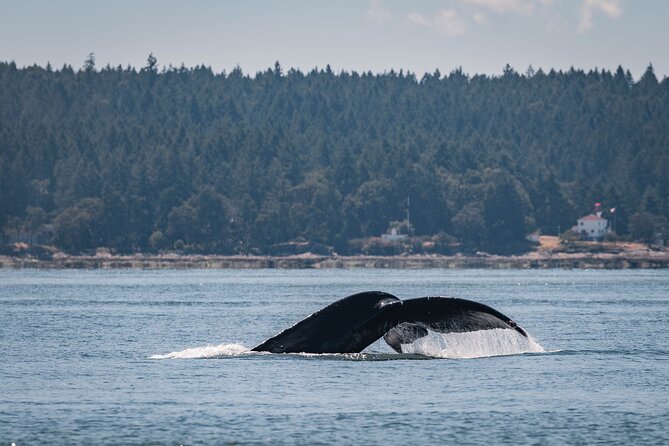
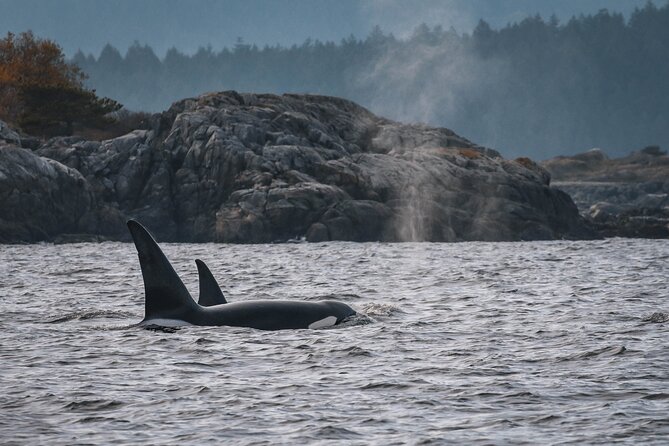
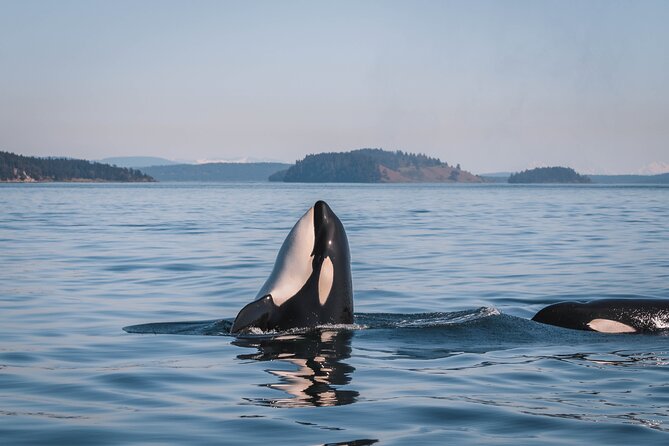
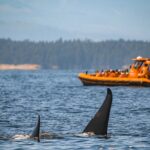
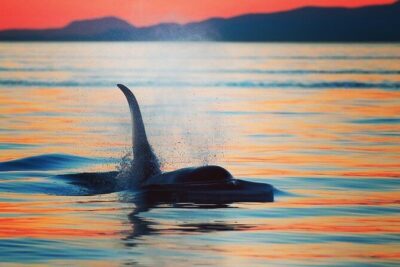
From what you can expect based on past outings, orca are a big draw. People have reported seeing multiple orca pods and following their activity for extended stretches, not just a brief sighting. Humpback whales are another common highlight, often with classic surface behaviors and the kind of moments that make your brain go quiet while you watch.
There are also smaller but still exciting bonuses people talk about, like sea lions, harbour seals, and porpoise. Birdlife shows up too, which is useful because birds often hint that fish activity is nearby, and that can connect to whale feeding patterns.
If you want one practical tip, it is this: listen to the guide’s explanations and use them to guide your eyes. When the naturalist points out what you are likely seeing and why, spotting becomes easier and your excitement stays focused instead of turning into random scanning.
Why the Whale ID System Feels Real: Catalogues and Photo Sharing
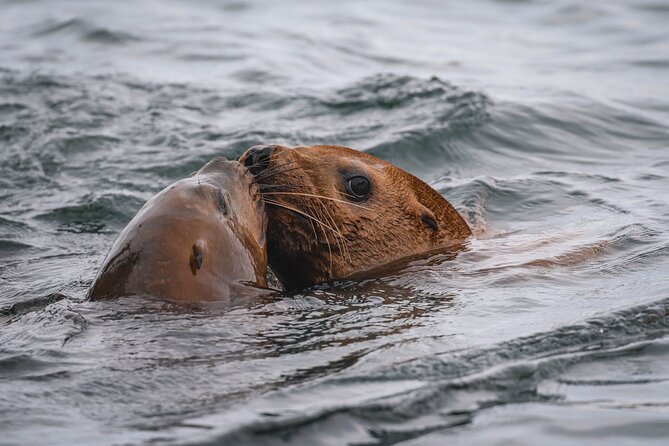
A lot of whale tours stop at name-your-whale-once and move on. This one leans into identification and repeated monitoring. Onboard catalogues are used to identify individual whales, and the data is collected and sent to groups involved in long-term research.
That matters because it turns your trip into part of a bigger conservation story. You are not just seeing animals once. You are helping support the process of tracking who is where and how they are doing over the season.
A nice bonus from the way the crew operates is the way they support your camera efforts. People have specifically praised guide Ali for taking great shots and sharing digital images after the experience. If you struggle with getting whale photos, this is the kind of service that can save your memory set when your own camera comes up short.
The Science Teaching: Marine Biology Plus Conservation, Not Just Facts
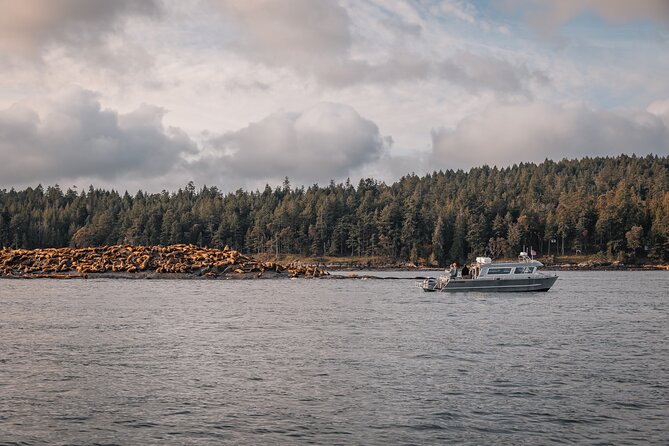
The guide brings an academic background in marine biology, and that training shows in how the information is presented. You get real-time insights into whale behaviors as you are on the water, with the guide explaining what you are seeing and how it connects to the ecosystem.
I like that it is not just whale trivia. The trip also connects whale watching to conservation. You end with an educational talk that focuses on threats to BC orca, then discusses conservation initiatives. The point is clear: spotting whales is fun, but protections are what keep these animals in the Salish Sea over the long run.
If conservation themes make you switch off on tours, you might still enjoy this format because it is anchored to what you just saw on the water.
Safety and Crew Skills: When the Water Gets Choppy
Whale watching does not always mean calm glass water. Some departures can feel bumpy, but the captain’s job is to keep everyone safe and comfortable while positioning the boat where whales are most visible.
Safety comes up in the way people describe the experience, including how the crew navigates choppy conditions and keeps distance as part of responsible viewing. That matters to me because the best whale trip is not just about sightings, it is about how the crew behaves around wildlife.
Price and Value: Does $187.76 Make Sense?
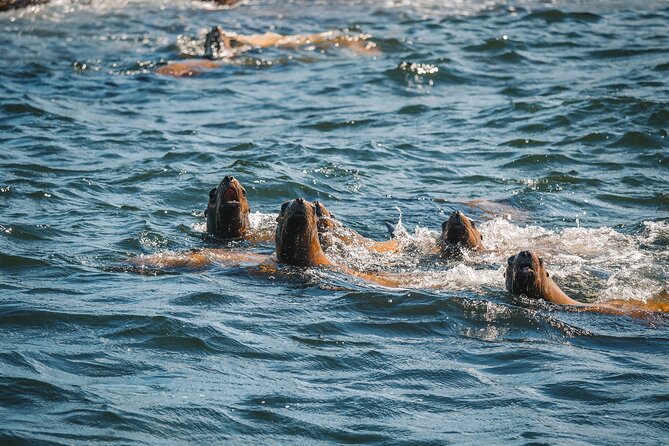
At $187.76 per person for about four hours, this is not a budget activity. But it also is not just a standard sightseeing cruise. The value comes from a few concrete things working together:
- Guaranteed whale sightings reduces your biggest risk on a sea tour
- Small group size on a 12-passenger vessel makes the experience feel easier to enjoy
- A full hour of whale viewing gives you time for behaviors, not just quick looks
- The onboard guide includes professional marine biology expertise
- You get practical extras like toilets, sunscreen, and shared binoculars
- You also get a conservation-focused educational talk that ties the experience to BC orca protection
Then factor in the costs that are not in the base price. Parking is typically around $5 to $7 CAD for the day, and lunch is not included. If you are planning a complete meal plan, budget for at least snacks or lunch after the tour, depending on what you like to do.
My bottom line: if you care about maximizing your chance of actual whale time, this price starts to look more like a smart purchase than an impulse splurge.
Who This Tour Fits Best (And Who Might Skip It)
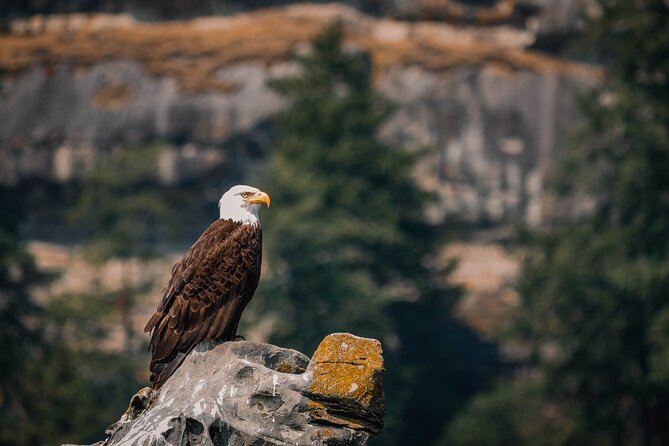
This tour is a good match if you want a structured, educational whale watch with a crew that talks through what you are seeing. The semi-covered boat is also a plus if you dislike being cold and drenched for hours.
There are a couple of important suitability notes. It is not suitable for pregnant women, and it asks for a moderate physical fitness level. That likely means you should be comfortable with movement around the boat and general outdoor conditions, but the specific requirement is stated as moderate fitness, not heavy hiking.
If you are traveling solo, it can still feel personal because the group stays small. If you are going with a partner or family group, this setup can be easier to manage than larger boats, as long as everyone is comfortable being out on the water for the duration.
In summer months, you can choose a morning or afternoon departure, which is useful if you want to line this up with other Nanaimo or Vancouver Island plans.
Quick Prep List: What to Bring for a Better Ride
This trip provides sunscreen and shared binoculars, and there are toilets onboard. So what you add is mostly about comfort and weather readiness.
I’d pack layers, even in summer, because boat wind can change how you feel. Bring a hat and sunglasses. If you have your own binoculars, bring them, especially if you are picky about image clarity.
Also, since lunch is not included, plan food timing. If you snack lightly before departure, you will likely enjoy the full hour viewing whales without getting distracted.
Should You Book Nanaimo Whale Watching on Kula?
Book it if you want the best odds of real whale encounters and you like tours with hands-on explanations. The guaranteed sightings promise is the headline, and the combination of small-boat comfort, a full hour on whales, and an orca-focused conservation talk makes it feel like more than a pretty boat ride.
Consider skipping or looking for a different option if you cannot meet the moderate physical fitness requirement, or if you are looking for a fully covered indoor viewing experience. Also, if you are trying to keep the day cheap, remember that parking and meals are extra.
If you are serious about seeing whales in the Salish Sea, this is one of those tours where your time feels respected. You are not just out there waiting for luck. You are learning, scanning smarter, and staying with whales long enough to actually enjoy what they do.
Out on the Water Around Vancouver Island


Further Up the Island


Back Out on the Whale Road
Just off the notebook: recent Vancouver Island write-ups
- Victoria BC – Coast & Castle Tour by E-Bike
★ 5.0 · 5 reviews - 1 hour City Tour & Butchart Gardens: Christmas – Entry included!
★ 5.0 · 5 reviews - Parksville Half Day Whale and Wildlife Adventure
★ 5.0 · 5 reviews - Paddling Esquimalt Harbor to Cole Island
★ 5.0 · 5 reviews - Best of Victoria Private Day Tour
★ 4.0 · 5 reviews - Wildlife, Waterfalls, Caves, Old Growth on Vancouver Island
★ 4.5 · 6 reviews
Tofino, Nanaimo & Island Escapes, compared.
 ★ 4.7Vancouver: Victoria, Gulf Islands Cruise, & Butchart GardensFrom $2081,165 reviews
 ★ 4.5Victoria & Butchart Gardens Tour with Gulf Islands Cruise FerryFrom $214565 reviews
 ★ 5.0Cowichan Bay Half Day Whale & Wildlife AdventureFrom $159393 reviews
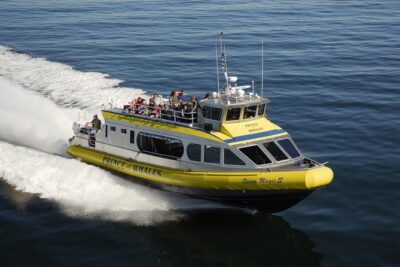 ★ 5.0Vancouver Island Half-Day Whale Watching Tour – Telegraph CoveFrom $153333 reviews
 ★ 5.0Vancouver Island Zodiac Whale Watching Adventure – Telegraph CoveFrom $169281 reviews
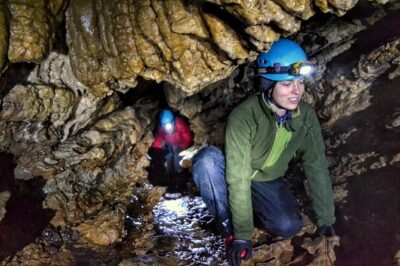 ★ 5.0Vancouver Island Multi-Cave ExperienceFrom $63235 reviews
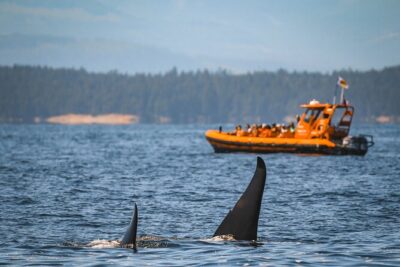 ★ 5.0Whale Watching Nanaimo Open Boat TourFrom $187194 reviews
 ★ 5.0Indulge in a Wine & Food Tour – Cowichan ValleyFrom $126151 reviews
Browse the lists this tour appears in