
REVIEW · JASPER & THE ATHABASCA VALLEY
Jasper: Jasper Planetarium Dark Sky Experience
A night-sky tour with real hands-on time. The Jasper Planetarium Dark Sky Experience blends a planetarium dome theatre show with telescope viewing and a guided dark-sky walk, plus binocular lessons that help you actually find what you’re seeing. I especially like the mix of big-picture astronomy teaching and then practical star-finding, so the sky stops feeling random. My other favorite is the Q and A with the astronomy guides, which keeps it from being just a show-and-wait routine. One drawback to plan for: clouds can reduce what you can see in the dark-sky part, though there is a two-year rain check.
If you’re in Jasper and want an evening activity that feels worth leaving your room for, this one fits the bill. It’s designed for a broad range of ages, but it’s also very much about learning, not just viewing. And yes, it is weather-dependent, so you’ll want to show up dressed for cold, wind, and damp air.
In This Review
- Key highlights to know before you go
- 3 hours in Jasper: how the experience flows
- Checking in at Jasper Park Lodge, then gearing up for the night
- Inside the Planetarium Dome Theatre: learn the sky before you chase it
- Telescopes in a weather-proof setup: what to expect when skies cooperate
- The dark-sky walk: laser-guided constellations you can follow
- Binocular time and deep-sky objects: the practical magic trick
- Indigenous constellations: learn the sky in a fuller way
- Weather reality and the 2-year rain check
- Price and value: is $102 per person worth it?
- Who should book, and who might want a different plan
- Should you book the Jasper Planetarium Dark Sky Experience?
- FAQ
- Where do I check in for the tour?
- What’s included in the experience for the $102 price?
- How long is the tour?
- What should I bring?
- What if it’s cloudy and I cannot see the stars?
- Can I take photos or record audio during the tour?
- Are there age or mobility limits?
Key highlights to know before you go
- World-exclusive planetarium dome theatre experience that sets up the sky for what you’ll hunt for later
- Weather-proof telescope time, with guided help on what to look for and why it matters
- Laser-guided naked-eye constellations that teach you how to orient fast
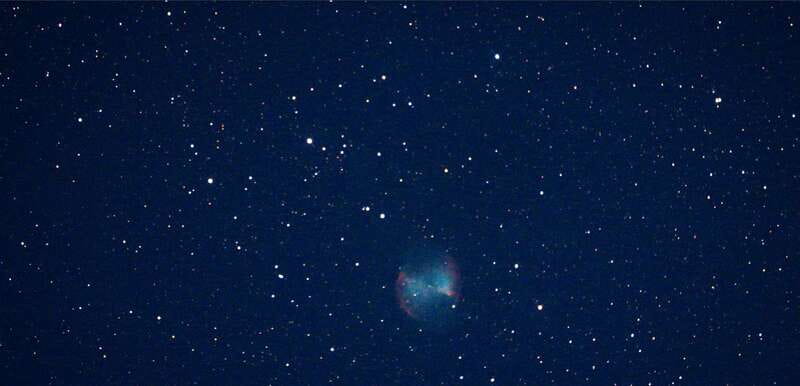
- Binocular viewing with supplied gear, so you get your own look at the Milky Way and deep-sky objects
- Indigenous constellation learning, shared as part of the guided night-sky interpretation
Quieter than Banff. More of Jasper compared
- Jasper: Columbia Icefield Skywalk and Ice Explorer Ticket★ 4.6 · 2,444 reviews
- Jasper Evening Wildlife Tour★ 4.5 · 710 reviews
- Jasper National Park: Evening or Morning Wildlife Watch Tour★ 4.6 · 691 reviews
- Jasper Wildlife & Sightseeing Tour with Maligne Lake Cruise★ 5.0 · 603 reviews
3 hours in Jasper: how the experience flows
This tour is a straight-up night-sky program, built for a 3-hour window. You start indoors with the planetarium dome theatre (the ideal warm-up), then you move into telescope and dark-sky viewing. The rhythm is simple: teach the sky, then give you tools to find it yourself, then circle back to what you’ve been learning.
What makes this feel different from many “stargazing” add-ons is the structure. You’re not left wandering in the dark hoping to recognize bright stars. Instead, you get guided orientation, and you’re given time to look through equipment (telescopes first when weather allows, then binoculars and constellations at the selected dark-sky site).
Group size can vary, but the program is built around guidance, not just attendance. That matters because it changes your outcome. With good guidance, a cloudy or average night still turns into a useful astronomy session, not a disappointment.
Checking in at Jasper Park Lodge, then gearing up for the night
Your check-in is at the Planetarium Retail Desk inside the Main Lodge at Jasper Park Lodge. Once you’re inside the lodge, walk past the front desk, and the retail desk is in the south-west corner of the lobby, across from the Emerald Lounge.
Two practical things that affect how smoothly your evening goes:
- You must check in 15 minutes before tour departure. Latecomers are not admitted.
- You should dress for cold weather. This is an outdoor dark-sky activity as well as an indoor show, and you’ll want layers you can move comfortably in.
There’s also free parking, and Jasper has multiple parking lots for drivers, with P2 the closest to the planetarium. If you’re coming by car, this helps a lot because night activities usually mean you don’t want to hunt for a distant spot.
Inside the Planetarium Dome Theatre: learn the sky before you chase it
The planetarium portion is your first major anchor. The dome theatre is the place where the guides can explain what you’re about to see and why it looks the way it does. Even if you’re brand-new to astronomy, this is where you get quick context so the later viewing makes sense.
A detail worth noting from the “real world” side: on some evenings, the setup may feel more temporary than you expected. One visitor described a tent-like setup near the lodge area rather than a traditional, permanent-looking dome. That doesn’t automatically mean it’s bad, but it does matter if you’re expecting a sleek, fixed facility.
What you should count on is the purpose of the dome experience. It’s there to get you oriented so the night sky becomes a guided lesson, not a random sky quiz.
Also, you should go in knowing some limits:
- No photography inside
- No audio recording
- Food and drinks are not allowed during the experience
Those rules are likely to keep the show and dome environment clear, so plan to enjoy it with your eyes and questions, not through your camera screen.
Telescopes in a weather-proof setup: what to expect when skies cooperate
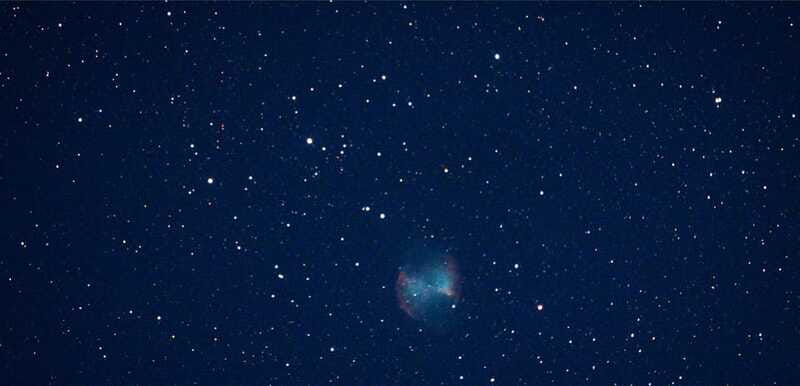
After the dome, the program includes telescope access as part of the “weather-proof” approach. If conditions allow, you’ll enjoy a guided tour through telescopes before the constellation and deep-sky viewing portion with binoculars.
Here’s the key value: you don’t just get handed equipment. You get help using it. That guidance is what turns “I looked through a telescope” into “I know what I’m seeing.”
That said, telescope expectations should be realistic. One visitor focused on telescope disappointment after trying to find the big, detailed views they wanted, only to end up with more limited viewing. This is a reminder that even with a guided session, what you see depends on the actual sky conditions that night.
If it’s cloudy, you may not get the “maximum telescope show.” The tour does acknowledge this by offering a rain-check option for aspects that aren’t clear on the night you attend.
The dark-sky walk: laser-guided constellations you can follow
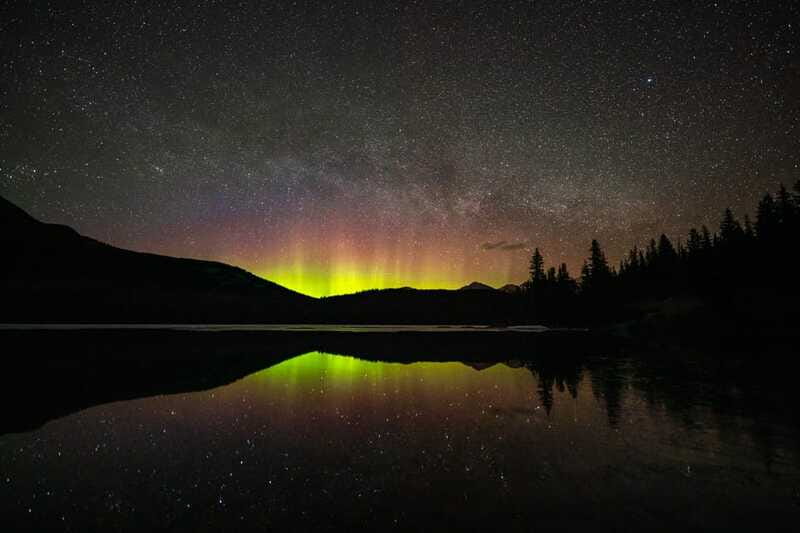
Once you’re outside, your dark sky guide makes an announcement and then you travel to a specially selected dark-sky site within walking distance, about 480 metres. This is not a long hike. It’s a short move to improve viewing conditions, so you’ll spend more time looking than traveling.
The star-finding portion uses laser guidance for naked-eye constellations. That’s a big deal, because constellation literacy is usually the hardest part for beginners. With laser pointing, you get a fast mental map: where to look, what to connect, and which bright stars are the “anchors” that make everything else easier.
You’ll also learn local constellations linked to Indigenous interpretations of the sky. The guides present this as part of the overall constellation learning segment, not as a side note. That adds meaning beyond astronomy trivia.
Binocular time and deep-sky objects: the practical magic trick
You get binoculars supplied for the constellation binocular tour. This is the section where many people feel the most “in it,” because binoculars are easier to use than telescopes. They also help you keep your hands and body stable while you focus on faint features.
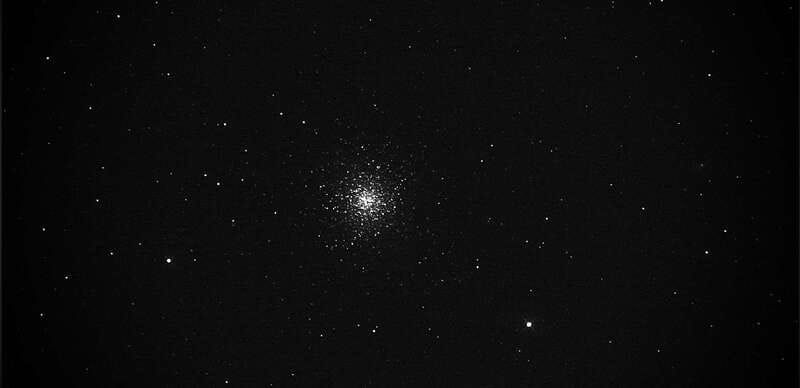
The tour guides aim you at the Milky Way and deep space objects as visible from the dark-sky site. With binoculars, you’re not chasing extreme detail like you would in a high-end photo. Instead, you’re learning what faint structure looks like, how it sits against the sky, and how the sky changes as your eyes adjust.
This is also where the Q and A time matters. If you have questions like why certain stars look different, what light pollution does, or how guides know what to point at, you can ask. That kind of interaction turns your viewing into actual learning.
The biggest win here is confidence. After this portion, you’re more likely to walk outside later and feel you can find something on your own, even if it’s just a familiar constellation pattern.
Indigenous constellations: learn the sky in a fuller way
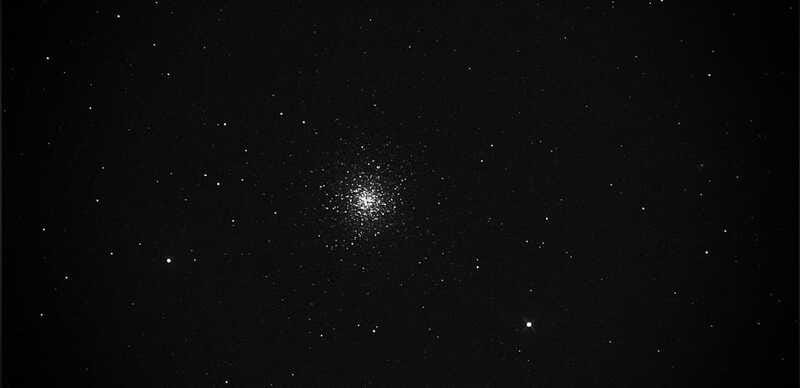
One of the highlights built into the experience is learning local Indigenous constellations. This is more than just “name these shapes.” It’s about understanding that the night sky can be interpreted through different cultural lenses.
In practical terms, this section also helps your sky sense. When you learn constellations with a meaningful framework, you’re less likely to forget them. You also get a deeper reason to pay attention, not just a list of star patterns.
If this topic matters to you, bring your curiosity and ask respectful questions. The guides run the whole constellation program, and the Q and A time is your chance to clarify what you’re learning in a way that feels comfortable.
Weather reality and the 2-year rain check
The night-sky part is weather-dependent. Several signs point to this being a central planning factor: you should dress warmly, and the tour explicitly includes a two-year rain check for any aspects that are not clear on the night you attend.
From a value standpoint, the rain check is the safety net. It helps protect your money if the sky doesn’t cooperate. It also changes how you should judge the experience on the night. Even if clouds limit the telescope or dark-sky viewing, you’re not necessarily stuck with a one-and-done evening.
That still leaves one practical consideration: if you booked specifically to see through a certain telescope and the conditions limit what’s visible, you might walk away feeling less satisfied than you expected. The rain check can help, but you’ll want to decide whether your travel schedule allows you to return within that time window.
Price and value: is $102 per person worth it?
At $102 per person for a 3-hour night experience, you’re paying for expert guidance plus specialized equipment time, not just a casual viewing session.
Here’s where the value comes from:
- Planetarium dome theatre admission that sets context
- Telescope and optical equipment access
- Binoculars supplied so you can participate fully
- Guided dark-sky constellation learning using laser guidance
- Q and A with astronomy guides
- Rain check protection for cloudy nights
If you were paying $102 for only a simple outdoor look with no teaching, it wouldn’t feel like a good deal. But the program is layered: dome first, then telescopes, then laser constellation guidance, then binocular deep-sky viewing. That sequence is the value.
Also, this is an all-age style tour (with key limits). That means families often get a good shared activity, and adults get structured learning rather than being sidelined as “spectators.”
Who should book, and who might want a different plan
This works best if you want structured astronomy learning and a guided approach to finding constellations. It’s a great match for:
- Beginners who feel intimidated by star maps
- People who want astronomy experts to answer questions
- Families, since it runs as an all-ages evening activity (with the under-4 rule)
- Anyone who wants a guided night in Jasper that’s genuinely sky-focused
It’s not a match for:
- Children under 4, since the dome theatre has age restrictions
- People with mobility impairments, because the experience includes dark-sky walking and outdoor time
- Anyone who wants to snack during the session, since food and drinks are not included or allowed
If you’re very sensitive to cloud disappointment, I’d treat this as an astronomy lesson first and stargazing second. The rain check helps, but your schedule matters.
Should you book the Jasper Planetarium Dark Sky Experience?
I think this is a strong book if you want a guided, teach-you-the-sky evening in Jasper, not just a quick telescope stop. The best part is the layering: dome context, telescope guidance, laser constellation orientation, and then binocular viewing. That combination is what turns the night sky into something you can understand.
Book it if:
- You like structured learning and asking questions
- You’re dressed for cold and plan to actually look
- You’re okay with weather being part of the experience
Consider skipping or swapping to a different option if:
- You need guaranteed clear skies on your exact night
- You have mobility limits that make outdoor walking tough
- You expected a permanent, fixed-style planetarium setup every night and would be disappointed if it’s more temporary
If you do go, set yourself up for success: arrive early, dress warm, and treat the guides as your star translators. That mindset is the difference between a frustrating night and a memorable one.
FAQ
Where do I check in for the tour?
Check in at the Planetarium Retail Desk inside the Main Lodge at Jasper Park Lodge. After entering the lodge, walk past the front desk, and the retail desk is in the south-west corner of the lobby, across from the Emerald Lounge.
What’s included in the experience for the $102 price?
The tour includes admission to the Planetarium Dome Theatre, access to look through optical telescopes, binoculars to use during the constellation binoculars tour, free parking, and a Q and A with the tour guides.
How long is the tour?
The experience lasts about 3 hours.
What should I bring?
Bring weather-appropriate clothing for the outdoor dark-sky portion.
What if it’s cloudy and I cannot see the stars?
If you do not see the stars due to cloudy skies, you can return with the tour’s two-year rain check at no additional charge for any aspects that are not clear on the night you attend.
Can I take photos or record audio during the tour?
Photography inside is not allowed, and audio recording is not allowed.
Are there age or mobility limits?
Children under 4 are not permitted in the Planetarium Dome Theatre. The tour is also not suitable for people with mobility impairments.
North to Jasper
Just off the notebook: recent Jasper write-ups
- Wildfire Peak Nic
★ 5.0 · 5 reviews - E-Bike Rental
★ 5.0 · 5 reviews - Jasper: Planetarium Indoor Dome Experience
★ 3.9 · 8 reviews - Columbia Icefield Adventure, Bow Lake & Peyto Lake Tour
★ 5.0 · 8 reviews - Canadian Rockies: Abraham Lake Ice Bubbles Helicopter Tour
★ 4.8 · 8 reviews - Ultimate Jasper Nature Walk
★ 4.5 · 9 reviews
Jasper & the Athabasca Valley, compared.
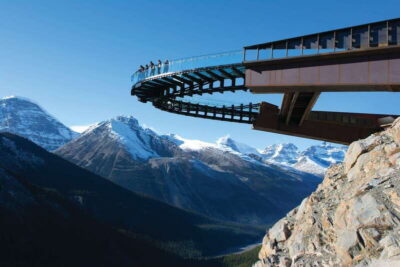 ★ 4.6Jasper: Columbia Icefield Skywalk and Ice Explorer TicketFrom $962,444 reviews
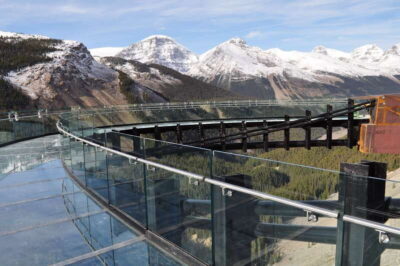 ★ 4.3Jasper: Columbia Icefield SkywalkFrom $37916 reviews
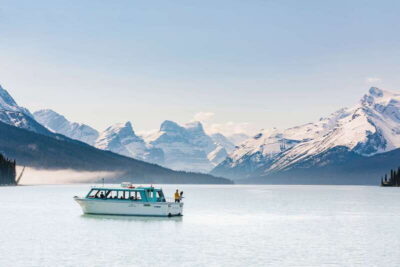 ★ 4.7Jasper National Park: Maligne Lake Cruise With GuideFrom $84896 reviews
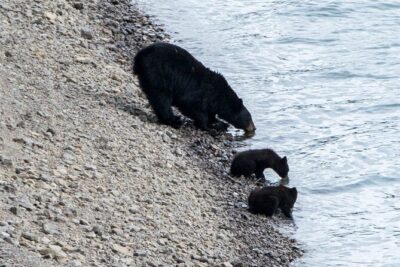 ★ 4.5Jasper Evening Wildlife TourFrom $65710 reviews
 ★ 4.6Jasper National Park: Evening or Morning Wildlife Watch TourFrom $63691 reviews
 ★ 5.0Jasper Wildlife & Sightseeing Tour with Maligne Lake CruiseFrom $176603 reviews
 ★ 4.7Jasper SkyTram Roundtrip Flight TicketFrom $59567 reviews
 ★ 4.5Maligne Lake CruiseFrom $86502 reviews
Browse the lists this tour appears in