
REVIEW · JOHNSTON CANYON & ICEWALK TOURS
Ice Climbing Initiation in Mont-Tremblant
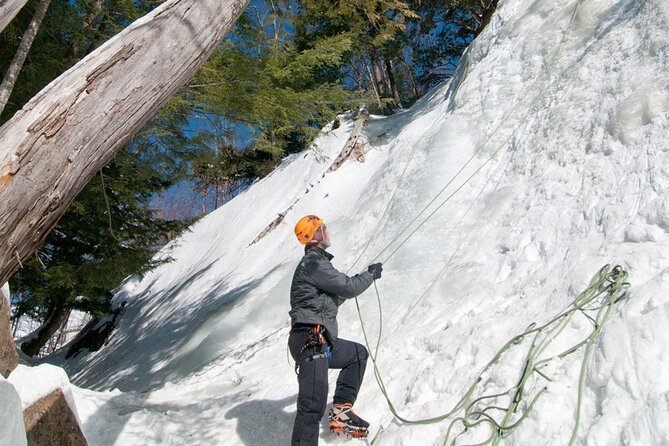
Ice climbing turns fear into focused fun. In Mont-Tremblant, this initiation builds you up step by step, starting with safety protocol and moving quickly to real technique on a 70-foot natural cliff face. It is a rare activity where you learn the how, not just the wow.
What I like most is the small-group coaching feel, plus the fact that you get a certified guide who stays right with you while you climb and practice. One possible drawback is that there is some setup time and a short uphill walk from the Tremblant Activity Centre up to the ice, so plan to be patient and bring your energy.
In This Review
- Key things to know before you go
- Meeting at Le Centre d’Activités Mont-Tremblant: start strong with the right setup
- The short uphill trek to the ice wall (and why your footwear choice matters)
- On-ice instruction that builds technique fast: harness, axes, and belaying
- What’s included, what’s not, and how to get fitted correctly
- Price and value: why $90.53 can make sense for a beginner ice-climb
- Who should book this ice-climbing initiation in Mont-Tremblant
- Should you book Ice Climbing Initiation in Mont-Tremblant?
- FAQ
- Where is the meeting point for this ice climbing initiation?
- How long is the experience?
- What equipment is included?
- What do I need to bring?
- What are the age requirements?
- Is there a weight or fitness limit?
- What happens if I cancel?
Key things to know before you go
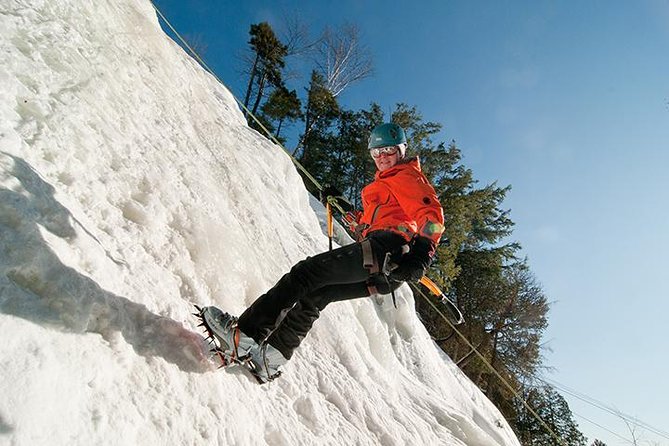
- Safety comes first, with instruction on proper technique and how to belay fellow climbers
- You climb multiple times during the 2 to 3 hour lesson, not just one rushed attempt
- The wall is a natural 70-foot cliff face, so expect real rock-and-ice conditions
- Your group stays small, with a maximum of 9 travelers
- You must bring your own ski boots, since equipment includes everything else but boots
- It is age 8+, and kids under 12 must be accompanied by an adult during the activity
Still shortlisting? Here is how a few other Mont Tremblant bookings stack up.
- Mont Tremblant Guided Zipline Tour★ 5.0 · 918 reviews
- Mont-Tremblant Lake Cruise★ 4.5 · 101 reviews
- Helicopter Tour Over Mont-Tremblant 70KM ( 20 min )★ 5.0 · 76 reviews
- Dogsled Diable Adventure in Mont-Tremblant★ 4.5 · 57 reviews
Meeting at Le Centre d’Activités Mont-Tremblant: start strong with the right setup
Your day begins at Le Centre d’Activités Mont-Tremblant, 118 Chem. de Kandahar, Mont-Tremblant, QC J8E 1T1. You will check in, sign the release form, and then get matched up with the gear you need. After that, the guide leads your group out to the climbing area, and the real lesson kicks in.
I like that this experience is designed to be straightforward. You get a mobile ticket and an in-person starting point at the foot of the slopes on Tremblant resort, which makes it easy to build the rest of your day around it. If you are relying on public transportation, this is also listed as near public transit.
The group size matters here. With a maximum of 9 travelers and a minimum of 2, the guide can keep things hands-on and safety-focused. If your party is closer to the max, expect a little more time spent getting everyone fitted and organized before you climb.
The short uphill trek to the ice wall (and why your footwear choice matters)
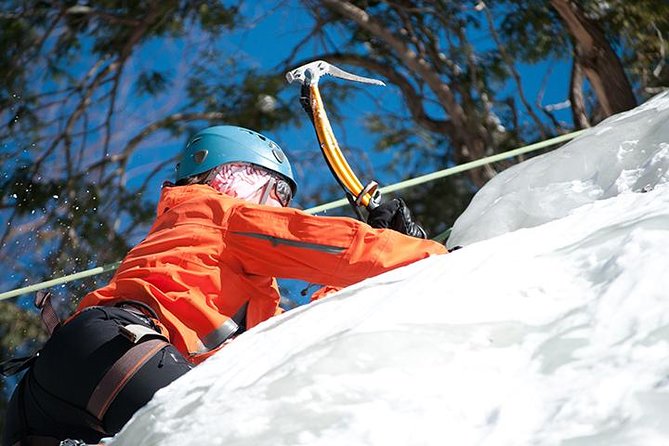
After check-in, you will walk over to the ice cliff. The cliff is about 70 feet high and natural, so you are not just climbing on some platform. You should also expect a bit of uphill travel through the resort area on the way up, which shows up in the experience in a very practical way: you will be on your feet before you ever touch the wall.
This is where fitness and clothing choices affect the whole day. The activity calls for a moderate physical fitness level, and reviews emphasize the hike up is part of the challenge. That does not mean you need mountain-trail endurance, but it does mean you should show up ready to move.
Footwear is also a real-world issue. You must bring your own ski boots for the climbing itself, and ski boots do not always feel great for a short walk. One tip that comes up is to bring a second, more normal pair of boots for the hike, then switch when you get to the climbing spot. It can make the warm-up feel easier, especially if conditions make the ground slippery.
Also plan clothing with crampons in mind. Snowpants can tear more easily around crampons, so wearing old snowpants is a smart move. It is a small detail, but it can save you from replacing gear after one session.
On-ice instruction that builds technique fast: harness, axes, and belaying
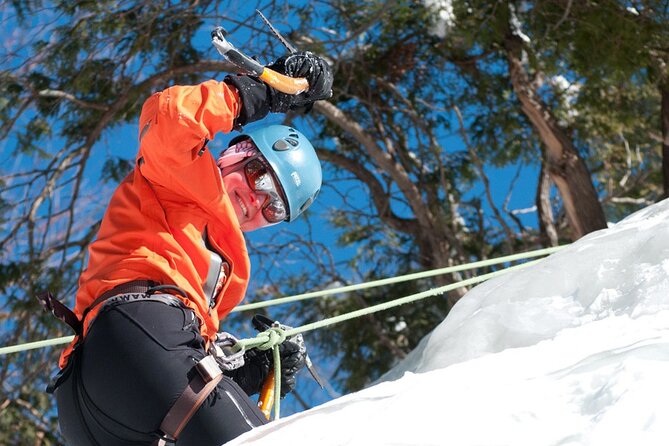
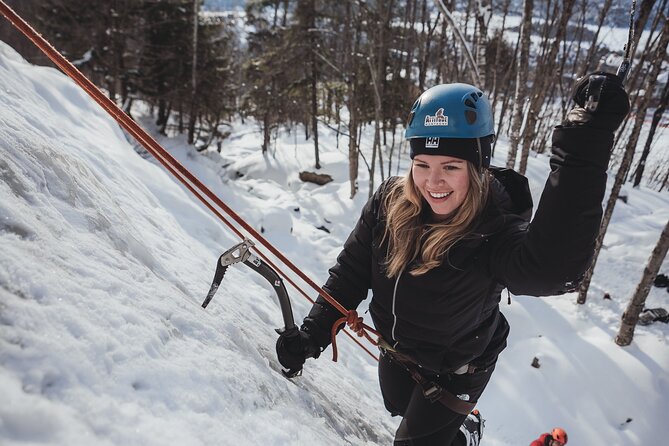
Once you reach the ice wall area, the guide fits you with your harness and helmet and equips you with ice axes. Then the teaching starts. This initiation is about more than going up a vertical face. It is about learning the moves that keep you stable, safe, and in control when conditions change.
The lesson is certified-instructor led and typically runs about 2 to 3 hours within the overall time on the schedule (roughly a 3-hour experience). You will learn safety protocol first, then proper technique to get started up the cliff. After that, you will practice repeatedly, which is what makes this work for beginners. It is hard to absorb new physical skills without repetition, so multiple climb attempts are a big deal.
One of the most valuable parts is learning how to belay fellow climbers. Belaying is the safety system that protects the climber while they are moving on the ice. Even if you are not an expert, you need the right understanding of how it feels, how it responds, and what your responsibilities are. In a group activity where everyone is connected, that knowledge makes the whole session feel more intentional.
Guides also tend to keep the energy fun and focused. For example, one group noted their guide timed how fast he could climb the ice wall, then turned it into a friendly challenge. Even if your guide does not run it the same way, expect a professional coaching vibe with a human sense of humor.
Up into the Laurentians: more ways to go
What’s included, what’s not, and how to get fitted correctly
Here is the equipment deal, straight and simple. You get all equipment except ski boots, plus a certified guide. That usually means harness, helmet, and the ice-climbing tools you need, so you are not juggling rentals or finding gear on arrival.
But the ski boots requirement is non-negotiable. You must bring your own ski boots, and that is often the one item that catches people off guard. If you only pack what you plan to use for skiing elsewhere in the day, double-check you have the correct boots for ice climbing.
Sizing details matter too. The activity lists measurements for waist (58 to 107 cm, or 23 to 42 inches) and thigh circumference (43 to 71 cm, or 17 to 28 inches). If you are near the edge of those ranges, it is worth considering whether your body measurements match the fit needed for the harness system.
There are also clear physical limits. Maximum listed weight is 250 lbs (113 kg). Pregnant women cannot participate, and service animals are allowed. Children must be at least 8 years old, and if your child is under 12, an adult must accompany them and remain present during the activity (the adult does not have to participate).
This might sound strict, but it is also part of why the experience feels secure. When the setup is consistent and everyone fits into the same safety parameters, the instruction can focus on technique instead of improvising.
Price and value: why $90.53 can make sense for a beginner ice-climb
At $90.53 per person for about 3 hours, this is not a bargain-basement activity. You are paying for instruction, safety management, and the gear needed to climb a natural ice face. Still, the value is there if you compare it to what it would cost you to hunt down equipment, figure out technique, and get qualified safety coaching.
The included equipment is the biggest cost offset. You are not expected to bring harnesses, helmets, or ice axes. And the guide is certified, which matters in a sport where mistakes are expensive. The small-group format also supports the value. With a maximum of 9 travelers, you get more time with the instructor and fewer people for the guide to manage at once.
The lesson structure also helps. You are not just standing on the edge for a quick demo. You climb several times during the lesson, which means you practice the skills under coaching, then tighten them each round. That is the difference between an activity that feels like entertainment and one that feels like you learned something real.
If you are an absolute beginner, this kind of initiation is often the most efficient path. One review highlighted that an instructor team was knowledgeable for first-timers, which matches the overall format here: safety, technique, then repetition.
Who should book this ice-climbing initiation in Mont-Tremblant
This is best for you if you want a structured introduction to ice climbing and you like the idea of learning both climbing and safety systems like belaying. It is also a strong fit for people who want a challenge without a long learning curve.
It can work for a range of ages too. Reviews included mentions of parents in their 50s having a blast, with the main physical challenge being the walk up to the cliff, not the climbing technique itself. So if you are in decent shape for short uphill movement and you can follow instruction closely, you likely fit the spirit of the experience.
On the other hand, skip it if you are pregnant, outside the weight range, or if your body measurements are far outside the listed harness fit ranges. Also take the moderate fitness level seriously. This is not just balance on ice, it includes getting to the wall.
Family planning is part of the decision. Kids must be 8 or older, and those under 12 need an adult present for the full activity. If you are traveling with teens or older kids who can handle safety gear and follow directions, it can be a memorable family experience.
One more practical match point: if you are the type of traveler who likes guided structure and clear rules, you will probably feel at ease. Safety is a major theme, and the coaching approach is meant to keep you confident while you climb.
Should you book Ice Climbing Initiation in Mont-Tremblant?
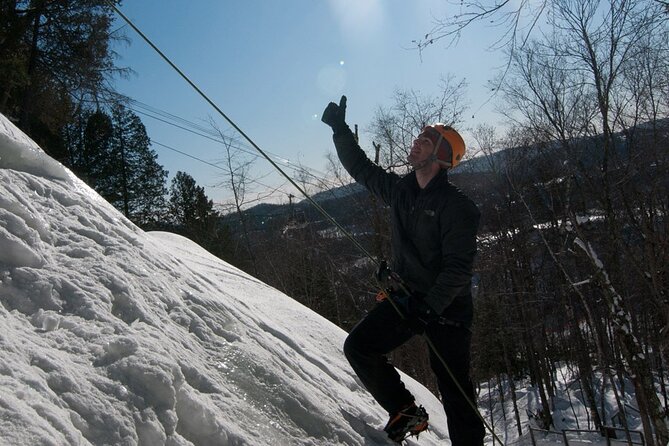
You should book if you want an instructor-led first experience with hands-on practice, clear safety coaching, and included gear. The pricing feels reasonable when you factor in the certified guide and equipment, and the small group size helps the lesson stay focused. If you are comfortable walking uphill for a short stretch and you can follow safety steps carefully, this is a smart way to try ice climbing without guessing.
I would hesitate if you dislike cold, you want zero physical effort before climbing, or you are not able to meet the harness fit or participation limits. Also, if you only pack one type of footwear, fix that before you arrive. Bring ski boots for the climb and consider extra boots for the walk up.
If you want a unique Mont-Tremblant activity that teaches real skills, not just a photo moment, this initiation is a strong candidate.
FAQ
Where is the meeting point for this ice climbing initiation?
You meet at Le Centre d’Activités Mont-Tremblant, 118 Chem. de Kandahar, Mont-Tremblant, QC J8E 1T1, Canada. The activity ends back at the meeting point.
How long is the experience?
The duration is about 3 hours (approx.), with the lesson portion lasting around 2 to 3 hours.
What equipment is included?
All ice climbing equipment is included except ski boots. A certified guide is included as well.
What do I need to bring?
You must bring your own ski boots. It is also recommended to wear old snowpants because snowpants can tear more easily on crampons.
What are the age requirements?
Participants must be age 8 or older. Children under 12 must be accompanied by an adult, and the adult must remain present during the entire activity.
Is there a weight or fitness limit?
Yes. The maximum weight is 250 lbs (113 kg), and the activity lists a moderate physical fitness level as the requirement.
What happens if I cancel?
This experience is non-refundable and cannot be changed for any reason. If you cancel or ask for an amendment, the amount you paid will not be refunded.
Up Into the Laurentians


Just off the notebook: recent Mont Tremblant write-ups
- Mont-Tremblant Snow Tubing
★ 4.5 · 7 reviews - Half-Day White Water Rafting on the Rouge River
★ 4.5 · 8 reviews - Mont-Tremblant Helicopter Tours
★ 5.0 · 8 reviews - Fire Man Guided Snowshoe Tour in Mont-Tremblant
★ 5.0 · 21 reviews - Tremblant Sleighride
★ 4.0 · 23 reviews - Dogsled Diable Adventure in Mont-Tremblant
★ 4.5 · 57 reviews
Johnston Canyon & Icewalk Tours, compared.
 ★ 4.9Emerald Lake, Moraine, Louise, Johnston Canyon & Banff TownFrom $511,554 reviews
 ★ 4.8Lakes Moraine, Louise, Emerald, Johnston Canyon & Yoho TourFrom $611,023 reviews
 ★ 4.9Banff: Lake Louise, Moraine, Emerald Lake & Johnston CanyonFrom $50808 reviews
 ★ 5.0Johnston Canyon IcewalkFrom $81502 reviews
 ★ 5.02025 Winner-Lake Louise Moraine Lake Johnston Canyon Banff TownFrom $59376 reviews
 ★ 5.0Lake Louise Moraine Lake Johnston Canyon 1.5h Half Day TourFrom $44323 reviews
 ★ 5.0Banff Town ,Lake Louise, Moraine , Emerald & Johnston Canyon TourFrom $112256 reviews
 ★ 4.8Banff: Morning or Afternoon Johnston Canyon IcewalkFrom $79253 reviews
Browse the lists this tour appears in