
REVIEW · CANMORE & KANANASKIS ADVENTURES
Half Day Heart Creek Canyon – Near Banff & Canmore- For Beginners
Waterfall rappels in Banff, no experience needed. Heart Creek Canyon turns a walk into real canyoning practice, with step-by-step coaching and a big payoff. I like the beginner-friendly progression and I love the 18-meter waterfall finale after a short skills workshop. The tradeoff is simple: you have to be ready for cold water, wet rocks, and the right footwear rules, or you will miss out.
You also get a small group, max 12 people, which keeps the pace active instead of stop-and-wait. I like that the operator provides the core safety setup, including wetsuit, harness, helmet, and a drybag. This is a practical half-day plan that still feels like a full adventure: hiking in, rope practice, then rappels, finishing with slides.
Before you book, check the physical fit rules: you need to carry a backpack and hike uphill for 3.5 km, and there is a maximum waist size of 42. It is also not recommended for travelers with back problems, heart problems, or other serious medical conditions, and they do not recommend it for travelers over 60.
In This Review
- Key things I’d focus on before you go
- Why Heart Creek Canyon is a great first canyoning step
- The gear setup (and what it means for comfort)
- Walking into the canyon: what Stop 1 actually feels like
- The 18-meter waterfall finale and the slide finish
- Rappelling skill progression: what you’ll practice and why it works
- What to wear and pack, so you do not regret it
- Footwear rules you should take seriously
- Clothing and personal items
- Camera and phone strategy
- Price and value for this Banff-area half-day
- Who should book this, and who should skip it
- You’ll likely love it if:
- Rethink it if:
- Transport and meeting at Heart Creek Trail Head
- Safety, weather, and how the day can change
- Should you book Half Day Heart Creek Canyon for beginners?
- FAQ
- What gear is included on this Heart Creek Canyon tour?
- What kind of footwear is required?
- Do I need to bring a bathing suit and towel?
- How fit do I need to be?
- What is the minimum age for this activity?
- What happens if weather is bad or I need to cancel?
Key things I’d focus on before you go
- Beginner ramp-up on real ropes: you practice basic rope skills before entering the canyon.
- A canyon split into mostly-dry then wet sections: upper section conditions can be drier, lower section is where you get the classic canyoning experience.
- 18-meter waterfall moment: the last section includes a major rappel and a strong sense of accomplishment.
- Small group size for hands-on coaching: max 12 participants means more instruction per person.
- All the core safety gear is included: wetsuit, harness, helmet, and drybag reduce what you have to buy or pack.
- You still need the right shoes: closed, wet-safe footwear is required, and water shoes and Keen-style sandals are not accepted.
The valley next door, in more shapes
- Banff: Afternoon Kananaskis River Whitewater Rafting Tour★ 4.9 · 297 reviews
- Banff/Canmore: Moraine Lake w/ Lake Louise Option★ 4.9 · 292 reviews
- From Banff/Canmore: Moraine Lake, Lake Louise 1.5 hrs Each★ 4.7 · 117 reviews
- Banff/Canmore: Sunrise at Moraine Lake w/ Lake Louise Option★ 4.8 · 116 reviews
Why Heart Creek Canyon is a great first canyoning step
Heart Creek Canyon is set up for people who are curious and a little nervous. That is the whole point of the “half day” format. You start with a canyoning safety briefing at the parking lot, then you hike in far enough to feel the outdoors, but not so far that the day becomes a long slog.
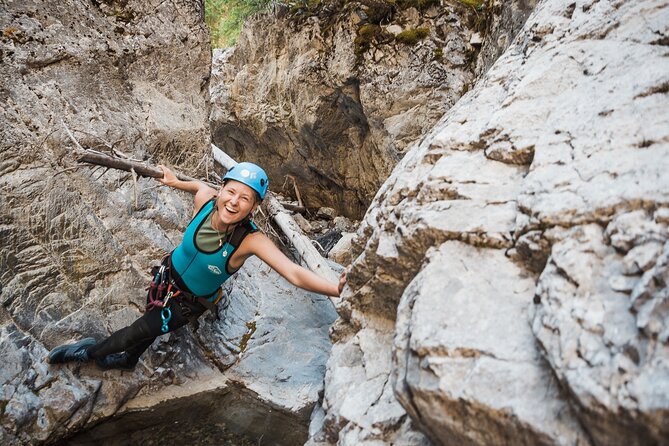
Once you reach the canyon area, you do a rappel workshop first. That matters because canyoning can feel intimidating when you go straight to a drop. Here, you get coached on basics before you enter the wetter, more exciting part. In other words, you are learning while you are still in control, then you build toward the more committing moves.
The guides are a big part of why this works for beginners. In the provided experiences, names like Jack, Juan, Guillaume, and Olivia show up as the people doing the coaching. The common theme is patient, encouraging instruction, plus clear safety guidance when it gets technical.
The gear setup (and what it means for comfort)
This tour includes the equipment you actually need to do the activity safely. You get a wetsuit, plus a harness, helmet, and a drybag. They are also specific about what footwear works, which is one of those unglamorous details that makes a huge difference once you are on wet rock.
A smart note from the experience details: water temperature can be chilly, especially if conditions turn cold or rainy. In at least one described case, the guides brought dry suits instead of wet suits for comfort when the weather was rough. You cannot assume that every day will go that way, but it tells you they manage temperature, not just the technique.
You will also want to think about how you protect your stuff. Since you have a drybag, you can keep one phone for photos, but still use it with some sense. If you are serious about recording, you might also bring something waterproof, since ropes, slides, and splashes are part of the fun.
Walking into the canyon: what Stop 1 actually feels like
The day starts at the Heart Creek Trail Head parking area (meet there for the safety briefing and gear handout). The plan then moves fast and simple.
First hike: about 45 minutes to the canyon. This gives you time to shake out your legs and settle in. You are not just “waiting to rappel,” you are learning the terrain and building comfort for the rest of the route.
Then you do the rappel workshop. This is where a beginner gets real value. You get practice with basic rope skills before you enter the canyon section where you will get wet. If you are the type who likes to understand the why, this is also where the guide’s coaching style matters most, because you are building muscle memory.
One more detail that affects your experience: the upper section can be relatively dry depending on conditions. That means you might get a chance to practice rappels while the rock and water are less intense, then shift to the lower section where it becomes the classic canyoning payoff.
The 18-meter waterfall finale and the slide finish
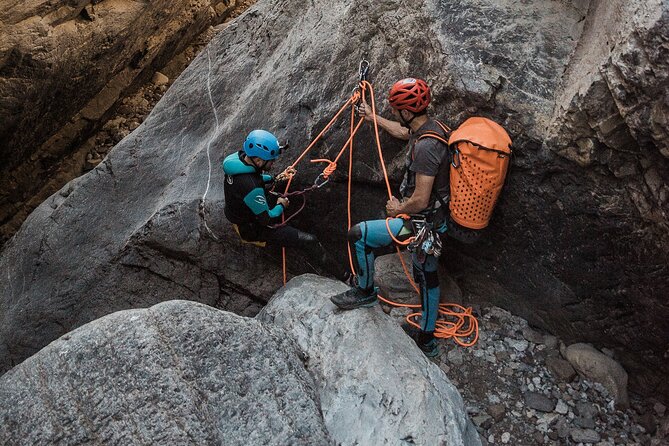
After the upper section practice, you enter the last section. This is where the trip earns its wow factor.
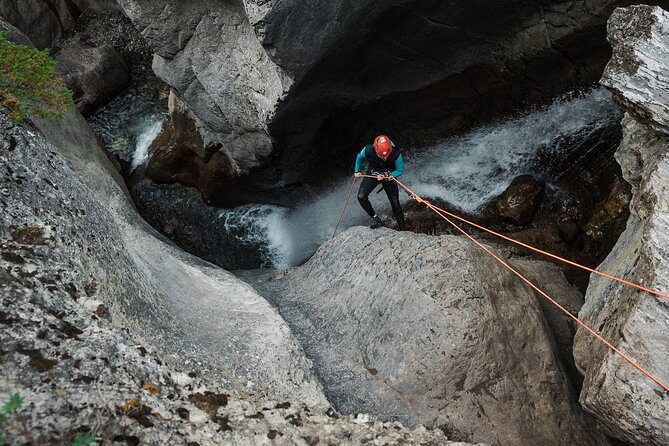
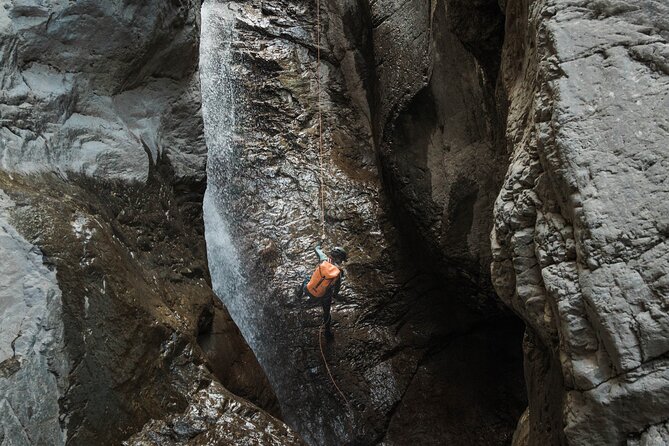
You get rewarded with an 18-meter waterfall. Practically, that means you are doing a major rappel that feels like a milestone, not just a “try it” moment. The guides build you through earlier steps so the big drop is not random or shocking. You still need to listen, stay focused, and follow instructions, but you are not starting from zero.
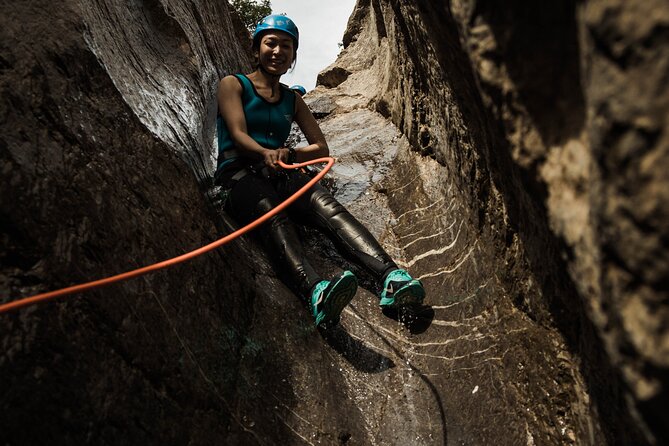
Then the day shifts to fun. The route ends with a series of slides and a hike back to the cars. Based on the descriptions, you can expect multiple water slides as part of that finale, with each one offering its own challenge level. Some slides are straightforward fun, others ask you to stay calm, watch the setup, and commit.
If you are wondering how the day wraps up, the key is that it stays active. There is not a long period of standing around. You hike out, you dry off as you can, and you are back at the trailhead where you started.
Rappelling skill progression: what you’ll practice and why it works
The tour is designed as a skills progression, not just an “activities package.” That is especially important if you have never done ropes before.
Here’s how the day’s structure supports learning:
- You start with a mandatory safety briefing so everyone understands what the guide needs from you.
- You then do a rappel workshop with basic rope skills, which helps your hands and stance get used to the gear.
- You move into a sometimes-drier upper canyon section to practice rappels with less immediate chaos.
- You finish in the lower section where you meet the biggest visual feature, the 18-meter waterfall, and then wrap up with slides.
In one of the detailed experiences, the day included around five rappels and four water slides, with the final rappel going down a large waterfall. That sort of structure is ideal for beginners because it gives repetition. You get multiple chances to improve your control before the most dramatic moment.
One small practical heads-up: gloves are not listed as included gear. In one experience, the person said gloves would have helped on wet rope. You might bring a simple pair of gloves if you have them and they fit the activity rules, because slick rope can feel uncomfortable fast.
What to wear and pack, so you do not regret it
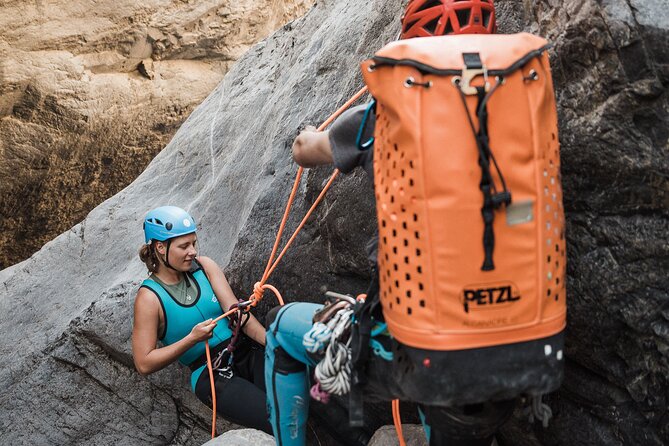
Let’s be very practical. The tour is clear about footwear and what is not allowed.
Footwear rules you should take seriously
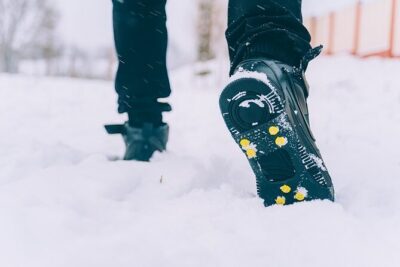
You need fully closed footwear. Light hiking shoes or running shoes that can get wet are required.
They also state that water shoes and Keen-style hiking sandals are not suitable and will not be accepted. That rule is not picky for fun. Wet rock and rope work demand grip and coverage.
Clothing and personal items
Bathing suit and towel are not included. Even with the suit provided, you still need something appropriate to wear under or with it, plus a towel to dry off at the end.
You should plan a snack and water approach. A small lunch or lots of snacks and water are recommended, because the activity is several hours and you will be working in cold wet conditions.
Camera and phone strategy
You will likely be tempted to bring a waterproof camera. One experience recommends bringing a waterproof camera or GoPro style setup. The tour provides dry storage like a drybag, and you can also keep your phone in a drybag for extra photos. If you care about photos, bring something you can secure and keep dry.
Price and value for this Banff-area half-day
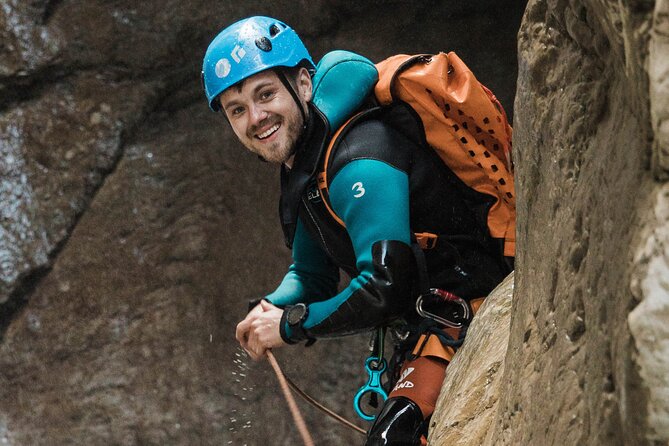
At $146.37 per person, this is not a budget activity. But it can be good value if you look at what is included.
You are paying for:
- a fully certified canyoning guide
- core safety gear (wetsuit, harness, helmet, drybag)
- structured instruction that brings beginners from basic rope skills to an 18-meter waterfall rappel
- a small group size cap (max 12), which usually means more hands-on time
Then there are a couple of costs to budget for. Parking fees are CA$15.00 per booking. You also need to plan for what is not included, like a bathing suit and towel, plus snacks and water. And you need the right shoes, which you may already own.
If you already have suitable closed-toe water-friendly shoes and you do not need to buy much else, the price can feel reasonable for a guided ropes-and-water adventure in the Banff area, done safely and with beginner coaching.
Who should book this, and who should skip it
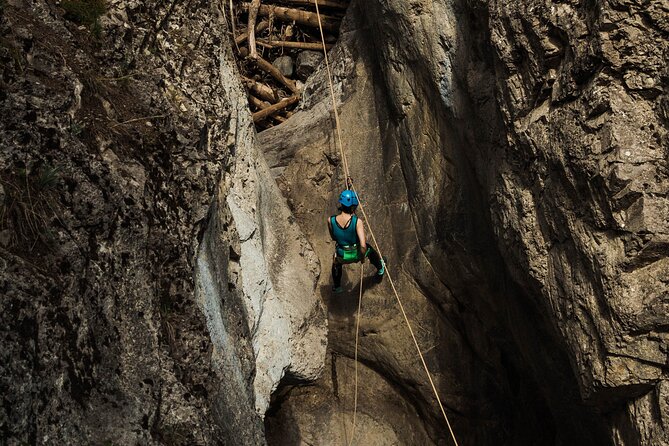
This tour is pitched as a beginner-friendly canyoning trip, but beginner-friendly does not mean casual.
You’ll likely love it if:
- you are new to canyoning and want a clear skills ramp-up (rappel workshop first)
- you enjoy being outdoors and active for several hours
- you like structure and coaching, with time to practice rather than rushing to the biggest feature
- you want a small group experience (max 12), which usually means better attention
Rethink it if:
- you have back problems, heart problems, or other serious medical conditions (it is not recommended)
- you are over 60 (not recommended)
- you cannot handle carrying a backpack and hiking uphill for about 3.5 km
- your body measurements exceed the max waist size of 42
- you are under age 12 (minimum age is 12, with children accompanied by an adult)
If you are right on the edge physically or medically, call the office to chat. That is exactly what they tell you to do.
Transport and meeting at Heart Creek Trail Head
The meeting point is at the Heart Creek Trail Head parking area at:
105, New exit from Highway 1 to New Roundabout, Bighorn No. 8, AB T0L 2C0, Canada
The trip ends back at the same meeting point.
If you are coming from Canmore, the drive to the trailhead is described as about 12 minutes, and one taxi plan was around CA$40 each way. That suggests getting there is manageable if you plan ahead, even if you are not driving your own vehicle.
Safety, weather, and how the day can change
Safety is built in, starting with the mandatory briefing at the parking lot and a ropes workshop before the active canyon section.
But weather matters here because you are in and around moving water. The experience requires good weather, and for safety reasons the operator can alter or cancel trips based on conditions. If it is canceled due to poor weather, you should expect either a different date or a full refund.
A helpful mindset: arrive expecting that conditions can shift. The canyon can be drier in the upper section and wetter below depending on what’s going on. Even with the right gear, your comfort level will rise or fall based on the water and air temperature.
Should you book Half Day Heart Creek Canyon for beginners?
Book it if you want a real canyoning experience with safety coaching and a beginner-friendly progression. You get the core gear, you practice rope skills before the drops, and the day is short enough to stay fun even if you are new.
Skip it if you cannot meet the hike and gear-ready requirements, or if you have serious medical constraints. Also skip if you do not have closed, wet-safe footwear, because sandals and water shoes are not accepted.
My practical decision rule: if you are willing to hike a few kilometers uphill with a backpack and you can dress for cold, wet conditions, this is one of the smarter ways to try canyoning near Banff.
FAQ
What gear is included on this Heart Creek Canyon tour?
You are provided with a wetsuit, harness, helmet, and a drybag. You also have access to a fully certified canyoning guide for the ropes and canyon portion of the day.
What kind of footwear is required?
You need fully closed footwear. Light hiking shoes or running shoes that can get wet are required. Water shoes and Keen-style hiking sandals are not accepted.
Do I need to bring a bathing suit and towel?
Yes. A bathing suit and towel are not included, so bring what you need for changing and drying off after the activity.
How fit do I need to be?
You need to be able to carry a backpack and hike uphill for about 3.5 km. The tour is also not recommended for travelers with back problems, heart problems, or other serious medical conditions, and it is not recommended for travelers over 60.
What is the minimum age for this activity?
The minimum age is 12, and children must be accompanied by an adult.
What happens if weather is bad or I need to cancel?
The experience requires good weather. If it is canceled due to poor weather, you will be offered a different date or a full refund. You can cancel for a full refund up to 24 hours before the experience start time.
The Valley Next Door



Just off the notebook: recent Banff write-ups
- Elevated Private Experience: Adventure & Wellness in Banff
★ 5.0 · 4 reviews - From Banff: Affordable Moraine Lake and Lake Louise Shuttle Bus
★ 5.0 · 4 reviews - Banff to Calgary or YYC Airport | Private Transfer
★ 5.0 · 4 reviews - Banff Gondola & Lake Minnewanka Cruise Combo
★ 5.0 · 4 reviews - Moraine Lake Lake Louise Johnston Canyon Emerald Lake Day tour
★ 5.0 · 4 reviews - From Banff: Winter Wonderland; Lake Louise & Johnston Canyon
★ 5.0 · 4 reviews
Canmore & Kananaskis Adventures, compared.
 ★ 5.0Lake Louise, Moraine Lake, Banff Tour from Calgary/Canmore/BanffFrom $742,792 reviews
 ★ 5.0Lake Louise Moraine Lake Day Trip from Banff Calgary CanmoreFrom $59650 reviews
 ★ 4.9Banff/Canmore: Moraine Lake 1.5h & Lake Louise Half-Day TourFrom $45619 reviews
 ★ 5.0Calgary/Canmore: Banff National Park & Lake Louise Day TripFrom $86491 reviews
 ★ 5.0Canmore Caving Adventure TourFrom $149356 reviews
 ★ 4.9Banff: Kananaskis River Whitewater Rafting TourFrom $95328 reviews
 ★ 4.9Banff: Afternoon Kananaskis River Whitewater Rafting TourFrom $110297 reviews
 ★ 4.9Banff/Canmore: Moraine Lake w/ Lake Louise OptionFrom $87292 reviews
Browse the lists this tour appears in