
REVIEW · GASTOWN, GRANVILLE ISLAND & VANCOUVER FOOD WALKS
Gastown, the origins of Vancouver
Gastown turns Vancouver into a story you can walk through. On this guided outing, you connect the neighborhood’s early days to the sights most people only speed past, like the Steam Clock and the old storefronts along Main Street.
I like two things most. First, you get a professional, private-guided walk that keeps the pace friendly and the stops focused. Second, the route hits true anchors of Vancouver’s early identity, from Dry Law back alleys to big landmark buildings, with guides such as Fernando and Ken praised for answering questions and explaining the why behind each place.
One consideration: this is a small-experience operation. A few unhappy bookings reported a guide no-show or weak communication, so if you book last minute, save your confirmation details and make sure you have the right meeting point timing on your phone.
In This Review
- Key highlights I’d plan around
- Why Gastown’s origins tour is more than a photo walk
- Powell Street to the Dry Law alleys, where the stories get real
- Gassy Jack connections and the lesson of changing symbols
- The 120-plus-year bar stop, and why that kind of detail matters
- Steam Clock and the Lookout Building, two icons that anchor your map
- Vancouver’s train station (1914) and the city growing up
- Main Street and the Expo86 connection, from steam-era roots to modern Vancouver
- Price and time: is $52.45 per person good value?
- What to expect from the guide: Fernando, Ken, and the variation to watch for
- Practical tips before you go (so the walk feels easy)
- Should you book this Gastown origins tour?
- FAQ
- How long is the Gastown origins tour?
- What is the price per person?
- Where does the tour start?
- Where does the tour end?
- Is this a private tour?
- What languages are available?
- Do I need a paper ticket?
- How far in advance do people usually book?
- Will I get confirmation right away?
- Can I cancel for free, and what if weather is bad?
Key highlights I’d plan around
- Private tour setup: it is only your group, so you can ask questions without “tour traffic.”
- Origins-of-Vancouver focus: you are not just snapping photos, you are learning how Gastown started.
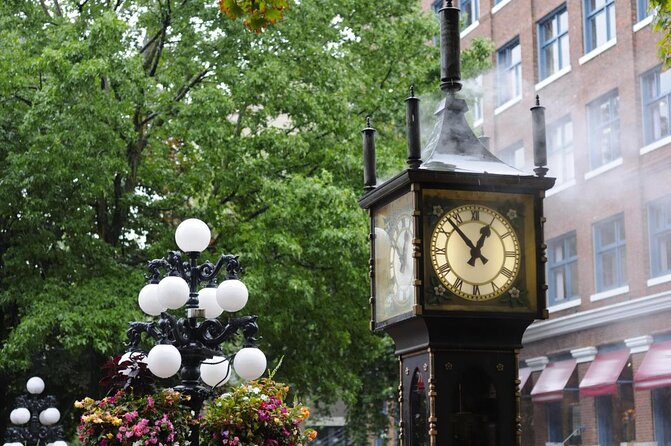
- Icon stops included: Steam Clock, 1914 train station, Lookout Building, and more.
- Dry Law-era alleys: you get the gritty 1920s angle, not just the polished signage.
- Multiple languages: you can choose English, Spanish, or Chinese.
- Short and efficient: about 1 hour 15 minutes, so it fits well between other plans.
Still hungry? More Vancouver eating routes
- Gastown Historic Walking Food Tour★ 5.0 · 1,863 reviews
- Vancouver City Sightseeing Tour: Granville Island & Stanley Park★ 4.5 · 1,782 reviews
- Vancouver Tour: Stanley Park, Granville Island & Capilano Bridge★ 4.5 · 1,778 reviews
- Vancouver Lost Souls of Gastown Walking Tour★ 5.0 · 1,273 reviews
Why Gastown’s origins tour is more than a photo walk
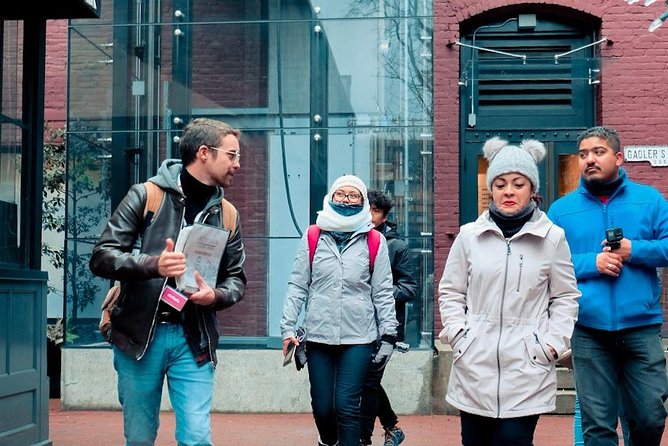
Gastown is one of those places where the streets feel old even if the city itself is still young by North American standards. This tour is built around that tension: you get the story of how Vancouver took shape, and then you translate it into what you see on the ground.
I like that the guide story is organized around specific sites instead of vague history. You start near Powell Street, work through the Gastown lanes and key landmarks, and finish down by Canada Place. In other words, you walk the geography and the narrative at the same time, which helps the neighborhood click.
The time window also matters. At roughly 1 hour 15 minutes, the pace is usually brisk enough to keep you moving, but not so fast that you feel rushed at every stop. If you only have a slice of time for Gastown, this is a practical way to get your bearings.
Powell Street to the Dry Law alleys, where the stories get real
The heart of the experience is Gastown’s early character, including the not-so-spotless side of its past. The route includes the alleys tied to Dry Law-era murky business, and that is where the neighborhood becomes more than “old buildings.”
This is the part where a good guide can make the difference. If your guide is the type who answers follow-up questions patiently, you will probably leave with a clearer picture of why certain buildings and corners mattered. In past experiences, guides such as Fernando have been called out for being patient and detailed, which is exactly what you want when a tour includes more than one layer of history.
There is also a watch-out here. One unhappy booking described a guide reading from notes and delivering a very fixed opinion on topics that include First Nations history. That does not mean every tour is like that, but it is a good reminder: if you care about balanced, respectful storytelling, bring your questions and steer the discussion when you can.
Gassy Jack connections and the lesson of changing symbols
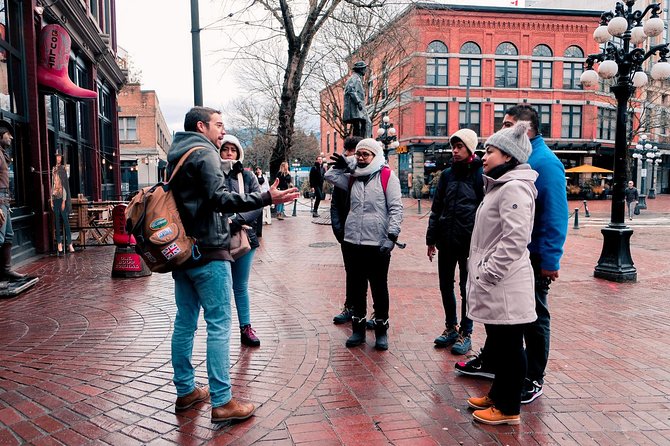
Your tour includes the old Gassy Jack area, including context tied to how that icon has been treated over time. Gassy Jack is one of those Gastown symbols that can represent a lot of different narratives, depending on the era and the storyteller.
That is why I think this stop is more important than it sounds. Statue and icon stories are a shortcut to how a city decides what to celebrate, what to critique, and what it revises as community values shift. Even if you have never read Gastown’s background, a well-led walk can turn you into an observer instead of a spectator.
If your guide is less conversational and more note-driven, you might feel less connection here. You can help by asking simple questions like what the figure represents historically versus what it represents today. Private format makes that easier, because the guide can tailor the flow to your group.

The 120-plus-year bar stop, and why that kind of detail matters
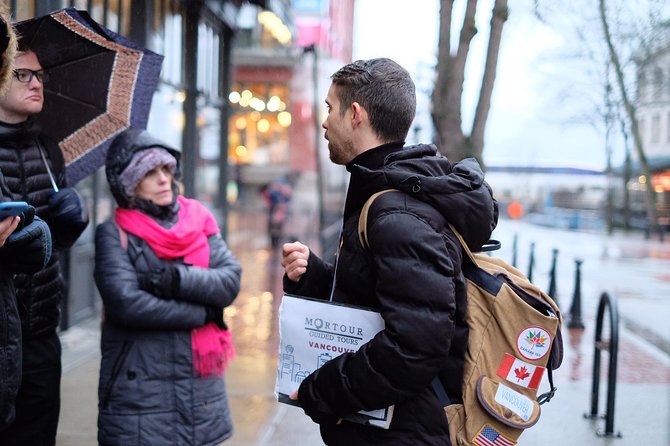
Along the route, you will hit an emblematic bar that has been around for more than 120 years. This is one of those “small” stops that is actually a big deal, because Gastown’s history is not only in grand buildings. It is in the places people gathered.
This stop also supports the tour’s theme: Vancouver’s origin story played out in everyday spaces, not just museums. When you see a long-running pub or bar and connect it to the early district’s rhythm, the neighborhood starts to feel lived-in, not staged.
One practical tip: give yourself a few seconds to look up at signage and storefront details. Even without a deep architectural lecture, those visual cues help you remember the tour later.
Steam Clock and the Lookout Building, two icons that anchor your map
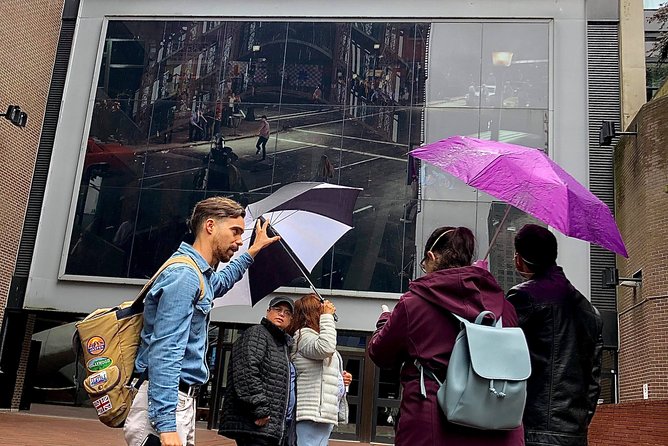
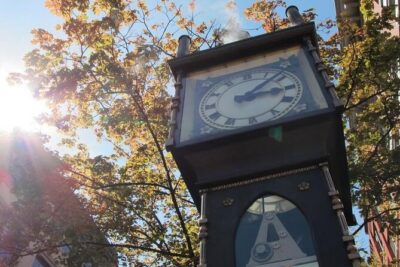
Two standout landmarks included are the famous Steam Clock and the Lookout Building. These are the kind of sights that tourists recognize fast, but the tour value is in what you learn about them and how they fit into the neighborhood story.
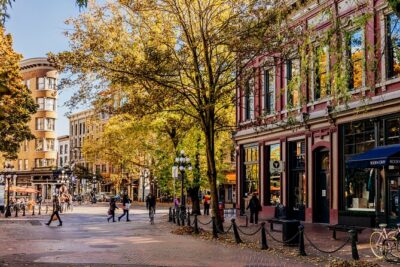
The Steam Clock is also useful as a mental waypoint. If you plan to wander after the tour, you will find it again easily, and it becomes your “center” for navigating Gastown’s lanes and wider main streets.
Then you shift from playful, quirky engineering to larger-city signals with the Lookout Building. I like this pairing because it gives you a sense of how Gastown sits between small streets and bigger institutional landmarks. You get a neighborhood feel, then you feel the gravity of the city behind it.
Vancouver’s train station (1914) and the city growing up
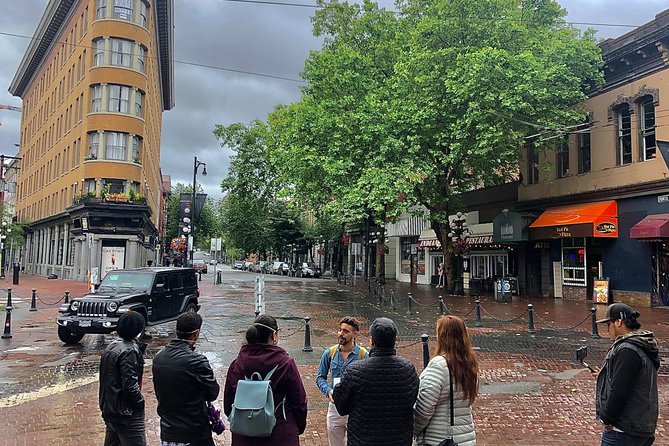
The tour includes Vancouver’s train station opened in 1914. This matters because Gastown history is not frozen in time. Rail brought movement, people, and commerce, and those changes show up in how the district evolved.
If you are trying to understand Vancouver in one day, this stop gives you a bridge. You can connect the early Gastown identity to the larger city infrastructure that followed. It also helps explain why the district’s importance shifted over time, instead of staying locked in a single origin snapshot.
Keep an eye on how the guide links the station to the surrounding streets and nearby landmark buildings. That cause-and-effect style is where a guided walk beats wandering on your own.
Main Street and the Expo86 connection, from steam-era roots to modern Vancouver
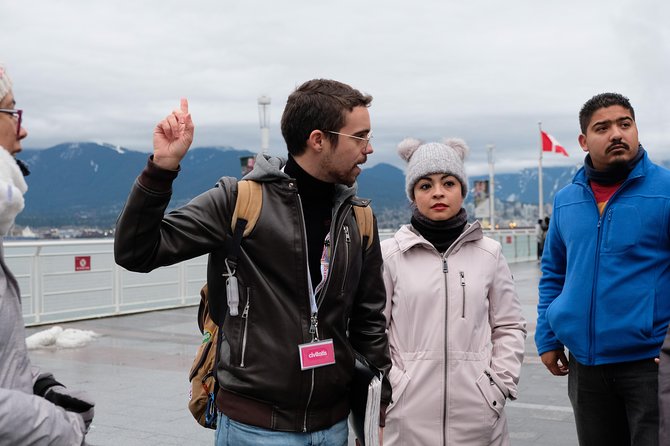
Your route reaches Main Street and also includes an Expo86 venue in Vancouver. That combination may feel like a time jump, but it actually reinforces the tour’s promise: you are learning the origins of Vancouver while still seeing how later events shaped the city’s identity.
Why I like this approach: it prevents Gastown history from feeling like a dead chapter. Instead, you get a sense that the city keeps reinventing itself, while still borrowing energy from its earlier character.
If you are a photo person, this is a good stretch. Main Street and landmark venues typically give you the broader street context that makes your Gastown photos make sense later. If you are more into stories than photos, this portion is where you can ask how Expo-era planning connected back to earlier urban growth patterns.
Price and time: is $52.45 per person good value?
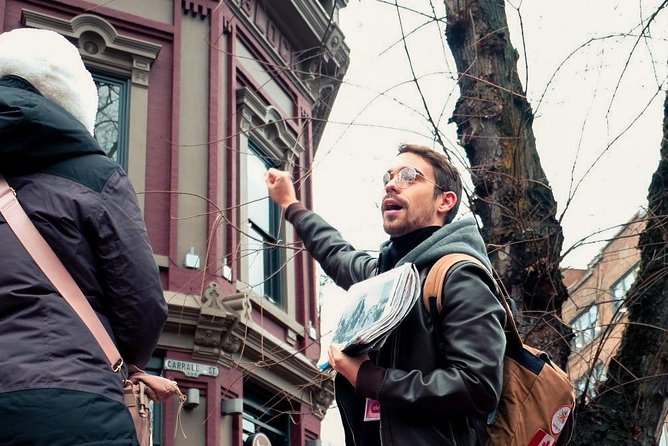
At about $52.45 per person for around 1 hour 15 minutes, you are paying for three things: a local guide, a structured walk, and a private format for your group.
Whether it is a “good deal” depends on how you like to travel. If you enjoy guided context and you hate hunting for meaning on your own, then the price can feel fair because you are buying interpretation, not just access to street corners. Private tours also help if your group includes people who like to ask follow-up questions or need slightly more time at each stop.
If you are the type who already knows Vancouver’s history and mostly wants the photos, you might feel this is pricier than a DIY walk. In that case, you could still do it if you treat it as a quick orientation pass, then use the rest of your day to explore at your own pace.
What to expect from the guide: Fernando, Ken, and the variation to watch for
From the feedback shared with the tour operator, two guide names show up with strong praise: Fernando and Ken. Both are described as friendly, patient, and strong on explaining Gastown’s history. That is exactly what you want for a walk that includes both iconic landmarks and more specific, era-based storytelling like Dry Law-era alleys.
That said, one negative experience described a guide reading from notes and giving a rigid, opinionated take on certain history topics. So the best advice I can offer you is simple: pick a time when you are not rushing off to the next plan, and give your guide a moment early in the walk to set the tone.
If the guide is less interactive, you can still steer the experience by asking direct questions. Private format makes that more realistic than on a large group tour.
Practical tips before you go (so the walk feels easy)
This is a walking-style experience, starting at 4 Powell St and ending at Canada Place (999 Canada Pl). Plan for weather since the experience requires good conditions, and have a backup clothing layer if the forecast changes.
Here’s how I’d prep your mental checklist:
- Wear comfortable shoes and keep water handy.
- Have your phone charged for your mobile ticket.
- Bring one or two questions you actually care about, like how the Steam Clock fits into Vancouver’s early image, or why 1914 train infrastructure mattered.
Also, if you prefer a specific language, confirm the available language option when booking. The tour offers English, Spanish, and Chinese, which is a big win if English is not your comfort zone.
Should you book this Gastown origins tour?
I would book this tour if you want a fast, guided way to understand how Gastown became the Gastown you see today. For first-time Vancouver visits, it is a smart use of time because it connects origins, landmarks, and later city identity points like Expo86.
I would hold off or be extra cautious if your schedule is tight for last-minute bookings. A few issues described include guide no-shows and communication problems, and in those cases, it can turn a simple afternoon into stress. If you have flexibility, choose a departure time far enough in advance that you can feel confident.
If you book, do it with a positive plan: arrive a few minutes early at Powell Street, ask questions early, and treat the Steam Clock and the 1914 train station as your main navigation anchors afterward.
FAQ
How long is the Gastown origins tour?
The tour lasts about 1 hour 15 minutes.
What is the price per person?
The price is $52.45 per person.
Where does the tour start?
The tour starts at 4 Powell St, Vancouver, BC V6A 1E7, Canada.
Where does the tour end?
The tour ends at Canada Place, 999 Canada Pl, Vancouver, BC V6C 3T4, Canada.
Is this a private tour?
Yes. It is listed as a private tour/activity, so only your group participates.
What languages are available?
The tour is available in English, Spanish, and Chinese.
Do I need a paper ticket?
No. The tour uses a mobile ticket.
How far in advance do people usually book?
On average, it is booked 43 days in advance.
Will I get confirmation right away?
You receive confirmation at the time of booking unless you book within 8 hours of travel. In that case, confirmation is received as soon as possible, subject to availability.
Can I cancel for free, and what if weather is bad?
Free cancellation is available. You can cancel up to 24 hours in advance for a full refund. The experience requires good weather, and if it is canceled due to poor weather, you will be offered a different date or a full refund.
Vancouver, Eaten Properly

Just off the notebook: recent Vancouver write-ups
- Vancouver: Sunset Boat Cruise with Complementary Bubbly
★ 4.3 · 4 reviews - Vancouver: Personal Travel & Vacation Photographer
★ 4.7 · 4 reviews - Vancouver Private & Custom Tour with a Local: Icons & Gems
★ 3.6 · 4 reviews - Vancouver: Fraser Valley and White Rock Wine Tour
★ 5.0 · 4 reviews - Stanley Park EUC & E-scooters loop tour
★ 5.0 · 4 reviews - Capilano Suspension Br+Lake+Dam+Hachery/4in1/CAR/Small GROUP
★ 5.0 · 4 reviews
Gastown, Granville Island & Vancouver Food Walks, compared.
 ★ 5.0Gastown Historic Walking Food TourFrom $1161,863 reviews
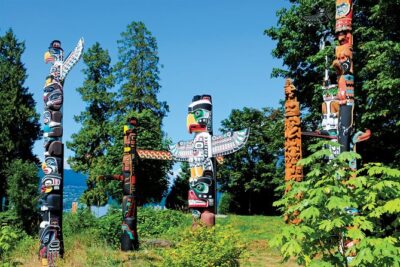 ★ 4.5Vancouver City Sightseeing Tour: Granville Island & Stanley ParkFrom $681,782 reviews
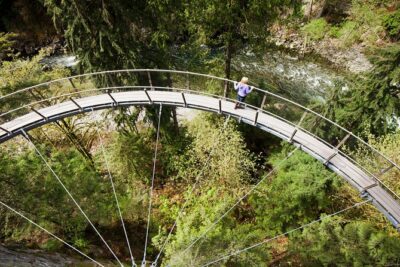 ★ 4.5Vancouver Tour: Stanley Park, Granville Island & Capilano BridgeFrom $1361,778 reviews
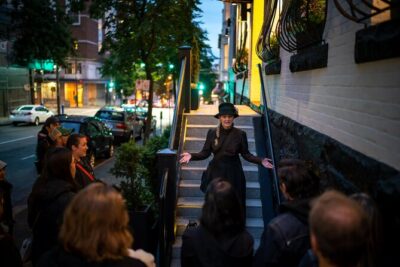 ★ 5.0Vancouver Lost Souls of Gastown Walking TourFrom $291,273 reviews
 ★ 4.7Vancouver Highlights: Capilano Bridge & Granville IslandFrom $119700 reviews
 ★ 5.0A Wok Around Chinatown: Culinary and Cultural Walking Tour Led by a ChefFrom $122610 reviews
 ★ 5.0Granville Island Market Food Tour by Vancouver Foodie ToursFrom $123552 reviews
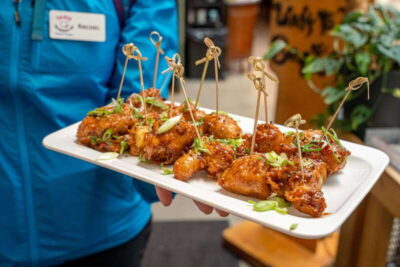 ★ 4.8Vancouver: Gastown Historical Walking Food TourFrom $113539 reviews
Browse the lists this tour appears in