
REVIEW · LAKE LOUISE & MORAINE LAKE TOURS
Emerald Lake,Natural Bridge, Wapta Falls & Takakkaw Falls in Yoho
Yoho National Park turns a normal day into a nonstop photo errand. This small-group outing strings together classic Banff viewpoints with the big hitters in Yoho, including Emerald Lake and the Natural Bridge stretch of the Kicking Horse River.
I like the way the day is built around short, efficient stop times, so you spend less time in the van and more time looking at rock, ice, and waterfall power. It also has seasonal swaps, so the plan still makes sense in winter.
In This Review
- What I like most: guides and smart pacing
- One thing to consider before you book
- Key things to know before you go
- Banff starts the day: mountains, lakes, and easy wins
- Emerald Lake: the green comes from rock flour, not paint
- Natural Bridge on the Kicking Horse River: from rock span to frozen drama
- Wapta Falls: a real hike that pays back in power
- Lake Louise in winter: turquoise turns into ice wonderland
- Takakkaw Falls in summer, Marble Canyon in winter: two styles of wow
- Lunch at Field: get fed, then get moving
- Photo and timing help: why the guide role matters here
- What is included, and what you’ll need to bring
- How long is it, and why the schedule feels like the right kind of full day
- Who should book this Yoho and Banff waterfalls day
- Should you book this tour?
- FAQ
- How long is the tour?
- What time does the tour start?
- Is this a small group tour?
- Is Wapta Falls always included?
- How far is the hike at Wapta Falls?
- Is Takakkaw Falls a hike?
- What happens in winter instead of Takakkaw Falls?
- What is included in the price?
- Are meals included?
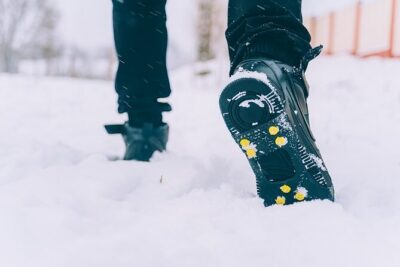
- What if I need winter traction or ice walking gear?
- Can I cancel for a full refund?
What I like most: guides and smart pacing
I especially love the human factor here. Guides like Vicky and Patrick are often described as hands-on with timing, safety on hikes, and photo help at the best angles, not just wherever the crowd is.
I also like that value is packed in. You get an air-conditioned vehicle, bottled water, and hot drinks in winter, plus ticketed admission at the main sights. In cold months, crampons are included for the ice walking parts.
Two lakes, many timetables. Other ways to reach them
- Lakes Moraine, Louise, Emerald, Johnston Canyon & Yoho Tour★ 4.8 · 1,023 reviews
- Lake Louise, Moraine Lake and the Icefields Parkway Full-Day Tour★ 5.0 · 836 reviews
- Banff National Park Tour with Lake Louise and Moraine Lake★ 4.5 · 692 reviews
- Day Trip: Lake Louise, Moraine Lake, Emerald Lake, Banff★ 4.5 · 680 reviews
One thing to consider before you book
This is a long day with real walking. The Wapta Falls segment is a 4 km round trip hike, and winter terrain can be slippery, especially around frozen river areas. Also, meals are not included, so plan on buying lunch or packing food.
Key things to know before you go
- Small group size (max 14), which helps with smoother photo stops and less chaos at viewpoints
- Wapta Falls hike is 4 km round trip, so bring proper footwear and expect inclines and declines
- Natural Bridge can be done as a winter ice walk, with crampons provided in winter
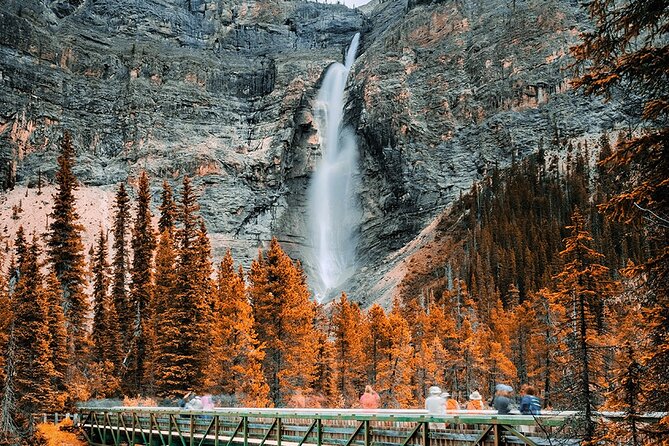
- Takakkaw Falls is easy to reach in summer, via a short walk from the car park
- Seasonal swaps keep the route strong (Wapta becomes Lake Louise in winter, Takakkaw becomes Marble Canyon)
Banff starts the day: mountains, lakes, and easy wins
Your morning begins with iconic Banff scenery, which is a smart way to warm up before Yoho gets dramatic. You’ll pass Cascade Mountain, then hit Vermilion Lakes, a set of lakes known for reflecting Mount Rundle. The calm water look is one of those simple rewards you get quickly, especially if you catch early light.
You then continue toward Castle Mountain, a rugged peak with a castle-like profile. Even if you have seen mountain panoramas before, these stops act like a warm-up lap. You are building a mental map of the region: sharp ridgelines, river valleys, and the way glacial geography shapes everything.
Why it matters for your day: when you later arrive at Emerald Lake and the Kicking Horse River sights, it is easier to understand what you are looking at. The van ride turns into context, not dead time.
Practical tip: bring your camera strap or gloves ready early. Once you hit Yoho, light can change fast, and winter hands get cold quickly.
More of the Parkway, glacier by glacier
Emerald Lake: the green comes from rock flour, not paint
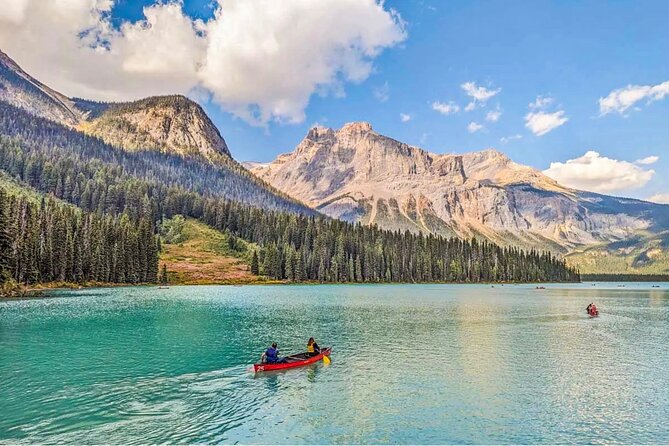
Next, you land at Emerald Lake in Yoho National Park. The famous color is not magic. It comes from tiny glacial debris particles, often called rock flour, suspended in the water. That detail changes how you see it, because the color can feel different depending on wind and cloud cover.
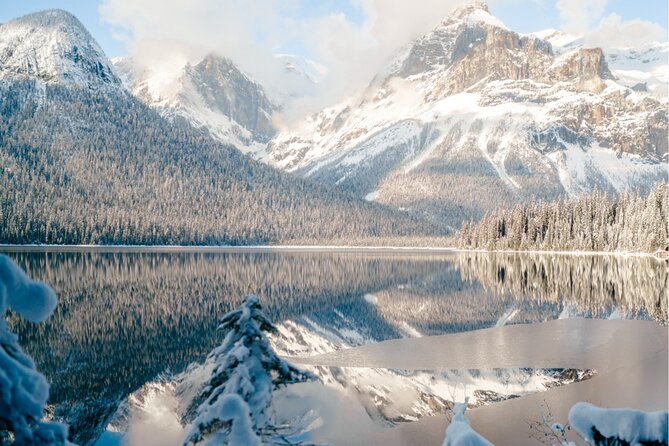
In winter, Emerald Lake shifts into a freeze-and-quiet scene, with much of the lake iced over and the surrounding area blanketed in snow. You get the sense that the place is holding its breath.
Time-wise, this stop is short (about 30 minutes), but it is the right kind of short. Emerald Lake is a place where a little time goes a long way because the water color is the star. You do not need to rush through it to get the payoff.
What to watch for: if it is icy, stick to safe pathways and move slowly. The best views often require patience, not speed.
Natural Bridge on the Kicking Horse River: from rock span to frozen drama
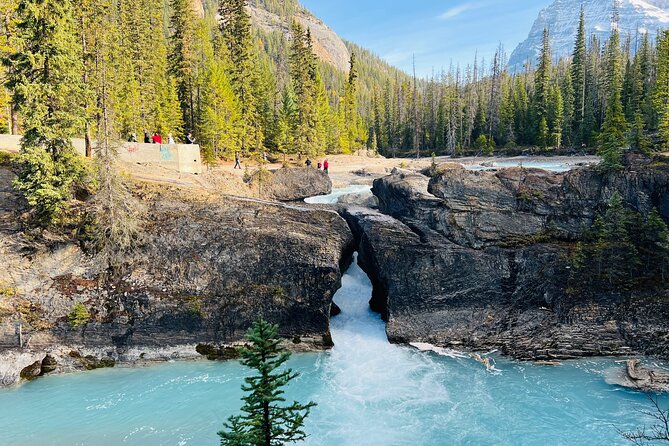
From Emerald Lake you head to Natural Bridge, roughly eight kilometers south of Emerald Lake Lodge. This is an impressive rock formation where the Kicking Horse River flows, and it can look completely different depending on season.
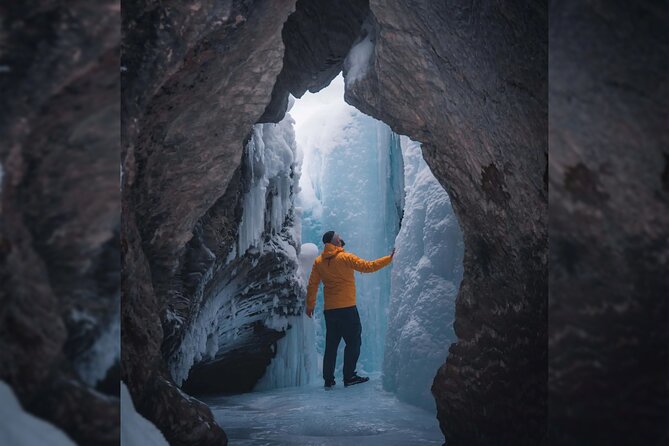
In summer, the river energy is the show. In winter, it becomes something else: the roaring waterfall freezes, and the ice forms spikes that can allow you to walk onto the frozen river area. That is why this stop pairs so well with winter gear. If you are there in cold months, you should expect to use your crampons.
Why it is worth the stop: it gives you a rare “same place, different physics” moment. You can see how water shapes rock over time, then how ice reshapes access and views.
Time is brief (about 15 minutes), but Natural Bridge is one of those spots where you feel like you got a whole mini-experience. You are not just standing and staring. You are seeing the bridge from angles you would not get on your own walk.
Wapta Falls: a real hike that pays back in power
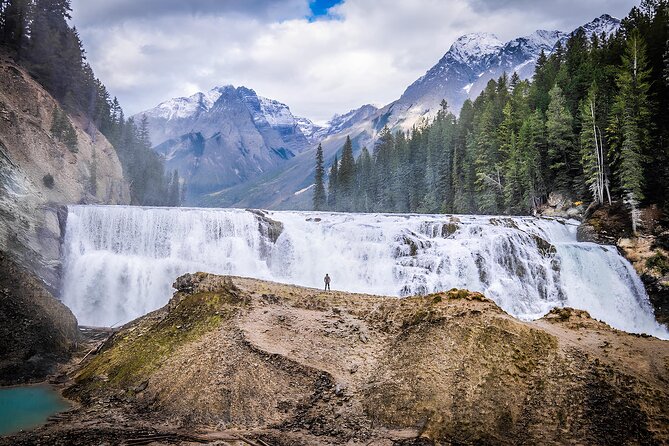
Then comes the big one for summer: Wapta Falls. This waterfall sits on the Kicking Horse River and is described as the largest waterfall on that river, about 18 meters high and roughly 107 meters wide. That width is important. It means you experience the water wall, not a narrow ribbon.
You’ll also do a hike here. The route is about 4 km round trip, and it takes you through inclines and declines. Even when the climb feels manageable, the return can feel steeper than you expect, so wear shoes you trust.
In winter, Wapta Falls is replaced, but the idea stays the same: a major water moment in Yoho that you can still access without turning the day into a summit quest.
What I like about how this tour handles Wapta: it gives you the chance to feel the waterfall close up, not just from far-off viewpoints. And on rough weather days, the guides may adjust the plan to keep you safe and still help you get a good view.
Practical advice: bring layers. Water locations create fast temperature shifts, and wet ground can make you colder than you expect.
Lake Louise in winter: turquoise turns into ice wonderland
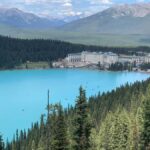
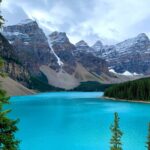
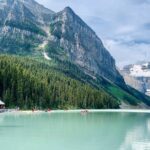
If you are going in winter, the itinerary swaps Wapta Falls for Lake Louise. Lake Louise is a glacial lake in Banff National Park known for its turquoise look, with the Victoria Glacier as a dramatic backdrop.
In winter, the lake becomes a sheet of ice and snow, and that changes the whole vibe. Instead of “how bright is the water,” the question becomes “how crisp is the scenery.” You get a calmer, colder, more sculpted feeling.
This stop runs about 1 hour. That is plenty time to walk out for a good view and still get back to the warmth of the van without rushing.
When Lake Louise matters most: it gives you a big-name, high-impact winter scene that does not require you to add your own planning. You just show up ready for cold air and icy footing.
Takakkaw Falls in summer, Marble Canyon in winter: two styles of wow
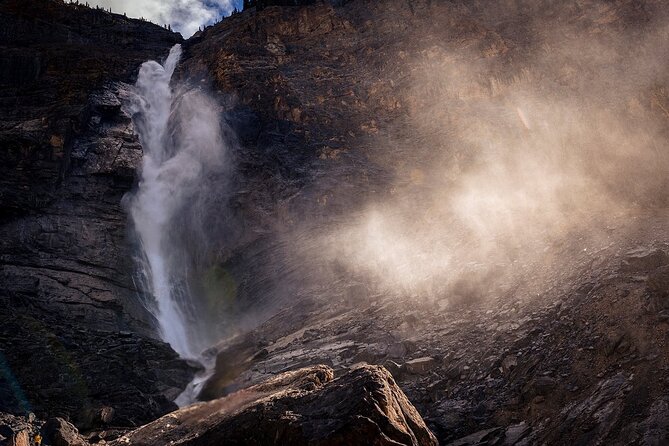
In summer, you will head to Takakkaw Falls. It’s one of the tallest single-drop waterfalls in Canada, about 373 meters high. The best part is access. You can reach it with a short walk from the car park, roughly 10 to 15 minutes, which makes this stop more family-friendly than many waterfall hikes.
This is the kind of waterfall where time stretches. You think you will take photos in a few minutes, then you realize you keep stepping to new angles because the falls keep changing with your position.
In winter, Takakkaw Falls is replaced with Marble Canyon. Marble Canyon’s winter look comes from snow formations on the rock, while the blue river below can stay unfrozen. The tour takes you to a set of bridges that connect short loops, so you get multiple viewpoints without committing to one long, complicated route.
The guides also may encourage crampons and an ice-ready approach here. This is a “walk carefully, look often” kind of stop.
My take on the trade-off: summer Takakkaw gives you vertical drama with an easier walk. Winter Marble Canyon gives you texture and geometry with more attention to footing.
Lunch at Field: get fed, then get moving
About mid-day you stop in Field for lunch, with 1 hour provided. Meals are not included, so you’ll be buying food on your own, which keeps flexibility for allergies and preferences.
This lunch break is valuable because it prevents the classic long-day mistake: trying to power through with snacks until you are too tired to enjoy later stops. One hour is not a restaurant marathon, but it is enough time to eat and reset.
What I recommend: if you are going in winter, eat something warm. Cold days can make people forget they are hungry, until they feel wiped out.
Photo and timing help: why the guide role matters here
A big theme in the best experiences with this tour is how smoothly the day runs. Guides described in the past as attentive often do small things that change your whole perception of the outing.
You might get:
- clear photo help at each stop
- guidance on where to stand for better angles
- pacing that avoids a constant rush
- extra checking in during hikes, including support for people who need to take it slower
Names that come up often include Ray, Kenneth, Wing, Vicky, and Patrick. While you should not expect the exact same approach every day, the consistent pattern is that the guides aim to keep the experience friendly, safe, and worth the long drive.
Also, the group size limit helps. With a maximum of 14 travelers, you spend less time waiting for a turn at key views.
What is included, and what you’ll need to bring
This tour does a good job of covering the basics. Included items and services typically include:
- an air-conditioned vehicle
- bottled water
- hot drinks in winter
- crampons in winter
- GST
- admission ticketed access at the stops
Not included:
- meals
- personal expenses
- travel insurance
- guide gratuity (listed as CAD 15 per person)
What you should bring:
- winter layers or rain protection, depending on season
- sturdy footwear for icy or uneven ground
- a camera or phone with extra battery (cold drains phones faster)
If you are hiking Wapta Falls, pack light but bring what you need to feel steady on your feet.
How long is it, and why the schedule feels like the right kind of full day
The tour runs about 8 to 10 hours, and that includes travel time. It starts at 7:30 am, and it ends back at the meeting point.
This matters because the day is not random. The early Banff viewpoints are set up before the Yoho “big stops,” and the later waterfall canyon moments are positioned when conditions are often best for photography and views.
If you prefer a relaxed day, this still works because stops are planned with time to actually see. You are not touring from one parking lot to the next with zero breathing room.
One caution: it is long. If you hate long van rides, you might feel it by the time you reach the final stop.
Who should book this Yoho and Banff waterfalls day
Book it if you want:
- a well-paced route through Yoho National Park without doing the driving yourself
- the chance to see multiple iconic water sights in one outing
- winter-friendly support like hot drinks and crampons
- a small-group day where someone helps with timing and photos
You might skip this tour if:
- you want a short, low-walking outing
- hiking a 4 km round trip feels like too much for you
- you are going to be extremely weather-sensitive, because winter and shoulder seasons can change quickly
The sweet spot is a traveler with moderate physical fitness who wants big views and good guiding without overcomplicated planning.
Should you book this tour?
I’d say yes if your priority is a high-impact day built around Emerald Lake and the Kicking Horse River waterfalls, with the schedule adapted for winter. The value feels real because ticketed sights and winter gear are included, and the guide support seems to make the difference between just seeing places and getting great moments.
I’d say think twice if you want meals provided, or if you are not comfortable with a real hike at Wapta Falls or icy winter walking. This is not a “sit back the whole time” tour, but it is also not a grueling trek. It hits a nice middle ground.
If you book, go in ready for cool air, bring proper footwear, and plan to eat lunch like you mean it. You’ll get a lot more out of every stop when you are not running on fumes.
FAQ
How long is the tour?
It runs about 8 to 10 hours, including travel time.
What time does the tour start?
The start time is 7:30 am.
Is this a small group tour?
Yes. The maximum group size is 14 travelers.
Is Wapta Falls always included?
No. Wapta Falls is listed for summer only. In winter, the tour changes to Lake Louise instead.
How far is the hike at Wapta Falls?
The Wapta Falls hiking portion is a 4 km round trip.
Is Takakkaw Falls a hike?
In summer, Takakkaw Falls is reachable with a short 10 to 15-minute walk from the car park.
What happens in winter instead of Takakkaw Falls?
In winter, Takakkaw Falls is replaced by Marble Canyon.
What is included in the price?
Included items/services are an air-conditioned vehicle, bottled water, hot drinks in winter, crampons in winter, and GST. Admission tickets are included for the main stops.
Are meals included?
No. Meals are not included. Lunch is available during a 1 hour stop in Field, but you will be responsible for what you buy.
What if I need winter traction or ice walking gear?
Crampons are included in winter, and they are relevant for the winter ice walking parts of the route.
Can I cancel for a full refund?
Yes, you can cancel up to 24 hours in advance for a full refund.
Over the Divide: Yoho and Kootenay
Keep Driving the Parkway
The Turquoise Shortlist
Just off the notebook: recent Banff write-ups
- Elevated Private Experience: Adventure & Wellness in Banff
★ 5.0 · 4 reviews - From Banff: Affordable Moraine Lake and Lake Louise Shuttle Bus
★ 5.0 · 4 reviews - Banff to Calgary or YYC Airport | Private Transfer
★ 5.0 · 4 reviews - Banff Gondola & Lake Minnewanka Cruise Combo
★ 5.0 · 4 reviews - Moraine Lake Lake Louise Johnston Canyon Emerald Lake Day tour
★ 5.0 · 4 reviews - From Banff: Winter Wonderland; Lake Louise & Johnston Canyon
★ 5.0 · 4 reviews
Lake Louise & Moraine Lake Tours, compared.
 ★ 5.0Lake Louise, Moraine Lake, Banff Tour from Calgary/Canmore/BanffFrom $742,792 reviews
 ★ 4.9Emerald Lake, Moraine, Louise, Johnston Canyon & Banff TownFrom $511,554 reviews
 ★ 4.8Lakes Moraine, Louise, Emerald, Johnston Canyon & Yoho TourFrom $611,023 reviews
 ★ 5.0Lake Louise, Moraine Lake and the Icefields Parkway Full-Day TourFrom $165836 reviews
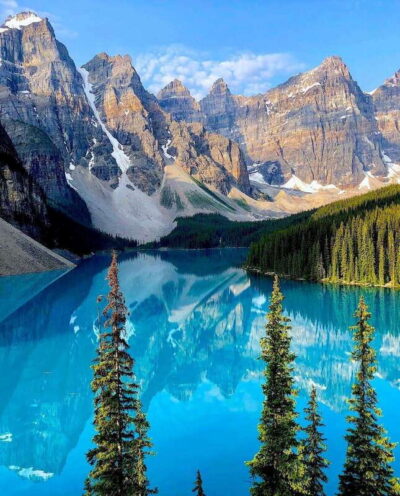 ★ 4.9Banff: Lake Louise, Moraine, Emerald Lake & Johnston CanyonFrom $50808 reviews
 ★ 4.5Banff National Park Tour with Lake Louise and Moraine LakeFrom $119692 reviews
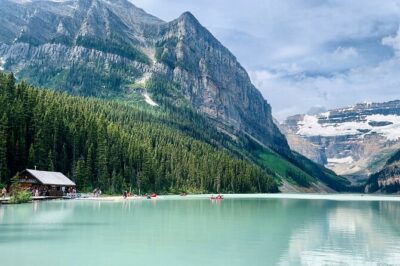 ★ 4.5Day Trip: Lake Louise, Moraine Lake, Emerald Lake, BanffFrom $89680 reviews
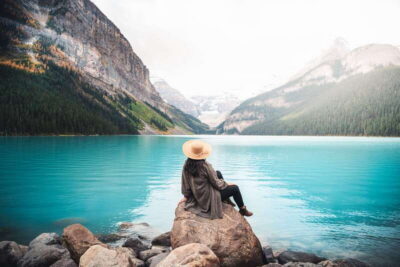 ★ 4.7From Banff: Lake Louise and Moraine Lake Sightseeing TourFrom $88659 reviews
Browse the lists this tour appears in