
REVIEW · LAKE LOUISE & MORAINE LAKE TOURS
Banff OR Moraine Lake: Night Tour with possible Stargazing
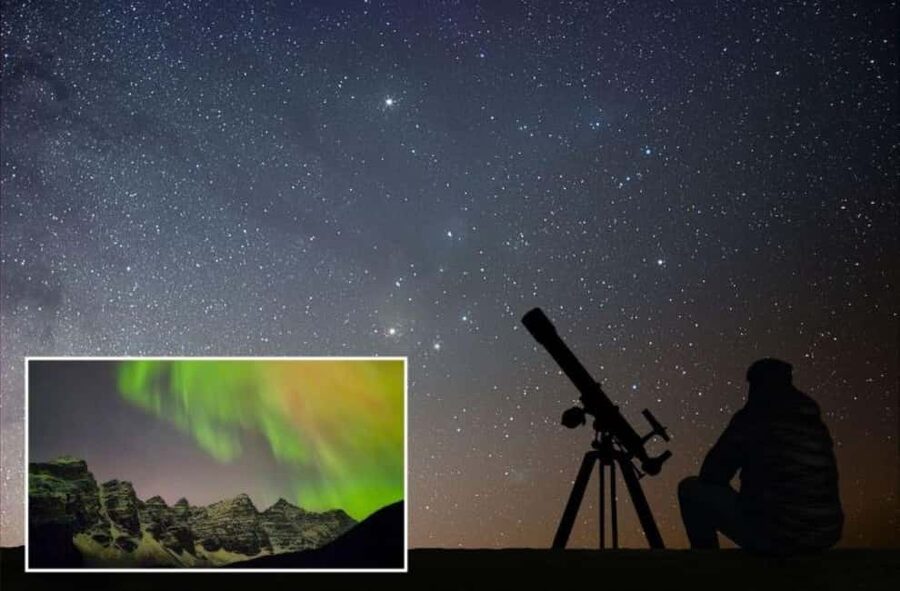
Your mountains get a whole new mood after dark. This Banff OR Moraine Lake night tour takes you away from town lights for serious stargazing, with a telescope and a warm, ready-to-go setup. What I like most is how you get to a low-light location without figuring it out yourself, plus the comfort details like blankets and hot chocolate or tea. The main drawback to plan around is that stars and any Aurora borealis sightings are never guaranteed, since the tour runs in changing weather.
You have two options depending on the season and your timing. The Classic Banff Night Adventure runs about 2.5 to 3.5 hours (with roughly two hours under the sky), and the Moraine Lake Night Adventure runs longer, about 4.5 to 5.5 hours, and only runs from June to mid-October. Consider it a sit-and-stare mountain evening more than a big hike, but there is some walking, and the Moraine Lake option includes stairs.
In This Review
- Key Points Before You Go
- Banff Night vs Moraine Lake Night: Pick the Right Length
- The Secret Dark Spot and How the Evening Is Set Up
- Telescope Time: What You Can See When Conditions Cooperate
- Aurora Borealis Chasing: Fun Odds, Clear Expectations
- Comfort in Real Cold: Blankets, Loungers, and Hot Drinks
- Pickup, Transport, and the Pace of the Evening
- Walking Limits and Who Might Want a Different Plan
- Price and Value: Why This Costs More Than Self-Guided Stargazing
- Weather Reality: Why You Should Pack for Plan B
- Photography Tips You Can Expect From the Guides
- Should You Book This Banff or Moraine Lake Night Tour?
- FAQ
- How long is the Classic Banff Night Adventure?
- How long is the Moraine Lake Night Adventure, and when does it run?
- Is this a hiking tour?
- What is included with the tour?
- Are meals included?
- Are stars or Aurora guaranteed?
Key Points Before You Go
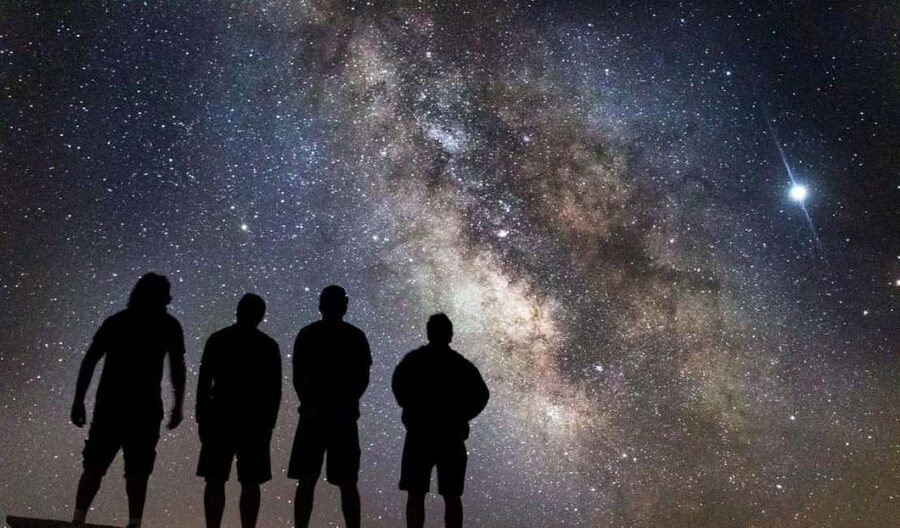
- A secret low-light spot: You are led to a darker area with minimal light pollution, so stars pop more than they do near town.
- Telescope included: When conditions allow, you get an up-close look at bright targets like planets and stars.
- Comfort is part of the plan: Chairs or inflatable loungers, blankets, and headlamps keep you relaxed even in cold air.
- Photography help is real: Guides are hands-on with camera settings, so you are not stuck guessing all night.
- Weather-flexible, not weather-controlled: Tours can run clear, partly cloudy, cloudy, or light snow, and Aurora sighting is never promised.
Two lakes, many timetables. Other ways to reach them
- Lakes Moraine, Louise, Emerald, Johnston Canyon & Yoho Tour★ 4.8 · 1,023 reviews
- Lake Louise, Moraine Lake and the Icefields Parkway Full-Day Tour★ 5.0 · 836 reviews
- Banff National Park Tour with Lake Louise and Moraine Lake★ 4.5 · 692 reviews
- Day Trip: Lake Louise, Moraine Lake, Emerald Lake, Banff★ 4.5 · 680 reviews
Banff Night vs Moraine Lake Night: Pick the Right Length
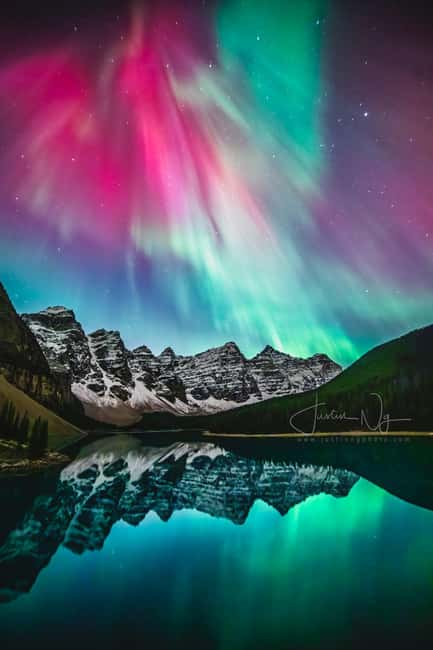
This experience comes in two formats, and your choice changes the feel of the evening.
The Classic Banff Night Adventure is the shorter one, about 2.5 to 3.5 hours depending on pickup location. You spend around two hours at the observation base under the night sky, which is enough time to settle in, get telescope time, and enjoy the sky without turning the evening into a late-night marathon.
The Moraine Lake Night Adventure lasts longer, about 4.5 to 5.5 hours, with Moraine Lake access fees included. It is available only from June to mid-October, which matters because Moraine Lake itself is seasonal. Expect a longer drive, a longer evening, and more time in the area around that iconic lake at night.
If you want the most efficient night-sky outing, do the Classic Banff option. If you want the special setting of Moraine Lake after dark, choose the longer Moraine Lake outing and plan for more movement, since stairs are part of the route.
The Secret Dark Spot and How the Evening Is Set Up
The core idea is simple: you get far enough from the town lights that the sky actually looks like a sky. The tour is designed around reaching a dark location with minimal light pollution, then setting up an observation base so you can enjoy the night without stress.
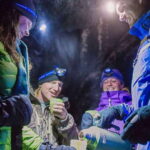
Once you arrive, the team sets up a comfortable spot with chairs or inflatable portable loungers. You also get headlamps, so you can move safely between steps without torching your night vision. Hot chocolate and tea are part of the “arrive, sit, relax” rhythm, and blankets are provided so you are not forced to keep standing just to stay warm.
What I like about this approach is that it turns stargazing into a low-effort, high-reward evening. You do not have to read maps in the dark, search for a dark clearing, or troubleshoot your setup. The guides handle navigation and the base setup, which is exactly what you want if going alone feels like a hassle.
There is also a surprise activity built in. In past outings, people have described it as a fun extra moment that breaks up the stargazing flow, and it adds a little more energy to the evening than “just sit and watch.” You will still get the sky time you came for.
Telescope Time: What You Can See When Conditions Cooperate
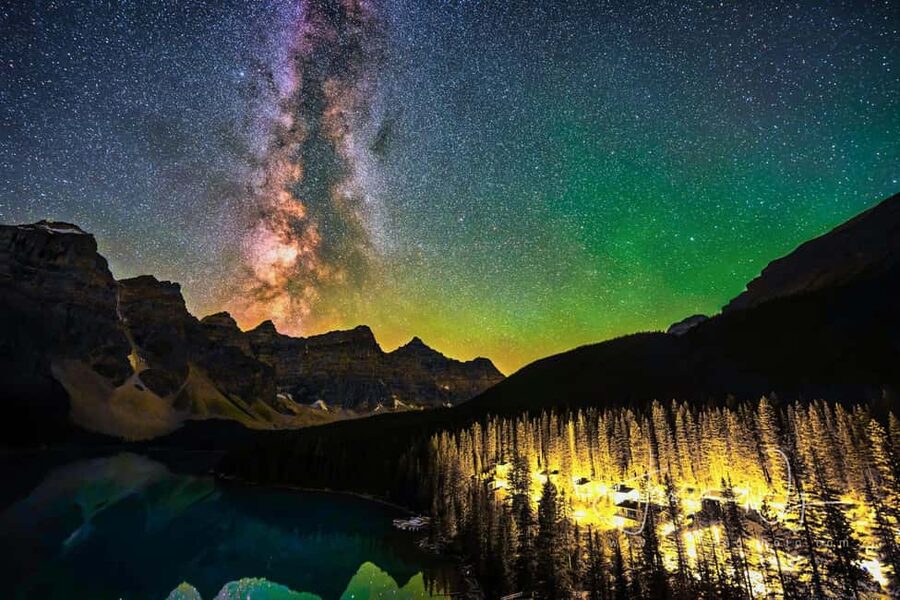
This tour is not just about pretty stars at a distance. You get telescope time, which can change the whole experience, especially if you are seeing the night sky for the first time in a truly dark setting.
When the skies cooperate, the telescope can reveal bright, recognizable targets. Reviews mention seeing Saturn and Mars through the telescope, and others describe extremely clear views with standout moments like the Milky Way appearing. Even when clouds partly interfere, guides typically still aim you at objects you can see through breaks in the sky.
The guides also talk you through what you are looking at. Multiple reviews highlight how helpful they are with constellation context and night-sky explanation, so the sky becomes something you can connect to, not just distant dots.
One smart reality check: the tour notes that stars and Aurora sightings are not guaranteed. Clouds, wind, and snow can limit what you see. But this is not wasted time if the sky is dim. You still get a guided stargazing session, telescope viewing, warm drinks, and a comfortable base designed for long observation.
Other ways into a Banff evening

Aurora Borealis Chasing: Fun Odds, Clear Expectations
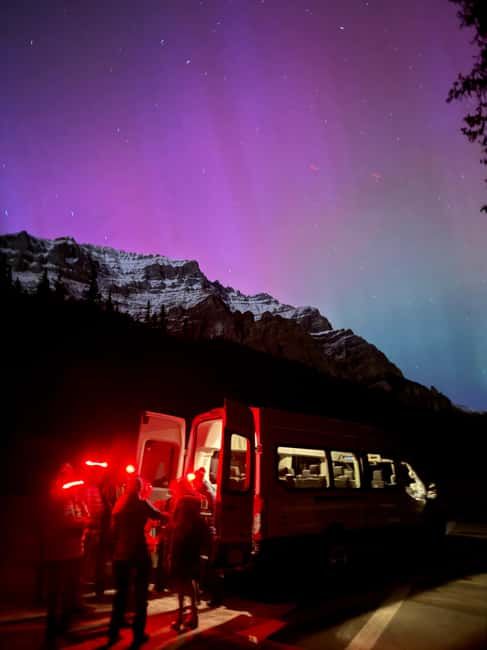
Northern Lights are a big draw here. The tour is built with “possible stargazing and aurora chasing” in mind, and people do report Aurora sightings, including even brief ones during some winter nights.
But the honest truth is baked into the experience: you should treat Aurora as a bonus, not the goal. The guides run under a range of conditions, from clear skies and partly cloudy nights to mainly cloudy skies and light snow. That flexibility is part of the charm, but it also means you might go home with stunning stars and no Aurora.
If you do catch the Northern Lights, it can feel magical because you are already set up and comfortable in the dark. If you do not, you still have a strong plan: telescope viewing, clear star patterns when possible, and guide-led sky watching.
One review even described how Aurora forecasts were low, yet the night still delivered, with stars and other sky highlights. That is the best mindset for this kind of outing: come for the night sky, let the Aurora be icing.
Comfort in Real Cold: Blankets, Loungers, and Hot Drinks
Stargazing in the Canadian Rockies can be cold in a hurry, especially once the sun drops. This tour builds comfort into the basics so you can actually stay out for the sky portion.
You get cozy blankets, hot chocolate, and tea. You can choose comfortable seating, either standard chairs or inflatable portable loungers, depending on conditions and setup. You also wear headlamps, which helps you walk a little and find your way without blinding yourself or others.
In cold weather, reviews repeatedly mention that the experience is bearable, even when it is seriously freezing. One person specifically mentioned that severe cold was made manageable, and another described sitting in the inflatable lounge chairs as a surreal, restful way to watch for the moonrise and stars.
A practical note for you: the tour provides the warmth systems, but you still need your own layers. Bring the warm clothing they recommend, including a hat, gloves, jacket, scarf, and thermal layers if you have them. For winter, they strongly suggest sturdy warm boots and recommend “Hothands” hand and foot warmers, since those can make the difference between tolerable and miserable.
If you tend to get chilly, this is one of the biggest reasons to book a guided night tour. They build the comfort so you can focus on the sky, not your fingers.
Pickup, Transport, and the Pace of the Evening
You start with hotel pickup, with two pickup areas listed: Canmore or Banff. The Canmore pickup happens at the start of the tour, while Banff pickups are about 30 minutes after the official Canmore departure time. Either way, the guides give you a smooth start, and you should plan to be ready about 10 minutes before pickup.
The ride matters because it gets you into the mountains without a self-drive headache. Reviews mention highly-rated transportation and first-class service, and people also highlight how personable the guides are from the moment they meet you.
As for pace, this is not a hiking tour. That is a big point. You will have some walking, and for the Moraine Lake option, stairs are included, so comfortable footwear is worth treating seriously. But you are not out there trekking for miles. Most of your energy goes into settling in, watching, and using the telescope when the sky is right.
The evening is structured around about two hours under the night skies for both options. That timing is perfect for the “sit long enough to see details” effect, without exhausting you before the best part.
Walking Limits and Who Might Want a Different Plan
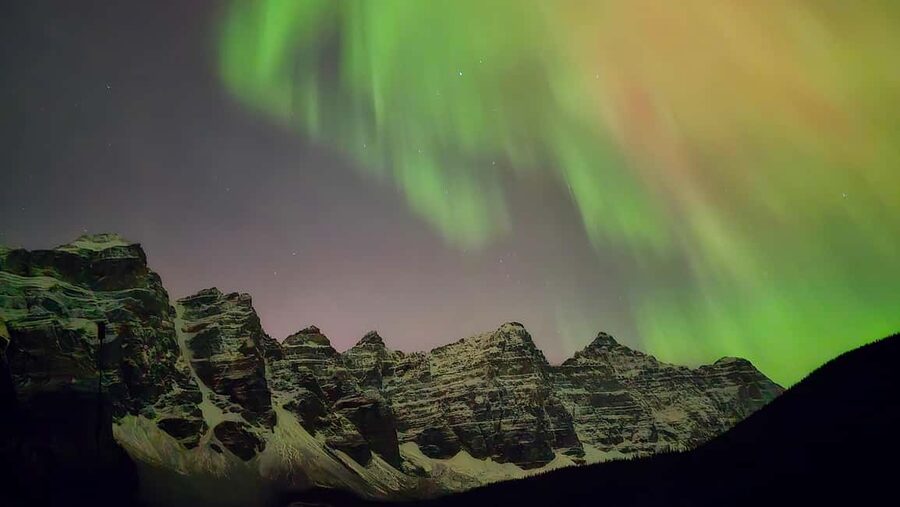
This is a “comfortable base in the dark” tour, not a full-on trek, but it still has movement.
Because it is not hiking, you will not need trail stamina. Still, there is some walking for getting to the observation point, and for the Moraine Lake Night Adventure, stairs are included. If you have mobility concerns, I would treat the Moraine Lake option as the tougher one and be extra realistic about your ability on stairs and uneven surfaces.
Another practical note: the tour is not suitable for children under 8. If you are traveling with kids, factor that into your choice right away.
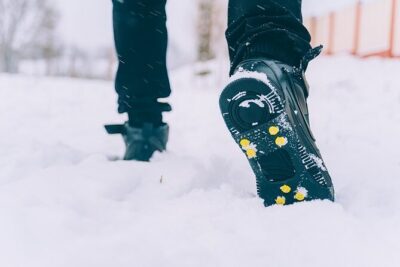
Also note the winter conditions. The tour mentions cleats on winter tours, which can help in snowy or icy conditions. Even with cleats handled by the team, you should still dress like you expect snow, wind, and cold, not like you are going for an evening stroll.
Price and Value: Why This Costs More Than Self-Guided Stargazing
At $108 per person, this is not the cheapest thing you can do in the Banff area. But it is also not just “stargazing for rent.” You are paying for the stuff that takes time, risk, and know-how.
Here is what your money covers:
- transportation with pickup and drop-off
- an experienced guide who handles navigation and the observation base
- use of a telescope
- comfortable chairs or inflatable loungers plus blankets
- hot chocolate or tea
- headlamps and a surprise activity
- for the Moraine Lake option specifically, Moraine Lake access fees are included
If you try to DIY this, you would need a plan for where to go, how to get there after dark, and how to set up safely and comfortably. The value here is that you skip the searching and get guided setup immediately. Multiple reviews also emphasize that you cannot really replicate this with solo planning, especially for the camera help and telescope usage.
You also gain peace of mind. The tour exists partly for people who do not feel comfortable going alone at night. Even if you are a confident driver, you still might not want to be the one managing dark roads, low-light photography, and warm comfort for hours.
So yes, it costs more than a casual activity. But it is priced like a guided night experience where you stay warm, get equipment, and get help with the sky.
Weather Reality: Why You Should Pack for Plan B
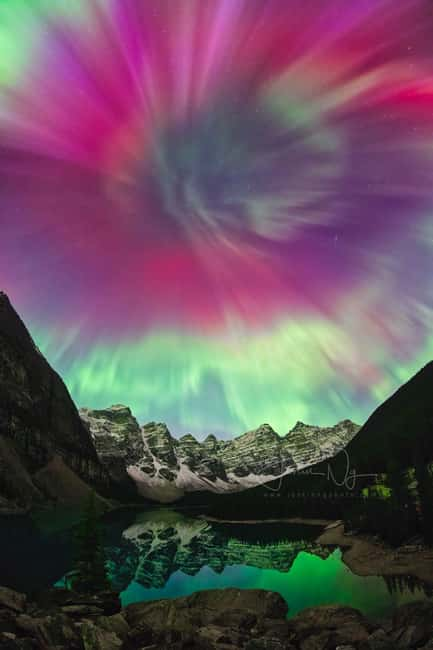
This tour runs under a range of conditions, including clear skies, partly cloudy, mainly cloudy, cloudy, and light snow. That is part of the reason the odds of Aurora are variable.
What you should plan for is the cold and the possibility that cloud cover reduces telescope views. Even with clouds, the evening can still be beautiful. People have described stars being clear or only partially visible depending on cloud cover, but still reporting highlights like Saturn, Mars, and strong star clarity when windows opened.
The tour also mentions that if rain or snow is heavy, you can reschedule or receive a full refund. Forecasts can change last minute, and cancellations are tied to temperature, wind chill, and rain or heavy snow predictions. That means you should keep your schedule flexible and be ready for an adjustment.
The best way to handle uncertainty is to pack for the cold no matter what. The sky might be dramatic, but your comfort depends on your layers.
Photography Tips You Can Expect From the Guides
If you care about night photos, this tour is set up to help. Several reviews say guides were patient and helped people figure out camera settings for capturing stars and night-sky scenes. That support is huge if you are not an expert, because night photography is mostly about getting the basics right quickly.
With a telescope involved, you can also learn how to focus on bright objects. People mention taking cool photos of the night sky with telescope views, and the guides can help you use what you have, whether it is a camera or a phone plus manual settings.
If you want a good shot, dress warmly first, then focus on simplicity. Stay seated, let your body rest, and only adjust settings when the guide points out a target. Headlamps help you find your gear without turning the whole sky into a glowing mess.
And if Aurora happens, having a stable base and telescope support can make capturing it easier than trying to chase lights on your own.
Should You Book This Banff or Moraine Lake Night Tour?
If your goal is to see more stars, maybe catch Aurora, and still be comfortable, I think this tour is an easy yes. The biggest win is that you are guided to a darker spot and set up in a warm, low-effort base with telescope time. If you want help with photography, or you simply do not want to plan a solo night out in the dark, it is an especially good match.
I would pause before booking if stairs or cold conditions are a concern for you, or if you are hoping for a guaranteed Aurora show. The tour is clear that sightings are not promised, and the skies can be cloudy. It is still worth it for stargazing, but set expectations based on the sky conditions, not on internet photos.
One last decision helper: if you are visiting in the June to mid-October window and you want Moraine Lake after dark, the longer Moraine Lake Night Adventure is the special-choice option. If you want a shorter evening and you are staying closer to Banff or Canmore, the Classic Banff Night Adventure gives you the key experience in less time.
Book it if you want a guided, cozy night-sky plan with real equipment and real comfort. Skip it only if your body cannot handle cold nights or stairs, or if you need Aurora certainty.
FAQ
How long is the Classic Banff Night Adventure?
The Classic Banff Night Adventure lasts about 2.5 to 3.5 hours, depending on where you start from. You spend about 2 hours under the night skies.
How long is the Moraine Lake Night Adventure, and when does it run?
The Moraine Lake Night Adventure lasts about 4.5 to 5.5 hours, also depending on pickup location. It runs only between June and mid-October.
Is this a hiking tour?
No. It is not described as a hiking tour. Some walking is involved on both tours, and the Moraine Lake option includes stairs, so comfortable footwear matters.
What is included with the tour?
You get transportation, a guide, shared transport, hotel pickup and drop-off, use of a telescope, chairs or inflatable loungers, blankets, hot chocolate and tea, headlamps, and a surprise activity. Winter tours also include cleats, and Moraine Lake access fees are included on the Moraine Lake Night Adventure.
Are meals included?
No, meals are not included.
Are stars or Aurora guaranteed?
No. Stars and Aurora borealis sightings are not guaranteed. The tour can run in clear skies, partly cloudy skies, mainly cloudy skies, cloudy conditions, and light snow.
When the Lights Come On

The Turquoise Shortlist
Just off the notebook: recent Banff write-ups
- Elevated Private Experience: Adventure & Wellness in Banff
★ 5.0 · 4 reviews - From Banff: Affordable Moraine Lake and Lake Louise Shuttle Bus
★ 5.0 · 4 reviews - Banff to Calgary or YYC Airport | Private Transfer
★ 5.0 · 4 reviews - Banff Gondola & Lake Minnewanka Cruise Combo
★ 5.0 · 4 reviews - Moraine Lake Lake Louise Johnston Canyon Emerald Lake Day tour
★ 5.0 · 4 reviews - From Banff: Winter Wonderland; Lake Louise & Johnston Canyon
★ 5.0 · 4 reviews
Lake Louise & Moraine Lake Tours, compared.
 ★ 5.0Lake Louise, Moraine Lake, Banff Tour from Calgary/Canmore/BanffFrom $742,792 reviews
 ★ 4.9Emerald Lake, Moraine, Louise, Johnston Canyon & Banff TownFrom $511,554 reviews
 ★ 4.8Lakes Moraine, Louise, Emerald, Johnston Canyon & Yoho TourFrom $611,023 reviews
 ★ 5.0Lake Louise, Moraine Lake and the Icefields Parkway Full-Day TourFrom $165836 reviews
 ★ 4.9Banff: Lake Louise, Moraine, Emerald Lake & Johnston CanyonFrom $50808 reviews
 ★ 4.5Banff National Park Tour with Lake Louise and Moraine LakeFrom $119692 reviews
 ★ 4.5Day Trip: Lake Louise, Moraine Lake, Emerald Lake, BanffFrom $89680 reviews
 ★ 4.7From Banff: Lake Louise and Moraine Lake Sightseeing TourFrom $88659 reviews
Browse the lists this tour appears in